

We use cookies to ensure our website works properly and to personalise your experience. Cookies policy
1Scholars, Jaipur School of Pharmacy, Maharaj Vinayak Global University, Jaipur, Rajasthan, India
2Assistant Professor, Jaipur School of Pharmacy, Maharaj Vinayak Global University, Jaipur, Rajasthan, India
3Principal, Jaipur School of Pharmacy, Maharaj Vinayak Global University, Jaipur, Rajasthan, India
Ramipril is a second-generation angiotensin-converting enzyme (ACE) inhibitor widely used for the management of hypertension, heart failure, post-myocardial infarction, diabetic nephropathy, and chronic kidney disease. Administered as an orally active prodrug, ramipril is rapidly converted to its active metabolite, ramiprilat, which inhibits the renin–angiotensin–aldosterone system (RAAS) by blocking the conversion of angiotensin I to angiotensin II. This action reduces vasoconstriction, aldosterone secretion, and sodium retention while enhancing bradykinin-mediated vasodilation, resulting in effective blood pressure control and significant cardiovascular and renal protection. Beyond its antihypertensive effects, ramipril improves endothelial function, reduces oxidative stress, limits cardiac remodeling, and decreases proteinuria, thereby lowering cardiovascular morbidity and mortality. From a pharmaceutical perspective, ramipril exhibits high lipophilicity, multiple chiral centers, and prolonged tissue distribution, contributing to its sustained therapeutic activity. However, its susceptibility to hydrolysis, oxidation, and intramolecular cyclization presents challenges during formulation development and storage, necessitating optimized manufacturing processes, stability-indicating analytical methods, and rigorous impurity profiling. Landmark clinical trials, including HOPE, AIRE, REIN, and ONTARGET, have established ramipril as an effective agent for reducing cardiovascular events, improving post-myocardial infarction survival, and delaying chronic kidney disease progression. This article provides a comprehensive overview of the pharmaceutical development, pharmacological properties, stability, degradation pathways, therapeutic applications, and clinical evidence supporting the continued use of ramipril in cardiovascular and renal medicine.
Cardiovascular diseases remain the leading cause of morbidity and mortality worldwide, with hypertension, heart failure, and chronic kidney disease representing major public health challenges. Dysregulation of the renin–angiotensin–aldosterone system (RAAS) plays a central role in the pathogenesis of these disorders, making ACE inhibitors an essential component of modern cardiovascular therapy. Among them, ramipril has emerged as one of the most extensively studied and clinically effective agents because of its sustained antihypertensive activity, favorable safety profile, and proven cardioprotective and renoprotective effects.
Ramipril is administered as an inactive prodrug and is rapidly hydrolyzed to ramiprilat, a potent ACE inhibitor that suppresses angiotensin II formation while preventing bradykinin degradation. These complementary mechanisms promote vasodilation, reduce peripheral vascular resistance, decrease aldosterone secretion, and improve endothelial function. In addition to lowering blood pressure, ramipril attenuates cardiac remodeling, reduces oxidative stress, and preserves renal function, making it an important therapeutic option for hypertension, heart failure, post-myocardial infarction management, diabetic nephropathy, and chronic kidney disease. The pharmaceutical development of ramipril is influenced by its physicochemical characteristics, including high lipophilicity, multiple chiral centers, and susceptibility to hydrolytic degradation. Formulation scientists have therefore focused on improving chemical stability through optimized excipient selection, moisture-resistant packaging, controlled manufacturing conditions, and stability-indicating analytical methods. Comprehensive impurity profiling and compliance with international regulatory guidelines ensure product quality, efficacy, and long-term stability. Extensive clinical evidence has established ramipril as a cornerstone therapy for cardiovascular and renal protection. Landmark trials such as HOPE, AIRE, REIN, and ONTARGET demonstrated significant reductions in myocardial infarction, stroke, cardiovascular mortality, heart failure progression, and chronic kidney disease progression. These findings have reinforced the role of ramipril in evidence-based clinical practice and international treatment guidelines. This article reviews the pharmaceutical development, physicochemical properties, pharmacological mechanisms, pharmacokinetics, pharmacodynamics, stability, impurity profiling, therapeutic applications, and major clinical evidence related to ramipril. By integrating pharmaceutical sciences with clinical research, it highlights the continuing importance of ramipril in improving cardiovascular and renal outcomes while emphasizing future opportunities for formulation innovation and personalized therapy.
2. Pharmaceutical Development of Ramipril
Ramipril is a second-generation angiotensin-converting enzyme (ACE) inhibitor developed as an orally active prodrug to improve bioavailability and therapeutic efficacy. Following oral administration, it is rapidly hydrolyzed by hepatic esterases to form ramiprilat, the active metabolite responsible for ACE inhibition. The development of ramipril was driven by the need for an ACE inhibitor with prolonged duration of action, improved tissue penetration, and superior cardiovascular and renal protective effects compared with earlier agents. Its high lipophilicity facilitates extensive tissue distribution and sustained inhibition of tissue-bound ACE, enabling effective once-daily dosing. Pharmaceutical development of ramipril has primarily focused on achieving chemical stability, consistent bioavailability, and long-term product quality. Because the drug contains an ester functional group, it is susceptible to hydrolysis and intramolecular cyclization during manufacturing and storage. Consequently, formulation scientists have optimized excipient selection, processing conditions, and packaging systems to minimize degradation while maintaining therapeutic performance. Moisture-resistant packaging, controlled humidity during manufacturing, and compatibility studies between the active pharmaceutical ingredient and excipients are essential components of product development. Immediate-release tablets remain the most widely marketed dosage form because they provide rapid absorption, predictable bioavailability, and high patient compliance. Modern formulation strategies have also explored modified-release formulations, multiparticulate systems, and lipid-based drug delivery approaches to improve stability and therapeutic consistency. Advances in pharmaceutical manufacturing, together with implementation of Quality by Design (QbD) principles and Good Manufacturing Practices (GMP), have enhanced the quality, safety, and reproducibility of ramipril formulations. Stability-indicating analytical techniques, including high-performance liquid chromatography (HPLC) and liquid chromatography–mass spectrometry (LC–MS), are routinely employed to monitor degradation products and ensure compliance with international regulatory standards.
Table 1. Key Pharmaceutical Characteristics of Ramipril
|
Parameter |
Description |
|
Drug class |
ACE inhibitor |
|
Dosage forms |
Tablets, capsules |
|
Active metabolite |
Ramiprilat |
|
Route of administration |
Oral |
|
Major formulation challenge |
Moisture-induced degradation |
|
Common analytical methods |
HPLC, LC–MS, UPLC |
|
Storage recommendation |
Protect from moisture and heat |
3. Physicochemical Properties
The physicochemical characteristics of ramipril play a critical role in determining its formulation, stability, and therapeutic performance. Ramipril has the molecular formula C₂₃H₃₂N₂O₅ and a molecular weight of 416.51 g/mol. It is a white to off-white crystalline powder with limited aqueous solubility but good solubility in several organic solvents, including methanol and ethanol. The molecule possesses multiple stereogenic centers, and preservation of stereochemical integrity during synthesis is essential because only the desired stereoisomer exhibits optimal pharmacological activity. The lipophilic nature of ramipril promotes efficient gastrointestinal absorption and extensive tissue distribution. Following conversion to ramiprilat, the drug exhibits prolonged binding to tissue ACE, resulting in sustained enzyme inhibition despite declining plasma concentrations. These physicochemical properties contribute to the prolonged duration of action and support once-daily dosing. However, ramipril is chemically unstable in the presence of moisture, elevated temperature, and extreme pH. Hydrolysis of the ester bond and intramolecular cyclization can reduce drug potency during storage if appropriate formulation and packaging strategies are not employed. Therefore, control of environmental conditions and selection of compatible excipients are critical for maintaining pharmaceutical quality throughout the product lifecycle.
Table 2. Physicochemical Properties of Ramipril
|
Property |
Value |
|
Molecular formula |
C₂₃H₃₂N₂O₅ |
|
Molecular weight |
416.51 g/mol |
|
Appearance |
White to off-white crystalline powder |
|
Solubility |
Slightly soluble in water |
|
Active metabolite |
Ramiprilat |
|
Lipophilicity |
High |
|
Stability |
Sensitive to moisture, heat, and hydrolysis |
4. Mechanism of Action
Ramipril exerts its therapeutic effect through inhibition of the renin–angiotensin–aldosterone system (RAAS). After oral administration, ramipril is converted into ramiprilat, which competitively inhibits angiotensin-converting enzyme (ACE). This inhibition prevents the conversion of angiotensin I into angiotensin II, leading to reduced vasoconstriction, decreased aldosterone secretion, diminished sodium and water retention, and lower systemic vascular resistance. The net effect is effective reduction of arterial blood pressure and decreased cardiac workload. In addition to suppressing angiotensin II production, ramipril inhibits the degradation of bradykinin. Increased bradykinin concentrations stimulate endothelial release of nitric oxide and prostacyclin, producing vasodilation and improving endothelial function. These actions contribute to reduced vascular inflammation, decreased oxidative stress, and inhibition of pathological cardiovascular remodeling. Beyond blood pressure reduction, ramipril demonstrates important cardioprotective and renoprotective effects. It reduces left ventricular hypertrophy, limits myocardial fibrosis, preserves endothelial function, and decreases intraglomerular pressure, thereby reducing proteinuria and slowing the progression of chronic kidney disease. These pleiotropic actions explain why ramipril remains one of the most widely recommended ACE inhibitors for long-term cardiovascular and renal protection.
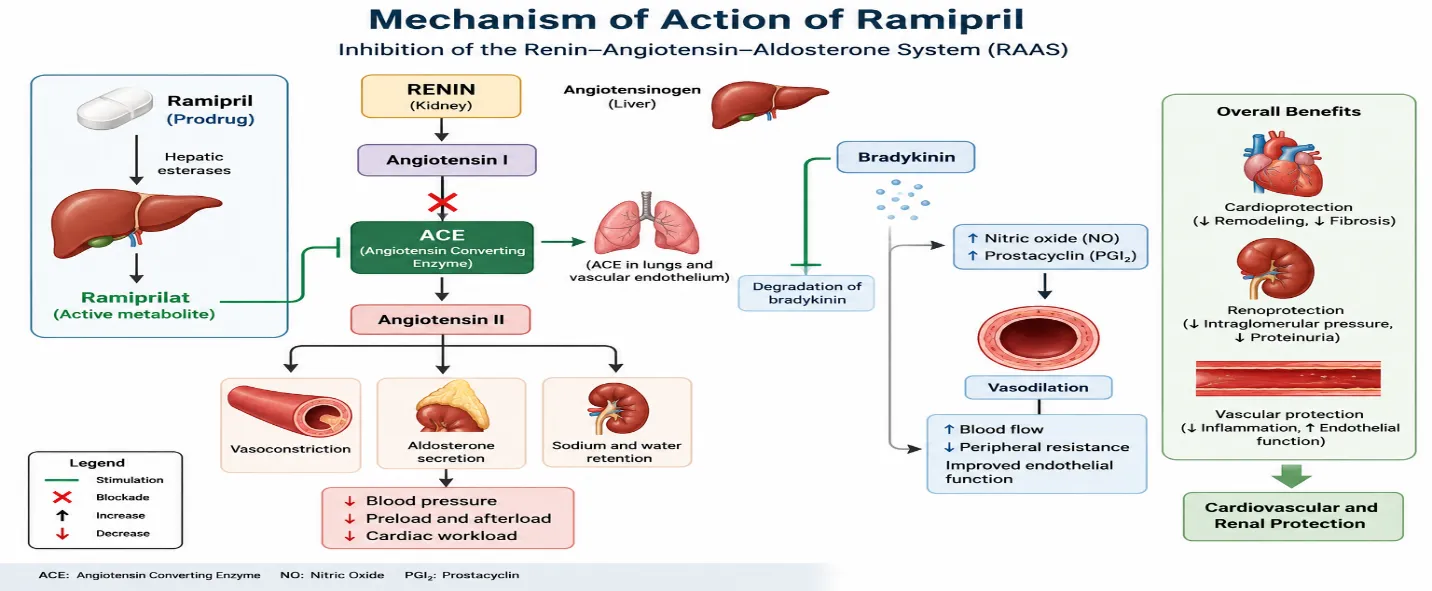
Figure 1. Mechanism of Action of Ramipril
Figure 1. Schematic representation of the mechanism of action of ramipril through inhibition of the renin–angiotensin–aldosterone system (RAAS), resulting in cardiovascular and renal protection.
5. Pharmacokinetics
Ramipril is an orally administered prodrug that is rapidly absorbed from the gastrointestinal tract and converted by hepatic esterases into its active metabolite, ramiprilat. Peak plasma concentrations of ramipril occur within approximately one hour, while ramiprilat reaches maximum concentrations within 2–4 hours. The active metabolite exhibits strong binding to angiotensin-converting enzyme (ACE), resulting in prolonged tissue activity and sustained antihypertensive effects that support once-daily dosing. Ramipril is eliminated primarily through the kidneys; therefore, dose adjustment is recommended in patients with severe renal impairment. Its predictable pharmacokinetic profile and prolonged duration of action contribute to its widespread clinical use in cardiovascular and renal diseases.
6. Pharmacodynamics
Ramipril exerts its therapeutic effects by inhibiting the renin–angiotensin–aldosterone system (RAAS). After conversion to ramiprilat, it blocks the formation of angiotensin II, leading to reduced vasoconstriction, decreased aldosterone secretion, and lower sodium and water retention, thereby effectively reducing blood pressure. Simultaneously, inhibition of bradykinin degradation increases nitric oxide and prostacyclin production, promoting vasodilation and improving endothelial function. In addition to its antihypertensive action, ramipril reduces cardiac remodeling, oxidative stress, vascular inflammation, and proteinuria, providing significant cardioprotective and renoprotective benefits.
7. Stability and Degradation Pathways
The chemical stability of ramipril is influenced by its susceptibility to hydrolysis, oxidation, and intramolecular cyclization. Exposure to moisture, heat, and unsuitable storage conditions accelerates degradation, resulting in the formation of ramiprilat and diketopiperazine (DKP) impurities, which may reduce drug potency. To minimize degradation, pharmaceutical formulations employ moisture-resistant packaging, compatible excipients, protective coatings, and controlled manufacturing conditions. Stability studies performed according to International Council for Harmonisation (ICH) guidelines ensure appropriate shelf life, product quality, and regulatory compliance.
8. Impurity Profiling
Impurity profiling is a critical aspect of pharmaceutical quality assurance for ramipril formulations. Impurities may arise during synthesis, manufacturing, or storage and must be identified and controlled to ensure product safety and efficacy. Stability-indicating analytical techniques such as high-performance liquid chromatography (HPLC), ultra-performance liquid chromatography (UPLC), and liquid chromatography–mass spectrometry (LC–MS) are routinely used for impurity detection and quantification. The major impurities include ramiprilat, diketopiperazine derivatives, and oxidation products. Compliance with International Council for Harmonisation (ICH) guidelines ensures that impurity levels remain within acceptable limits, thereby maintaining the quality, stability, and therapeutic effectiveness of ramipril products.
9. Therapeutic Applications
Ramipril is widely prescribed for the treatment of hypertension and has become a cornerstone therapy for several cardiovascular and renal disorders owing to its well-established efficacy and favorable safety profile. By inhibiting the renin–angiotensin–aldosterone system (RAAS), ramipril effectively lowers blood pressure, reduces peripheral vascular resistance, and decreases cardiac workload. Current clinical guidelines recommend ramipril as a first-line antihypertensive agent, particularly in patients with diabetes mellitus, chronic kidney disease (CKD), or high cardiovascular risk. Beyond blood pressure control, ramipril significantly reduces left ventricular hypertrophy, improves endothelial function, and lowers the risk of cardiovascular complications. In patients with heart failure and left ventricular dysfunction following myocardial infarction, ramipril improves cardiac function by reducing preload and afterload while limiting ventricular remodeling. Long-term treatment has been shown to decrease hospitalization rates and improve overall survival. Ramipril also provides substantial renoprotective benefits by reducing intraglomerular pressure and proteinuria, thereby slowing the progression of diabetic nephropathy and CKD. These pleiotropic effects make ramipril one of the most extensively prescribed ACE inhibitors for comprehensive cardiovascular and renal protection.
10. Landmark Clinical Trials
Several landmark clinical trials have established the clinical efficacy of ramipril in reducing cardiovascular morbidity and mortality.
The Heart Outcomes Prevention Evaluation (HOPE) trial demonstrated that ramipril significantly reduced the incidence of myocardial infarction, stroke, cardiovascular death, and overall mortality in high-risk patients, independent of its antihypertensive effect. These findings established ramipril as an important agent for cardiovascular risk reduction. The Acute Infarction Ramipril Efficacy (AIRE) study reported a significant reduction in mortality among patients with heart failure following acute myocardial infarction, supporting the early initiation of ACE inhibitor therapy after myocardial infarction. The Ramipril Efficacy in Nephropathy (REIN) trial demonstrated that ramipril reduced proteinuria and delayed the progression of chronic kidney disease, confirming its renoprotective effects beyond blood pressure control. Similarly, the Micro-HOPE study showed significant reductions in cardiovascular events and diabetic nephropathy among patients with diabetes mellitus, whereas the ONTARGET trial confirmed that ramipril remained highly effective in high-risk cardiovascular patients but showed no additional benefit when combined with an angiotensin receptor blocker, with combination therapy increasing adverse renal outcomes. Collectively, these clinical studies have established ramipril as one of the most evidence-based ACE inhibitors for long-term management of hypertension, heart failure, post-myocardial infarction care, diabetic nephropathy, and chronic kidney disease.
Table 4. Landmark Clinical Trials of Ramipril
|
Clinical Trial |
Study Population |
Major Findings |
|
HOPE |
High-risk cardiovascular patients |
Reduced myocardial infarction, stroke, and cardiovascular mortality |
|
AIRE |
Post-myocardial infarction with heart failure |
Improved survival and reduced mortality |
|
REIN |
Chronic kidney disease |
Reduced proteinuria and delayed renal disease progression |
|
MICRO-HOPE |
Patients with diabetes mellitus |
Reduced cardiovascular and renal complications |
|
ONTARGET |
High cardiovascular risk patients |
Comparable efficacy to ARBs; combination therapy not beneficial |
FUTURE PERSPECTIVES
Future pharmaceutical research should focus on improving the stability, bioavailability, and therapeutic performance of ramipril through innovative drug delivery systems. Novel formulation approaches, including nanocarriers, lipid-based systems, solid dispersions, and controlled-release formulations, have the potential to enhance drug stability and patient compliance. Furthermore, implementation of Quality by Design (QbD) and advanced manufacturing technologies can optimize formulation development and ensure consistent product quality. Emerging fields such as pharmacogenomics and precision medicine may facilitate individualized ramipril therapy based on genetic variability, renal function, and patient-specific characteristics. In addition, future studies should investigate the role of ramipril in cardio-renal-metabolic syndrome, vascular inflammation, and endothelial dysfunction. Continued advances in analytical techniques and pharmaceutical sciences are expected to improve the safety, efficacy, and clinical utility of ramipril.
CONCLUSION
Ramipril remains one of the most effective and extensively studied angiotensin-converting enzyme inhibitors for the management of hypertension, heart failure, myocardial infarction, diabetic nephropathy, and chronic kidney disease. Its conversion to the active metabolite, ramiprilat, provides sustained inhibition of the renin–angiotensin–aldosterone system, resulting in effective blood pressure control and significant cardiovascular and renal protection. In addition to its antihypertensive activity, ramipril exhibits anti-inflammatory, antioxidant, and cardioprotective properties that contribute to improved long-term clinical outcomes. From a pharmaceutical perspective, formulation development has focused on overcoming challenges related to hydrolytic degradation, impurity formation, and long-term stability through optimized formulations, appropriate packaging, and advanced analytical methods. Extensive evidence from major clinical trials has consistently demonstrated reductions in cardiovascular events, mortality, and progression of renal disease, establishing ramipril as a cornerstone of evidence-based cardiovascular therapy. Future advances in formulation science, precision medicine, and pharmaceutical technology are expected to further enhance its therapeutic potential and support its continued role in modern clinical practice.
REFERENCES


Chintu, Ashok Kumar Saini, Kajal Gupta*, Mansi Sharma, Vishal Garg, Development and Evaluation of Ramipril: Pharmaceutical Development, Pharmacological Properties, and Clinical Applications, Int. J. Med. Pharm. Sci., 2026, 2 (7), 727-733. https://doi.org/10.5281/zenodo.21379088
 10.5281/zenodo.21379088