
We use cookies to ensure our website works properly and to personalise your experience. Cookies policy
Dr. Vithalrao Vikhe Patil Foundation’s College of Pharmacy, Ahmednagar, Maharashtra, India-414111
A nutraceutical is a dietary product that offers therapeutic advantages with its nutritional benefits. It comprises dietary supplements, botanical items, probiotics, and prebiotics. Disorders arise from deficiencies in protein, fat, vitamins, calories, and energy. The market offers a plethora of such supplements. Nevertheless, some substances possess elevated levels of steroid sugars, which may induce detrimental health effects such as muscular dystrophy and cancer. Cucurbita pepo is a species from the Cucurbitaceae family, commonly referred to as pumpkin. The seeds possess a significant quantity of protein. Nachani flour is abundant in minerals; jaggery mitigates the drawbacks of sugar; therefore, it is beneficial for health. Ghee and milk are the primary dairy products abundant in energy and calcium, while almonds supply calories, fat, and carbohydrates. This study details an energy-dense formulation with substantial nutritional benefits. The formulation will address the shortcomings of existing products and provide nutritional support.
Pumpkin is a member of the Cucurbitaceae family. What is the largest family in the plant kingdom.[1] Pumpkin is abundant in critical nutrients such as fiber, minerals, copper, zinc, iron, and vitamins. Seeds are regarded as a byproduct of pumpkin fruit; they are less expensive and employed in various products [2]. Seeds are an excellent source of protein and possess pharmacological qualities, including antidiabetic, antioxidant, and antifungal effects.[3] Seed flour is a gluten-free component, making it suitable for individuals with celiac disease, a chronic digestive ailment triggered by gluten-containing foods. [4] Cookies are among the finest and oldest baked goods. It is widely consumed globally by all demographics.[5] Finger millet (Eleusine coracana), also referred to as ragi. Ragii is predominantly utilized in India and Africa. Which contain essential elements such as protein, fiber, vitamins, iron, and phosphorus. Ragii is a significant supplier of iodine among all cereal grains.[6] It possesses numerous physiological and nutritional applications. Millet possesses a greater nutritious composition, alleviating stomach issues. The seed coat of Ragii encompasses many phytochemicals that offer numerous advantages [7]. It comprises moisture (13%), protein (7.30 g), carbs (7 g), and calories (328 kcal). It is regarded as an optimal diet for individuals with diabetes, including low sugar levels [8]. Jaggery is derived from sugarcane, which is predominantly found in Asia and Africa. It serves as a sweetening additive in numerous compositions in lieu of sugar. Jaggery is recognized as a substantial source of minerals. Milk and butter are premier dairy products abundant in energy, fat, and calcium. Almonds offer calcium, minerals, and protein, contributing significant nutritional value. The present work seeks to formulate and create commonly consumed food products, specifically cookies, utilizing pumpkin seed raggii flour and jaggery powder, while ensuring substantial nutritional benefits as a dietary supplement.
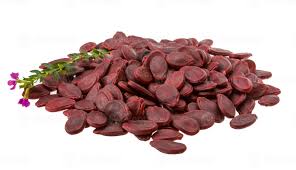
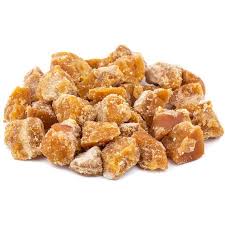
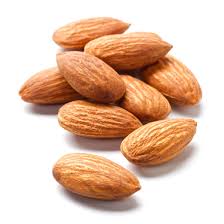
Table 1: Nutritional Ingredients and Their Key Health Benefits
|
Ingredient |
Image |
Key Benefit |
|
Red Pumpkin Seed |
|
Rich in zinc & protein |
|
Jaggery |
|
Natural sweetener, rich in iron |
|
Almond |
|
Boosts brain & skin health |
|
Ghee |
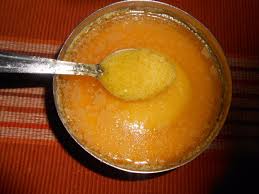
|
Aids digestion, energy source |
|
Milk |
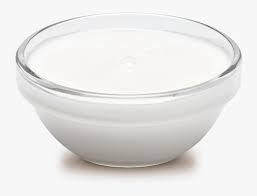
|
Strong bones, protein-rich |
|
Ragi Flour |
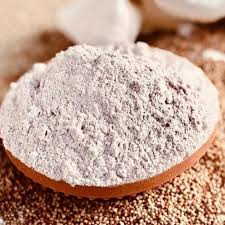
|
High calcium, good for diabetes |
Table 2: Formulation table for nutritional cookies
|
Sr. No. |
ingredient |
quantity |
Use |
|
1 |
Red pumpkin seed |
30% |
Source of protein and mineral |
|
2 |
Jaggery |
20% |
Source of calcium iron, mg |
|
3 |
Almond |
10% |
Source of fibres, vitamin |
|
4 |
Ghee |
10% |
Source of energy |
|
5 |
Milk |
20% |
Source proteins |
|
6 |
Ragi flour |
Q.S up to 100% |
Source of dietary fibres and proteins |
Table 3: Comparison between Marketed Formulation and Prepared Formulation
|
Sr. No. |
Marketed formulation |
Prepared formulation |
|
1 |
Wheat is used which contain high amount of fats |
Ragi is used which contain high amount of protein |
|
2 |
Sugar loses all nutritional value |
Jaggery retains all nutritional value |
|
3 |
Steroids |
No steroids |
Commercially available formulations serve as nutritional supplements but exhibit numerous disadvantages, such as muscle dystrophy and cramps, which can be mitigated by ragi flour, known for its high protein content. The marketed formulation use sugar as a sweetening agent, which lacks nutritional value, and substitutes it with jaggery, which is healthful. The primary disadvantage of the marketed formulation is that steroids possess numerous detrimental health effects. Our formulated product is complimentary.
MATERIALS AND METHODS
Material Collection:
Fresh pumpkin seeds are procured from commercial vendors throughout the state at the market. Finger millet was acquired from the local market. Additional raw ingredients like as milk, jaggery, and almonds are procured from local marketplaces.
Preparation of flours:
Flours are prepared from the pumpkin seed (Curcubita pepo) and mixed with ragi flour at various proportions. C composite flours produce cookies according to the method shown in Figure 1. The flour is screened through 0.25mm
Preparation of cookies:
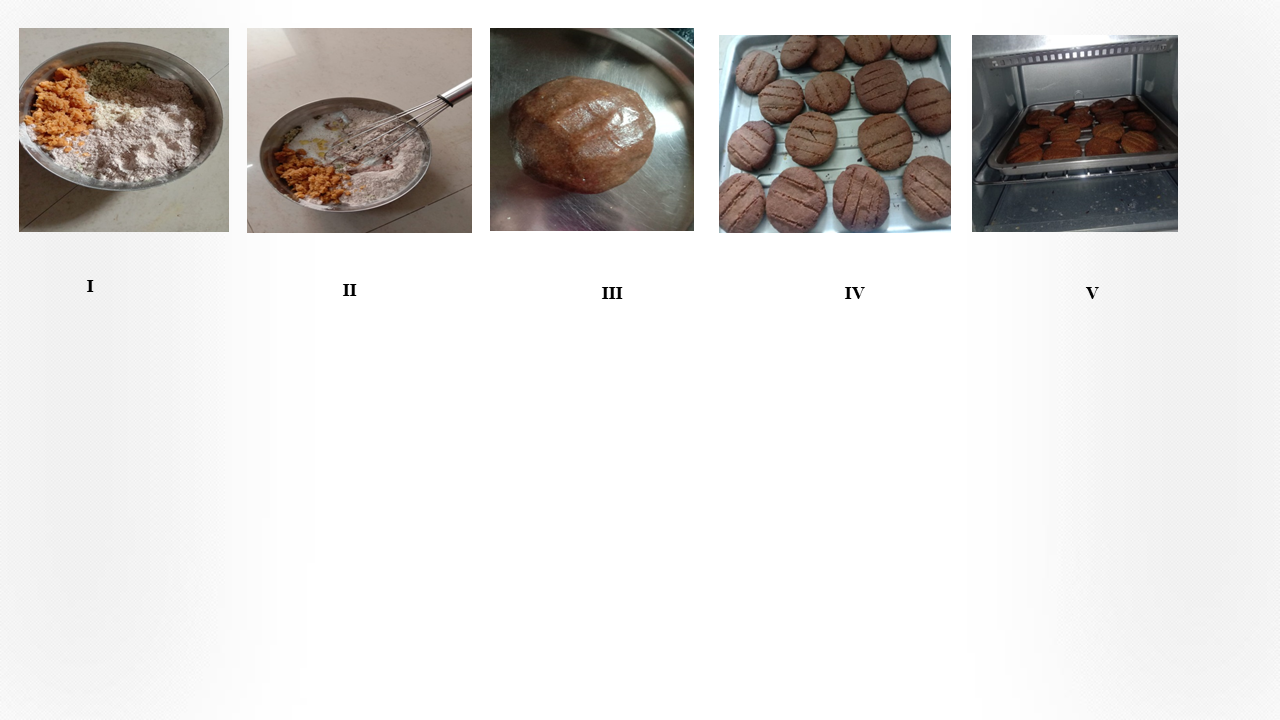
Figure 1: Methodology for preparation of nutritional cookies
RESULTS AND DISCUSSION
Sensory evaluation
The effect of ragii flour incorporation on the sensory properties of cookies, such as colour, appearance, and texture. The sensory evaluation shows the cookies are made from 75% ragi flour. Jaggery powder got the overall acceptability to consumers. However, in the case of honey incorporates increased physical properties and thickness. The sensory evaluation properties like colour, texture, taste and aroma of nutritional cookies are given in Table 3.
Table 4: Sensory Evaluation For nutritional cookies
|
Property |
Observation |
|
Color |
brownish |
|
Texture |
smooth |
|
Taste |
sweet |
|
Aroma |
aromatic |
Nutritional facts:
The pumpkin seeds may be small, but they contain full of nutrients. Eating only in a small amount can provide the highest quantity of minerals & proteins. Proteins are the most important nutrient; nearly 9.5% of protein is present in this formulation. Calcium is the most important mineral for the human body. It helps to maintain healthy teeth and bones; about 27% calcium is present in the 500 gm formulation of the given ingredient. The nutritional facts of the nutritional cookies are mentioned in Table 4.
Table 5: Nutritional fact per 100 gm
|
Sr. No. |
Chemical analysis |
Content |
|
1 |
Carbohydrate |
10% |
|
2 |
protein |
9.5% |
|
3 |
iron |
1.5% |
|
4 |
calcium |
27.5% |
|
5 |
vitamin |
17.5% |
|
6 |
fiber |
0.5% |
CONCLUSION
The aforementioned research investigation established that pumpkin seeds include significant nutritional attributes and are abundant in protein, fiber, and minerals. Nachani flour addresses all the deficiencies of wheat flour. Sugar forfeits its nutritious value after processing, whereas jaggery preserves it. Jaggery possesses a higher concentration of vitamins and minerals and a reduced sugar level compared to white sugar; the inclusion of ghee, milk, and almonds enhances the formulation's nutritional value and health benefits. A multitude of supplements is accessible in the market; however, many include elevated levels of steroids and sugar, which may result in detrimental health effects, such as muscle dystrophy. It comprises dietary supplements, botanical items, prebiotics, and probiotics. Disorders arise from deficiencies in protein, fat, vitamins, and energy. The current investigation indicates that the energy-dense formulation possesses significant nutritional value. The formulation will address all shortcomings of the existing commercial formulation and serve as an effective nutritional supplement.
Future Scope;
Physicochemical analysis: The many physicochemical parameters of pumpkin seeds include length, breadth, and thickness. Seeds exhibit variability in dimensions, morphology, and texture. A digital micrometer is employed to measure the three fundamental dimensions of length, breadth, and thickness of entire pumpkin seeds with an accuracy of 0.1 nm. The water displacement method is employed to ascertain the actual density of the seed. The color of seeds varies from golden yellow to orange flesh, contingent upon the polyphenolic pigment present. The seeds exhibit reduced bulk density and elevated true density.
Antioxidant property: Pumpkin seeds possess significant antioxidant properties due to their high content of flavonoids and phenolic acids. They also comprise a modest quantity of vitamins. Antioxidants mitigate inflammation and safeguard your cells from deleterious radicals. The antioxidant value was obtained with 50% of ethanol.
Antimicrobial assay: The total viable count of bacteria indicates the overall quantity of bacteria present in the sample. The variable bacterial count indicates the conditions under which food was produced. This count can forecast the shelf life of bacteria or maintain the product's quality over time. There is an escalation in the spiciness degree across all organoleptic features.
REFERENCES



Vaishnavi Chitalkar, Gauri Kulkarni, Ganesh Barkade, Formulation and Evaluation of Herbal Nutritional Cookies, Int. J. Med. Pharm. Sci., 2025, 1 (10), 11-15. https://doi.org/10.5281/zenodo.17307372
 10.5281/zenodo.17307372