Hair is a thread-like structure that develops from follicles located in the dermal layer of skin and is mainly composed of protein-like keratin. It covers most parts of human body and performs several essential functions like protection, sensation, temperature regulation. Hair acts as barrier against ultraviolet radiation, dust, sweat while contributing to enhancing sense of touch; in addition, it plays a crucial role in an individual's appearance and identity. Each hair follicle in scalp typically remains active for approximately 3–7 years, undergoes around growth cycles in a person's life time from 25-30 times. Canities is a natural feature of aging, although the age of onset differs among individuals because of genetic background, sex, ethnicity, and certain hypopigmentation disorders which on purpose or as a side effect causes loss of melanin pigment, once change in melanin content is generally permanent. However, occasional cases of spontaneous repigmentation have been reported, particularly following inflammatory conditions or use of specific medications. These observations suggest that cytokine-mediated activation of melanocytes in outer root sheath may restore pigment production, providing potential targets for future therapies. Research has also explored possible associations between premature hair greying, like deficiencies of thyroid or pituitary hormones & reduced bone density (osteopenia), cardiovascular diseases such as coronary artery disease, although as impact but current evidence remains inconclusive. The underlying mechanism of canities is related to the gradual depletion or dysfunction of melanocyte stem cells in hair follicle caused by aging, genetic predisposition, oxidative stress, hormonal and metabolic deficiencies.
Hair growth is a continuous cyclical process comprising four phases: Anagen, Catagen, Telogen, and Exogen. 1
Anagen Phase - It is the phase of active growth stage, characterized by rapid proliferation of hair matrix keratinocytes and continuous hair shaft elongation, lasting 2–7 years.
Catagen Phase - It is a brief transitional stage (2–3 weeks) marked by apoptosis-mediated follicular regression and cessation of melanogenesis.
Telogen Phase - It is a resting stage lasting 2–4 months, during which the club hair remains anchored within follicle.
Exogen Phase - It involves physiological shedding of the club hair, allowing a new anagen hair to emerge, with an average shedding of 50–100 hairs per day.
Grey hair, medically referred as canities, is a physiological manifestation of the aging, characterized by reduction or loss of hair pigmentation. Hair colour is determined by synthesis of melanin by specialized pigment-producing cells called melanocytes, which are located within the hair bulb of actively growing hair follicles. Melanin is transferred to keratinocytes during the anagen phase of the hair growth cycle. With advancing of age melanocyte number and activity gradually decline, resulting in reduced melanin synthesis and causes Achromotrichia. 1,2 In recent years, premature canities, defined as onset of hair greying before expected age for particular ethnic population, has emerged as frequent clinical concern. The development of premature grey hair is considered a multifactorial condition involving genetic, environmental, nutritional, and systemic factors. Among these, Genetic factors are considered the primary determinant of the onset and progression to loss of melanine. 3,4
Pathogenesis of Canities:
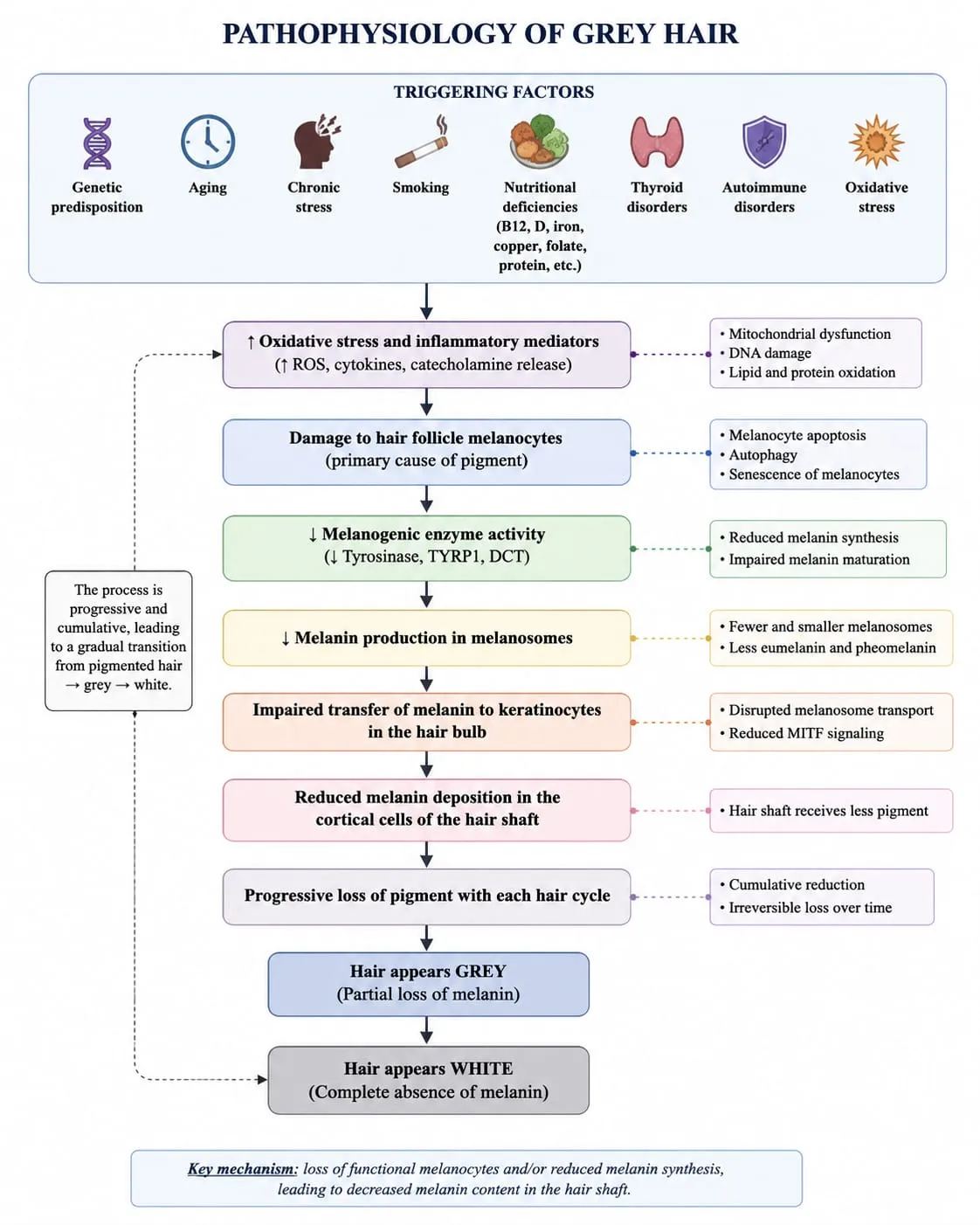
Grey hair develops due to a gradual decline in the number and function of melanocytes, the specialized pigment-producing cells located in the hair follicle. This process is influenced by multiple genetic, environmental, and physiological factors that ultimately reduce melanin production and deposition within the hair shaft. 1,2 The process begins with triggering factors, including genetic predisposition, ageing, chronic psychological stress, smoking, nutritional deficiencies (such as vitamin B12, vitamin D, iron, copper, folate, and protein), thyroid disorders, autoimmune diseases, and oxidative stress. These factors disturb the normal balance of the hair follicle microenvironment and initiate cellular damage. 3,4,5
One of the major pathogenic mechanisms implicated in premature canities is oxidative stress, which causes excessive generation of reactive oxygen species (ROS) overloades the endogenous antioxidant defense system. Elevated ROS levels promote the release of inflammatory mediators and cause mitochondrial dysfunction, oxidative modification of proteins and lipids, and DNA damage. As oxidative injury progresses, melanocytes become increasingly vulnerable to cellular dysfunction, which gradual decline in functional melanocytes through apoptosis, cellular senescence, and impaired regenerative capacity. Since melanocytes are responsible for pigment synthesis, their depletion directly reduces the ability of the hair follicle to maintain pigment. 6,7
Lifestyle factors also play a significant role in the pathogenesis of premature canities. Tobacco smoking & Alcohol intake promotes oxidative damage and accelerates cellular senescence within hair follicles, thereby increases the risk of early canities. Similarly, prolonged psychological stress may influence neuroendocrine pathways and oxidative mechanisms that affect melanocyte viability. 3,4,8
Endocrine disorders, particularly thyroid dysfunction, have also been correlated with alterations in hair pigmentation due to disturbances of follicular metabolism. 3,4,9
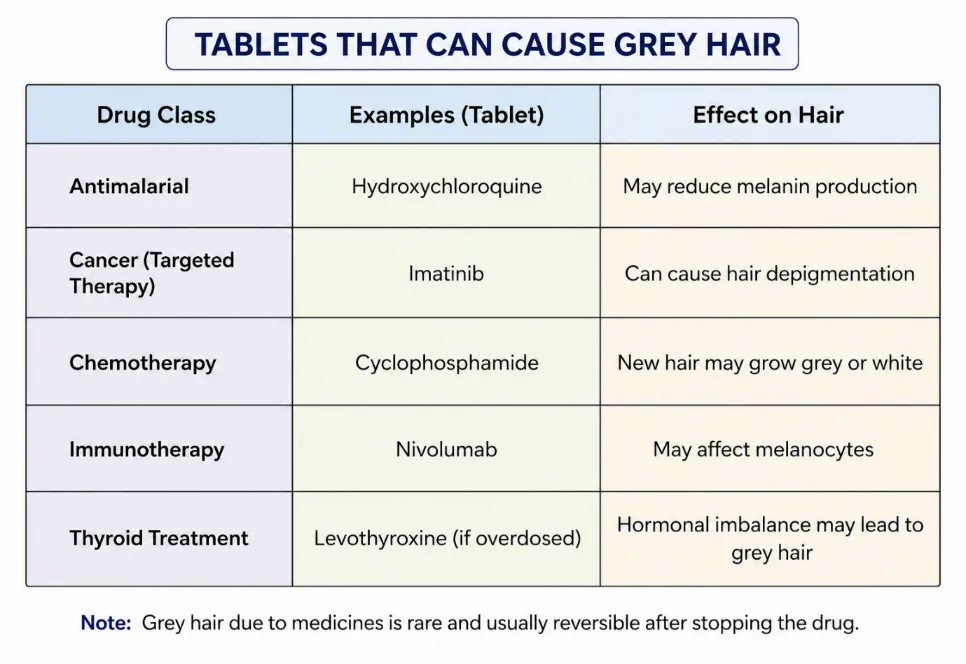
Several autoimmune disorders, chronic systemic illnesses, and inflammatory conditions may contribute to melanocyte destruction or dysfunction. Environmental exposures, including ultraviolet (UV) radiation, air pollution, and chemical agents, can further enhance oxidative injury within hair follicles. Certain pharmacological agents like have also been reported to induce reversible or irreversible changes in hair pigmentation through various mechanisms.2,3,
The etiological and triggering factors responsible for premature grey hair is essential for timely diagnosis, risk assessment, and therapeutic intervention. Early identification of modifiable risk factors, coupled with appropriate nutritional supplementation, lifestyle modifications, smoking cessation, stress management, and treatment of underlying medical disorders, may help delay the onset and progression of premature canities. Although physiological hair greying remains an inevitable consequence of aging, ongoing research continues to elucidate the molecular pathways involved in melanocyte biology, thereby facilitating the development of targeted preventive and therapeutic strategies to preserve hair pigmentation and improve patient’s quality of life. 3,4
Management of Canities:
Management of premature grey hair (PGH) aims to reduce oxidative stress, correct reversible nutritional deficiencies, maintain melanocyte function, and potentially restore pigmentation. Currently, no drug is specifically approved for permanent reversal of premature canities; therefore, management is mainly supportive and individualized. 3,4,10
1. Nutritional Management-
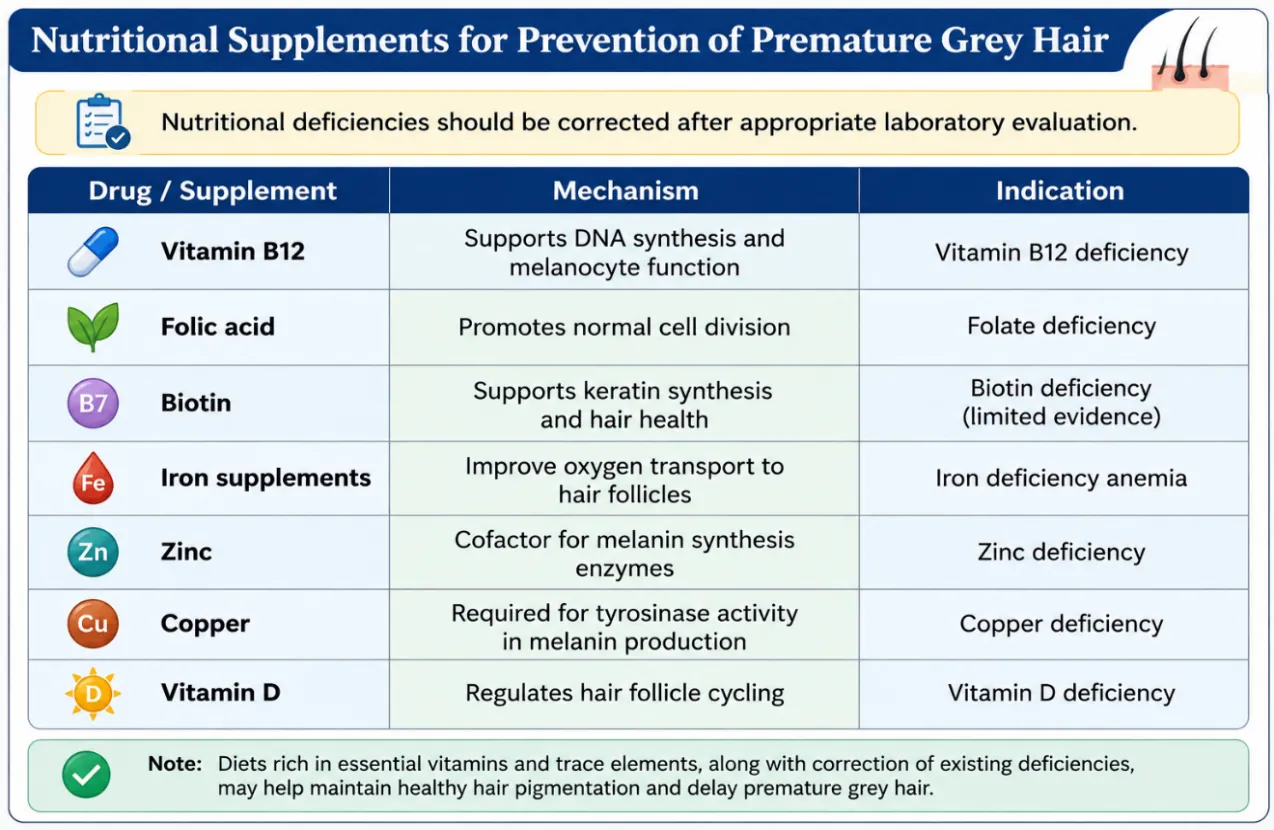
Adequate intake of vitamins, minerals, and antioxidants supports melanocyte function and melanin synthesis. A diet containing vitamins A, C, E, B12, folate, iron, zinc, copper, and vitamin D, along with fruits, vegetables, nuts, seeds, and whole grains, may help maintain healthy hair pigmentation. Appropriate laboratory investigations should confirm nutritional deficiencies before supplementation. Correction of deficiencies in vitamin B12, iron, zinc, copper, folate, and vitamin D, particularly in selected patients, may help prevent further progression. 4,5,10
2. Stress Management-
Chronic psychological stress may promote oxidative stress and affect melanocyte stem cells, contributing to premature hair greying. Regular exercise, adequate sleep, meditation, yoga, mindfulness, and breathing exercises may help reduce stress and support hair follicle health. The norepinephrine–β2 adrenergic receptor pathway has been implicated in stress-induced greying; however, potential agents targeting this pathway, such as Rhynchophylline, remain experimental and lack sufficient clinical evidence. 2,3,6
3. Gentle Hair Care-
Frequent bleaching, chemical straightening, perming, repeated colouring, and excessive heat exposure may increase hair damage and oxidative stress. Hydrogen peroxide present in some bleaching and colouring products may contribute to oxidative damage affecting hair pigmentation. Gentle shampoos, reduced chemical treatments, protection from excessive UV exposure, and avoidance of tight hairstyles or excessive friction are recommended to maintain hair health. 10
4. Avoidance of Harmful Habits-
Smoking and excessive alcohol consumption may increase oxidative stress and impair nutrient availability, potentially contributing to premature greying. Regular physical activity, adequate sleep, a balanced diet, and reduced intake of highly processed foods and sugar-sweetened beverages are advisable. Maintaining a consistent daily routine may also support normal metabolic and hormonal functions. 3,4,8
5. Drugs Reported to Cause Hair Repigmentation-
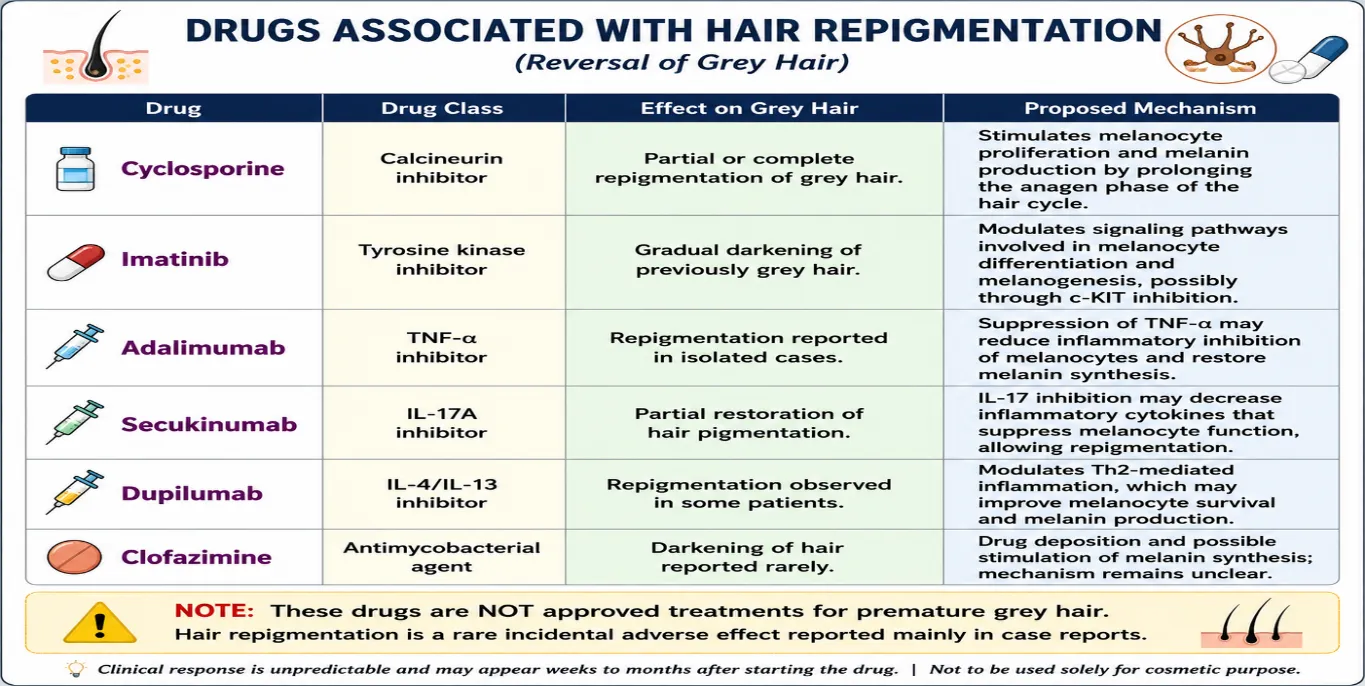
Some drugs have been associated with incidental repigmentation of grey hair, although evidence is limited mainly to case reports and small clinical observations. 10
Cyclosporine has been associated with increased melanocyte activity and hair darkening. Imatinib may influence pathways involved in melanocyte differentiation and melanogenesis. Repigmentation has also been reported rarely with Adalimumab, Secukinumab, andDupilumab, possibly through modulation of inflammatory pathways. Clofazimine has occasionally been associated with hair darkening, although its mechanism is unclear. 10,11
These medications are not recommended specifically for treating premature grey hair, as their potential adverse effects and limited evidence do not justify cosmetic use. Further clinical studies are required to establish safe and effective pharmacological approaches for hair repigmentation. 10
CONCLUSION:
Premature canities is a multifactorial condition in which genetic predisposition, ageing, oxidative stress, nutritional deficiencies, lifestyle factors, hormonal disturbances, autoimmune conditions, and environmental exposures can contribute to the reduction of hair pigmentation. Among these factors, oxidative stress plays an important role by damaging melanocytes and reducing their ability to produce melanin. Genetic factors also have a major influence on the age of onset and progression of premature hair greying. 2,3,4,6
Management of premature canities mainly focuses on identifying and correcting reversible factors rather than providing a permanent cure. Adequate nutrition, correction of confirmed vitamin and mineral deficiencies, stress management, healthy lifestyle practices, avoidance of smoking and excessive alcohol consumption, and gentle hair care may help maintain hair and follicular health. Management of associated systemic conditions, particularly nutritional and endocrine abnormalities, is also important. 3,4,5
At present, there is no specifically approved pharmacological treatment that can permanently reverse premature grey hair. Although occasional hair repigmentation has been reported with certain medications such as cyclosporine, imatinib, adalimumab, secukinumab, dupilumab, and clofazimine, the available evidence is limited and these drugs should not be used solely for treating grey hair because of their potential adverse effects. 10
Overall, early identification of triggering factors and appropriate management of reversible causes may help delay the progression of premature canities. Patient counselling regarding nutrition, lifestyle modification, medication-related effects, appropriate medical evaluation is important. Further clinical research is required to better understand melanocyte dysfunction and to develop safe, effective and evidence-based pharmacological therapies capable of preventing or reversing hair greying. 3,4,10.
REFERENCES
O'Sullivan JDB, Nicu C, Tobin DJ. The biology of human hair greying. Biol Rev Camb Philos Soc. 2021;96(1):107-128. doi:10.1111/brv.12648.
Poonia K, Bhalla M. Premature graying of hair: a comprehensive review and recent insights. Indian Dermatol Online J. 2024;15(5):721-731. doi: 10.4103/idoj.idoj_807_23.
Triwongwaranat D, Thuangtong R, Arunkajohnsak S. A review of the etiologies, clinical characteristics, and treatment of canities. Int J Dermatol. 2019;58(6):659-666. doi:10.1111/ijd.14399.
Mahendiratta S, Sarma P, Kaur H, et al. Premature graying of hair: risk factors, co-morbid conditions, pharmacotherapy and reversal—a systematic review and meta-analysis. Dermatol Ther. 2020;33(6):e13990. doi:10.1111/dth.13990.
Daulatabad D, Singal A, Grover C, Sharma SB, Chhillar N. Assessment of oxidative stress in patients with premature canities. Int J Trichology. 2015;7(3):119-123. doi:10.4103/0974-7753.167469.
Saxena S, Gautam RK, Gupta A, Chitkara A. Evaluation of systemic oxidative stress in patients with premature canities and correlation of severity of hair graying with the degree of redox imbalance. Int J Trichology. 2020;12(1):16-23. doi: 10.4103/ijt.ijt_99_19.
Daulatabad D, Singal A, Grover C, Chhillar N. Profile of Indian patients with premature canities. Indian J Dermatol Venereol Leprol. 2016;82(2):169.
Sonthalia S, Priya A, Tobin DJ. Demographic characteristics and association of serum vitamin B12, ferritin and thyroid function with premature canities in Indian patients from an urban skin clinic of North India: a retrospective analysis of 71 cases. Indian J Dermatol. 2017;62(3):307-310. doi: 10.4103/ijd.IJD_221_17.
Yale K, Juhasz M, Atanaskova Mesinkovska N. Medication-induced repigmentation of gray hair: a systematic review. Skin Appendage Disord. 2020;6(1):1-10. doi:10.1159/000504414.
Etienne G, Cony-Makhoul P, Mahon FX. Imatinib mesylate and gray hair. N Engl J Med. 2002;347(6):446. doi:10.1056/NEJM200208083470614.
Reference
O'Sullivan JDB, Nicu C, Tobin DJ. The biology of human hair greying. Biol Rev Camb Philos Soc. 2021;96(1):107-128. doi:10.1111/brv.12648.
Poonia K, Bhalla M. Premature graying of hair: a comprehensive review and recent insights. Indian Dermatol Online J. 2024;15(5):721-731. doi: 10.4103/idoj.idoj_807_23.
Triwongwaranat D, Thuangtong R, Arunkajohnsak S. A review of the etiologies, clinical characteristics, and treatment of canities. Int J Dermatol. 2019;58(6):659-666. doi:10.1111/ijd.14399.
Mahendiratta S, Sarma P, Kaur H, et al. Premature graying of hair: risk factors, co-morbid conditions, pharmacotherapy and reversal—a systematic review and meta-analysis. Dermatol Ther. 2020;33(6):e13990. doi:10.1111/dth.13990.
Daulatabad D, Singal A, Grover C, Sharma SB, Chhillar N. Assessment of oxidative stress in patients with premature canities. Int J Trichology. 2015;7(3):119-123. doi:10.4103/0974-7753.167469.
Saxena S, Gautam RK, Gupta A, Chitkara A. Evaluation of systemic oxidative stress in patients with premature canities and correlation of severity of hair graying with the degree of redox imbalance. Int J Trichology. 2020;12(1):16-23. doi: 10.4103/ijt.ijt_99_19.
Daulatabad D, Singal A, Grover C, Chhillar N. Profile of Indian patients with premature canities. Indian J Dermatol Venereol Leprol. 2016;82(2):169.
Sonthalia S, Priya A, Tobin DJ. Demographic characteristics and association of serum vitamin B12, ferritin and thyroid function with premature canities in Indian patients from an urban skin clinic of North India: a retrospective analysis of 71 cases. Indian J Dermatol. 2017;62(3):307-310. doi: 10.4103/ijd.IJD_221_17.
Yale K, Juhasz M, Atanaskova Mesinkovska N. Medication-induced repigmentation of gray hair: a systematic review. Skin Appendage Disord. 2020;6(1):1-10. doi:10.1159/000504414.
Etienne G, Cony-Makhoul P, Mahon FX. Imatinib mesylate and gray hair. N Engl J Med. 2002;347(6):446. doi:10.1056/NEJM200208083470614.
Sk. Salma
Corresponding author
Dept Of Pharmacognosy, Swathi College of Pharmacy
S. Nivedhitha
Co-author
Dept Of Pharmacognosy, Swathi College of Pharmacy
P. Eswari
Co-author
Dept Of Pharmacognosy, Swathi College of Pharmacy
K. Abhinaya Sree
Co-author
Dept Of Pharmacognosy, Swathi College of Pharmacy
D. Bharath
Co-author
Dept Of Pharmacognosy, Swathi College of Pharmacy
Sk. Bhadriya Bhanu
Co-author
Dept Of Pharmacognosy, Swathi College of Pharmacy
S. Nivedhitha, Sk. Salma*, P. Eswari, K. Abhinaya Sree, Sk. Bhadriya Bhanu, D. Bharath, Triggering Factors for Grey Hair and Its Management, Int. J. Med. Pharm. Sci., 2026, 2 (9), 160-165. https://doi.org/10.5281/zenodo.22458233




 10.5281/zenodo.22458233