

We use cookies to ensure our website works properly and to personalise your experience. Cookies policy
1Shri Ram College of Pharmacy, Muzaffarnagar, U.P. (251001), India.
2L. R. Institute of Pharmacy, Jabli Kyar, Solan, H.P. (173223), India
The integration of artificial intelligence (AI) with neuroscience has initiated a new era of brain–machine communication, cognitive augmentation, and neurobehavioral investigation. The AI–brain interface represents an advanced technological framework that enables bidirectional communication between biological neural systems and computational devices through AI-driven analysis of brain signals. Recent progress in deep learning, neural decoding, wearable sensors, intracortical implants, and adaptive neurostimulation has accelerated the development of brain–computer interfaces (BCIs) from experimental research tools into emerging clinical and cognitive enhancement platforms. Initially developed to restore communication and motor abilities in individuals with neurological disabilities, AI-assisted BCIs are now being investigated for applications in memory support, attention regulation, emotional monitoring, neurorehabilitation, learning, and human–machine interaction. Machine learning and deep learning techniques facilitate the identification of complex patterns within high-dimensional neural data, enabling more accurate interpretation of brain activity and the development of adaptive and personalized interventions. Increasing interest in AI-enabled neurotechnology has also been driven by the growing burden of neurological and psychiatric disorders, including stroke, neurodegenerative diseases, depression, and cognitive impairment. Emerging research demonstrates potential applications in speech decoding, neuroprosthetic control, rehabilitation, and closed-loop therapeutic systems. However, challenges involving neural signal variability, device stability, cognitive privacy, neural data governance, safety, ethical oversight, and equitable access remain significant. This review examines current advances in AI–brain interfaces, focusing on their technological foundations, applications in cognitive enhancement and neurobehavioral research, clinical translation, emerging developments, challenges, and future perspectives.
The human brain is among the most sophisticated biological information-processing systems known, comprising approximately 86 billion neurons interconnected through an immense network of synaptic connections. Understanding how neural activity gives rise to cognition, emotion, decision-making, and behaviour has remained a central objective of neuroscience. Conventional approaches in neuroscience have largely focused on observing and characterizing brain activity. However, advances in artificial intelligence (AI), computational neuroscience, and neural engineering have increasingly shifted the field toward the development of technologies capable of interacting directly with neural systems. [1] The AI–brain interface can be described as a technological framework in which artificial intelligence algorithms analyse and interpret neural activity to facilitate communication between the brain and external computational systems. Brain–computer interfaces (BCIs) represent one of the major applications of this approach. These systems enable individuals to control digital devices, robotic platforms, or therapeutic technologies through brain-derived signals, thereby reducing or bypassing the dependence on conventional neuromuscular pathways. [2] The integration of AI has substantially influenced the development of modern BCI systems. Earlier neural interfaces primarily relied on manually designed signal-processing methods, which often demonstrated limited adaptability to individual differences and variable recording conditions. Contemporary AI techniques, particularly machine learning, deep learning, and reinforcement learning, offer improved capabilities for identifying complex and non-linear patterns within neural signals. These approaches have contributed to enhanced signal decoding, adaptability, and real-time performance across diverse BCI applications. [3] The potential significance of AI–brain interfaces extends beyond assistive technologies. These systems are increasingly being investigated as potential tools for cognitive augmentation, with possible applications in memory, attention, learning, decision-making, and other higher-order cognitive functions. In parallel, AI-driven analysis of neural activity provides new opportunities for investigating neurobehavioral processes by examining relationships between patterns of brain activity and psychological states, emotions, and behaviour. [4] The rapid advancement of neurotechnology has also been influenced by the substantial global burden associated with neurological and psychiatric disorders. Neurological conditions, including stroke, dementia, epilepsy, and neurodegenerative diseases, represent major causes of disability and reduced quality of life worldwide. [5] Psychiatric conditions such as depression and anxiety, along with disorders involving cognitive dysfunction, further contribute to the growing burden on individuals and healthcare systems. These challenges have strengthened the demand for innovative approaches to diagnosis, rehabilitation, and treatment, thereby increasing interest in AI-enabled brain technologies and their potential role in future neuroscience and clinical practice. [6]
AI–brain interfaces may provide solutions by enabling:
Recent developments in invasive neural implants, wearable brain-monitoring devices, and AI-based neural decoding have demonstrated that direct communication between humans and machines is becoming increasingly feasible. [7]
2. Global Status and Epidemiology of AI–Brain Interface Research
Research activity in artificial intelligence (AI)-driven neurotechnology has increased substantially over the past decade. Improvements in computational capabilities, neural signal acquisition, data-processing methods, and machine learning algorithms have accelerated the development of increasingly sophisticated brain–computer interface (BCI) systems. These advances have expanded BCI research from primarily experimental investigations toward broader applications in clinical rehabilitation, assistive communication, neuroprosthetics, cognitive monitoring, and human–machine interaction. The growing demand for technologies capable of supporting individuals with neurological disabilities has contributed to the expansion of the global BCI sector. In particular, the increasing need for neurorehabilitation, assistive communication, and advanced monitoring of neurological and cognitive functions has encouraged continued investment in BCI research and development. [8] At the same time, research activities have gradually expanded beyond traditional academic laboratories. Biotechnology companies, medical institutions, engineering groups, and organizations specializing in artificial intelligence are increasingly participating in the development of neural interface technologies. This broader involvement has encouraged collaboration across neuroscience, medicine, computer science, engineering, and AI, contributing to the rapid evolution of the field and its potential transition from experimental research toward clinically relevant and commercially viable neurotechnological applications.
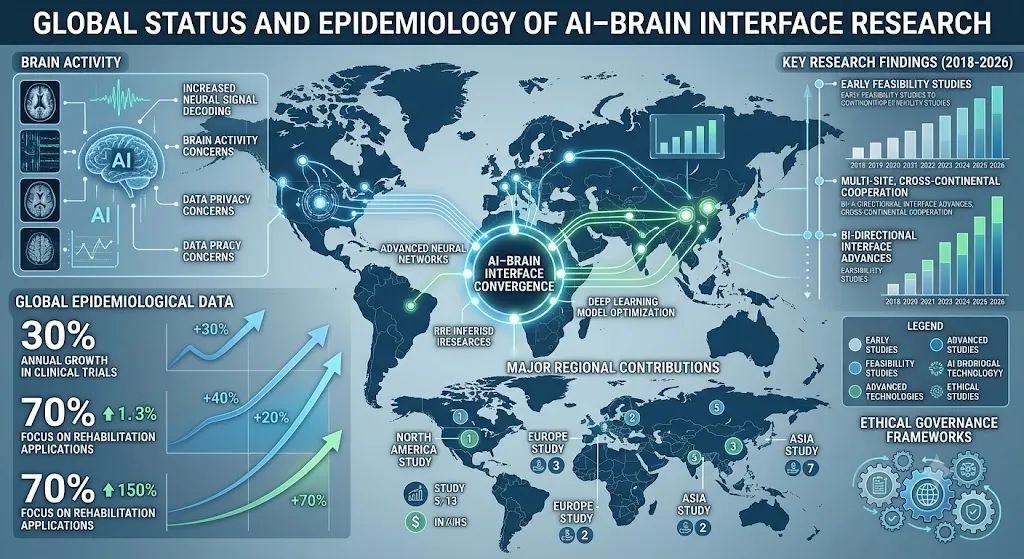
Fig1 Global Status and Epidemiology of AI–Brain Interface Research
Table 1. Current Global Landscape of AI–Brain Interface Research (2024–2025)
|
Research Domain |
Current Development Status |
Major Applications |
|
Non-invasive BCI |
Mature research stage with wearable devices |
Attention monitoring, neurofeedback, rehabilitation |
|
Invasive BCI |
Advanced clinical trials |
Speech restoration, robotic control |
|
AI neural decoding |
Rapidly improving accuracy |
Brain signal interpretation |
|
Closed-loop stimulation |
Emerging clinical technology |
Depression, epilepsy, Parkinson’s disease |
|
Cognitive enhancement |
Experimental stage |
Memory and attention improvement |
|
Neurobehavioral analysis |
Expanding rapidly |
Emotion, stress, cognition monitoring |
The increasing prevalence of age-related cognitive decline has further strengthened interest in artificial intelligence (AI)-based technologies aimed at monitoring and supporting cognitive health. Dementia represents a major global public health challenge, affecting more than 55 million people worldwide, with Alzheimer’s disease accounting for a substantial proportion of cases. [9] The progressive ageing of populations and the associated increase in neurodegenerative conditions have encouraged research into technological approaches capable of monitoring cognitive changes, identifying early indicators of impairment, and potentially supporting the preservation of cognitive function. In parallel, the substantial burden associated with depression and anxiety disorders has contributed to growing interest in AI-assisted neurobehavioral assessment and personalized neuromodulation strategies. Conventional approaches to psychiatric assessment often depend on clinical interviews and behavioural observations, which may be influenced by individual variability and subjective reporting. AI-based systems offer the possibility of integrating information obtained from multiple sources, including neuroimaging, electrophysiological recordings, and behavioural measures. By analysing complex patterns across these multimodal datasets, AI algorithms may assist in identifying potential biomarkers associated with psychiatric and neurobehavioral conditions. [10] Such approaches could contribute to more objective assessment, improved characterization of individual differences, and the development of personalized interventions. However, further validation is required before these technologies can be routinely incorporated into clinical practice.
3. Historical Development of Brain–Computer Interfaces
The foundations of brain–computer interface (BCI) research can be traced to early discoveries demonstrating that electrical activity generated by the brain could be detected and recorded. The development of electroencephalography (EEG) in the early twentieth century enabled researchers to measure electrical activity from the scalp and identify patterns associated with different physiological and mental states. This development established an important methodological basis for subsequent investigations into the relationship between neural activity and human behaviour. [11] During the 1970s, the concept of direct communication between the brain and external computational systems began to emerge. Researchers proposed that brain signals could serve as an alternative communication pathway, allowing individuals to interact with computers without relying entirely on conventional motor outputs. Early BCI systems primarily employed non-invasive EEG signals and event-related brain potentials to detect specific neural responses associated with user intentions. These approaches enabled users to perform relatively simple selection and communication tasks and provided the initial proof of concept for direct brain-mediated control of external devices. [12] Further advances in neural engineering during the late twentieth century led to the development of microelectrode arrays capable of recording neural activity at the level of individual neurons or small populations of neurons. Such intracortical recording systems demonstrated that patterns of neuronal activity could contain information about intended movements and could be decoded to control external devices. These findings established an important foundation for the development of modern neural prostheses and intracortical brain–computer interfaces designed to restore motor function in individuals with neurological disabilities. [13] The twenty-first century introduced major advances through:
AI has become particularly important because neural signals are highly variable and contain complex information that traditional analytical methods cannot efficiently interpret. Deep neural networks can identify nonlinear relationships between brain activity and behavioral outcomes, dramatically improving BCI performance. [14]
4. Types of AI-Enabled Brain–Computer Interfaces
Brain–computer interfaces can be classified according to the method used for recording neural activity.
Table 2. Classification of AI-Enabled Brain–Computer Interfaces
|
BCI Type |
Recording Method |
Advantages |
Limitations |
|
Non-invasive |
EEG, fNIRS, MEG |
Safe and portable |
Lower spatial resolution |
|
Semi-invasive |
Electrocorticography (ECoG) |
Better signal quality |
Requires surgery |
|
Invasive |
Intracortical electrodes |
Highest resolution |
Surgical risks |
|
Hybrid systems |
Multiple neural signals |
Improved reliability |
Complex processing |
4.1 Non-Invasive AI-Based Brain Interfaces
Non-invasive brain–computer interfaces (BCIs) represent the most widely investigated category of BCI technology because they do not require surgical implantation and generally offer a favourable safety profile. Among the available non-invasive techniques, electroencephalography (EEG) is one of the most commonly employed methods. EEG-based systems record electrical activity from the scalp using surface electrodes and provide relatively high temporal resolution for monitoring changes in brain activity. When integrated with artificial intelligence (AI), EEG-based BCIs can process complex neural signals and classify patterns associated with different cognitive and behavioural states.
Major applications of non-invasive EEG-based BCIs include:
The incorporation of machine learning has improved the analysis and interpretation of EEG signals by enabling automated extraction of relevant features from large and complex datasets. Deep learning approaches, including convolutional neural networks (CNNs) and recurrent neural networks (RNNs), have further enhanced the ability of BCI systems to identify temporal and spatial patterns in neural activity. These methods have demonstrated potential for recognizing motor imagery, emotional states, and different cognitive conditions, thereby expanding the scope of EEG-based BCIs in both research and applied settings. [15]
4.2 Invasive AI-Based Neural Interfaces
Invasive brain–computer interfaces (BCIs) involve the surgical implantation of electrodes within or directly on the surface of brain tissue to record neural activity. Because these electrodes are positioned close to the neural sources generating the signals, invasive BCIs generally provide higher signal quality, greater spatial resolution, and more precise neural information than non-invasive systems. These characteristics make them particularly valuable for applications requiring accurate and continuous decoding of motor and cognitive intentions.
Major applications of invasive BCIs include:
Robotic limb control: Decoding motor intentions to control robotic arms, hands, and other assistive devices.
Speech restoration: Interpreting neural activity associated with attempted speech to facilitate communication in individuals with severe paralysis.
Cursor movement control: Translating neural signals into commands for controlling computer cursors and digital interfaces.
Sensory feedback systems: Providing artificial sensory information through electrical stimulation of neural pathways.
Recent human studies have demonstrated substantial progress in the use of AI-assisted neural decoding to restore communication and motor functions in individuals with paralysis. Advanced computational methods can interpret complex patterns of neuronal activity associated with intended speech or movement and translate them into meaningful outputs. These developments highlight the potential of invasive BCIs to restore communication and interaction with the external environment in people who have lost conventional motor abilities. [16] Despite their considerable potential, invasive BCIs face important clinical and technological limitations. Surgical implantation carries risks of infection, bleeding, and tissue damage, while the presence of implanted electrodes may induce inflammatory or immune responses. Over time, electrode degradation, changes in the surrounding neural tissue, and signal instability may affect system performance. Therefore, improving long-term biocompatibility, electrode durability, signal stability, and device reliability remains essential for the broader clinical application of invasive BCI technologies.
5. Artificial Intelligence Algorithms in Neural Decoding
One of the major developments distinguishing contemporary brain–computer interfaces (BCIs) from earlier systems is the integration of artificial intelligence (AI) for the interpretation of neural signals. Neural activity recorded from the human brain is highly complex, dynamic, and subject-specific, with substantial variability across individuals and even within the same individual over time. Conventional signal-processing approaches may have limitations in capturing the nonlinear and multidimensional relationships present in neural data. Consequently, AI-based computational methods have become increasingly important for extracting meaningful information from large and complex neural datasets. [17] Machine learning algorithms enable BCI systems to identify and classify distinct patterns of brain activity associated with specific cognitive or motor states. Depending on the application, these systems can be trained to recognize intended movements, classify mental states, detect speech-related neural activity, and estimate aspects of cognitive processing. By learning relationships between neural signals and corresponding user intentions or behavioural outcomes, AI algorithms can facilitate the translation of brain activity into commands for external devices. An important advantage of AI-based BCI systems is their capacity for adaptive learning. Neural signals may change because of fatigue, attention, learning, disease progression, or variations in electrode placement. Adaptive algorithms can account for such changes and update system performance over time, potentially reducing the need for repeated calibration. [18] Furthermore, the ability of AI models to analyse high-dimensional neural data has contributed to improvements in signal decoding and classification, supporting the development of more reliable and responsive BCI systems across both invasive and non-invasive platforms. These advances have strengthened the potential of AI to serve as a central component in the next generation of brain–computer interface technologies.
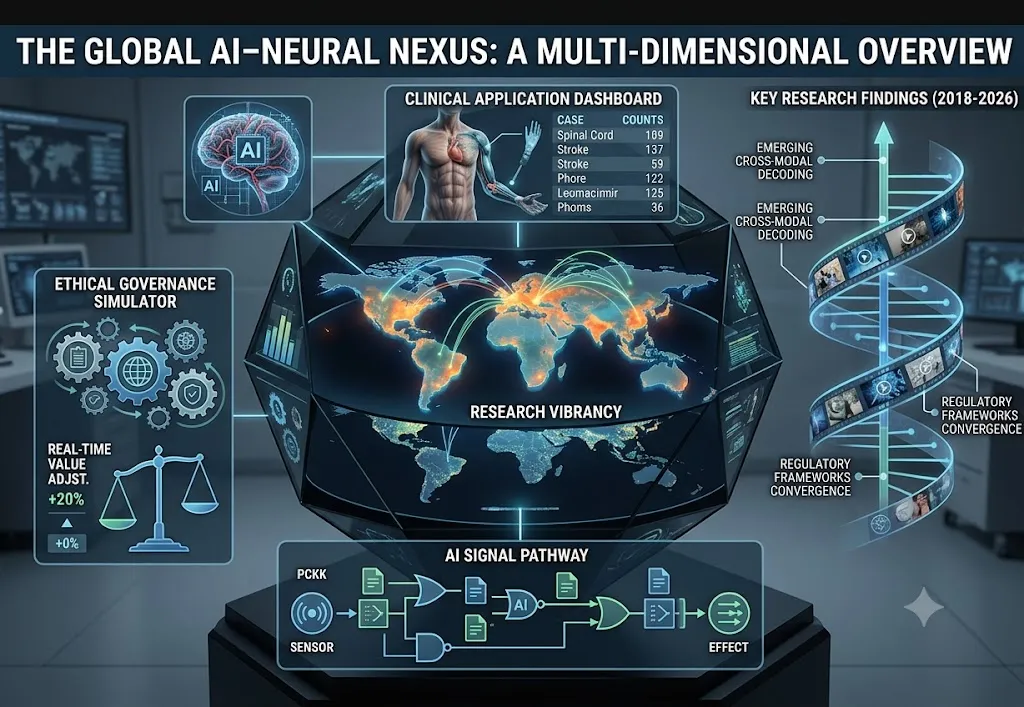
Fig 2 Artificial Intelligence Algorithms in Neural Decoding
3. Major AI Technologies Used in Brain–Computer Interfaces
|
AI Technology |
Principle |
Applications in Neurotechnology |
|
Table Machine learning |
Pattern recognition from neural data |
EEG classification, cognitive state detection |
|
Deep neural networks |
Automated feature extraction |
Speech decoding, motor prediction |
|
Convolutional neural networks (CNNs) |
Spatial signal analysis |
EEG and imaging interpretation |
|
Recurrent neural networks (RNNs) |
Temporal sequence analysis |
Brain activity prediction |
|
Transformer models |
Large-scale neural data processing |
Neural language decoding |
|
Reinforcement learning |
Adaptive decision-making |
Closed-loop brain stimulation |
Deep learning has become particularly valuable because brain signals are non-stationary and vary between individuals. Convolutional neural networks can identify spatial patterns in EEG recordings, whereas recurrent neural networks analyze temporal relationships within neural activity. Transformer-based models, originally developed for language processing, are now being explored for decoding complex neural sequences because of their ability to model long-range dependencies. [19] A major challenge in neural decoding is individual variability. Brain anatomy, cognitive strategies, and neural activity patterns differ significantly between individuals. AI-based adaptive systems attempt to overcome this limitation by continuously updating models according to the user’s unique brain characteristics. This personalized approach represents an important step toward clinically practical neurotechnology. [20]
6. AI–Brain Interface and Cognitive Enhancement
Cognitive enhancement refers to the improvement or augmentation of mental functions, including memory, attention, learning, decision-making, and problem-solving. Conventional approaches to enhancing cognitive performance include education, physical exercise, behavioural training, adequate sleep, and, in certain contexts, pharmacological interventions. The emergence of AI–brain interfaces has introduced a further possibility: the use of neural monitoring and targeted neuromodulation to support or optimize specific cognitive processes. [21]
The concept of AI-assisted cognitive enhancement is based on the ability of advanced neurotechnological systems to:
AI-driven neurotechnology may facilitate cognitive enhancement by integrating continuous neural monitoring with adaptive feedback or stimulation. Machine learning algorithms can analyse changes in neural activity and identify patterns associated with attention, learning, memory, or cognitive fatigue. Based on these patterns, an AI-enabled system could potentially adjust the intervention according to the individual's changing cognitive state. For example, if reduced attention is detected during a learning task, the system may provide personalized neurofeedback or, where clinically appropriate, adapt neuromodulatory stimulation to support sustained cognitive engagement. [22] However, cognitive enhancement through AI–brain interfaces remains an emerging area of research. The effectiveness, long-term safety, individual variability, and ethical implications of such interventions require further investigation before their widespread use can be established.
6.1 Memory Enhancement and Neural Prosthetics
Memory enhancement represents one of the most promising and technically challenging applications of AI–brain interfaces. Human memory is a complex process involving coordinated interactions among the hippocampus, prefrontal cortex, and widely distributed cortical networks. The formation, consolidation, storage, and retrieval of memories depend on dynamic patterns of neural activity that vary according to the type of memory and the individual's experiences. Researchers are therefore investigating whether computational models and neural interfaces can identify, reproduce, or modulate neural patterns associated with memory processing. Experimental research involving hippocampal neural recordings has provided evidence that artificially generated or model-derived stimulation patterns may influence memory performance under specific experimental conditions. Neural prosthetic approaches aim to identify neural activity patterns associated with successful memory processing and use this information to support or modulate impaired neural circuits. The integration of AI may further assist these systems by analysing complex neural recordings and identifying individualized patterns associated with memory formation and retrieval. [23]
Potential applications of AI-assisted memory technologies include:
Despite these promising developments, AI-assisted memory enhancement remains largely experimental. Human memory is influenced not only by neural activity but also by emotional experiences, environmental context, motivation, social interactions, and individual life history. These complex factors cannot yet be completely represented or reproduced by artificial systems. Consequently, further research is required to establish the effectiveness, safety, durability, and ethical implications of AI-based memory interventions before their routine clinical or cognitive enhancement applications can be considered.
6.2 Attention Enhancement and Learning Optimization
Attention is essential for learning, productivity, and decision-making. AI-based BCIs can estimate attention levels by analysing neural indicators such as EEG frequency patterns, eye movements, and physiological signals.
Educational and workplace applications include:
AI-driven neurofeedback systems provide users with information about their brain activity, allowing them to learn self-regulation of attention and emotional states. Studies suggest that neurofeedback may improve attention control, particularly in individuals with attention-related disorders. [24]
6.3 Emotional Regulation and Mental State Monitoring
Human emotions strongly influence cognition, behaviours, and decision-making. AI–brain interfaces are increasingly being developed to detect emotional states through analysis of neural, physiological, and behavioural signals.
Applications include:
AI algorithms can integrate EEG data with facial expression analysis, speech patterns, and physiological measurements to create comprehensive models of emotional states. Such systems may provide objective biomarkers for mental health conditions where diagnosis currently depends largely on subjective clinical assessment. [25]
7. AI–Brain Interfaces in Neurobehavioral Research
The study of human behaviour has traditionally relied on behavioural observation, psychological assessments, experimental paradigms, and self-reported measures. Although these methods have contributed substantially to the understanding of cognition and behaviour, they may not always capture the underlying neural processes involved in complex psychological states. The integration of artificial intelligence (AI) with neurotechnology provides new opportunities to investigate the neural basis of human behaviour by linking patterns of brain activity with cognitive, emotional, and behavioural processes. AI-assisted neurobehavioral research can analyse large and complex datasets obtained from neuroimaging, electrophysiological recordings, and behavioural assessments. By identifying relationships between neural activity and observable behaviour, AI models may contribute to a deeper understanding of how the brain supports decision-making, emotional responses, social interactions, and cognitive performance.
Major applications of AI–brain interfaces in neurobehavioral research include:
The integration of AI and neuroscience may therefore provide a more comprehensive approach to understanding human behaviour by combining neural, psychological, and behavioural information. However, interpretation of neural activity remains complex, and the relationship between brain signals and specific psychological states cannot always be considered direct or deterministic. Further interdisciplinary research is required to establish reliable and generalizable models for neurobehavioral assessment.
7.1 Understanding Decision-Making Processes
Decision-making is a complex cognitive process involving coordinated activity across multiple brain regions, particularly the prefrontal cortex, reward-related neural circuits, and networks involved in emotional processing. The integration of artificial intelligence (AI) with neural decoding techniques has enabled researchers to investigate how patterns of brain activity are associated with the formation and execution of decisions. Machine learning models can analyse neural signals to identify patterns associated with different choices and behavioural responses. Research using AI-based neural decoding has demonstrated the potential to predict aspects of individual choices, preferences, and behavioural outcomes from patterns of brain activity. Such approaches may provide valuable insights into the neural mechanisms involved in judgment, reward evaluation, risk assessment, motivation, and decision-making under uncertainty. [26] The application of AI in decision-making research also offers opportunities to examine how cognitive and emotional factors interact during behavioural choices. By integrating neural recordings with behavioural and contextual information, computational models may help researchers better understand individual differences in decision-making processes. However, predictions derived from neural data should not be interpreted as deterministic representations of human choices, as decision-making is influenced by a broad range of cognitive, emotional, social, and environmental factors. Further research is therefore required to establish the reliability and generalizability of AI-based neural prediction models across different populations and real-world contexts.
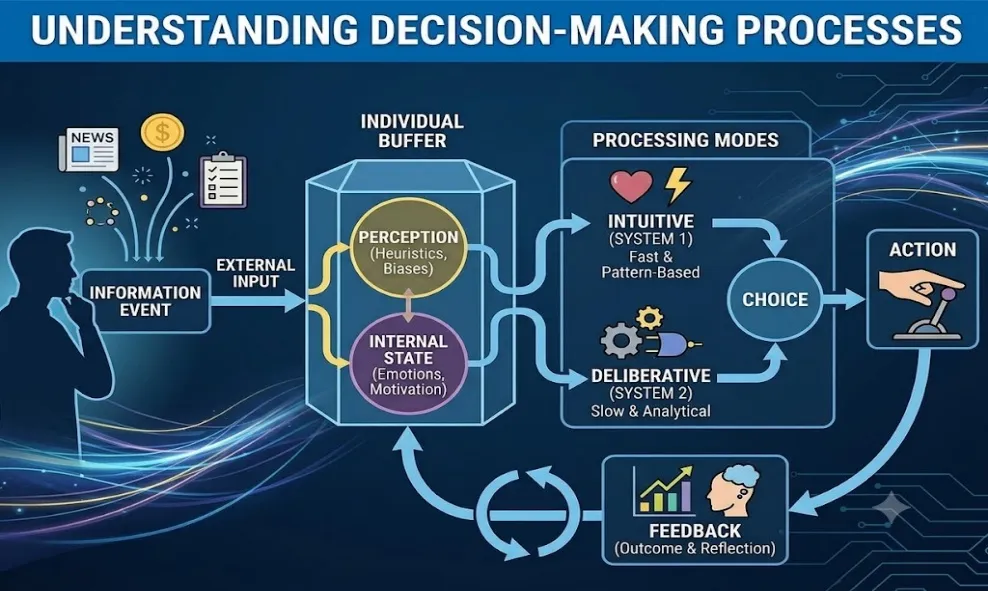
Fig 3 Understanding Decision – Making Processes
7.2 Brain-Based Assessment of Cognitive States
Traditional psychological assessments and behavioural measurements often provide indirect information about an individual's cognitive state and may be influenced by subjective reporting, environmental conditions, or individual differences. AI–brain interfaces offer the potential to complement these approaches by analysing neural activity and providing objective or near-real-time indicators of specific cognitive processes and states.
AI-assisted neurotechnology is being investigated for monitoring:
The ability to monitor cognitive states continuously may be particularly valuable in high-risk occupational environments, including aviation, military operations, healthcare, transportation, and industrial settings. In such contexts, reduced attention, excessive mental workload, or cognitive fatigue may increase the likelihood of human error and potentially lead to serious consequences. AI-based analysis of neural signals could support early identification of adverse cognitive states and facilitate timely interventions, such as workload adjustment, rest periods, or adaptive human–machine systems. [27] Nevertheless, the practical implementation of these technologies requires careful consideration of measurement accuracy, individual variability, privacy, and ethical concerns. Neural indicators of cognitive states are not always specific to a single psychological process, and therefore AI-based predictions should be interpreted alongside behavioural and contextual information rather than considered as definitive measures of human cognition.
8. Clinical Applications of AI–Brain Interfaces
The most advanced applications of AI–brain interfaces currently exist within clinical neuroscience. These technologies aim to restore lost neurological functions, improve rehabilitation, and provide new treatments for disorders affecting the nervous system.
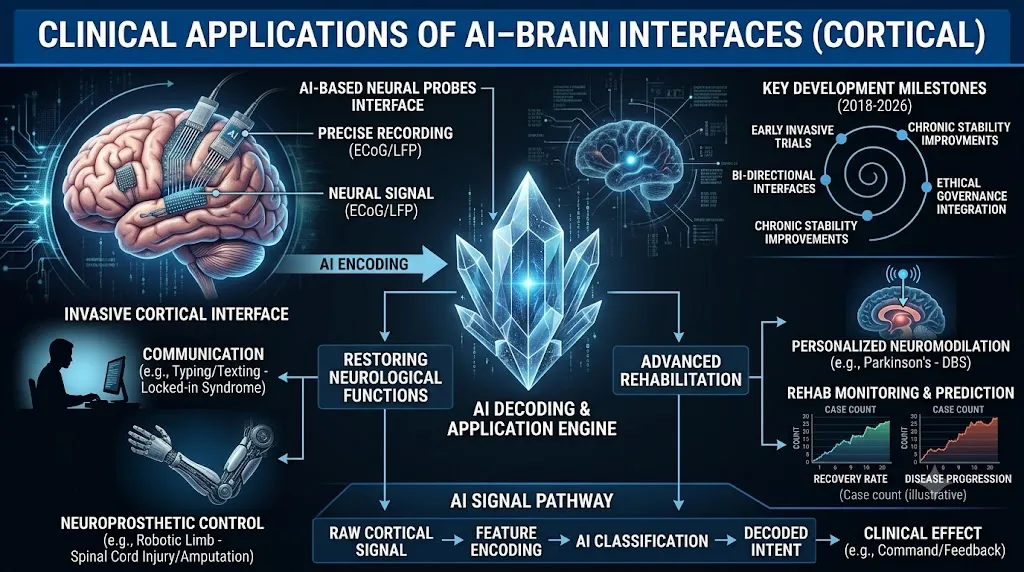
Fig 4 Clinical Application of AI- Brain Interfaces (Cortical)
Table 4. Clinical Applications of AI–Brain Interfaces
|
Disorder/Condition |
AI–Brain Interface Application |
Current Development |
|
Paralysis |
Robotic limb control, communication systems |
Advanced clinical trials |
|
Stroke |
Motor rehabilitation |
Increasing evidence |
|
Epilepsy |
Seizure prediction and monitoring |
Clinical use emerging |
|
Parkinson’s disease |
Adaptive deep brain stimulation |
Expanding application |
|
Depression |
Closed-loop stimulation |
Experimental clinical studies |
|
ALS |
Speech decoding systems |
Rapid development |
|
Dementia |
Cognitive monitoring |
Early research |
8.1 Restoration of Movement After Paralysis
One of the greatest achievements of BCI research has been restoring communication and movement in individuals with severe paralysis. AI-powered neural interfaces can decode motor intentions from brain activity and translate them into commands controlling:
Recent studies have demonstrated AI systems capable of converting cortical signals into speech output, allowing individuals with paralysis to communicate more naturally. These developments represent a major milestone in neuroprosthetic medicine. [28]
8.2 Speech Restoration and Language Decoding
Loss of speech due to neurological injury severely affects quality of life. AI-based speech BCIs aim to reconstruct intended speech from neural activity recorded from language-related brain regions. Deep learning models analyse patterns from the motor cortex and speech networks to generate:
Recent clinical demonstrations have shown substantial improvements in decoding speed and accuracy compared with earlier systems. [29]
8.3 Epilepsy Prediction and Closed-Loop Treatment
Epilepsy affects millions of individuals worldwide and is characterized by recurrent seizures that may occur unpredictably and significantly affect quality of life. Despite advances in pharmacological and surgical treatment, seizure prediction and prevention remain important clinical challenges. Artificial intelligence (AI)-based systems are being investigated for their ability to analyse complex patterns of neural activity and identify changes that may precede the onset of clinical seizures. Potential applications of AI-assisted neurotechnology in epilepsy include:
Closed-loop neurostimulation systems represent a particularly promising approach. These systems continuously monitor neural activity and can automatically deliver electrical stimulation when patterns associated with abnormal activity are detected. By responding dynamically to changes in brain activity, closed-loop approaches may provide more targeted interventions than conventional stimulation strategies that deliver continuous or pre-programmed stimulation. [30] However, further research is required to establish the long-term efficacy, safety, and reliability of AI-guided seizure detection and stimulation systems.
9. Recent Breakthroughs in AI–Brain Interface Research (2024–2025)
Recent years have witnessed significant advances in AI-powered neurotechnology. [32-35]
Table 5. Recent Developments in AI–Brain Interfaces
|
Year |
Development |
Significance |
|
2024 |
AI-assisted speech decoding from brain signals |
Improved communication for paralysis patients |
|
2024 |
Advanced wireless neural implants |
Reduced limitations of wired systems |
|
2024 |
Transformer-based neural decoding models |
Improved interpretation of complex brain signals |
|
2025 |
Adaptive closed-loop stimulation systems |
Personalized neurological therapy |
|
2025 |
Wearable AI neurotechnology |
Expanded non-invasive applications |
The development of more flexible neural implants, improved AI algorithms, and wireless communication technologies is expected to accelerate clinical translation. However, long-term safety and ethical considerations remain central challenges. [36-38]
10. Ethical Considerations and Challenges
The rapid development of artificial intelligence (AI)–brain interfaces presents significant scientific and clinical opportunities; however, it also raises complex ethical, legal, and social concerns. Unlike conventional digital technologies, brain–computer interfaces (BCIs) and related neuro technologies interact directly with neural activity, potentially providing access to highly sensitive information associated with cognition, emotions, preferences, and behavioural states. As these technologies become more advanced, ensuring responsible development and appropriate governance will be essential.
10.1 Cognitive Privacy and Neural Data Protection
One of the most important concerns associated with AI–brain interfaces is the protection of cognitive privacy. Neural signals may contain information about an individual's mental states, intentions, emotional responses, or cognitive processes. The increasing ability of AI algorithms to decode such signals raises questions regarding who should have access to neural data and how this information should be collected, stored, and used. Strong data protection measures and clear regulatory frameworks are therefore necessary to prevent unauthorized access, misuse, or commercial exploitation of sensitive neural information.
10.2 Human Enhancement and Inequality
AI–brain interfaces may influence or modify neural activity through neurostimulation and adaptive interventions. This raises important questions regarding individual autonomy and informed consent. Users should have a clear understanding of how the technology operates, what information is being collected, and how neural data may be processed. In clinical applications, informed consent should include an explanation of potential risks, limitations, uncertainties, and long-term consequences associated with the intervention.
10.3 Safety and Long-Term Reliability
The safety of neural interface technologies remains a major challenge, particularly for invasive systems that require surgical implantation. Potential risks include infection, tissue damage, inflammatory responses, electrode degradation, and changes in signal quality over time. Non-invasive systems generally have fewer physical risks but may still present challenges related to signal accuracy and reliability. Long-term studies are required to establish the safety and stability of these technologies.
FUTURE PERSPECTIVES
The future development of AI–brain interfaces is expected to be shaped by the convergence of multiple scientific and technological disciplines. Continued integration of artificial intelligence, neuroscience, nanotechnology, robotics, and personalized medicine may lead to increasingly sophisticated systems capable of interacting with neural processes in more precise, adaptive, and individualized ways.
Future AI–brain technologies may support:
The integration of nanotechnology and advanced neural engineering may further contribute to the development of smaller, more biocompatible, and longer-lasting neural interfaces. Similarly, advances in robotics could enable more natural control of neuroprosthetic limbs and assistive devices, while personalized medicine may facilitate interventions tailored to individual neural characteristics and clinical needs. The long-term objective of AI–brain interface research should not be the replacement of human cognition but the development of technologies that responsibly support and augment human capabilities. Future progress must therefore be guided by principles of autonomy, safety, privacy, equity, informed consent, and ethical responsibility. Ensuring that technological advancement remains aligned with human values will be essential for the responsible development and societal acceptance of next-generation neurotechnologies. [50–53]
CONCLUSION
The integration of artificial intelligence (AI) with advanced neural technologies represents a significant development in contemporary neuroscience and neurotechnology. AI–brain interfaces have created new possibilities for interpreting complex neural activity, establishing direct communication between the brain and external devices, restoring lost neurological functions, and investigating the mechanisms underlying cognition and behaviour. Advances in neural signal acquisition, machine learning, deep learning, neural decoding, and adaptive stimulation have contributed to the rapid evolution of brain–computer interfaces from experimental systems toward potential clinical and cognitive applications. Current research demonstrates promising opportunities in communication restoration, neurorehabilitation, neuroprosthetic control, cognitive monitoring, and personalized neuromodulation. At the same time, the translation of these technologies into routine clinical and real-world applications remains associated with important challenges. Issues related to long-term safety, signal reliability, neural data privacy, cognitive autonomy, ethical governance, affordability, and equitable access require careful consideration. As AI algorithms become increasingly capable of analysing complex neural information and neural interface technologies continue to advance, AI–brain interfaces may significantly influence the future relationship between humans and machines. Their continued development could open new directions in neurobehavioral research, neurological treatment, rehabilitation, and cognitive augmentation. However, sustainable progress will depend on responsible innovation that balances technological advancement with human autonomy, safety, privacy, dignity, and ethical responsibility. Thus, the future of AI–brain interfaces lies not only in improving technological capabilities but also in ensuring that these powerful technologies are developed and applied for meaningful and socially responsible human benefit.
REFERENCES

Girendra Kumar Gautam, Shikha Rathi*, Akansha Nirwal, Mukesh Sharma, AI–Brain Interfaces: Emerging Frontiers in Cognitive Enhancement and Neurobehavioral Research, Int. J. Med. Pharm. Sci., 2026, 2 (8), 50-64. https://doi.org/10.5281/zenodo.21744974
 10.5281/zenodo.21744974