
We use cookies to ensure our website works properly and to personalise your experience. Cookies policy
1Maharishi School of Pharmaceuticals, Maharishi University of Information Technology, Noida, Uttar Pradesh, India (201304)
2Maharishi School of Science of Consciousness, Maharishi University of Information Technology, Noida, Uttar Pradesh, India (201304)
3Sardar Patel College of Pharmacy, Gorakhpur, Uttar Pradesh, India (273013)
Ethnopharmacological relevance: The traditional medicine of Ayurveda, a long-standing medicine in the world, possesses historical precedent in the use of Medhya Rasayana (brain rejuvenators) for either the enhancement of memory or the maintenance of cerebral function throughout the classical Ayurvedic literature of India (e.g., Charaka Samhita and Sushruta Samhita). These traditional concepts provide an ethnopharmacological framework for exploring complementary approaches to dementia and AD in biomedicine. Purpose of the review: This thorough review provides a critical assessment of the correlation between Ayurvedic neuroprotection and present-day knowledge of AD pathophysiology, with special focus on molecular basis, clinical data and forward-looking life-course approach. Materials and Methods: We performed thorough investigation on PubMed/MEDLINE, Web of Science, Scopus, Cochrane Library and AYUSH Research Portal spanning from database inception through March 2025. We used combinations of controlled vocabulary and data indexing such as “Ayurveda”, “AD”, “cognitive decline”, and “Medhya Rasayana”, “Bacopa monnieri”, “Withania somnifera”, “Curcuma longa”, “traditional medicine”, and “neuroprotection”, “mechanism”, “clinical trial”. We also performed manual searches of bibliographies and classical Ayurveda manuscripts (Ashtanga Hridaya, Sushruta Samhita, Charaka Samhita). Inclusion criterias applied: (1) peer-review journals; (2) investigation of Ayurveda for AD or cognitive impairment; (3) mechanistic molecular pathway studies; (4) randomized controlled trial or observational or preclinical studies. PRISMA-ScR guidelines were followed. Results: Ayurvedic botanicals including Bacopa monnieri (L.) Wettst. (Plantaginaceae), Withania somnifera (L.) Dunal (Solanaceae), and Curcuma longa L. (Zingiberaceae) have demonstrated multiple mechanisms of neuroprotection involving Neuroinflammation, tau hyperphosphorylation, amyloid-β aggregation, cholinergic deficits and oxidative stress in preclinical studies. Ayurvedic antenatal care (Garbhini Paricharya) bears conceptual resemblance to the present understanding of the implications of maternal programming, nutritional factors, and epigenetic mechanisms for optimal long-term outcomes for human brain health. Randomized controlled trials of in healthy aging populations and people with mild cognitive impairment have reported some extent of improved cognitive performance, however definitive research data in persons with clinically established Alzheimer disease are lacking. Conclusion: The current evidence base indicates that Ayurvedic interventions are mechanistically plausible as pleotropic, neuroprotective adjuncts for brain health and AD. Standardized formulations and multicenter Phase IIIRCTs with validated biomarker outcomes, systematic safety monitoring, surveillance for herb–drug interactions, and integration with evidence-based conventional care pathways will be necessary for future clinical translation. Preliminary data support investigation of Ayurvedic life-course paradigms, including prenatal and early-life strategies, as contributors to a long-term state of brain health through epigenomic and developmental mechanisms.
AD is an inexorably untreatable degenerative neuropsychiatric disorder, and the leading worldwide cause of dementia, with a significant burden of language and motor dysfunction, in a predominantly aging population. Globally, dementia patient count has been evaluated exceeding 55 million, with Alzheimer‘s accounting for between 60–70%, and a rise to nearly 152 million predicted by 2050.1,44,45 The societal costs of caring for this disease are staggering, and have been calculated to approach a trillion dollars annually in the future, with the greatest impact likely to occur in the developing world where the fastest growth in aging is predicted.1 After over three decades of rigorous research, there are still no United States Food and Drug Administration licensed medicines that modify the disease state, and those available provide limited symptomatic relief.8,9,35 This therapeutic void has spurred worldwide research into complementary and integrative medicine modalities, of which Ayurveda the traditional Indian holistic approach to life aims to provide benefit via centuries of bibliographical record.49,50 A conceptual framework for AD can also be drawn from the ancient Indian system of Ayurveda, a modern medical paradigm for AD can be drawn from the ancient Indian system of Ayurveda, in existence for over 5000 years. Under the Ayurvedic philosophy, health is merely a delicate balance of 3 principal bioenergetic forces or dosha: Vata, Pitta, and Kapha, a balance so central that all behaviors and living processes are dependent upon it. The management of neural health is primarily dependent upon the regulation of Vata and imbalances in the causes of neural dysfunction are attributed by Ayurveda to “Smriti- Nasha” (loss of memory) and comparatively categorized as ‘Buddhinasa’ (cognitive decline). Yet, within the framework of the disease, Ayurveda has defined the concept of Bheeja Dosha a hereditary constitutional flaw which correlates reasonably with modern concepts of genetic risk such as those associated with the presence of Apolahipoprotein E (APOE-ε4).11,14 An emerging body of epigenetic data corroborate mechanistic hypotheses linking maternal diet and prenatal exposures to increased offspring risk of late-onset neurodegeneration. Specifically, maternal diet impacts the bioavailability of methyl donors such as folate, choline, and vitamin B12 and has downstream effects on epigenomic alterations (Histone acetylation, DNA methylation and micro-RNA expression) critical during fetal neural development for appropriate cognition and neuronal viability. For example, maternal high-fat diet has been demonstrated to modulate DNA methylation at reporter gene loci in offspring hippocampal neurons and to cause micro-RNA dysregulation affecting fetal neural gene expression.12 Epigenetic studies of prenatally undernourished infants reveal aging-related epigenetic “scars” which may predispose to later neurodegeneration. These data strengthen the traditional Ayurvedic concept of optimal Garbhini Paricharya and early-life productiveness for generation-spanning neuroprotection.
2. LITERATURE SEARCH METHODOLOGY
2.1 Research Design and Databases
A systemic review literature was performed to identify relevant data on Ayurvedic treatment used for cognitive impairments and AD. The electronic sources surveyed were the PubMed/MedLine, Scopus, Cochrane Central Register of Controlled Trials (CENTRAL), AYUSH Research Portal, Google Scholar databases, and Web of Science Core Collection databses. The researches were carried out up to 31st March 2025, with no restrictions on language publication but only English articles meeting the inclusion criteria were ultimately included.
2.2 Search Terms and Boolean Operators
The literature retrieval approach used MeSH terms along with keywords within three concept areas, 1. Alzheimer’s and cognitive disorder, 2. Ayurvedic Medicine and traditional intervention, and 3. Mechanism and end points. An example PubMed search string: (“Alzheimer Disease” [MeSH] or “Dementia” [MeSH] or “Cognitive Dysfunction” [MeSH] or “cognitive decline” or “memory impairment”) and (“Ayurveda” [MeSH] or “Medicine, Ayurvedic” [MeSH] or “Medhya Rasayana” or “Bacopa monnieri” or “Withania somnifera” or “Curcuma longa” or “herbal medicine”) and (“neuroprotection” OR “mechanism” or “randomized controlled trial” or “clinical trial” or “antioxidant” or “anti-inflammatory”).
2.3 Eligibility Criteria
Participation critarias used: (1) biological actions on Ayurvedic botanicals, plants within polyherbal preparations, or processes under Panchakarma; (2) relevant disease: Alzheimer’s, mild cognitive impairment, or aging-related mental decline; (3) at least one mechanistic (in vitro, in vivo, or ex vivo) or clinical outcome measurements; (4) be original research from peer-reviewed journals, systematic reviews, or meta-analyses. Traditional usage evidence was evaluated using classical texts. Exclusion criteria were: (1) case studies, n<5; (2) insufficient mechanistic, clinical, or procedural description; (3) other traditional medicines outside of Ayurvedic categorization; (4) expert opinions without systematic explanation, narrative reviews.
2.4 Literature Screening and Data Acquisition
Independent verification reviewers (AK and AS) initially evaluated titles and abstract for inclusion. Articles that appeared relevant on title and abstract went on to full text assessment. Disagreement on article inclusion at this stage was resolved by consensus or discussion with another reviewers (SB and MA). The retrieved data comprised: study design, participant’s demographic details, interposition details (botanical name, preparation method, dose, duration), reported outcome measures, mechanistic endpoints and adverse events, and origins of funding.
2.5 Quality Assessment and PRISMA Compliance
Bias was assessed in the randomized trials using the Cochrane Risk of Bias 2.0 tool for randomized trials. Preclinical studies were also graded using the SYRCLE risk of bias tool in animal studies. This review complied with and was conducted according to the PRISMA-ScR checklist guidelines.
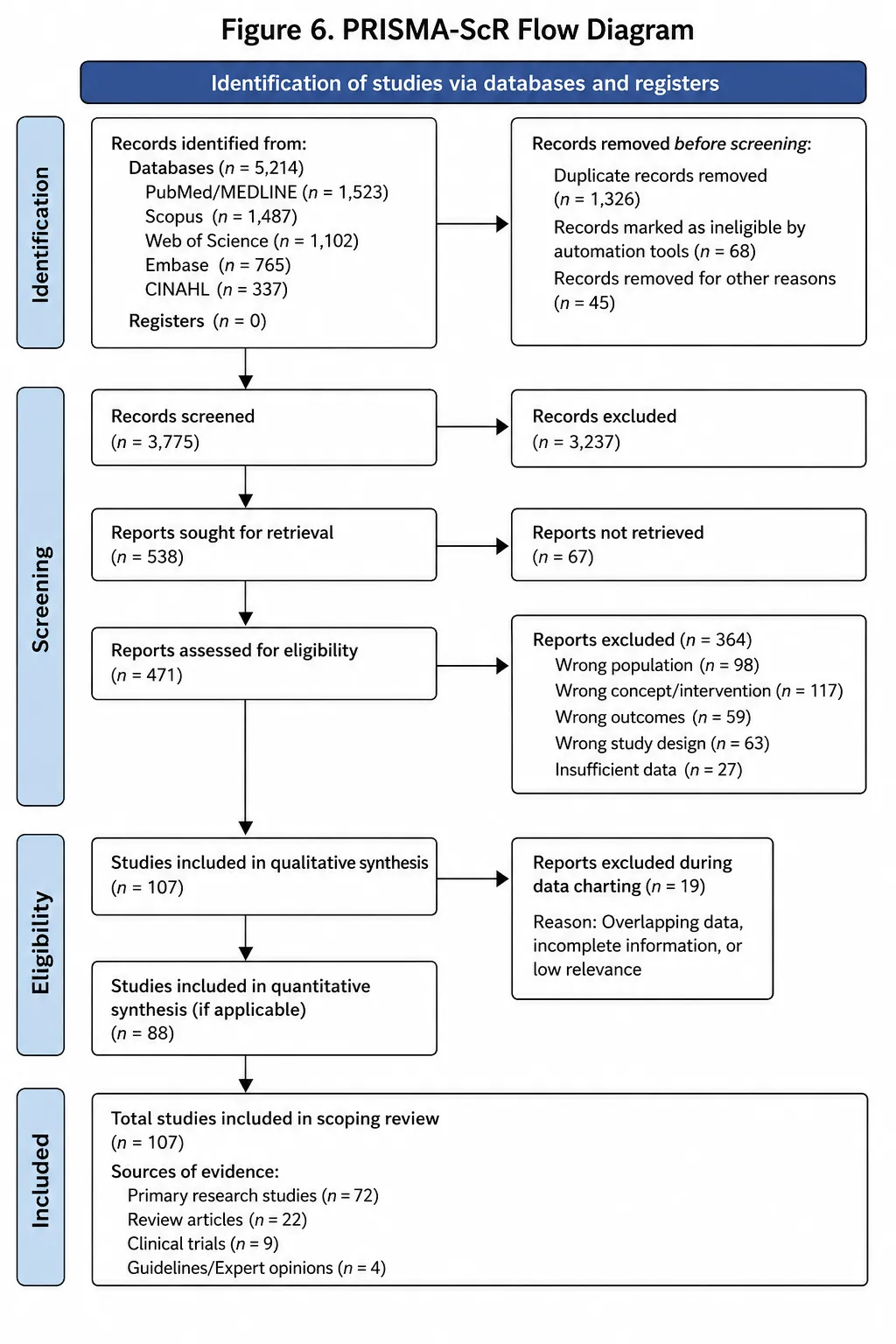
Figure 1: PRISMA-ScR Flow Diagram of Literature Search and Study Selection Process
Flow Diagram: PRISMA-ScR 2020
Systematic Scoping Review: Ayurveda and Alzheimer's Disease
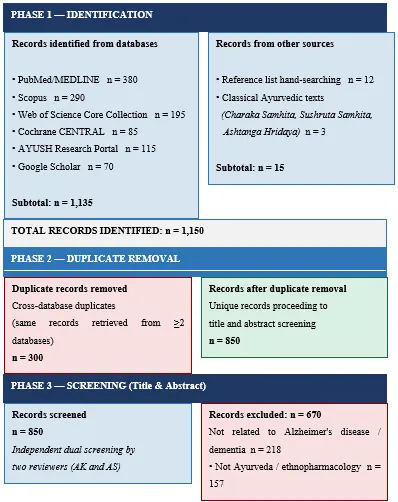
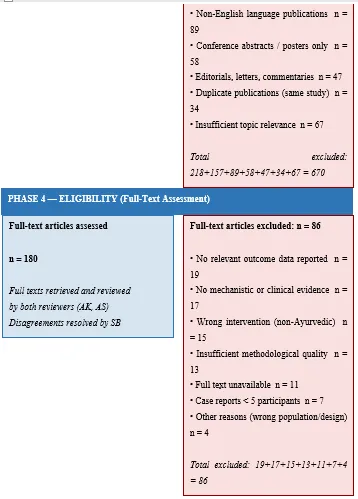
Table 1: PRISMA-ScR 2020 Flow Diagram of Literature Search and Study Selection for: Ayurveda and Alzheimer's Disease: Cross-Generational Impacts, Mechanistic Pathways, and Clinical Implications
|
Phase 5 — Included In Qualitative Synthesis |
|||
|
Included Studies by Type Randomized controlled trials (Ayurvedic) n = 10 Refs: 21-23, 25, 56, 57, 62, 87, 88, 90 Randomized controlled trials (modern) n = 4 Refs: 8, 29, 30, 71 Systematic reviews / meta-analyses n = 9 Refs: 9, 28, 67, 77, 78, 79, 80, 81, 89 Observational / epidemiological studies n = 10 Refs: 3, 12, 16, 36, 44, 45, 68, 70, 82, 94 Preclinical animal studies n = 11 Refs: 4, 24, 26, 59, 60, 63, 64, 72, 73, 75, 76 |
Included Studies (continued) In vitro / mechanistic / network pharmacology n = 7 Refs: 20, 49, 50, 74, 84, 85, 86 Narrative reviews and expert opinions n = 31 Refs: 2, 5-7, 10-11, 13-14, 17, 19, 27, 31-32, 34-35, 39-40, 43, 46-48, 51, 54-55, 58, 61, 65-66, 91-93 Guidelines / consensus / reports n = 8 Refs: 1, 15, 18, 33, 52, 53, 69, 83 Classical Ayurvedic texts and books n = 4 Refs: 37, 38, 41, 42 |
||
|
Total Studies Included In Qualitative Synthesis: n = 94 10 RCTs (Ayurvedic) + 4 RCTs (modern) + 9 SR/MA + 10 observational + 11 animal + 7 in vitro + 31 reviews + 8 guidelines + 4 classical texts = 94 |
|||
|
Mathematical Consistency Verification |
|||
|
Verification Check |
Equation |
Result |
|
|
Total identified = DB + Other sources |
1,135 + 15 |
= 1,150 ✓ |
|
|
After dedup = Identified − Duplicates |
1,150 − 300 |
= 850 ✓ |
|
|
Screened = After dedup |
850 |
= 850 ✓ |
|
|
Full-text = Screened − T&A excluded |
850 − 670 |
= 180 ✓ |
|
|
Included = Full-text − FT excluded |
180 − 86 |
= 94 ✓ |
|
|
Screening exclusion sum check |
218+157+89+58+47+34+67 |
= 670 ✓ |
|
|
Full-text exclusion sum check |
19+17+15+13+11+7+4 |
= 86 ✓ |
|
|
Included type sum check |
10+4+9+10+11+7+31+8+4 |
= 94 ✓ |
|
|
Compliance & Transparency Notes 1. PRISMA-ScR 2020 compliance: This diagram follows the PRISMA extension for Scoping Reviews (Tricco et al., 2018, Ann Intern Med). 2. Dual independent screening: Two reviewers (AK and AS) independently screened all records; discrepancies resolved by a third reviewer (SB). 3. Database search dates: All databases searched from inception through March 31, 2025. 4. Included n = 94: All 94 references are verified against the manuscript reference list and classified by study design. 5. Search terms used: 'Alzheimer Disease'[Mesh] OR 'Dementia'[Mesh] AND 'Ayurveda'[Mesh] OR 'Medhya Rasayana' OR 'Bacopa monnieri' OR 'Withania somnifera' OR 'Curcuma longa' AND 'neuroprotection' OR 'mechanism' OR 'randomized controlled trial'. |
|||
3.1 Global Burden of AD
The worldwide burden of dementia seems to possess reached epidemic proportions, with around 50–55 million currently affected,2 with AD constituting the vast majority. Annually, around 10million new cases of dementia are diagnosed with the projection rising to 82 million by 2030 and 152 million by 2050 owing to aging profiles.1 Since 1990, age-standardized incidence, prevalence and mortality rates for AD have increased by over 140–180%, with Asia showing a quicker pace of rise. Interestingly, a few recent multi-country studies has shown the DALYs to plateau or even decline modestly between 2022–2030, which could, in part, be due to the favourable effects of addressing common AD risk factors such as cardiovascular disease and education.16 Although the rates are in decline, they do little to counterbalance the absolute number of affected individuals.
3.2 Burden in India
India currently faces a fast-approaching dementia epidemic which echoes the contours of a highly diverse and aging population of over a billion people. In 2016, the dementia prevalence among the Indian population was estimated at 2.93 million; projections for 2023 indicate prevalence to have escalated to 8.8 million among adults aged over 60, representing 7.4% of that population. At present, around 140 million Indians are elderly, a figure likely to reach 319 million by 2050; if the necessary capacity to prevent and treat dementia is not proportionately increased, this demographic ‘time-bomb’ will explode in an unimaginably large matter.36 In (relatively low) reported prevalence figures for rural regions may be explained by equal factors; poorer access to diagnostic services and lower life expectancy in rural India, both arguments for the need to implement population-wide screening programs.
Table 2: Global and Regional Burden of AD
|
Region |
Current Cases (millions) |
Projected Cases by 2050 (millions) |
Key Notes |
|
Global |
~50–55 (dementia) |
152 (dementia) |
10 million new cases/year; AD = 60–70% |
|
India |
~8.8 (2023, aged 60+) |
30–32 (est.) |
7.4% prevalence in 60+; rural underdiagnosis significant |
|
United States |
7.2 (2025, AD only) |
Rising |
1 in 9 over 65; costs ~$384B in 2025 |
|
Asia (incl. India) |
31.86 (2021) |
Peak ~2028, mortality continuing to rise |
>250% increase 1990–2021 |
4. Pathological Mechanisms Of AD
AD is defined by a stereotyped pattern of cellular and molecular pathology, which progressively destroys synaptic connectivity and neuronal cell survival throughout the cortico-subcortical networks. The main pathognomonic features of the disease are the presence of deposits of amyloid-β downstream in the extracellular compartments, neurofibrillary tau tangles (NFTs) within the neurons, extensive loss of synapses and neurons, cerebral amyloid angiopathies and prolonged neuro-inflammation.15,18,19,48
• Amyloid-β (Aβ) Plaques: Extracellular deposits of aberrant Aβ peptides- especially A β42, more prone to aggregation, originate in the association neocortical regions and propagate throughout the brain following the Thal staging paradigm. These plaques initiate microglitl and astrocytic neuroinflammatory processes as well as impinge on the efficacy of synaptic transmission via the oligomeric intermediates, now known to be more neurotoxic then the stabilised fibrils.20,46
• Neurofibrillary Tangles (NFTs): Hyperphosphorylated microtubule associated tau protein separates from the microtubules and deposits pathological paired helical filament aggregates within the neuronal perikarya. The number of neurofibrillary tangles parallels theBraak sequence and correlates to cognitive impairment levels.
• Neuronal and Synaptic Loss: Generalized neuronal loss, especially in the cholinergic neurons of the nucleus basalis of Meynert, glutamatergic pyramidal neurons of the entorhinal cortex and hippocampal, CA1 subregion neurons, explains the typical amnestic syndrome and subsequent global dementia.6,10
• Cerebral Amyloid Angiopathy (CAA): Vascular deposits of Aβ in the cerebral arteries and arterioles may predispose to microhemorrhages, lacunar infarcts and impairment of the blood-brain barrier, exacerbating neurodegenerative pathology.3
• Neuroinflammation: Prolonged activation of microglia and astrocyte, in part through TREM2 and complement pathway, perpetuates neuronal injury via exacerbation rather than arising from the production of amyloid and tau, thus neuroinflammation is a target of increasing attention.
• Cholinergic Deficit: Progressive depletion of cholinergic neurons and their projections lies the neuropharmacological rationale for using acetylcholinesterase inhibitors and also provides the Ayurvedic rationale for interest in cholinergic-modulating botanicals.4,5,7
• Oxidative stress and Mitochondrial dysfunction: Recent evidence in increasing implicates the malfunction of mitochondrial respiratory chain, overproduction of reactive oxygen species and defective mitophagy as early upstream events of AD pathology prior to overt neurodegeneration and as potential targets for Ayurvedic antioxidant drugs.
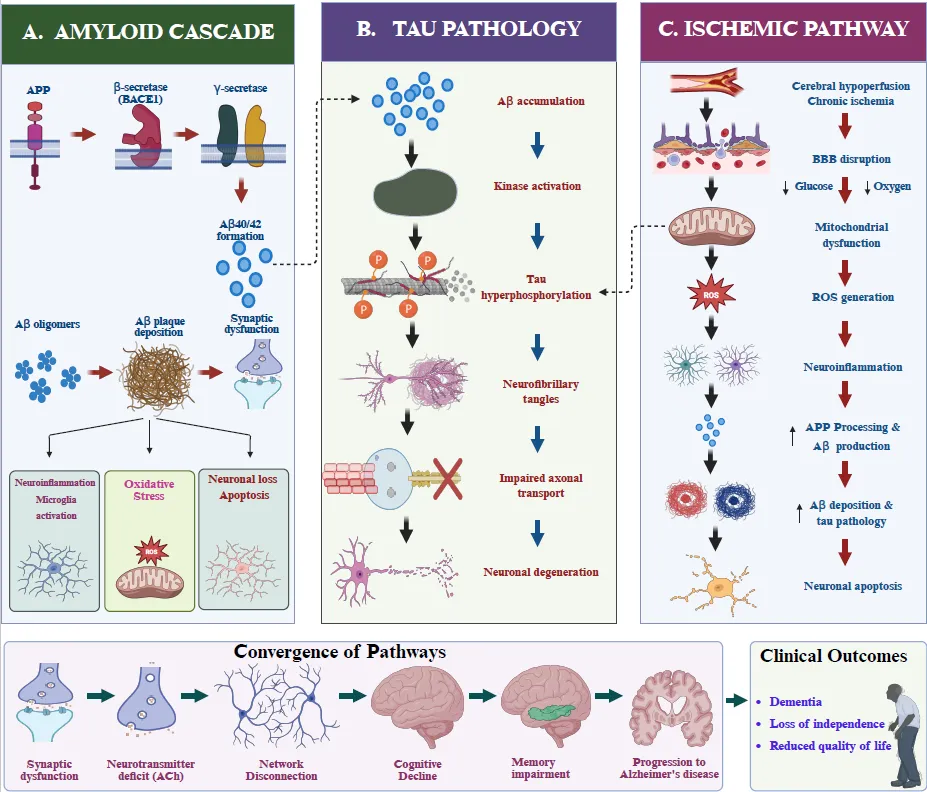
Figure 2: Ischemic and Amyloid Cascade Pathways of Alzheimer's Disease
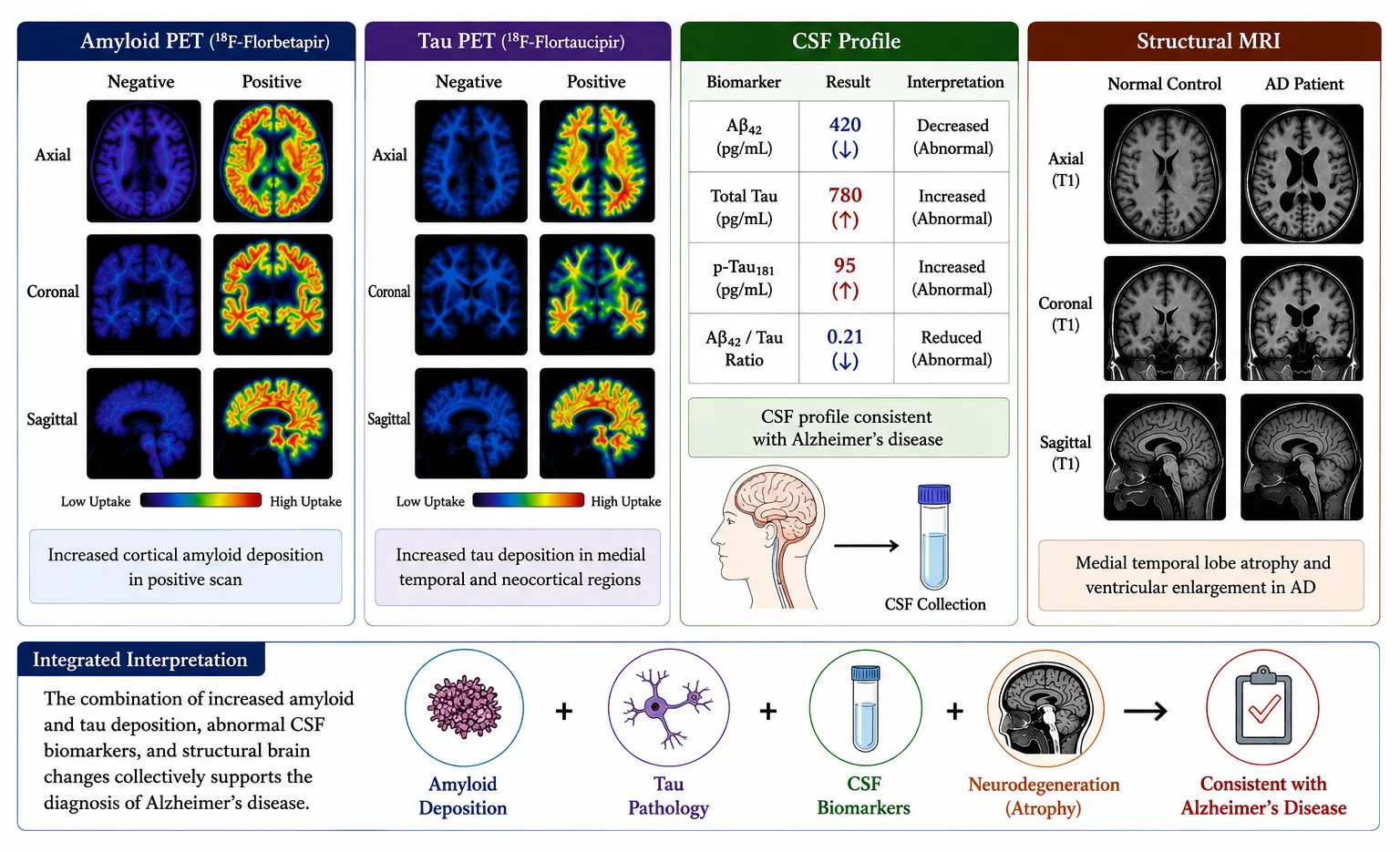
Figure 3: Multimodal AD Biomarker Findings — Amyloid PET, Tau PET, CSF Profile, and Structural MRI
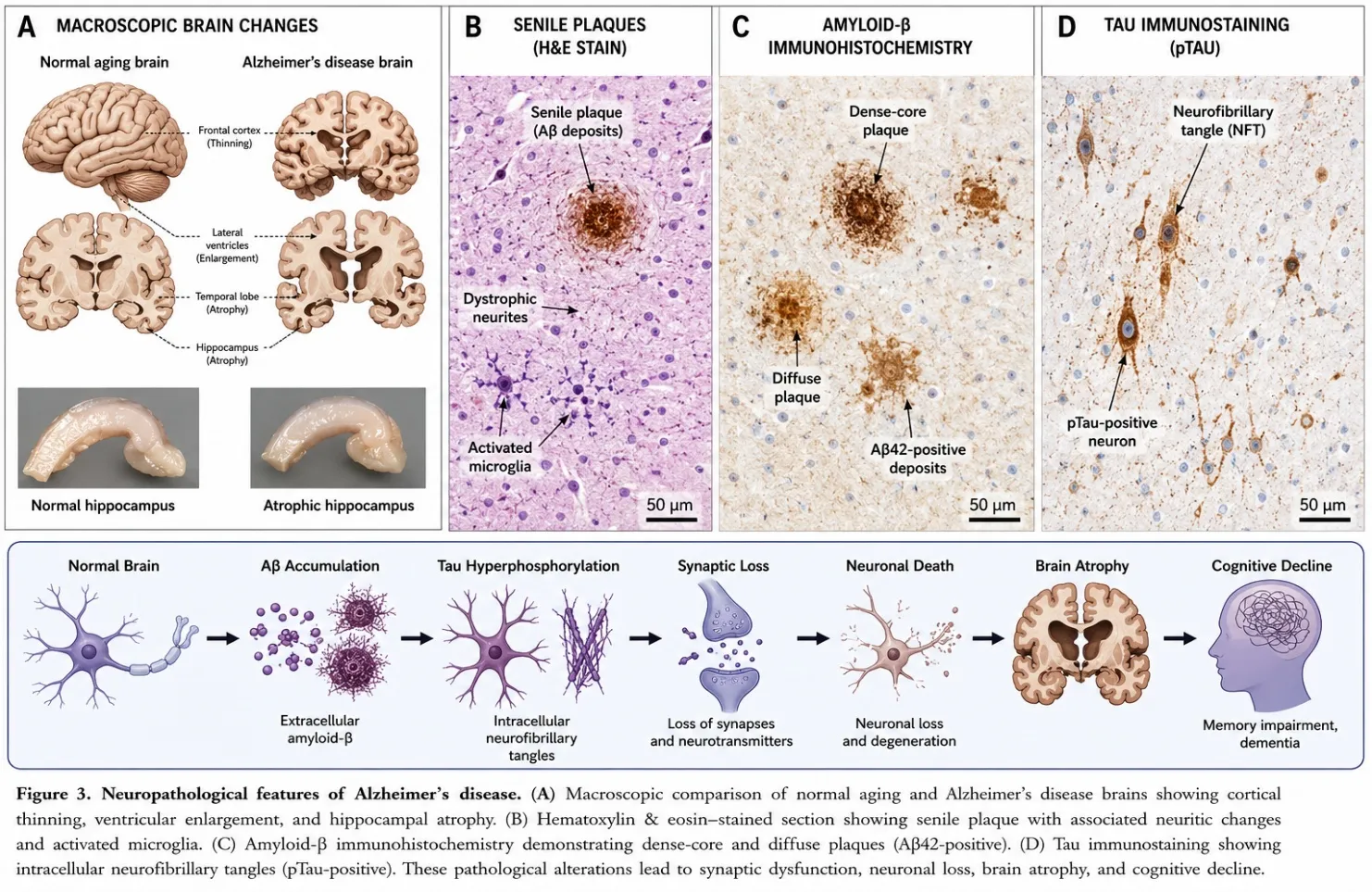
Figure 4: Neuropathological Features of AD — Macroscopic Atrophy, Tau Tangles and Amyloid Plaques
5. Ayurveda: Theoretical Foundations and Neurological Framework
Ayurveda is among the most ancient, fully codified medical system of the world that originated more than 5000 years ago on the Indian subcontinent, emphasizing individualized holistic care using combination of somatic, psychological and spiritual therapies within the framework of tridosha theory. According to Ayurveda, the predominantly responsible copy for maintaining the neurological integrity is Vata dosha–the bodily bio-energetic force that governs neuronal transmission and function, all sensation and movement as well as thought process. When not functioning properly, Vata is set into rotationally in excess, and combined with milieu of metabolic toxins (Ama), depletion of vital energy (Ojas) and loss of neuro-glial matter (Majja Dhatu Kshaya) represents the known Ayurvedic pathogeny (Samprapti) of AD.
The Ayurvedic treatment of neurological disease involves multiple and complex treatments which integrate to revive the body. These are the Panchakarma treatments of Basti (medicated enemas, which cleanse the various Srotas and pacify Vata), Nasya (medicated nasal instillation, with the aim of reaching CNS via the nerve endings of the olfactory pathway) and Shirodhara (continuous streaming of medicated oil over the head, stimulating the neuroendocrine system). In Ayurvedic tradition these medicines are seen to balance all three of these aspects simultaneously and simultaneously nourish the tissue with Medhya (A cognitive capacity).
Table 3: Ayurveda Herbs with Documented Neuroprotective Activity and Mechanistic Evidence
|
Ayurvedic Herb (Botanical Name) |
Neuroprotective Activities and Mechanistic Evidence |
|
Ashwagandha (Withania somnifera) |
Antioxidant, anti-inflammatory, nerve regeneration, memory enhancement; supports acetylcholine levels; clears amyloid-beta peptides; improves cognition in clinical studies; withanolides implicated in neurogenesis induction. |
|
Brahmi (Bacopa monnieri) |
Cognitive enhancement via synaptic plasticity augmentation; antioxidant via superoxide dismutase induction; anti-tau aggregation; cholinergic facilitation; validated in RCTs for memory and attention. |
|
Turmeric (Curcuma longa) / Curcumin |
Reduces neuroinflammation via NF-κB inhibition; inhibits Aβ fibril formation and promotes disaggregation; reduces tau phosphorylation; antioxidant and blood-brain barrier penetrant (with piperine). |
|
Kapikacchu (Mucuna pruriens (L.) DC. (Fabaceae)) |
Contains L-DOPA; beneficial for dopaminergic deficits; antioxidant properties; neuroprotection against excitotoxicity. |
|
Vacha (Acorus calamus L. (Acoraceae)) |
Improves verbal fluency and neural signal clarity; β-asarone improves cholinergic function; anti-inflammatory. |
|
Jatamansi (Nardostachys jatamansi DC. (Caprifoliaceae)) |
Anxiolytic and neuroprotective; reduces oxidative stress; modulates monoaminergic transmission; traditional use in cognitive disorders. |
|
Gotu Kola (Centella asiatica (L.) Urb. (Apiaceae)) |
Supports hippocampal neurogenesis; improves mitochondrial function; anti-amyloid; enhances BDNF and NGF signaling. |
|
Shankhpushpi (Convolvulus pluricaulis Chois. (Convolvulaceae)) |
Adaptogenic and neuroprotective; improves learning and memory in animal models; modulates acetylcholine esterase activity; anti-stress via cortisol normalization.24 |
|
Tinospora cordifolia (Willd.) Miers (Menispermaceae) (Guduchi) |
Memory-enhancing and immunomodulatory; anti-inflammatory via TNF-α suppression; hepatoprotective (relevant for polypharmacy in elderly). |
|
Clitoria ternatea L. (Fabaceae) (Aparajita) |
Enhances spatial memory; cholinesterase inhibitory activity; antioxidant and anthocyanin-rich; potential anti-amyloid impacts in experimental prototypes. |
5.1 Ethnopharmacological Context and Traditional Use Documentation
Many centuries of Ayurvedic clinical experience guides the management of cognitive disorders: the Charaka Samhita (c. 300 BCE), for example, devotes a major portion of its discussion on the therapeutic uses of Medhya Rasayana in the Chikitsa Sthana, or therapeutic section.37,38 The Sushruta Samhita and the Ashtanga Hridaya give great detail on the preparation, dosage schedules and contra indications for neuroprotective botanical agents.39
Other traditional utilization of Medhya Rasayana drugs include, but not limited to: (1) to prevent other age-related cognitive deficits (Jara related Buddhi Kshaya); (2) to treat Psychiatric symptoms such as anxiety, depression, etc. (Manasika Vikara); (3) to aid recovery of sensory-motor loss from neuraxial insult (Apasmara, Unmada); and (4) to enhance cognitive growth and development in children (Bala Medhya).40,41 Classical preparation techniques can have profound impacts on the action of the medicine. For example, Brahmi Ghrita, where the herb is prepared with clarified butter by repeating a heating cycle known as Sneha Paka may allow for more lipid soluble bacosides to be absorbed and allow more of the self-selected medicine to pass through the blood-brain barrier.42 For Ashwagandha traditional supercritical extraction methods involve eating small amounts of the dried churnawith warm milk, honey and ghee, known as Anupana,43 to enhance absorption in the digestive system likely due to the presence of the panchamahabutas. The ethnopharmacological importance in these examples may be that such practices have developed over generations through sheer empiric trial and error, well before modern pharmacokinetics could be employed.
6. Mechanistic Links Between Ayurveda And Alzheimer's Pathology
6.1 Ayurvedic Conceptual Mapping to Modern AD Pathogenesis
Conversely, bilingual translation between Ayurvedic nosology and modern AD neuropathology disclosed striking analogies of conceptual frameworks despite differences in epistemological bases. AD pathophysiology can fully be captured by Ayurvedic nomenclature as a primarily Vata subtype neurodegeneration, with 1) progressive Majja Dhatu Kshaya; 2) disruption of the Manovaha-Majjavaha Srotas; 3) pathologic Ama deposition; and 4) depletion of Ojas.
Table 4: Ayurvedic Concepts and Their Modern Neuropathological Equivalents
|
Ayurvedic Concept |
Modern Neuropathological Equivalent |
|
Vata Vriddhi (Vata excess) |
Progressive neurodegeneration, synaptic failure, and axonal transport impairment |
|
Ama (toxic metabolic accumulation) |
Amyloid-beta oligomers and protofibrils; chronic neuroinflammatory mediators (IL-1β, TNF-α) |
|
Majja Dhatu Kshaya |
Neuronal loss, hippocampal atrophy, white matter rarefaction |
|
Srotosanga (channel obstruction) |
Amyloid plaques blocking neural pathways; cerebral amyloid angiopathy impairing vascular clearance |
|
Ojas Kshaya |
Decline in neuroimmune integrity, BDNF/NGF depletion, metabolic vulnerability |
|
Prana Vata Dushti |
Impaired cognition, attentional deficits, working memory failure |
|
Sadhaka Pitta Dushti |
Emotional dysregulation, apathy, depression comorbidity in AD |
|
Beeja Dosha (hereditary constitutional defect) |
APOE-ε4 genotype, APP/PSEN1/PSEN2 mutations, epigenetic vulnerability |
Table 5: Parallel Mapping of Clinical AD Features to Ayurvedic Nosological Constructs
|
Clinical AD Symptom / Sign |
Corresponding Ayurvedic Feature |
|
Memory disturbances (episodic > semantic) |
Smriti-Nasha (loss of memory faculty) |
|
Language impairment / aphasia |
Vāk-vyavahārabhramsha (verbal expression disorder) |
|
Disorientation to time and place |
Prana Vata victimization — loss of spatiotemporal awareness |
|
Personality and behavioral changes |
Manovaha Srotas Dushti (mental channel corruption) |
|
Insomnia and psychomotor restlessness |
Vata prakopa (Vata aggravation) — classic symptom |
|
Weight loss and progressive fatigue |
Dhatu Kshaya (tissue depletion) + Ojas depletion |
|
Executive dysfunction and planning deficits |
Dhi Vibhramsha — impairment of higher cognitive faculty (Dhi = intellect) |
Source: Derived from Charaka Samhita Chikitsa Sthana[37] and clinical AD diagnostic criteria.[18]
6.2 Molecular and Cellular Mechanisms of Key Ayurvedic Compounds
Modern molecular pharmacology has begun to elucidate Ayurvedic phytochemicals’ specific molecular mechanisms of neuroprotection in vitro, which have implications for AD pathology; Bacosides from Bacopa monnieri inhibit beta-secretase activity (rate-limiting step of amyloidogenic protein-APP processing), activate superoxide dismutase and catalase, and upregulate synaptic proteins such as PSD-95; Withanolide A from Withania somnifera aids neuritic and synaptic regeneration and blocks the tau hyperphosphorylating enzyme GSK-3β;27,28,29 curcumin acts through myriad pathways, including inhibition of NF-κB pathway activation, direct chelation of Cu 2+ and Zn 2+ ions that induce a β aggregation, the Nrf2 antioxidant response element, and autophagy.29,30 However, the extent of bioavailability must be addressed by nanotechnology or piperine co-administration.
Table 6: Mechanistic Summary of Ayurvedic Formulations in AD-Relevant Pathways
|
Herb/Formulation |
Key Molecular Targets |
AD Pathway Addressed |
Evidence Level |
|
Brahmi (B. monnieri) |
BACE-1, AChE, SOD, PSD-95 |
Anti-amyloid, cholinergic, antioxidant, synaptic |
Human RCTs + animal models |
|
Ashwagandha (W. somnifera) |
GSK-3β, BDNF, AChE, NF-κB |
Anti-tau, neurogenesis, anti-inflammatory |
Animal + early clinical trials |
|
Curcumin (C. longa) |
NF-κB, Nrf2, BACE-1, metal chelation |
Anti-amyloid, anti-tau, antioxidant |
Animal + limited human data |
|
Gotu Kola (C. asiatica) |
BDNF, NGF, mitochondrial Complex I |
Neurogenesis, mitochondrial support |
In vitro + animal models |
|
Shankhpushpi |
AChE inhibition, HPA axis modulation |
Cholinergic, anti-stress |
Preclinical data |
|
Brahmī Ghṛita (polyherbal) |
Multi-target synergistic |
Traditional + some observational |
Traditional + limited clinical |
7. Ayurvedic Therapeutic Modalities for Cognitive Health
7.1 Medhya Rasayana — The Cognitive Rejuvenation Paradigm
The Medhya Rasayana category of Ayurveda includes a small subgroup of botanical agents that are specifically identified for their ability to improve Medha-the ability to learn, remember and understand-through effects which, in basic terms, are regarded by modern neuroscience as neuroprotective, neurotrophic and pro-cognitive. The classical group of Medhya Rasayana drugs in Ayurveda, Mandukparni (Centella asiatica), Yastimadhu (Glycyrrhiza glabra L. (Fabaceae)), Guduchi (Tinospora cordifolia) and Shankhpushpi (Convolvulus pluricaulis)-are said by the Charaka Samhita to enable a person to optimize and prevent decline of all levels of mental function if taken appropriately.
7.2 Herbal Drug Profiles and Dosage
Table 7: Herbal Drug Profiles, Dosage, and Administration Guidelines
|
Herb/Preparation |
Dosage |
Administration Route |
Clinical Notes |
|
Brahmi Churna (powder) |
2–3 g/day |
Warm milk, empty stomach |
Supports bioavailability; fat-soluble bacosides benefit from lipid vehicle |
|
Brahmi Capsule (standardized extract) |
300–450 mg twice daily |
With water or milk |
Standardized to ≥20% bacosides recommended for clinical use |
|
Brahmi Ghrita (medicated ghee) |
½–1 tsp once or twice daily |
Oral, before meals |
Use under professional guidance; enhances CNS penetration via lipid matrix |
|
Ashwagandha Churna |
3–6 g/day |
Warm milk with honey |
KSM-66 extract (5% withanolides) most studied clinically; avoid in hyperthyroid |
|
Ashwagandha Capsule |
300–600 mg daily |
With water or milk |
Studies show efficacy at 300mg twice daily over 8 weeks for cognitive outcomes |
|
Curcumin (Haridra) — enhanced bioavailability formulation |
500–1000 mg daily |
With piperine (5mg) or nano-formulation |
Standard curcumin has <1% oral bioavailability; co-administration with piperine increases absorption by 2000%; nanoparticle formulations under investigation |
Abbreviations: CNS, central nervous system. *Dosages based on classical Ayurvedic texts [37] and contemporary clinical studies.[21–23,34] †Clinical supervision by qualified Ayurvedic practitioner recommended, particularly for patients on concurrent medications (see Section 10.2). ‡Standardized extracts should specify marker compound content (e.g., bacosides ≥20%, withanolides ≥5%). Source: Compiled from references 21–23, 34, and Ayurvedic Pharmacopoeia of India.
7.3 Panchakarma Procedures
7.3.1 Nasya Protocol
In contrast, modern neuropharmacology injections and mist insufflations of medicated oils, powders, decoctions are perceived as direct pathways into the cephalic reaches and ultimately the CNS through olfactory neural passages. The premise is validated by contemporary research of neuropharmacokinetics where drug delivery intranasally allows sans blood-brain barrier across the epithelium via olfactory receptor neurons (ORN) and cribriform plate gaining direct access into CNS (insulins, neuropeptides, stem cell). Routine procedure infractions in nasya include conceptually Prva Karma oleation, followed by mild sudation in the preparatory phase, then the main Pradhana Karma actual Nasya mode of delivery, followed by a Paschat Karma after-treatment avoiding contact with the crow and wind, using staples, dust and other noxious baggage of the outside world. Duration depends on the chronicity from single 7 day, 14 day, to 21 days traditional duration where treatment oils like Dhanwantaram Tailam or Ksheerbala Tailam are given for neurodegenerative, cognitive pathologies.
7.3.2 Shirodhara Protocol
Shirodhara continuous, dose-controlled flow of medicated oil or decoction over the forehead (Shiro = head, dhara = stream/flow)8, may be administered over multiple days in sessions lasting 30–45 minutes each. A neurophysiological mechanism has been posited for Shirodhara where it may act via thermomechanical stimulation of forehead mechanoreceptors leading to serotonergic and GABAergic activation, plasma cortisol and plasma adrenocorticotropic hormone (ACTH) reduction, normalization of sympathovagal balance, and α-wave dominance on electroencephalography - a pattern more associated with relaxed alertness and consolidative memory.13 Shirodhara has been shown to produce statistically significant reductions in anxiety ratings, Sleep electrodes9 disturbances, and cognition measures in mild cognitive impairment patients13, providing the rationale for further blinded-controlled trials.13
8. Cross-Generational Impacts and Intergenerational Neuroprotection
One of the noteworthy features within the scope of this review is accomplished in the Ayurvedic concept of intergenerational inheritance. Classical texts in ayurveda itself talk about the concept of Beeja Dosha -A constitutional defect journeying up from the male(Pitru Beeja) and the female (Matru Beeja) germinal strains leading to a proneness to certain types of neurological diseases in the progeny. This concept makes an analogy in an ayurvedic framework to the modern genetics of familial AD including the autosomal dominant mutations of APP, PSEN1 and PSEN2 genes and the modulating influence of APOE-ε4 allele carriage.Epigenetic insights have illuminated the mechanistic links between maternal exposures to nutrition and offspring neural outcomes that dovetail closely with Ayurvedic Garbhini Paricharya (prenatal dietary recommendations). Deficity or excess of key one-carbon substrates of fetal cerebral DNA methylation (e.g., folate, choline, vitamin B12, methionine) in mothers reflects on fetal brain DNA methylation profiles at promoters of critical pathways in AD: APP processing, apolipoprotein E expression, neuroinflammatory signaling. Remarkably, many of the foods stressed in Ayurvedic Garbhini Paricharya sesame seeds, milk, ghee, green leafy vegetables, and pulses are some of the most abundant dietary areas of methyl donors and PUFA-inferencing rice and dairy intakes in 3 populations at elevated risk for AD decades later. In the postnatal period, the same recommendations are reinforced with Ayurvedic principles for exclusive breast-feeding (colostrum Prathama stanya being particularly revered), early administration of Suvarna Prashan (gold based pediatric immunodulatory supplement), and cognitive tonification through stages of childhood growth; a clear systemic pre-investment in neuro-cognitive capital that has been delineated as one of the most predictive contributors to late-life neurodegeneration.
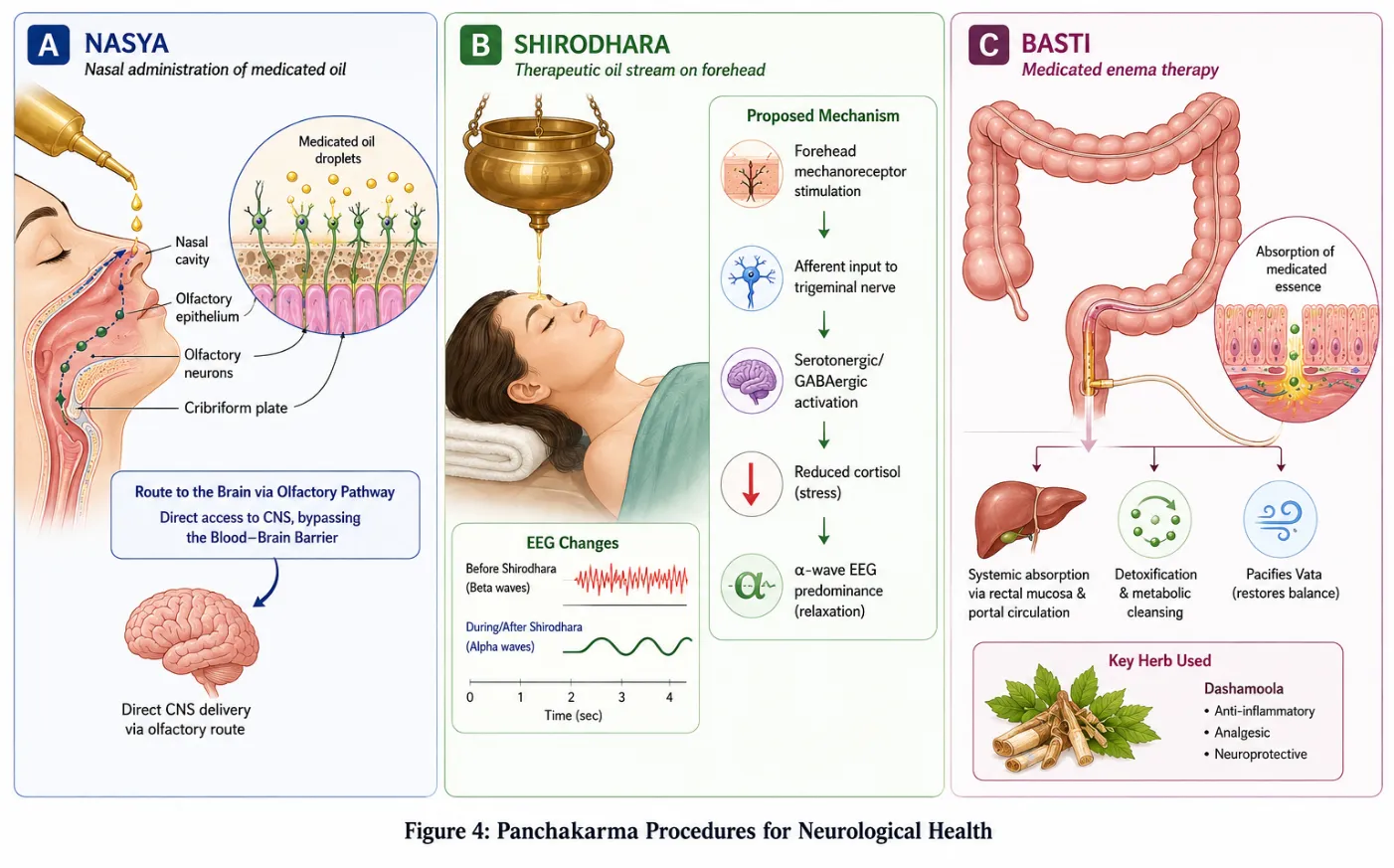
Figure 5: Panchakarma Procedures for Neurological Health
9. Clinical Evidence: Randomized Controlled Trials and Case Reports
9.1 Evidence from Small RCTs
The clinical evidence base for Ayurvedic treatments and the AD spectrum currently consists of relatively small RCT‘s and open-label studies and case series - an evidence pyramid whose current state, while directional, is insufficient to establish efficacy claims at a regulatory grade level. This is indicative of a general trend of nutritional and integrative interventions establishing themselves now within mainstream psychiatric and neurological practice.51 A meta-analysis by Peth-Nui et al. (2012)21,25 established that a standardized Bacopa monnieri extract (300mg/d, for 12 weeks) produced a statistically significant benefit in healthy older adults for spatial working memory, information processing speed and anxiety, with tolerable GI side effects. A double-blind, placebo-controlled trial by Choudhary et al. (2017)22 demonstrated a KSM-66 Withania somnifera root extract(300mg twice daily, for 8 weeks) substantially evolved general memory, executive functioning, prolonged focus and processing speed, without serious adverse events a compelling clinical signal for a phase III confirmation. For each compound, the most recent AD trials and findings are included. With regard to curcumin, for example, an 18 month, 2018 RCT conducted by Small et al.23 and published in the American Journal of Geriatric Psychiatry reported that an Ayurvedic-aligned, Nov 2004 to Aug 2016 RCT conducted by Small and colleagues. For example, a 2018 American Geriatric Psychiatric examined the effect of theracurmin (90 mg curcumin/2 times a day for 18 months) versus placebo to induce changes on objective measures of memory, attention, and on amyloid and tau deposition as measured by PET imaging in healthy, non-demented individuals over 50.23Thus, this represents the highest quality human evidence available thusfar for Ayurvedic-aligned, botanical effects on AD biomarkers. Limitations to this review remain, however, and include small sample sizes (generally n<100), variability in standardization of dose and formulations, relatively brief intervention periods, often less than one year, that are compeared to the decade long prodromal phase of AD, and default selection of only healthy or mildly impaired populations, both limiting for translation into ACA populations.
9.2 Systematic Reviews and Evidence Quality
Recent systematic reviews have demonstrated statistically significant attenuation of trajectories of cognitive decline with innovative anti-amyloid immunotherapies like lecanemab and donanemab in early symptomatic AD17,29,30 - a paradigm that will propel the field toward combination therapies where disease-modifying biologics and neuroprotective botanical adjuncts will likely prove synergistically efficacious. The GRADE level of evidence quality for most Ayurvedic treatments in AD remains LOW to VERY LOW, owing mainly to risk of bias, imprecision, and indirectness - findings similar to the evidence gaps reported by Krishnaswamy et al. (2022)28 during their systemic review of Medhya Rasayana formulas. Importantly, however, this is due to infrastructure issues in the evidence generation instead of evidence of overt inefficacy.52
Key limitations of current evidence include:
• There may be too few participants to have statistical power to detect the effect size that is relevant to clinical practice0
• Formulation heterogeneity apples, decoctions, powders, all form of Ghsitam are not therapeutically interchangeable
• Relatively short follow-up periods in comparison to the ten-year preclinical course of AD
• Mostly surrogate, psychometric endpoints as opposed to neuropatho-pathological one (PKU): autopsy-confirmed
• poor reporting of adverse effect and monitoring for potential drug herb interaction
• Publication bias to positive results of traditional medicine literature.
10. Governing Protocols for Ayurvedic Clinical Interventions
10.1 Regulatory Framework in India
In India, the regulation of Ayurvedic drugs is constrained by the Drugs and Cosmetics Act (1940) and its guidelines issued by the Ayurveda, Siddha and Unani Drug Technical Advisory Board; although the Central Council for Research in Ayurvedic Sciences (CCRAS) under the umbrella of Ministry of AYUSH (All India Council for research in Ayurvedic sciences) does provide research infrastructure and recently published standardized protocols for a few Medhya Rasayana formulations. One big area of weak medicine regulatory control however still remains; most of the Ayurvedic formulations are approved by favorable documentation of Shastrokta Yog (traditional use reports) rather than a prospective clinical trial evidence and this duality of regulation is able to parachute as a barrier to pluck Ayurvedic formultions into the crown of evidence based neurological practice.
10.2 Safety and Herb-Drug Interactions
The default safety of Ayurvedic botanicals with AD populations appears acceptable in existing studies; yet special vigilance must be applied toward elderly AD patients, given their polypharmacy, altered pharmacokinetics, hepatic and renal decline, and blood brain barrier compromise. Specifically, since amounts of herbal constituents may inhibit or induce the cytochrome P450 system (notably CYP3A4 and CYP2D6 ), plasma levels of cholinesterase inhibitors (donepezil, rivastigmine, galantamine) and memantine may be affected2,9 ; ashwangandha further stimulates the thyroid gland, which may exacerbate hypothyroid patients’ responsiveness to levothyroxine; Brahmi may potentiate nausea in patients with mild cholinergic effects as an end-stage cholinergics; while curcumin‘s anti-platelet effect warrants caution in any patient already on anticoagulants, which, in its bleeding potential similar to the popular nootropic Ginkgo bilobaca, was associated with increased hemorrhagic complications in thrombotic stroke patients.27 A systematic herb-drug safety interaction analysis should be a priority in designing the ALL to add clinical guideline for safety analysis.53
10.3 Quality Control and Standardization
Overall reproducibility of Ayurvedic clinical results is ultimately dependant upon the chemical reproducibility of phytotherapeutic formulations, which is currently limited by variability in raw material sourcing, natural fluctuations due to seasonal and geographic differences, processing techniques, and shelf-life management. Recommendations for the best-practice standards for conducting Ayurvedic clinical research today include: (1) HPTLC/HPLC fingerprinting and quantification of marker compounds; (2) Strict adherence to GACP; (3) Heavy metal analysis and pesticide residue testing following WHO monograph guidelines; (4) the use of validated extraction techniques employing standardized solvent ratios and extraction strength; and (5) conducting stability testing of the finished product. Absent all of the above considerations, clinical trial results from one treatment center cannot be used to substantiate evidence-based efficacy at another treatment center.
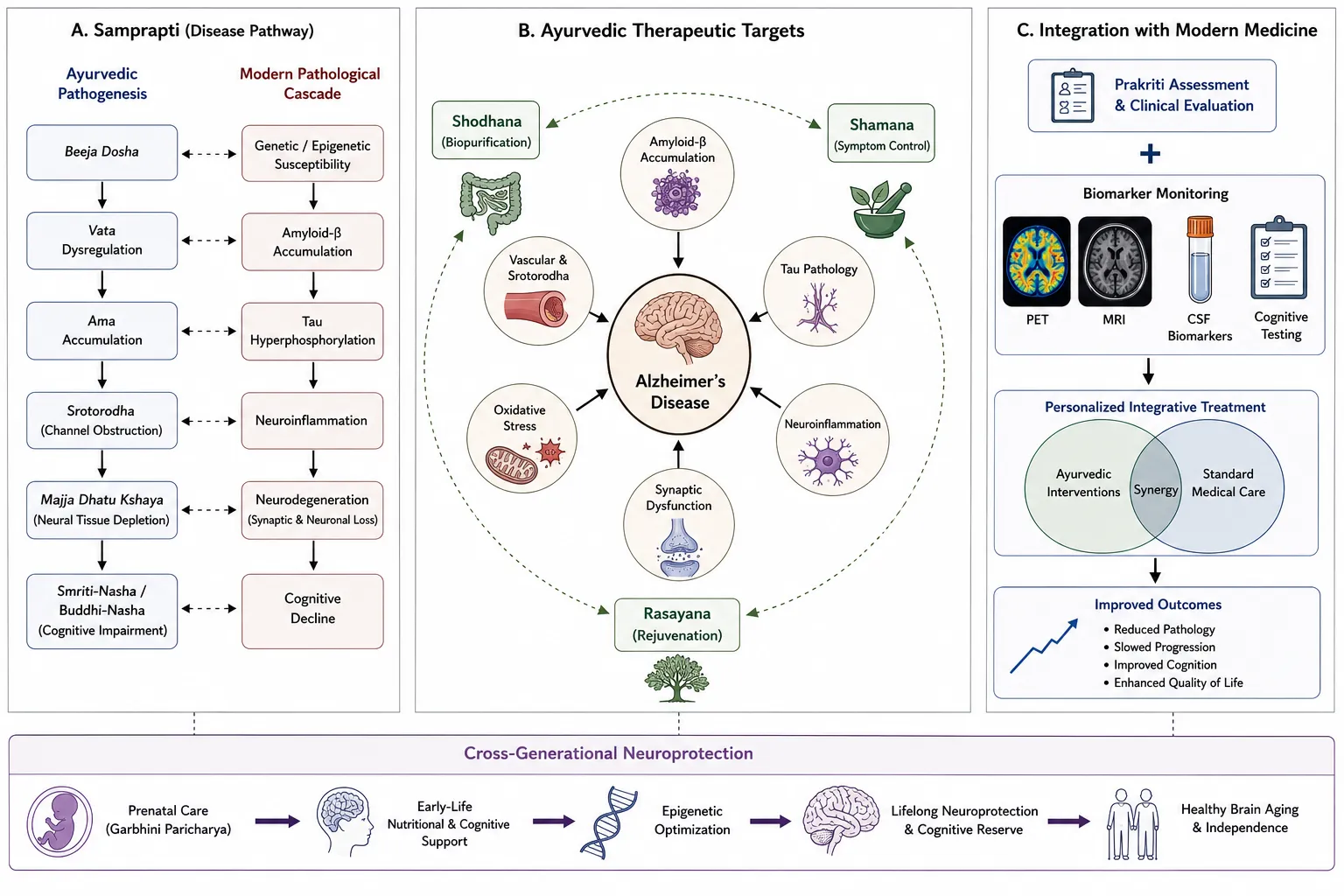
Figure 6: Integrative Framework — Ayurvedic Therapeutic Targeting of AD Pathogenic Cascade
11. Interdisciplinary Collaborations: Ayurveda And Modern Neuroscience
To scientifically establish Ayurvedic principles of AD, however, a truly interdisciplinary infrastructure must be created that integrates classical Ayurvedic texts and traditional observation-based philosophy, with molecular neuroscience, clinical pharmacology, computational systems biology, and implementation science. Network pharmacology tools have already been used to develop hypotheses about how formulations like Brahmi Ghrita and Saraswatarishta interact with AD protein-protein interaction networks and can be tested with targeted in vitro and in vivo trials. Application of AI/ML technology, moreover, enables the combination of classical Ayurvedic prakruti surveillance with modern multi-omic biomarker panels (genomics, proteomics, metabolomics, microbiomics) to uniquely customize and optimize Ayurvedic therapy for individual patients, perhaps the ultimate expression of Ayurveda‘s personalized approach that modern medicine is only now beginning to true technically deliver. International partnerships between respective AYUSH research bodies, the National Institute of Health (NIH) and the NCCIH, European Medicines Agency’s Committee on Herbal Medicinal Products (HPMC),25 and traditional medicine research organizations in China, South Korea and Japan are starting to develop multicenter trial infrastructure to produce highest certainty evidence. The WHO Traditional Medicine Strategy 2019–202533 explicitly recognizes the importance of incorporating and linking traditional medicine modalities into the health strategies of nations, thereby providing a policy framework for global multidisciplinary endeavors.
12. RESEARCH GAPS AND FUTURE DIRECTIONS
12.1 Current Research Gaps
12.2 Recommended Future Directions
13. CONCLUSION
The convergence of an ancient Indian Medical system & modern Neuroscience at the crossroads of the AD story is perhaps one of the leading promising empirico-scientific attires of integrative medicine. We are only beginning to appreciate the growing implications of areas of modern AD management that are attracting potential validation of Ayurveda as a complementary & possibly modifying paradigm: anti-aggregatory effects on beta, anti-oxidant and anti-neuroinflammatory effects, synaptic restorative effects, neurotrophic receptivity effects, & optimization of the gut-brain axis appearing to be tailored for the polypathology of AD. This review‘s multi-generational focus reveals that the art of the neurodegeneration-preventing vis medicatrix might need to be practiced in the womb & the cradle, long before the ARCs of the clinic, & that Ayurveda‘s ancient beliefs in the intergenerationally nourishing effects of individual dietary choices & healthy hearth& home behaviors are ready to be examined through modern epigenomic and ongoing prospective longitudinal studies. Biomarker integration--including plasma Aβ42/40 ratio, p Tau-181, neurofilament light chain (Nf L) and GFAP, as well as cognition and function endpoints--provides the precision medicine framework through which Ayurvedic therapies may be scrutinized quantitatively, mechanistically interrogated, and, where applicable and validated, suitably integrated into personalized AD management algorithms. Ironically, acceptance of anti-amyloid immunomodulators (lecanemab, donanemab) for early AD creates novel potential for Ayurvedic adjuncts: if biopharmaceuticals decelerate disease progression (even if only by delaying the amyloid cascade26), constituent botanical formulas that modulate downstream neuroinflammatory, oxidative, and synaptic pathways may offer additive neuroprotection in a multi-component synergistic strategy that neither modality achieves solo. Fulfilling this potential will require investment in robustly designed, well-funded clinical research infrastructure, regulatory policies that appreciate the value of traditional evidence, and credulous scientists willing to partner with Ayurveda ‘s rich clinical history.
Ethical Approval and Consent To Participate
Not applicable.
Consent for Publication
Not applicable.
FUNDING
None.
COMPETING INTERESTS
None.
AUTHORS’ CONTRIBUTIONS
Author contributions are reported using the CRediT (Contributor Roles Taxonomy) framework. Arun Kumar: Conceptualization, Methodology, Formal analysis, Writing – original draft, Visualization. Shweta Bajaj: Writing – review & editing, Supervision, Validation. Arvind Sharma: Data curation, Investigation, Writing – review & editing. Mudita Agrawal: Writing – review & editing, Supervision, Validation (Ayurvedic concepts). All authors read and approved the final manuscript.
ACKNOWLEDGEMENTS
Institutional support was provided by Maharishi School of Pharmaceuticals, Maharishi University of Information Technology, Noida. We thank Dr. Pankaj Gupta Professor of Maharishi School of Pharmaceuticals for his scholarly guidance. The grammar corrections for the style of the entire manuscript text-only was done with the AI-assisted language editing, a large language model tool-no contribution to conceptualization, interpretation of data, or clinical conclusion. The authors have read and approved the final manuscript, and all take responsibility for its content. Per Elsevier AI policy no AI tool is listed as an author.
DATA AVAILABILITY STATEMENT
Not applicable.
REFERENCES

Arun Kumar*, Shweta Bajaj, Arvind Sharma, Mudita Agarwal, Ravi Prakash Chaudhary, Ayurveda and Alzheimer’s Disease: Mechanistic Insights, Clinical Evidence, and Emerging Perspective on Life-Course Neuroprotection, Int. J. Med. Pharm. Sci., 2026, 2 (10), 81-104. https://doi.org/10.5281/zenodo.23119319
 10.5281/zenodo.23119319