

We use cookies to ensure our website works properly and to personalise your experience. Cookies policy
1PharmD Intern, Ezhuthachan College of Pharmaceutical Sciences, Marayamuttom, Thiruvananthapuram
2Assistant Professor, Department of Pharmacy Practice Ezhuthachan College of Pharmaceutical Sciences, Marayamuttom, Thiruvananthapuram
3Principal/HOD, Department of Pharmacy Practice Ezhuthachan College of Pharmaceutical Sciences, Marayamuttom, Thiruvananthapuram
Drug-related problems (DRPs) are a major contributor of preventable patient harm and therapeutic failure in hospital practice, particularly among patients receiving complex pharmacotherapy. Despite the availability of multiple DRP classification systems, practical guidance on prioritizing and managing clinically significant DRPs in routine hospital-settings remains limited. In routine ward settings, clinical pharmacists are often required to identify, prioritize and intervene in DRPs under time and resource constraints, highlighting the need for practical, patient-centered approaches rather than purely theoretical frameworks. This review focus on the clinical relevance of drug-related problems in hospitalized patients, with emphasis on prioritization based on clinical risk, urgency and potential impact on patient outcome. Common DRP categories encountered in hospital practice are discussed with attention to their potential impact on patient outcomes. In addition, a pragmatic decision-making toolkit is proposed to assist clinical pharmacists in systematically identifying high-risk DRPs, prioritizing interventions and facilitating communication within multidisciplinary teams. By adopting a clinically oriented approach, this review aims to strengthen pharmacists’ role in improving medication safety and optimizing patient care in hospital settings.
Drug-related problems (DRPs) refer to events or circumstances involving drug therapy that have the potential to interfere with desired health outcomes. In hospital practice, DRPs are common due to factors such as polypharmacy, complex disease states and frequent changes in therapy admission. If not identified and addressed promptly, DRPs can result in adverse drug reactions, therapeutic failure, prolonged hospital stays, increased healthcare costs, and in severe cases significant morbidity and mortality [1-3]. Hospitalized patients particularly those with multiple comorbidities or organ dysfunction are at increased risk of clinically significant DRPs [4]. Errors in dosing, inappropriate drug selection, drug-drug interactions and omission of necessary therapy are frequently encountered in routine ward settings and can negatively impact patient outcomes. Effective identification and management of these problems are therefore essential components of safe and rational pharmacotherapy [5, 6]. Although several classification systems have been developed to describe drug-related problems, their application in real-time clinical decision making remains inconsistent [7]. Existing literature often emphasizes theoretical categorization rather than practical prioritizing based on clinical risk and urgency, leaving clinicians with limited guidance on how to manage DRPs in busy hospital environments [8,9]. In this context, this review aims to provide a clinically oriented overview of drug-related problems in hospital practice, with emphasis on prioritization and decision-making. By proposing a pragmatic toolkit to support identification, risk stratification and intervention, this review seeks to assist clinical pharmacists in delivering timely, patient-centered care and improving medication safety across hospital settings.
Clinical Significance of DRPs
Drug-related problems frequently challenge patient safety in hospital practice. Studies report high DRP prevalence among in patients often 20-80% driven by complex pharmacotherapy and admission-related changes, consistently linking DRPs to medication harm and poor outcomes [3, 10]. Global trend of Clinically prioritized drug related problem (from 2000- 2025) shows steady upward trajectory is observed (Fig:1). This increase correlates with factors such as growing polypharmacy, increasing elderly patients, high prevalence of chronic disease and use of complex drug regimen [1,11]. High-risk medications including anticoagulants [12], antibiotics and chemotherapeutic agents pose elevated threats due to narrow therapeutic indices [13], intricate dosing and interaction risks. Inappropriate dosing, failure to adjust therapy based on hepatic or renal function or overlooked drug-drug interactions with agents often trigger severe adverse events [14, 15]. Patient factors amplify vulnerability especially elderly individuals with multiple comorbidities or organ dysfunction face heightened DRP risk, where even minor errors escalate to serious harm [16]. The clinical consequences of DRPs range from adverse drug reactions and therapeutic failure to prolonged hospital stays, readmissions and in severe cases, morbidity and mortality. These outcomes highlight the importance of early detection and effective management of DRPs as a critical component of safe and rational medication use in hospital practice [3, 17].
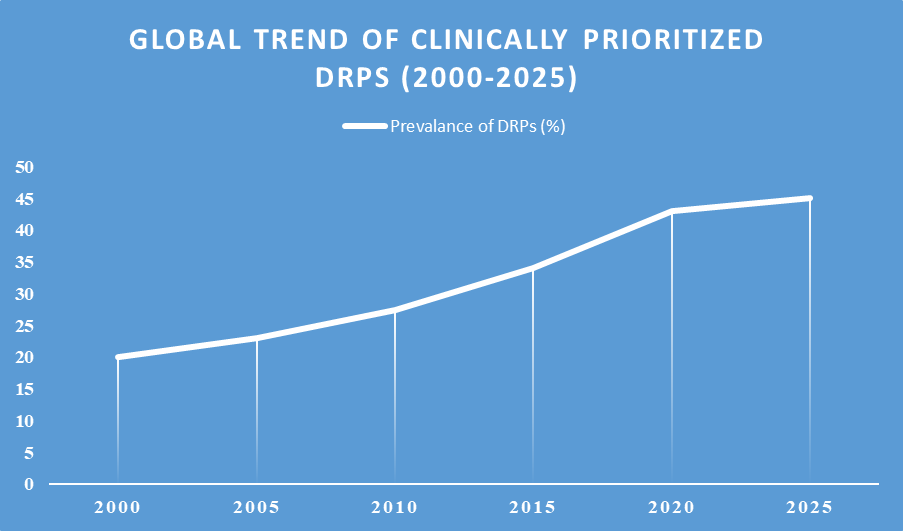
Chart 1. Global trend of Clinically Prioritized Drug Related Problem (2000- 2025)
Classification and Clinical Prioritization of DRPs
Several classification systems have been developed to describe DRPs, with the framework proposed by Cipolle, Strand and Morley [18] being among the most widely used in clinical pharmacy practice. This system categorizes DRPs into issues related to indication, effectiveness, safety and adherence, providing a structured approach to identifying problems associated with pharmacotherapy. While ideal for documentation and research, these systems do not consistently guide clinicians in determining which DRPs require immediate attention in routine hospital practice [8, 19, 20]. In real world clinical settings, pharmacists are often required to manage multiple DRPs simultaneously under time and resource constraints. Pharmacist must triage DRPs by clinical risk and urgency, rather than solely on categorical classification. A clinically significant DRP is one that has the potential to cause immediate harm, worsen patient outcomes or delay recovery if not addressed promptly [21, 22]. Clinical prioritization of DRPs should consider both severity of potential harm and the urgency of intervention. High risk DRPs typically involve medications with a narrow therapeutic index, critical dosing requirements, or a strong association with serious adverse outcomes [23]. Examples include inappropriate anticoagulant dosing, untreated severe infections or drug-drug interactions that increase the risk of life-threatening toxicity. These problems require immediate pharmacist intervention and close monitoring [24]. Moderately risk DRPs are those that may not pose an immediate threat to life but can negatively affect therapeutic outcomes if left unaddressed. These include suboptimal dosing, clinically relevant but non-critical drug interactions and delayed initiation of indicated therapy. Low risk DRPs are less likely to result in significant patient harm in the short term and can be managed through routine follow-up and documentation [3, 25]. In addition to severity, patient-specific factors such as age, comorbidities, organ function and overall clinical stability play a crucial role in determining the priority of a given DRP [22]. The same DRP may therefore require different levels of urgency depending on the clinical context. Integrating these considerations into a structured prioritization approach enables pharmacists to focus their efforts on interventions with greatest potential impact on patient outcomes [1, 26].
Common Drug-Related Problems In Hospital Settings
Drug-related problems encountered in hospital settings are diverse and often multifactorial, arising from complex therapeutic regimens, patient-specific factors and transitions of care [3, 4]. The following are among the most commonly encountered DRP categories in routine hospital practice.
Inappropriate dosing is one of the most frequent DRPs in hospitalized patients, particularly in those with renal or hepatic impairment [27]. Failure to adjust drug doses based on organ function can lead to drug accumulation and toxicity, while underdosing may result in therapeutic failure [4, 28]. Clinical pharmacist should review renal or hepatic function, recommend dose adjustment and monitor therapeutic response and toxicity [29].
Drug-drug interactions are common in patients receiving multiple medications and may result in reduced efficacy or increased risk of adverse effects. Some interactions may be clinically insignificant, while others can be life-threatening. Pharmacist have role in identify clinically significant interactions, assess severity and relevance of the interactions and also recommending alternative therapy or monitoring [14, 30].
Adverse drug reactions contribute significantly to morbidity in hospital settings and may mimic disease progression, making detection challenging. Early identification and pertinent management are crucial for preventing ADR associated complications. The pharmacist plays an essential role in assessing causality, recommending discontinuation or substitution of the suspected agent and ensuring proper documentation and reporting of the adverse event [31, 32].
Therapeutic duplication occurs when two or more drugs from the same class or with similar pharmacological effects are prescribed unnecessarily, increasing the risk of adverse effects without added benefit [33]. The clinical pharmacist contributes by identifying unnecessary duplication, recommending discontinuation of redundant therapy and promoting rational prescribing practices [34].
Failure to initiate necessary treatment is an often overlooked DRP that can significantly impact patient outcomes. The pharmacist plays a proactive role in identifying gaps in therapy, recommending initiation of appropriate treatment and supporting adherence to established clinical guidelines [35, 36].
Table 1: Common DRPs in Hospital Practice
|
DRP Category |
Prevalence in Hospitals |
Example Risk level |
Key Pharmacist action |
|
Dosing Errors |
17-38% of errors |
High (especially in renal/ hepatic impairment) |
Adjust per CrCl/eGFR |
|
Drug Interactions |
15-25% of errors |
Moderate to High |
Use interaction checker and recommend alternatives |
|
Adverse Drug Reactions |
6-15% of admissions |
High |
Naranjo causality |
|
Therapeutic Duplication |
10-20% in transitions |
Moderate |
Deprescribe redundant agents |
|
Omission of Therapy |
23-30% of errors |
Variable (High if prophylactic) |
Guideline review |
Clinical Decision-Making Toolkit for Prioritizing Drug-Related Problems
Effective management of drug-related problems in hospital practice requires more than identification alone; it demands structured clinical reasoning to prioritize interventions based on patient risk and potential outcomes [37]. Building on common DRP categories (Table 1), the following 6-step toolkit operationalizes clinical prioritization for daily hospital practice which assist clinical pharmacists in systematically evaluating and prioritizing DRPs in routine practice [38, 39].
Step 1: Identify the Drug-related problem
The initial step involves recognizing the presence of a DRP using clinical judgment supported by established classification systems such as Cipolle-Strand-Morley framework [18] and the PCNE classification [40]. This ensures a structured approach to identifying issues related to indication, effectiveness, safety and adherence.
Step 2: Assess Clinical Severity
Evaluate potential patient impact using time-based criteria:
Step 3: Evaluate Patient-Specific Risk Factors
The clinical relevance of a DRP is strongly influenced by individual patient characteristics. Factors such as age, comorbidities, organ dysfunction, polypharmacy and clinical status must be considered when prioritizing interventions. For example, vincristine dose error in a neutropenic pediatric oncology patient escalates from moderate to high risk due to infection vulnerability while the same error in stable adult may remain moderate [41].
Step 4: Determine Urgency of Intervention
Based on severity and patient-specific factors, the urgency of intervention should be established. DRPs requiring immediate action such as discontinuation of a harmful drug or dose correction should be prioritized over those that can be addressed during routine review. This step ensures efficient allocation of clinical attention in time-sensitive hospital environments [42].
Step 5: Plan and Communicate Intervention
After prioritization, appropriate interventions should be planned and communicated effectively to the healthcare team. Clear, concise and evidence-based recommendations enhance acceptance and facilitate timely implementation.
Step 6: Monitor and Follow-up
Continuous monitoring is essential to evaluate the effectiveness of interventions and to detect any new or unresolved DRPs. Follow-up ensures that patient outcomes are optimized and that therapy remains appropriate over time.
DISCUSSION
Drug-related problems remain a significant challenge in hospital practice, contributing to preventable adverse events, prolonged hospital stays, and increased healthcare costs [43]. Despite the availability of established classification systems such as the Cipolle–Strand–Morley framework [18] and the PCNE classification [40], the management of DRPs in routine clinical settings often lacks a structured approach to prioritization. Most existing models are primarily focused on categorization and documentation, with limited emphasis on real-time clinical decision-making [44, 45]. This gap becomes particularly relevant in complex hospital environments, where patients are exposed to polypharmacy, comorbid conditions, and dynamic clinical changes [46]. In such settings, not all DRPs carry equal clinical significance, and the ability to differentiate between high-risk and low-risk problems is essential. Failure to prioritize appropriately may result in delayed interventions for critical issues while less significant problems receive unnecessary attention [47]. The decision-making toolkit proposed in this review addresses this limitation by integrating clinical severity, patient-specific risk factors, and urgency of intervention into a structured framework [48]. Unlike traditional classification systems, this approach emphasizes practical applicability and supports pharmacists in making timely, patient-centered decisions. By shifting the focus from identification alone to prioritization and action, the toolkit aligns more closely with the realities of clinical practice [49]. Furthermore, the integration of such a framework into routine pharmacy practice has the potential to enhance interdisciplinary collaboration [21, 38]. Clear prioritization and communication of DRPs can improve acceptance of pharmacist recommendations and facilitate more efficient clinical workflows. This is particularly important in high-risk settings such as critical care and oncology, where the margin for error is minimal [50]. However, this review has certain limitations. The proposed toolkit is conceptual in nature and has not been validated through prospective clinical studies. Additionally, variations in hospital settings, resource availability, and clinical expertise may influence its applicability. Future research should focus on validating this approach and assessing its impact on clinical outcomes, medication safety, and healthcare efficiency.
CONCLUSION
Drug-related problems are a major contributor to preventable patient harm in hospital settings, particularly in the context of complex pharmacotherapy and high-risk patient populations. While existing classification systems such as the Cipolle–Strand–Morley framework and the PCNE classification provide a structured approach to identifying and documenting DRPs, they offer limited guidance on clinical prioritization in real-time practice. This review highlights the need for a clinically oriented approach that goes beyond categorization and emphasizes the importance of prioritizing DRPs based on severity, patient-specific risk factors, and urgency of intervention. The proposed decision-making toolkit provides a practical framework to support clinical pharmacists in identifying high-risk problems, guiding timely interventions, and improving communication within the healthcare team. Adopting such a structured approach can enhance medication safety, optimize therapeutic outcomes, and strengthen the role of clinical pharmacists in patient-centered care. Further studies are warranted to validate this framework and explore its impact on clinical practice.
REFERENCES

Vishnumaya A. M.*, Jeffnisha J., Alnon L. J., Shaiju S. Dharan, Clinically Prioritized Drug-Related Problems in Hospital Practice, Int. J. Med. Pharm. Sci., 2026, 2 (9), 360-367. https://doi.org/10.5281/zenodo.22811517
 10.5281/zenodo.22811517