
We use cookies to ensure our website works properly and to personalise your experience. Cookies policy
Research Scholar, Hi-Tech College of Pharmacy, Padoli Phata, Morwa, Nagpur Highway, Chandrapur- 442406
Medical devices are essential in modern healthcare because they improve illness prevention, diagnosis, monitoring, and therapy. Rapid technological breakthroughs such as artificial intelligence (AI), the Internet of Medical Things (IoMT), wearable devices, and personalized medicine have considerably increased the complexity of medical equipment, resulting in new regulatory issues. Regulatory affairs guarantee that medical devices adhere to established standards of safety, quality, performance, and effectiveness throughout their lifespan. This study examines contemporary regulatory methods to medical devices, such as risk-based classification, quality management systems, clinical evaluation, risk management, and post-market surveillance. It also highlights important worldwide regulatory frameworks developed by authorities such as the World Health Organization, the Food and Drug Administration, the Central Drugs Standard Control Organization, and other international organizations. The analysis also examines upcoming developments, such as AI-enabled medical devices, digital health technologies, cybersecurity requirements, IoMT, and additive manufacturing, which are projected to influence future regulatory rules. The rising emphasis on global harmonization, lifecycle-based regulation, and real-world evidence is expected to boost innovation while preserving high patient safety and product quality. This analysis emphasizes the need of strong regulatory frameworks in ensuring safe market access and enabling the ongoing innovation of next-generation medical devices.
According to the World Health Organization (WHO), medical devices encompass a broad range of products, including instruments, apparatuses, machines, implants, software, reagents, and other related articles intended for medical purposes. Unlike pharmaceutical products, their primary intended action is not achieved through pharmacological, immunological, or metabolic mechanisms. More than two million different medical devices are currently available worldwide, ranging from simple thermometers and syringes to advanced implantable cardiac devices and artificial intelligence (AI)-based diagnostic systems. (1) By facilitating individualized medicine, boosting therapeutic outcomes, and increasing diagnostic accuracy, the quick development of medical technology has completely changed the way healthcare is delivered. But growing technical sophistication has also sparked worries about post-market performance, cybersecurity, quality, safety, and efficacy of devices. (2) Understanding and complying by rules is essential in sectors like healthcare to guarantee that product safety, efficacy, and quality standards are fulfilled while encouraging innovation. (3) Considering of the work's legal ramifications, public health effects, and changing regulatory environment, it is crucial to comprehend its complexity. Apart from that, regulatory affairs are essential for monitoring post-market performance, protecting public health, and adjusting to changing regulations. In order to promote evidence-based policymaking, experts and policymakers must always be aware of regulatory developments. Examining regulatory matters is essential for maintaining legal compliance, assessing the effects on public health, and adjusting to changing business requirements. (4) Medical device regulation in the US is handled by the Food and Drug Administration (FDA). Based on the danger involved in their usage, the FDA divides devices into three groups (Class I, II, and III). (5) With an emphasis on current regulatory strategies, significant international regulatory frameworks, important issues, and new trends, this review article seeks to give a thorough overview of regulatory affairs in the medical device industry. Future prospects for regulatory harmonization and innovation-driven regulatory policies that can facilitate the safe and efficient development of next-generation medical devices are also covered. (6)
Overview:
Medical device regulation is complex due to the large range of products classified as medical devices. Medical instruments can range from simple tools like tongue depressors and thermometers to advanced life-saving devices like pacemakers and coronary stents. The medical device market is divided into eight industry sectors: surgical instrument manufacturing, surgical appliances and supplies, electromedical and electrotherapeutic apparatus, irradiation apparatus, ophthalmic goods, dental equipment and supplies, dental laboratories, and in vitro diagnostic products (IVDs). (7) The FDA, part of the Department of Health and Human Services, regulates medical devices. To market medical devices in the US, manufacturers must acquire FDA approval or clearance. The FDA's Center for Devices and Radiological Health (CDRH) oversees medical device premarket reviews. The Center for Biologics Evaluation and Research (CBER) supervises devices for blood collection, processing, cellular products, and tissue. (8) The Medical Device Regulatory Authority (MDRA) must give its clearance before a medical device product can be introduced to the market. The MDRA thoroughly examines the device dossier to ascertain whether it complies with the safety and efficacy standards specified in guidelines and laws. (9)
Classification of Medical devices:
Medical devices are classified based on the degree of risk they pose to patients and users. Risk-based classification allows regulatory authorities to identify the level of pre-market evaluation, clinical evidence, quality management criteria, and post-market surveillance required for each product. Although classification methods differ among regulatory jurisdictions, they generally examine characteristics such as the device's intended function, duration of contact with the body, degree of invasiveness, and potential dangers connected with its use. (10)
Classification based on risk:
Class I: (Low risk)
Class I devices pose minimal danger to patients and users and do not often require substantial regulatory scrutiny. Most Class I devices are exempt from premarket review, but must meet general safety and quality standards. (11)
Eg: Surgical gloves, Tongue depressors, Stethoscopes, Bandages etc
Class II: (Moderate risk)
Class II devices offer a moderate risk and necessitate additional regulatory safeguards to establish safety and effectiveness. Manufacturers are typically obliged to produce performance testing, technical documentation, and, in some situations, clinical data prior to marketing. (12)
Eg: Infusion pump, Blood pressure monitors, Diagnostic ultrasound system, Pregnancy test kits etc
Class III: (High risk)
Class III devices protect or sustain human life, are implanted in the body, or pose a serious risk. Before being approved for commercial use, these devices must undergo rigorous clinical trials, substantial technical documentation, and a thorough regulatory evaluation. (13)
Eg: Pacemakers, Artificial heart valves, Brest implants, Coronary stents etc
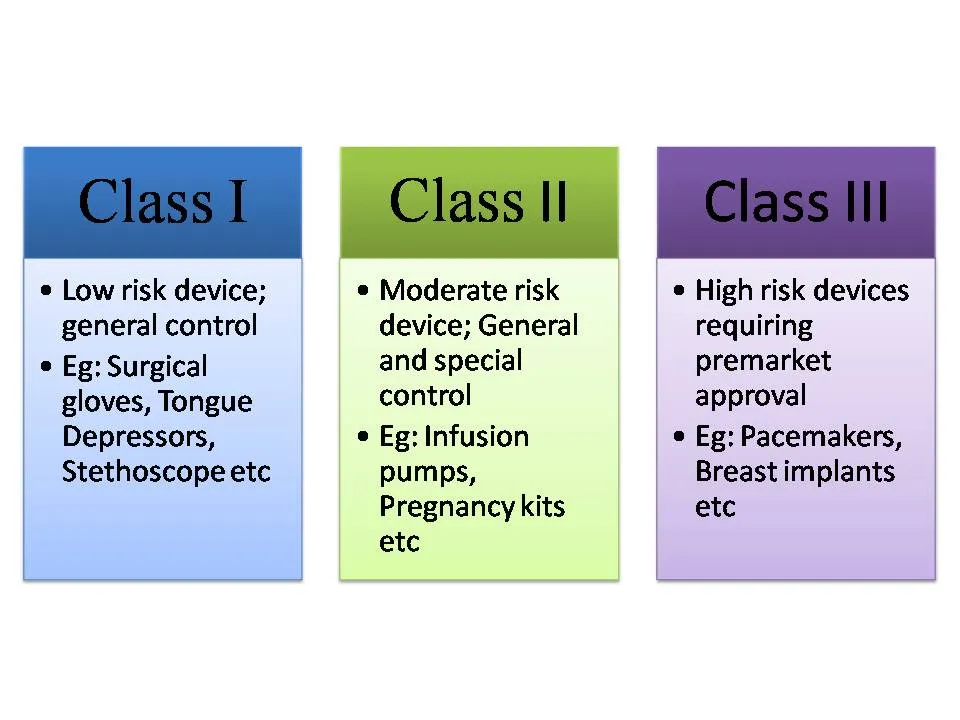
Figure 1: Classification Based on risk
Simple Functional Classification
Classifies devices based on three practical qualities rather than regulatory risk. (14)
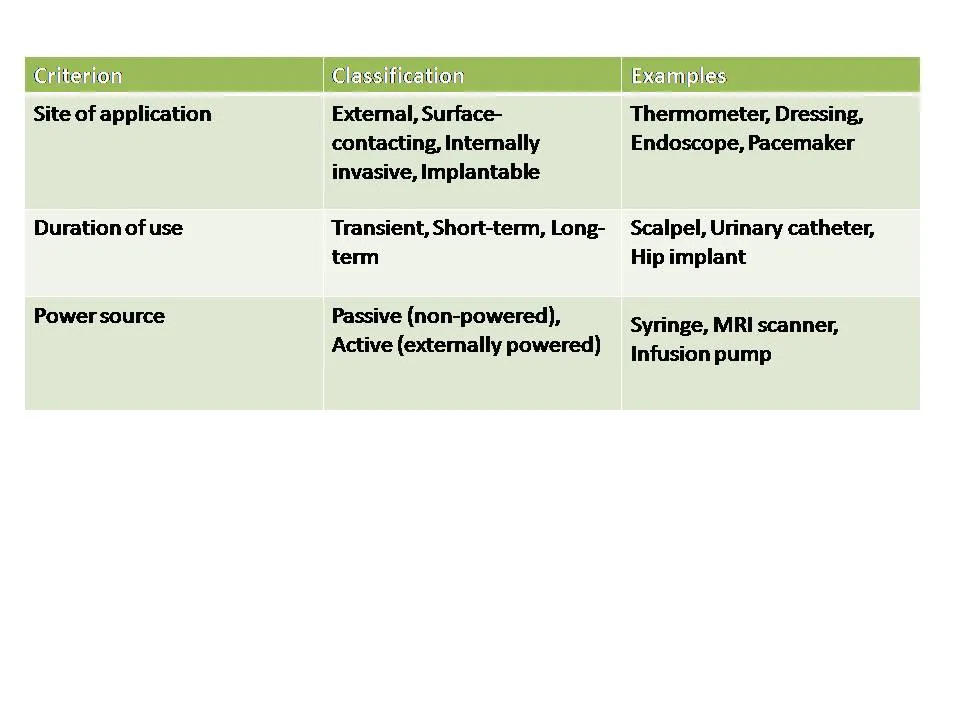
Figure 2: Simple functional classification
Current regulatory approaches:
The regulatory framework for medical devices has changed dramatically over the past several years, owing to rapid technological breakthroughs, globalization, and growing concerns about patient safety. (15) Current regulatory approaches rely on a risk-based, lifecycle-oriented framework to guarantee that medical devices are safe, effective, and perform as intended across their entire lives. Modern regulatory systems include premarket evaluation, quality management systems, clinical evidence, post-market surveillance, and ongoing risk management to safeguard public health and facilitate innovation. (16)
Risk-Based Regulatory Approach:
The risk-based classification approach serves as a framework for modern medical device regulation. Regulatory bodies define medical devices based on their intended use, duration of interaction with the patient, invasiveness, and potential dangers. (17) Devices with higher risks require more strict regulatory controls, such as thorough clinical trials and detailed technical documentation. This method enables regulatory authorities to efficiently manage resources while providing appropriate levels of oversight for various types of devices. (18) (19)
Quality management approach:
Quality Management Systems (QMS) are the foundation of regulatory compliance across the whole medical device lifecycle. ISO 13485:2016 is an internationally recognized standard that specifies the standards for a quality management system applicable to medical device manufacturers. (20) It addresses product design, development, manufacture, installation, servicing, corrective and preventative actions (CAPA), document control, supplier management, and complaint resolution. The effective application of QMS assures product uniformity, regulatory compliance, and continual quality improvement. (21)
Clinical evaluation:
Clinical evaluation is a systematic approach for demonstrating the safety and clinical performance of medical equipment. Current laws prioritize the development of strong clinical evidence through literature reviews, clinical investigations, post-market clinical follow-up (PMCF), and real-world data. High-risk devices often require significant clinical trials prior to approval, but lower-risk technologies may depend on equivalence with previously approved devices if scientifically justified. (22)
Risk management:
Risk management has become an essential part of regulatory requirements throughout the product's lifecycle. ISO 14971:2019 requires manufacturers to identify potential hazards, quantify and evaluate associated risks, implement appropriate control measures, and constantly monitor residual risks after commercialization. To ensure patient safety, risk management activities start during product development and last until post-market surveillance. (23) (24)
Pharmacovigilance and adverse event reporting:
Medical device vigilance systems allow manufacturers, healthcare professionals, and regulatory authorities to report and analyze adverse incidents involving medical devices. (25) Timely reporting enables the rapid identification of safety issues and the implementation of corrective actions. Modern vigilance systems increasingly use electronic reporting platforms, which improve openness and regulatory responsiveness. (26)
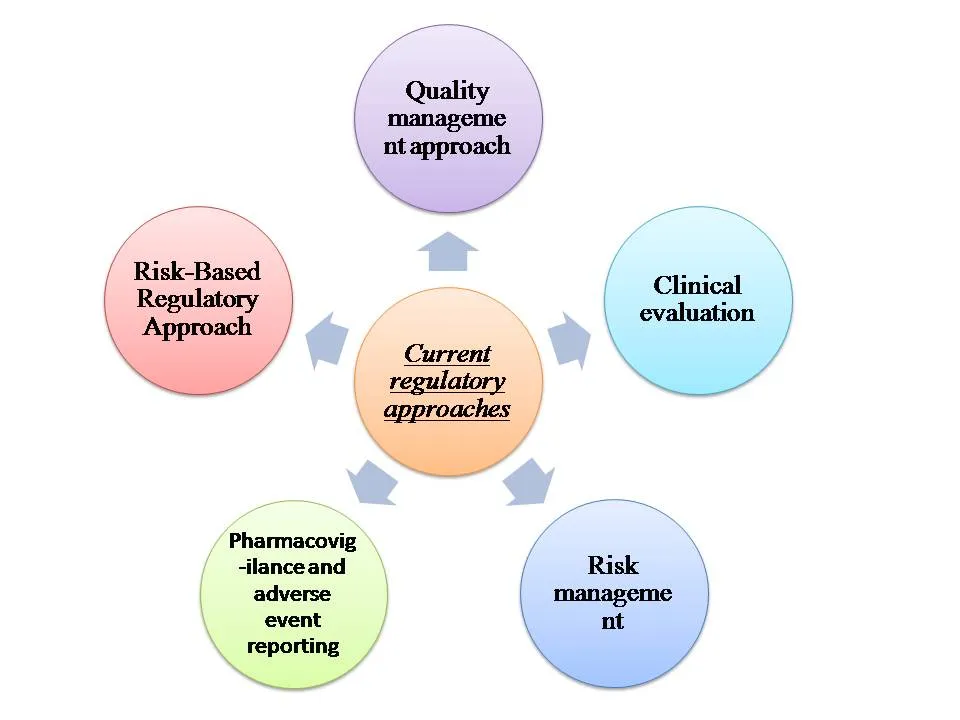
Figure 3: Current regulatory approaches
Global regulatory framework:
The worldwide expansion of the medical device business has resulted in the creation of comprehensive regulatory frameworks to ensure the safety, quality, and effectiveness of medical devices. (27) Although regulatory standards vary by country, most agencies take a risk-based strategy, emphasizing quality management systems, clinical evidence, post-market surveillance, and ongoing risk management. International harmonization initiatives by organizations such as the International Medical Device Regulators Forum (IMDRF) and the World Health Organization (WHO) have enabled more convergence among regulatory systems globally. (28)
Table 1: Global Regulatory Framework for Medical Devices.
|
Country/ region |
Regulatory authority |
Device classification |
|
United States |
FDA (Centre for Devices and Radiological Health) |
Class I, II, III |
|
European union |
Component authorities & Notified bodies |
Class I, IIa, IIb, III |
|
India |
Central Drugs Standard Control Organization |
Class A, B, C, D |
|
China |
Nation Medical Products Administration |
Class I, II, III |
|
Japan |
Pharmaceuticals and Medical Devices |
Class I, II, III, IV |
|
Australia |
Therapeutic Goods Act |
Class I, IIa, IIb, III, AIMD |
Emerging Trends and Future Prospective:
The regulatory landscape for medical devices is changing fast as digital technologies, artificial intelligence (AI), machine learning (ML), and customized healthcare improve. Regulatory bodies are increasingly embracing lifecycle-based and risk-based methods to guarantee that novel gadgets are safe and effective throughout their usage. (34) In the foreseeable future, regulatory frameworks are likely to be more adaptable, technologically connected, and internationally harmonized. Adopting electronic submissions, AI-assisted regulatory review, improved cybersecurity requirements, and expanded post-market surveillance systems will allow speedier innovation while maintaining high standards of patient safety and product quality. (35).
REFERENCES


Vaishnavi Sur*, Ananya Rahangdale, Srushti Chamalwar, Misba Sheikh, Ummehani Sheikh, Regulatory Affairs in Medical Devices: Current Approaches, Global Regulatory Frameworks, And Future Perspectives, Int. J. Med. Pharm. Sci., 2026, 2 (8), 22-28. https://doi.org/10.5281/zenodo.21734261
 10.5281/zenodo.21734261