
View Article

  • Retrometabolic Drug Design: Integrating Drug Metabolism into Rational Drug Discovery

  • 1Pallavan Pharmacy College, Kanchipuram-631 502
    2Department Of Pharmacognosy, Pallavan Pharmacy College, Kanchipuram-631 502
    3Department Of Pharmacology, Pallavan Pharmacy College, Kanchipuram-631 502
    4Department Of Pharmaceutical Chemistry, Pallavan Pharmacy College, Kanchipuram-631 502
     

Abstract

Retrometabolic drug design (RMDD) is a rational drug development strategy that incorporates metabolic considerations into the drug design process to improve therapeutic efficacy and safety. Unlike conventional drug design approaches that primarily focus on pharmacological activity, RMDD integrates structure–activity and structure–metabolism relationships to achieve predictable drug disposition and reduced toxicity. The two principal approaches of RMDD are chemical delivery systems (CDSs) and soft drugs (SDs). Chemical delivery systems facilitate site-specific drug targeting through programmed metabolic activation, whereas soft drugs are designed to undergo predictable metabolic deactivation after exerting their therapeutic effect. These approaches contribute to improved therapeutic indices, reduced systemic adverse effects, and enhanced drug targeting. Several successful examples, including loteprednol etabonate, remifentanil, esmolol, and estradiol-based CDSs, demonstrate the clinical utility of retrometabolic principles in modern drug discovery. This review discusses the fundamental concepts, design strategies, mechanisms, applications, advantages, limitations, and future perspectives of RMDD. Furthermore, recent developments in computational drug design and metabolism-guided therapeutic optimization are highlighted. Retrometabolic drug design represents a promising and versatile approach for the development of safer, more effective, and better-targeted therapeutic agents.

Keywords

Retrometabolic Drug Design; Soft Drugs; Chemical Delivery Systems; Drug Metabolism; Drug Targeting; Therapeutic Index; Medicinal Chemistry; Rational Drug Design.

Introduction

× Popup Image

Chemotherapeutic research began with the identification of lead compounds (1). Conventional drug design aims to improve pharmacological activity and therapeutic efficacy. (23, 1) However, enhancement of pharmacological activity is often accompanied by an increase in toxicity, resulting in little or no improvement in the therapeutic index. (1) Inadequate consideration of drug metabolism and toxicity remains a major reason for failure of many drug candidates during development.  Despite considerable progress in understanding the molecular and biochemical mechanisms of drug actions, along with advances in compound screening and identification of highly active lead molecules, there has not been a corresponding increase in the number of new chemical entities (NCEs) approved by regulatory authorities. (3) Retrometabolic drug design offers a systematic strategy to address these challenges. This approach generally starts with an established lead compound and focuses on developing safer, less toxic, and better targeted therapeutic agents through a soft drug (SD) or chemical delivery system (CDS) approach (23). This review discusses the principles, strategies, applications, advantages, limitations, and future prospects of retrometabolic drug design, with particular emphasis on chemical delivery systems and soft drugs.

Limitations of Conventional Drug Design

  • Traditional drug discovery approaches mainly aim to optimize therapeutic effectiveness. However, insufficient early evaluation of toxicity and pharmacokinetic properties often results in the discontinuation of potential drug candidates during later stages of development.
  • Drug metabolism may generate active or highly reactive metabolites with pharmacological and pharmacokinetic properties different from those of the parent drug, potentially causing tissue damage and toxicity
  • Another challenge is that the drug targets are often distributed throughout the body, leading to generalized drug action and increasing the risk of systemic side effects.
  • Collectively, these limitations highlight the need for drug design strategies that incorporate metabolic considerations and site-specific drug targeting, thereby providing the rationale for retrometabolic drug design (1)

Principles of Retrometabolic Drug Design

The concept of Retrometabolic Drug Design (RMDD) is based on two major approaches for improving the therapeutic index of drug candidates: chemical delivery system (CDS) and soft drug (SD) approach. (4) The fundamental principles and major approaches of RMDD are illustrated in Figure 1
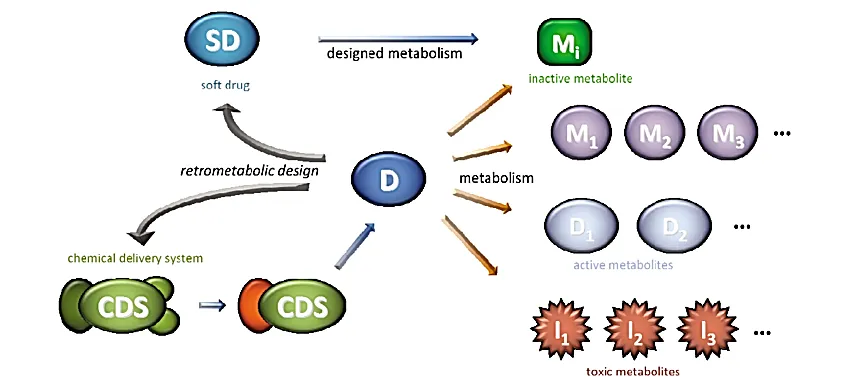
Fig. 1 Schematic representation of retrometabolic drug design approaches, including SD and CDS design and their integration with the general metabolic pathway of drugs

Retrometabolic drug design (RMDD) is a systematic drug design approach that integrates structure–activity and structure–metabolism relationships to develop safer, locally active compounds with an improved therapeutic index. The term “retrometabolic” refers to the design of metabolic pathways in a direction opposite to that of the actual metabolic process. In this approach, drug metabolism is considered during the design stage to control drug distribution, activity, and safety. (1) RMDD combines classical structure–activity relationship (SAR) and structure–metabolism relationship (SMR) principles to achieve targeted drug action and predictable metabolic behaviour. (6) Chemical delivery systems are biologically inert molecules that undergo sequential enzymatic transformations to release the active drug at a specific target site, whereas soft drugs are active compounds designed to undergo predictable metabolic conversion into inactive metabolites after producing the desired therapeutic effect. Both approaches rely on designed metabolic pathways and enzymatic reactions to improve drug targeting, increase safety, and enhance the therapeutic index. (23) Although both strategies are based on metabolic considerations, CDSs achieve therapeutic selectivity through targeted activation, whereas SDs relies on predictable metabolic deactivation after producing the desired pharmacological effect. (23)

Chemical delivery system

A.Chemical Delivery system (CDS) is developed by identifying enzymes that are uniquely present or highly expressed at the intended site of action. The CDS concept has been successfully applied to various drug-targeting strategies, enabling effective delivery of therapeutic agents to the brain, eye, and several other organs.  CDSs typically contain a drug–carrier conjugate that requires bond cleavage to release the active drug. Despite evolving from the prodrug concept, CDSs are fundamentally distinct from conventional prodrugs. Prodrugs contain one or more groups that improve drug delivery or stability, but they do not provide site-specific targeting (1). Unlike conventional prodrugs, CDSs incorporate a “targetor” (T) moiety that facilitates selective activation at the target site. Additional “protector functions” (Fs) may also be introduced to modify lipophilicity or safeguard sensitive functional groups in the drug molecule (19).

  • Target-Specific Activation: In a chemical delivery system, the drug is converted into an inactive precursor form through the incorporation of two types of moieties. (1). The bio removable groups attached to the drug include a targetor (T) moiety, that provides site-specific targeting, and optional modifier functions (F1...Fn), that may enhance lipophilicity, protect sensitive functionalities, or optimize molecular properties and minimize premature metabolic conversions
  • Prodrug-Like Behaviour: The CDS approach represents one aspect of retrometabolic drug design and provides a systematic method for directing biologically active molecules to specific organs through predictable, multistep enzymatic activation processes

The two principal categories of Chemical Delivery Systems are

  • Enzymatic physicochemical-based CDSs: These systems utilize site-specific transport properties through sequential metabolic transformations that alter the physicochemical characteristics of the molecule. They are primarily employed for brain targeting applications.
  • Site-specific enzyme-activated CDSs: These systems take advantage of enzymes that are present exclusively, predominantly, or at significantly higher levels at the target site. Such CDSs are mainly used for ocular drug delivery (23).

Examples and Applications:

  • Brain-targeting redox-type CDS: Highly successful in targeting drugs (D) to the brain by exploiting the differential bidirectional movement through the blood-brain barrier (BBB) of a lipophilic dihydrotrigonelline–D construct, allowing “lock-in” of the hydrophilic trigonelline+–D in the brain. The positively charged oxidized drug precursor accumulates behind the BBB, allowing sustained local release of D while sparing the rest of the body.
  • Estradiol CDS (E2-CDS): Among the various CDS approaches investigated, the estradiol CDS has progressed to one of the most advanced stages of development and has successfully completed Phase I/II clinical studies using a novel buccal formulation (13).
  • Dihydroquinoline–quinolinium targetor system for GABA: In this system, the lipophilic dihydroquinoline drug conjugate readily crosses the blood–brain barrier. Subsequent oxidation converts it into the corresponding quinolinium precursor, resulting in retention within the brain and facilitating targeted delivery. (14)
  1. 1-malonyl-1,4-dihydropyridine – pyridinium moiety: This targetor system has also demonstrated successful application in brain-targeting (15).

Soft Drugs (SDs)

Soft drugs are newly developed, therapeutically active compounds, usually designed as close structural analogues of an existing lead molecule, that are specifically engineered to undergo predictable metabolic conversion into inactive metabolites after producing the intended therapeutic effect (23).

  • Mechanism of action

The goal is not to avoid metabolism, but rather to control and direct it in order to avoid the formation of toxic or active metabolic products. (2)  For this reason, SDs should preferably rely on inactivation by hydrolytic enzymes that are ubiquitously distributed and can carry out the desired rapid metabolism extrahepatically and more reliably than oxygenases, which are mostly located in the liver and are subject to saturation, inhibition, and induction (5).

  • Design Approaches

Based on their design principles, soft drugs are classified into five distinct subclasses:

  • Inactive Metabolite-Based SDs,
  • Soft Analogs,
  • Active Metabolite-Based SDs,
  • Activated SDs,
  • Pro-SDs

Among these strategies, the first two approaches have demonstrated the greatest success and utility and therefore have been applied most extensively in soft drug development

  • Inactive Metabolite-Based SDs

Inactive metabolite-based soft drugs are designed using a known inactive metabolite of an existing drug as the starting point. In certain cases, a hypothetical inactive metabolite, rather than an experimentally observed one, may also serve as the basis for design. This is then modified into a steric and electronic analogue of the parent drug that retains pharmacological activity while allowing rapid, single-step metabolic conversion back to the inactive metabolite from which it was originally derived.

  • Soft Analog SDs

Soft analog SDs are structurally similar analogues of established active drugs that contain a specifically introduced metabolically sensitive group. This modification enables rapid and predictable deactivation through a single metabolic step after the desired therapeutic effect has been achieved. Although the inactive metabolite-based SDs and soft analog SDs may exhibit characteristics of both and can therefore be classified under either category. (1)

Comparison with Prodrugs

Soft drugs are frequently confused with prodrugs because both are intentionally designed to undergo predictable metabolic transformation and often depend on enzymatic hydrolysis (1). However, the metabolic conversion incorporated into a prodrug results in activation, whereas the corresponding transformation in soft drugs leads to deactivation. One other difference between the 2 approaches is that in case of CDSs, various enzymes including oxidative and reductive enzymes are involved whereas oxidative processes are preferentially avoided in soft drug design (1).

  • Examples

The SD concept was introduced during the 1970s (1) and has since been successfully applied across several therapeutic fields. (4, 1) Research efforts have primarily focused on the development of soft corticosteroids such as loteprednol etabonate and etiprednol dicloacetate, (7) soft β-blockers including adaprolol (8) and soft anticholinergic agents such as tematropium (23)
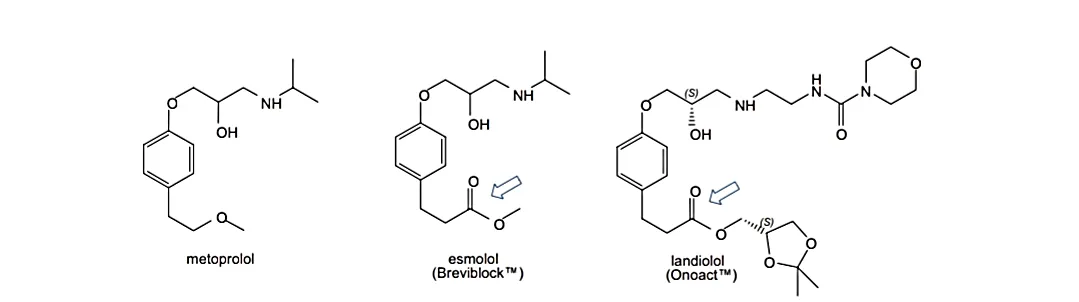
Fig. 2 Soft β-blockers
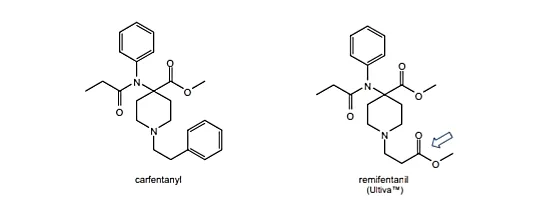
Fig. 3 Structure of soft opioid analgesic remifentanil

A number of soft drug development programs have resulted in commercially available medications. Examples include loteprednol etabonate (LE), a soft glucocorticoid, esmolol and landiolol, which are soft β-blockers, or remifentanil, a soft opioid analgesic. Certain therapeutic agents may also be regarded as “accidental” soft drugs, because they exhibit the characteristics of soft drugs despite not being intentionally designed according to the soft drug concept. One such example is methylphenidate, a methyl ester-containing piperidine derivative structurally related to amphetamine and widely used in the treatment of attention deficit hyperactivity disorder (ADHD).  This drug undergoes rapid hydrolysis (9) into an inactive (10), acidic metabolite (ritalinic acid), and can therefore be considered a Soft drug. In addition, several endogenous substances, including steroid hormones and neurotransmitters such as dopamine and GABA, may be viewed as naturally occurring soft drugs because they possess efficient metabolic pathways that facilitate rapid elimination without the formation of highly reactive intermediates (11, 12).

Advantages and Limitations of Retrometabolic Drug Design

  • Retrometabolic drug design integrates structure–activity and structure–metabolism relationships to develop safer, locally active compounds with an improved therapeutic index. (26).
  • CDSs can provide preferential drug delivery, allowing the use of lower doses and reducing peripheral adverse effects. Soft drugs are designed to undergo predictable metabolic conversion into inactive metabolites after producing the intended pharmacological effect. (6)
  • Soft drugs produce localized activity and are rapidly deactivated after distribution away from the site of action, thereby minimizing systemic toxicity (1). Retrometabolic drug design controls and directs metabolism to avoid the formation of toxic or active metabolic products. The preferred hydrolytic metabolism of soft drugs is generally less dependent on liver and kidney function, providing more predictable drug inactivation. (6)
  • Both CDS and SD strategies are developed from established active lead compounds, thereby enhancing the likelihood of obtaining clinically acceptable drug candidates. (1) These strategies are applicable to a wide range of drug classes and can be supported by dedicated computational tools during drug development. (23)
  • Despite these advantages the success of retrometabolic drug design depends heavily on carefully controlled metabolic activation or deactivation. (1) Achieving an optimal balance between therapeutic activity, drug distribution, and the rate of metabolic conversion remains challenging, as excessively rapid metabolism may reduce or eliminate the desired pharmacological effect. (23)
  • The design of soft drugs is constrained by structural requirements, since the metabolically sensitive moiety must permit predictable detoxification while preserving the desired activity of the parent compound. (1) In addition Oxidative metabolic pathways are generally avoided because the enzymes involved exhibit significant interspecies and interindividual variability and are susceptible to induction and inhibition. (6)
  • For CDSs, the physicochemical properties required for effective drug targeting may lead to poor aqueous solubility, formulation difficulties, and reduced shelf-life, which can complicate pharmaceutical development (23).

FUTURE PERSPECTIVES

  • The incorporation of metabolic considerations into drug design has significantly advanced the development of drug-targeting strategies and safer therapeutic agents. Retrometabolic drug design combines structure–activity and structure–metabolism relationships to develop locally active compounds with improved therapeutic indices and reduced side effects. (23)
  • Chemical delivery systems are expected to facilitate the development of more efficient site-specific drug delivery strategies for the brain, eye, and other organs. (1)
  • Soft drug design is gaining increasing attention in both academic and industrial research, reflecting its growing importance in modern drug development.
  • Advances in computational approaches, including computerized expert systems integrating quantitative structure–activity and structure–metabolism relationship models (QSAR/QSMR), are expected to accelerate the identification and optimization of promising soft drug candidates.
  • The successful clinical investigation of estradiol-CDS and the continued development of loteprednol etabonate for asthma, rhinitis, colitis, and dermatological disorders further demonstrate the translational and therapeutic potential of retrometabolic drug design. As retrometabolic drug design approaches are applicable to a broad range of drug classes and are generally based on known active lead compounds, they are likely to play an increasingly important role in the discovery and development of safer, more effective, and better-targeted therapeutic agents. (23)

Detailed Case Studies

  • Loteprednol Etabonate (LE)

The development of loteprednol etabonate followed the classical inactive metabolite-based soft drug approach, using cortienic acid, a known inactive metabolite of hydrocortisone, as the lead compound (16). Starting from this molecule, more than 120 first-generation soft steroids were synthesized through modifications of the 17β ester group, the 17α hydroxyl group, and other structural features, including Δ1,2 introduction, fluorination at the 6α and/or 9α positions, and methylation at the 16α or 16β positions. Among these compounds, loteprednol etabonate was selected for clinical development based on factors such as therapeutic index, ease of synthesis, and metabolic deactivation characteristics referred to as “softness.”
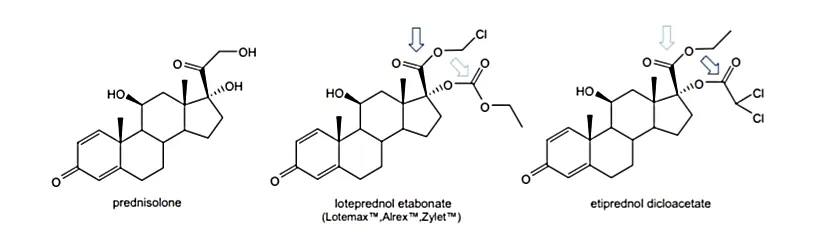
Fig 4. Two soft steroids, loteprednol etabonate and etiprednol dicloacetate derived from prednisolone.

Animal studies demonstrated that loteprednol etabonate exhibited the intended pharmacological activity and was metabolized into the predicted inactive metabolites. The findings confirmed that these metabolites lacked biological activity, supporting the original design concept. Following the completion of preclinical and toxicological evaluations, clinical studies established the safety and efficacy of loteprednol etabonate in the treatment of contact lens-associated giant papillary conjunctivitis (GPC), seasonal allergic conjunctivitis, postoperative inflammation, and uveitis (17, 18). It subsequently became the active ingredient in three FDA-approved ophthalmic formulations. A retrospective analysis further indicated that prolonged use for more than twelve months was not associated with reported adverse effects (19). In addition, loteprednol etabonate is being investigated for the treatment of asthma, rhinitis, colitis, and various dermatological disorders. (7) Loteprednol etabonate received FDA approval on March 9, 1998, and was introduced as the active component of two ophthalmic products, Lotemax and Alrex.(17, 18,20) It remains the only corticosteroid approved by the  FDA for the management of  all ophthalmic inflammatory and allergy-related conditions, including,  post-operative inflammation, uveitis, allergic conjunctivitis, etc.(38)More recently, loteprednol has also demonstrated effectiveness in the management of allergic rhinitis,  where it reduces rhinorrhea, nasal congestion and nasal itching, while improving nasal flow(21).Overall, as the first representative soft steroid, loteprednol etabonate provides significant anti-inflammatory activity with minimal influence on endocrine functions. (22).

  • Estradiol

Among the various Chemical Delivery System approaches investigated to date, the estradiol CDS (E2-CDS) has progressed to the most advanced stage of development and has successfully completed Phase I/II clinical studies using a novel buccal formulation. (13). Estradiol (E2) is the most potent naturally occurring human estrogen, and many of its pharmacological actions are mediated through the central nervous system. Consequently, brain-targeted delivery of estradiol has several potential therapeutic applications, including the management of menopausal vasomotor symptoms such as hot flashes, the treatment or prevention of different forms of dementia including Alzheimer’s disease, the management of male and female sexual dysfunction, and possible neuroprotective applications. During the development of this CDS, several molecular modifications were explored. Investigations compared the effectiveness of 3-substituted and 17-substituted (24) derivatives and also evaluated various N-substituted targetor moieties containing methyl, hexyl, benzyl, and other substituents (25). Among the compounds studied, the 17-(1,4-dihydrotrigonelline)-substituted estradiol CDS emerged as the preferred candidate. (23)
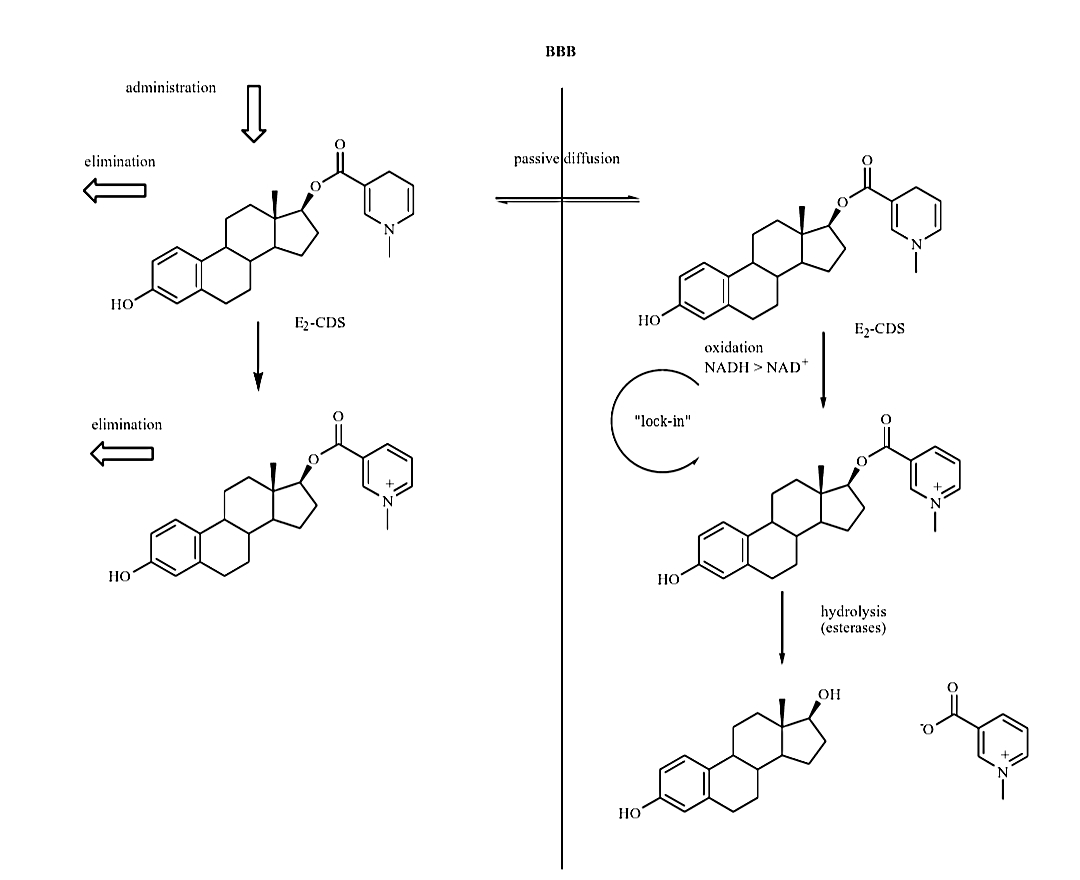
Fig. 5 Schematic representation of lock-in mechanism for Estradiol-CDS

Various animal studies demonstrated effective brain targeting and confirmed the long-lasting pharmacological activity. (23) Unfortunately, the same physicochemical characteristics that allow successful delivery; hwever, they also complicate the development of acceptable pharmaceutical formulations. The lipophilic properties necessary for effective BBB penetration are often associated with reduced aqueous solubility. The oxidative lability, which is needed for the “lock-in” mechanism, and the hydrolytic instability, which releases the modifier functions or the active drug, combine to limit the shelf-life of the CDS. However, the use of cyclodextrins can provide acceptable solutions as they can increase both aqueous solubility and stability, (27) and cyclodextrin-based formulation already made it possible, for example, for E2-CDS to reach human phase I/II clinical trials. (14,28)

CONCLUSION

Retrometabolic drug design represents an important strategy in modern medicinal chemistry aimed at developing safer and more effective therapeutic agents by integrating metabolic considerations into the drug design process. This approach improves the therapeutic index and minimizes toxicity by controlling drug activation and deactivation through designed metabolic pathways. The two major strategies of retrometabolic drug design, soft drugs (SDs) and chemical delivery systems (CDSs), achieve targeted drug action through predictable metabolic transformations. While CDSs enable site-specific activation of inactive drug precursors, soft drugs are designed to undergo rapid metabolic deactivation after producing their therapeutic effect. The successful development and clinical use of drugs such as loteprednol etabonate, esmolol, and remifentanil demonstrates the clinical relevance of these strategies. Overall, retrometabolic drug design offers a promising and versatile approach for developing safer and more targeted therapeutic agents in modern drug discovery.

REFERENCES

  1. Bhardwaj YR, Pareek A, Jain V, Kishore D. Chemical delivery systems and soft drugs: Retrometabolic approaches of drug design. Saudi Pharm J. 2014; 22):290–302
  2. Drews J. Drug discovery: a historical perspective. Science 2000;287(5460), 1960–1964.
  3. roudfoot JR. Drugs, leads, and drug-likeness: an analysis of some recently launched drugs. Bioorg Med Chem Lett. 2002; 12:1647–1650.
  4. Bodor N, Buchwald P. Retrometabolic drug design and targeted drug delivery. Med Res Rev. 2000;20(1):58–101.
  5. Liederer BM, Borchardt RT. Enzymes involved in the bioconversion of ester- and amide-based prodrugs. J Pharm Sci. 2006;95(6):1177–1195.
  6. Bodor N. Recent advances in retrometabolic design approaches. J Control Release. 1999;62(1–2):209–222.
  7. Bodor N, Buchwald P. Soft drug design: general principles and recent applications. Curr Pharm Des. 2006;12(25):3241–3260.
  8. Bodor N, Buchwald P. Soft drug design and site-specific drug delivery. AAPS J. 2005;7(4): E820–E827.
  9. Markowitz JS, DeVane CL, Boulton DW, Nahas Z, Risch SC, Diamond F, et al. Effect of dextromethorphan on cytochrome P450 2D6 activity. Drug Metab Dispos. 2000;28(5):620–624.
  10. Patrick KS, Kilts CD, Breese GR. Synthesis and pharmacological evaluation of amino acid ester prodrugs. J Med Chem. 1981;24(10):1237–1241.
  11. Labaree DC, Reynolds TY, Hochberg RB. Estradiol soft-drug analogs: synthesis and biological evaluation. J Med Chem. 2001;44(11):1802–1814.
  12. Labaree DC, Zhang JX, Harris HA, O'Connor C, Reynolds TY, Hochberg RB. Synthesis and biological evaluation of novel estrogen analogs. J Med Chem. 2003;46(10):1886–1900
  13. Bodor N, Buchwald P. Brain-targeted delivery of estradiol: therapeutic potential and results obtained with a chemical delivery system approach. Am J Drug Deliv. 2006;4(3):161–175.
  14. Fouquet L, Gourand F, Dhilly M, et al. Synthesis, radiosynthesis and biological evaluation of 1,4-dihydroquinoline derivatives as new carriers for specific brain delivery. Org Biomol Chem. 2009; 7:3666–3673.
  15. Hassan HA, Abdel-Aziz M, Abuo-Rahma GEDA, Farag HH. 1-Malonyl-1,4-dihydropyridine as a novel carrier for specific delivery of drugs to the brain. Bioorg Med Chem. 2009; 17:1681–1692.
  16. Monder C, Bradlow HL. Biochemical properties and metabolism of corticosteroids. Recent Prog Horm Res. 1980; 36:345–392.
  17. Noble S, Goa KL. Loteprednol etabonate: clinical potential in the treatment of ocular inflammation. BioDrugs. 1998;10(4):329–339.
  18. Howes JF. Loteprednol etabonate: a review. Pharmazie. 2000; 55:178–183.
  19. Ilyas H, Slonim CB, Braswell GR, Favetta JR, Schulman M. Loteprednol etabonate in ocular inflammation. Eye Contact Lens. 2004; 30:10–13.
  20. Bodor N, Buchwald P. Design and development of a soft corticosteroid, loteprednol etabonate. In: Schleimer RP, O'Byrne PM, Szefler SJ, Brattsand R, editors. Inhaled Steroids in Asthma: Optimizing Effects in the Airways. Lung Biology in Health and Disease. Vol. 163. New York: Marcel Dekker; 2002. p. 541–558.
  21. Krug N, Hohlfeld JM, Geldmacher H, Larbig M, Heermann R, Lavallee N, et al. Effect of inhaled ciclesonide in patients with asthma. Allergy. 2005; 60:354–359.
  22. Druzgala P, Hochhaus G, Bodor N. Soft corticosteroids: pharmacological and metabolic considerations. J Steroid Biochem Mol Biol. 1991; 38:149–154.
  23. Bodor N, Buchwald P. Retrometabolic drug design: principles and recent developments. Pure Appl Chem. 2008;80(8):1669–1682.
  24. Brewster ME, Druzgala PJ, Anderson WR, Huang MJ, Bodor N, Pop E. Ocular delivery and pharmacokinetic evaluation of soft corticosteroids. J Pharm Sci. 1995;84(1):38–44.
  25. Brewster ME, Bartruff MSM, Anderson WR, Druzgala PJ, Bodor N, Pop E. Synthesis and evaluation of novel soft corticosteroids. J Med Chem. 1994;37(25):4237–4246.
  26. Bodor N, Kaminski JJ. Prodrugs and site-specific chemical delivery systems. Annu Rep Med Chem. 1987; 22:303–313.
  27. Brewster ME, Estes KE, Loftsson T, Perchalski R, Derendorf H, Mullersman G, et al. Pharmaceutical evaluation of soft corticosteroids. J Pharm Sci. 1988;77(12):981–985.
  28. Estes KS, Brewster ME, Bodor N. Soft drugs and site-specific drug delivery. Adv Drug Deliv Rev. 1994;14(2–3):167–195.

Reference

  1. Bhardwaj YR, Pareek A, Jain V, Kishore D. Chemical delivery systems and soft drugs: Retrometabolic approaches of drug design. Saudi Pharm J. 2014; 22):290–302
  2. Drews J. Drug discovery: a historical perspective. Science 2000;287(5460), 1960–1964.
  3. roudfoot JR. Drugs, leads, and drug-likeness: an analysis of some recently launched drugs. Bioorg Med Chem Lett. 2002; 12:1647–1650.
  4. Bodor N, Buchwald P. Retrometabolic drug design and targeted drug delivery. Med Res Rev. 2000;20(1):58–101.
  5. Liederer BM, Borchardt RT. Enzymes involved in the bioconversion of ester- and amide-based prodrugs. J Pharm Sci. 2006;95(6):1177–1195.
  6. Bodor N. Recent advances in retrometabolic design approaches. J Control Release. 1999;62(1–2):209–222.
  7. Bodor N, Buchwald P. Soft drug design: general principles and recent applications. Curr Pharm Des. 2006;12(25):3241–3260.
  8. Bodor N, Buchwald P. Soft drug design and site-specific drug delivery. AAPS J. 2005;7(4): E820–E827.
  9. Markowitz JS, DeVane CL, Boulton DW, Nahas Z, Risch SC, Diamond F, et al. Effect of dextromethorphan on cytochrome P450 2D6 activity. Drug Metab Dispos. 2000;28(5):620–624.
  10. Patrick KS, Kilts CD, Breese GR. Synthesis and pharmacological evaluation of amino acid ester prodrugs. J Med Chem. 1981;24(10):1237–1241.
  11. Labaree DC, Reynolds TY, Hochberg RB. Estradiol soft-drug analogs: synthesis and biological evaluation. J Med Chem. 2001;44(11):1802–1814.
  12. Labaree DC, Zhang JX, Harris HA, O'Connor C, Reynolds TY, Hochberg RB. Synthesis and biological evaluation of novel estrogen analogs. J Med Chem. 2003;46(10):1886–1900
  13. Bodor N, Buchwald P. Brain-targeted delivery of estradiol: therapeutic potential and results obtained with a chemical delivery system approach. Am J Drug Deliv. 2006;4(3):161–175.
  14. Fouquet L, Gourand F, Dhilly M, et al. Synthesis, radiosynthesis and biological evaluation of 1,4-dihydroquinoline derivatives as new carriers for specific brain delivery. Org Biomol Chem. 2009; 7:3666–3673.
  15. Hassan HA, Abdel-Aziz M, Abuo-Rahma GEDA, Farag HH. 1-Malonyl-1,4-dihydropyridine as a novel carrier for specific delivery of drugs to the brain. Bioorg Med Chem. 2009; 17:1681–1692.
  16. Monder C, Bradlow HL. Biochemical properties and metabolism of corticosteroids. Recent Prog Horm Res. 1980; 36:345–392.
  17. Noble S, Goa KL. Loteprednol etabonate: clinical potential in the treatment of ocular inflammation. BioDrugs. 1998;10(4):329–339.
  18. Howes JF. Loteprednol etabonate: a review. Pharmazie. 2000; 55:178–183.
  19. Ilyas H, Slonim CB, Braswell GR, Favetta JR, Schulman M. Loteprednol etabonate in ocular inflammation. Eye Contact Lens. 2004; 30:10–13.
  20. Bodor N, Buchwald P. Design and development of a soft corticosteroid, loteprednol etabonate. In: Schleimer RP, O'Byrne PM, Szefler SJ, Brattsand R, editors. Inhaled Steroids in Asthma: Optimizing Effects in the Airways. Lung Biology in Health and Disease. Vol. 163. New York: Marcel Dekker; 2002. p. 541–558.
  21. Krug N, Hohlfeld JM, Geldmacher H, Larbig M, Heermann R, Lavallee N, et al. Effect of inhaled ciclesonide in patients with asthma. Allergy. 2005; 60:354–359.
  22. Druzgala P, Hochhaus G, Bodor N. Soft corticosteroids: pharmacological and metabolic considerations. J Steroid Biochem Mol Biol. 1991; 38:149–154.
  23. Bodor N, Buchwald P. Retrometabolic drug design: principles and recent developments. Pure Appl Chem. 2008;80(8):1669–1682.
  24. Brewster ME, Druzgala PJ, Anderson WR, Huang MJ, Bodor N, Pop E. Ocular delivery and pharmacokinetic evaluation of soft corticosteroids. J Pharm Sci. 1995;84(1):38–44.
  25. Brewster ME, Bartruff MSM, Anderson WR, Druzgala PJ, Bodor N, Pop E. Synthesis and evaluation of novel soft corticosteroids. J Med Chem. 1994;37(25):4237–4246.
  26. Bodor N, Kaminski JJ. Prodrugs and site-specific chemical delivery systems. Annu Rep Med Chem. 1987; 22:303–313.
  27. Brewster ME, Estes KE, Loftsson T, Perchalski R, Derendorf H, Mullersman G, et al. Pharmaceutical evaluation of soft corticosteroids. J Pharm Sci. 1988;77(12):981–985.
  28. Estes KS, Brewster ME, Bodor N. Soft drugs and site-specific drug delivery. Adv Drug Deliv Rev. 1994;14(2–3):167–195.

Photo
Logadharshini G.
Corresponding author

Pallavan Pharmacy College, Kanchipuram-631 502

Photo
Karthi J.
Co-author

Department Of Pharmacognosy, Pallavan Pharmacy College, Kanchipuram-631 502

Photo
Swarnalatha K.
Co-author

Department Of Pharmacology, Pallavan Pharmacy College, Kanchipuram-631 502

Photo
Ranjitha P.
Co-author

Department Of Pharmaceutical Chemistry, Pallavan Pharmacy College, Kanchipuram-631 502

Logadharshini G.*, Karthi J., Swarnalatha K., Ranjitha P., Retrometabolic Drug Design: Integrating Drug Metabolism into Rational Drug Discovery, Int. J. Med. Pharm. Sci., 2026, 2 (8), 494-503. https://doi.org/10.5281/zenodo.21921693

More related articles
Multimodal Deep Learning for Integrating Radiology...
Arvind Menon, Shatrughna Nagrik, Raghav Sharma, Neha Kulkarni...
A Prospective Observational Study on the Prescribi...
Loganantham P., Mukesh V., Mohanapandiyan S., Karan A. S., Harsha...
A Review on Transdermal Drug Delivery System...
Prerna Jagne, Minakshi Warghane...
Related Articles
Structure–Property Relationships and Mechanistic Evaluation of pH-Responsive P...
Mohammed Naseem Qureshi, Shaikh Mohd Mujtaba, Shaikh Maviya Azhar Patel, Pathan Musharraf Khan, Muza...
Irrational Use of Antibiotics: A Global Threat to Public Health...
Sudarsanam Nagarjuna, Palaparthi Cherishma, Minraj Pokhrel, Lella Janaki , Galaba Yamini Padmasri, D...
Polymeric Nanoparticles for Oral, Parenteral and Transdermal Drug Delivery: Desi...
Manali Bode, Sanket Bhoyar, Sabiya Sheikh, Rajlaxmi Deolekar, Priyanka Sakhare, Prachi Rohit Moon, H...
A Comprehensive Review on Artificial Intelligence for Accelerating Drug Discover...
Shivshankar Nagrik, Vaishnavi Kamble, Sakshi Tayde, Sakshi Bendarkar, Poonam Tale, Mohini Kale, Jank...
Multimodal Deep Learning for Integrating Radiology and Genomic Data in Precision...
Arvind Menon, Shatrughna Nagrik, Raghav Sharma, Neha Kulkarni...
More related articles
Multimodal Deep Learning for Integrating Radiology and Genomic Data in Precision...
Arvind Menon, Shatrughna Nagrik, Raghav Sharma, Neha Kulkarni...
A Prospective Observational Study on the Prescribing Trends of Cardiovascular Dr...
Loganantham P., Mukesh V., Mohanapandiyan S., Karan A. S., Harshad M. K., Fathimathul Nusaira T., Ce...
A Review on Transdermal Drug Delivery System...
Prerna Jagne, Minakshi Warghane...
Multimodal Deep Learning for Integrating Radiology and Genomic Data in Precision...
Arvind Menon, Shatrughna Nagrik, Raghav Sharma, Neha Kulkarni...
A Prospective Observational Study on the Prescribing Trends of Cardiovascular Dr...
Loganantham P., Mukesh V., Mohanapandiyan S., Karan A. S., Harshad M. K., Fathimathul Nusaira T., Ce...
A Review on Transdermal Drug Delivery System...
Prerna Jagne, Minakshi Warghane...