
We use cookies to ensure our website works properly and to personalise your experience. Cookies policy
1Ezhuthachan College of Pharmaceutical Sciences, Marayamuttom, Thiruvananthapuram
2Assistant Professor, Department of Pharmacy Practice Ezhuthachan College of Pharmaceutical Sciences, Marayamuttom, Thiruvananthapuram
3Principal/HOD, Department of Pharmacy Practice Ezhuthachan College of Pharmaceutical Sciences, Marayamuttom, Thiruvananthapuram
Body art practices, including tattooing and body piercing, are increasingly popular among adults as forms of personal expression, cultural representation, and fashion. Even though these procedures are generally considered safe when performed under hygienic conditions, they involve penetration of the skin, which creates a possible route for microorganisms to enter the bloodstream. If appropriate infection control precautions are not followed, there is a risk of transmission of blood-borne infections such as hepatitis B virus (HBV), hepatitis C virus (HCV), and human immunodeficiency virus (HIV). Adults are often more likely to undergo body art procedures due to curiosity, social influence, and aesthetic preferences. However, awareness regarding potential health risks and preventive strategies may not always be adequate. This narrative review summarizes findings from published studies related to knowledge, attitudes, and practices concerning infection risks linked to tattooing and body piercing. It also discusses possible complications, regulatory concerns, and public health importance of safe body art practices. Improving education, promoting vaccination against hepatitis B, and ensuring adherence to safety standards may help reduce preventable infections related to body art procedures.
Body modification practices such as tattooing and body piercing have developed from traditional cultural rituals into widely accepted trends across different age groups [1]. Many individuals choose body art as a means of expressing identity, beliefs, emotions, or aesthetic preferences. Despite its popularity, these procedures involve intentional disruption of the skin barrier, which can allow microorganisms to enter the body if proper precautions are not taken [2,3]. Unsafe practices, including the use of contaminated needles or improperly sterilized instruments, may increase the possibility of transmission of blood-borne infections such as hepatitis B, hepatitis C, and HIV. Several epidemiological studies have suggested a relationship between body art practices and increased risk of viral infections, particularly when procedures are performed in unregulated settings [4,5]. Young adults are considered a higher-risk group due to experimentation, influence of social media trends, and limited knowledge regarding infection prevention measures. In certain regions, inadequate regulation of tattoo and piercing facilities may further contribute to unsafe practices. Therefore, understanding awareness levels, behavioural patterns, and safety practices is important in order to develop strategies that reduce preventable health risks [6,7,8]. This review aims to analyse existing literature on blood-borne infection risks associated with body art and body piercing among adults and to identify important areas requiring public health attention. Recent epidemiological evidence further highlights the growing public health relevance of body art practices. A multinational systematic review estimated that approximately 22% of adults worldwide have at least one tattoo, with the highest prevalence observed among individuals aged 18–35 years. Similarly, body piercing, excluding earlobe piercing, has been reported in 12–18% of adults, particularly among females and young adults. Despite the widespread acceptance of these procedures, several studies have demonstrated that awareness regarding blood-borne infection risks, hepatitis B vaccination, and appropriate aftercare remains inadequate in a considerable proportion of the population, emphasizing the need for targeted public health interventions [9,10].
Body Art Practices and Blood-Borne Infection Risks
Tattooing and body piercing procedures involve insertion of needles or other sharp instruments into the skin, often causing minor bleeding. If these instruments are reused without proper sterilization, microorganisms present in blood or body fluids may be transmitted between individuals. Infection risk may also increase when contaminated ink, jewellery, or equipment is used during the procedure [11,12]. Certain blood-borne viruses, particularly hepatitis B virus and hepatitis C virus, are capable of surviving on contaminated surfaces for prolonged periods. This increases the possibility of infection when hygiene measures are inadequate. Research studies have reported higher prevalence of viral hepatitis among individuals who have undergone tattooing in settings where infection control practices are not strictly followed [13, 14]. The likelihood of acquiring blood-borne infections following tattooing or body piercing is influenced by several procedure-related and individual-related risk factors. Procedures performed in unlicensed or informal settings are associated with a greater risk because infection prevention protocols may not be consistently followed. Reuse of needles, inadequate sterilization of reusable instruments, use of contaminated tattoo inks or piercing equipment, and failure to maintain hand hygiene can facilitate the transmission of pathogens. In addition, lack of practitioner training, improper disposal of sharps, and cross-contamination between clients further increase infection risk. Individual factors such as pre-existing skin lesions, immunocompromised status, diabetes mellitus, poor wound care practices, and failure to receive hepatitis B vaccination may also increase susceptibility to infection [15]. The combined effect of these factors highlights the importance of adhering to standard infection prevention measures throughout the body art procedure. Although documented cases of HIV transmission through tattooing and piercing are relatively rare, the theoretical risk cannot be ignored when sterilization protocols are not properly maintained. Therefore, following recommended hygiene practices is essential to ensure safe body art procedures [16]. Evidence from published studies indicates that adherence to standardized infection control practices substantially reduces the risk of disease transmission associated with body art procedures. The use of single-use sterile needles, properly sterilized reusable equipment, disposable gloves, high-quality tattoo inks, and aseptic techniques during the procedure are considered essential preventive measures. Equally important is appropriate client education regarding wound care, recognition of early signs of infection, and timely medical consultation when complications occur. Countries with well-established regulatory frameworks and regular inspection of tattoo and piercing facilities generally report fewer procedure-related infectious complications, emphasizing the role of effective public health regulation in improving client safety [17,18,19].
Awareness and Attitudes Among Adults
Knowledge regarding infection risks associated with body art varies widely among adults. Many individuals are aware that HIV can be transmitted through blood exposure; however, understanding of hepatitis B and hepatitis C transmission is often limited [50]. Awareness regarding availability and importance of hepatitis B vaccination also appears to be inadequate in some populations [20,21]. Attitudes towards tattooing and body piercing are often influenced by social trends, peer pressure, and media exposure. Some individuals may assume that modern tattoo procedures are completely safe without verifying whether recommended sterilization standards are followed [22]. In certain cases, aesthetic preferences may be prioritized over health considerations [23]. Improving awareness regarding infection risks may encourage individuals to make informed decisions and select qualified practitioners who follow appropriate safety protocols [24,25].
Practices Related to Tattooing and Body Piercing
Despite improvements in awareness, unsafe practices continue to be reported in various settings. Some individuals obtain tattoos or piercings from unlicensed providers or informal sources without confirming whether infection control measures are followed. Clients may not always ask about needle sterility, practitioner training, or hygienic conditions of the procedure environment [26,27,28]. Proper aftercare is equally important in preventing complications. Failure to maintain wound hygiene, early exposure to contaminated water, or neglecting recommended instructions may increase the likelihood of infection or delayed healing. Following appropriate aftercare guidance may significantly reduce the risk of adverse outcomes. [29,30].
Health Complications Associated with Body Art
Complications associated with tattooing and body piercing may range from minor skin irritation to serious systemic infections. Frequently reported complications include localized bacterial infection, allergic reaction to tattoo pigments or metals, swelling, and delayed wound healing [31]. More serious outcomes include transmission of blood-borne infections such as HBV, HCV, and rarely HIV. Non-infectious complications such as keloid formation, scarring, and dissatisfaction with cosmetic appearance have also been documented [32, 33]. In addition to keloid formation and scarring, several other non-infectious complications have been reported following tattooing and body piercing. Allergic contact dermatitis may occur due to hypersensitivity reactions to tattoo pigments, metallic components of jewellery, or topical products used during aftercare [34, 35, 36,37]. Granulomatous reactions and foreign-body responses have also been described, particularly with coloured tattoo inks, resulting in persistent papules or nodules at the tattoo site. Some individuals may experience delayed wound healing, hypertrophic scar formation, pigment alteration, or dissatisfaction with the cosmetic outcome, which may contribute to psychological distress and requests for tattoo removal [38, 39]. The likelihood of these complications is influenced by individual susceptibility, the composition of tattoo inks or jewellery materials, the anatomical site involved, and adherence to appropriate aftercare practices. Some complications may not always be reported, especially when procedures are performed in informal settings [40,41,42]. Published studies indicate that infectious complications account for a relatively small proportion of adverse events following professionally performed tattooing and body piercing; however, the risk increases markedly when procedures are performed in informal settings [43, 44,45]. Local bacterial infections remain the most frequently reported complication, whereas confirmed transmission of hepatitis B virus, hepatitis C virus, and HIV is uncommon but has been documented following breaches in infection control practices [46,47,48]. These findings reinforce the importance of practitioner training, strict sterilization procedures, and regulatory oversight in minimizing procedure-related complications [49, 50].
DISCUSSION
Evidence reviewed in this article suggests that body art practices may act as a contributing factor for blood-borne infections when appropriate infection control precautions are not consistently followed. Jafari et al. [3] reported a significant association between tattooing and hepatitis B infection particularly among individuals engaging in high-risk behaviours. Similar conclusions were drawn in reviews focusing on prison populations, where informal tattooing practices are prevalent. Findings from different studies demonstrate considerable variation in the prevalence of blood-borne infections associated with body art practices. Jafari et al. reported that individuals with a history of tattooing had a significantly greater risk of hepatitis C infection, particularly when procedures were performed in prisons or by unlicensed practitioners. In contrast, studies conducted in regulated tattoo studios reported substantially lower infection rates because of strict adherence to sterilization protocols, use of single-use disposable needles, and compliance with infection prevention guidelines. These findings indicate that the occurrence of blood-borne infections is influenced more by the safety standards followed during the procedure than by tattooing or body piercing itself. More recent research indicates that behavioural factors play an important role in determining infection risk. Choosing trained practitioners, ensuring use of sterile equipment, and following recommended aftercare instructions may significantly reduce the likelihood of complications. Article by Kluger et al [2] highlight that when body art procedures are performed in regulated settings with strict infection control measures, the risk of blood borne infection is considerably minimized. Awareness levels among adults appear to vary (Figure 1), particularly with respect to hepatitis B and hepatitis C transmission. Although HIV awareness is relatively common, knowledge regarding preventive vaccination and safe practices may still be insufficient. This suggests the need for improved health education strategies.
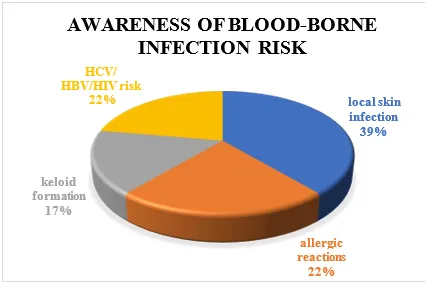
Figure 1: Pie chart representing level of awareness regarding blood-borne infection risks associated with body art procedures
The pie chart illustrates how well adults understand the possible risk of blood-borne infections linked to tattooing and body piercing procedures. From the chart, it is clear that awareness levels are not uniform across the population. While a portion of individuals demonstrates good knowledge regarding the possibility of infection transmission through contaminated needles or equipment, a considerable number of participants appear to have only partial understanding or limited awareness. Many people generally recognize that infections such as HIV can spread through contact with infected blood. However, awareness about other important blood-borne pathogens like hepatitis B virus (HBV) and hepatitis C virus (HCV) seems comparatively lower. This difference in awareness may be because HIV has received more global attention through public health campaigns, media coverage, and educational programs. In contrast, hepatitis infections, despite being highly transmissible through blood exposure, may not always receive equal emphasis in awareness initiatives. Another important observation suggested by the chart is that some individuals may underestimate the risks associated with body art procedures when they are performed in unregulated settings. People often assume that tattooing and piercing are safe simply because these practices have become very common and socially accepted. However, not all service providers strictly follow sterilization guidelines, which increases the possibility of infection transmission. The chart also indirectly highlights the need for improved educational strategies. When individuals are better informed about infection risks, they are more likely to verify whether sterile needles are used, whether the practitioner is trained, and whether hygiene standards are properly maintained. Increased awareness can therefore play a major role in reducing preventable complications. Figure 1 suggests that although general awareness exists, there is still a noticeable gap in comprehensive understanding of blood-borne infection risks. Addressing this knowledge gap through health education programs, vaccination awareness campaigns (especially for hepatitis B), and counselling by healthcare professionals may significantly improve safe decision-making among individuals considering body art procedures.
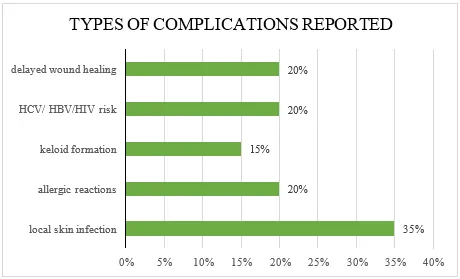
Figure 2: Bar graph representing distribution of commonly reported complications associated with body piercing and tattooing
The bar graph presents different types of complications that may occur after tattooing or body piercing. These complications range from mild local reactions to more serious health problems. The chart shows that minor skin-related issues appear to be more frequently reported compared to severe systemic infections. Commonly observed complications include redness, swelling, pain, itching, and localized bacterial infections at the site of the tattoo or piercing. These reactions usually occur when proper hygiene is not maintained during or after the procedure. For example, touching the wound with unclean hands, using contaminated aftercare products, or exposing the area to unclean water may delay healing and increase infection risk. Allergic reactions are another significant complication highlighted in the chart. Some individuals may develop sensitivity to tattoo pigments, metals present in jewellery, or antiseptic solutions used during the procedure. These reactions may appear as skin rashes, irritation, or persistent itching, which may require medical attention in certain cases. The graph also indicates the possibility of more serious complications such as transmission of viral infections including hepatitis B, hepatitis C, and rarely HIV. Although the occurrence of such infections is less frequent compared to minor complications, the consequences can be long-term and may significantly affect overall health. This highlights the importance of strict sterilization procedures and use of disposable equipment. Another notable complication shown in the chart is keloid formation or scarring. Some individuals may develop thick, raised scar tissue after skin injury caused by tattoo needles or piercing instruments. This may be influenced by genetic factors, skin type, or improper wound care practices. Figure 2 demonstrates that while many complications may appear minor initially, improper practices can lead to more serious health concerns. The chart emphasizes the importance of choosing qualified professionals, ensuring sterile techniques, and following proper aftercare instructions. By adopting these precautions, individuals can significantly reduce the likelihood of adverse outcomes associated with body art procedures. Compared to earlier publications focusing mainly on infection prevalence, current literature emphasizes the importance of preventive approaches such as education, vaccination, and regulatory monitoring of tattoo establishments. These strategies highlight the importance of addressing modifiable risk factors to reduce health complications. Overall, strengthening awareness, encouraging hepatitis B vaccination, and ensuring adherence to sterilization protocols may help minimize preventable infection risks associated with body art practices.
SIGNIFICANCE OF THE REVIEW
This review identifies the presence of knowledge gaps and unsafe practices related to body art among adults. By analysing findings from multiple studies, the review highlights the need for targeted educational interventions that promote safe practices and infection prevention. Healthcare professionals, including pharmacists, can contribute by providing counselling regarding vaccination, hygiene, and possible risks associated with body art. Regulatory authorities may also utilize these findings to improve licensing requirements and ensure implementation of safety guidelines in tattoo and piercing facilities. Increasing awareness may help to reduce preventable complications and promote safer body art practices.
CONCLUSION
Body art practices such as tattooing and body piercing may present preventable health risks when recommended hygiene precautions are not followed. Evidence suggests that lack of awareness, unsafe procedural practices, and inconsistent regulatory oversight contribute to increased risk of blood-borne infections. In addition, strengthening collaboration between healthcare professionals, public health authorities, and body art practitioners can further improve the safety of tattooing and body piercing practices. Establishing standardized guidelines for sterilization, licensing requirements, and regular inspection of tattoo studios may help ensure adherence to infection prevention measures. Pharmacists and other healthcare providers can play an important role in educating individuals about potential complications, importance of hepatitis B vaccination, and need for proper aftercare following body art procedures. Public health campaigns using digital media and community awareness programs may also improve knowledge regarding safe body art practices, especially among young adults who are more likely to undergo these procedures. Future research focusing on behavioural factors, regulatory effectiveness, and long-term health outcomes may provide deeper insights that support development of targeted interventions aimed at minimizing preventable blood-borne infections associated with body art.
REFERENCES



Amina S. N., Ardra S. A., Chintha Chandran*, Shaiju S. Dharan, A Narrative Review on Blood-Borne Infection Risks Associated with Body Art and Body Piercing Among Adults, Int. J. Med. Pharm. Sci., 2026, 2 (8), 699-706. https://doi.org/10.5281/zenodo.22016963
 10.5281/zenodo.22016963