

We use cookies to ensure our website works properly and to personalise your experience. Cookies policy
1Professor and Head, Department of Pharmacology, Adhiparasakthi College of Pharmacy, Melmaruvathur
2UG Scholar, Adhiparasakthi College of Pharmacy, Melmaruvathur-603319
Male infertility is a major reproductive health issue worldwide and accounts for 20–50% of the infertility cases in couples. It is caused by a variety of abnormalities of the process of sperm production (spermatogenesis), of hormonal regulation, of sperm transport, of ejaculation, and genetic influences. This review outlines the reproductive system of the male, including the various functions of the testes, accessory glands, sperm and testosterone in the maintenance of normal fertility. It also explores the key factors contributing to male fertility issues, such as environmental pollutants, exposure to heavy metals, pesticides, obesity, smoking, alcohol use, age, and excessive radiation exposure from mobile phones. The review provides an overview of the differential diagnosis and includes world epidemiology data on the burden of male infertility in various regions. What current protection measures are recommended – lifestyle and avoiding reproductive toxins – are discussed. The current-day management options are discussed such as hormonal therapy, surgical procedures including varicocele surgery and sperm retrieval procedures or assisted reproductive technologies (ART) like intrauterine insemination (IUI), in vitro fertilization (IVF) and intracytoplasmic sperm injection (ICSI). With the development of diagnostic evaluation and individual treatment, the results of fertility have improved a lot. Proper diagnosis, treatment and prevention are key to achieve reproductive health and higher chances for success in conception.
The male reproductive system is an organ system which is both anatomically and hormonally organized in order to produce male gametes (spermatozoa), produce androgens (mainly testosterone), and move and deposit sperm for fertilization [1]. Male infertility is described as the failure of the male member of a normal, sexually active, non-contracepting couple to get pregnant after 12 months or more of regular, unprotected sex, because of abnormality of the male partner's reproductive function. World Health Organization (WHO) defines male infertility as a pathological condition affecting the male reproductive system, which renders the man incapable of causing pregnancy in a normal female partner after one or repeated sexually intercourse [2].
Physiology of Male Reproductive System:
Testis:
Testes (or testicles) are the male gonads that first form high in the abdomen close to the kidneys. The testicles are oval-shaped and about 5 cm long × 3 cm wide. Surrounded by a thick, white fibrous connective tissue capsule known as tunica albuginea. This capsule extends inwards to create "septa" which divide the testis into approximately 250 "lobules"[3]. One to four tightly coiled seminiferous tubules are present in each lobule. The tubules join together to form a single straight tubule which leads into the rete testis. Sperm is then carried out of the testes along short efferent ducts. In each lobule are interstitial cells (Leydig cells) that produce male sex hormones between the seminiferous tubules.
Penis:
The penis consists of three parts – the root, the midsection (shaft) and the tip (glans penis). The bulb of the penis and crura of the penis make up the root of the penis. It is attached to the inferior surface of the urogenital diaphragm, giving it structural support and anchorage. The body (shaft) of the penis consists of three masses of erectile tissue that are surrounded by a fibrous membrane called the tunica albuginea. These three structures include the two dorsal corpora cavernosa and the smaller median one, the corpus spongiosum. The other end of the penis, the tip, is slightly larger than the rest, called the glans penis. The glans is covered by a fold of skin called the prepuce, or foreskin. The urethra is narrow at the outside opening of the penis, called the external urethral orifice [4].
Scrotum:
The scrotum is a pouch that hangs down from the base of the penis and is the outpouching of the lower part of the abdominal wall. It includes the testes, the lower parts of the spermatic cords and the epididymides. The skin of the scrotum is thin, wrinkled, pigmented and is a single pouch internally divided into two compartments. Normally, only when the testicles are kept below the body temperature of the abdomen, will normal spermatogenesis occur. The testes, when they are in the scrotum are maintained at a temperature of about 3°C lower than the core body temperature, and this is crucial for normal sperm production [5].
Ducts of testis:
1. Epididymides
Epididymides are comma-shaped structures about 4 cm. long attached to the back of each testis. The epididymis consists of ductus epididymis that receives sperm from the rete testis. The duct then extends as the ductus deferens (vas deferens) which brings the sperm away from the testis [6].
2. Vas Deferens
At the end of the epididymis, the ductus begins and is about 45 cm long. It is used for functional sperm storage, allowing sperm to be stored for a longer time. Peristaltic movements of the muscular wall of the ductus deferens push the sperm towards the urethra during ejaculation [7].
The ejaculatory ducts are posterior to the urinary bladder and about 2 cm long. Each duct is the result of the fusion of a seminal vesicle and the ampulla of the ductus deferens. Their purpose is to inject the sperm into the penis just before it is emitted [7].
4. Urethra
Urethra is a shared conduit for urine and semen. It is about 20 cm in length and goes through the prostate, urogenital diaphragm and the whole length of the penis. It ends at the outer opening of the urethra (urethral meatus) [6].
Accessory glands
The seminal vesicles, prostate gland and bulbourethral glands are accessory glands that produce fluids in the male reproductive system which enter into the urethra.
The paired seminal vesicles are sac-like glands located behind the urinary bladder. Each vesicle has a short duct, which connects the ampulla of the ductus deferens to form an ejaculatory duct which opens in the urethra [8]. The fluid from the seminal vesicles is viscous and contains fructose to promote sperm mobility and viability and proteins that help the fluid coagulate slightly after the sperm is ejaculated.
The prostate gland is a dense, solid, organ situated just beneath the urinary bladder. It is roughly the size of a walnut and encircles the tube (urethra) that drains urine from the bladder. The prostatic urethra has numerous small ducts that open into it from the prostate. The thin milky alkaline secretion of the gland improves the motility of the sperm [8].
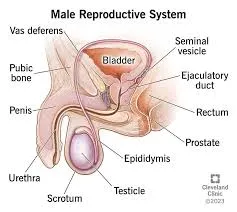
Figure 1: Male reproductive system
Sperm
The sperm cell has a head and a tail. A head is a small, thick mass of cytoplasm and a thin outer layer of cytoplasm and cell membrane. The tail (flagellum) consists of a thin membrane around a central core of micro-tubules arranged in a particular pattern. The tail is back and forth (whip-like) motion. Energy for movement is provided from mitochondria in mid part of tail [9].
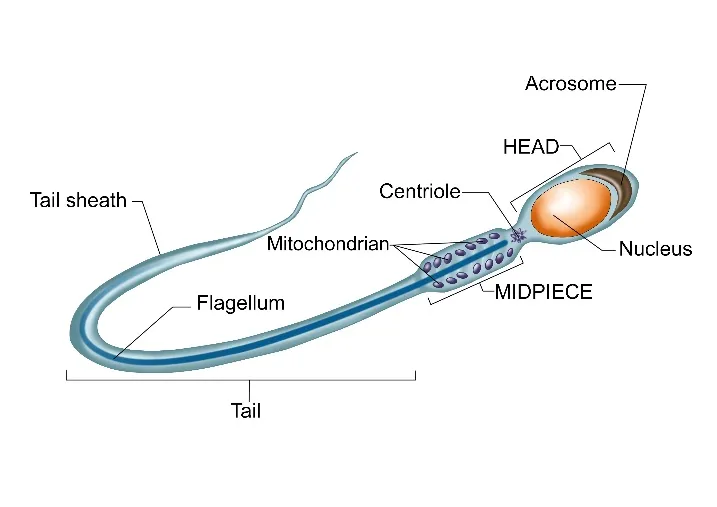
Figure: 2 Structure of sperm cell
Feedback mechanism of male reproductive system:
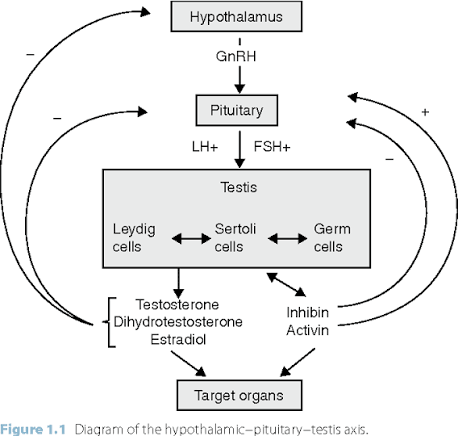
Figure 3: Feedback mechanism of male reproductive system
Testosterone
Testosterone is secreted by the interstitial cells of Leydig in the testes. An average healthy adult male produce about 4 to 9 mg of the hormone Testosterone daily. The testes are stimulated to produce moderate levels of testosterone during fetal development through the effect of chorionic gonadotropin (hCG) from the placenta. Little to no amounts of testosterone are produced after birth until approximately 10-13 years. Testosterone production peaks at puberty and stays high for the rest of adult life. Testosterone levels start to drop slowly after the age of 50 and can drop to approximately 20-50% of their previous adult levels by the age of 80.
Functions of testosterone:
Fetal Life
Adult Life
Causes of male infertility:
Environmental factors
There are many different types of environmental and foreign chemicals to which humans are exposed, and they are exposed to these chemicals in many different ways. In the last fifty years, there has been a rapid increase in industrial development in both developed and developing countries, which has resulted in the discharge of many xenobiotics into the environment. In particular, these factors affect the male reproductive system and can lead to infertility. The foreign materials present in the body, such as pesticides, herbicides, cosmetics, pharmaceuticals, preservatives, cleaning agents, municipal and industrial waste, and others, are introduced into the body in different ways. Several of these chemicals are estrogen mimics or endocrine disruptors, and exposure to these has come under increasing suspicion as part of the cause of the increasing rates of male infertility.
Pesticides and other poly-chlorinated hydrocarbons
Pesticides can impact several organs such as the male reproductive system. It has been demonstrated that pesticides affect spermatogenesis, decrease the weight of testes, adversely affect sperm parameters (sperm count, density, motility, viability, morphology) and cause damage to sperm DNA, especially the organophosphate type. The ways in which these chemicals affect male reproductive health are:
The interactions of these effects result in decreased fertility and reproductive dysfunction. Agricultural workers are at higher risk of increased infertility than other men. Additionally, a high risk of anencephaly in children has been linked to prenatal exposure to pesticides from their fathers. Excessive exposure to pesticides during the growing of crops also raises the likelihood of fetal death due to congenital anomalies. Furthermore, it has been reported that exposure to pesticides has negatively impacted on the ability of men to fertilize eggs during IVF. Paternal exposure in the preconception period has also been associated with an increased risk of ALL in children less than 1 year of age. 2,3,7,8-Tetrachlorodibenzo-p-dioxin (TCDD) is one of the most dangerous of the toxic chemicals, and is one of the most dangerous man-made compounds. A study by Mocarelli et al. (2000) showed that the sex ratio of offspring was lower for paternal than maternal exposure to TCDD, suggesting that the effects of TCDD exposure on reproductive function may be more pronounced through the paternal route of exposure [10].
Heavy metals
Humans can be exposed to high concentrations of a heavy metal at trace levels through water, food, air, and soil. Metals such as lead (Pb), cadmium (Cd), and mercury (Hg) can adversely affect the male reproductive system either by disrupting the hypothalamic-pituitary-gonadal axis which leading to reduced semen quality. Heavy metal exposure has repeatedly been found to be associated with reduced sperm counts, motility and morphology in men [11].
For example: Lead (Pb): Exposure has been associated with not becoming pregnant, but not delayed pregnancy. High blood lead levels (>40 μg/dL) have been linked to a decrease in sperm count, motility < 50% and abnormal morphology < 14%. Partners of people with occupational exposures (e.g. stainless-steel welders) are at a higher risk of spontaneous abortion.
Lifestyle factors:
Lifestyle refers to those habits and behaviors that can be changed and which in turn can have a great impact on health, including reproductive health. Occupational exposure and paternal age have been associated with various abnormal reproductive and genetic consequences. Other factors in lifestyle that can affect fertility include:
Age: Since more men are opting to become fathers later in life, the impact of male age on fertility is significantly gaining importance. The testes are affected by the advanced age of the father, namely in the basal membrane, seminiferous tubules and tunica albuginea. As the number of Leydig cells decreases, lipofuscin is deposited in them. In the older age, the changes in spermatogenesis are:
With the exception of this, the only other changes detected were a decrease in dark-type spermatogonia. The pale-type spermatogonia are grouped together in the intratubular area.
Obesity: BMI is an easy-to-calculate weight-to-height ratio that is used to define underweight, normal weight, overweight, and obesity. Men who have a high BMI are more likely to have infertility. Although it is well recognized that excess body weight is associated with increased risk of chronic diseases, excess body weight is also associated with reproductive dysfunction. Hormonal imbalance, increase in testosterone to estrogen, oxidative stress and systemic inflammation are all detrimental to male fertility and are part of the pathophysiology of obesity.In a study of 1,558 young men in the military, undergoing a physical examination, Jensen et al found that the sperm concentration was significantly lower in men who were overweight than in men who were of normal weight. Other studies have similarly shown an association between overweight/obesity and azoospermia and oligozoospermia[13]. In our previous study which had compared BMI and sperm function, we also observed a significant negative correlation between BMI and sperm concentration, sperm motility and sperm vitality. Our results contradicted the conclusions of Thomsen et al., who found that there was no significant difference between these parameters in overweight and obese men and men with normal BMI [14]. Sperm morphology, however, seemed to be the least affected parameter with regard to the increased BMI.Beneath average weight also showed significantly impaired sperm function than normal weight men. [15]
Smoking: It is well established that cigarette smoking negatively affects reproductive function. Benzo[a]pyrene (B[a]P) is a major carcinogen in tobacco smoke that can be metabolized to form reactive intermediates that can bind to DNA causing genetic mutations. The damage of these molecules can affect sperm and egg function in men and women, respectively, and result in impaired infertility. Smoking has been shown to be associated with lower levels of estrogen and progesterone among women, a blunted luteinizing hormone (LH) surge causing irregular periods and failure to ovulate, longer time to conception, higher risk of miscarriage, bleeding during pregnancy, lower birth weight in infants conceived by assisted reproductive techniques, and earlier onset of menopause. Smoking decreases sperm concentration, motility, morphology, and testosterone levels in men. Smoking has been associated with lower levels of sperm concentration, motility, and abnormal morphology, and lower levels of testosterone in men. Paternal smoking also may be associated with higher risk of congenital anomalies and asthma in children. Also, children of smokers are at higher risk for childhood cancers than those of nonsmokers. Heavy smokers are reported to have around 19% fewer sperm count than non-smokers. Ji et al., found that the strength of paternal smoking before conception is associated with the risk of childhood cancer before 5-years-old [16]. Experimental research has reported that seminal plasma from smokers markedly affects motility, acrosome reaction and malondialdehyde (MDA) levels of non-smokers' sperm, resulting in increased oxidative stress. The meta-analysis of Waylen et al. reported a lower clinical pregnancy rate of 22% in smoking couples when compared with non-smoking couples (38%)[17]. However, in the study population, Rybar et al. did not find any significant relation between smoking and sperm quality [18].
Consumption of alcohol: Drinking in males may have a negative impact on sperm function, spermatogenesis and, in extreme cases, erectile dysfunction or impotence. About 75% of children who are diagnosed as Fetal Alcohol Syndrome (FAS) have fathers who have a history of chronic alcohol use. Consumption of alcohol is linked to impaired semen quality such as low concentration, motility and morphology. Importantly, some of these effects may be reversible following disuse of alcohol. In addition to effects on semen quality, alcohol consumption has also been reported to cause changes in growth and behavior for offspring. But the exact biological processes involved in these transgenerational effects are not fully understood. A possible mechanism is the decreased expression of cytosine methyltransferase mRNA found in alcoholics, which can cause genomic imprinting to be disrupted by decreased DNA methylation. This epigenetic alteration could result in the inappropriate expression of normally silenced paternal alleles.
Using mobile phone: As globally mobile phone use has rapidly increased, worries about potential health effects have grown. Mobile phones use radio frequency electromagnetic radiation (RF-EMR) which leads to significantly higher daily exposure to non-ionizing radiation. Occupational studies indicate that the effects of ionizing radiation exposure on pregnancy and birth may be adverse if the radiation exposure occurs before conception. Children of men working at the Sell afield nuclear facility in Cumbria, UK, for example, were reported to have an increased risk of stillbirth. Children of men working in the Sell afield nuclear facility in Cumbria, UK, for example, had a higher risk of stillbirth, especially when exposures were high before conception. In the male reproductive system, the main areas of damage due to RF-EMR exposure include Leydig cells, seminiferous tubules and spermatozoa. Studies have shown exposure to mobile phones can lead to a decrease in Testosterone levels, impairment of spermatogenesis and damage to sperm DNA. It is believed the mechanism is scrotal hyperthermia and raised oxidative stress; both of which affect the function of sperm. In an experiment published by Gorpinchenko et al (2014), exposure to mobile phone radiation was shown to be highly correlated with increased sperm DNA fragmentation and decreased sperm motility. However, other studies have found no overall significant effect of mobile phone usage on the semen quality, but certain parameters like sperm concentration, semen volume, viscosity, liquefaction time, immotile sperm and abnormal morphology were affected [19].
Differential Diagnosis [20]
Global Results [21]
Infertility rates due to male factors are estimated at 20-70% worldwide (Table 1). The incidence of male infertility is ranging from 2.5% to 12% in various countries. Compared to other parts of the world, the highest prevalence has been reported in Central and Eastern Europe (8-12%) and Australia (8-9%) while rates are comparatively low in North America (4.5-6%). It's estimated that 4.5–6% of men in North America are infertile, but the Centers for Disease Control and Prevention (CDC) suggests that 9.4% of men in the United States are infertile. Although there is consensus that there is a high burden of infertility in Sub-Saharan Africa, the relatively low figures listed in Table 1 are likely due to under-reporting and/or poor-quality diagnostic services available to women.
Table 1: Global results of Male infertility
|
Countries |
Males that are reported infertile |
Couples that are reported infertile |
Couples in which the male factor is one of multiple factors involved |
|
Africa |
Unknown |
Unknown |
43% |
|
Latin America |
Unknown |
Unknown |
52% |
|
North America |
4.5%-6% |
15% |
50% |
|
Europe |
7.5% |
15% |
50% |
|
Eastern/Central Europe |
8%-12% |
20% |
56% |
|
Middle East |
Unknown |
Unknown |
60%-70% |
|
Australia |
8%-9% |
15% |
40% |
|
Asia |
Unknown |
Unknown |
37% |
|
Sub-Saharan desert |
2.5%-4.8% |
12.5%-16% |
20%-40% |
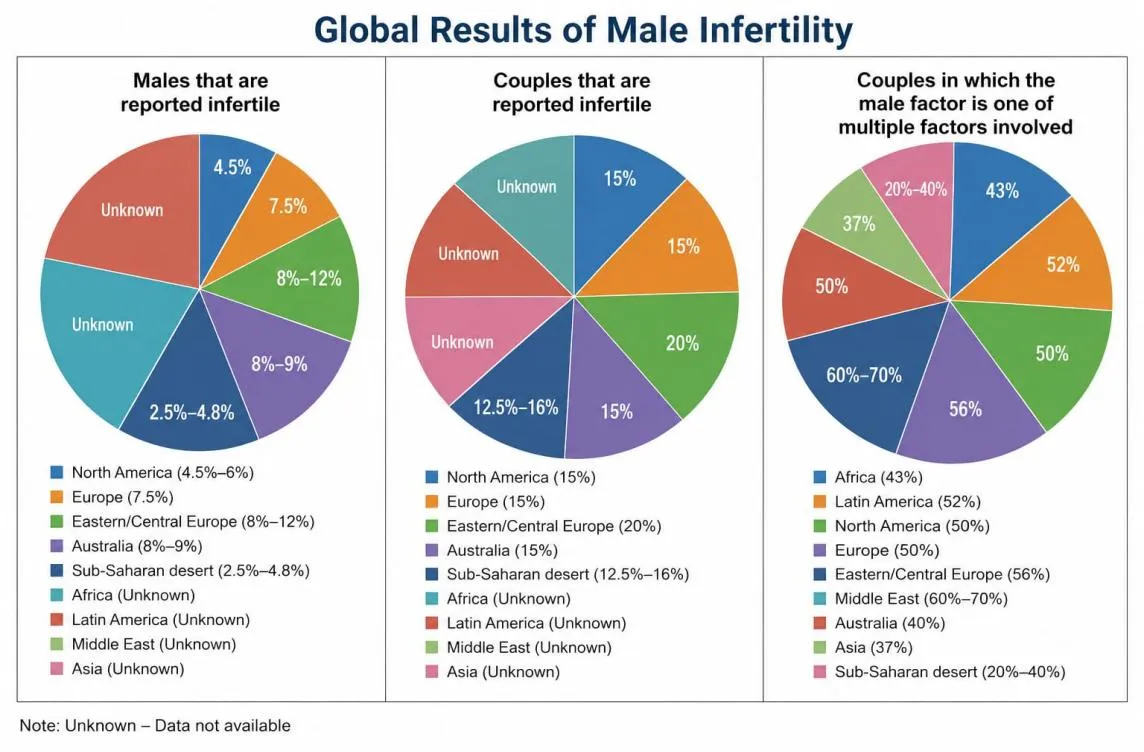
Figure 4: Global results of male infertility
Prevention of Male Infertility [22]
Cigarette smoking is associated with:
Chronic alcohol intake affects:
Anabolic-androgenic steroids suppress gonadotropins (LH & FSH), leading to:
Spermatogenesis requires temperature slightly below body temperature.
Avoid:
Treatment [23]
Used when infertility is linked to hormonal disturbances or severe sperm quality issues:
These therapies aim to improve spermatogenesis and hormone balance.
Used when anatomical issues are identified:
Used when natural conception is unlikely:
CONCLUSION:
Male infertility is a major clinical problem that occurs due to a defect in the male reproductive system, such as a defect in spermatogenesis, hormonal regulation, sperm transport or ejaculation. A systematic approach to the diagnosis, including a detailed history, physical examination, semen analysis, endocrine evaluation, genetic testing (if indicated), and imaging, is crucial to differentiate pre-testicular, testicular and post-testicular causes [24,25].
Optimal body weight, avoidance of toxins, excessive alcohol consumption, and infection, as well as early treatment of infections, can help maintain male reproductive capacity through a preventive strategy. The treatment of management is specific to the etiology and can involve hormones, antioxidant supplementation, surgical correction (varicocele repair) or assisted reproductive techniques (IVF and ICSI). While these interventions have different levels of evidence, individualized, evidence-based treatment greatly increases the chance of successful conception.
REFERENCES


S. Shoba*, K. Jalakandeswari, K. Jeeva, I. Rukshana, D. Uvasri, M. Hemashri, Male Infertility: An Overview of the Male Reproductive System and Advances in Management of Male Infertility, Int. J. Med. Pharm. Sci., 2026, 2 (9), 114-123. https://doi.org/10.5281/zenodo.22273839
 10.5281/zenodo.22273839