
We use cookies to ensure our website works properly and to personalise your experience. Cookies policy
Suyash College of Pharmacy, Warud B. K., Jalna, Maharashtra
Polycystic Ovarian Disease (PCOD) is one of the most prevalent endocrine and metabolic disorders affecting women of reproductive age worldwide. It is characterized by hormonal imbalance, irregular menstrual cycles, ovarian cyst formation, hyperandrogenism, and metabolic disturbances such as insulin resistance and obesity. The exact etiology of PCOD remains multifactorial, involving genetic, environmental, hormonal, and lifestyle-related factors. Women with PCOD commonly present with symptoms including menstrual irregularities, infertility, acne, hirsutism, weight gain, and psychological disturbances such as anxiety and depression. Early diagnosis and appropriate management are essential to prevent long-term complications, including type 2 diabetes mellitus, cardiovascular disorders, metabolic syndrome, and endometrial abnormalities. Diagnostic approaches generally involve clinical evaluation, hormonal assessment, ultrasonography, and established criteria such as the Rotterdam criteria. Management strategies focus on lifestyle modifications, pharmacological interventions, hormonal therapies, insulin sensitizers, and fertility treatments depending on symptom severity and reproductive goals. Recent advancements in understanding the pathophysiology of PCOD have emphasized personalized treatment approaches and preventive healthcare strategies. This comprehensive review highlights the epidemiology, etiology, pathophysiology, clinical manifestations, diagnostic criteria, treatment modalities, complications, and recent therapeutic advances in PCOD, aiming to provide a better understanding of the disease and improve patient outcomes.
Polycystic ovarian disease (PCOD), often interchangeably referred to in the literature as Polycystic Ovary Syndrome, represents one of the most common and complex endocrine-metabolic disorders affecting women during their reproductive years. It is characterized by a constellation of reproductive, endocrine, metabolic, and psychological abnormalities, including chronic anovulation, menstrual irregularities, hyperandrogenism, polycystic ovarian morphology, obesity, insulin resistance, infertility, and emotional disturbances. The condition is considered a heterogeneous syndrome due to the wide variation in clinical manifestations, severity, and long-term complications among affected individuals. This heterogeneity makes diagnosis and management particularly challenging for clinicians and researchers. The syndrome was first described in 1935 by Irving F. Stein Sr. and Michael L. Leventhal, who reported a series of women presenting with amenorrhea, infertility, and enlarged polycystic ovaries, subsequently termed Stein-Leventhal syndrome. Since this initial description, scientific understanding of the disorder has evolved substantially. What was once regarded as a purely gynecological condition is now recognized as a multisystem endocrine and metabolic disorder with lifelong implications extending beyond reproductive health. Globally, PCOD affects approximately 6–20% of women of reproductive age depending on the diagnostic criteria applied, such as the European Society of Human Reproduction and Embryology/American Society for Reproductive Medicine Rotterdam criteria, the National Institutes of Health criteria, or the Androgen Excess and PCOS Society criteria [3]. The prevalence appears to be particularly high in South Asian populations, including India, where rapid urbanization, sedentary lifestyles, altered dietary patterns, and genetic susceptibility contribute significantly to disease incidence. The increasing prevalence among adolescent girls has emerged as a major public health concern due to its potential impact on future fertility and metabolic health. The pathophysiology of PCOD is multifactorial and incompletely understood, involving intricate interactions between genetic, epigenetic, hormonal, metabolic, and environmental factors. Central to its pathogenesis is dysfunction of the hypothalamic-pituitary-ovarian (HPO) axis, which leads to increased secretion of luteinizing hormone (LH) relative to follicle-stimulating hormone (FSH), promoting ovarian androgen overproduction. Hyperandrogenism disrupts normal follicular maturation and ovulation, resulting in the accumulation of immature follicles that appear as cysts on ultrasonography. Insulin resistance is another hallmark feature observed in a majority of women with PCOD, independent of obesity status. Hyperinsulinemia resulting from insulin resistance amplifies ovarian androgen synthesis and suppresses hepatic production of sex hormone-binding globulin (SHBG), thereby increasing circulating free androgen levels. This interaction between insulin resistance and hyperandrogenism establishes a vicious cycle that perpetuates disease progression. Additionally, chronic low-grade inflammation and oxidative stress have been implicated in the pathogenesis of PCOD, contributing to both reproductive and metabolic dysfunction.
2. Overview of Polycystic Ovarian Disease (PCOD)
Polycystic Ovarian Disease (PCOD) is a complex endocrine and metabolic disorder characterized by hormonal imbalance, ovarian dysfunction, and impaired ovulation. It primarily affects women during their reproductive years and is considered one of the leading causes of menstrual irregularities, infertility, and hyperandrogenism. The disorder results from abnormal ovarian function in which multiple immature follicles accumulate within the ovaries due to incomplete follicular maturation and failure of ovulation. These immature follicles appear as multiple small cyst-like structures on ultrasonographic examination, although they are not true pathological cysts. PCOD is regarded as a heterogeneous disorder because its clinical presentation varies considerably among affected individuals. Some women predominantly experience reproductive symptoms such as irregular menstruation and infertility, while others mainly exhibit metabolic abnormalities including obesity, insulin resistance, dyslipidemia, and impaired glucose tolerance. Dermatological manifestations such as acne, hirsutism, oily skin, and androgenic alopecia are also common due to excessive androgen production. The disorder develops through the interaction of multiple factors including genetic susceptibility, endocrine abnormalities, insulin resistance, environmental influences, and unhealthy lifestyle habits. Elevated androgen levels interfere with normal follicular development, preventing the release of mature ova from the ovaries. Simultaneously, insulin resistance and compensatory hyperinsulinemia further stimulate androgen production, creating a cycle that perpetuates hormonal imbalance and ovarian dysfunction. Normally, during each menstrual cycle, several ovarian follicles begin to mature under the influence of follicle-stimulating hormone (FSH). One dominant follicle eventually releases a mature ovum during ovulation. In women with PCOD, this maturation process is disrupted due to hormonal disturbances. As a result, ovulation either occurs infrequently or fails completely, causing immature follicles to accumulate around the ovarian cortex and giving the ovaries a characteristic "string of pearls" appearance on ultrasound imaging. PCOD not only affects reproductive health but also has significant metabolic and cardiovascular implications. Women with the condition have an increased risk of developing obesity, metabolic syndrome, hypertension, dyslipidemia, impaired glucose tolerance, type 2 diabetes mellitus, and cardiovascular diseases later in life. Chronic anovulation also increases the risk of endometrial hyperplasia and endometrial carcinoma due to prolonged exposure of the endometrium to unopposed estrogen. The disorder significantly impacts psychological well-being. Cosmetic concerns such as acne, obesity, excessive facial hair, and hair loss often lead to anxiety, depression, low self-esteem, emotional distress, and reduced quality of life. Infertility associated with chronic anovulation further contributes to psychological burden and social challenges in many affected women. Although PCOD and Polycystic Ovary Syndrome (PCOS) are frequently used interchangeably, they differ slightly in clinical interpretation. PCOD generally refers to ovarian dysfunction characterized by the presence of multiple immature follicles and hormonal imbalance, whereas PCOS is considered a broader endocrine syndrome involving reproductive, metabolic, and hormonal abnormalities. Nevertheless, both conditions share several clinical features and management strategies. The diagnosis of PCOD requires comprehensive clinical evaluation supported by laboratory investigations and imaging studies. Assessment includes menstrual history, physical examination, hormonal profiling, metabolic evaluation, and pelvic ultrasonography. Since symptoms may overlap with other endocrine disorders, differential diagnosis is essential to exclude conditions such as thyroid dysfunction, hyperprolactinemia, congenital adrenal hyperplasia, and androgen-secreting tumors. Management of PCOD focuses on correcting hormonal imbalance, restoring ovulation, improving metabolic health, alleviating symptoms, and preventing long-term complications. Lifestyle modification, including weight reduction, regular physical activity, balanced nutrition, stress management, and adequate sleep, remains the cornerstone of therapy. Pharmacological treatment is individualized based on the patient's age, symptoms, reproductive goals, and associated metabolic abnormalities. As research continues to advance, greater understanding of the molecular and genetic mechanisms underlying PCOD has facilitated the development of targeted therapeutic approaches. Early diagnosis, multidisciplinary management, patient education, and regular follow-up are essential for improving both reproductive outcomes and overall long-term health.
3. Epidemiology and Global Burden of Polycystic Ovarian Disease (PCOD)
Polycystic Ovarian Disease (PCOD) is among the most prevalent endocrine disorders affecting women of reproductive age worldwide. It represents a significant public health challenge because of its high prevalence, chronic nature, reproductive consequences, metabolic complications, and psychosocial impact. The disorder affects women across all ethnicities, socioeconomic groups, and geographical regions, although its prevalence varies depending on the diagnostic criteria used and the characteristics of the study population. Globally, PCOD is estimated to affect approximately 6–20% of women of reproductive age. Variations in prevalence are attributed to differences in genetic background, ethnicity, environmental influences, dietary habits, obesity rates, lifestyle patterns, and diagnostic approaches. Urbanization, sedentary lifestyles, unhealthy dietary practices, and increasing obesity have contributed to a steady rise in the number of affected individuals over recent decades. The condition commonly develops during adolescence, often becoming apparent soon after menarche when menstrual cycles fail to become regular. However, many women remain undiagnosed until adulthood when they seek medical attention for infertility, menstrual irregularities, or cosmetic concerns. Delayed diagnosis is common because early symptoms may be mild, nonspecific, or mistakenly considered part of normal pubertal development. The prevalence of PCOD is generally higher among overweight and obese women compared with those having normal body weight. Excess adipose tissue worsens insulin resistance and hormonal imbalance, thereby increasing disease severity and associated metabolic complications. Nevertheless, lean women may also develop PCOD, indicating that obesity is an aggravating rather than a primary causative factor. Ethnic differences influence both the prevalence and clinical presentation of PCOD. Women from South Asian, Middle Eastern, Hispanic, and certain Mediterranean populations tend to exhibit a higher frequency of insulin resistance, central obesity, and metabolic syndrome compared with women from other populations. Such variations emphasize the importance of considering ethnicity during diagnosis and treatment planning. Beyond reproductive health, PCOD contributes substantially to the global burden of chronic non-communicable diseases. Women with the disorder have an increased lifetime risk of infertility, pregnancy-related complications, gestational diabetes mellitus, hypertension, type 2 diabetes mellitus, dyslipidemia, cardiovascular disease, non-alcoholic fatty liver disease, obstructive sleep apnea, and endometrial disorders. These associated conditions increase healthcare utilization and long-term medical costs. The psychosocial burden of PCOD is equally significant. Depression, anxiety, stress, eating disorders, body image dissatisfaction, reduced self-confidence, and impaired quality of life are frequently reported among affected women. These psychological issues often coexist with reproductive and metabolic complications, highlighting the need for comprehensive multidisciplinary care. Increasing awareness, early screening of high-risk individuals, patient education, lifestyle intervention programs, and improved access to healthcare services are essential strategies for reducing the global burden of PCOD. Continued epidemiological research is necessary to better understand regional variations, identify emerging risk factors, and develop effective preventive and management strategies.
4. Etiology and Risk Factors of Polycystic Ovarian Disease (PCOD)
Polycystic Ovarian Disease (PCOD) is a multifactorial disorder that develops through the interaction of genetic, hormonal, metabolic, environmental, and lifestyle factors. Although the exact cause remains unknown, current evidence suggests that multiple mechanisms contribute to ovarian dysfunction, hyperandrogenism, insulin resistance, and chronic anovulation. These factors act synergistically, resulting in hormonal imbalance and the characteristic clinical manifestations of the disease.
4.1 Genetic Factors
Genetic predisposition plays an important role in the development of PCOD. Women with a family history of PCOD, type 2 diabetes mellitus, obesity, or metabolic syndrome have a higher likelihood of developing the disorder. Several genes involved in steroid hormone synthesis, insulin signaling, gonadotropin regulation, inflammation, and ovarian follicular development have been implicated. The inheritance pattern is considered polygenic, meaning that multiple genes collectively influence disease susceptibility. Genetic abnormalities may alter ovarian steroidogenesis, insulin receptor function, and androgen metabolism, predisposing susceptible individuals to hormonal disturbances. However, genetic predisposition alone is insufficient to cause PCOD, and environmental triggers are often required for disease expression.
4.2 Hormonal Imbalance
Hormonal dysregulation is the hallmark of PCOD. Increased secretion of luteinizing hormone (LH) stimulates excessive androgen production by ovarian theca cells. At the same time, relatively lower follicle-stimulating hormone (FSH) levels impair maturation of ovarian follicles, preventing normal ovulation. Elevated androgen concentrations inhibit follicular development and contribute to symptoms such as acne, hirsutism, androgenic alopecia, and menstrual irregularities. Increased insulin levels further enhance androgen production, thereby worsening endocrine dysfunction.
4.3 Insulin Resistance and Hyperinsulinemia
Insulin resistance is one of the most significant metabolic abnormalities associated with PCOD. Body tissues become less responsive to insulin, prompting the pancreas to produce higher amounts of insulin to maintain normal blood glucose levels. Hyperinsulinemia promotes ovarian androgen synthesis and suppresses hepatic production of sex hormone-binding globulin (SHBG), leading to increased circulating free testosterone. This hormonal imbalance contributes to anovulation, infertility, obesity, and metabolic syndrome. Insulin resistance may occur in both obese and lean women, although it is generally more severe in obese individuals.
4.4 Obesity and Lifestyle Factors
Obesity is not the primary cause of PCOD but significantly aggravates its clinical manifestations. Excess adipose tissue contributes to insulin resistance, chronic inflammation, hormonal imbalance, and increased androgen production. Central or abdominal obesity is particularly associated with metabolic complications. Lifestyle factors such as sedentary behavior, excessive consumption of calorie-rich processed foods, irregular eating habits, inadequate sleep, and psychological stress further increase the risk of developing PCOD and worsen disease severity. Regular physical activity and healthy dietary habits are therefore essential components of prevention and management.
4.5 Environmental Factors
Environmental exposures are increasingly recognized as contributing factors in PCOD. Exposure to endocrine-disrupting chemicals, environmental pollutants, pesticides, plastics containing bisphenol A (BPA), and certain industrial chemicals may interfere with normal hormonal regulation and ovarian function. Urbanization, changing dietary patterns, reduced physical activity, and chronic psychosocial stress have also been associated with the increasing prevalence of PCOD worldwide.
4.6 Chronic Low-Grade Inflammation
Women with PCOD frequently exhibit chronic low-grade systemic inflammation characterized by increased production of inflammatory cytokines and oxidative stress. Persistent inflammation interferes with insulin signaling, ovarian steroidogenesis, and follicular maturation. Inflammatory mediators contribute to endothelial dysfunction, cardiovascular risk, and metabolic disturbances while further aggravating insulin resistance and hyperandrogenism.
4.7 Oxidative Stress
Oxidative stress results from an imbalance between reactive oxygen species (ROS) and antioxidant defense mechanisms. Increased oxidative stress damages ovarian tissue, disrupts follicular development, impairs oocyte quality, and contributes to infertility. It also promotes insulin resistance and chronic inflammation, creating a vicious cycle that accelerates disease progression.
4.8 Psychological Stress
Chronic psychological stress activates the hypothalamic-pituitary-adrenal (HPA) axis, leading to increased cortisol secretion. Elevated cortisol influences glucose metabolism, appetite regulation, fat accumulation, and reproductive hormone secretion. Stress-related hormonal disturbances may worsen menstrual irregularities, ovulatory dysfunction, and metabolic abnormalities while negatively affecting treatment adherence and quality of life.
Table 4.1: Major Etiological Factors Associated with PCOD
|
Etiological Factor |
Mechanism |
Clinical Consequences |
|
Genetic predisposition |
Altered hormone regulation and insulin signaling |
Increased susceptibility to PCOD |
|
Hormonal imbalance |
Increased LH, decreased FSH, elevated androgens |
Anovulation, infertility, acne, hirsutism |
|
Insulin resistance |
Hyperinsulinemia increases androgen production |
Obesity, diabetes, metabolic syndrome |
|
Obesity |
Increased adipose tissue and inflammation |
Worsened insulin resistance and hormonal imbalance |
|
Environmental exposure |
Endocrine disruption |
Ovarian dysfunction |
|
Chronic inflammation |
Cytokine-mediated endocrine alterations |
Metabolic complications |
|
Oxidative stress |
Cellular damage and impaired follicular maturation |
Poor oocyte quality and infertility |
|
Psychological stress |
Increased cortisol secretion |
Menstrual disturbances and metabolic dysfunction |
Table 4.2: Risk Factors for Development of PCOD
|
Risk Factor |
Contribution to Disease Development |
|
Family history of PCOD |
Strong genetic predisposition |
|
Obesity |
Increases insulin resistance and androgen production |
|
Sedentary lifestyle |
Promotes weight gain and metabolic dysfunction |
|
High-calorie processed diet |
Contributes to obesity and insulin resistance |
|
Insulin resistance |
Central mechanism in disease progression |
|
Early puberty |
Associated with hormonal abnormalities |
|
Chronic psychological stress |
Alters endocrine function |
|
Poor sleep quality |
Affects metabolic and reproductive hormones |
|
Endocrine-disrupting chemicals |
May interfere with ovarian hormone regulation |
|
Type 2 diabetes mellitus in family |
Indicates inherited metabolic susceptibility |
Table 4.3: Interaction Between Major Pathogenic Factors in PCOD
|
Primary Factor |
Secondary Effect |
Final Clinical Outcome |
|
Genetic susceptibility |
Hormonal dysregulation |
Development of PCOD |
|
Insulin resistance |
Hyperinsulinemia |
Increased androgen synthesis |
|
Hyperandrogenism |
Arrested follicular maturation |
Chronic anovulation |
|
Chronic anovulation |
Irregular menstruation |
Infertility |
|
Obesity |
Increased inflammation |
Metabolic syndrome |
|
Oxidative stress |
Cellular injury |
Reduced fertility |
|
Chronic inflammation |
Endocrine dysfunction |
Disease progression |
The etiology of PCOD is complex and involves multiple interconnected pathways rather than a single causative factor. Genetic susceptibility combined with hormonal imbalance, insulin resistance, obesity, environmental influences, inflammation, and oxidative stress contributes to the onset and progression of the disorder. Understanding these mechanisms is essential for developing effective preventive strategies and individualized treatment approaches.
5. Pathophysiology of Polycystic Ovarian Disease (PCOD)
The pathophysiology of Polycystic Ovarian Disease (PCOD) is complex and involves interactions among the hypothalamic-pituitary-ovarian (HPO) axis, insulin resistance, hyperandrogenism, genetic susceptibility, chronic inflammation, and environmental factors. These mechanisms disrupt normal follicular growth and ovulation, resulting in the characteristic reproductive, metabolic, and endocrine abnormalities observed in affected women.
5.1 Normal Ovarian Physiology
Under normal physiological conditions, the hypothalamus secretes gonadotropin-releasing hormone (GnRH), which stimulates the anterior pituitary gland to release follicle-stimulating hormone (FSH) and luteinizing hormone (LH). FSH promotes the growth and maturation of ovarian follicles, while LH stimulates theca cells to produce androgens. These androgens are converted into estrogens by granulosa cells under the influence of FSH. During each menstrual cycle, one dominant follicle matures and releases a mature ovum through ovulation. After ovulation, the corpus luteum secretes progesterone, which prepares the uterus for implantation. This tightly regulated hormonal balance is disrupted in PCOD.
5.2 Dysfunction of the Hypothalamic–Pituitary–Ovarian (HPO) Axis
One of the earliest abnormalities in PCOD is altered secretion of GnRH from the hypothalamus. Increased frequency of GnRH pulses stimulates preferential release of LH over FSH from the anterior pituitary gland. The elevated LH/FSH ratio leads to excessive androgen production by ovarian theca cells while inadequate FSH prevents complete maturation of ovarian follicles. Consequently, follicles remain arrested at the early developmental stage and fail to ovulate. Persistent anovulation results in menstrual irregularities, infertility, and accumulation of multiple immature follicles within the ovaries.
Table 5.1: Normal HPO Axis vs PCOD
|
Parameter |
Normal Physiology |
PCOD |
|
GnRH secretion |
Regular pulsatile release |
Increased pulse frequency |
|
LH secretion |
Normal |
Elevated |
|
FSH secretion |
Normal |
Relatively decreased |
|
Follicular development |
Complete maturation |
Arrested development |
|
Ovulation |
Regular |
Absent or infrequent |
|
Menstrual cycle |
Regular |
Irregular |
5.3 Hyperandrogenism
Hyperandrogenism is one of the defining features of PCOD. Elevated LH stimulates ovarian theca cells to produce excessive amounts of testosterone and other androgens. Hyperinsulinemia further enhances androgen synthesis and decreases hepatic production of sex hormone-binding globulin (SHBG), increasing circulating free testosterone. Excess androgen levels interfere with normal follicular maturation and contribute to various clinical manifestations, including:
Persistent hyperandrogenism also aggravates insulin resistance, creating a self-perpetuating cycle.
5.4 Insulin Resistance and Hyperinsulinemia
Insulin resistance is present in a significant proportion of women with PCOD. Reduced sensitivity of muscle, liver, and adipose tissues to insulin results in compensatory hyperinsulinemia. High circulating insulin levels exert several pathological effects:
These metabolic abnormalities contribute to obesity, impaired glucose tolerance, dyslipidemia, and type 2 diabetes mellitus.
Table 5.2: Effects of Insulin Resistance in PCOD
|
Effect of Hyperinsulinemia |
Clinical Outcome |
|
Increased ovarian androgen production |
Hyperandrogenism |
|
Reduced SHBG synthesis |
Increased free testosterone |
|
Increased adipose tissue deposition |
Obesity |
|
Impaired glucose utilization |
Prediabetes and diabetes |
|
Increased inflammatory cytokines |
Chronic inflammation |
|
Enhanced ovarian steroidogenesis |
Follicular arrest |
5.5 Follicular Arrest
Normal ovarian follicles grow through several developmental stages before one becomes dominant and undergoes ovulation. In PCOD, elevated androgen levels and inadequate FSH prevent selection of a dominant follicle.
Consequently:
This arrested follicular development is responsible for chronic anovulation and infertility.
5.6 Ovarian Morphological Changes
Ultrasonographic examination of PCOD ovaries typically demonstrates characteristic structural abnormalities, including:
These changes reflect prolonged follicular arrest and excessive androgen production within ovarian tissue.
Table 5.3: Morphological Changes in PCOD Ovaries
|
Normal Ovary |
PCOD Ovary |
|
Single dominant follicle |
Multiple immature follicles |
|
Regular ovulation |
Chronic anovulation |
|
Normal ovarian size |
Enlarged ovaries |
|
Thin ovarian cortex |
Thickened cortex |
|
Normal stromal tissue |
Increased stromal volume |
5.7 Chronic Low-Grade Inflammation
Women with PCOD often exhibit persistent low-grade inflammation characterized by elevated inflammatory mediators.
Inflammation contributes to:
Inflammatory cytokines also impair ovarian follicle maturation and worsen reproductive outcomes.
5.8 Oxidative Stress
Oxidative stress occurs when the production of reactive oxygen species exceeds the body's antioxidant capacity.
In PCOD, oxidative stress causes:
Oxidative stress also enhances inflammatory pathways and insulin resistance.
5.9 Role of Adipose Tissue
Adipose tissue acts as an endocrine organ by secreting adipokines and inflammatory mediators.
Excess body fat contributes to:
Central obesity therefore significantly aggravates PCOD severity.
5.10 Molecular Mechanisms
Recent research has identified several molecular pathways involved in PCOD pathogenesis.
Major mechanisms include:
These molecular alterations contribute to ovarian dysfunction and metabolic abnormalities.
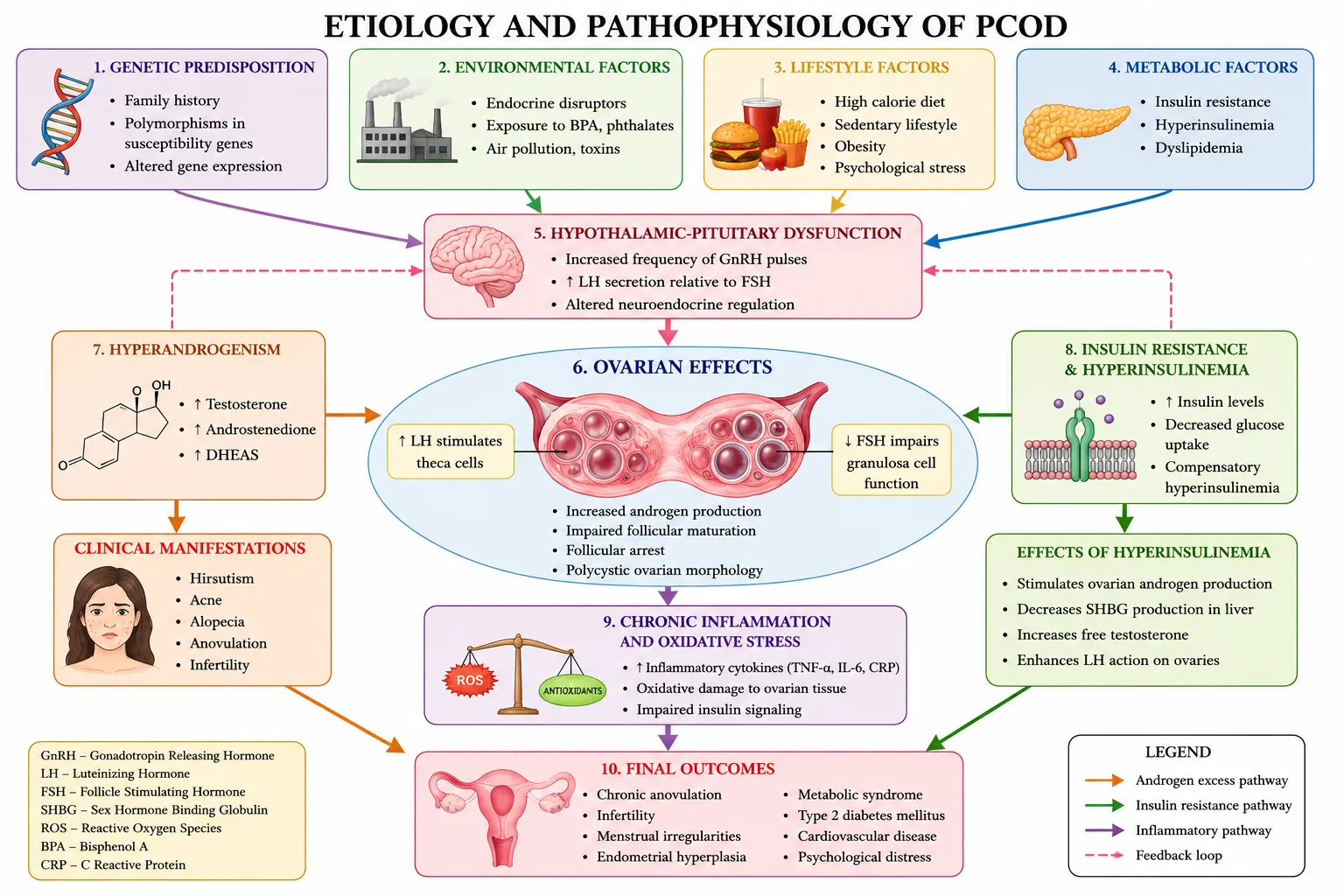
Figure 1. Etiology and Pathophysiological Mechanisms of Polycystic Ovarian Disease (PCOD): Integrated Overview of Genetic, Environmental, Metabolic, and Endocrine Factors
6. Clinical Manifestations and Symptoms of Polycystic Ovarian Disease (PCOD)
The clinical presentation of Polycystic Ovarian Disease (PCOD) varies considerably among affected women due to differences in hormonal imbalance, insulin resistance, genetic predisposition, and lifestyle factors. Some women present with mild menstrual disturbances, while others experience severe reproductive, metabolic, dermatological, and psychological complications. Symptoms generally begin during adolescence but may become more pronounced during the reproductive years. The severity of symptoms depends on the degree of hyperandrogenism, obesity, insulin resistance, and ovarian dysfunction. Since PCOD is a multisystem disorder, its manifestations extend beyond the reproductive system and significantly affect the patient's physical, emotional, and social well-being.
6.1 Reproductive Manifestations
Reproductive abnormalities are the most common clinical features of PCOD. Hormonal imbalance interferes with normal follicular development, leading to irregular or absent ovulation.
Common reproductive manifestations include:
Menstrual irregularities are often the earliest sign of PCOD and usually appear within a few years after menarche.
6.2 Hyperandrogenic Manifestations
Hyperandrogenism results from increased production of ovarian androgens and reduced levels of sex hormone-binding globulin (SHBG). Elevated free androgen levels produce several characteristic physical changes.
Common manifestations include:
These symptoms often affect self-esteem and body image.
Table 6.1: Hyperandrogenic Manifestations in PCOD
|
Manifestation |
Underlying Cause |
Clinical Significance |
|
Hirsutism |
Elevated testosterone |
Most common androgenic symptom |
|
Acne |
Increased sebaceous gland activity |
Common during adolescence |
|
Oily skin |
Excess androgen stimulation |
Persistent skin problems |
|
Alopecia |
Hair follicle miniaturization |
Cosmetic concern |
|
Acanthosis nigricans |
Hyperinsulinemia |
Marker of insulin resistance |
6.3 Metabolic Manifestations
Metabolic abnormalities are increasingly recognized as an important component of PCOD. Insulin resistance plays a central role in the development of obesity, dyslipidemia, impaired glucose tolerance, and metabolic syndrome.
Common metabolic manifestations include:
These complications increase the long-term risk of cardiovascular disease.
Table 6.2: Metabolic Manifestations
|
Manifestation |
Clinical Features |
|
Obesity |
Increased body mass index and abdominal fat |
|
Insulin resistance |
Reduced insulin sensitivity |
|
Prediabetes |
Elevated fasting blood glucose |
|
Type 2 diabetes mellitus |
Chronic hyperglycemia |
|
Dyslipidemia |
Increased triglycerides and LDL cholesterol |
|
Hypertension |
Elevated blood pressure |
|
Metabolic syndrome |
Combination of obesity, hypertension, dyslipidemia, and hyperglycemia |
6.4 Psychological Manifestations
Women with PCOD frequently experience psychological disturbances resulting from chronic illness, infertility, obesity, acne, and excessive hair growth.
Common psychological manifestations include:
Psychological symptoms may negatively influence treatment adherence and overall health outcomes.
6.5 Dermatological Manifestations
Skin changes occur mainly because of hyperandrogenism and insulin resistance.
Common dermatological features include:
6.6 Gynecological Manifestations
Long-standing anovulation affects reproductive health and increases the risk of gynecological complications.
Important manifestations include:
Table 6.3: Reproductive and Gynecological Manifestations
|
Clinical Feature |
Cause |
Possible Outcome |
|
Irregular menstruation |
Chronic anovulation |
Infertility |
|
Amenorrhea |
Hormonal imbalance |
Endometrial changes |
|
Heavy menstrual bleeding |
Endometrial hyperplasia |
Anemia |
|
Enlarged ovaries |
Multiple immature follicles |
Pelvic discomfort |
|
Infertility |
Failure of ovulation |
Need for fertility treatment |
6.7 Long-Term Clinical Consequences
If left untreated, PCOD may lead to several chronic complications.
These include:
Regular monitoring and early intervention are essential to reduce these risks.
6.8 Clinical Classification of PCOD
The severity and presentation of PCOD differ among individuals. Clinically, patients may be grouped according to their predominant manifestations.
Table 6.4: Clinical Classification of PCOD
|
Clinical Type |
Predominant Features |
|
Reproductive type |
Menstrual irregularities and infertility |
|
Hyperandrogenic type |
Hirsutism, acne, alopecia |
|
Metabolic type |
Obesity, insulin resistance, diabetes |
|
Mixed type |
Combination of reproductive, metabolic, and androgenic manifestations |
6.9 Impact on Quality of Life
PCOD affects multiple aspects of daily life. Persistent symptoms can interfere with education, employment, relationships, and emotional well-being.
Areas commonly affected include:
Patient counseling, lifestyle modification, and multidisciplinary management play an important role in improving overall quality of life.
7. Diagnosis and Diagnostic Criteria of Polycystic Ovarian Disease (PCOD)
Accurate diagnosis of Polycystic Ovarian Disease (PCOD) is essential for initiating appropriate treatment, preventing long-term complications, and improving reproductive and metabolic outcomes. Since no single laboratory test can definitively diagnose PCOD, the diagnosis is based on a combination of clinical features, medical history, physical examination, laboratory investigations, and imaging studies. The evaluation also aims to exclude other disorders that may present with similar clinical manifestations. Early diagnosis is particularly important in adolescents and young women because timely intervention through lifestyle modification and medical therapy can reduce disease progression and improve quality of life.
7.1 Clinical Evaluation
Clinical evaluation forms the first step in the diagnosis of PCOD. A detailed history helps identify menstrual abnormalities, reproductive problems, metabolic risk factors, and family history of endocrine disorders.
Important aspects of clinical evaluation include:
A comprehensive history assists in identifying the severity of the disease and planning further investigations.
7.2 Physical Examination
Physical examination provides valuable information regarding hormonal imbalance and metabolic abnormalities.
The examination includes:
Table 7.1: Physical Findings in PCOD
|
Clinical Finding |
Significance |
|
Increased BMI |
Indicates obesity |
|
Increased waist circumference |
Suggests central obesity |
|
Acne |
Hyperandrogenism |
|
Hirsutism |
Elevated androgen levels |
|
Alopecia |
Androgen excess |
|
Acanthosis nigricans |
Marker of insulin resistance |
|
Elevated blood pressure |
Cardiovascular risk |
7.3 Laboratory Investigations
Laboratory investigations are performed to assess hormonal imbalance, metabolic abnormalities, and to exclude other endocrine disorders.
Hormonal Investigations
Important hormonal tests include:
Elevated LH levels, increased androgen concentrations, and reduced SHBG are commonly observed in women with PCOD.
Metabolic Investigations
Because metabolic abnormalities are common in PCOD, the following tests are recommended:
These investigations help identify insulin resistance, diabetes, dyslipidemia, and associated metabolic disorders.
Table 7.2: Common Laboratory Investigations
|
Investigation |
Purpose |
|
LH |
Evaluate gonadotropin levels |
|
FSH |
Assess follicular function |
|
Testosterone |
Detect hyperandrogenism |
|
DHEAS |
Evaluate adrenal androgen production |
|
SHBG |
Estimate free androgen levels |
|
TSH |
Exclude thyroid disorders |
|
Prolactin |
Exclude hyperprolactinemia |
|
Fasting glucose |
Screen for diabetes |
|
HbA1c |
Assess long-term glucose control |
|
Lipid profile |
Evaluate cardiovascular risk |
7.4 Ultrasonographic Evaluation
Pelvic ultrasonography is an important imaging modality for diagnosing PCOD. It helps visualize ovarian morphology and assess follicular development.
Typical ultrasound findings include:
Transvaginal ultrasonography provides better resolution in sexually active women, whereas transabdominal ultrasonography is preferred in adolescents and unmarried women.
Table 7.3: Ultrasonographic Features of PCOD
|
Ultrasound Finding |
Clinical Importance |
|
Enlarged ovaries |
Characteristic feature |
|
Multiple immature follicles |
Indicates follicular arrest |
|
Peripheral arrangement of follicles |
Typical "string of pearls" appearance |
|
Increased stromal volume |
Associated with hyperandrogenism |
|
Increased ovarian volume |
Supports diagnosis |
7.5 Rotterdam Diagnostic Criteria
The Rotterdam criteria are the most widely accepted diagnostic criteria for PCOD/PCOS. According to these criteria, the diagnosis is established when any two of the following three features are present after excluding other disorders:
These criteria recognize the heterogeneity of the disorder and allow diagnosis even when all features are not present.
Table 7.4: Rotterdam Diagnostic Criteria
|
Criterion |
Description |
|
Oligo-ovulation or anovulation |
Irregular or absent ovulation |
|
Hyperandrogenism |
Clinical (hirsutism, acne) or biochemical evidence |
|
Polycystic ovaries |
Multiple follicles with increased ovarian volume on ultrasound |
Diagnosis: Presence of any two of the above three criteria after excluding other causes.
7.6 Differential Diagnosis
Several endocrine disorders may mimic the clinical features of PCOD. Therefore, careful evaluation is necessary to exclude these conditions.
Common differential diagnoses include:
Excluding these disorders ensures accurate diagnosis and appropriate treatment.
8. Management and Treatment of Polycystic Ovarian Disease (PCOD)
Management of Polycystic Ovarian Disease (PCOD) aims to relieve symptoms, restore regular ovulation, improve fertility, correct hormonal imbalance, prevent metabolic complications, and enhance the patient's quality of life. Since PCOD presents differently among individuals, treatment should be individualized based on age, symptoms, body weight, metabolic status, and reproductive goals. A multidisciplinary approach involving gynecologists, endocrinologists, dietitians, and mental health professionals is often required.
8.1 Lifestyle Modification
Lifestyle modification is the first-line treatment for all women with PCOD, particularly those who are overweight or obese. Even modest weight loss can improve insulin sensitivity, regulate menstrual cycles, reduce androgen levels, and increase the chances of spontaneous ovulation.
Recommended lifestyle measures include:
8.2 Dietary Management
A healthy diet plays an important role in managing PCOD by improving insulin sensitivity and supporting weight control.
General dietary recommendations include:
8.3 Pharmacological Management
Drug therapy is selected according to the patient's symptoms and reproductive plans.
a) Combined Oral Contraceptive Pills (COCs)
COCs are commonly prescribed for women who do not wish to conceive. They help:
b) Insulin Sensitizers
Metformin is widely used to improve insulin sensitivity. It helps:
c) Ovulation Induction Agents
For women with infertility, ovulation may be induced using:
d) Anti-androgen Therapy
Anti-androgen drugs may be used to reduce symptoms of hyperandrogenism, such as:
Table 8.1: Pharmacological Treatment of PCOD
|
Drug/Class |
Main Purpose |
|
Combined oral contraceptives |
Regulate menstruation and reduce androgen levels |
|
Metformin |
Improve insulin sensitivity |
|
Letrozole |
Induce ovulation |
|
Clomiphene citrate |
Stimulate ovulation |
|
Anti-androgens |
Treat hirsutism and acne |
8.4 Surgical Management
Surgical treatment is considered only when medical therapy is unsuccessful. The most commonly performed procedure is laparoscopic ovarian drilling (LOD), which reduces androgen production and may restore ovulation in selected women with infertility.
8.5 Fertility Management
Women wishing to conceive may require fertility treatment if lifestyle modification and medications are ineffective.
Available options include:
8.6 Psychological Support
Psychological counseling is an important component of PCOD management. Counseling can help patients cope with:
Support groups and patient education programs also improve treatment adherence and overall well-being.
9. Complications and Prognosis of Polycystic Ovarian Disease (PCOD)
Polycystic Ovarian Disease (PCOD) is a chronic endocrine disorder that can lead to several short-term and long-term complications if left untreated. Persistent hormonal imbalance, insulin resistance, and chronic anovulation increase the risk of reproductive, metabolic, cardiovascular, and psychological disorders. Early diagnosis, appropriate treatment, and regular follow-up are essential to minimize these complications and improve long-term health outcomes.
9.1 Reproductive Complications
Chronic anovulation is one of the major consequences of PCOD and is responsible for several reproductive problems.
Common reproductive complications include:
9.2 Metabolic Complications
Insulin resistance and obesity significantly increase the likelihood of metabolic disorders in women with PCOD.
Major metabolic complications include:
These conditions increase long-term morbidity and require regular monitoring.
9.3 Cardiovascular Complications
Women with PCOD have a higher risk of developing cardiovascular diseases due to associated metabolic abnormalities.
Potential cardiovascular complications include:
Adopting a healthy lifestyle and controlling metabolic risk factors can significantly reduce cardiovascular risk.
9.4 Psychological Complications
The chronic nature of PCOD and its visible symptoms can have a significant impact on mental health.
Common psychological complications include:
Early psychological assessment and counseling are beneficial for improving emotional well-being.
Table 9.1: Major Complications of PCOD
|
Category |
Complications |
|
Reproductive |
Infertility, recurrent miscarriage, endometrial hyperplasia |
|
Metabolic |
Insulin resistance, type 2 diabetes, dyslipidemia, obesity |
|
Cardiovascular |
Hypertension, atherosclerosis, coronary artery disease |
|
Psychological |
Anxiety, depression, poor self-esteem |
|
Pregnancy-related |
Gestational diabetes, preeclampsia, preterm delivery |
9.5 Prognosis
The prognosis of PCOD depends on the severity of symptoms, early diagnosis, adherence to treatment, and lifestyle modifications. Although PCOD cannot be completely cured, its symptoms and complications can be effectively controlled through appropriate management. Women who maintain a healthy body weight, engage in regular physical activity, follow a balanced diet, and receive timely medical treatment generally have better reproductive and metabolic outcomes. Advances in pharmacological therapy and assisted reproductive techniques have also improved fertility rates in women with PCOD. Regular follow-up is important to monitor menstrual function, metabolic health, cardiovascular risk factors, and psychological well-being. Long-term management helps reduce complications and improves overall quality of life.
10. Recent Advances and Future Perspectives in PCOD Management
Advances in research have significantly improved the understanding of the pathogenesis and management of Polycystic Ovarian Disease (PCOD). Recent studies emphasize personalized treatment approaches that consider individual hormonal profiles, metabolic status, reproductive goals, and lifestyle factors. Modern diagnostic techniques, novel pharmacological agents, and digital healthcare technologies are expected to improve disease management and patient outcomes.
10.1 Personalized Medicine
Personalized medicine is an emerging approach in PCOD management, where treatment is tailored according to the patient's clinical presentation, metabolic profile, and fertility requirements. Individualized therapy helps improve treatment effectiveness while minimizing adverse effects.
10.2 Advances in Pharmacological Therapy
Several newer therapeutic options are being explored to improve insulin sensitivity, reduce androgen levels, and promote ovulation.
Recent therapeutic approaches include:
These therapies show promising results, particularly in women with obesity and metabolic syndrome.
10.3 Role of Nutritional Supplements
Various nutritional supplements are being investigated as supportive therapies in PCOD.
Common supplements include:
These supplements may help improve insulin sensitivity, ovarian function, and metabolic health when used alongside lifestyle modification.
10.4 Digital Health and Telemedicine
Digital healthcare technologies have improved long-term disease management by enabling remote consultation, symptom tracking, medication reminders, and lifestyle monitoring.
Mobile health applications and wearable devices can assist patients in monitoring:
These technologies promote better treatment adherence and patient engagement.
10.5 Gut Microbiome Research
Recent evidence suggests that alterations in the gut microbiota may contribute to insulin resistance, chronic inflammation, and hormonal imbalance in PCOD. Modulation of the gut microbiome through diet, probiotics, and prebiotics is being explored as a potential therapeutic strategy, although further clinical studies are needed.
FUTURE PERSPECTIVES
Future research is focused on identifying reliable biomarkers for early diagnosis, understanding the genetic and molecular mechanisms of PCOD, and developing targeted therapies with improved efficacy and safety. Greater emphasis is also being placed on preventive strategies, early screening in high-risk individuals, and multidisciplinary care to improve long-term health outcomes.
CONCLUSION
Polycystic Ovarian Disease (PCOD) is a complex endocrine and metabolic disorder that affects multiple aspects of a woman's reproductive, metabolic, and psychological health. The disease is characterized by hormonal imbalance, insulin resistance, chronic anovulation, and hyperandrogenism, leading to menstrual irregularities, infertility, obesity, and various metabolic complications. Its multifactorial nature requires a comprehensive approach to diagnosis and management. Early identification of symptoms, appropriate diagnostic evaluation, and individualized treatment are essential for preventing long-term complications. Lifestyle modification remains the cornerstone of management, while pharmacological therapy, fertility treatment, and psychological support play important roles depending on the patient's clinical presentation and reproductive goals. Recent advances in personalized medicine, novel therapeutic agents, nutritional interventions, digital health technologies, and molecular research have expanded the possibilities for more effective and targeted management of PCOD. Continued research and increased awareness are expected to improve early diagnosis, optimize treatment strategies, and enhance the overall quality of life of affected women. A multidisciplinary approach involving healthcare professionals and active patient participation remains essential for achieving successful long-term outcomes.
REFERENCES





Rushikesh Gadekar*, Ganesh Chavan, Komal Jadhav, Vitthal Gawade, Vijay Pawar, Polycystic Ovarian Disease (PCOD): A Comprehensive Review, Int. J. Med. Pharm. Sci., 2026, 2 (8), 1-21. https://doi.org/10.5281/zenodo.21733471
 10.5281/zenodo.21733471