

We use cookies to ensure our website works properly and to personalise your experience. Cookies policy
Sir Issac Newton College of Pharmacy, Nagapattinam, Tamilnadu – 611 102, India
Urinary tract infections (UTIs) and kidney disorders, including acute kidney injury, chronic kidney disease, diabetic nephropathy and nephrolithiasis, are major global health challenges associated with significant morbidity, mortality and healthcare costs. Although conventional treatments such as antibiotics, dialysis, surgical interventions and kidney transplantation have improved patient outcomes, their long-term use is often limited by adverse effects, antimicrobial resistance, high costs and limited accessibility. Consequently, herbal medicines have attracted considerable attention as complementary and alternative therapeutic options due to their diverse pharmacological activities and relatively favorable safety profiles. Medicinal plants contain a wide range of bioactive phytochemicals, including flavonoids, phenolic compounds, alkaloids, terpenoids, saponins and tannins, which exhibit antimicrobial, antioxidant, anti-inflammatory, nephroprotective, diuretic and anti-urolithiatic properties. Several medicinal plants, such as Boerhavia diffusa, Phyllanthus niruri, Orthosiphon aristatus, Tribulus terrestris, Vaccinium macrocarpon and Curcuma longa, have demonstrated promising therapeutic potential in the prevention and management of UTIs and kidney disorders through multiple mechanisms, including inhibition of microbial growth, reduction of oxidative stress and inflammation, protection against renal injury and prevention of urinary stone formation. This review provides a comprehensive overview of the therapeutic potential, phytochemical constituents and mechanisms of action of herbal medicines in the management of UTIs and kidney disorders while highlighting current evidence, safety considerations, research gaps and future perspectives for their integration into evidence-based renal healthcare.
Urinary tract infections (UTIs) and kidney disorders represent major public health challenges worldwide, contributing substantially to morbidity, mortality and healthcare expenditure. These conditions affect individuals across all age groups and are increasingly prevalent due to the rising incidence of diabetes mellitus, hypertension, obesity, population aging, recurrent infections and unhealthy lifestyle practices. UTIs are among the most common bacterial infections encountered in clinical practice, accounting for a significant proportion of outpatient consultations, emergency department visits and hospital admissions [1]. According to the Global Burden of Disease (GBD) Study 2021, an estimated 449 million incident cases of UTIs occurred globally, representing a 66.5% increase compared with 1990 [2]. The age-standardized incidence rate was approximately 5,531.9 cases per 100,000 population, while UTIs were responsible for nearly 300,000 deaths and 6.85 million disability-adjusted life years (DALYs) worldwide [3]. Women are disproportionately affected because of anatomical and physiological factors, with approximately 50–60% of women experiencing at least one UTI during their lifetime, and nearly 20–30% developing recurrent infections [4]. Older adults, pregnant women, patients with diabetes, immunocompromised individuals and those with indwelling urinary catheters remain particularly vulnerable to recurrent and complicated infections. Kidney disorders impose an equally alarming global burden. Chronic kidney disease (CKD) has emerged as one of the fastest-growing non-communicable diseases worldwide [5]. Recent estimates from the GBD Study 2021 indicate that approximately 673.7 million people were living with CKD globally, with 19.9 million new cases, 1.53 million deaths and 44.45 million DALYs attributed to the disease in 2021 alone [6]. Overall, kidney diseases are estimated to affect more than 850 million people worldwide when acute kidney injury (AKI), CKD, kidney failure and individuals receiving kidney replacement therapy are collectively considered [7]. Furthermore, AKI affects nearly 13 million people annually, causing approximately 1.7 million deaths, particularly in low- and middle-income countries where access to timely diagnosis and treatment remains limited [8]. Kidney diseases not only progress to end-stage renal disease (ESRD) requiring dialysis or transplantation but also significantly increase the risk of cardiovascular complications, hospitalization and premature mortality. Epidemiological projections further suggest that CKD may become one of the leading causes of death globally by 2050 if effective preventive and therapeutic interventions are not implemented [9]. The conventional management of UTIs and kidney disorders primarily relies on antibiotics, anti-inflammatory agents, diuretics, antihypertensive drugs, immunosuppressants, dialysis, minimally invasive procedures, surgical interventions and kidney transplantation. Although these therapeutic approaches have significantly improved patient survival and quality of life, several important limitations remain. The rapid emergence of multidrug-resistant (MDR) uropathogens, including extended-spectrum β-lactamase (ESBL)-producing Escherichia coli and Klebsiella pneumoniae, has substantially reduced the effectiveness of many first-line antibiotics, resulting in recurrent infections, prolonged hospitalization and increased healthcare costs [10]. Long-term administration of antibiotics may also disrupt the normal urinary and intestinal microbiota, increasing the risk of recurrent infections and opportunistic pathogens. Similarly, prolonged use of nonsteroidal anti-inflammatory drugs (NSAIDs), certain antibiotics and immunosuppressive agents may contribute to nephrotoxicity and further deterioration of renal function [11]. For patients with advanced kidney disease, dialysis and kidney transplantation remain life-saving interventions; however, these therapies are associated with high financial costs, limited donor availability, lifelong immunosuppressive therapy, treatment-related complications and restricted accessibility, particularly in resource-limited settings. Consequently, there is an increasing need for safer, affordable and more effective therapeutic strategies capable of preventing disease progression while minimizing adverse effects. In recent decades, herbal medicines have attracted considerable scientific and clinical interest as complementary and alternative therapeutic options for the prevention and management of UTIs and kidney disorders. Medicinal plants have been utilized for centuries in traditional systems of medicine, including Ayurveda, Siddha, Traditional Chinese Medicine and Unani, owing to their broad spectrum of biological activities and favourable safety profiles. These plants contain diverse bioactive phytochemicals such as flavonoids, alkaloids, phenolic compounds, terpenoids, saponins, glycosides and tannins that exhibit antimicrobial, antioxidant, anti-inflammatory, nephroprotective, immunomodulatory, diuretic and anti-urolithiatic properties [12]. Numerous experimental and clinical studies have demonstrated the therapeutic potential of medicinal plants including Boerhavia diffusa, Phyllanthus niruri, Orthosiphon aristatus, Tribulus terrestris, Vaccinium macrocarpon, Curcuma longa, Terminalia chebula and Azadirachta indica in reducing microbial colonization, attenuating oxidative stress, suppressing inflammatory responses, protecting renal tissues and preventing urinary stone formation [13,14]. Their multitarget mechanisms of action, lower incidence of adverse effects and widespread availability have positioned herbal medicines as promising candidates for integrative renal healthcare. This review comprehensively examines the therapeutic potential of herbal medicines in the management of urinary tract infections and kidney disorders by discussing their phytochemical constituents, pharmacological mechanisms of action, experimental and clinical evidence, safety considerations, current challenges and future perspectives. The review aims to provide an evidence-based overview that may facilitate the development of effective herbal interventions and support their rational integration into modern renal healthcare.
Anatomy and Physiology of The Urinary System:
The urinary system comprises two kidneys, two ureters, the urinary bladder and the urethra, which collectively maintain fluid and electrolyte balance, eliminate metabolic waste products and regulate blood pressure and acid–base homeostasis. The kidneys are the primary functional organs of the urinary system and contain approximately one million nephrons each. Every nephron consists of a glomerulus and a tubular system responsible for filtration, reabsorption and secretion, producing approximately 1–2 L of urine daily from nearly 180 L of glomerular filtrate [15]. Besides urine formation, the kidneys regulate electrolyte balance, secrete renin for blood pressure control, produce erythropoietin for red blood cell synthesis and activate vitamin D for calcium homeostasis [16]. The urinary tract possesses several innate defense mechanisms that normally prevent microbial colonization. Continuous urine flow mechanically flushes microorganisms from the urinary tract, while regular bladder emptying reduces bacterial adherence. The urothelial lining acts as a physical barrier, and urinary constituents such as urea, organic acids and antimicrobial peptides inhibit bacterial growth. In addition, local immune responses involving neutrophils, macrophages and secretory immunoglobulin A (IgA) contribute to host defense against invading pathogens [17]. Despite these protective mechanisms, certain anatomical and physiological characteristics increase susceptibility to UTIs. The female urethra is considerably shorter (approximately 4 cm) than the male urethra (approximately 20 cm), facilitating the ascent of uropathogenic bacteria such as Escherichia coli from the periurethral region into the bladder. Urinary stasis resulting from benign prostatic hyperplasia, urinary tract obstruction, nephrolithiasis, neurogenic bladder or indwelling urinary catheters promotes bacterial multiplication and biofilm formation. Vesicoureteral reflux permits the retrograde movement of infected urine from the bladder to the kidneys, increasing the risk of pyelonephritis and recurrent renal infections [18]. The kidneys are particularly vulnerable to injury because of their high blood flow and continuous exposure to endogenous toxins, microbial products and xenobiotics. Persistent inflammation, oxidative stress, hyperglycemia, hypertension and recurrent urinary infections can damage glomerular and tubular structures, ultimately leading to chronic kidney disease [19]. Therefore, maintaining the structural and functional integrity of the urinary system is essential for preventing UTIs and preserving renal function. Understanding these anatomical and physiological factors provides the basis for exploring herbal medicines that can prevent microbial colonization, reduce inflammation and oxidative stress and protect renal tissues from progressive injury.
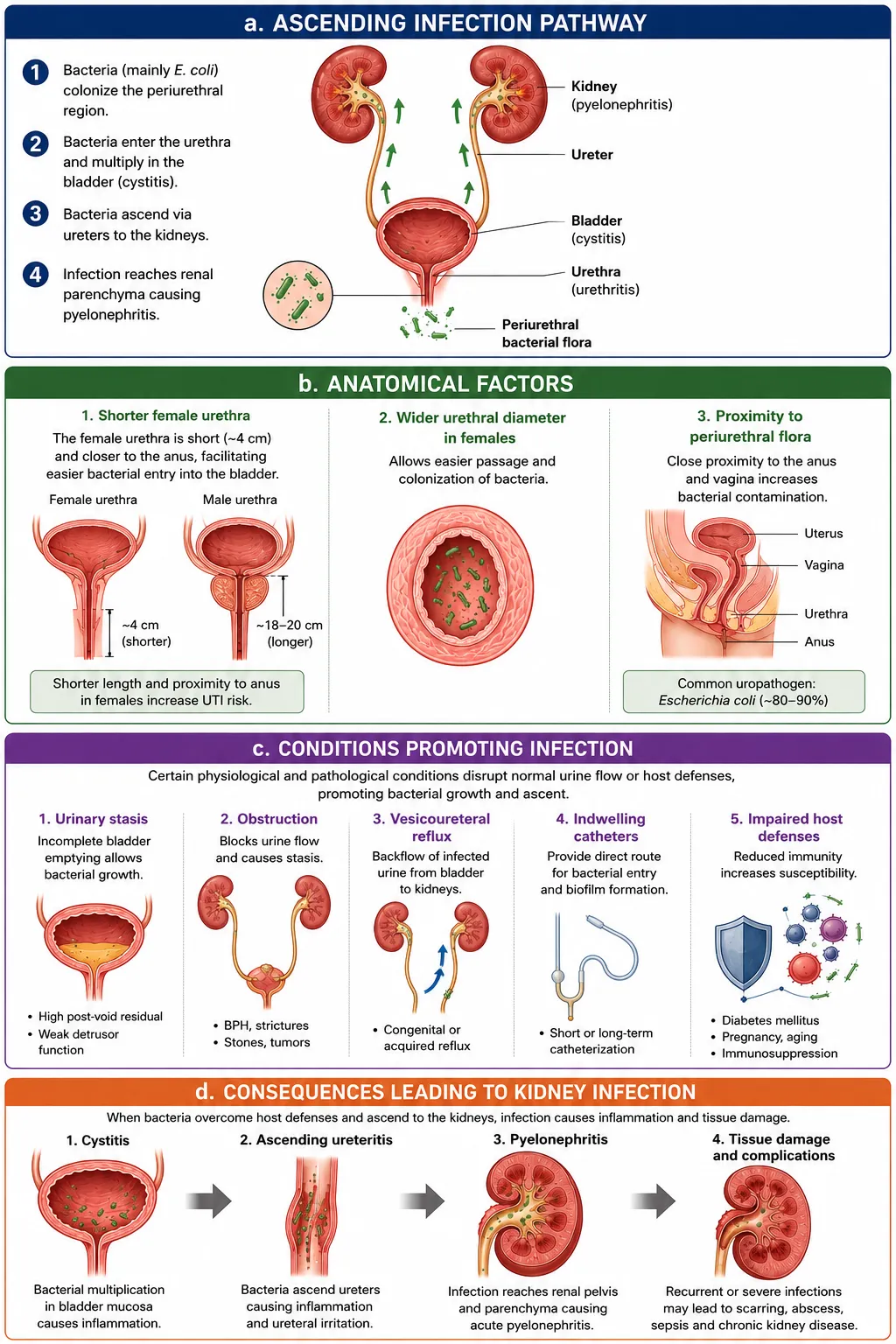
Fig. 1. Predisposition of Anatomy and Physiology to UTIs & Kidney Infections
Urinary Tract Infections:
Urinary tract infections (UTIs) are among the most common bacterial infections worldwide, affecting millions of people annually and contributing significantly to healthcare costs and patient morbidity. A UTI occurs when pathogenic microorganisms invade any part of the urinary tract, including the urethra, bladder, ureters or kidneys. Bacteria account for the majority of infections, with Escherichia coli responsible for approximately 80–90% of uncomplicated cases, followed by Klebsiella pneumoniae, Proteus mirabilis, Enterococcus faecalis and Pseudomonas aeruginosa [20]. Clinically, UTIs are classified as lower UTIs, involving the urethra and bladder, or upper UTIs, involving the kidneys. They may also be categorized as uncomplicated or complicated depending on the presence of structural or functional abnormalities of the urinary tract. The development of UTIs is influenced by both microbial virulence and host-related factors. Most infections occur through an ascending route in which bacteria originating from the periurethral region enter the urethra, colonize the bladder and, if left untreated, ascend through the ureters to the kidneys, resulting in pyelonephritis. Uropathogenic bacteria possess adhesins, fimbriae and biofilm-forming capabilities that facilitate attachment to the urothelial surface, evade host immune responses and promote persistent infection [21]. Several predisposing factors increase the risk of UTIs, including female anatomy, pregnancy, menopause, diabetes mellitus, urinary catheterization, urinary tract obstruction, nephrolithiasis, benign prostatic hyperplasia, vesicoureteral reflux, immunosuppression, poor personal hygiene and inadequate fluid intake [22]. These factors contribute to urinary stasis, impaired host defenses or increased bacterial colonization, thereby facilitating infection. Patients with lower UTIs commonly present with dysuria, urinary frequency, urgency, suprapubic discomfort and cloudy or foul-smelling urine, whereas upper UTIs are characterized by fever, chills, flank pain, nausea, vomiting and costovertebral angle tenderness, indicating renal involvement [23]. Diagnosis is primarily based on clinical manifestations, supported by urinalysis and urine culture, which remains the gold standard for identifying the causative pathogen and determining antimicrobial susceptibility. Imaging techniques such as ultrasonography or computed tomography may be employed in recurrent or complicated cases to detect structural abnormalities or urinary obstruction [24]. Conventional treatment of UTIs primarily relies on antimicrobial therapy, adequate hydration and correction of underlying predisposing factors. Although antibiotics have substantially reduced the morbidity associated with UTIs, their widespread and often inappropriate use has contributed to the emergence of multidrug-resistant uropathogens, recurrent infections and biofilm-associated treatment failure [25]. In addition, prolonged antibiotic therapy may disrupt the normal urinary microbiota and produce adverse drug reactions, limiting long-term therapeutic success. These challenges have encouraged the exploration of herbal medicines as complementary or alternative therapeutic options. Many medicinal plants possess antimicrobial, anti-inflammatory, antioxidant and immunomodulatory activities that may inhibit bacterial growth, reduce inflammation, protect urinary tract tissues and lower the risk of recurrent infections, making them promising candidates for the management of UTIs.
Kidney Disorders:
Kidney disorders comprise a diverse group of acute and chronic conditions that impair the structural and functional integrity of the kidneys, leading to disturbances in fluid and electrolyte balance, waste excretion and endocrine functions. They represent a major global health burden, affecting more than 850 million people worldwide and contributing substantially to morbidity, mortality and healthcare expenditure. The increasing prevalence of diabetes mellitus, hypertension, obesity, aging and recurrent urinary tract infections has led to a marked rise in renal diseases, many of which progress silently until significant kidney damage has occurred [26]. Early diagnosis and timely intervention are therefore essential to preserve renal function and prevent irreversible complications. Acute kidney injury (AKI) is characterized by a sudden decline in renal function over hours to days, resulting in the accumulation of metabolic waste products, electrolyte imbalance and reduced urine output. AKI commonly develops following sepsis, dehydration, nephrotoxic drug exposure, urinary obstruction or major surgery and is associated with increased hospitalization and mortality. In contrast, chronic kidney disease (CKD) is a progressive and irreversible deterioration of kidney function that persists for more than three months. CKD is most frequently caused by diabetes mellitus and hypertension and may eventually progress to end-stage renal disease (ESRD), requiring dialysis or kidney transplantation. Patients with CKD also have a markedly increased risk of cardiovascular disease, anemia and mineral bone disorders [27]. Diabetic nephropathy is one of the most common microvascular complications of diabetes mellitus and remains the leading cause of CKD and ESRD worldwide. Persistent hyperglycemia induces oxidative stress, chronic inflammation and glomerular fibrosis, leading to progressive albuminuria and declining renal function [28]. Nephrolithiasis, commonly known as kidney stone disease, results from the crystallization and aggregation of urinary minerals such as calcium oxalate, calcium phosphate and uric acid. It is associated with severe flank pain, hematuria, recurrent urinary tract infections and urinary obstruction. Lifestyle factors, inadequate fluid intake, dietary habits and metabolic abnormalities are major contributors to stone formation [29]. Glomerulonephritis comprises a group of immune-mediated disorders characterized by inflammation of the glomeruli, resulting in impaired filtration, proteinuria, hematuria and progressive renal dysfunction. Depending on the underlying cause, the disease may develop rapidly or progress gradually to chronic kidney failure [30]. Pyelonephritis is a bacterial infection of the renal pelvis and renal parenchyma that usually arises from the ascending spread of pathogens from the lower urinary tract. If inadequately treated, recurrent or severe pyelonephritis may cause renal scarring, abscess formation, sepsis and permanent loss of kidney function. Although advances in pharmacotherapy, dialysis and kidney transplantation have improved the management of renal diseases, these approaches are frequently associated with adverse effects, high treatment costs, limited accessibility and the inability to completely halt disease progression. Consequently, considerable attention has been directed toward herbal medicines owing to their antioxidant, anti-inflammatory, antimicrobial, nephroprotective and anti-urolithiatic properties. Numerous medicinal plants have demonstrated the ability to protect renal tissues, attenuate oxidative stress, suppress inflammation and improve renal function in experimental and clinical studies, highlighting their potential as complementary therapeutic strategies for the prevention and management of kidney disorders.
Rationale for Herbal Medicines in Renal Healthcare:
The increasing global prevalence of urinary tract infections (UTIs) and kidney disorders, coupled with the limitations of conventional therapies, has intensified the search for safer and more effective therapeutic alternatives. Although antibiotics, anti-inflammatory agents, diuretics, immunosuppressants and renal replacement therapies remain the cornerstone of treatment, their long-term use is frequently associated with adverse drug reactions, nephrotoxicity, antimicrobial resistance, high treatment costs and limited accessibility, particularly in developing countries. Furthermore, many conventional therapies primarily control disease progression rather than restore renal function or prevent recurrent infections. Herbal medicines have been used for centuries in traditional systems of medicine, including Ayurveda, Siddha, Traditional Chinese Medicine and Unani, for the management of urinary and renal disorders. In recent decades, increasing scientific evidence has supported the therapeutic potential of medicinal plants in protecting renal tissues and improving urinary tract health. Unlike many synthetic drugs that act on a single molecular target, herbal medicines contain a complex mixture of bioactive phytochemicals that exert multiple pharmacological effects simultaneously. These include antimicrobial, antioxidant, anti-inflammatory, nephroprotective, diuretic, anti-urolithiatic, antifibrotic and immunomodulatory activities, which collectively contribute to the prevention and management of renal diseases. Oxidative stress and chronic inflammation play central roles in the pathogenesis of most kidney disorders, including acute kidney injury, chronic kidney disease, diabetic nephropathy and glomerulonephritis [31]. Many medicinal plants are rich in flavonoids, phenolic compounds, alkaloids, terpenoids, saponins and tannins, which effectively scavenge reactive oxygen species, suppress inflammatory mediators and protect renal cells from oxidative damage. Several herbs have also demonstrated antimicrobial activity against common uropathogens such as Escherichia coli, Klebsiella pneumoniae and Proteus mirabilis, thereby reducing bacterial colonization and recurrent urinary tract infections. In addition, certain medicinal plants exhibit diuretic and anti-urolithiatic properties that enhance urine flow, inhibit crystal aggregation and facilitate the elimination of urinary calculi. Experimental and clinical studies have reported promising nephroprotective effects of several medicinal plants, including Boerhavia diffusa, Phyllanthus niruri, Orthosiphon aristatus, Tribulus terrestris, Curcuma longa, Vaccinium macrocarpon, Terminalia chebula and Azadirachta indica. These plants have been shown to improve renal biomarkers, reduce oxidative stress and inflammation, inhibit fibrosis, preserve nephron integrity and enhance renal function in various disease models. Their multitarget mechanisms of action, relatively favorable safety profiles and widespread availability make herbal medicines attractive candidates for complementary renal therapy [32]. Despite these promising findings, several challenges remain, including variability in phytochemical composition, lack of standardized formulations, inconsistent dosages and limited high-quality clinical evidence. Therefore, rigorous pharmacological investigations, well-designed randomized clinical trials and standardized quality-control measures are essential to establish the efficacy, safety and clinical applicability of herbal medicines. Integrating evidence-based herbal therapies with conventional medical approaches may provide a holistic strategy for improving renal health, preventing disease progression and enhancing the quality of life of patients with UTIs and kidney disorders.
Major Medicinal Plants with Therapeutic Potential:
1. Boerhavia diffusa (Punarnava)
Boerhavia diffusa L. (Family: Nyctaginaceae), commonly known as Punarnava, is one of the most extensively studied medicinal plants for renal disorders in traditional Ayurvedic medicine. The plant contains numerous bioactive phytochemicals, including boeravinones, punarnavine, rotenoids, flavonoids, alkaloids, lignans and phenolic compounds, which contribute to its diverse pharmacological activities. Experimental studies have demonstrated that B. diffusa possesses significant nephroprotective, diuretic, antioxidant, anti-inflammatory, antimicrobial and anti-fibrotic properties [33]. Its nephroprotective effects are primarily attributed to its ability to reduce oxidative stress by scavenging reactive oxygen species, enhance endogenous antioxidant enzyme activity and suppress inflammatory mediators such as tumor necrosis factor-α (TNF-α), interleukin-6 (IL-6) and nuclear factor-kappa B (NF-κB). These actions help preserve glomerular and tubular integrity in various models of acute and chronic kidney injury. The diuretic activity of B. diffusa promotes urinary excretion, thereby facilitating the elimination of metabolic waste products and reducing urinary stasis, an important predisposing factor for urinary tract infections. In addition, antimicrobial studies have demonstrated inhibitory activity against several uropathogenic microorganisms, including Escherichia coli and Klebsiella pneumoniae. Animal studies have also shown that B. diffusa improves serum creatinine, blood urea nitrogen and urinary protein levels while attenuating renal fibrosis and histopathological alterations. Owing to its multitarget pharmacological actions and favorable safety profile, Boerhavia diffusa remains one of the most promising medicinal plants for the prevention and management of urinary tract infections and kidney disorders. Nevertheless, further well-designed clinical studies are required to establish standardized dosage regimens and confirm its long-term therapeutic efficacy.
2. Phyllanthus niruri (Stonebreaker)
Phyllanthus niruri L. (Family: Phyllanthaceae), commonly known as Stonebreaker or Chanca Piedra, is a well-recognized medicinal plant widely used in traditional medicine for the treatment of urinary tract disorders and kidney stones. The plant is rich in bioactive constituents such as lignans (phyllanthin and hypophyllanthin), flavonoids, ellagitannins, alkaloids, terpenoids and phenolic compounds, which contribute to its broad spectrum of pharmacological activities. Numerous experimental and clinical studies have demonstrated that P. niruri possesses nephroprotective, anti-urolithiatic, antioxidant, anti-inflammatory, antimicrobial and diuretic properties [34]. One of its most significant therapeutic applications is the prevention and management of nephrolithiasis. The plant inhibits the nucleation, growth and aggregation of calcium oxalate crystals, thereby reducing stone formation and facilitating the elimination of urinary calculi. Additionally, its diuretic activity enhances urine output, decreasing urinary supersaturation and minimizing crystal deposition within the urinary tract. The antioxidant and anti-inflammatory activities of P. niruri protect renal tissues by reducing oxidative stress, lipid peroxidation and inflammatory cytokine production, thereby preserving glomerular and tubular function. The plant has also demonstrated antimicrobial activity against several uropathogens, including Escherichia coli, Klebsiella pneumoniae and Proteus mirabilis, suggesting a potential role in preventing and managing urinary tract infections. Experimental studies further report improvements in serum creatinine, blood urea nitrogen and renal histopathological changes following treatment with P. niruri extracts in various models of renal injury. The diverse pharmacological properties of Phyllanthus niruri, particularly its well-established anti-urolithiatic and nephroprotective activities, make it one of the most extensively investigated medicinal plants for renal healthcare. Although the available evidence is encouraging, further large-scale randomized clinical trials are required to establish standardized formulations, optimal dosages and long-term safety for routine clinical use.
3. Orthosiphon aristatus (Java Tea/Cat's Whiskers)
Orthosiphon aristatus (Blume) Miq. (Family: Lamiaceae), commonly known as Java Tea or Cat's Whiskers, is a medicinal plant extensively used in Southeast Asian traditional medicine for the treatment of urinary tract infections, kidney disorders and urinary calculi. The leaves are rich in bioactive compounds, including rosmarinic acid, sinensetin, eupatorin, orthosiphols, diterpenes, flavonoids and essential oils, which contribute to its diverse therapeutic properties. Numerous pharmacological studies have demonstrated that O. aristatus possesses diuretic, nephroprotective, antioxidant, anti-inflammatory, antimicrobial and anti-urolithiatic activities. Its pronounced diuretic effect enhances urine production and promotes the elimination of metabolic waste products and pathogenic microorganisms from the urinary tract, thereby reducing urinary stasis and lowering the risk of recurrent urinary tract infections. In addition, the plant inhibits the formation and aggregation of calcium oxalate crystals, making it beneficial in the prevention and management of nephrolithiasis [35]. The nephroprotective effects of O. aristatus are primarily attributed to its antioxidant and anti-inflammatory activities. Its phytochemicals effectively scavenge reactive oxygen species, enhance endogenous antioxidant defenses and suppress inflammatory mediators, thereby protecting renal tubular cells from oxidative injury and fibrosis. Several studies have also reported antimicrobial activity against common uropathogens, including Escherichia coli, Klebsiella pneumoniae and Staphylococcus aureus, supporting its traditional use in urinary tract infections. Experimental animal studies have shown improvements in serum creatinine, blood urea nitrogen and renal histopathological changes following treatment with O. aristatus extracts. Owing to its multitarget pharmacological actions, particularly its diuretic, anti-urolithiatic and nephroprotective properties, Orthosiphon aristatus is considered one of the most promising medicinal plants for maintaining urinary tract health and preventing renal disorders. However, additional well-designed clinical studies are needed to standardize dosage regimens, evaluate long-term safety and confirm its therapeutic efficacy in diverse patient populations.
4. Tribulus terrestris (Puncture Vine)
Tribulus terrestris L. (Family: Zygophyllaceae), commonly known as Puncture Vine or Gokshura, is an important medicinal plant widely used in Ayurveda, Traditional Chinese Medicine and other traditional healthcare systems for the treatment of urinary tract disorders and kidney diseases. The plant contains a variety of bioactive constituents, including steroidal saponins (protodioscin), flavonoids, alkaloids, glycosides, tannins and phenolic compounds, which are responsible for its diverse pharmacological activities. Experimental studies have demonstrated that T. terrestris exhibits significant diuretic, nephroprotective, anti-urolithiatic, antioxidant, anti-inflammatory and antimicrobial properties. Its diuretic activity increases urine output, facilitating the elimination of pathogenic microorganisms and reducing urinary stasis, thereby lowering the risk of urinary tract infections. In addition, the plant has shown the ability to inhibit the nucleation, growth and aggregation of calcium oxalate crystals, promoting the dissolution and expulsion of kidney stones and reducing the recurrence of nephrolithiasis [36]. The nephroprotective effects of T. terrestris are largely attributed to its antioxidant phytochemicals, which reduce oxidative stress, lipid peroxidation and inflammatory responses in renal tissues. Experimental models have demonstrated improvements in renal function markers, including serum creatinine, blood urea nitrogen and urinary protein levels, along with reduced histopathological damage following administration of T. terrestris extracts. The plant has also exhibited antimicrobial activity against several urinary pathogens, including Escherichia coli, Proteus mirabilis and Klebsiella pneumoniae, supporting its traditional use in the management of UTIs. The combined diuretic, anti-urolithiatic and nephroprotective properties of Tribulus terrestris make it a valuable medicinal plant for maintaining urinary tract health and preventing renal complications. Although preclinical evidence is substantial, additional randomized controlled clinical trials are required to establish standardized formulations, optimal therapeutic doses and long-term safety for routine clinical application in renal healthcare.
5. Crataeva nurvala (Three-Leaved Caper)
Crataeva nurvala Buch.-Ham. (Family: Capparaceae), commonly known as Varuna or Three-Leaved Caper, is a well-established medicinal plant in Ayurveda traditionally used for the management of urinary tract disorders, nephrolithiasis and bladder dysfunction. The stem bark, leaves and roots are rich in bioactive constituents such as lupeol, saponins, flavonoids, triterpenoids, glucosinolates and phenolic compounds, which contribute to its therapeutic properties. Pharmacological studies have demonstrated that C. nurvala possesses anti-urolithiatic, nephroprotective, diuretic, antioxidant, anti-inflammatory and antimicrobial activities. Its anti-urolithiatic effect is one of its most extensively investigated properties, with studies showing that the plant inhibits calcium oxalate crystal nucleation, aggregation and retention within the urinary tract. Increased urine output induced by the plant facilitates the flushing of crystals and reduces urinary supersaturation, thereby lowering the risk of stone formation and recurrence. These actions make C. nurvala particularly valuable in the prevention and management of nephrolithiasis [37]. The nephroprotective activity of C. nurvala is primarily attributed to its antioxidant and anti-inflammatory effects. Bioactive phytochemicals reduce oxidative stress, suppress inflammatory cytokines and protect renal tubular epithelial cells from injury. Experimental studies have demonstrated improvements in serum creatinine, blood urea nitrogen and renal histopathological changes in animal models of kidney damage. In addition, the plant exhibits moderate antimicrobial activity against common urinary pathogens, including Escherichia coli and Proteus mirabilis, supporting its traditional use in urinary tract infections and inflammatory urinary conditions. The broad spectrum of pharmacological activities exhibited by Crataeva nurvala, particularly its anti-urolithiatic and nephroprotective effects, highlights its potential as a complementary therapeutic agent in renal healthcare. Nevertheless, further multicenter clinical studies and standardized herbal formulations are required to validate its efficacy, optimize dosage regimens and establish long-term safety for widespread clinical use.
6. Vaccinium macrocarpon (Cranberry)
Vaccinium macrocarpon Aiton (Family: Ericaceae), commonly known as Cranberry, is one of the most extensively studied medicinal plants for the prevention and management of urinary tract infections. The fruits are rich in bioactive phytochemicals, including A-type proanthocyanidins (PACs), anthocyanins, flavonoids, phenolic acids, organic acids and vitamin C, which contribute to their antimicrobial, antioxidant and anti-inflammatory properties. Unlike conventional antibiotics, cranberry primarily prevents bacterial adhesion rather than directly killing microorganisms. A-type proanthocyanidins inhibit the adhesion of uropathogenic Escherichia coli to the urothelial lining by interfering with bacterial P-fimbriae, thereby reducing bacterial colonization and preventing the establishment of infection. This anti-adhesion mechanism has made cranberry one of the most widely recommended natural interventions for the prevention of recurrent UTIs, particularly in women with frequent infections. In addition, cranberry exhibits antioxidant and anti-inflammatory activities that help protect urinary tract epithelial cells from oxidative stress and inflammation associated with bacterial infection [38]. Emerging evidence also suggests that cranberry may provide indirect nephroprotective benefits by reducing recurrent UTIs that could otherwise progress to pyelonephritis and renal damage. Several clinical trials and systematic reviews have reported that regular cranberry consumption decreases the incidence of recurrent UTIs in susceptible individuals, although the magnitude of benefit may vary depending on the formulation, dosage and patient population. Cranberry products are generally well tolerated, with a favorable safety profile when consumed in recommended amounts. Owing to its unique anti-adhesion mechanism, excellent safety profile and substantial clinical evidence, Vaccinium macrocarpon remains one of the most important herbal interventions for the prevention of recurrent urinary tract infections. Nevertheless, further studies are required to standardize cranberry preparations, optimize proanthocyanidin content and establish evidence-based dosage recommendations for routine clinical use.
7. Punica granatum (Pomegranate)
Punica granatum L. (Family: Lythraceae), commonly known as Pomegranate, is a medicinal plant widely recognized for its potent antioxidant, antimicrobial and anti-inflammatory properties. Various parts of the plant, particularly the peel, seeds and juice, are rich in bioactive phytochemicals such as punicalagins, ellagic acid, gallic acid, anthocyanins, flavonoids and tannins. These compounds contribute to its diverse pharmacological activities and therapeutic potential in urinary tract and renal disorders. Experimental studies have demonstrated that P. granatum exhibits significant nephroprotective effects by attenuating oxidative stress, reducing lipid peroxidation and suppressing inflammatory mediators involved in renal injury. The plant enhances the activity of endogenous antioxidant enzymes, including superoxide dismutase, catalase and glutathione peroxidase, thereby protecting glomerular and tubular cells from oxidative damage. In addition, pomegranate extracts have shown protective effects against drug-induced nephrotoxicity and diabetic nephropathy in various experimental models by improving renal function biomarkers and preserving normal kidney architecture [39]. The antimicrobial activity of P. granatum has also been reported against several pathogenic bacteria, including common uropathogens such as Escherichia coli, Klebsiella pneumoniae and Proteus mirabilis. These antimicrobial effects, together with its anti-inflammatory properties, may help reduce bacterial colonization and alleviate inflammation associated with urinary tract infections. Furthermore, the polyphenolic compounds present in pomegranate contribute to cardiovascular and metabolic health, indirectly supporting renal function in patients with chronic kidney disease and diabetes mellitus. The broad pharmacological profile of Punica granatum highlights its potential as a complementary therapeutic agent for urinary tract infections and kidney disorders. Although substantial experimental evidence supports its nephroprotective and antimicrobial activities, further well-designed clinical studies are required to establish standardized formulations, optimal therapeutic dosages and long-term clinical efficacy in renal healthcare.
8. Terminalia chebula (Chebulic Myrobalan)
Terminalia chebula Retz. (Family: Combretaceae), commonly known as Chebulic Myrobalan or Haritaki, is a highly valued medicinal plant in Ayurveda, Siddha and Traditional Tibetan Medicine. The dried fruits are rich in hydrolysable tannins, including chebulagic acid, chebulinic acid, gallic acid, ellagic acid, corilagin and flavonoids, which contribute to its potent antioxidant, antimicrobial and anti-inflammatory properties. Pharmacological investigations have demonstrated that T. chebula possesses nephroprotective, antimicrobial, antioxidant, anti-inflammatory and immunomodulatory activities. Its strong antioxidant capacity effectively scavenges reactive oxygen species and inhibits lipid peroxidation, thereby protecting renal tissues from oxidative stress-induced injury. Experimental studies have shown that T. chebula improves renal function by reducing serum creatinine, blood urea nitrogen and inflammatory biomarkers while preserving normal renal histology in models of nephrotoxicity and chronic kidney injury [40]. The antimicrobial activity of T. chebula has been demonstrated against a wide range of Gram-positive and Gram-negative bacteria, including common uropathogens such as Escherichia coli, Klebsiella pneumoniae, Proteus mirabilis and Pseudomonas aeruginosa. In addition, the plant exhibits anti-biofilm activity, reducing bacterial adherence and colonization within the urinary tract. These properties make it a promising natural agent for preventing recurrent urinary tract infections and minimizing bacterial persistence. The combined antioxidant, antimicrobial and nephroprotective effects of Terminalia chebula highlight its therapeutic potential in the prevention and management of urinary tract infections and kidney disorders. However, further randomized clinical trials and standardized herbal formulations are necessary to confirm its clinical efficacy, establish optimal dosage regimens and ensure long-term safety for routine therapeutic use.
9. Azadirachta indica (Neem)
Azadirachta indica A. Juss. (Family: Meliaceae), commonly known as Neem, is one of the most extensively used medicinal plants in Ayurveda, Siddha and Unani systems of medicine. Various parts of the plant, including the leaves, bark, seeds and flowers, are rich in bioactive compounds such as azadirachtin, nimbin, nimbidin, nimbolide, quercetin, flavonoids, limonoids and polyphenols, which contribute to its broad spectrum of pharmacological activities. Numerous experimental studies have demonstrated that A. indica possesses significant antimicrobial, nephroprotective, antioxidant, anti-inflammatory and immunomodulatory properties. Neem extracts have shown inhibitory activity against several pathogenic microorganisms, including common uropathogens such as Escherichia coli, Klebsiella pneumoniae, Proteus mirabilis, Staphylococcus aureus and Pseudomonas aeruginosa. The antimicrobial action is attributed to the disruption of bacterial cell membranes, inhibition of microbial growth and suppression of biofilm formation, thereby reducing bacterial colonization of the urinary tract [41]. The nephroprotective effects of A. indica are largely mediated through its antioxidant and anti-inflammatory mechanisms. Neem phytochemicals scavenge reactive oxygen species, reduce lipid peroxidation and enhance endogenous antioxidant enzymes, protecting renal tissues from oxidative damage induced by nephrotoxic drugs, diabetes and inflammatory conditions. Experimental studies have demonstrated improvements in serum creatinine, blood urea nitrogen, urinary protein excretion and renal histopathological changes following treatment with neem extracts. In addition, the immunomodulatory activity of neem may help regulate inflammatory responses associated with chronic kidney diseases and urinary tract infections. The diverse pharmacological activities of Azadirachta indica make it a promising medicinal plant for the complementary management of UTIs and kidney disorders. Nevertheless, further well-controlled clinical trials are required to establish standardized formulations, determine appropriate therapeutic dosages and confirm its long-term safety and efficacy in renal healthcare.
10. Curcuma longa (Turmeric)
Curcuma longa L. (Family: Zingiberaceae), commonly known as Turmeric, is a widely used medicinal and culinary plant renowned for its potent antioxidant, anti-inflammatory and nephroprotective properties. The rhizome contains several bioactive constituents, primarily curcuminoids such as curcumin, demethoxycurcumin and bisdemethoxycurcumin, along with volatile oils including turmerone, atlantone and zingiberene. Among these, curcumin is the principal compound responsible for most of the plant's pharmacological activities. Extensive experimental and clinical studies have demonstrated that C. longa exerts significant nephroprotective effects through multiple mechanisms. Curcumin effectively scavenges reactive oxygen species, enhances endogenous antioxidant enzyme activity and suppresses inflammatory signaling pathways, including nuclear factor-kappa B (NF-κB), cyclooxygenase-2 (COX-2) and pro-inflammatory cytokines such as tumor necrosis factor-α (TNF-α) and interleukin-6 (IL-6). These actions help attenuate renal inflammation, oxidative stress, fibrosis and apoptosis, thereby preserving glomerular and tubular function in acute kidney injury, chronic kidney disease and diabetic nephropathy [42]. In addition to its nephroprotective activity, turmeric exhibits antimicrobial effects against several bacterial pathogens, including uropathogenic Escherichia coli, Klebsiella pneumoniae and Proteus mirabilis. Curcumin has also been reported to inhibit bacterial biofilm formation and reduce inflammatory responses associated with urinary tract infections. Furthermore, studies suggest that turmeric may protect against drug-induced nephrotoxicity caused by agents such as cisplatin, gentamicin and nonsteroidal anti-inflammatory drugs by improving renal biomarkers and minimizing histopathological damage. The broad therapeutic profile of Curcuma longa, supported by substantial experimental evidence and an increasing number of clinical studies, makes it one of the most promising herbal medicines for renal protection. However, the clinical application of curcumin is limited by its poor aqueous solubility and low oral bioavailability. Advances in novel drug delivery systems, including nanoparticles, liposomes and phospholipid complexes, may improve its therapeutic efficacy and facilitate its integration into evidence-based renal healthcare.
11. Withania somnifera (Ashwagandha)
Withania somnifera (L.) Dunal (Family: Solanaceae), commonly known as Ashwagandha or Indian Ginseng, is an important medicinal plant extensively used in Ayurveda for promoting overall health and managing chronic diseases. The roots and leaves contain a variety of bioactive compounds, including withanolides, sitoindosides, alkaloids, flavonoids, steroidal lactones and phenolic compounds, which are responsible for its antioxidant, anti-inflammatory, immunomodulatory and adaptogenic properties. Experimental studies have demonstrated that W. somnifera possesses significant nephroprotective activity against various forms of renal injury. Its phytochemicals effectively reduce oxidative stress by scavenging reactive oxygen species, enhancing endogenous antioxidant enzyme activity and inhibiting lipid peroxidation. In addition, the plant suppresses inflammatory pathways by downregulating pro-inflammatory cytokines and reducing renal fibrosis, thereby protecting glomerular and tubular structures from progressive damage. Animal studies have reported improvements in serum creatinine, blood urea nitrogen, urinary protein excretion and renal histopathological changes in models of drug-induced nephrotoxicity, diabetic nephropathy and ischemia-reperfusion injury [43]. Although W. somnifera is not primarily recognized as an antimicrobial herb for urinary tract infections, its immunomodulatory and anti-inflammatory effects may enhance host defense mechanisms and reduce inflammatory damage associated with recurrent UTIs. Furthermore, its adaptogenic properties help mitigate physiological stress, which may indirectly support renal function and improve recovery from chronic diseases. Emerging evidence also suggests that Ashwagandha may protect against nephrotoxicity induced by heavy metals and chemotherapeutic agents through multiple cytoprotective mechanisms. The antioxidant, immunomodulatory and nephroprotective properties of Withania somnifera highlight its potential as an adjunctive herbal medicine for kidney disorders. However, additional clinical studies are required to confirm its efficacy in renal diseases, establish standardized therapeutic dosages and evaluate its long-term safety in patients with impaired kidney function.
12. Ocimum tenuiflorum (Holy Basil)
Ocimum tenuiflorum L. (syn. Ocimum sanctum L.) (Family: Lamiaceae), commonly known as Holy Basil or Tulsi, is a revered medicinal plant in Ayurveda and other traditional systems of medicine. The leaves contain a wide range of bioactive phytochemicals, including eugenol, ursolic acid, rosmarinic acid, apigenin, luteolin, orientin, vicenin and various essential oils, which contribute to its antioxidant, antimicrobial, anti-inflammatory and immunomodulatory activities. Numerous pharmacological studies have demonstrated that O. tenuiflorum possesses significant nephroprotective effects by reducing oxidative stress, suppressing inflammatory responses and protecting renal tissues against toxic insults. The plant enhances endogenous antioxidant enzymes, decreases lipid peroxidation and inhibits the production of inflammatory mediators such as tumor necrosis factor-α (TNF-α) and interleukins, thereby preserving normal renal structure and function. Experimental studies have shown that Tulsi extracts improve serum creatinine, blood urea nitrogen and renal histopathological alterations in models of drug-induced nephrotoxicity, diabetes and oxidative renal injury [13]. In addition to its nephroprotective properties, O. tenuiflorum exhibits broad-spectrum antimicrobial activity against several Gram-positive and Gram-negative bacteria, including common uropathogens such as Escherichia coli, Klebsiella pneumoniae, Proteus mirabilis and Pseudomonas aeruginosa. The plant also demonstrates anti-biofilm activity, which may help reduce bacterial colonization and recurrent urinary tract infections. Furthermore, its mild diuretic action promotes urinary flow, facilitating the elimination of pathogens and metabolic waste products from the urinary tract. The combined antioxidant, antimicrobial, anti-inflammatory and nephroprotective activities of Ocimum tenuiflorum make it a promising medicinal plant for the prevention and complementary management of urinary tract infections and kidney disorders. Although extensive preclinical evidence supports its therapeutic potential, additional well-designed clinical trials are required to validate its efficacy, optimize dosage regimens and establish standardized formulations for routine clinical use.
Bioactive Phytochemicals:
The therapeutic efficacy of medicinal plants in the prevention and management of urinary tract infections (UTIs) and kidney disorders is primarily attributed to their diverse bioactive phytochemicals. These naturally occurring compounds exert multiple pharmacological effects, including antimicrobial, antioxidant, anti-inflammatory, nephroprotective, anti-urolithiatic and immunomodulatory activities. Unlike synthetic drugs that generally act through a single molecular target, phytochemicals influence multiple cellular signaling pathways simultaneously, making them valuable candidates for the management of complex renal diseases [44-47].
1. Flavonoids
Flavonoids are among the most abundant phytochemicals in medicinal plants and possess potent antioxidant and anti-inflammatory properties. Compounds such as quercetin, kaempferol, apigenin and luteolin effectively scavenge reactive oxygen species (ROS), inhibit lipid peroxidation and suppress inflammatory mediators, thereby protecting renal tissues from oxidative damage. Flavonoids also exhibit antimicrobial activity against common uropathogens and contribute to the prevention of recurrent UTIs [48].
2. Phenolic Compounds
Phenolic compounds, including gallic acid, ellagic acid, caffeic acid and rosmarinic acid, play a crucial role in renal protection through their strong free radical scavenging activity. These compounds reduce oxidative stress, inhibit inflammatory signaling pathways and improve cellular antioxidant defenses. Their antimicrobial properties further support their application in preventing bacterial colonization of the urinary tract [48].
3. Alkaloids
Alkaloids are nitrogen-containing secondary metabolites that exhibit diverse biological activities, including antimicrobial, anti-inflammatory and nephroprotective effects. Several medicinal plants contain alkaloids capable of modulating inflammatory responses, protecting renal tubular cells from toxic injury and inhibiting the growth of pathogenic microorganisms responsible for urinary tract infections [40].
4. Terpenoids
Terpenoids constitute one of the largest classes of plant secondary metabolites and exhibit antioxidant, antimicrobial, anti-inflammatory and anti-fibrotic activities. Many diterpenoids and triterpenoids protect renal tissues by reducing oxidative stress, suppressing fibrosis and improving renal function. Certain terpenoids also possess diuretic properties that promote urinary flow and facilitate the elimination of pathogenic microorganisms [49].
5. Saponins
Saponins are glycosidic compounds known for their diuretic, anti-inflammatory and anti-urolithiatic activities. They enhance urine production, reduce urinary supersaturation and inhibit the nucleation and aggregation of calcium oxalate crystals, thereby preventing kidney stone formation. Their membrane-active properties may also contribute to antimicrobial activity against uropathogenic bacteria [50].
6. Tannins
Tannins are polyphenolic compounds widely distributed in medicinal plants and are recognized for their antimicrobial, antioxidant and astringent properties. They inhibit bacterial adhesion and biofilm formation, reduce inflammation and protect urinary tract epithelial cells from microbial invasion. These activities are particularly beneficial in preventing recurrent UTIs and minimizing renal tissue damage associated with chronic infections. Collectively, these phytochemical classes exert complementary and synergistic pharmacological effects that contribute to the therapeutic potential of herbal medicines in renal healthcare. Their ability to target multiple pathogenic mechanisms simultaneously provides a strong scientific basis for the continued exploration of medicinal plants as complementary therapies for urinary tract infections and kidney disorders [51].
MECHANISMS OF ACTION:
Herbal medicines exert their therapeutic effects through multiple molecular and cellular mechanisms that collectively protect the urinary tract and kidneys from infection, inflammation and progressive tissue damage. The diverse bioactive phytochemicals present in medicinal plants, including flavonoids, phenolic compounds, alkaloids, terpenoids, saponins and tannins, act synergistically to target various pathological pathways involved in urinary tract infections (UTIs) and kidney disorders [52, 53].
1. Antimicrobial Activity
Many medicinal plants exhibit broad-spectrum antimicrobial activity against common uropathogens, including Escherichia coli, Klebsiella pneumoniae, Proteus mirabilis, Pseudomonas aeruginosa and Enterococcus faecalis. Plant-derived phytochemicals inhibit bacterial growth by disrupting cell wall integrity, altering membrane permeability, interfering with nucleic acid and protein synthesis and suppressing bacterial enzyme activity. Certain phytochemicals also inhibit bacterial adhesion to the urothelial surface and prevent biofilm formation, thereby reducing bacterial colonization and the recurrence of urinary tract infections.
2. Antioxidant Activity
Oxidative stress plays a pivotal role in the pathogenesis of acute kidney injury, chronic kidney disease, diabetic nephropathy and glomerulonephritis. Herbal medicines are rich in antioxidant compounds that neutralize reactive oxygen species (ROS), reduce lipid peroxidation and enhance endogenous antioxidant enzymes such as superoxide dismutase, catalase and glutathione peroxidase. These actions protect renal cells from oxidative injury and preserve normal kidney function.
3. Anti-inflammatory Activity
Persistent inflammation contributes significantly to renal tissue injury and fibrosis. Many medicinal plants suppress inflammatory pathways by inhibiting the activation of nuclear factor-kappa B (NF-κB), cyclooxygenase-2 (COX-2) and pro-inflammatory cytokines such as tumor necrosis factor-α (TNF-α), interleukin-1β (IL-1β) and interleukin-6 (IL-6). Reduction of these inflammatory mediators minimizes renal tissue damage and delays disease progression.
4. Nephroprotective Activity
Herbal medicines protect renal tissues by preserving glomerular filtration, maintaining tubular integrity and preventing apoptosis of renal cells. Many phytochemicals improve renal function by reducing serum creatinine, blood urea nitrogen and urinary protein excretion while attenuating renal fibrosis and histopathological damage. These nephroprotective effects have been demonstrated in experimental models of acute kidney injury, diabetic nephropathy and chronic kidney disease.
5. Anti-urolithiatic Activity
Several medicinal plants inhibit the formation of urinary calculi by reducing the nucleation, growth and aggregation of calcium oxalate crystals. Their diuretic effects increase urine volume, decrease urinary supersaturation and facilitate the elimination of crystal aggregates. In addition, some phytochemicals modulate urinary pH and reduce crystal adhesion to renal epithelial cells, thereby lowering the risk of stone formation and recurrence.
6. Immunomodulatory Activity
Herbal medicines regulate both innate and adaptive immune responses, enhancing the body's ability to eliminate pathogens while preventing excessive inflammatory damage. Immunomodulatory phytochemicals improve macrophage and lymphocyte function, regulate cytokine production and strengthen host defense mechanisms against recurrent urinary tract infections. This balanced immune response contributes to improved infection control and long-term renal protection. Overall, the multitarget mechanisms of herbal medicines distinguish them from conventional single-target therapies. By simultaneously exerting antimicrobial, antioxidant, anti-inflammatory, nephroprotective, anti-urolithiatic and immunomodulatory effects, medicinal plants offer a comprehensive therapeutic approach for the prevention and management of urinary tract infections and kidney disorders.
Preclinical and Clinical Evidence:
The growing interest in herbal medicines for urinary tract infections (UTIs) and kidney disorders has led to numerous in vitro, in vivo and clinical investigations evaluating their therapeutic efficacy and safety. Preclinical studies have consistently demonstrated that medicinal plant extracts and their bioactive phytochemicals possess antimicrobial, antioxidant, anti-inflammatory, nephroprotective and anti-urolithiatic activities. Experimental animal models of acute kidney injury, chronic kidney disease, diabetic nephropathy and nephrolithiasis have shown that herbal medicines reduce oxidative stress, suppress inflammatory cytokines, improve renal function biomarkers and preserve normal renal histopathology [54]. Several plant extracts have also demonstrated inhibitory activity against common uropathogens, including Escherichia coli, Klebsiella pneumoniae, Proteus mirabilis and Pseudomonas aeruginosa, supporting their potential role in the prevention and management of recurrent UTIs. Clinical investigations have provided encouraging evidence for selected medicinal plants. Cranberry (Vaccinium macrocarpon) has been extensively evaluated in randomized clinical trials and systematic reviews, demonstrating a reduction in the recurrence of UTIs, particularly among women with recurrent infections [55]. Similarly, Phyllanthus niruri has shown promising clinical benefits in facilitating the passage of small renal calculi and reducing stone recurrence [56]. Herbal preparations containing Orthosiphon aristatus, Boerhavia diffusa, Tribulus terrestris and Crataeva nurvala have also demonstrated beneficial effects on urinary symptoms, diuresis and renal function in preliminary clinical studies [35,57, 58]. In addition, phytochemicals such as curcumin have been investigated as adjunctive therapies for chronic kidney disease and diabetic nephropathy owing to their potent antioxidant and anti-inflammatory activities [59]. Despite these promising findings, the available clinical evidence remains limited by small sample sizes, heterogeneous study designs, short follow-up periods, variability in herbal formulations and inconsistent outcome measures. Differences in plant species, cultivation conditions, extraction methods and phytochemical composition further complicate comparisons among studies and hinder the development of standardized therapeutic recommendations. Moreover, high-quality multicenter randomized controlled trials evaluating long-term efficacy and safety remain scarce for many medicinal plants. Overall, current preclinical and clinical evidence supports the therapeutic potential of herbal medicines as complementary approaches for the prevention and management of UTIs and kidney disorders. However, further well-designed clinical trials, standardized herbal formulations and rigorous quality-control measures are essential to establish evidence-based guidelines and facilitate the integration of herbal medicines into modern renal healthcare.
Table 1. Summary of Preclinical and Clinical Evidence [33, 35, 60-62]
|
Medicinal Plant |
Experimental Evidence |
Clinical Evidence |
Main Therapeutic Effect |
|
Boerhavia diffusa |
✓ |
Limited |
Nephroprotective |
|
Phyllanthus niruri |
✓✓ |
✓ |
Anti-urolithiatic |
|
Vaccinium macrocarpon |
✓✓ |
✓✓✓ |
Prevention of recurrent UTIs |
|
Curcuma longa |
✓✓✓ |
✓ |
Nephroprotective |
|
Orthosiphon aristatus |
✓✓ |
Limited |
Diuretic, nephroprotective |
Safety, Toxicity and Herb–Drug Interactions:
Herbal medicines have gained widespread acceptance for the management of urinary tract infections (UTIs) and kidney disorders owing to their natural origin, multitarget pharmacological actions and relatively favorable safety profiles. However, the misconception that all herbal products are inherently safe may lead to inappropriate use and potential adverse outcomes. The safety of herbal medicines depends on several factors, including plant species, geographical origin, cultivation practices, harvesting conditions, extraction methods, dosage, duration of therapy and the presence of contaminants such as heavy metals, pesticides or microbial toxins. Most medicinal plants discussed in this review, including Boerhavia diffusa, Phyllanthus niruri, Orthosiphon aristatus, Curcuma longa and Vaccinium macrocarpon, have demonstrated low toxicity in experimental studies when administered at therapeutic doses. Nevertheless, excessive or prolonged consumption may result in gastrointestinal discomfort, allergic reactions, electrolyte imbalance or alterations in liver and kidney function in susceptible individuals. Certain herbal preparations may also exhibit nephrotoxicity if they are adulterated, improperly processed or consumed in excessive quantities. Herb–drug interactions represent another important clinical consideration, particularly in patients with chronic kidney disease who often receive multiple medications. Herbal medicines with diuretic activity may potentiate the effects of conventional diuretics, increasing the risk of dehydration and electrolyte disturbances. Cranberry products have been reported to interact with warfarin, potentially increasing the risk of bleeding, while turmeric may enhance the effects of anticoagulants and antiplatelet agents. Neem may potentiate the action of antidiabetic medications, increasing the risk of hypoglycemia. Similarly, Ashwagandha may interact with immunosuppressants, sedatives and thyroid medications, whereas herbs possessing antihypertensive properties may produce additive blood pressure-lowering effects when combined with conventional antihypertensive drugs. Another major challenge in herbal medicine is the lack of standardization and quality control. Variations in phytochemical composition due to differences in plant genetics, cultivation conditions, harvesting time and extraction procedures may lead to inconsistent therapeutic efficacy. In addition, the absence of standardized dosages and regulatory oversight for certain herbal products increases the risk of variability in safety and clinical outcomes. Therefore, the development of standardized herbal formulations, implementation of Good Agricultural and Collection Practices (GACP) and Good Manufacturing Practices (GMP), along with rigorous quality assurance testing, are essential to ensure product safety and reproducibility. Although current evidence suggests that many medicinal plants possess favorable safety profiles, comprehensive toxicological studies and large-scale randomized clinical trials remain necessary to establish their long-term safety, optimal therapeutic dosages and potential herb–drug interactions. Healthcare professionals should also encourage patients to disclose their use of herbal medicines to facilitate appropriate monitoring and minimize the risk of adverse effects. With proper quality control and evidence-based clinical application, herbal medicines can serve as safe and effective complementary therapies in renal healthcare.
FUTURE PERSPECTIVES:
Despite substantial progress in herbal medicine research, several challenges remain before medicinal plants can be fully integrated into evidence-based renal healthcare. Most available studies are limited to in vitro experiments and animal models, while high-quality clinical evidence remains insufficient for many herbal medicines. Future research should therefore focus on well-designed, multicenter randomized controlled trials involving larger patient populations to establish the efficacy, optimal dosage, treatment duration and long-term safety of herbal formulations in urinary tract infections (UTIs) and kidney disorders. Standardization of herbal medicines is another critical requirement. Variations in plant species, geographical origin, cultivation conditions, harvesting time and extraction techniques can significantly influence phytochemical composition and therapeutic efficacy. The development of standardized extracts, validated analytical methods and stringent quality-control protocols will improve product consistency, reproducibility and regulatory acceptance. Modern analytical tools such as high-performance liquid chromatography (HPLC), liquid chromatography–mass spectrometry (LC–MS) and metabolomic profiling can facilitate the identification and quantification of bioactive constituents, ensuring batch-to-batch uniformity. Recent advances in pharmaceutical technology provide new opportunities to enhance the clinical application of herbal medicines. Novel drug delivery systems, including nanoparticles, liposomes, phytosomes, nanoemulsions and polymeric carriers, can improve the solubility, bioavailability, stability and targeted delivery of poorly soluble phytochemicals such as curcumin and other polyphenols. These technologies may enhance therapeutic efficacy while minimizing systemic toxicity and reducing the required therapeutic dose. Further investigations are also needed to elucidate the molecular mechanisms underlying the nephroprotective and antimicrobial effects of medicinal plants. Integrating omics technologies, molecular docking, network pharmacology, artificial intelligence-assisted drug discovery and systems biology approaches may accelerate the identification of novel phytochemicals and therapeutic targets involved in renal diseases. Additionally, studies exploring synergistic interactions between herbal medicines and conventional therapies could provide valuable insights into combination treatments that improve clinical outcomes while reducing adverse effects and antimicrobial resistance. Finally, harmonized regulatory guidelines, pharmacovigilance systems and international quality standards are essential to ensure the safety, efficacy and quality of herbal medicinal products. Collaborative efforts among researchers, clinicians, pharmaceutical industries and regulatory agencies will facilitate the translation of promising preclinical findings into clinically approved therapies. With continued scientific validation and technological innovation, herbal medicines have the potential to become valuable complementary interventions for the prevention and management of urinary tract infections and kidney disorders.
CONCLUSION:
Urinary tract infections and kidney disorders remain major global health challenges, contributing substantially to morbidity, mortality and healthcare costs. Although conventional therapies, including antibiotics, dialysis and surgical interventions, have significantly improved disease management, their long-term effectiveness is often limited by antimicrobial resistance, adverse effects, nephrotoxicity, high treatment costs and restricted accessibility. These limitations have encouraged the exploration of herbal medicines as complementary therapeutic options for maintaining urinary tract and renal health. Medicinal plants such as Boerhavia diffusa, Phyllanthus niruri, Orthosiphon aristatus, Tribulus terrestris, Crataeva nurvala, Vaccinium macrocarpon, Punica granatum, Terminalia chebula, Azadirachta indica, Curcuma longa, Withania somnifera and Ocimum tenuiflorum have demonstrated promising antimicrobial, antioxidant, anti-inflammatory, nephroprotective, diuretic and anti-urolithiatic activities in numerous experimental and selected clinical studies. These therapeutic effects are mediated by diverse bioactive phytochemicals that target multiple molecular pathways involved in infection, oxidative stress, inflammation and renal tissue injury. Their multitarget mechanisms of action provide a scientific basis for their potential use in the prevention and management of UTIs and kidney disorders. Despite encouraging preclinical and emerging clinical evidence, several challenges remain, including variability in phytochemical composition, lack of standardized formulations, limited high-quality clinical trials and potential herb–drug interactions. Addressing these limitations through rigorous pharmacological investigations, standardized manufacturing practices and well-designed randomized controlled trials is essential to establish the efficacy, safety and clinical applicability of herbal medicines. Overall, herbal medicines represent a promising complementary approach to renal healthcare and may contribute to reducing the global burden of urinary tract infections and kidney disorders. Continued scientific validation, technological innovation and evidence-based clinical integration will facilitate the development of safe, effective and standardized herbal therapeutics, ultimately improving patient outcomes and expanding future treatment options for renal diseases.
REFERENCES


Vinoth Jeevanesan*, Vanitha Devi Rajendran, Balakumar Palanivel, Dhanush Gobu, Thamarakani Balaji, Al Nahlasherin Shaik Alawdeen, Fathima Nasrin Syed Oli, Nagasibi Senthilkumar, Herbal Medicines in the Management of Urinary Tract Infections and Kidney Disorders: Therapeutic Potential, Mechanisms of Action and Future Perspectives, Int. J. Med. Pharm. Sci., 2026, 2 (8), 394-414. https://doi.org/10.5281/zenodo.21861032
 10.5281/zenodo.21861032