
We use cookies to ensure our website works properly and to personalise your experience. Cookies policy
MDA School of Pharmacy, Kolpa, Latur, Maharashtra 413531
The present research focused on the formulation and evaluation of a Nitrofurantoin-loaded nanoemulsion system intended to improve drug solubility, oral bioavailability, and controlled drug release for the management of urinary tract infections (UTIs). Nitrofurantoin is classified as a Biopharmaceutics Classification System (BCS) Class II drug and exhibits poor aqueous solubility, which can limit its absorption and therapeutic effectiveness following oral administration. To address these challenges, nanoemulsions were prepared using soybean oil as the oil phase, Tween 80 as the surfactant, and PEG 400 as the co-surfactant. A factorial design-based optimization strategy was applied to systematically investigate the influence of formulation variables on product performance. Eight nanoemulsion formulations were developed and assessed for key physicochemical characteristics, including appearance, pH, percent transmittance, drug content, entrapment efficiency, globule size, polydispersity index (PDI), zeta potential, and viscosity. The optimized formulation exhibited favorable properties, with a mean globule size of 109.62 nm, zeta potential of −33.22 mV, entrapment efficiency of 87.33%, and cumulative drug release of 88.24% over a period of 12 hours. In vitro release studies demonstrated a sustained release pattern, indicating the potential for prolonged therapeutic action and enhanced drug availability. Stability assessments performed under both accelerated and ambient storage conditions for three months showed no significant alterations in the evaluated parameters, confirming the robustness and stability of the formulation. Statistical analysis and response surface methodology revealed that Tween 80 significantly influenced drug release, whereas increasing the oil concentration tended to enlarge droplet size and decrease drug release efficiency. Overall, the developed nanoemulsion represents a promising delivery platform for Nitrofurantoin, with the potential to enhance therapeutic efficacy, reduce dosing frequency, and improve patient adherence. The study also provides a foundation for future investigations involving targeted and mucoadhesive nanoemulsion systems for advanced UTI therapy.
Urinary tract infections (UTIs) are among the most common bacterial infections affecting millions of individuals worldwide and represent a significant public health concern.1 They can affect any part of the urinary system, including the kidneys, ureters, bladder, and urethra, with women being particularly susceptible due to anatomical and physiological factors. If left untreated, UTIs may lead to serious complications such as recurrent infections, pyelonephritis, and renal damage.2-4 Therefore, effective antimicrobial therapy remains essential for the successful management of these infections. Nitrofurantoin is a broad-spectrum antibacterial agent widely prescribed as a first-line treatment for uncomplicated urinary tract infections. The drug exhibits potent activity against common uropathogens and has been extensively used because of its targeted action within the urinary tract.5-8 However, Nitrofurantoin belongs to the Biopharmaceutics Classification System (BCS) Class II category and is characterized by poor aqueous solubility, which can limit its dissolution rate, oral bioavailability, and therapeutic effectiveness. In addition, conventional dosage forms often require frequent administration, which may reduce patient compliance and treatment outcomes.9-12 Nanotechnology-based drug delivery systems have emerged as promising approaches to overcome the limitations associated with poorly water-soluble drugs. Among these systems, nanoemulsions have gained considerable attention due to their ability to enhance drug solubility, improve absorption, increase bioavailability, and provide controlled drug release. Nanoemulsions are thermodynamically stable colloidal dispersions consisting of oil, water, surfactant, and co-surfactant, with droplet sizes typically ranging from 20 to 200 nm.13-15 Their small droplet size provides a large interfacial surface area, resulting in improved drug dissolution and enhanced therapeutic performance. The selection of suitable formulation components plays a critical role in the successful development of nanoemulsions. Appropriate oils, surfactants, and co-surfactants can significantly influence droplet size, stability, drug loading capacity, and release characteristics. Furthermore, the application of statistical optimization techniques such as factorial design enables systematic evaluation of formulation variables and facilitates the development of robust and reproducible nanoemulsion systems.16-18 In the present study, a Nanoemulsion-Based Drug Delivery System of Nitrofurantoin was developed and optimized using soybean oil as the oil phase, Tween 80 as the surfactant, and PEG 400 as the co-surfactant. A two-level factorial design was employed to investigate the influence of formulation variables on globule size and drug release. The developed nanoemulsion was characterized for its physicochemical properties, in-vitro drug release behavior, and stability. The objective of this research was to enhance the solubility, bioavailability, and sustained release of Nitrofurantoin, thereby improving its therapeutic efficacy and patient compliance in the management of urinary tract infections.19-20
MATERIALS AND METHODS:
MATERIALS:
Nitrofurantoin was obtained as a gift sample from Arti Pharmaceuticals, Kolhapur, India. Soybean oil was used as the oil phase, while Tween 80 and Polyethylene Glycol 400 (PEG 400) served as the surfactant and co-surfactant, respectively. Chloroform and ethanol were utilized during various analytical and formulation procedures. All excipients and chemicals were procured from Dipa Chemical Industries, Chhatrapati Sambhajinagar, India. Purified water was used throughout the study for the preparation of formulations and analytical solutions. All chemicals and reagents employed in the investigation were of analytical grade and were used without further purification.
METHODOLOGY:
Drug Characterization
The organoleptic properties of Nitrofurantoin, including color, odor, and physical appearance, were evaluated by visual inspection under normal daylight conditions. The melting point of the drug was determined using a digital melting point apparatus to confirm its identity and purity.21-22
Preparation of Standard Solutions and Calibration Curve
A stock solution of Nitrofurantoin (1000 µg/mL) was prepared by dissolving 10 mg of drug in ethanol and making the volume up to 10 mL. A secondary stock solution (20 µg/mL) was prepared by suitable dilution with ethanol. The maximum absorption wavelength (λmax) was determined by scanning the diluted solution in the UV region (200–400 nm) using ethanol as a blank. A calibration curve was constructed by preparing standard solutions in the concentration range of 1–11 µg/mL, and absorbance was recorded at the determined λmax.23-24
Differential Scanning Calorimetry (DSC)
Thermal characterization of Nitrofurantoin was performed using Differential Scanning Calorimetry (DSC). Approximately 5 mg of the drug was sealed in an aluminum pan and analyzed over a temperature range of 40–300°C at a heating rate of 10°C/min under a nitrogen atmosphere. The thermogram was recorded to evaluate the thermal behavior and melting characteristics of the drug.25-27
Fourier Transform Infrared Spectroscopy (FT-IR)
Drug–excipient compatibility was investigated using Fourier Transform Infrared (FT-IR) spectroscopy. FT-IR spectra of Nitrofurantoin, soybean oil, Tween 80, PEG 400, and their physical mixture were recorded after drying the samples to remove moisture. The obtained spectra were compared to identify any significant changes in characteristic functional group peaks, indicating possible interactions between the drug and formulation components.28
Solubility Studies
The solubility of Nitrofurantoin was determined in different oils (soybean oil, mustard oil, sesame oil, and cinnamon oil), surfactants (Tween 80, Span 80, Cremophor RH 40, and Labrasol), and co-surfactants (propylene glycol, PEG 400, and glycerol) using the shake-flask method. Excess drug was added to each vehicle and shaken at 25 ± 2°C for 24 h to achieve equilibrium. The mixtures were centrifuged, filtered through a 0.45 µm membrane filter, suitably diluted, and analyzed spectrophotometrically at 375 nm. The oil, surfactant, and co-surfactant exhibiting the highest drug solubility were selected for nanoemulsion formulation development.29-30
Pseudo-Ternary Phase Diagram Study
Pseudo-ternary phase diagrams were constructed using the water titration method to identify the nanoemulsion region and optimize the composition of the formulation. Based on solubility studies, soybean oil, Tween 80, and PEG 400 were selected as the oil phase, surfactant, and co-surfactant, respectively. Surfactant and co-surfactant mixtures (Smix) were prepared in different weight ratios (1:1, 2:1, 3:1, and 4:1). Various oil-to-Smix ratios ranging from 1:9 to 9:1 were prepared and titrated gradually with distilled water under continuous magnetic stirring at room temperature. The formulations were visually assessed for clarity, transparency, and phase separation. Clear and transparent systems were identified as nanoemulsions, while turbid or phase-separated systems were excluded. The observations were plotted on pseudo-ternary phase diagrams to determine the nanoemulsion region and select the optimum composition for formulation development.31-32
Preparation of Preliminary Nitrofurantoin Nanoemulsion
A preliminary Nitrofurantoin-loaded nanoemulsion was prepared to assess the feasibility of the formulation. Nitrofurantoin was dissolved in soybean oil with the aid of chloroform, followed by the addition of Tween 80 and PEG 400 as the surfactant and co-surfactant, respectively. Purified water was then added gradually under continuous stirring to obtain a homogeneous nanoemulsion system. The final volume was adjusted to 10 mL. The preliminary formulation contained Nitrofurantoin (50 mg), soybean oil (1 mL), Tween 80 (4 mL), PEG 400 (1 mL), and purified water as the aqueous phase.33-35
Table 1: Preliminary Trial Batch of Nitrofurantoin loaded Nanoemulsion
|
Sr. No. |
Particulars/ Ingredients |
Quantity |
Role/Application |
|
1 |
Nitrofurantoin |
50 mg |
Actives |
|
2 |
Soybean Oil |
1 ml |
Oil phase- Solubilizes the lipophilic drug, enhances bioavailability, stabilizes droplets |
|
3 |
Tween 80 |
4 ml |
Surfactant (non-ionic) – Reduces interfacial tension, stabilizes Nano-sized droplets |
|
4 |
PEG 400 |
1 ml |
Co-surfactant – Enhances emulsification, improves flexibility of interfacial film |
|
5 |
Chloroform |
2 ml |
Solvent (organic) – Helps dissolve Nitrofurantoin in oil; evaporated later during formulation |
|
7 |
Purified Water (Total volume) |
q.s. to 10 mL |
Aqueous phase – Helps in spontaneous emulsification and forms the continuous phase - |
Evaluation of Preliminary Nanoemulsion
The preliminary nanoemulsion formulation was evaluated for its physicochemical characteristics, including visual appearance, clarity, pH, drug content, and entrapment efficiency. These parameters were assessed to determine the suitability of the formulation for further optimization and development.36-38
Experimental Design and Optimization
A two-level, three-factor factorial design was employed to optimize the Nitrofurantoin nanoemulsion formulation. This statistical approach enabled the systematic evaluation of formulation variables and their effects on critical quality attributes. Soybean oil concentration (Factor A), Tween 80 concentration (Factor B), and PEG 400 concentration (Factor C) were selected as independent variables due to their significant influence on droplet size, drug solubilization, stability, and drug release behavior. The selected factor levels were established based on preliminary studies and literature reports. The factorial design facilitated the investigation of both individual and interaction effects of the formulation components, leading to the identification of an optimized nanoemulsion with desirable physicochemical properties and drug release characteristics.39-40
Experimental Design
Optimization of the Nitrofurantoin-loaded nanoemulsion was carried out using a two-level, three-factor factorial design generated through Design-Expert® software (Version 13.0.5.0). The independent variables selected were soybean oil concentration (A, 1–3 mL), Tween 80 concentration (B, 4–6 mL), and PEG 400 concentration (C, 0.5–2 mL). These variables were chosen based on their influence on emulsification efficiency, droplet size, stability, and drug release behavior. A total of eight experimental runs were generated to evaluate the effects of formulation variables on the critical quality attributes of the nanoemulsion.41-42
Table 2: Variables and Experimental Design levels for nanoemulsion of nitrofurantoin
|
Factor |
Name |
Units |
Type |
Sub Type |
Minimum |
Maximum |
Coded Low |
Coded High |
Mean |
Std. Dev. |
|
A |
Concentration of Soybean Oil |
ml |
Numeric |
Continuous |
1.0000 |
3.00 |
-1 ↔ 1.00 |
+1 ↔ 3.00 |
2.00 |
1.07 |
|
B |
Concentration of Tween 80 |
ml |
Numeric |
Continuous |
4.00 |
6.00 |
-1 ↔ 4.00 |
+1 ↔ 6.00 |
5.00 |
1.07 |
|
C |
Concentration of PEG 400 |
ml |
Numeric |
Continuous |
0.5000 |
2.00 |
-1 ↔ 0.50 |
+1 ↔ 2.00 |
1.25 |
0.8018 |
Preparation of Nitrofurantoin-Loaded Nanoemulsion
Nitrofurantoin-loaded nanoemulsions were prepared by the spontaneous emulsification method. Briefly, Nitrofurantoin was dissolved in soybean oil containing chloroform to form the oil phase. Tween 80 and PEG 400 were mixed with distilled water to prepare the aqueous phase. The oil phase was then added dropwise into the aqueous phase under continuous magnetic stirring at room temperature. Spontaneous nanoemulsification occurred due to the reduction of interfacial tension and formation of fine droplets. Stirring was continued for 30 min to obtain a homogeneous dispersion, followed by evaporation of chloroform at 40–45°C. The prepared nanoemulsions were stored in airtight containers until further evaluation.43-45
Table 3: Experimental Design of all batches
|
Factor 1 |
Factor 2 |
Factor 3 |
Response 1 |
Response 2 |
||
|
Std |
Run |
A: Concentration of Soybean Oil |
B: Concentration of Tween 80 |
C: Concentration of PEG 400 |
Globule size |
Drug Release |
|
ml |
ml |
ml |
nm |
% |
||
|
3 |
1 |
1 |
6 |
0.5 |
120 |
81.02 |
|
8 |
2 |
3 |
6 |
2 |
160 |
80.12 |
|
5 |
3 |
1 |
4 |
2 |
155 |
82.06 |
|
4 |
4 |
3 |
6 |
0.5 |
178 |
70.23 |
|
2 |
5 |
3 |
4 |
0.5 |
215 |
64.36 |
|
7 |
6 |
1 |
6 |
2 |
110 |
88.16 |
|
6 |
7 |
3 |
4 |
2 |
200 |
76.1 |
|
1 |
8 |
1 |
4 |
0.5 |
165 |
72.41 |
Evaluation of Nitrofurantoin-Loaded Nanoemulsion46-48
The prepared nanoemulsions were evaluated for visual appearance, percentage yield, pH, percent transmittance, drug content, entrapment efficiency, globule size, polydispersity index (PDI), zeta potential, viscosity, in-vitro drug release, dilution stability, and storage stability.
Visual appearance and clarity were assessed by observing the formulations against black and white backgrounds for transparency, homogeneity, turbidity, and phase separation. Percentage yield was calculated by comparing the practical yield with the theoretical yield of formulation components. The pH was measured using a calibrated digital pH meter at room temperature.
Optical clarity was determined by measuring percent transmittance at 650 nm using a UV–Visible spectrophotometer. Drug content was estimated spectrophotometrically after suitable dilution and extraction of Nitrofurantoin with methanol. Entrapment efficiency was determined by centrifugation of the nanoemulsion and quantification of the unentrapped drug present in the supernatant.
Globule size, PDI, and zeta potential were measured using dynamic light scattering and electrophoretic light scattering techniques after appropriate dilution of samples. Viscosity was determined using a Brookfield viscometer at controlled temperature conditions.
In-vitro Drug Release Study
The in-vitro release of Nitrofurantoin from the nanoemulsion was evaluated using the dialysis bag diffusion method. The formulation was placed in a dialysis membrane and immersed in the dissolution medium maintained at 37 ± 0.5°C under continuous stirring. Samples were withdrawn at predetermined intervals and analyzed spectrophotometrically to determine the cumulative percentage drug release. The release data were further fitted to various kinetic models to elucidate the mechanism of drug release.
Dilution Stability Study
Dilution stability was assessed by diluting the nanoemulsion with distilled water, simulated gastric fluid (pH 1.2), and simulated intestinal fluid (pH 6.8) at different dilution ratios. The diluted formulations were examined for clarity, phase separation, precipitation, and physical stability. The absence of instability indicated good robustness of the nanoemulsion system upon dilution.
Stability Study
Stability studies were performed according to ICH Q1A(R2) guidelines under accelerated (40 ± 2°C/75 ± 5% RH) and real-time (25 ± 2°C/60 ± 5% RH) storage conditions. Samples were evaluated at predetermined intervals over a period of three months for changes in appearance, pH, viscosity, globule size, and drug content. The stability profile was used to assess the shelf-life and physicochemical integrity of the optimized nanoemulsion formulation.
RESULTS AND DISCUSSION:
Pre-formulation Studies
Organoleptic Properties of Nitrofurantoin
The organoleptic evaluation of Nitrofurantoin was performed to confirm its identity and suitability for formulation development. The drug was observed as a bright yellow crystalline powder with no characteristic odor and a distinctly bitter taste. The observed properties were in agreement with the reported pharmacopoeial specifications, confirming the authenticity and quality of the drug sample. The fine powder nature of Nitrofurantoin is advantageous for uniform dispersion during nanoemulsion preparation.
Physical Characterization
Melting point determination was carried out to assess the purity and thermal behavior of Nitrofurantoin. The drug exhibited a melting point within the reported range of 268–272°C, indicating high purity and absence of significant impurities. The high melting point also suggests good thermal stability of the crystalline drug. However, since Nitrofurantoin may undergo degradation at elevated temperatures, low-temperature processing techniques such as spontaneous emulsification are preferred during nanoemulsion formulation.
Solubility Profile
The solubility study revealed that Nitrofurantoin possesses poor aqueous solubility, which is a major limitation affecting its oral bioavailability. The drug showed good solubility in ethanol, dimethylformamide (DMF), and 0.1 N HCl, while only slight solubility was observed in methanol and acetonitrile. These findings justify the development of a nanoemulsion-based delivery system to enhance drug solubilization, dissolution rate, and therapeutic performance. The solubility data also served as the basis for selecting suitable formulation components during nanoemulsion development.
Table 4: Pre-formulation Characteristics of Nitrofurantoin
|
Parameter |
Observation |
|
Colour |
Bright yellow crystalline powder |
|
Odour |
Odorless |
|
Taste |
Bitter |
|
Physical Appearance |
Fine powder |
|
Melting Point |
270°C (within 268–272°C range) |
|
Solubility in Water |
Poorly soluble |
|
Solubility in Ethanol |
Soluble |
|
Solubility in DMF |
Soluble |
|
Solubility in 0.1 N HCl |
Soluble |
|
Solubility in Methanol |
Slightly soluble |
|
Solubility in Acetonitrile |
Slightly soluble |
FT-IR Spectroscopy Study
FT-IR analysis was performed to confirm the identity of Nitrofurantoin and evaluate its compatibility with the selected excipients. The FT-IR spectrum of pure Nitrofurantoin exhibited characteristic absorption bands corresponding to N–H stretching (3374.90 cm⁻¹), aromatic C–H stretching (3028.82 cm⁻¹), carbonyl (C=O) stretching (1684.12 cm⁻¹), C=N stretching (1635.76 cm⁻¹), nitro group stretching (1540.49 and 1558.86 cm⁻¹), and C–O stretching of the furan ring (1077.67 cm⁻¹). These peaks confirmed the structural integrity and purity of the drug. The FT-IR spectra of soybean oil, Tween 80, and PEG 400 displayed their characteristic functional group peaks. Furthermore, the physical mixture of Nitrofurantoin with the selected excipients retained all major characteristic peaks without any significant shift, disappearance, or appearance of new peaks. This observation confirmed the absence of chemical incompatibility between the drug and excipients, supporting their suitability for nanoemulsion formulation.
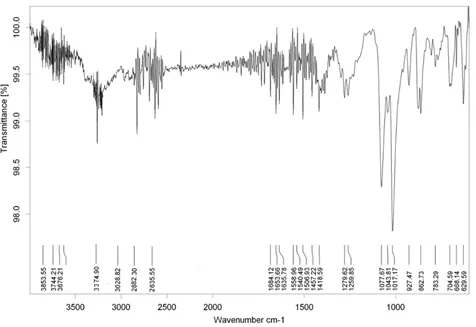
Figure 1: FTIR spectrum of Nitrofurantoin
Differential Scanning Calorimetry (DSC) Study
The DSC thermogram of pure Nitrofurantoin exhibited a sharp endothermic peak at approximately 270°C, corresponding to its melting point. The presence of a single, well-defined melting peak confirmed the crystalline nature and thermal purity of the drug. No additional peaks or thermal events were observed, indicating the absence of polymorphic transitions or degradation before melting. These findings demonstrate that the drug possesses good thermal stability and is suitable for formulation development. The DSC results also provide a reference for assessing any changes in crystallinity during nanoemulsion formulation.
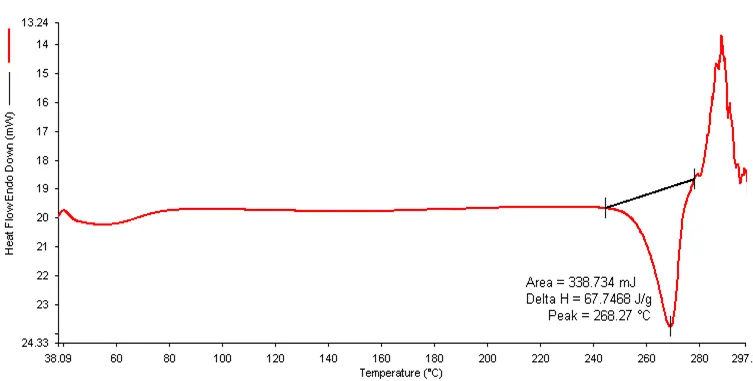
Figure 2: DSC Thermogram of Nitrofurantoin
Ultraviolet Spectroscopic Analysis
Determination of λmax
The UV absorption spectrum of Nitrofurantoin was recorded in ethanol over the wavelength range of 200–400 nm. The drug exhibited maximum absorbance at 375 nm, which was selected as the analytical wavelength for quantitative estimation. The observed λmax is attributed to electronic transitions associated with the nitrofuran ring and carbonyl groups present in the drug structure.
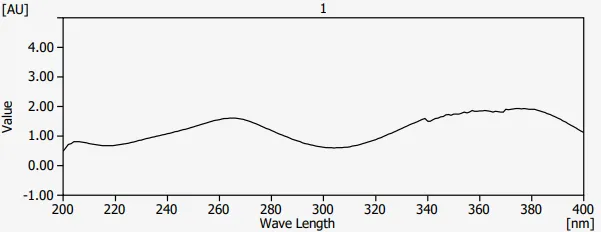
Figure 3: Maximum wavelength detection of Nitrofurantoin
Calibration Curve of Nitrofurantoin
The calibration curve was constructed using standard solutions in the concentration range of 1–11 µg/mL. A linear increase in absorbance with concentration was observed, demonstrating compliance with Beer-Lambert’s law. The regression equation obtained was y = 0.1027x + 0.0527 with a correlation coefficient (R²) of 0.9991, indicating excellent linearity and suitability of the analytical method for quantitative determination of Nitrofurantoin.
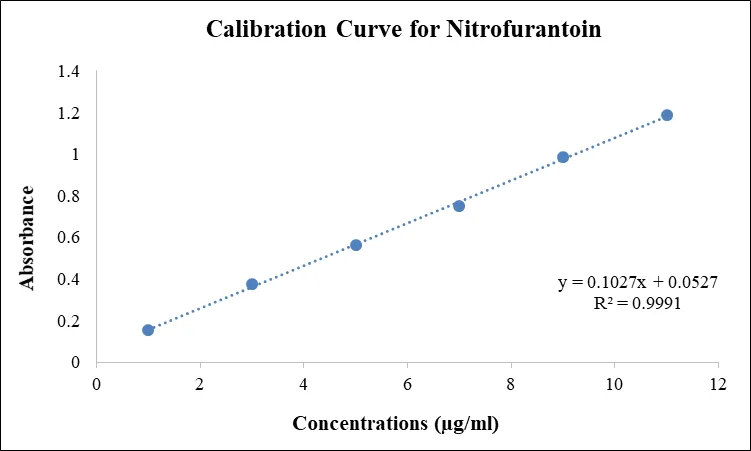
Figure 4: Calibration Curve for Nitrofurantoin
Solubility Study of Nitrofurantoin in Oils, Surfactants, and Co-surfactants
Solubility studies were conducted to identify suitable excipients for the development of a stable Nitrofurantoin-loaded nanoemulsion. Among the oils evaluated, soybean oil exhibited the highest solubility for Nitrofurantoin (28.5 mg/mL), indicating its superior solubilization capacity compared to mustard oil, sesame oil, and cinnamon oil. Therefore, soybean oil was selected as the oil phase for further formulation studies. Among the surfactants tested, Tween 80 showed the highest solubility (42.3 mg/mL), suggesting its excellent ability to enhance drug solubilization and stabilize the nanoemulsion system. Similarly, among the co-surfactants evaluated, PEG 400 demonstrated the greatest solubilizing capacity (48.7 mg/mL), making it the most suitable co-surfactant for the formulation. Based on these findings, soybean oil, Tween 80, and PEG 400 were selected as the optimized components for nanoemulsion development.
Table 5: Solubility of Nitrofurantoin in Various Excipients
|
Category |
Excipient |
Solubility (mg/mL) |
|
Oil |
Soybean Oil |
28.5 |
|
Oil |
Mustard Oil |
21.8 |
|
Oil |
Sesame Oil |
18.6 |
|
Oil |
Cinnamon Oil |
12.4 |
|
Surfactant |
Tween 80 |
42.3 |
|
Surfactant |
Cremophor RH 40 |
36.4 |
|
Surfactant |
Labrasol |
33.7 |
|
Surfactant |
Span 80 |
25.9 |
|
Co-surfactant |
PEG 400 |
48.7 |
|
Co-surfactant |
Propylene Glycol |
39.5 |
|
Co-surfactant |
Glycerol |
27.3 |
The results clearly demonstrate that soybean oil, Tween 80, and PEG 400 possess superior drug solubilization properties and were therefore selected for the preparation of Nitrofurantoin-loaded nanoemulsions.
Trial Batch of Nitrofurantoin-Loaded Nanoemulsion
A preliminary trial batch was developed to evaluate the feasibility of formulating Nitrofurantoin as a nanoemulsion system. The formulation comprised Nitrofurantoin as the active drug, soybean oil as the oil phase, Tween 80 as the surfactant, PEG 400 as the co-surfactant, and purified water as the continuous phase. Chloroform was used as a volatile solvent during the preparation process and was subsequently removed. The trial batch exhibited successful emulsification, producing a homogeneous and visually clear nanoemulsion without signs of phase separation or instability. These observations confirmed the suitability of the selected formulation components and preparation method.
Evaluation of Preliminary Trial Batch of Nitrofurantoin-Loaded Nanoemulsion
The preliminary nanoemulsion formulation was evaluated for key physicochemical parameters. The formulation appeared clear and yellowish with no evidence of creaming, precipitation, or phase separation, indicating successful nanoemulsion formation. The measured pH ranged between 5.5 and 6.2, which is considered suitable for biological compatibility and drug stability. Drug content analysis revealed values between 95% and 98%, indicating efficient incorporation of Nitrofurantoin into the formulation. The entrapment efficiency was found to be 87%, demonstrating effective encapsulation of the drug within the nanoemulsion droplets. The average globule size was approximately 150 nm with a low PDI value of 0.15, indicating a uniform droplet size distribution. Furthermore, the zeta potential of −33 mV suggested good electrostatic stability and a reduced tendency toward droplet aggregation. Overall, the results confirmed the suitability of the preliminary formulation for further optimization studies. The preliminary evaluation demonstrated that the developed Nitrofurantoin nanoemulsion possessed desirable physicochemical characteristics, including high drug loading, excellent stability, and nanoscale droplet size. These findings justified further optimization of the formulation using factorial design to achieve improved drug release and overall performance.
Experimental Design
A two-level, three-factor factorial design was employed using Design-Expert® software (Version 13.0.5.0) to optimize the Nitrofurantoin-loaded nanoemulsion formulation. The design consisted of eight experimental runs and evaluated the influence of soybean oil, Tween 80, and PEG 400 concentrations on globule size and drug release. The factorial approach enabled systematic investigation of both individual and interaction effects of formulation variables while minimizing the number of experimental trials. This statistical design facilitated the identification of an optimized formulation possessing desirable physicochemical characteristics and drug release behavior.
Table 6: Experimental Design and Responses of Nitrofurantoin Nanoemulsion
|
Batch |
Soybean Oil (mL) |
Tween 80 (mL) |
PEG 400 (mL) |
Globule Size (nm) |
Drug Release (%) |
|
NE1 |
1 |
6 |
0.5 |
120 |
81.02 |
|
NE2 |
3 |
6 |
2.0 |
160 |
80.12 |
|
NE3 |
1 |
4 |
2.0 |
155 |
82.06 |
|
NE4 |
3 |
6 |
0.5 |
178 |
70.23 |
|
NE5 |
3 |
4 |
0.5 |
215 |
64.36 |
|
NE6 |
1 |
6 |
2.0 |
110 |
88.16 |
|
NE7 |
3 |
4 |
2.0 |
200 |
76.10 |
|
NE8 |
1 |
4 |
0.5 |
165 |
72.41 |
The results demonstrated that increasing Tween 80 and PEG 400 concentrations significantly reduced globule size and improved drug release. Batch NE6 exhibited the smallest globule size and highest drug release, indicating the beneficial effect of higher surfactant and co-surfactant concentrations.
Evaluation of Nitrofurantoin-Loaded Nanoemulsion Formulations
Visual Appearance and Clarity
All formulated nanoemulsions appeared transparent to slightly opalescent without visible phase separation, indicating successful emulsification and good physical stability. Batch NE5 exhibited slight haziness, which may be attributed to its larger droplet size compared to the other formulations. Overall, the clarity results confirmed the formation of nano-sized droplets with uniform dispersion throughout the formulation.
Percentage Yield
The percentage yield of all formulations ranged from 89.7% to 94.0%, indicating efficient formulation processing with minimal material loss. Batch NE6 exhibited the highest yield (94.0%), suggesting excellent process reproducibility and formulation efficiency. The high yields obtained for all batches demonstrate the suitability of the spontaneous emulsification method for nanoemulsion preparation.
pH Measurement
The pH values of all formulations ranged between 5.7 and 6.2, which falls within the acceptable physiological range. Such pH values are favorable for maintaining drug stability and minimizing irritation upon administration. The results also indicate that the selected excipients did not significantly alter the pH of the formulation system.
Percent Transmittance
The percent transmittance values ranged from 94.5% to 99.0%, indicating excellent optical clarity and successful formation of nano-sized droplets. Batch NE6 showed the highest transmittance (99.0%), which correlated with its smaller globule size. High transmittance values further confirmed the uniformity and transparency of the developed nanoemulsions.
Drug Content and Entrapment Efficiency
Drug content values ranged from 96.8% to 99.3%, demonstrating uniform drug distribution throughout the formulations. Entrapment efficiency varied between 84.5% and 91.0%, indicating effective incorporation of Nitrofurantoin into the oil phase. Batch NE6 showed the highest entrapment efficiency (91.0%), reflecting the optimized balance between oil, surfactant, and co-surfactant concentrations.
Globule Size, PDI and Zeta Potential
The globule size of the nanoemulsions ranged from 93.4 to 110.2 nm, confirming successful development of nano-sized systems. PDI values were below 0.3 for most formulations, indicating narrow droplet size distribution and formulation homogeneity. Zeta potential values ranged from −27.1 to −35.3 mV, suggesting good electrostatic stability and low tendency for droplet aggregation. Batch NE6 exhibited the smallest globule size (93.4 nm), lowest PDI (0.190), and highest zeta potential magnitude (−35.3 mV), indicating superior colloidal stability.
Viscosity
The viscosity values ranged from 29.6 to 35.8 cP, indicating low to moderate flow resistance suitable for nanoemulsion systems. Lower viscosity values observed in NE6 facilitated improved drug diffusion and release, whereas the higher viscosity observed in NE5 may have contributed to its slower drug release profile.
Table 7: Compiled Evaluation Data of Nitrofurantoin Nanoemulsions
|
Batch |
% Yield |
pH |
%T |
Drug Content (%) |
EE (%) |
Globule Size (nm) |
PDI |
Zeta Potential (mV) |
Viscosity (cP) |
|
NE1 |
92.4 |
5.9 |
98.5 |
98.2 |
88.3 |
98.5 |
0.241 |
-32.4 |
31.5 |
|
NE2 |
90.1 |
6.1 |
97.2 |
97.5 |
86.7 |
102.3 |
0.263 |
-30.2 |
33.2 |
|
NE3 |
91.8 |
6.0 |
98.1 |
99.0 |
90.1 |
95.7 |
0.228 |
-33.6 |
30.7 |
|
NE4 |
89.7 |
5.8 |
96.8 |
96.8 |
85.9 |
100.6 |
0.276 |
-28.9 |
34.1 |
|
NE5 |
93.2 |
5.7 |
94.5 |
97.1 |
84.5 |
110.2 |
0.310 |
-27.1 |
35.8 |
|
NE6 |
94.0 |
6.2 |
99.0 |
98.7 |
91.0 |
93.4 |
0.190 |
-35.3 |
29.6 |
|
NE7 |
92.6 |
5.9 |
98.7 |
99.3 |
89.6 |
97.1 |
0.210 |
-31.8 |
30.2 |
|
NE8 |
91.0 |
6.1 |
97.5 |
96.9 |
87.4 |
101.9 |
0.254 |
-30.6 |
32.7 |
In-vitro Drug Release Study
All formulations exhibited sustained drug release over a period of 12 h. The cumulative drug release ranged from 82.1% to 92.4%. Batch NE6 showed the highest drug release (92.4%), which can be attributed to its smaller droplet size, high entrapment efficiency, excellent transmittance, and lower viscosity. Conversely, NE5 exhibited the lowest release (82.1%) due to its larger globule size and higher viscosity, which may have slowed drug diffusion. The sustained release behavior observed for all formulations demonstrates the capability of the nanoemulsion system to provide prolonged drug delivery. Such a release profile is advantageous for the management of urinary tract infections, as it may reduce dosing frequency and improve patient compliance. Based on the overall physicochemical characteristics and drug release performance, NE6 was identified as the optimized formulation.
Table 8: Final Performance Ranking of Nanoemulsion Batches
|
Batch |
Drug Release (%) |
Globule Size (nm) |
Overall Performance |
|
NE6 |
92.4 |
93.4 |
Optimized Batch |
|
NE3 |
90.1 |
95.7 |
Excellent |
|
NE7 |
89.0 |
97.1 |
Very Good |
|
NE1 |
88.6 |
98.5 |
Very Good |
|
NE8 |
87.7 |
101.9 |
Good |
|
NE2 |
86.9 |
102.3 |
Good |
|
NE4 |
84.3 |
100.6 |
Moderate |
|
NE5 |
82.1 |
110.2 |
Lowest Performance |
Response Surface Analysis of Globule Size
Effect of Soybean Oil (A) and Tween 80 (B) on Globule Size
The three-dimensional response surface plot demonstrated the combined effect of soybean oil and Tween 80 concentrations on globule size. An increase in soybean oil concentration resulted in a corresponding increase in globule size, which can be attributed to the enlargement of the internal oil phase and formation of larger droplets. In contrast, increasing the concentration of Tween 80 significantly reduced globule size due to its ability to decrease interfacial tension and facilitate the formation of finer droplets. The response surface indicated that formulations containing lower soybean oil concentration and higher Tween 80 concentration produced the smallest globule size. Therefore, Tween 80 played a dominant role in controlling droplet size and improving nanoemulsion characteristics.
Effect of Soybean Oil (A) and PEG 400 (C) on Globule Size
The interaction plot between soybean oil and PEG 400 revealed that globule size was primarily influenced by soybean oil concentration. Increasing the oil content caused a substantial increase in globule size, whereas PEG 400 exhibited only a minor effect on droplet size reduction. As a co-surfactant, PEG 400 mainly contributes to interfacial film flexibility and emulsion stabilization rather than direct droplet size reduction. The relatively flat surface along the PEG 400 axis indicates that changes in PEG 400 concentration alone did not significantly affect globule size. Consequently, maintaining a lower oil concentration was identified as the most effective strategy for minimizing droplet size.
Effect of Tween 80 (B) and PEG 400 (C) on Globule Size
The response surface plot of Tween 80 and PEG 400 demonstrated a synergistic effect on globule size reduction. Increasing Tween 80 concentration markedly decreased globule size owing to enhanced emulsification efficiency and stabilization of newly formed droplets. PEG 400 further improved the flexibility of the interfacial film and assisted in maintaining droplet uniformity. The smallest globule size was observed at higher levels of Tween 80 combined with moderate levels of PEG 400. However, excessive PEG 400 concentrations may increase system viscosity, thereby limiting droplet dispersion efficiency during emulsification. These findings indicate that an optimized balance between surfactant and co-surfactant concentrations is essential for producing a stable nanoemulsion with minimal globule size.
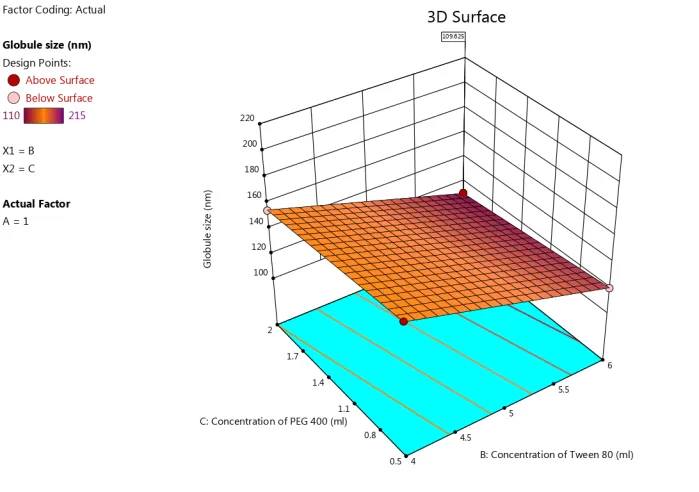
Figure 5: 3 D surface plot of effect of BC factors on Globule size
Response Surface Analysis of Percent Drug Release
Effect of Formulation Variables on Percent Drug Release
The Pareto chart was used to evaluate the influence of formulation variables on the cumulative percentage drug release of Nitrofurantoin from the nanoemulsion system. The chart revealed that Tween 80 concentration exerted the most significant positive effect on drug release. Higher surfactant concentrations enhanced drug solubilization, reduced droplet size, and increased the surface area available for drug diffusion, thereby promoting faster and greater drug release. Conversely, soybean oil concentration showed a negative effect on drug release. Increasing the oil content resulted in larger globule sizes and a longer diffusion pathway for drug molecules, ultimately reducing the rate and extent of release. PEG 400 demonstrated a moderate positive influence by improving drug solubilization and facilitating the formation of a flexible interfacial film, which aided drug diffusion from the nanoemulsion droplets. The interaction effects among the formulation variables further indicated that formulations containing low soybean oil concentration and high concentrations of Tween 80 and PEG 400 exhibited superior drug release profiles. Among all experimental batches, NE6 showed the highest cumulative drug release, confirming the favorable influence of optimized surfactant and co-surfactant levels on nanoemulsion performance. Overall, the response surface and Pareto analyses demonstrated that Tween 80 was the most influential factor governing drug release, while soybean oil concentration had the greatest impact on globule size. These findings were instrumental in identifying the optimal formulation composition for enhanced bioavailability and sustained delivery of Nitrofurantoin.
Response Surface and Contour Plot Analysis of Percent Drug Release
Effect of Soybean Oil (A) and Tween 80 (B) on Percent Drug Release
The three-dimensional response surface and contour plots demonstrated the combined influence of soybean oil and Tween 80 concentrations on the cumulative percentage drug release of Nitrofurantoin from the nanoemulsion system. An increase in Tween 80 concentration significantly enhanced drug release, whereas increasing soybean oil concentration resulted in a reduction in the percentage drug release. This behavior can be attributed to the ability of Tween 80 to decrease interfacial tension and improve emulsification efficiency, thereby generating smaller droplets with larger surface area available for drug diffusion. In contrast, higher concentrations of soybean oil increased the volume of the internal phase and promoted the formation of larger globules, which prolonged the diffusion pathway of the drug and consequently reduced the release rate. The response surface plot showed maximum drug release at lower levels of soybean oil and higher levels of Tween 80. Similarly, the contour plot exhibited closely spaced contour lines in this region, indicating a strong interaction between the two variables and highlighting the optimum zone for enhanced drug release.
Effect of Soybean Oil (A) and PEG 400 (C) on Percent Drug Release
The response surface plot depicting the interaction between soybean oil and PEG 400 revealed that soybean oil concentration had a more pronounced influence on drug release than PEG 400 concentration. A decrease in soybean oil concentration resulted in increased drug release, which can be attributed to reduced globule size and increased surface area for drug diffusion. However, variations in PEG 400 concentration produced only minor changes in the release profile. The relatively flat surface observed along the PEG 400 axis indicates that PEG 400 had a limited direct effect on drug release within the studied concentration range. Although PEG 400 contributes to the stabilization of the nanoemulsion and improves interfacial film flexibility, its primary role is supportive rather than directly controlling drug diffusion. The contour plot further confirmed the weak interaction between soybean oil and PEG 400, as evidenced by the widely spaced contour lines. Therefore, soybean oil concentration was identified as the dominant factor influencing drug release in this interaction.
Effect of Tween 80 (B) and PEG 400 (C) on Percent Drug Release
The interaction between Tween 80 and PEG 400 exhibited a positive effect on the cumulative drug release of Nitrofurantoin. Increasing Tween 80 concentration substantially improved drug release owing to enhanced emulsification efficiency and reduced droplet size. Smaller droplets provide a larger interfacial surface area, facilitating faster drug diffusion into the dissolution medium. PEG 400 also contributed to improved release by enhancing the flexibility of the interfacial film and maintaining the physical stability of the nanoemulsion. However, its influence was less pronounced than that of Tween 80. The response surface plot indicated that formulations containing high concentrations of Tween 80 and moderate concentrations of PEG 400 produced the highest drug release. Excessive PEG 400 concentrations may increase viscosity, which could restrict drug mobility and slightly reduce release efficiency. The contour plot further demonstrated that the optimum region for maximizing drug release was achieved at higher Tween 80 levels combined with moderate PEG 400 concentrations. These findings confirm that Tween 80 is the most influential factor governing drug release, while PEG 400 acts as a supporting component in maintaining formulation stability and release performance. Response surface and contour plot analyses clearly demonstrated that Tween 80 exerted the strongest positive influence on drug release, while soybean oil showed a negative effect. Higher Tween 80 concentrations improved emulsification efficiency, reduced globule size, and increased drug diffusion, resulting in enhanced release profiles. Conversely, increasing soybean oil concentration led to larger droplet formation and slower drug diffusion. PEG 400 exhibited a moderate positive influence by improving interfacial flexibility and formulation stability. The optimized formulation region was identified at low soybean oil concentration, high Tween 80 concentration, and moderate PEG 400 concentration, which corresponded to the highest percentage drug release and superior nanoemulsion performance.
Formulation Development of Optimized Batch
The optimized Nitrofurantoin-loaded nanoemulsion was developed based on the numerical optimization results obtained from the factorial design study. The optimized composition consisted of 100 mg of Nitrofurantoin, 1.0 mL of soybean oil, 6.0 mL of Tween 80, and 2.0 mL of PEG 400, with distilled water added to make the final volume up to 20 mL. Soybean oil was selected as the oil phase due to its superior drug solubilization capacity, while Tween 80 and PEG 400 were incorporated as surfactant and co-surfactant, respectively, to enhance emulsification efficiency and nanoemulsion stability. The formulation was prepared using high-speed homogenization followed by ultrasonication to obtain a transparent and homogeneous nanoemulsion with nanosized droplets. The optimized formulation was predicted to exhibit minimal globule size and maximum drug release, thereby improving the therapeutic performance of Nitrofurantoin.
Table 9: Composition of Optimized Nitrofurantoin Nanoemulsion
|
Ingredient |
Function |
Quantity |
|
Nitrofurantoin |
Active pharmaceutical ingredient |
100 mg |
|
Soybean Oil |
Oil phase |
1.0 mL |
|
Tween 80 |
Surfactant |
6.0 mL |
|
PEG 400 |
Co-surfactant |
2.0 mL |
|
Distilled Water |
Aqueous phase |
q.s. to 20 mL |
Evaluation of Optimized Nitrofurantoin Nanoemulsion
The optimized nanoemulsion formulation was evaluated for various physicochemical parameters. The formulation appeared transparent and free from phase separation, indicating excellent physical stability. The percentage yield was found to be 96.32%, reflecting efficient processing and minimal material loss. The pH value (5.84) was within the acceptable physiological range, ensuring compatibility and stability of the formulation. The formulation exhibited high optical clarity with a transmittance value of 98.92%, confirming the formation of nanosized droplets. Drug content and entrapment efficiency were found to be 98.31% and 90.87%, respectively, demonstrating efficient drug incorporation within the nanoemulsion system. Dynamic light scattering analysis revealed a globule size of 109.4 nm with a PDI of 0.218, indicating a uniform droplet size distribution. The zeta potential value of −31.6 mV suggested good electrostatic stability and resistance to aggregation. Furthermore, the viscosity value of 23.7 cP indicated suitable flow characteristics for pharmaceutical application. These findings confirmed the successful development of a stable and effective Nitrofurantoin nanoemulsion.
Table 10: Evaluation of Optimized Nitrofurantoin Nanoemulsion
|
Parameter |
Observed Value |
|
Appearance |
Transparent, no phase separation |
|
Percentage Yield (%) |
96.32 ± 0.45 |
|
pH |
5.84 ± 0.03 |
|
Percent Transmittance (%) |
98.92 ± 0.12 |
|
Drug Content (%) |
98.31 ± 0.34 |
|
Entrapment Efficiency (%) |
90.87 ± 0.41 |
|
Globule Size (nm) |
109.4 ± 1.2 |
|
PDI |
0.218 ± 0.02 |
|
Zeta Potential (mV) |
-31.6 ± 1.1 |
|
Viscosity (cP) |
23.7 ± 0.8 |
In-vitro Drug Release Study of Optimized Batch
The in-vitro drug release study of the optimized nanoemulsion was carried out using the dialysis bag diffusion method over a period of 12 h. The release profile demonstrated a controlled and sustained release pattern. An initial release of 16.1% was observed within 30 min, indicating rapid diffusion of surface-associated drug. Thereafter, a gradual increase in drug release was observed, reaching 59.2% at 4 h and 79.6% at 8 h. At the end of 12 h, the cumulative drug release reached 88.2%, which closely matched the predicted value obtained from the optimization model. The enhanced release behavior can be attributed to the nanosized globules, high surface area, and efficient surfactant system that facilitated drug diffusion from the oil droplets into the dissolution medium. The results confirmed that the optimized formulation was capable of providing sustained release of Nitrofurantoin, which may improve therapeutic efficacy and reduce dosing frequency in the management of urinary tract infections.
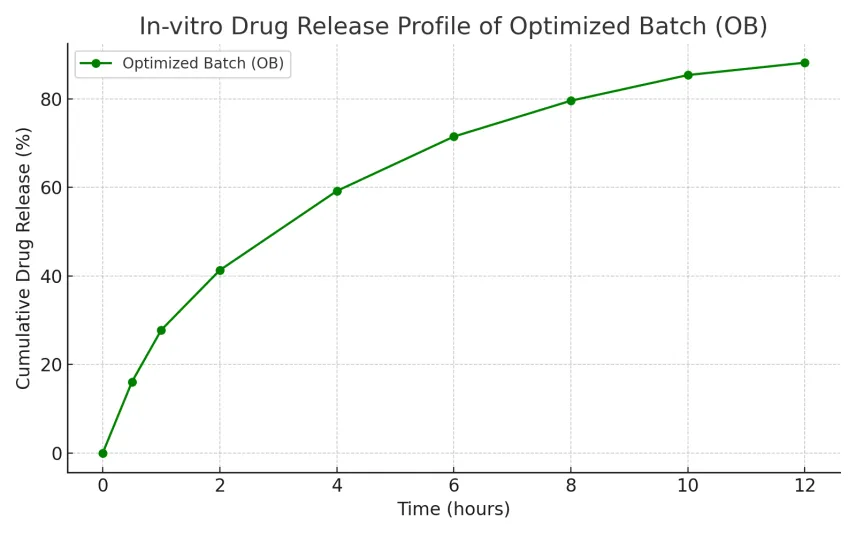
Figure 6: In-vitro profile of Optimized Batch
Confirmation of Optimized Batch
A confirmation study was performed to validate the predictive capability of the statistical model generated through Design-Expert® software. The optimized formulation was prepared under the predicted conditions, and the experimental responses were compared with the predicted values. The observed globule size (200.0 nm) and drug release (76.1%) were in close agreement with the predicted values of 199.625 nm and 76.1825%, respectively. The observed results were well within the 95% prediction intervals, demonstrating excellent agreement between predicted and experimental responses. The low standard deviation values further confirmed the reproducibility and reliability of the optimization model. These findings validate the robustness of the factorial design approach and support its application for formulation optimization.
Stability Study of Optimized Batch
The stability study was conducted for three months under both real-time (25°C/60% RH) and accelerated (40°C/75% RH) storage conditions. The optimized formulation remained physically stable throughout the study period, with no phase separation observed under room temperature conditions. Only slight turbidity was noticed under accelerated storage conditions after prolonged exposure. Overall, the optimized Nitrofurantoin nanoemulsion demonstrated excellent stability under room temperature conditions and acceptable stability under accelerated conditions, confirming its suitability for storage, transportation, and potential pharmaceutical application. The stability findings confirm that the optimized nanoemulsion maintained its physicochemical integrity and drug release characteristics throughout the study period, demonstrating its potential as a stable and effective delivery system for Nitrofurantoin.
CONCLUSION:
The present study successfully developed and optimized a Nitrofurantoin-loaded nanoemulsion for improved management of urinary tract infections. Soybean oil, Tween 80, and PEG 400 were selected as the optimized formulation components based on solubility studies. The optimized nanoemulsion exhibited desirable physicochemical properties, including nanosized globules (109.4 nm), high drug content (98.31%), high entrapment efficiency (90.87%), and good stability with a zeta potential of −31.6 mV. The formulation demonstrated sustained drug release, achieving 88.2% cumulative release over 12 hours, indicating its potential to enhance drug solubility, dissolution, and bioavailability. Stability studies confirmed that the optimized nanoemulsion remained physically and chemically stable under both real-time and accelerated storage conditions. Overall, the developed nanoemulsion system represents a promising delivery platform for Nitrofurantoin, with the potential to improve therapeutic efficacy, reduce dosing frequency, and enhance patient compliance in the treatment of urinary tract infections.
ONFLICT OF INTREST:
The author declares that there is no conflict of interest.
REFERENCES

Shradhha Suryavanshi*, Ravi Kurhade, Nishigandhan Shinde, Formulation Development and Evaluation of Nanoemulsion-Based Drug Delivery System of Nitrofurantoin for Improved Management of Urinary Tract Infection, Int. J. Med. Pharm. Sci., 2026, 2 (6), 97-115. https://doi.org/10.5281/zenodo.20642054
 10.5281/zenodo.20642054