

We use cookies to ensure our website works properly and to personalise your experience. Cookies policy
MDA School of Pharmacy, Kolpa, Latur, Maharashtra 413531
The present study was undertaken to develop and evaluate gastroretentive floating matrix tablets of ciprofloxacin hydrochloride using natural polymers in order to prolong gastric residence time and achieve sustained drug release. Ciprofloxacin hydrochloride, a broad-spectrum fluoroquinolone antibiotic, exhibits better solubility in acidic conditions and is primarily absorbed in the upper gastrointestinal tract, making it a suitable candidate for gastroretentive drug delivery systems. Preformulation studies were conducted to evaluate the physicochemical properties of the drug, including organoleptic characteristics, melting point, solubility, and spectroscopic identification. The melting point of ciprofloxacin hydrochloride was found to be within the range of 255–257°C, confirming the purity of the drug. FTIR, DSC, and UV spectroscopic analyses verified the identity and compatibility of the drug with selected excipients. The maximum absorption wavelength (λmax) of ciprofloxacin hydrochloride in 0.1 N hydrochloric acid was found to be 281 nm, and the calibration curve obeyed Beer–Lambert’s law in the concentration range of 2–12 µg/ml. Floating matrix tablets were prepared using natural polymers such as guar gum, xanthan gum, and sodium alginate by the direct compression method. Sodium bicarbonate was incorporated as a gas-generating agent to impart buoyancy to the tablets. Nine formulations (F1–F9) were developed and evaluated for pre-compression parameters, post-compression characteristics, floating behavior, and in-vitro drug release. All formulations exhibited satisfactory tablet properties and good floating characteristics with floating lag time ranging from 32 to 72 seconds and total floating time extending up to 20 hours. The in-vitro drug release study demonstrated sustained release of ciprofloxacin over 12 hours. Among the formulations, F7 showed the most desirable performance with a floating lag time of 40 seconds, floating duration of 16 hours, and approximately 89% drug release within 12 hours. Stability studies conducted under accelerated conditions confirmed the stability of the optimized formulation. The results suggest that gastroretentive floating matrix tablets using natural polymers provide an effective approach for sustained delivery of ciprofloxacin hydrochloride.
The oral route remains the most preferred and widely accepted method for drug administration due to its convenience, patient compliance, cost-effectiveness, and ease of manufacturing.1 Conventional oral dosage forms, however, often suffer from limitations such as short gastrointestinal residence time, variable gastric emptying, incomplete drug absorption, and the need for frequent dosing. These challenges become more significant for drugs that are primarily absorbed from the stomach or upper part of the small intestine, possess a narrow absorption window, or exhibit pH-dependent solubility. Consequently, the development of advanced oral drug delivery systems capable of prolonging gastric residence time has become an important area of pharmaceutical research.2 Gastroretentive drug delivery systems (GRDDS) have emerged as an effective strategy to overcome the limitations associated with conventional oral formulations. These systems are specifically designed to remain in the stomach for an extended period, thereby enhancing drug absorption, improving bioavailability, and providing sustained therapeutic action. Among various gastroretentive approaches, floating drug delivery systems (FDDS) have gained considerable attention because of their ability to float on gastric contents by maintaining a density lower than that of gastric fluid. The prolonged gastric residence achieved through floating systems facilitates controlled drug release and improved therapeutic outcomes, particularly for drugs that are absorbed in the upper gastrointestinal tract.3 Floating matrix tablets represent a promising class of gastroretentive formulations that combine the advantages of floating systems and controlled-release matrix technology. These dosage forms are formulated using swellable polymers that hydrate upon contact with gastric fluid, forming a gel barrier around the tablet. The generated gel layer not only regulates drug release but also helps entrap carbon dioxide produced by gas-generating agents, thereby reducing tablet density and enabling prolonged buoyancy. As a result, floating matrix tablets can maintain therapeutic drug concentrations over extended periods while reducing dosing frequency and improving patient compliance.4 In recent years, natural polymers have attracted significant interest as matrix-forming agents in controlled-release and gastroretentive drug delivery systems. Natural polymers such as guar gum, xanthan gum, sodium alginate, fenugreek gum, and psyllium husk offer several advantages including biodegradability, biocompatibility, non-toxicity, low cost, and environmental sustainability. These polymers possess excellent swelling and gel-forming properties, which contribute to sustained drug release and enhanced gastric retention. Their ability to form hydrated matrices makes them suitable candidates for the development of floating matrix tablets. Furthermore, natural polymers can effectively regulate drug diffusion and maintain the structural integrity of the dosage form during prolonged gastric residence.5 Antibacterial drugs play a crucial role in the treatment of various bacterial infections. However, many antibacterial agents require frequent administration due to their short biological half-lives and limited gastrointestinal residence time. Inadequate drug concentration at the site of absorption may lead to reduced therapeutic efficacy, poor patient compliance, and the development of bacterial resistance. Gastroretentive floating matrix tablets offer a promising solution by prolonging drug residence in the stomach, providing controlled drug release, and maintaining effective plasma drug concentrations for extended durations. Such systems can improve the pharmacokinetic profile of antibacterial drugs while minimizing fluctuations in drug levels and reducing dosing frequency.6-8 The present research focuses on the development and characterization of gastroretentive floating matrix tablets of an antibacterial drug using natural polymer-based delivery systems. The study aims to explore the potential of natural polymers as matrix-forming agents for achieving prolonged gastric retention, sustained drug release, and improved therapeutic performance. The developed formulation is expected to enhance bioavailability, improve patient compliance, and provide a safe, effective, and economical gastroretentive drug delivery platform for antibacterial therapy.
MATERIALS AND METHODS:
MATERIALS:
Ciprofloxacin hydrochloride was obtained from Yarrow Chem Products, Mumbai, India. Natural polymers including guar gum and xanthan gum were procured from Loba Chemie Pvt. Ltd., Mumbai, while sodium alginate was purchased from S.D. Fine Chemicals Ltd., Mumbai, India. Sodium bicarbonate, used as a gas-generating agent, and hydrochloric acid (0.1 N HCl) for dissolution studies were obtained from Merck Specialities Pvt. Ltd., Mumbai, India. Microcrystalline cellulose (MCC PH 102) was procured from FMC Biopolymer, USA, and polyvinylpyrrolidone (PVP K30) was obtained from BASF Chemicals, Germany. Talc and magnesium stearate were used as glidant and lubricant, respectively. Potassium bromide (KBr) of spectroscopic grade was utilized for FTIR analysis, and distilled water was prepared in the Pharmaceutics Laboratory. All materials and reagents used in the study were of pharmaceutical or analytical grade and were used without further purification.
METHODOLOGY:
Preformulation Studies
Preformulation studies were carried out to evaluate the physicochemical properties of ciprofloxacin hydrochloride and to assess its suitability for the development of gastroretentive floating matrix tablets. These studies included the evaluation of organoleptic characteristics, melting point, solubility profile, drug identification, determination of λmax, preparation of a calibration curve, and drug–excipient compatibility studies. The information obtained was utilized for the selection of suitable formulation components and optimization of the dosage form.9-11
Organoleptic Evaluation
The organoleptic properties of ciprofloxacin hydrochloride were assessed by visual inspection. The drug was evaluated for its color, appearance, odor, and taste to confirm its identity and purity.12
Determination of Melting Point
The melting point of ciprofloxacin hydrochloride was determined using the capillary tube method. A small quantity of the drug was filled into a capillary tube and heated gradually in a melting point apparatus. The temperature at which the drug melted was recorded and compared with reported literature values.13
Solubility Study
The solubility of ciprofloxacin hydrochloride was evaluated in different solvents, including distilled water, 0.1 N hydrochloric acid, ethanol, and methanol. Excess drug was added to each solvent, shaken until equilibrium was achieved, filtered, and observed to determine its solubility characteristics.14
Fourier Transform Infrared (FTIR) Spectroscopy
FTIR spectroscopy was performed to confirm the identity of ciprofloxacin hydrochloride and to identify its characteristic functional groups. The analysis was carried out using the potassium bromide (KBr) pellet method. The prepared pellet was scanned in the range of 4000–400 cm⁻¹, and the obtained spectrum was compared with standard reference spectra.15-18
UV Spectroscopic Analysis
UV spectroscopy was employed for the identification and quantitative estimation of ciprofloxacin hydrochloride. Drug solutions were prepared in 0.1 N hydrochloric acid and analyzed using a UV–Visible spectrophotometer.19-20
Determination of λmax
An accurately prepared solution of ciprofloxacin hydrochloride in 0.1 N hydrochloric acid was scanned over the wavelength range of 200–400 nm using a UV–Visible spectrophotometer. The wavelength corresponding to maximum absorbance was recorded as the λmax and utilized for subsequent analytical studies.21-22
Preparation of Calibration Curve
A calibration curve of ciprofloxacin hydrochloride was constructed in 0.1 N hydrochloric acid. Standard solutions in the concentration range of 2–12 µg/mL were prepared from a stock solution, and their absorbance was measured at the determined λmax. A graph of concentration versus absorbance was plotted to establish linearity according to Beer–Lambert’s law.23-24
Drug–Excipient Compatibility Study
Compatibility studies between ciprofloxacin hydrochloride and the selected natural polymers (guar gum, xanthan gum, and sodium alginate) were performed using FTIR spectroscopy. Physical mixtures of the drug and excipients were prepared and analyzed. The spectra of the mixtures were compared with that of the pure drug to detect any potential chemical interactions and to confirm compatibility for formulation development.25-27
Formulation of Floating Matrix Tablets
Gastroretentive floating matrix tablets of ciprofloxacin hydrochloride were formulated using natural polymers such as guar gum, xanthan gum, and sodium alginate as matrix-forming agents. These polymers were selected for their swelling and gel-forming properties, which help sustain drug release and maintain tablet integrity in the gastric environment. Sodium bicarbonate was incorporated as a gas-generating agent to impart buoyancy, while microcrystalline cellulose (MCC) was used as a diluent. Polyvinylpyrrolidone (PVP K30) served as a binder, whereas talc and magnesium stearate were included as glidant and lubricant, respectively. Nine formulation batches (F1–F9) were prepared by varying the concentrations of natural polymers to study their influence on floating behavior and drug release characteristics.28-35
Table 1: Composition of Preliminary Trial Batches
|
Ingredients (mg) |
T1 |
T2 |
T3 |
|
Ciprofloxacin HCl |
500 |
500 |
500 |
|
Guar Gum |
40 |
60 |
80 |
|
Sodium Alginate |
40 |
40 |
40 |
|
Sodium Bicarbonate |
50 |
50 |
50 |
|
Microcrystalline Cellulose |
120 |
100 |
80 |
|
Talc |
10 |
10 |
10 |
|
Magnesium Stearate |
10 |
10 |
10 |
|
Total Weight (mg) |
770 |
770 |
770 |
Preparation of Floating Matrix Tablets
Floating matrix tablets were prepared by the direct compression method. Accurately weighed quantities of ciprofloxacin hydrochloride, polymers, and MCC were passed through sieve no. 40 and blended uniformly. Sodium bicarbonate and PVP K30 were then added and mixed thoroughly. Finally, talc and magnesium stearate were incorporated, and the resulting powder blend was compressed into tablets using a single-punch tablet compression machine. The prepared tablets were stored in airtight containers until further evaluation.
Table 2: Composition of Floating Matrix Tablets of Ciprofloxacin (mg/tablet)
|
Ingredients (mg) |
F1 |
F2 |
F3 |
F4 |
F5 |
F6 |
F7 |
F8 |
F9 |
|
Ciprofloxacin HCl |
500 |
500 |
500 |
500 |
500 |
500 |
500 |
500 |
500 |
|
Guar Gum |
40 |
60 |
80 |
40 |
60 |
80 |
40 |
60 |
80 |
|
Xanthan Gum |
40 |
40 |
40 |
60 |
60 |
60 |
80 |
80 |
80 |
|
Sodium Alginate |
40 |
40 |
40 |
40 |
40 |
40 |
40 |
40 |
40 |
|
Sodium Bicarbonate |
50 |
50 |
50 |
50 |
50 |
50 |
50 |
50 |
50 |
|
PVP K30 |
20 |
20 |
20 |
20 |
20 |
20 |
20 |
20 |
20 |
|
Microcrystalline Cellulose |
70 |
50 |
30 |
50 |
30 |
10 |
30 |
10 |
5 |
|
Talc |
10 |
10 |
10 |
10 |
10 |
10 |
10 |
10 |
10 |
|
Magnesium Stearate |
10 |
10 |
10 |
10 |
10 |
10 |
10 |
10 |
10 |
|
Total Weight (mg) |
780 |
780 |
780 |
780 |
780 |
780 |
780 |
780 |
780 |
Preliminary Trial Batches
Preliminary trial batches were prepared to optimize the concentrations of natural polymers and gas-generating agents required for achieving desirable floating characteristics and sustained drug release. Three trial formulations (T1–T3) were developed by varying the concentration of guar gum while keeping other ingredients constant. The prepared tablets were evaluated for floating lag time, total floating duration, hardness, friability, and preliminary drug release behavior.
Preparation of Preliminary Trial Batches
The preliminary trial batches were prepared by the direct compression technique. All ingredients were accurately weighed, passed through sieve no. 40, and blended uniformly. Sodium bicarbonate was incorporated as a gas-generating agent, followed by the addition of talc and magnesium stearate. The final blend was compressed into tablets using a single-punch tablet compression machine and stored in airtight containers for further evaluation.
Evaluation of Preliminary Trial Batches
The prepared trial batches were evaluated for mechanical strength and floating properties. Floating lag time was determined by placing the tablets in 0.1 N HCl (pH 1.2) and recording the time required for the tablets to rise to the surface. Total floating time was measured as the duration for which the tablets remained buoyant. Tablet hardness was assessed using a Monsanto hardness tester, while friability was determined using a Roche friabilator. The results indicated that increasing polymer concentration improved matrix integrity and prolonged floating duration; however, excessive polymer levels increased floating lag time.
Table 3: Evaluation of Preliminary Trial Batches
|
Batch |
Hardness (kg/cm²) |
Friability (%) |
Floating Lag Time (sec) |
Total Floating Time (hrs) |
|
T1 |
5.1 |
0.65 |
80 |
8 |
|
T2 |
5.4 |
0.60 |
60 |
10 |
|
T3 |
5.6 |
0.55 |
45 |
12 |
Selection of Optimized Trial Batch
Based on the evaluation results, batch T3 exhibited the most desirable floating behavior, prolonged buoyancy, and acceptable mechanical properties. Therefore, the polymer concentration used in T3 was considered suitable and served as the basis for further optimization and development of the final formulation batches.
Formulation Design of Floating Matrix Tablets
The final floating matrix tablet formulations (F1–F9) were designed by varying the concentrations of guar gum and xanthan gum while maintaining a constant amount of ciprofloxacin hydrochloride, sodium alginate, sodium bicarbonate, PVP K30, and other excipients. This experimental design enabled the investigation of the effect of polymer concentration on tablet buoyancy, matrix integrity, and sustained drug release performance, ultimately facilitating the selection of an optimized gastroretentive formulation.36-40
Rationale for Formulation Design
The formulation was designed to investigate the effect of varying concentrations of natural polymers on the floating behavior and drug release characteristics of gastroretentive floating matrix tablets of ciprofloxacin hydrochloride. Guar gum, xanthan gum, and sodium alginate were selected as matrix-forming polymers due to their swelling and gel-forming properties. Sodium bicarbonate was incorporated as a gas-generating agent to impart buoyancy, while MCC, PVP K30, talc, and magnesium stearate were included to improve compressibility, binding, flowability, and lubrication. Multiple formulation batches were prepared to identify an optimized formulation exhibiting minimum floating lag time, prolonged buoyancy, and sustained drug release.
Evaluation of Pre-Compression Parameters41-43
Prior to tablet compression, the powder blends were evaluated for pre-compression parameters to assess their flow and compressibility characteristics. The parameters studied included angle of repose, bulk density, tapped density, Carr’s compressibility index, and Hausner’s ratio. These evaluations ensured uniform die filling and satisfactory compression behavior during tablet manufacturing.
Angle of Repose
The angle of repose was determined by the fixed funnel method to evaluate the flow properties of the powder blend. The height and radius of the powder cone formed were measured, and the angle of repose was calculated to assess powder flowability.
Bulk Density
Bulk density was determined by transferring a known quantity of powder into a graduated cylinder and recording the untapped volume. The bulk density was calculated as the ratio of powder mass to bulk volume.
Tapped Density
Tapped density was measured by mechanically tapping the graduated cylinder containing the powder blend until a constant volume was obtained. The tapped density was calculated using the final tapped volume.
Carr’s Compressibility Index
Carr’s compressibility index was calculated from the bulk and tapped density values to assess the compressibility and flow characteristics of the powder blend.
Hausner’s Ratio
Hausner’s ratio was determined as the ratio of tapped density to bulk density and was used as an indicator of powder flowability.
Evaluation of Post-Compression Parameters44-47
The prepared floating matrix tablets were evaluated for various post-compression parameters to ensure their quality, uniformity, and mechanical integrity. The tests included general appearance, thickness, weight variation, hardness, friability, and drug content uniformity.
General Appearance
The tablets were visually examined for color, shape, surface texture, and the absence of defects such as cracks, chipping, or mottling.
Thickness
Tablet thickness was measured using a Vernier caliper, and the average thickness was recorded in millimeters.
Weight Variation
Twenty tablets from each batch were individually weighed using a digital balance, and the percentage deviation from the average weight was calculated according to pharmacopoeial specifications.
Hardness
Tablet hardness was measured using a Monsanto hardness tester, and the force required to break the tablets was recorded in kg/cm².
Friability
Friability was evaluated using a Roche friabilator operated at 25 rpm for 4 minutes. The percentage weight loss after 100 revolutions was calculated to determine tablet resistance to abrasion.
Drug Content Uniformity
Drug content uniformity was determined by crushing selected tablets, dissolving an accurately weighed quantity equivalent to the drug dose in 0.1 N HCl, and analyzing the solution spectrophotometrically at the predetermined λmax. The percentage drug content was calculated using the calibration curve.
Floating Behavior Study
The floating behavior of the prepared tablets was evaluated in 0.1 N hydrochloric acid (pH 1.2) maintained at 37 ± 0.5°C. Individual tablets were placed in the medium, and their buoyancy characteristics were assessed by measuring floating lag time and total floating time.
Floating Lag Time
Floating lag time was determined as the time required for the tablet to rise to the surface of the dissolution medium after immersion. The time was recorded using a stopwatch and expressed in seconds.
Total Floating Time
Total floating time was recorded as the duration for which the tablet remained continuously buoyant on the surface of the dissolution medium without disintegrating or sinking.
In-Vitro Dissolution Study
The in-vitro drug release study was carried out using a USP Type II (paddle) dissolution apparatus containing 900 mL of 0.1 N hydrochloric acid (pH 1.2) maintained at 37 ± 0.5°C and stirred at 50 rpm. Samples were withdrawn at predetermined intervals and replaced with an equal volume of fresh dissolution medium. The samples were filtered and analyzed spectrophotometrically at the selected λmax. The cumulative percentage drug release was calculated and plotted against time.
Stability Studies
The optimized formulation was subjected to accelerated stability studies according to ICH guidelines. Tablets were stored at 40 ± 2°C and 75 ± 5% relative humidity for the specified study period. Samples were withdrawn at predetermined intervals and evaluated for appearance, hardness, friability, drug content, floating characteristics, and in-vitro drug release to assess formulation stability and shelf life.
RESULTS AND DISCUSSION:
Preformulation Studies
Preformulation studies were performed to evaluate the physicochemical properties of ciprofloxacin hydrochloride prior to formulation development. These studies included organoleptic evaluation, melting point determination, and solubility analysis. The obtained results confirmed the identity, purity, and suitability of the drug for the development of gastroretentive floating matrix tablets. The physicochemical characteristics observed were in accordance with reported pharmacopoeial specifications, indicating that the drug sample was authentic and suitable for further formulation studies.
Table 4: Preformulation Studies of Ciprofloxacin Hydrochloride
|
Parameter |
Observation/Result |
|
Appearance |
Crystalline powder |
|
Color |
White to slightly yellowish |
|
Odor |
Odorless |
|
Taste |
Bitter |
|
Melting Point (Observed) |
255–257°C |
|
Melting Point (Reported) |
255–258°C |
|
Solubility in Distilled Water |
Slightly soluble |
|
Solubility in 0.1 N HCl |
Soluble |
|
Solubility in Ethanol |
Sparingly soluble |
|
Solubility in Methanol |
Soluble |
Organoleptic Properties
The organoleptic evaluation revealed that ciprofloxacin hydrochloride was obtained as a white to slightly yellowish crystalline powder with a characteristic bitter taste and no detectable odor. These observations were found to be consistent with standard pharmacopoeial descriptions, confirming the identity and purity of the drug sample. The absence of any unusual color or odor further indicated that the drug was free from visible contamination or degradation.
Melting Point Determination
The melting point of ciprofloxacin hydrochloride was found to be in the range of 255–257°C. This value closely matched the reported melting point range of 255–258°C, indicating a high degree of purity and confirming the authenticity of the drug. The sharp melting range observed suggests the absence of significant impurities that could affect formulation performance or stability.
Solubility Study
The solubility profile demonstrated that ciprofloxacin hydrochloride exhibited maximum solubility in 0.1 N hydrochloric acid and methanol, while it was only slightly soluble in distilled water and sparingly soluble in ethanol. The enhanced solubility in acidic medium is particularly advantageous for gastroretentive drug delivery systems, as the dosage form is intended to remain in the gastric environment where acidic conditions prevail. Improved solubility in gastric pH is expected to facilitate better drug dissolution, sustained release, and enhanced bioavailability from the floating matrix tablets. Overall, the results of the preformulation studies confirmed that ciprofloxacin hydrochloride possesses suitable physicochemical properties for the development of a gastroretentive floating matrix tablet formulation based on natural polymers.
Identification of Drug
The identity of ciprofloxacin hydrochloride was confirmed using FTIR, DSC, and UV spectroscopic analyses. These techniques were employed to verify the characteristic functional groups, thermal behavior, and absorption properties of the drug. The obtained results were found to be in close agreement with reported standard values, confirming the authenticity and purity of the drug sample.
FTIR Analysis
The FTIR spectrum of ciprofloxacin hydrochloride exhibited characteristic absorption peaks corresponding to important functional groups present in the drug molecule. Prominent peaks were observed at 3406.29 and 3587.60 cm⁻¹ due to O–H stretching vibrations, while peaks at 2929.87 and 2956.52 cm⁻¹ corresponded to aliphatic C–H stretching. A strong absorption peak at 1720.50 cm⁻¹ confirmed the presence of the carbonyl (C=O) group, and peaks at 1246.02 and 1355.81 cm⁻¹ indicated C–F stretching vibrations characteristic of fluorinated compounds. The observed peaks were in agreement with the reported FTIR spectrum of ciprofloxacin hydrochloride, confirming its identity.
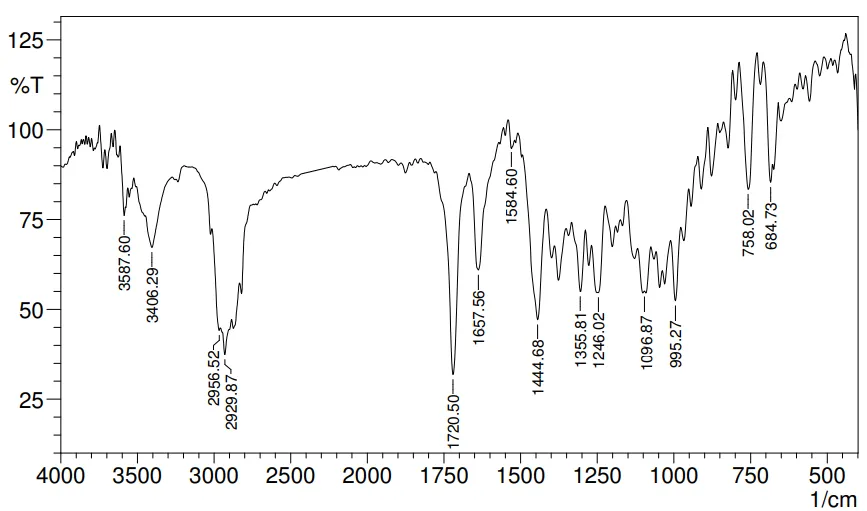
Figure 1: FTIR spectrum of Ciprofloxacin
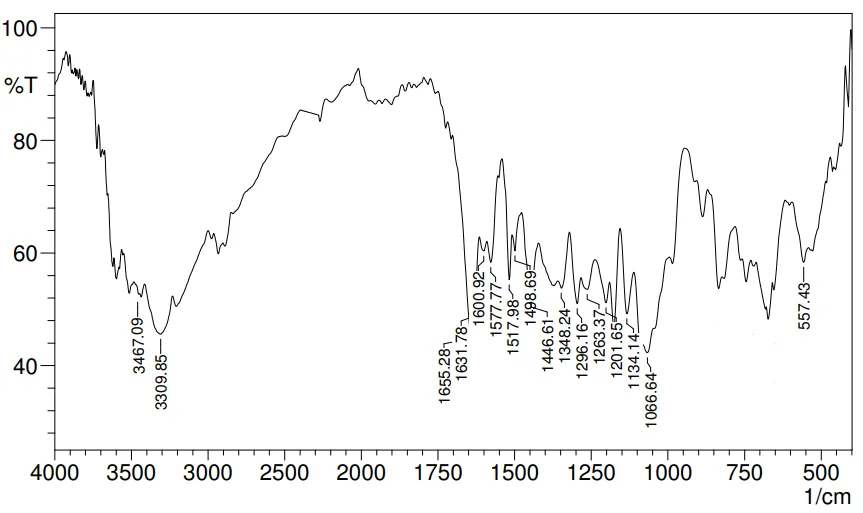
Figure 2: FTIR Spectra of Drug and Excipients (physical mixture)
DSC Analysis
Differential Scanning Calorimetry (DSC) was performed to evaluate the thermal behavior of ciprofloxacin hydrochloride. The DSC thermogram showed a sharp endothermic peak at 202.08°C, corresponding to the melting point of the drug. This value falls within the reported range of 200–205°C, indicating the crystalline nature and purity of ciprofloxacin hydrochloride. The absence of additional peaks suggested that the drug was free from significant impurities.
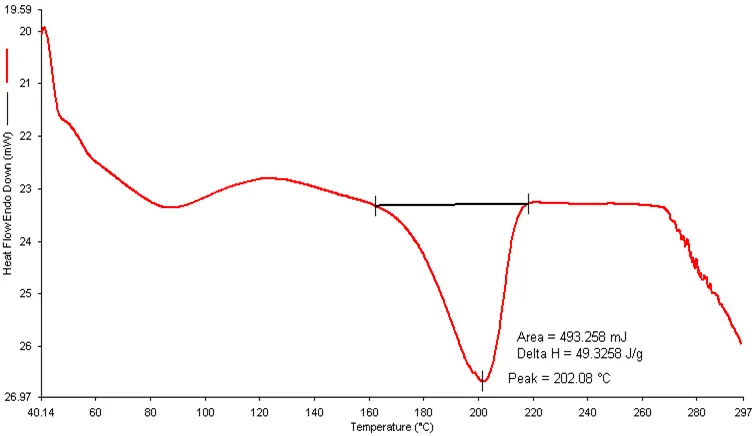
Figure 3: DSC Thermogram of Ciprofloxacin
UV Spectroscopic Analysis
Determination of λmax
The UV spectrum of ciprofloxacin hydrochloride in 0.1 N hydrochloric acid exhibited maximum absorbance at 281 nm. The observed λmax was found to be consistent with reported literature values, confirming the suitability of the selected analytical method for quantitative estimation of the drug.
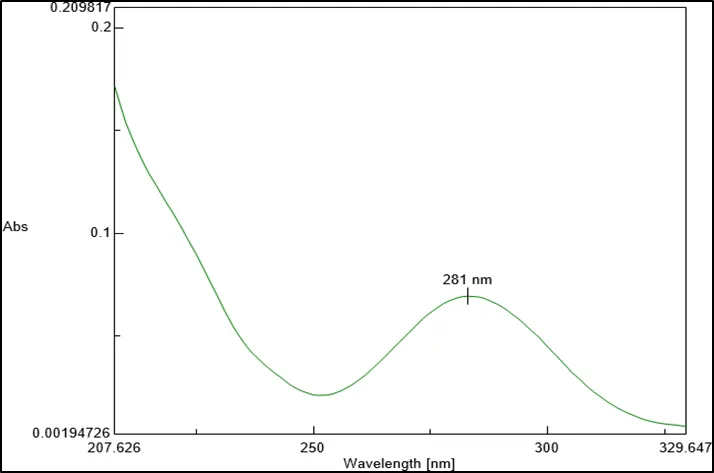
Figure 4: UV analysis of Ciprofloxacin hydrochloride
Standard Calibration Curve of Ciprofloxacin Hydrochloride
A calibration curve of ciprofloxacin hydrochloride was prepared in 0.1 N hydrochloric acid over the concentration range of 2–12 µg/mL. The absorbance values increased proportionally with concentration, demonstrating compliance with Beer–Lambert’s law within the selected concentration range. The calibration curve exhibited excellent linearity with a correlation coefficient (R²) of 0.989, indicating a strong linear relationship between concentration and absorbance. The regression equation obtained was y = 1.1229x + 0.0243. These findings demonstrate the reliability and accuracy of the UV spectrophotometric method for quantitative estimation of ciprofloxacin hydrochloride in subsequent formulation and dissolution studies. Overall, the FTIR, DSC, and UV spectroscopic analyses successfully confirmed the identity, purity, and analytical suitability of ciprofloxacin hydrochloride for the development of gastroretentive floating matrix tablets.
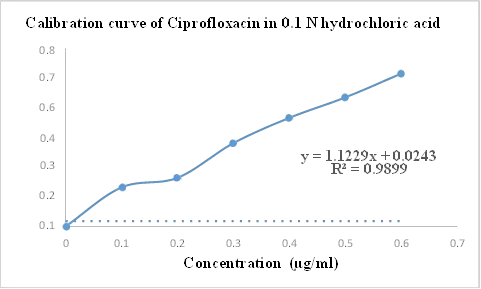
Figure 5: Calibration curve in 0.1 N hydrochloric acid
Formulation of Floating Matrix Tablets
Floating matrix tablets of ciprofloxacin hydrochloride were successfully formulated using natural polymers including guar gum, xanthan gum, and sodium alginate by the direct compression technique. Sodium bicarbonate was incorporated as a gas-generating agent to impart buoyancy, while MCC, PVP K30, talc, and magnesium stearate were used as diluent, binder, glidant, and lubricant, respectively. Nine formulations (F1–F9) were prepared by varying polymer concentrations to investigate their effect on tablet buoyancy, mechanical strength, and drug release characteristics. All formulations exhibited satisfactory compressibility and were compressed successfully without any processing defects such as capping, lamination, or sticking.
Preparation of Floating Matrix Tablets
The tablets were prepared by direct compression after uniform blending of ciprofloxacin hydrochloride with polymers and excipients. The powder blends showed satisfactory flow and compressibility characteristics, resulting in uniform tablet formation. The prepared tablets were stored in airtight containers and subjected to further evaluation studies including floating behavior, mechanical properties, and dissolution analysis.
Preliminary Trial Batches and Their Evaluation
Preliminary trial formulations were developed to optimize the concentration of natural polymers required for achieving adequate buoyancy and sustained drug release. Three trial batches (T1–T3) were prepared by varying the concentration of guar gum while maintaining constant quantities of ciprofloxacin hydrochloride, sodium alginate, sodium bicarbonate, and other excipients. The formulations were evaluated for hardness, friability, floating lag time, and total floating duration.
Table 5: Composition of Preliminary Trial Batches
|
Ingredients (mg) |
T1 |
T2 |
T3 |
|
Ciprofloxacin HCl |
500 |
500 |
500 |
|
Guar Gum |
40 |
60 |
80 |
|
Sodium Alginate |
40 |
40 |
40 |
|
Sodium Bicarbonate |
50 |
50 |
50 |
|
Microcrystalline Cellulose |
120 |
100 |
80 |
|
Talc |
10 |
10 |
10 |
|
Magnesium Stearate |
10 |
10 |
10 |
|
Total Weight (mg) |
770 |
770 |
770 |
Evaluation of Preliminary Trial Batches
The preliminary trial batches demonstrated satisfactory mechanical strength and floating characteristics. Tablet hardness increased slightly with increasing polymer concentration, indicating improved matrix integrity. Friability values for all formulations remained below 1%, confirming adequate resistance to abrasion during handling and transportation. The floating lag time decreased significantly from 80 seconds for T1 to 45 seconds for T3, whereas total floating duration increased from 8 hours to 12 hours. The improvement in buoyancy and floating duration can be attributed to enhanced swelling and gel-forming properties of the polymer matrix, which effectively entrapped the generated carbon dioxide and maintained tablet integrity for a prolonged period.
Table 6: Evaluation of Preliminary Trial Batches
|
Batch |
Hardness (kg/cm²) |
Friability (%) |
Floating Lag Time (sec) |
Total Floating Time (hrs) |
|
T1 |
5.1 |
0.65 |
80 |
8 |
|
T2 |
5.4 |
0.60 |
60 |
10 |
|
T3 |
5.6 |
0.55 |
45 |
12 |
Selection of Optimized Preliminary Trial Batch
Among the three trial formulations, batch T3 exhibited the most desirable characteristics, including the highest hardness (5.6 kg/cm²), lowest friability (0.55%), shortest floating lag time (45 seconds), and longest floating duration (12 hours). These results indicate that the higher concentration of guar gum improved matrix strength, buoyancy, and floating performance. Therefore, T3 was selected as the optimized preliminary batch and served as the basis for designing the final floating matrix tablet formulations (F1–F9). The findings clearly demonstrate that polymer concentration plays a crucial role in controlling the floating behavior and gastroretentive performance of the developed tablets.
Evaluation of Pre-Compression Parameters
The powder blends prepared for floating matrix tablet formulations (F1–F9) were evaluated for pre-compression parameters to assess their flowability and compressibility characteristics. The results demonstrated that all formulations possessed satisfactory flow properties suitable for direct compression. The angle of repose values ranged from 25.4° to 28.7°, indicating good flow behavior. Bulk density and tapped density values were found within the ranges of 0.42–0.47 g/cm³ and 0.49–0.55 g/cm³, respectively, suggesting adequate packing characteristics of the powder blends. Carr’s compressibility index values ranged from 13.2% to 14.8%, while Hausner’s ratio values were between 1.15 and 1.17. These results indicate good compressibility and acceptable flow properties. Overall, all powder blends exhibited suitable characteristics for uniform die filling and successful tablet compression.
Table 7: Pre-Compression Parameters
|
Formulation |
Angle of Repose (°) |
Bulk Density (g/cm³) |
Tapped Density (g/cm³) |
Carr’s Index (%) |
Hausner’s Ratio |
|
F1 |
27.5 |
0.42 |
0.49 |
14.3 |
1.16 |
|
F2 |
26.8 |
0.43 |
0.50 |
14.0 |
1.16 |
|
F3 |
25.9 |
0.44 |
0.51 |
13.7 |
1.15 |
|
F4 |
28.7 |
0.42 |
0.49 |
14.2 |
1.16 |
|
F5 |
27.2 |
0.43 |
0.50 |
14.0 |
1.16 |
|
F6 |
26.5 |
0.45 |
0.52 |
13.5 |
1.15 |
|
F7 |
26.1 |
0.46 |
0.53 |
13.2 |
1.15 |
|
F8 |
25.8 |
0.46 |
0.54 |
14.8 |
1.17 |
|
F9 |
25.4 |
0.47 |
0.55 |
14.5 |
1.17 |
The angle of repose values below 30°, Carr’s index values below 15%, and Hausner’s ratio values close to 1.1 confirmed excellent flowability and compressibility of all formulations. These characteristics ensured uniform tablet weight and consistent drug distribution during compression.
Evaluation of Post-Compression Parameters
The prepared floating matrix tablets were evaluated for post-compression parameters including thickness, hardness, friability, weight variation, and drug content uniformity. All formulations complied with pharmacopoeial requirements and exhibited satisfactory physical characteristics. Tablet thickness ranged from 4.2 to 4.5 mm, indicating uniform compression. Hardness values varied between 5.2 and 6.2 kg/cm², demonstrating adequate mechanical strength. Friability values were below 1% for all formulations, confirming good resistance to abrasion and handling stress. The average tablet weight remained close to the theoretical weight of 780 mg, indicating uniform die filling during compression. Drug content ranged from 97.4% to 99.8%, demonstrating uniform distribution of ciprofloxacin hydrochloride throughout the formulations.
Table 8: Post-Compression Parameters
|
Formulation |
Thickness (mm) |
Hardness (kg/cm²) |
Friability (%) |
Average Weight (mg) |
Drug Content (%) |
|
F1 |
4.2 |
5.2 |
0.62 |
780 ± 3 |
97.4 |
|
F2 |
4.3 |
5.4 |
0.58 |
780 ± 4 |
98.1 |
|
F3 |
4.3 |
5.6 |
0.55 |
780 ± 3 |
99.0 |
|
F4 |
4.2 |
5.3 |
0.60 |
780 ± 4 |
98.5 |
|
F5 |
4.4 |
5.7 |
0.54 |
780 ± 3 |
99.2 |
|
F6 |
4.4 |
5.8 |
0.52 |
780 ± 4 |
99.4 |
|
F7 |
4.5 |
6.0 |
0.50 |
780 ± 3 |
99.6 |
|
F8 |
4.5 |
6.1 |
0.48 |
780 ± 3 |
99.7 |
|
F9 |
4.5 |
6.2 |
0.46 |
780 ± 4 |
99.8 |
The results indicated that increasing polymer concentration improved tablet hardness and reduced friability due to the formation of a stronger matrix structure. Formulations F7–F9 exhibited superior mechanical strength and stability compared to other formulations.
Floating Behavior Study
The floating behavior of the formulated tablets was evaluated in 0.1 N HCl (pH 1.2) at 37 ± 0.5°C. All formulations exhibited immediate buoyancy due to the generation of carbon dioxide from sodium bicarbonate and its entrapment within the hydrated polymer matrix. Floating lag time ranged from 32 to 72 seconds, while total floating duration ranged from 10 to 20 hours.
Table 9: Floating Behavior of Floating Matrix Tablets
|
Formulation |
Floating Lag Time (sec) |
Total Floating Time (hrs) |
|
F1 |
72 |
10 |
|
F2 |
65 |
11 |
|
F3 |
60 |
12 |
|
F4 |
58 |
12 |
|
F5 |
50 |
13 |
|
F6 |
45 |
14 |
|
F7 |
40 |
16 |
|
F8 |
35 |
18 |
|
F9 |
32 |
20 |
A progressive decrease in floating lag time and an increase in total floating duration were observed with increasing polymer concentration. The enhanced swelling and gel-forming ability of guar gum, xanthan gum, and sodium alginate improved gas entrapment and maintained tablet integrity for longer periods. Among all formulations, F7 exhibited the most desirable floating characteristics, with a floating lag time of 40 seconds and total floating duration of 16 hours. Although F8 and F9 showed slightly better buoyancy, their higher polymer content may potentially retard drug release excessively. Therefore, considering the balance between buoyancy, mechanical strength, and expected drug release performance, formulation F7 was identified as the optimized formulation for further dissolution and stability studies.
In-Vitro Drug Release Study
The in-vitro dissolution study was performed to evaluate the release profile of ciprofloxacin hydrochloride from the developed floating matrix tablets (F1–F9). The study was carried out using USP Dissolution Apparatus Type II (paddle method) in 900 mL of 0.1 N hydrochloric acid (pH 1.2) maintained at 37 ± 0.5°C and stirred at 50 rpm. The results demonstrated that polymer concentration had a significant influence on the drug release pattern. Formulations containing lower polymer concentrations exhibited faster drug release, whereas higher polymer concentrations produced a stronger gel matrix that effectively retarded drug diffusion and provided sustained release. The dissolution profiles revealed a gradual reduction in drug release rate with increasing polymer concentration. Formulations F1–F3 showed comparatively rapid drug release due to the formation of a less viscous gel layer, allowing faster penetration of dissolution medium into the matrix. In contrast, formulations F8 and F9 exhibited slower release because of the formation of a thicker and more rigid polymeric barrier that restricted drug diffusion.
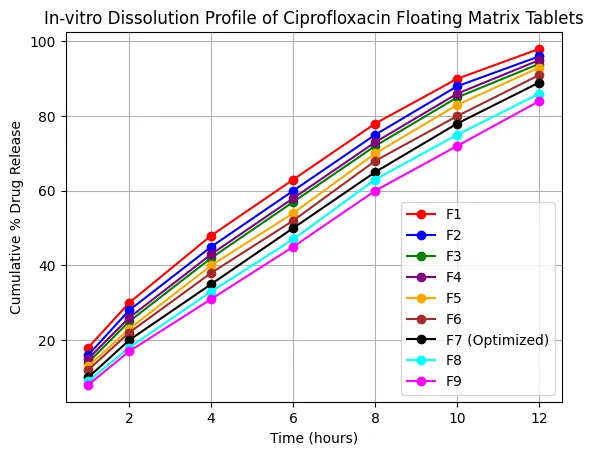
Figure 5: In-vitro dissolution profile of ciprofloxacin floating matrix tablets (F1–F9)
Among all formulations, F7 demonstrated the most desirable release behavior, providing approximately 89% cumulative drug release at 12 hours while maintaining prolonged buoyancy and acceptable mechanical properties. The optimized release profile of F7 suggests an ideal balance between matrix integrity, swelling behavior, and drug diffusion, making it suitable for sustained gastroretentive delivery of ciprofloxacin hydrochloride.
In-Vitro Drug Release Study of Optimized Formulation (F7)
The optimized formulation F7 was further evaluated for its detailed dissolution behavior. The formulation exhibited a controlled and sustained release pattern over 24 hours. An initial burst release was observed due to the dissolution of drug particles present near the tablet surface, followed by a gradual release phase governed by hydration, swelling, and diffusion through the polymeric gel matrix formed by guar gum, xanthan gum, and sodium alginate.
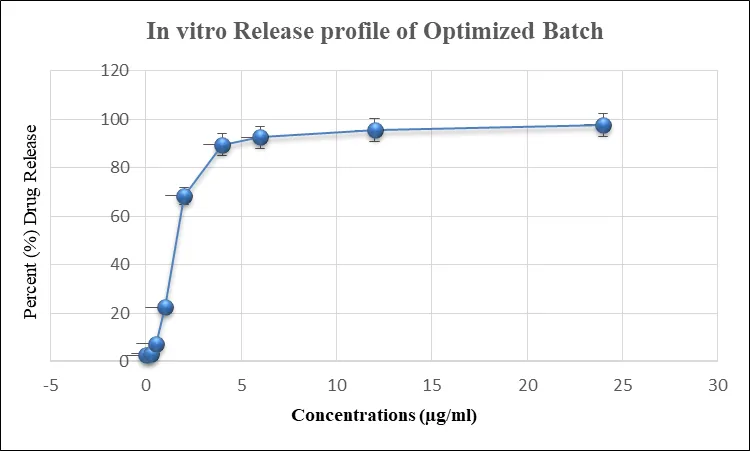
Figure 6: In vitro profile of Optimized Batch
The optimized formulation F7 released approximately 50% of the drug within 6 hours and 89.15% within 12 hours, while achieving nearly complete drug release (97.56%) after 24 hours. These findings indicate that the selected natural polymer combination effectively controlled drug diffusion and sustained the release of ciprofloxacin hydrochloride over an extended period.
9.12 Stability Studies
Accelerated stability studies were performed on the optimized formulation F7 according to ICH guidelines to evaluate its physical stability, drug content uniformity, floating properties, and dissolution characteristics during storage. The tablets were stored at 40 ± 2°C and 75 ± 5% relative humidity for a period of three months and evaluated at monthly intervals.
Table 10: Stability Study of Optimized Formulation (F7)
|
Time Interval |
Appearance |
Hardness (kg/cm²) |
Friability (%) |
Drug Content (%) |
Floating Lag Time (sec) |
Total Floating Time (hrs) |
Drug Release at 12 hrs (%) |
|
Initial |
White, intact |
6.0 |
0.50 |
99.6 |
40 |
16 |
89.0 |
|
1 Month |
No change |
5.9 |
0.52 |
99.3 |
41 |
16 |
88.5 |
|
2 Months |
No change |
5.8 |
0.54 |
98.9 |
42 |
15 |
88.0 |
|
3 Months |
No change |
5.7 |
0.55 |
98.6 |
43 |
15 |
87.5 |
The stability study results indicated that the optimized formulation remained physically and chemically stable throughout the storage period. No visible changes in tablet appearance were observed, and the tablets retained their original color, shape, and structural integrity. Only minor reductions in hardness and drug content were observed, and all values remained within acceptable pharmacopoeial limits. The floating lag time increased only marginally from 40 to 43 seconds, while the total floating duration decreased slightly from 16 to 15 hours. Similarly, drug release at 12 hours showed only a minor reduction from 89% to 87.5%. These changes were insignificant and did not adversely affect the performance of the formulation. Overall, the optimized formulation F7 demonstrated excellent stability under accelerated storage conditions, maintaining its mechanical strength, buoyancy characteristics, drug content, and sustained-release behavior. These findings confirm that the developed gastroretentive floating matrix tablet formulation possesses adequate stability and is suitable for long-term storage and therapeutic application.
CONCLUSION:
The present study was successfully undertaken to develop and evaluate gastroretentive floating matrix tablets of ciprofloxacin hydrochloride using natural polymer-based delivery systems. Preformulation studies confirmed the identity, purity, and suitability of ciprofloxacin hydrochloride for formulation development. FTIR, DSC, and UV spectroscopic analyses verified the authenticity of the drug and demonstrated the absence of any significant incompatibility between the drug and selected excipients. Floating matrix tablets were successfully prepared by the direct compression method using natural polymers such as guar gum, xanthan gum, and sodium alginate. The prepared powder blends exhibited satisfactory flow properties and compressibility characteristics, making them suitable for tablet compression. All formulated tablets complied with pharmacopoeial requirements for post-compression parameters, including hardness, friability, thickness, weight variation, and drug content uniformity. The floating behavior studies demonstrated that all formulations possessed good buoyancy characteristics with floating lag times ranging from 32 to 72 seconds and total floating durations ranging from 10 to 20 hours. The concentration of natural polymers significantly influenced the floating performance and matrix integrity of the tablets. In-vitro dissolution studies revealed that increasing polymer concentration effectively sustained drug release by forming a hydrated gel barrier that controlled drug diffusion. Among all formulations, formulation F7 was identified as the optimized batch based on its balanced performance in terms of mechanical strength, floating behavior, and sustained drug release characteristics. The optimized formulation exhibited a floating lag time of 40 seconds, remained buoyant for approximately 16 hours, and released 89.15% of ciprofloxacin hydrochloride within 12 hours, followed by 97.56% release at 24 hours. Stability studies conducted under accelerated conditions demonstrated that the optimized formulation remained physically and chemically stable, with no significant changes in appearance, drug content, floating properties, or dissolution profile. Overall, the study confirmed that natural polymers can be effectively utilized for the development of gastroretentive floating matrix tablets of ciprofloxacin hydrochloride. The developed formulation successfully achieved prolonged gastric retention and sustained drug release, thereby offering the potential to improve bioavailability, reduce dosing frequency, enhance patient compliance, and provide effective antibacterial therapy. The optimized formulation F7 may serve as a promising gastroretentive drug delivery system for the controlled oral delivery of ciprofloxacin hydrochloride.
CONFLICT OF INTREST:
The author declares that there is no conflict of interest.
REFERENCES

Shivani Khanapure*, Narhari Yedake, Ravi Kurhade, Kishor Rajmalle, Development and Characterization of Gastroretentive Floating Matrix Tablets of Antibacterial Drug Using Natural Polymer-Based Delivery System, Int. J. Med. Pharm. Sci., 2026, 2 (6), 384-400. https://doi.org/10.5281/zenodo.20839840
 10.5281/zenodo.20839840