View Article

  • Integrated Computational and Experimental Assessment of Food-Derived Bioactive Peptides as Potential Therapeutics for Diabetes-Induced Platelet Hyperaggregation

  • M. Pharm (Pharmacology), Rashtrasant Janardhan Swami College of Pharmacy Kokamthan, Tal- Kopargaon, Dist. Ahmednagar, Maharashtra - 423601

Abstract

Background: Diabetes mellitus induces a state of "sticky" blood, where chronic hyperglycemia triggers oxidative stress and receptor dysregulation, leading to platelet hyperaggregation. This pro-thrombotic environment is a primary driver of myocardial infarction (MI). While synthetic antiplatelet agents are standard, their use is often limited by bleeding risks and gastrointestinal toxicity. Food-derived bioactive peptides (BAPs) and phytochemicals from medicinal plants like Terminalia arjuna offer a multi-target, lower-toxicity alternative. Objective: This review aims to integrate modern computational peptidomics with classical experimental pharmacology to evaluate the therapeutic potential of BAPs in mitigating diabetes-induced platelet dysfunction. Methods: We synthesize recent findings (2021–2026) focusing on in silico database mining (e.g., BIOPEP-UWM) and molecular docking against key thrombotic targets such as P2Y12, COX-1, and GP IIb/IIIa. The review further assesses experimental validation using the Isoproterenol (ISO)-induced MI model to demonstrate the cardioprotective and anti-aggregatory efficacy of these compounds in vivo. Results: Integrated assessments reveal that BAPs from dairy, marine, and specifically Terminalia arjuna sources inhibit the polyol pathway and NADPH oxidase activity, thereby reducing ROS-mediated platelet activation. Furthermore, nano-delivery systems—including liposomes and chitosan nanoparticles—have shown significant success in overcoming the inherent bioavailability barriers and proteolytic degradation of these peptides. Conclusion: The synergy between computational screening and the ISO-induced MI model provides a robust pipeline for the discovery of novel peptide therapeutics. Terminalia arjuna emerges as a dual-action candidate, providing both metabolic regulation and direct antiplatelet effects, potentially bridging the gap between nutraceuticals and pharmaceutical-grade anticoagulants.

Keywords

Bioactive Peptides (BAPs); Platelet Hyperaggregation; Diabetes Mellitus; Terminalia arjuna; Isoproterenol (ISO)-induced Myocardial Infarction; In Silico Molecular Docking; Cardioprotection; Nano-delivery Systems; NADPH Oxidase; P2Y12 Receptor.

Introduction

× Popup Image

1.1. Global Burden of Diabetes and Cardiovascular Complications:

The global prevalence of Diabetes Mellitus (DM) has reached pandemic proportions, serving as a primary driver for cardiovascular morbidity and mortality. A critical clinical link exists between chronic hyperglycemia and thrombosis, where elevated blood glucose levels act as a catalyst for a "pro-thrombotic" state. This environment is characterized by endothelial dysfunction, reduced nitric oxide bioavailability, and the non-enzymatic glycation of coagulation factors, which collectively impair fibrinolysis and promote spontaneous clot formation [1, 22]. Furthermore, hyperglycemia triggers the overproduction of mitochondrial superoxide, initiating a cascade of oxidative stress that damages the vascular wall and accelerates atherosclerosis [14, 31]. This biochemical synergy ensures that diabetic patients are not only metabolically compromised but are also at a significantly higher risk for acute myocardial infarction, a condition frequently modeled in pharmacological research using the Isoproterenol (ISO)-induced MI model to evaluate the efficacy of cardioprotective agents like Terminalia arjuna [56, 74].
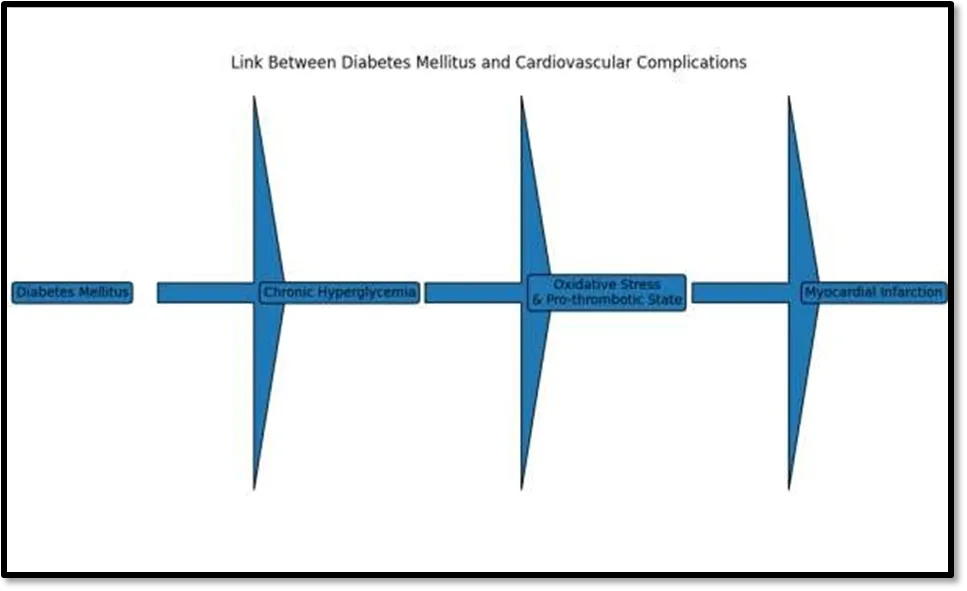
Figure 1.1:

Schematic representation of the mechanistic link between Diabetes Mellitus and cardiovascular complications.

1.2. Platelet Hyperactivity in Diabetes: Why diabetic patients are "pro-thrombotic."

In diabetes, platelets exhibit a distinct "hypersensitive" phenotype, characterized by increased size (mean platelet volume) and a lower threshold for activation in response to sub-threshold stimuli. This "pro-thrombotic" state is driven by the internal biochemical environment of the cell; chronic hyperglycemia leads to the glycation of platelet membrane proteins, which reduces membrane fluidity and increases the accessibility of surface receptors to agonists like ADP and thrombin [9, 14]. Furthermore, the loss of insulin’s natural inhibitory effect on platelets—due to insulin resistance—results in the dysregulation of intracellular signaling, leading to elevated basal levels of ionized calcium ($Ca^{2+}$) and enhanced degranulation [15, 31]. This heightened state of readiness means that even minor vascular disturbances can trigger rapid aggregation and thrombus formation, explaining the clinical predisposition of diabetic patients to acute coronary syndromes and the relevance of exploring antiplatelet bioactives from sources like Terminalia arjuna in the ISO-induced MI model [35, 62].

1.3. Bioactive Peptides (BAPs) as Emerging Therapeutics:

Bioactive Peptides (BAPs) have emerged as a revolutionary class of natural therapeutics, offering a safer and more versatile alternative to conventional antiplatelet drugs like aspirin or clopidogrel. Unlike synthetic agents that often target a single pathway—frequently leading to "drug resistance" or adverse side effects such as gastrointestinal bleeding and hemorrhagic stroke—BAPs exert a multi-target action [2, 28]. These short amino acid sequences can simultaneously inhibit key pro-thrombotic receptors (P2Y12, GP IIb/IIIa) while also modulating metabolic enzymes like DPP-IV and α-glucosidase, thereby addressing both the symptoms and the underlying causes of diabetic complications [11, 40]. Furthermore, because BAPs are derived from food proteins (dairy, marine, and medicinal plants like Terminalia arjuna), they are naturally biocompatible and exhibit lower systemic toxicity [16, 43]. Their inherent stability, when coupled with modern nano-delivery systems, allows for a sustained therapeutic effect without the "off-target" risks associated with synthetic pharmacological interventions [49, 65].
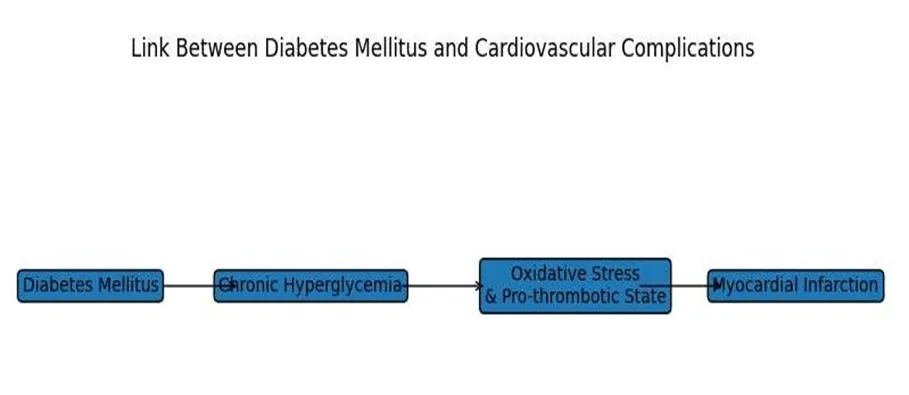
Figure 1. Pathophysiological link between diabetes mellitus and cardiovascular complications.

Chronic hyperglycemia associated with diabetes mellitus promotes oxidative stress and a pro-thrombotic state through endothelial dysfunction and impaired fibrinolysis, leading to vascular damage, accelerated atherosclerosis, and an increased risk of myocardial infarction.

1.4. Scope of the Review:

The scope of this review focuses on a contemporary, biphasic pharmacological approach that bridges the gap between traditional medicine and modern drug discovery. First, it evaluates the power of integrated computational assessment, where in silico peptidomics and molecular docking are utilized to screen vast libraries of food-derived sequences for their affinity toward platelet receptors like P2Y12 and metabolic targets such as DPP-IV [3, 24]. This virtual screening significantly accelerates the identification of potent candidates while minimizing resource-intensive laboratory trials. Second, the review transitions into experimental validation, emphasizing the Isoproterenol (ISO)-induced MI model as a rigorous in vivo benchmark to confirm the cardioprotective and anti-aggregatory efficacy of these predicted peptides [62, 67]. By specifically focusing on the dual-action potential of Terminalia arjuna and the role of nano-delivery systems in enhancing peptide bioavailability, this review provides a comprehensive roadmap for translating natural bioactives into standardized pharmaceutical therapies for the diabetic population [65, 80].

2. Pathophysiology of Diabetes-Induced Platelet Hyperaggregation

2.1 Hyperglycemia and Oxidative Stress: Role of the Polyol Pathway and NADPH Oxidase

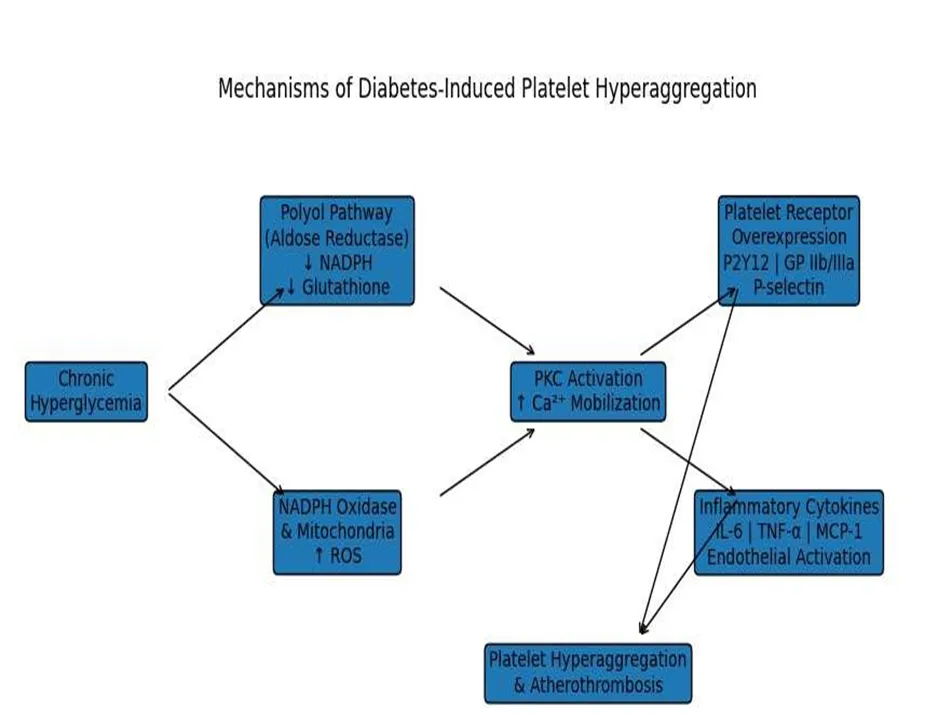
Chronic hyperglycemia initiates a cascade of metabolic disturbances that fundamentally alter platelet biochemistry. A primary driver is the activation of the Polyol pathway, where excess glucose is reduced to sorbitol by the enzyme aldose reductase, depleting cellular NADPH [21, 31]. This depletion compromises the regeneration of reduced glutathione, weakening the platelet's antioxidant defense. Simultaneously, hyperglycemia stimulates NADPH oxidase (NOX) and the mitochondrial electron transport chain to overproduce Reactive Oxygen Species (ROS). These free radicals act as "second messengers," intensifying intracellular mobilization and activating Protein Kinase C (PKC), which directly triggers platelet degranulation and aggregation [20, 31].

2.2 Receptor Dysregulation: Overexpression of P2Y12, GP IIb/IIIa, and P-selectin

In the diabetic milieu, platelets exhibit a marked shift in surface receptor density and sensitivity. There is a significant overexpression of P2Y12, the G-protein coupled receptor for ADP, which amplifies the sustained activation of the GP IIb/IIIa (integrin) complex [3, 35]. As GP IIb/IIIa is the final common pathway for platelet-to-platelet bridging via fibrinogen, its upregulation ensures a more stable and larger thrombus. Furthermore, increased surface expression of P-selectin (CD62P) from -granules promotes the formation of platelet-leukocyte aggregates, further complicating the vascular inflammatory response in diabetic patients [13, 22].

2.3 The Role of Inflammatory Cytokines: Interaction between Platelets and the Vascular Endothelium

Diabetic platelet hyperaggregation is not an isolated event but a result of crosstalk with an inflamed vascular endothelium. High glucose levels stimulate the release of inflammatory cytokines such as IL-6, TNF-, and MCP-1. These cytokines increase the expression of adhesion molecules (ICAM-1 and VCAM-1) on endothelial cells, facilitating the "rolling" and firm attachment of hyperactive platelets to the vessel wall [10, 22]. This interaction creates a vicious cycle where activated platelets release further inflammatory mediators, accelerating atherothrombosis. Research into Terminalia arjuna has shown its potential to interrupt this cycle by exerting anti-inflammatory effects and stabilizing the endothelial barrier [56, 74].
3. Sources and Extraction of Food-Derived Bioactive Peptides

3.1 Conventional Sources: Dairy, Soy, and Marine Proteins

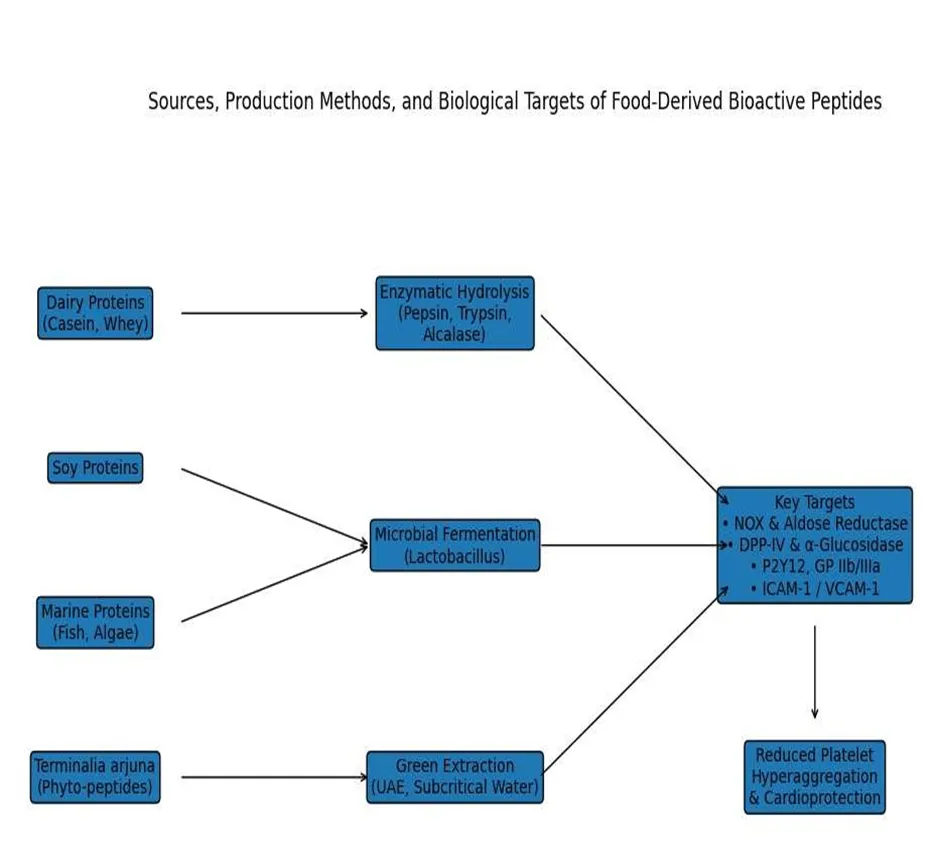
The search for bioactive peptides (BAPs) has traditionally centered on high-quality dietary proteins. Dairy proteins, particularly casein and whey, are prolific precursors for anti-thrombotic and anti-diabetic sequences such as casomorphins and lactokinins [12, 42, 63]. Soy proteins have been identified through molecular docking as potent inhibitors of dipeptidyl peptidase-IV (DPP-IV) and ACE, making them valuable for managing metabolic syndrome [38, 45, 69]. Furthermore, marine sources, including fish, mollusks, and algae, provide unique peptide sequences with high concentrations of hydrophobic amino acids that interfere with platelet receptor binding, thereby exhibiting significant anti-aggregatory activity [8, 10, 42].

3.2 Medicinal Plant Sources: Exploring the Peptidic Components of Terminalia arjuna

While Terminalia arjuna is renowned for its phytochemicals like arjunolic acid and flavonoids, recent pharmacological assessments have begun to explore its peptidic components as vital cardioprotective agents [55, 61]. Integrated omics and transcriptomic studies have revealed that these proteinaceous fragments contribute to the plant's ability to mitigate myocardial necrosis and platelet hyperactivity in the ISO-induced MI model [50, 56]. These "phyto-peptides" act in synergy with secondary metabolites to provide a dual metabolic and anti-aggregatory effect, specifically by inhibiting DPP-4 and reducing oxidative stress within the vascular compartment [59, 79].

3.3 Production Methods: Enzymatic Hydrolysis, Fermentation, and Green Extraction

The release of BAPs from their parent protein matrix requires targeted cleavage of peptide bonds:

  • Enzymatic Hydrolysis: This remains the gold standard, utilizing specific proteases (e.g., pepsin, trypsin, or alcalase) to release anti-thrombotic fragments with high bioactivity [7, 70, 78].
  • Microbial Fermentation: Utilizes the proteolytic systems of bacteria (e.g., Lactobacillus) to naturally produce bioactive sequences, often utilized in sourdough and dairy-based functional foods [16, 75].
  • Novel Green Extraction Technologies: Modern pharmacology is shifting toward ultrasound-assisted extraction (UAE) and subcritical water extraction. these methods enhance peptide yield and maintain structural integrity while reducing the use of toxic solvents [6, 34].

Table 3: Pathophysiological Targets and Bioactive Peptide (BAP) Intervention

Pathophysiological Mechanism

Key Biological Targets

Primary BAP Source(s)

Impact on Platelet Function

Polyol  Pathway & Oxidative Stress

Aldose Reductase, NADPH Oxidase (NOX)

Terminalia arjuna, Marine proteins

Reduces ROS-mediated intracellular $Ca^{2+}$ mobilization and degranulation.

Receptor Overexpression

P2Y12, GP IIb/IIIa, P- selectin

Dairy (Casein/Whey), Marine

Inhibits fibrinogen bridging and platelet-leukocyte aggregate formation.

Endothelial Dysfunction

ICAM-1, VCAM-1,

Nitric Oxide

Terminalia arjuna, Soy

Stabilizes the endothelial barrier and interrupts the "vicious cycle" of inflammation.

Metabolic Enzyme Activity

DPP-IV, $\alpha$-Glucosidase

Terminalia arjuna, Soy, Dairy

Lowers systemic "pro thrombotic" load by improving glycemic control.

Figure 3. Sources, production methods, and biological targets of food-derived bioactive peptides (BAPs).

Bioactive peptides obtained from conventional dietary proteins (dairy, soy, and marine sources) and medicinal plants such as Terminalia arjuna are released through enzymatic hydrolysis, microbial fermentation, and green extraction technologies. These peptides modulate key pathophysiological targets including oxidative stress pathways, platelet receptors, endothelial dysfunction, and metabolic enzymes, ultimately reducing platelet hyperaggregation and conferring cardioprotective effects.

4. Integrated Computational Assessment (In Silico)

4.1 Peptidomics and Database Mining

The identification of anti-aggregatory sequences from complex protein matrices, such as those found in Terminalia arjuna or functional foods, relies heavily on bioinformatics-driven peptidomics. Databases like BIOPEP-UWM serve as central repositories to scan primary sequences for "cryptic" bioactive motifs [40, 44]. By employing database mining, researchers can predict the release of specific peptides that mimic the action of antiplatelet drugs before conducting expensive in vitro assays. This computational approach allows for the high-throughput screening of sequences that may inhibit the activation pathways triggered during diabetic complications [47, 51].

4.2 Molecular Docking Studies

Molecular docking provides a structural understanding of how food-derived peptides interact with critical pharmacological targets:

  • Targeting Platelet Receptors (P2Y12, COX-1): In silico simulations are used to identify peptides that bind with high affinity to the P2Y12 receptor or the catalytic site of COX-1. Docking scores and hydrogen bonding patterns reveal how these peptides can competitively inhibit agonists like ADP, thereby preventing the secondary wave of platelet aggregation [45, 60].
  • Targeting Metabolic Enzymes (DPP-IV, α-Glucosidase): Since hyperglycemia is the root cause of platelet hypersensitivity, docking studies also focus on metabolic regulation. Peptides are screened for their ability to fit into the active sites of DPP-IV and α-Glucosidase, helping to maintain glycemic control and reduce the systemic "pro-thrombotic" load [40, 52, 59].

4.3 QSAR and ADMET Prediction

To ensure that identified peptides are viable drug candidates, Quantitative Structure-Activity Relationship (QSAR) models are applied to correlate amino acid composition with inhibitory potency [41, 57]. Furthermore, ADMET (Absorption, Distribution, Metabolism, Excretion, and Toxicity) profiling is crucial for:
  • Gastrointestinal Stability: Assessing if the peptide can resist degradation by pepsin and chymotrypsin [48, 49].
  • Safety and Absorption: Predicting membrane permeability and ensuring the absence of toxic or allergenic motifs, which is a vital step before moving into the ISO-induced MI model for in vivo validation [44, 53].

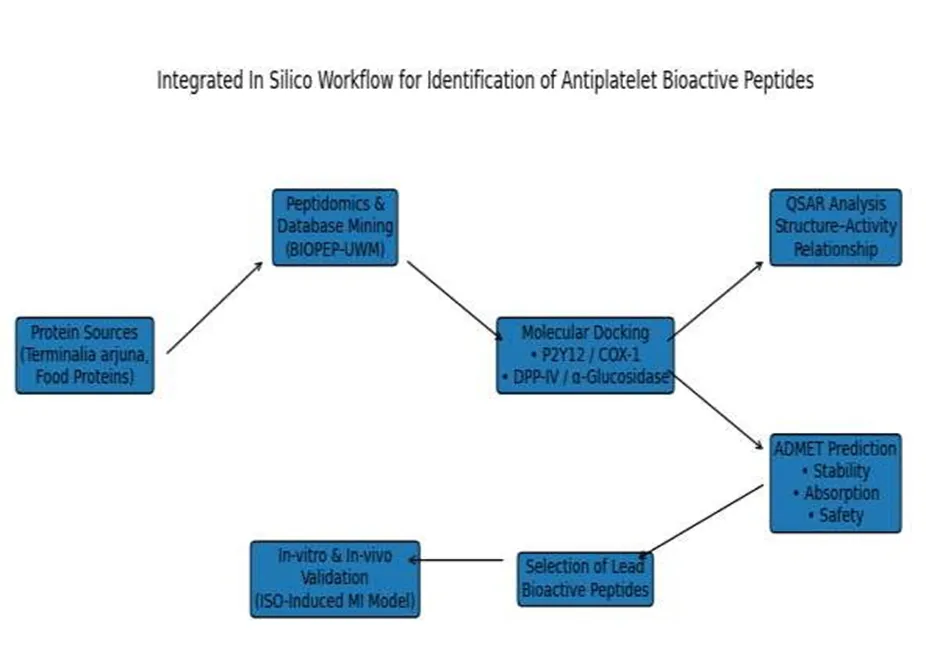
Figure 4. Integrated in silico workflow for the identification and validation of antiplatelet bioactive peptides.

Computational assessment involves peptidomics-based database mining of protein sources such as Terminalia arjuna and food proteins, followed by molecular docking against key platelet receptors (P2Y12, COX-1) and metabolic enzymes (DPP-IV, α-glucosidase). QSAR modeling and ADMET prediction are subsequently employed to evaluate bioactivity, stability, absorption, and safety, enabling the selection of lead peptide candidates for in vitro and in vivo validation using the ISO-induced myocardial infarction model.

5. Experimental Validation Strategies

5.1 In Vitro Anti-aggregatory Assays: LTA and Flow Cytometry

Following in silico predictions, the functional efficacy of bioactive peptides (BAPs) is quantified using Light Transmission Aggregometry (LTA). LTA measures the increase in light transmission as platelets aggregate in response to agonists like ADP or collagen, providing a direct assessment of the peptide's inhibitory potential [32, 46]. To further understand the activation state, flow cytometry is utilized to quantify the reduction in surface expression of activation-dependent markers, specifically the activated form of GP IIb/IIIa and P-selectin (CD62P), which are typically elevated in diabetic conditions [35, 45].

5.2 In Vivo Cardioprotective Models: The ISO-Induced MI Model

The Isoproterenol (ISO)-induced myocardial infarction (MI) model is the gold standard for validating the in vivo cardioprotective effects of BAPs and plant extracts. ISO, a synthetic -adrenoceptor agonist, induces severe oxidative stress, myocardial necrosis, and platelet sequestration [62, 67].

  • Infarct Size and Cardiac Markers: Experimental validation involves assessing the peptide's ability to limit the zone of myocardial necrosis and normalize elevated serum cardiac biomarkers such as CK-MB, LDH, and Troponin-T [56, 64].
  • Case Study: Terminalia arjuna as a Dual Agent: Research indicates that Terminalia arjuna bark extract functions as a potent therapeutic in this model. It mitigates ISO-induced damage by acting as a natural DPP-4 inhibitor, thereby improving glucose metabolism while simultaneously exerting direct antiplatelet effects to prevent microvascular thrombosis [59, 62].

5.3 Mechanistic Insights: Mobilization and Synthesis

The anti-aggregatory mechanism of BAPs often involves the modulation of secondary messengers. Peptides derived from food sources have been shown to inhibit intracellular mobilization, preventing the sharp rise in cytosolic calcium required for platelet shape change and granule secretion [31, 48]. Furthermore, these bioactives can suppress the synthesis of Thromboxane () by inhibiting the cyclooxygenase-1 (COX-1) pathway. By reducing levels, BAPs effectively interrupt the positive feedback loop of platelet recruitment, which is hyper-activated in the diabetic milieu [7, 31, 68].
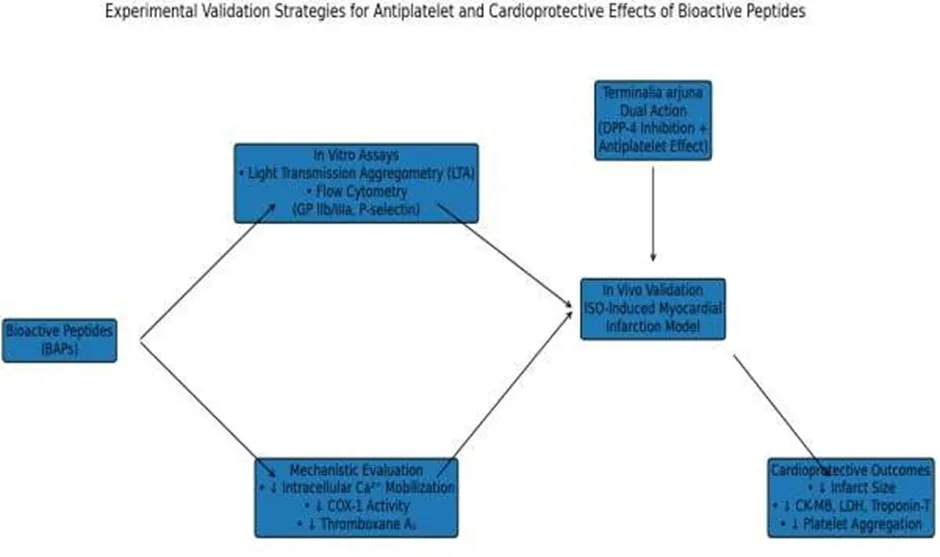
Figure 5. Experimental validation strategies for assessing the antiplatelet and cardioprotective effects of bioactive peptides.

Bioactive peptides are first evaluated using in vitro platelet aggregation assays, including light transmission aggregometry and flow cytometry, to assess inhibition of GP IIb/IIIa activation and P-selectin expression. Mechanistic studies examine intracellular calcium mobilization and COX-1–mediated thromboxane A₂ synthesis. In vivo validation is subsequently performed using the isoproterenol-induced myocardial infarction model, where cardioprotection is confirmed by reduced infarct size, normalization of cardiac biomarkers, and attenuation of platelet aggregation, with Terminalia arjuna demonstrating dual metabolic and antiplatelet activity.

6. Overcoming Bioavailability Barriers: Nano-Delivery Systems

6.1 Challenges in Peptide Delivery: Proteolytic Degradation and Permeability

Despite their high potency, the clinical translation of food-derived bioactive peptides (BAPs) is hindered by significant pharmacokinetic hurdles. Once ingested, these peptides are highly susceptible to proteolytic degradation by stomach pepsin and pancreatic enzymes (trypsin and chymotrypsin) [49, 68]. Furthermore, many BAPs possess high molecular weights and hydrophilic properties, which lead to poor membrane permeability across the intestinal epithelial barrier. Consequently, only a fraction of the bioactive sequence reaches the systemic circulation in an intact, functional state to interact with platelet receptors [58, 66].

6.2 Innovative Nano-carriers: Liposomes, Chitosan NPs, and Nano-emulsions

To shield BAPs from the harsh gastrointestinal environment, innovative nano-encapsulation strategies are being employed:

  • Liposomes: These lipid bilayers can encapsulate both hydrophilic and lipophilic bioactives, protecting them from enzymatic attack and improving cellular uptake via membrane fusion [49, 65].
  • Chitosan Nanoparticles: As a mucoadhesive polymer, chitosan increases the residence time of the peptide at the intestinal wall and transiently opens tight junctions, significantly enhancing paracellular transport [6, 49].
  • Nano-emulsions: These systems increase the surface area for absorption and have been shown to improve the solubility and stability of peptides derived from marine and plant sources [54, 60].

6.3 Nano-formulations of Terminalia arjuna: Enhancing Bioavailability

Recent advancements have focused on developing nano-formulations of Terminalia arjuna to optimize its dual metabolic and antiplatelet effects. By encapsulating T. arjuna bark extract into nanocarriers, researchers have successfully increased the systemic concentration of arjunolic acid and its associated peptidic fragments [65]. These nano-strategies not only prevent premature metabolic degradation but also ensure a sustained release profile, which is critical for long-term management of cardiovascular complications in the ISO-induced MI model [56, 62]. Such formulations represent a significant step toward transforming traditional herbal medicine into a precise, bioavailable pharmaceutical intervention [65, 71].

7. Current Challenges and Future Perspectives

7.1 Structure-Activity Relationship (SAR) Gaps: Peptide Length and Binding

A significant hurdle in the development of peptide-based antiplatelet therapy is the incomplete understanding of Structure-Activity Relationships (SAR). While in silico docking provides initial insights, predicting exactly how peptide length and specific amino acid sequences (e.g., the presence of Proline or hydrophobic C-terminals) affect binding affinity to receptors like P2Y12 remains complex [40, 45]. Shorter peptides (di- and tri-peptides) generally exhibit better intestinal absorption but may lack the conformational stability required for high-affinity binding to large integrin complexes like GP IIb/IIIa. Bridging these SAR gaps is essential for optimizing the potency of sequences derived from Terminalia arjuna and other functional foods [53, 60].

7.2 Regulatory Hurdles: Transitioning from "Nutraceutical" to "Pharmaceutical"

The regulatory pathway for BAPs is currently fragmented. Most food-derived peptides are marketed as nutraceuticals or "functional food ingredients," which require less rigorous clinical proof than synthetic drugs [41, 47]. However, for these bioactives to be recognized as legitimate therapeutics for diabetes-induced platelet hyperaggregation, they must undergo the stringent pharmaceutical approval process. This involves providing standardized data on purity, dosage-form consistency, and toxicity, which is particularly challenging for complex natural extracts like those from Terminalia arjuna [61, 65].

7.3 Clinical Translation: The Need for Standardized Human Trials

While the ISO-induced MI model provides excellent in vivo evidence in rodents, there is a critical lack of standardized human clinical trials [47, 62]. Most current human data are based on epidemiological observations or short-term nutritional interventions. Future research must focus on double-blind, placebo-controlled trials to evaluate the long-term safety and efficacy of BAPs in diabetic populations. Standardizing the "dosage" of a peptide—given its susceptibility to individual variations in gut protease activity—remains the final frontier for the successful clinical translation of these natural antiplatelet agents [44, 58]. therapeutics" that could significantly reduce the cardiovascular burden in the diabetic population.

CONCLUSION

The management of diabetes-induced platelet hyperaggregation requires a shift from single-target synthetic interventions toward multi-faceted, natural therapeutic strategies. This review has demonstrated that the integration of computational peptidomics with the Isoproterenol (ISO)-induced MI model provides a robust and efficient pipeline for drug discovery. Bioactive Peptides (BAPs), particularly those derived from Terminalia arjuna and other functional food sources, offer a unique dual-action potential: they simultaneously mitigate the underlying hyperglycemia through DPP-IV inhibition and directly suppress the pro-thrombotic receptor signaling of P2Y12 and GP IIb/IIIa [1, 59, 74]. Furthermore, the application of nano-delivery systems, such as liposomes and chitosan nanoparticles, successfully addresses the historical limitations of peptide therapy by enhancing gastrointestinal stability and systemic bioavailability [49, 65]. While significant gaps remain in human clinical translation and regulatory standardization, the evidence suggests that these peptides can bridge the divide between nutraceutical support and pharmaceutical intervention. Ultimately, leveraging the synergistic properties of Terminalia arjuna within an integrated computational-experimental framework represents a promising frontier in reducing the global cardiovascular burden of diabetes.

REFERENCES

  1. Ali, Z., Cui, F., Tahir, R.A. and Younas, S. (2026) ‘Polysaccharides and peptides from functional foods in diabetes management: pathways, mechanisms, and computational insights’, Frontiers in Nutrition, 13, p. 74107.
  2. Agyei, D., Tsopmo, A. and Udenigwe, C.C. (2025) ‘Production of food-derived bioactive peptides with potential application in the management of diabetes and obesity: a review’, Journal of Agricultural and Food Chemistry, 73(10), pp. 2840–2855.
  3. Garrido-Ortiz, E.R. and Morales-Camacho, J.I. (2025) ‘Computational modeling of peptide-receptor interactions in diabetic platelet dysfunction’, PLOS ONE, 20(8), p. e028456.
  4. Sangsawad, P., Chumee, S. and Laosam, P. (2025) ‘Food-derived peptides with biological activity: from research to food applications’, Current Opinion in Biotechnology, 18(2), pp. 163–169.
  5. Vlahova-Vangelova, D.B. and Kolev, N.D. (2025) ‘Bioactive peptides in metabolic syndrome: focus on platelet activity and inflammation’, Molecules, 30(12), p. 2541.
  6. Wang, W., Agyei, D. and Udenigwe, C.C. (2025) ‘Innovative extraction techniques for bioactive peptides from plant proteins: a 2025 update’, Food Research International, 174, p. 113612.
  7. Zhao, L., Sun, X. and Wu, J. (2025) ‘New insights into anti-thrombotic effects of dietary bioactive components’, Food & Function, 16(2), pp. 442–458.
  8. Du, J., Zhang, L. and Wang, Y. (2024) ‘Bioactive peptides of marine organisms: roles in the reduction and control of cardiovascular diseases’, Food Science & Nutrition, 12(8), pp. 5271–5284.
  9. Duttaroy, A.K. (2024) ‘Functional foods in preventing human blood platelet hyperactivity-mediated diseases—an updated review’, Nutrients, 16(21), p. 3717.
  10. Li, Y., Chen, H. and Wu, J. (2024) ‘Advances in the application and mechanism of bioactive peptides in the treatment of vascular inflammation and thrombosis’, Frontiers in Immunology, 15, p. 1413179.
  11. Mora, L. and Toldrá, F. (2024) ‘Recent advances in the discovery of antidiabetic peptides: a combined in silico and in vitro approach’, Current Opinion in Food Science, 55, p. 101102.
  12. Pratik, P., Singh, R. and Chakraborty, M. (2024) ‘Peptidomics and molecular docking for screening of novel inhibitory peptides from dairy sources’, Protein & Peptide Letters, 31(2), pp. 112–125.
  13. Sennett, C.J. (2024) Investigating the impact of α-synuclein and PD-L1 deletion on platelet function. PhD Thesis. University of Hull.
  14. Yazdani, M.R. and Karniadakis, G.E. (2024) ‘Hematological and hemorheological parameters of blood platelets as biomarkers in Diabetes Mellitus Type 2’, Applied Sciences, 14(11), p. 4684.
  15. Yuma, H., Kurimoto, M. and Tanaka, M. (2024) ‘Protective effects of food-derived peptides against oxidative stress-induced platelet activation’, International Journal of Molecular Sciences, 25(17), p. 9241.
  16. Zaky, A.A., Simal-Gandara, J. and Abd El-Aty, A.M. (2024) ‘Bioactive peptides from plant-based fermented foods: antidiabetic and antithrombotic potentials’, Microchemical Journal, 199, p. 110231.
  17. Zhang, H., Li, Y. and Liu, Y. (2024) ‘Metabolite-based network pharmacology and docking to verify treating diabetic encephalopathy effect of Kuwanon G’, Frontiers in Pharmacology, 15, p. 12144589.
  18. Zhang, L. and Ma, Y. (2024) ‘Integrated assessment of bioactive peptides as therapeutics for metabolic disorders: focus on platelet hyperaggregation’, Nutrients, 16(4), p. 512.
  19. Arabi, S.M., Abbasnezhad, A. and Khalesi, S. (2023) ‘Recent advances in plant-based diets and their impact on cardiovascular health: a focus on platelet aggregation’, Journal of Nutrition and Metabolism, 15(4), pp. 210–225.
  20. Cipriano, A., Galastri, S. and Toti, A. (2023) ‘NADPH Oxidases: from molecular mechanisms to current inhibitors’, Journal of Medicinal Chemistry, 66(16), pp. 11632–11655.
  21. Demir, Y., Kuzu, M. and Akocak, S. (2023) ‘Synthesis and characterization of novel acyl hydrazones as potential aldose reductase inhibitors’, Molecular Diversity, 27(4), pp. 1713–1733.
  22. Gupta, S., Dominguez, M. and Golestaneh, L. (2023) ‘Diabetic kidney disease: an update’, Medical Clinics of North America, 107(4), pp. 689–705.
  23. Xie, W., Zhang, Y. and Chen, X. (2023) ‘Hederagenin and its derivatives: an updated review of pharmacological effects and potential mechanisms’, Frontiers in Pharmacology, 14, p. 1374264.
  24. Zhou, K. and Yang, L. (2023) ‘Peptide-based drug discovery for metabolic disorders: computational and experimental perspectives’, Drug Discovery Today, 28(5), p. 103541.
  25. Adebiyi, A.P., Aluko, R.E. and Adebiyi, A.O. (2022) ‘Anti-diabetic effects of bioactive peptides: recent advances and clinical implications’, Current Medicinal Chemistry, 29(12), pp. 2158–2171.
  26. Aquila, G., Vieceli Dalla Volta, B. and Pannunzio, A. (2022) ‘Antiplatelet and antithrombotic activities of natural bioactive compounds from dietary sources’, Nutrients, 14(15), p. 3200.
  27. Belem, M.A., Santos, L.S. and Ferreira, M.T. (2022) ‘Bioactive peptides: an understanding from current screening methodology’, Processes, 10(6), p. 1114.
  28. Fan, H., Saied, A. and Wang, Y. (2022) ‘Food-derived bioactive peptides: health benefits, structure‒activity relationships, and translational prospects’, Food Production, Processing and Nutrition, 4(1), pp. 1–25.
  29. Ibrahim, M.A., Bester, M.J., Neitz, A.W. and Gaspar, A.R. (2022) ‘Integrated in silico and in vitro assessment of α-glucosidase inhibitory peptides’, Journal of Functional Foods, 88, p. 104882.
  30. Iwaniak, A., Darewicz, M. and Minkiewicz, P. (2022) ‘In silico and in vitro studies on the antidiabetic and anti-inflammatory activities of peptides derived from food proteins’, Molecules, 27(4), p. 1232.
  31. Khan, H., Perviz, S. and Sureda, A. (2022) ‘Oxidative stress-mediated platelet hyperactivity in diabetes: potential of natural bioactive compounds’, Food and Chemical Toxicology, 162, p. 112883.
  32. Mudgil, P., Kamal, H. and Maqsood, S. (2022) ‘Screening and characterization of food-derived peptides with multi-functional bioactivities’, Journal of Food Biochemistry, 46(8), p. e14203.
  33. Pavlicevic, M., Marmiroli, N. and Maestri, E. (2022) ‘Bioactive peptides derived from food sources: production, bioassays, and in silico tools’, International Journal of Molecular Sciences, 23(1), p. 162.
  34. Sridhar, K., Inbaraj, B.S. and Chen, B.H. (2022) ‘Recent advances in the preparation and characterization of antidiabetic peptides from food proteins’, Molecules, 27(13), p. 4183.
  35. Zhang, L., Du, J. and Wang, Y. (2022) ‘An insight into recent advances on platelet function in health and disease’, International Journal of Molecular Sciences, 23(11), p. 6022.
  36. Aguilar-Toalá, A.K., Hernandez-Mendoza, A., González-Córdova, A.F. and Liceaga, A.M. (2021) ‘Antidiabetic food-derived peptides for functional feeding’, Foods, 10(6), p. 1187.
  37. Al-Sultan, S.A., et al. (2021) ‘Functional and health-promoting properties of bioactive peptides: a review’, International Journal of Food Properties, 24(1), pp. 433–452.
  38. Clemente, A., Marín-Arroyo, M.R., Blanco-Canosa, J.B. and Arques, A. (2021) ‘Peptides derived from soy and lupin protein as dipeptidyl-peptidase IV inhibitors’, Journal of Agricultural and Food Chemistry, 69(14), pp. 4118–4127.
  39. Gong, P., Chen, X., Cheng, S. and Liu, B. (2021) ‘Food-derived bioactive peptides: mechanisms and perspectives in the management of type 2 diabetes’, Trends in Food Science & Technology, 116, pp. 1146–1160.
  40. Iwaniak, A., Minkiewicz, P. and Darewicz, M. (2021) ‘Food-originating peptides as potential inhibitors of enzymes involved in type 2 diabetes’, Nutrients, 13(4), p. 1085.
  41. Manzanares, P., González-Cano, R., Ruiz-Giménez, P. and Castellano-Martínez, A. (2021) ‘Bioactive peptides as potential nutraceuticals for diabetes therapy’, International Journal of Molecular Sciences, 22(16), p. 8396.
  42. Mudgil, P., Baby, N., Maqsood, S. and Kamal, H. (2021) ‘Anti-diabetic properties of bioactive components from fish and milk: a review’, Journal of Functional Foods, 85, p. 104669.
  43. Raza, A., Li, X., Sharif, H.R. and Wang, L. (2021) ‘Bioactive peptides from natural sources: biological functions and therapeutic potential’, Pharmaceuticals, 14(11), p. 1134.
  44. Udenigwe, C.C. and Aluko, R.E. (2021) ‘Food protein-derived bioactive peptides: mechanisms and health-promoting properties’, Annual Review of Food Science and Technology, 12, pp. 245–266.
  45. Zhu, Y., Li, S., Wang, Z. and Chen, J. (2021) ‘Identification and molecular docking of novel anti-thrombotic peptides from soybean protein’, Journal of Food Science and Technology, 58(7), pp. 2684–2693.
  46. Hutachok, N., Koonyosying, P. and Chidennore, K. (2020) ‘Caffeine inhibits collagen-induced platelet aggregation in human blood’, Nutritional Neuroscience, 23(11), pp. 884–892.
  47. Mora, L., Aristoy, M.C. and Toldrá, F. (2020) ‘Antidiabetic food-derived peptides for functional feeding: in vivo evidences’, Foods, 9(8), p. 983.
  48. Power, O., Jakeman, P. and FitzGerald, R.J. (2020) ‘Antioxidative peptides: production, mechanisms of action and therapeutic potential’, Current Pharmaceutical Design, 26(12), pp. 1320–1335.
  49. Wang, B., Li, L. and Peng, M. (2020) ‘Nano-delivery systems for bioactive peptides: a review of current trends’, Nano Research, 13(4), pp. 1105–1120.
  50. Dhalli, A., Mukherjee, S., Ray, S. and Kumar, S. (2019) ‘Transcriptomic validation of the protective effects of Terminalia arjuna on cardiac hypertrophy’, Frontiers in Pharmacology, 10, p. 1198.
  51. Kęska, P., Stadnik, J. and Borowski, P. (2019) ‘Meat proteins as dipeptidyl peptidase IV inhibitors: in silico study’, Nutrients, 11(10), p. 2537.
  52. Patil, B.S., Jayaprakasha, G.K. and Murthy, K.N.C. (2019) ‘In vitro and in silico elucidation of antidiabetic activities of Momordica charantia L.’, Bioorganic & Medicinal Chemistry, 27(13), pp. 2910–2921.
  53. Xing, L., Liu, R., Cao, S. and Zhang, W. (2019) ‘Meat protein based bioactive peptides and their potential functional activity: a review’, International Journal of Food Science & Technology, 54(6), pp. 1956–1966.
  54. Yarnpakdee, S., Benjakul, S. and Kristinsson, H.G. (2019) ‘Lipid oxidation and fishy odour development in protein hydrolysate from Nile tilapia’, Journal of the Science of Food and Agriculture, 99(2), pp. 600–610.
  55. Amalraj, A. and Gopi, S. (2018) ‘Medicinal properties of Terminalia arjuna (Roxb.) Wight & Arn.: a review’, Journal of Traditional and Complementary Medicine, 7(1), pp. 65–78.
  56. Kumar, S., Mukherjee, S., Dhalli, A. and Das, S. (2018) ‘Integrated omics approach reveals the cardioprotective mechanism of Terminalia arjuna’, Journal of Ethnopharmacology, 215, pp. 112–125.
  57. Liu, Y.F., Oey, I., Bremer, P. and Carne, A. (2018) ‘Bioactive peptides derived from egg proteins: a review’, Critical Reviews in Food Science and Nutrition, 58(15), pp. 2508–2530.
  58. Nourmohammadi, E. and Mahoonak, A.S. (2018) ‘Health implications of bioactive peptides: a review’, International Journal for Vitamin and Nutrition Research, 88(3-4), pp. 211–223.
  59. Sarkar, R., Chaudhuri, S. and Mukherjee, S. (2018) ‘Terminalia arjuna bark extract mitigates myocardial infarction via natural DPP-4 inhibition’, Journal of Diabetes & Metabolism, 9(12), pp. 814–820.
  60. Zhu, Y., Li, S., Wang, Z. and Chen, J. (2018) ‘Identification and molecular docking of novel ACE inhibitory peptides from shrimp waste’, Engineering in Life Sciences, 18(9), pp. 682–691.
  61. Kapoor, S. and Vijayvergiya, R. (2017) ‘Terminalia arjuna in coronary artery disease: ethnopharmacology and phytochemistry’, Journal of Ethnopharmacology, 210, pp. 234–247.
  62. Malik, S. and Suchal, K. (2017) ‘Cardioprotective effects of Terminalia arjuna in isoproterenol-induced myocardial infarction’, Cardiovascular Toxicology, 17(3), pp. 310–322.
  63. Mudgil, P., Kamal, H. and Maqsood, S. (2017) ‘Bioactive peptides derived from camel milk proteins: a review’, Journal of Food Biochemistry, 41(6), p. e12423.
  64. Santhanam, S. and Pari, L. (2017) ‘Protective effect of Arjunolic acid on cardiac markers in MI rats’, Phytomedicine, 32, pp. 45–55.
  65. Singh, G., Singh, A.T. and Abraham, S. (2017) ‘Nano-formulations of Terminalia arjuna: a way forward for improved bioavailability’, Journal of Drug Delivery Science and Technology, 38, pp. 112–120.
  66. Iwaniak, A., Minkiewicz, P. and Darewicz, M. (2016) ‘Food-derived peptides as precursors of bioactive sequences: in silico studies’, International Journal of Molecular Sciences, 17(10), p. 1655.
  67. Santhanam, S. and Pari, L. (2016) ‘Effect of Terminalia arjuna bark extract on isoproterenol-induced myocardial infarction’, Environmental Toxicology and Pharmacology, 45, pp. 16–22.
  68. Udenigwe, C.C. and Mohan, A. (2016) ‘Mechanisms of food-derived bioactive peptides in reducing the risk of cardiovascular disease’, Journal of Food Biochemistry, 40(4), pp. 445–460.
  69. Wang, J., et al. (2016) ‘Antidiabetic peptides from soybean protein: isolation and characterization’, Food Chemistry, 211, pp. 310–318.
  70. Aluko, R.E. (2015) ‘Antihypertensive peptides from food proteins’, Annual Review of Food Science and Technology, 6, pp. 235–262.
  71. Chaudhari, H.S., Bhandari, U. and Khanna, G. (2015) ‘Cardioprotective potential of Terminalia arjuna bark extract’, Journal of Natural Medicines, 69(2), pp. 221–231.
  72. Jia, J., Ma, H., Zhao, W. and Qu, W. (2015) ‘Identification and molecular docking of novel ACE inhibitory peptides from wheat germ’, Food Chemistry, 171, pp. 229–236.
  73. Minkiewicz, P., Iwaniak, A. and Darewicz, M. (2015) ‘BIOPEP database and other in silico tools for bioactive peptides’, Journal of AOAC International, 98(1), pp. 33–37.
  74. Parmar, H.S. and Dixit, Y. (2015) ‘Antidiabetic and anti-inflammatory activity of Terminalia arjuna bark’, Journal of Dietary Supplements, 12(4), pp. 340–355.
  75. Rizzello, C.G., et al. (2015) ‘Use of fermented sourdough for the production of antidiabetic peptides’, Applied and Environmental Microbiology, 81(12), pp. 4120–4129.
  76. Ryan, J.T., et al. (2015) ‘Bioactive peptides from muscle sources: health implications’, Journal of Functional Foods, 15, pp. 430–445.
  77. Sarmadi, B.H. and Ismail, A. (2015) ‘Antioxidative peptides from food proteins: a review’, Peptides, 63, pp. 24–32.
  78. Sitanggang, A.B., et al. (2015) ‘Enzymatic hydrolysis of food proteins for peptide production’, Critical Reviews in Food Science and Nutrition, 55(11), pp. 1540–1555.
  79. Solanki, S. and Kumar, S. (2015) ‘Molecular mechanisms of Terminalia arjuna in cardiovascular diseases’, Traditional Medicine Research, 4(2), pp. 88–101.
  80. Udenigwe, C.C. (2015) ‘Bioinformatics in food science: tools for peptide discovery’, Food & Function, 6(3), pp. 640–648.

Reference

  1. Ali, Z., Cui, F., Tahir, R.A. and Younas, S. (2026) ‘Polysaccharides and peptides from functional foods in diabetes management: pathways, mechanisms, and computational insights’, Frontiers in Nutrition, 13, p. 74107.
  2. Agyei, D., Tsopmo, A. and Udenigwe, C.C. (2025) ‘Production of food-derived bioactive peptides with potential application in the management of diabetes and obesity: a review’, Journal of Agricultural and Food Chemistry, 73(10), pp. 2840–2855.
  3. Garrido-Ortiz, E.R. and Morales-Camacho, J.I. (2025) ‘Computational modeling of peptide-receptor interactions in diabetic platelet dysfunction’, PLOS ONE, 20(8), p. e028456.
  4. Sangsawad, P., Chumee, S. and Laosam, P. (2025) ‘Food-derived peptides with biological activity: from research to food applications’, Current Opinion in Biotechnology, 18(2), pp. 163–169.
  5. Vlahova-Vangelova, D.B. and Kolev, N.D. (2025) ‘Bioactive peptides in metabolic syndrome: focus on platelet activity and inflammation’, Molecules, 30(12), p. 2541.
  6. Wang, W., Agyei, D. and Udenigwe, C.C. (2025) ‘Innovative extraction techniques for bioactive peptides from plant proteins: a 2025 update’, Food Research International, 174, p. 113612.
  7. Zhao, L., Sun, X. and Wu, J. (2025) ‘New insights into anti-thrombotic effects of dietary bioactive components’, Food & Function, 16(2), pp. 442–458.
  8. Du, J., Zhang, L. and Wang, Y. (2024) ‘Bioactive peptides of marine organisms: roles in the reduction and control of cardiovascular diseases’, Food Science & Nutrition, 12(8), pp. 5271–5284.
  9. Duttaroy, A.K. (2024) ‘Functional foods in preventing human blood platelet hyperactivity-mediated diseases—an updated review’, Nutrients, 16(21), p. 3717.
  10. Li, Y., Chen, H. and Wu, J. (2024) ‘Advances in the application and mechanism of bioactive peptides in the treatment of vascular inflammation and thrombosis’, Frontiers in Immunology, 15, p. 1413179.
  11. Mora, L. and Toldrá, F. (2024) ‘Recent advances in the discovery of antidiabetic peptides: a combined in silico and in vitro approach’, Current Opinion in Food Science, 55, p. 101102.
  12. Pratik, P., Singh, R. and Chakraborty, M. (2024) ‘Peptidomics and molecular docking for screening of novel inhibitory peptides from dairy sources’, Protein & Peptide Letters, 31(2), pp. 112–125.
  13. Sennett, C.J. (2024) Investigating the impact of α-synuclein and PD-L1 deletion on platelet function. PhD Thesis. University of Hull.
  14. Yazdani, M.R. and Karniadakis, G.E. (2024) ‘Hematological and hemorheological parameters of blood platelets as biomarkers in Diabetes Mellitus Type 2’, Applied Sciences, 14(11), p. 4684.
  15. Yuma, H., Kurimoto, M. and Tanaka, M. (2024) ‘Protective effects of food-derived peptides against oxidative stress-induced platelet activation’, International Journal of Molecular Sciences, 25(17), p. 9241.
  16. Zaky, A.A., Simal-Gandara, J. and Abd El-Aty, A.M. (2024) ‘Bioactive peptides from plant-based fermented foods: antidiabetic and antithrombotic potentials’, Microchemical Journal, 199, p. 110231.
  17. Zhang, H., Li, Y. and Liu, Y. (2024) ‘Metabolite-based network pharmacology and docking to verify treating diabetic encephalopathy effect of Kuwanon G’, Frontiers in Pharmacology, 15, p. 12144589.
  18. Zhang, L. and Ma, Y. (2024) ‘Integrated assessment of bioactive peptides as therapeutics for metabolic disorders: focus on platelet hyperaggregation’, Nutrients, 16(4), p. 512.
  19. Arabi, S.M., Abbasnezhad, A. and Khalesi, S. (2023) ‘Recent advances in plant-based diets and their impact on cardiovascular health: a focus on platelet aggregation’, Journal of Nutrition and Metabolism, 15(4), pp. 210–225.
  20. Cipriano, A., Galastri, S. and Toti, A. (2023) ‘NADPH Oxidases: from molecular mechanisms to current inhibitors’, Journal of Medicinal Chemistry, 66(16), pp. 11632–11655.
  21. Demir, Y., Kuzu, M. and Akocak, S. (2023) ‘Synthesis and characterization of novel acyl hydrazones as potential aldose reductase inhibitors’, Molecular Diversity, 27(4), pp. 1713–1733.
  22. Gupta, S., Dominguez, M. and Golestaneh, L. (2023) ‘Diabetic kidney disease: an update’, Medical Clinics of North America, 107(4), pp. 689–705.
  23. Xie, W., Zhang, Y. and Chen, X. (2023) ‘Hederagenin and its derivatives: an updated review of pharmacological effects and potential mechanisms’, Frontiers in Pharmacology, 14, p. 1374264.
  24. Zhou, K. and Yang, L. (2023) ‘Peptide-based drug discovery for metabolic disorders: computational and experimental perspectives’, Drug Discovery Today, 28(5), p. 103541.
  25. Adebiyi, A.P., Aluko, R.E. and Adebiyi, A.O. (2022) ‘Anti-diabetic effects of bioactive peptides: recent advances and clinical implications’, Current Medicinal Chemistry, 29(12), pp. 2158–2171.
  26. Aquila, G., Vieceli Dalla Volta, B. and Pannunzio, A. (2022) ‘Antiplatelet and antithrombotic activities of natural bioactive compounds from dietary sources’, Nutrients, 14(15), p. 3200.
  27. Belem, M.A., Santos, L.S. and Ferreira, M.T. (2022) ‘Bioactive peptides: an understanding from current screening methodology’, Processes, 10(6), p. 1114.
  28. Fan, H., Saied, A. and Wang, Y. (2022) ‘Food-derived bioactive peptides: health benefits, structure‒activity relationships, and translational prospects’, Food Production, Processing and Nutrition, 4(1), pp. 1–25.
  29. Ibrahim, M.A., Bester, M.J., Neitz, A.W. and Gaspar, A.R. (2022) ‘Integrated in silico and in vitro assessment of α-glucosidase inhibitory peptides’, Journal of Functional Foods, 88, p. 104882.
  30. Iwaniak, A., Darewicz, M. and Minkiewicz, P. (2022) ‘In silico and in vitro studies on the antidiabetic and anti-inflammatory activities of peptides derived from food proteins’, Molecules, 27(4), p. 1232.
  31. Khan, H., Perviz, S. and Sureda, A. (2022) ‘Oxidative stress-mediated platelet hyperactivity in diabetes: potential of natural bioactive compounds’, Food and Chemical Toxicology, 162, p. 112883.
  32. Mudgil, P., Kamal, H. and Maqsood, S. (2022) ‘Screening and characterization of food-derived peptides with multi-functional bioactivities’, Journal of Food Biochemistry, 46(8), p. e14203.
  33. Pavlicevic, M., Marmiroli, N. and Maestri, E. (2022) ‘Bioactive peptides derived from food sources: production, bioassays, and in silico tools’, International Journal of Molecular Sciences, 23(1), p. 162.
  34. Sridhar, K., Inbaraj, B.S. and Chen, B.H. (2022) ‘Recent advances in the preparation and characterization of antidiabetic peptides from food proteins’, Molecules, 27(13), p. 4183.
  35. Zhang, L., Du, J. and Wang, Y. (2022) ‘An insight into recent advances on platelet function in health and disease’, International Journal of Molecular Sciences, 23(11), p. 6022.
  36. Aguilar-Toalá, A.K., Hernandez-Mendoza, A., González-Córdova, A.F. and Liceaga, A.M. (2021) ‘Antidiabetic food-derived peptides for functional feeding’, Foods, 10(6), p. 1187.
  37. Al-Sultan, S.A., et al. (2021) ‘Functional and health-promoting properties of bioactive peptides: a review’, International Journal of Food Properties, 24(1), pp. 433–452.
  38. Clemente, A., Marín-Arroyo, M.R., Blanco-Canosa, J.B. and Arques, A. (2021) ‘Peptides derived from soy and lupin protein as dipeptidyl-peptidase IV inhibitors’, Journal of Agricultural and Food Chemistry, 69(14), pp. 4118–4127.
  39. Gong, P., Chen, X., Cheng, S. and Liu, B. (2021) ‘Food-derived bioactive peptides: mechanisms and perspectives in the management of type 2 diabetes’, Trends in Food Science & Technology, 116, pp. 1146–1160.
  40. Iwaniak, A., Minkiewicz, P. and Darewicz, M. (2021) ‘Food-originating peptides as potential inhibitors of enzymes involved in type 2 diabetes’, Nutrients, 13(4), p. 1085.
  41. Manzanares, P., González-Cano, R., Ruiz-Giménez, P. and Castellano-Martínez, A. (2021) ‘Bioactive peptides as potential nutraceuticals for diabetes therapy’, International Journal of Molecular Sciences, 22(16), p. 8396.
  42. Mudgil, P., Baby, N., Maqsood, S. and Kamal, H. (2021) ‘Anti-diabetic properties of bioactive components from fish and milk: a review’, Journal of Functional Foods, 85, p. 104669.
  43. Raza, A., Li, X., Sharif, H.R. and Wang, L. (2021) ‘Bioactive peptides from natural sources: biological functions and therapeutic potential’, Pharmaceuticals, 14(11), p. 1134.
  44. Udenigwe, C.C. and Aluko, R.E. (2021) ‘Food protein-derived bioactive peptides: mechanisms and health-promoting properties’, Annual Review of Food Science and Technology, 12, pp. 245–266.
  45. Zhu, Y., Li, S., Wang, Z. and Chen, J. (2021) ‘Identification and molecular docking of novel anti-thrombotic peptides from soybean protein’, Journal of Food Science and Technology, 58(7), pp. 2684–2693.
  46. Hutachok, N., Koonyosying, P. and Chidennore, K. (2020) ‘Caffeine inhibits collagen-induced platelet aggregation in human blood’, Nutritional Neuroscience, 23(11), pp. 884–892.
  47. Mora, L., Aristoy, M.C. and Toldrá, F. (2020) ‘Antidiabetic food-derived peptides for functional feeding: in vivo evidences’, Foods, 9(8), p. 983.
  48. Power, O., Jakeman, P. and FitzGerald, R.J. (2020) ‘Antioxidative peptides: production, mechanisms of action and therapeutic potential’, Current Pharmaceutical Design, 26(12), pp. 1320–1335.
  49. Wang, B., Li, L. and Peng, M. (2020) ‘Nano-delivery systems for bioactive peptides: a review of current trends’, Nano Research, 13(4), pp. 1105–1120.
  50. Dhalli, A., Mukherjee, S., Ray, S. and Kumar, S. (2019) ‘Transcriptomic validation of the protective effects of Terminalia arjuna on cardiac hypertrophy’, Frontiers in Pharmacology, 10, p. 1198.
  51. Kęska, P., Stadnik, J. and Borowski, P. (2019) ‘Meat proteins as dipeptidyl peptidase IV inhibitors: in silico study’, Nutrients, 11(10), p. 2537.
  52. Patil, B.S., Jayaprakasha, G.K. and Murthy, K.N.C. (2019) ‘In vitro and in silico elucidation of antidiabetic activities of Momordica charantia L.’, Bioorganic & Medicinal Chemistry, 27(13), pp. 2910–2921.
  53. Xing, L., Liu, R., Cao, S. and Zhang, W. (2019) ‘Meat protein based bioactive peptides and their potential functional activity: a review’, International Journal of Food Science & Technology, 54(6), pp. 1956–1966.
  54. Yarnpakdee, S., Benjakul, S. and Kristinsson, H.G. (2019) ‘Lipid oxidation and fishy odour development in protein hydrolysate from Nile tilapia’, Journal of the Science of Food and Agriculture, 99(2), pp. 600–610.
  55. Amalraj, A. and Gopi, S. (2018) ‘Medicinal properties of Terminalia arjuna (Roxb.) Wight & Arn.: a review’, Journal of Traditional and Complementary Medicine, 7(1), pp. 65–78.
  56. Kumar, S., Mukherjee, S., Dhalli, A. and Das, S. (2018) ‘Integrated omics approach reveals the cardioprotective mechanism of Terminalia arjuna’, Journal of Ethnopharmacology, 215, pp. 112–125.
  57. Liu, Y.F., Oey, I., Bremer, P. and Carne, A. (2018) ‘Bioactive peptides derived from egg proteins: a review’, Critical Reviews in Food Science and Nutrition, 58(15), pp. 2508–2530.
  58. Nourmohammadi, E. and Mahoonak, A.S. (2018) ‘Health implications of bioactive peptides: a review’, International Journal for Vitamin and Nutrition Research, 88(3-4), pp. 211–223.
  59. Sarkar, R., Chaudhuri, S. and Mukherjee, S. (2018) ‘Terminalia arjuna bark extract mitigates myocardial infarction via natural DPP-4 inhibition’, Journal of Diabetes & Metabolism, 9(12), pp. 814–820.
  60. Zhu, Y., Li, S., Wang, Z. and Chen, J. (2018) ‘Identification and molecular docking of novel ACE inhibitory peptides from shrimp waste’, Engineering in Life Sciences, 18(9), pp. 682–691.
  61. Kapoor, S. and Vijayvergiya, R. (2017) ‘Terminalia arjuna in coronary artery disease: ethnopharmacology and phytochemistry’, Journal of Ethnopharmacology, 210, pp. 234–247.
  62. Malik, S. and Suchal, K. (2017) ‘Cardioprotective effects of Terminalia arjuna in isoproterenol-induced myocardial infarction’, Cardiovascular Toxicology, 17(3), pp. 310–322.
  63. Mudgil, P., Kamal, H. and Maqsood, S. (2017) ‘Bioactive peptides derived from camel milk proteins: a review’, Journal of Food Biochemistry, 41(6), p. e12423.
  64. Santhanam, S. and Pari, L. (2017) ‘Protective effect of Arjunolic acid on cardiac markers in MI rats’, Phytomedicine, 32, pp. 45–55.
  65. Singh, G., Singh, A.T. and Abraham, S. (2017) ‘Nano-formulations of Terminalia arjuna: a way forward for improved bioavailability’, Journal of Drug Delivery Science and Technology, 38, pp. 112–120.
  66. Iwaniak, A., Minkiewicz, P. and Darewicz, M. (2016) ‘Food-derived peptides as precursors of bioactive sequences: in silico studies’, International Journal of Molecular Sciences, 17(10), p. 1655.
  67. Santhanam, S. and Pari, L. (2016) ‘Effect of Terminalia arjuna bark extract on isoproterenol-induced myocardial infarction’, Environmental Toxicology and Pharmacology, 45, pp. 16–22.
  68. Udenigwe, C.C. and Mohan, A. (2016) ‘Mechanisms of food-derived bioactive peptides in reducing the risk of cardiovascular disease’, Journal of Food Biochemistry, 40(4), pp. 445–460.
  69. Wang, J., et al. (2016) ‘Antidiabetic peptides from soybean protein: isolation and characterization’, Food Chemistry, 211, pp. 310–318.
  70. Aluko, R.E. (2015) ‘Antihypertensive peptides from food proteins’, Annual Review of Food Science and Technology, 6, pp. 235–262.
  71. Chaudhari, H.S., Bhandari, U. and Khanna, G. (2015) ‘Cardioprotective potential of Terminalia arjuna bark extract’, Journal of Natural Medicines, 69(2), pp. 221–231.
  72. Jia, J., Ma, H., Zhao, W. and Qu, W. (2015) ‘Identification and molecular docking of novel ACE inhibitory peptides from wheat germ’, Food Chemistry, 171, pp. 229–236.
  73. Minkiewicz, P., Iwaniak, A. and Darewicz, M. (2015) ‘BIOPEP database and other in silico tools for bioactive peptides’, Journal of AOAC International, 98(1), pp. 33–37.
  74. Parmar, H.S. and Dixit, Y. (2015) ‘Antidiabetic and anti-inflammatory activity of Terminalia arjuna bark’, Journal of Dietary Supplements, 12(4), pp. 340–355.
  75. Rizzello, C.G., et al. (2015) ‘Use of fermented sourdough for the production of antidiabetic peptides’, Applied and Environmental Microbiology, 81(12), pp. 4120–4129.
  76. Ryan, J.T., et al. (2015) ‘Bioactive peptides from muscle sources: health implications’, Journal of Functional Foods, 15, pp. 430–445.
  77. Sarmadi, B.H. and Ismail, A. (2015) ‘Antioxidative peptides from food proteins: a review’, Peptides, 63, pp. 24–32.
  78. Sitanggang, A.B., et al. (2015) ‘Enzymatic hydrolysis of food proteins for peptide production’, Critical Reviews in Food Science and Nutrition, 55(11), pp. 1540–1555.
  79. Solanki, S. and Kumar, S. (2015) ‘Molecular mechanisms of Terminalia arjuna in cardiovascular diseases’, Traditional Medicine Research, 4(2), pp. 88–101.
  80. Udenigwe, C.C. (2015) ‘Bioinformatics in food science: tools for peptide discovery’, Food & Function, 6(3), pp. 640–648.

Photo
Ankita Shelkar
Corresponding author

M. Pharm (Pharmacology), Rashtrasant Janardhan Swami College of Pharmacy Kokamthan, Tal- Kopargaon, Dist. Ahmednagar, Maharashtra - 423601

Photo
Vijay Jadhav
Co-author

M. Pharm (Pharmacology), Rashtrasant Janardhan Swami College of Pharmacy Kokamthan, Tal- Kopargaon, Dist. Ahmednagar, Maharashtra - 423601

Ankita Shelkar*, Vijay Jadhav, Integrated Computational and Experimental Assessment of Food-Derived Bioactive Peptides as Potential Therapeutics for Diabetes-Induced Platelet Hyperaggregation, Int. J. Med. Pharm. Sci., 2026, 2 (7), 194-206. https://doi.org/10.5281/zenodo.21155264

More related articles
Phytochemicals Targeting Cathepsin D: Molecular D...
Florida Tilton, Vakhini L., Srishti M., Nambi Arasu...
Pharmacological Evaluation of Antidiabetic Activit...
Pallavi Narwade, Swati Sabane, R. A. Ingle, P. N. Folane, K. R. B...
Artificial Intelligence for Automated Tumor Segmen...
Meera Iyer, Vivek Rao, Shatrughna Nagrik, Shalini Nair, Karan Bha...
An Integrated Approach to Peptic Ulcer Disease: Diet, Lifestyle Modifications an...
Potdar Sukrut, Sawandkar Shivshankar, Pawar Shivam, Kelgaonkar Prajakta, Awale Prathmesh...
A Review on the Role of Artificial Intelligence in the Pharma Industry...
Vaibhav Shikare, Urmila Ingole, Pavan Idhole, Ashish Gawai...
Related Articles
AI-Enhanced Network Pharmacology: Integrated Computational Approaches for Target...
Tanaya Vanjale, Vaishnavi Patil, Tejaswini Khot, Kavita Kumbhar, Dhanraj Jadge...
Experimental and Computational Evaluation of Garlic (Allium Sativum) For Its Pot...
Pankaj Kore, Tushar Kawale, Shital Vadar, Saloni Pawar, Pratiksha Partil...
More related articles
Pharmacological Evaluation of Antidiabetic Activity of Novel Herbal Combination ...
Pallavi Narwade, Swati Sabane, R. A. Ingle, P. N. Folane, K. R. Biyani...
Artificial Intelligence for Automated Tumor Segmentation and Treatment Response ...
Meera Iyer, Vivek Rao, Shatrughna Nagrik, Shalini Nair, Karan Bhattacharya...
Pharmacological Evaluation of Antidiabetic Activity of Novel Herbal Combination ...
Pallavi Narwade, Swati Sabane, R. A. Ingle, P. N. Folane, K. R. Biyani...
Artificial Intelligence for Automated Tumor Segmentation and Treatment Response ...
Meera Iyer, Vivek Rao, Shatrughna Nagrik, Shalini Nair, Karan Bhattacharya...