

We use cookies to ensure our website works properly and to personalise your experience. Cookies policy
NRI Institute of Pharmaceutical Sciences, Bhopal (Madhya Pradesh)
The present research on the isolation and extraction of Phytochemicals from Trigonella foenum-graecum (fenugreek) seeds provides an in-depth exploration of the biochemical, analytical, and pharmacological dimensions of this ancient medicinal plant. Fenugreek, a member of the Fabaceae family, has long been recognized for its remarkable nutritional and therapeutic value, making it an important candidate for scientific investigation. The study aimed to comprehensively extract, isolate, and characterize the bioactive compounds from fenugreek seeds using modern techniques, thereby contributing to the understanding of its chemical composition and biological potential. Over the course of this research, several extraction and isolation methods were employed and optimized to obtain maximum yield and purity of phytoconstituents. In doing so, the work not only reaffirmed the traditional knowledge of fenugreek?s medicinal uses but also established scientific evidence supporting its pharmacological applications.
Fenugreek (Trigonella foenum-graecum L.) is an annual leguminous herb belonging to the family Fabaceae. It is native to the Mediterranean region but is now cultivated extensively in Asia, North Africa, and parts of Europe. It is one of the oldest known medicinal plants, valued for its culinary, nutritional, and therapeutic applications. Fenugreek seeds have been used for centuries in traditional medicine systems such as Ayurveda, Unani, and Chinese medicine, where they are prescribed for ailments including diabetes, digestive disorders, inflammation, and lactation problems. In modern pharmacological research, fenugreek has gained significant attention as a functional food and potential source of bioactive compounds with therapeutic properties. Phytochemical screening refers to the systematic process of identifying and characterizing bioactive chemical constituents present in plant materials. These constituents, known as phytochemicals or secondary metabolites, include alkaloids, flavonoids, saponins, tannins, terpenoids, steroids, and glycosides. They play vital roles in plant defense and contribute to various pharmacological properties when consumed by humans. The purpose of phytochemical screening is to provide preliminary qualitative and quantitative information about these compounds, which serves as the foundation for further studies on isolation, structural elucidation, and biological evaluation. Fenugreek seeds are rich in diverse phytochemicals. Among the most significant are alkaloids such as trigonelline, saponins like diosgenin and yamogenin, flavonoids such as vitexin and orientin, and polyphenolic compounds including tannins and phenolic acids. These bioactive compounds are associated with several pharmacological effects. For example, trigonelline is known for its hypoglycemic and neuroprotective activity, while diosgenin and other saponins contribute to lipid-lowering and anti-inflammatory properties. The seeds also contain a unique amino acid, 4-hydroxyisoleucine, which enhances insulin secretion, thereby supporting the traditional use of fenugreek in diabetes management. Nutritionally, fenugreek seeds are a rich source of proteins (20–30%), carbohydrates (45– 50%), and soluble fiber, along with minerals such as iron, calcium, and magnesium. The mucilaginous content of the seeds gives them demulcent and laxative properties. Essential fatty acids such as linoleic and linolenic acids are also present in the fixed oil extracted from the seeds, contributing to their nutritional and medicinal value. These properties make fenugreek not only a valuable medicinal plant but also an important dietary supplement in functional food industries.
Plant Profile
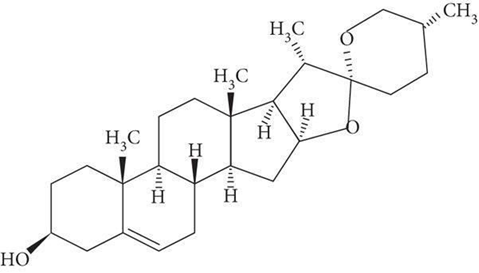
Biological Source
Fenugreek consists of the dried mature seeds of Trigonella foenum-graecum Linn., belonging to the family Fabaceae (Leguminosae).
Vernacular Names
Botanical Name Trigonella foenum-graecum Linn.
Family Fabaceae (Leguminosae)
Taxonomical Classification
Geographical Source
Fenugreek is native to South-Eastern Europe and Western Asia and is widely cultivated in India, Egypt, Morocco, Pakistan, and China. In India, it is commonly grown in Rajasthan, Gujarat, Punjab, Uttar Pradesh, and Tamil Nadu.
Macroscopical Characteristics
Microscopic Features
Transverse section of the seed shows:
Chemical Constituents
Fenugreek seeds contain several bioactive phytochemicals, including:
|
Constituent Type |
Examples / Compounds |
|
Alkaloids |
Trigonelline, Gentianine, Carpaine |
|
Flavonoids |
Orientin, Vitexin, Isovitexin |
|
Saponins |
Diosgenin, Yamogenin, Gitogenin |
|
Steroidal Compounds |
Tigogenin, Neotigogenin |
|
Amino Acids |
4-Hydroxyisoleucine |
|
Mucilage |
Galactomannan |
|
Fixed Oils |
Linoleic, Linolenic, and Oleic acids |
|
Phenolics And Tannins |
Gallic acid derivatives |
Medicinal / Pharmacological Uses
Fenugreek seeds are known for a wide range of pharmacological activities:
Antidiabetic Lowers blood glucose levels; contains 4-hydroxyisoleucine that stimulates insulin secretion.
Hypocholesterolemic Reduces serum cholesterol and triglycerides.
Antioxidant Scavenges free radicals, protects against oxidative stress.
Activity Description / Effect Anti-inflammatory Reduces inflammation in tissues.
Digestive aid Stimulates appetite, relieves constipation.
Galactagogue Promotes milk secretion in lactating women.
Antimicrobial Inhibits growth of bacteria and fungi.
Hepatoprotective Protects liver against damage caused by toxins.
Traditional Uses
Formulations and Preparations
Storage -Store in airtight containers protected from moisture, light, and insects.
Dose
Precautions / Side Effects
MATERIAL METHOD:
Extraction
Isolation and Extraction of Seed
Soxhlet extraction is a continuous solid–liquid extraction technique used to extract soluble compounds from solid material. The solvent repeatedly washes the sample through refluxing, dissolving the desired components efficiently.
In this method:
Soxhlet Extraction
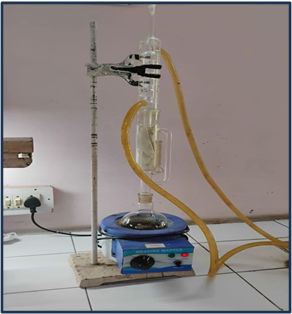
Sequential Soxhlet extraction was performed using solvents of increasing polarity —
hexane → chloroform → ethyl acetate → methanol → water.
Weight of extract
Yield (%) = Weight of plant material × 100
Phytochemical Screening
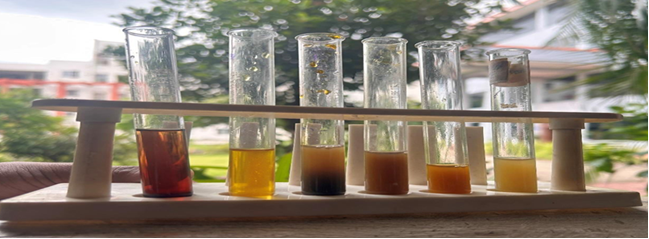
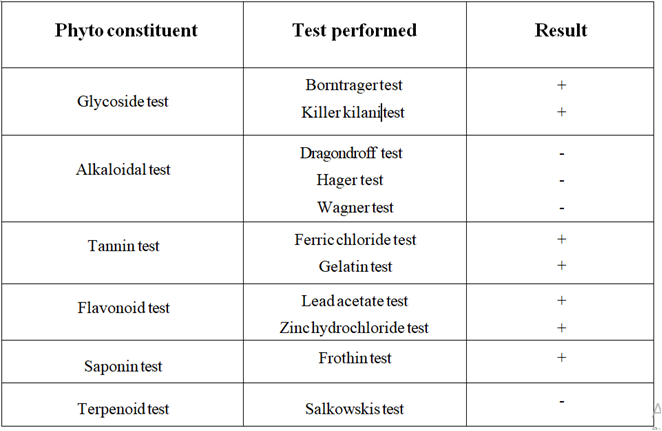
The microscopic and phytochemical studies are essential to authentify this ayurvedic preparation considering the requirement powdered microscopy, preliminary phytochemical tests. The test where done to fine the presence of active chemical constituents such as alkaloids, glycosides, terpenoids, flavonoids, saponin and tannins.
Glycoside Test
The drug is boiled with dilute sulphuric acid, filtered filtrate, benzene or ether or chloroform is added and shale. The organic layer is separated to which ammonia is add. The ammoniacal layer shows pink to red due to presence anthraquinone glycosides.
Dry 5 ml of the above extract on a water bath and dissolve the residue in 3 ml of concentrated R-acetic acid. Add 1 drop of R-iron (III) chloride test solution to the liquid and carefully transfer it on concentrated R-sulphuric acid. A reddish-brown ring forms at the interface, the upper acetic acid layer soon turns bluish green.
Alkaloidal Tests
Take extract of senna and add wagner reagent it gives a brown or reddish-brown precipitate. Which shows the presence of alkaloids.
Take extract of senna and add It gives characteristic crystalline precipitate with many alkaloids.
Take extract of senna and add Dragendorffs Reagent it forms orange coloured precipitate with the reagent.
Tannins Tests
Crude extracts were mixed with 2ml of 2% solution of FeC13. A blue-green or black coloration indicated the presence of tannins.
Flavonoid test
Sample solution is added in mixture of Zinc dust and Concentrated HCL solution, Deep Magnita color is obtained.
Saponin Test
0.5ml of extract was treated with 5ml of distilled water and frothing persistence indicates the presence of saponins.
Terpenoid test
Four mg of extract was treated with 0.5 ml of acetic anhydride and 0.5 ml of chloroform. Then concentrated solution of sulphuric acid was added slowly and red violet color was observed for the presence of terpenoid.
RESULTS
The findings are analyzed in the context of existing literature to interpret the phytochemical composition, solvent efficiency, and chemical nature of the extracted bioactive compounds
SUMMERY AND CONCLUSION
The present research on the isolation and extraction of phytochemicals from Trigonella foenum-graecum (fenugreek) seeds provides an in-depth exploration of the biochemical, analytical, and pharmacological dimensions of this ancient medicinal plant. Fenugreek, a member of the Fabaceae family, has long been recognized for its remarkable nutritional and therapeutic value, making it an important candidate for scientific investigation. The study aimed to comprehensively extract, isolate, and characterize the bioactive compounds from fenugreek seeds using modern techniques, thereby contributing to the understanding of its chemical composition and biological potential. Over the course of this research, several extraction and isolation methods were employed and optimized to obtain maximum yield and purity of phytoconstituents. In doing so, the work not only reaffirmed the traditional knowledge of fenugreek’s medicinal uses but also established scientific evidence supporting its pharmacological applications. The preliminary stages of the research began with a detailed literature review, which provided a conceptual foundation for understanding the importance of phytochemicals and their role in therapeutic development. The review revealed that fenugreek seeds are rich in diverse classes of bioactive compounds, including alkaloids, flavonoids, saponins, steroids, phenolic acids, tannins, and fixed oils. The presence of such compounds explains the wide range of pharmacological activities associated with the plant, such as antidiabetic, antioxidant, hypocholesterolemic, anti-inflammatory, antimicrobial, and gastroprotective effects. Traditional Ayurvedic and Unani systems have long utilized fenugreek in the treatment of ailments such as diabetes, digestive disorders, and hormonal imbalance, and this research sought to bridge the gap between ethnopharmacology and modern biochemical validation. The experimental methodology was designed to extract maximum phytochemical yield through both conventional and advanced techniques. Solvent extraction methods, including Soxhlet and maceration techniques, were primarily used with solvents of varying polarity such as ethanol, methanol, chloroform, and water. These solvents were selected based on their ability to selectively solubilize different groups of phytoconstituents. Among them, methanolic and ethanolic extracts demonstrated higher efficiency in extracting a broad spectrum of bioactive compounds, particularly phenolics and flavonoids, which are known for their potent antioxidant properties. Optimization of parameters such as temperature, solvent-to-material ratio, and extraction time further enhanced the extraction yield. Additionally, modern methods like ultrasonic-assisted and microwave-assisted extraction were briefly explored to improve extraction efficiency and reduce solvent consumption, aligning with the current trend toward green and sustainable extraction practices. The isolation of specific phytochemicals from the crude extracts was achieved using chromatographic techniques such as Thin Layer Chromatography (TLC), Column Chromatography, and High-Performance Liquid Chromatography (HPLC). TLC fingerprinting provided a preliminary qualitative indication of the presence of various phytochemical groups, while HPLC allowed for precise quantification and separation of major constituents such as diosgenin, trigonelline, and 4-hydroxyisoleucine. These compounds have been identified as key bioactives responsible for the pharmacological effects of fenugreek. Further characterization through spectroscopic methods such as Fourier Transform Infrared Spectroscopy (FTIR) and Gas Chromatography-Mass Spectrometry (GC-MS) confirmed the structural identity of the isolated compounds, providing insights into the molecular nature of the extract’s complexity. The results of the study underscored the significance of solvent polarity in determining the yield and diversity of phytochemicals obtained. Polar solvents such as methanol and ethanol consistently produced higher yields of phenolic and flavonoid compounds compared to non-polar solvents like hexane or chloroform, which were more effective in extracting lipid-based constituents. This correlation highlights the importance of solvent selection as a critical factor in phytochemical research. Quantitative analysis of total phenolic content (TPC) and total flavonoid content (TFC) demonstrated that fenugreek seeds possess substantial antioxidant potential, which was further validated by in-vitro assays such as DPPH free radical scavenging activity and FRAP (Ferric Reducing Antioxidant Power) tests. These findings confirm fenugreek’s role as a potent natural antioxidant, capable of mitigating oxidative stress and thereby contributing to disease prevention. Moreover, the study explored the biological implications of the isolated compounds. Diosgenin, a steroidal saponin, was identified as one of the most significant constituents due to its ability to serve as a precursor for the synthesis of various steroidal drugs. Trigonelline, another major compound, exhibited hypoglycemic properties, supporting fenugreek’s long-standing use in the management of diabetes mellitus. The amino acid derivative 4-hydroxyisoleucine was found to enhance insulin secretion and improve glucose tolerance, offering potential applications in antidiabetic formulations. Collectively, these results validate the pharmacological relevance of fenugreek seed phytochemicals and justify further clinical exploration for drug development. The comparative analysis between traditional extraction methods and modern techniques revealed that while conventional methods remain effective and widely applicable, advanced techniques provide significant advantages in terms of extraction efficiency, time reduction, and environmental sustainability. Microwave-assisted and ultrasonic-assisted extractions, in particular, demonstrated potential for industrial-scale applications due to their scalability and eco-friendly nature. The incorporation of these methods into future phytochemical research could accelerate the discovery of bioactive compounds from natural sources, supporting the growing demand for natural pharmaceuticals and nutraceuticals. From an analytical perspective, this research highlighted the importance of integrating multiple characterization techniques for comprehensive phytochemical profiling. The combination of chromatographic and spectroscopic methods enabled accurate identification and quantification of both primary and secondary metabolites. This multi-analytical approach ensures a higher degree of reliability and reproducibility, which are essential for establishing phytochemical standards for quality control in herbal formulations. Furthermore, the analytical data obtained can serve as a reference for future studies on fenugreek or related medicinal plants. In the broader context of natural product research, this study contributes to the ongoing effort to promote plant-based therapeutics as viable alternatives or complements to synthetic drugs. The increasing global interest in herbal medicines stems from their lower toxicity, affordability, and multifaceted pharmacological properties. Fenugreek, with its diverse array of phytochemicals, epitomizes the therapeutic potential inherent in botanical sources. However, despite its extensive traditional use and scientific validation, challenges remain in standardization, dosage optimization, and large-scale production. These issues necessitate continued research focused on developing standardized extracts, elucidating precise mechanisms of action, and conducting clinical trials to establish efficacy and safety profiles. In conclusion, the isolation and extraction of phytochemicals from Trigonella foenum- graecum seeds reaffirm the plant’s status as a rich repository of bioactive compounds with significant pharmacological potential. The findings of this research provide valuable insights into the chemical diversity and therapeutic applications of fenugreek, bridging the gap between traditional medicine and modern scientific validation. The study’s systematic approach to extraction, isolation, and characterization has demonstrated that the selection of solvents and extraction methods critically influences the yield and composition of phytochemicals. Moreover, the identification of key compounds such as diosgenin, trigonelline, and 4-hydroxyisoleucine underscores fenugreek’s relevance in developing natural antidiabetic, anti-inflammatory, and antioxidant therapies. The research ultimately highlights the necessity for continued exploration of medicinal plants as sources of novel bioactive agents. Future studies should focus on scaling up the extraction process, exploring bioavailability and pharmacokinetics, and integrating computational approaches such as molecular docking to predict drug–receptor interactions. Furthermore, the incorporation of green chemistry principles in extraction and purification could enhance sustainability and minimize environmental impact. In the long term, fenugreek’s phytochemicals hold promise not only for pharmaceutical applications but also for nutraceuticals, functional foods, and cosmeceutical industries. By combining traditional wisdom with advanced analytical technologies, the present study paves the way for innovative, nature-based solutions to modern health challenges.
REFERENCES
Recent comprehensive review of pharmacological properties and phytochemistry. MDPI
Key review focusing on three major bioactives(diosgenin, 4- hydroxyisoleucine, fiber). PMC
Experimental phytochemical screening, antioxidant and antimicrobial assays (useful for Methods and Results comparison). Nature
Up-to-date synthesis of nutritional, pharmacological and processing literature. PMC
Analytical profiling (HPLC/GC) of key primary and secondarymetabolites. BioMed Central
Classic, highly cited review on physiological effects and traditional uses.
Industry and functional food perspective; useful for applications section.
Recent article correlating chemical classes (flavonoids, saponins) to bioactivities.
Agronomy and phytochemical variation across genotypes/environment.
Chemical and biological characterization of 4-hydroxyisoleucine.
Overview of trigonelline (alkaloid) bioactivity.
Traditional uses and pharmacology compiled with experimental evidence.
In vivo hepatoprotective experimental data.
(Duplicate emphasis) Good experimental methodology and assays for screening.
Quantitative antioxidant assays and in vivo data.
Antimicrobial screening and phytochemical correlations.
Practical screening tests for alkaloids, saponins, tannins etc.
Review focused on saponins and diosgenin as pharmaceutical precursors.
Computational ADMET/docking analysis of major seed compounds. ScienceDirect
Methods for saponin extraction/quantification.
Comparative composition analysis across plant parts. Nature
Recent comprehensive review of pharmacological properties and phytochemistry. MDPI
Key review focusing on three major bioactives(diosgenin, 4- hydroxyisoleucine, fiber). PMC
Experimental phytochemical screening, antioxidant and antimicrobial assays (useful for Methods and Results comparison). Nature
Up-to-date synthesis of nutritional, pharmacological and processing literature. PMC
Analytical profiling (HPLC/GC) of key primary and secondarymetabolites. BioMed Central
Classic, highly cited review on physiological effects and traditional uses.
Industry and functional food perspective; useful for applications section.
Recent article correlating chemical classes (flavonoids, saponins) to bioactivities.
Agronomy and phytochemical variation across genotypes/environment.
Chemical and biological characterization of 4-hydroxyisoleucine.
Overview of trigonelline (alkaloid) bioactivity.
Traditional uses and pharmacology compiled with experimental evidence.
In vivo hepatoprotective experimental data.
(Duplicate emphasis) Good experimental methodology and assays for screening.
Quantitative antioxidant assays and in vivo data.
Antimicrobial screening and phytochemical correlations.
Practical screening tests for alkaloids, saponins, tannins etc.
Review focused on saponins and diosgenin as pharmaceutical precursors.
Computational ADMET/docking analysis of major seed compounds. ScienceDirect
Methods for saponin extraction/quantification.
Comparative composition analysis across plant parts. Nature
Human trial protocol examining glycemic effects in food/formulation context. Clinical Trials
Usein functional foods and processing effects on phytochemicals.
Multi-platform profiling(omics) of fenugreekspecies. (complementary to Bakhtiar et al.)
Shows variation in secondary metabolites by genotype/conditions.
HPTLCmethodusefulforthin-layerchromatographicprofiling. ResearchGate
Functional food and extraction-technology focus. ift.onlinelibrary.wiley.com.

Ravi Ahirwar*, Mohd Shahab, Mohd Ahmad, Md Shahid, Md Sameer, Mohit Dongre, Suhail Ansari, Dr. Jagdish Rathi, Pooja Rathore, Phytochemical Screening of Fenu Greek Seeds Trigonella Foenum Graecum, Int. J. Med. Pharm. Sci., 2025, 1 (11), 100-109. https://doi.org/10.5281/zenodo.17640076
 10.5281/zenodo.17640076