

We use cookies to ensure our website works properly and to personalise your experience. Cookies policy
1Department of Pharmacology, HKES’s MTRIPS, Kalaburgi-585102. Karnataka, India.
2Department of Pharmacology, Mallige College of Pharmacy Bengaluru -560096. Karnataka, India.
3Department of Pharmaceutical Chemistry, HKES’s MTRIPS, Kalaburgi-585102. Karnataka, India
Objective: To evaluate analgesic and anti-inflammatory activity of alcoholic extract of Malus pumila Linn. Seeds byin-vivo and in-silico studies to identify its bioactive compounds and to analyze their pharmacokinetic properties for potential drug development. Methods: The study was carried out using Wistar rats (180-250g). The alcoholic extract was prepared using Soxhlet Apparatus. The effect of AEMP was investigated for analgesic and anti-inflammatory activity using Tail immersion method and cold plate method, while anti-inflammatory activity was evaluated by using ovalbumin-induced paw edema.In-silico docking studies of bioactive compounds were performed using AutoDock Vina, with pharmacokinetic profiling conducted via the SwissADME web server. Results: The alcoholic extract demonstrated significant analgesic and anti-inflammatory effects. In the tail immersion test, peak activity was observed at 1 hour (4.1 ± 1.17 s, p<0.05), with effects declining by 6 hours, while diclofenac showed sustained effects for 4 hours (6.4 ± 0.51 s, **p<0.01). In the cold plate test, the extract was peaked at 3 hours (4.8 ± 0.38 s, *p<0.001), comparable to diclofenac's peak at 2 hours (8.6 ± 0.51 s, **p<0.001). Anti-inflammatory activity revealed similar edema reduction between the extract and ibuprofen (400 mg/kg). Binding affinities of Chlorogenic Acid (-8.8 kcal/mol), Amygdalin (-8.7 kcal/mol), and Catechin (-8.6 kcal/mol), was identified in in-silico studies with standard drugs like diclofenac and ibuprofen. Conclusion: The alcoholic extract of Malus pumila Linn. seeds exhibited analgesic and anti-inflammatory activity. In-silico findings support the potential of its bioactive compounds as drug candidates. However, challenges such as solubility and bioavailability need for the further optimization to enhance pharmacokinetic properties and clinical applicability.
Plants use secondary metabolites as shielding molecules, which are also responsible for their biological applications. Because of their significant impact on the healthcare system, supplementary metabolites are particularly effective for humans.1 The use of synthetic medications for pain relief and anti-inflammatory disorders may worsen renal and liver damage. This medicine seldom causes liver damage in healthy individuals, but it is contraindicated in those with cirrhosis liver illnesses since it increases the risk of renal failure and bleeding issues because it reduces prostaglandin-mediated blood flow to the kidneys.2 This raises a fresh opportunity to assess the use of herbs in pain treatment. Plants continue to be a mostly untapped source of structurally unique compounds that can help in the creation of new medications. Inflammation and pain are common, non-specific signs of many different types of diseases. Historically, these issues have been treated with opiates and non-steroidal anti-inflammatory drugs (NSAIDs). However, these drugs can have adverse consequences such as respiratory depression, renal damage, gastrointestinal irregularities, and even dependency. Recent years hasbeen increase in interest in the search for innovative anti-inflammatory and analgesic drugs derived from natural sources and medicinal plants that may have less adverse effects.3Ethiopia is one of the world's most floristically varied locations, with some 6,500 species of higher plants found there. An estimated that the 80% of people use traditional medicine based on plants as their main source of treatment. Traditional ethopian medicine makes an use of many herbs that have analgesic and anti-inflammatory qualities.4 Thus, there is a need to create effective herbal alternatives. The fruit of the Malus plant is the apple (Malus Pumila Mill). It is a member of the rosaceae family and that has been grown extensively for ages around the world. It is good for lung function, cancer, cardiovascular disease, and age-related cognitive decline. Research on the therapeutic efficacy of M. pumila leaves is lacking, despite their abundance of resources.5The same family of M. pumila's chemical compounds has a wide range of functions. Recent research on mice has been demonstrated that antinociceptive and antioxidant properties of the methanolic extract of M. pumila leaves.6 Amygdalin, a cyanogenic glycoside sometimes referred as vitamin B17, is found in apple seeds. Amygdalin can be utilized as an analgesic with anti-nociceptive and anti-inflammatory properties because it effectively reduces inflammatory pain.7 Given that amygdalin has been shown to have analgesic and anti-inflammatoryeffects,8 it is suggested that alcoholic extract from Malus Pumila (apple) seeds to be studied for pharmacological studies related to an analgesic and anti-inflammatory effects. The aim of the current investigation was to explore the potential analgesic and anti-inflammatory properties of Malus Pumila linn .
MATERIALS AND METHODS
Gathering of botanical specimens:
Malus Pumila Linn. seeds were gathered from the of Kalaburagi, Karnataka, India, neighborhood. Botanist Dr. Pratibha Sanghapurkar, Head of the Department of Botany and Professor at H.K.E.S.'s Veeramma Gangasiri College of Women, Kalaburagi, 585102, Karnataka, attested to the authenticity the plant. Reference No. 09-2019-HKES/VGC/BOT
The seeds were washed, dried in the shade at room temperature, powdered, and kept for study in an airtight container.
Preparation of extract:
Alcoholic extract:
To get the alcoholic extract of the plant, the powder was extracted with alcohol using a continuous hot percolation process with a Soxhlet apparatus at 40˚ C for 48 hours. The extract filtrate was dried out at 40˚C in order to maximize their concentration. 9.40 g of alcoholic extract were produced from 250g of seed powder. The extract had a dark hue. The extracts were refrigerated at or below 10˚C in an airtight container. The hue of the extracts was tested, then computed their % yield using the air-dried sample as an indication.
Toxicity study:
Compounds and extracts performed acute systemic toxicity testing in accordance with previously publishedprocedures.9,10It was discovered that extracts of Malus Pumila Linn. caused acute toxicity. Since the plant was determined to be safe at the 4000 mg/kg level, 1/10th of this dose, or 400 mg/kg, was utilized for the extract in a later trial.The alcoholic test sample was suspended in 1% sodium methyl cellulose after the weighed amount of alcoholic extract were made to make an appropriate dosage form. Additionally, aqueous extracts were made into appropriate dose forms by dissolving theweighed amount of extract in water before injection.
Animals: The experiment used young Wistar albino rats weighing 180–250 g. The animals were purchased from Kalaburgi's MR Medical College. They required a week to become acclimatized. The rats were kept in typical lighting, temperature, and humidity settings. They were also provided an ad libitum conventional mouse diet. Before the trial, the animals were kept fasting for 18 hours and during the experiment animals were provided with water. The Institutional Animal Ethical Committee (IAEC), reference number HKES/ MTRIPS/ IAEC/101/2018-19, fully authorized the study procedure.
Analgesic Activity:
Tail Immersion Test
The central analgesic activity of MP extract was evaluated by the tail immersion method described by Saha et al. with slight modifications11. Selected rats were placed in a suitable restraint, keeping the tails spreading out. The lower 5 cm part of the tail was sunk in a beaker of water maintained at 55 ± 0.5 °C. That initial reaction time was taken. Then, the MP extract at 250 and 500 mg/kg and Diclofenac at 10 mg/kg bw doses were orally administered to the test groups12. After 1 hr, the reaction time for tail immersion was again recorded. The increase in time was considered an analgesic effect and was calculated by the following equation 13
Elongation (%) = [ (𝑇𝑡–𝑇𝑐) 𝑇𝑡] ×100, (1) It is the tail immersion time for the test group, and Tc is the tail immersion time for the control group.
Cold Plate Method 14
Rats weighing 180-250 g was used. Wistar albino rats were placed on the cold plate, which consists of an electrically heated surface. The temperature of the cold plate was maintained at 00-05ºC. Responses such as jumping, withdrawal of the paws and licking of the paws are seen. The period (latency period), when the mice was placed and until responses occurred was recorded by a stopwatch. Test drug and the standard drugs was administered intraperitoneally, and the latency period was recorded after 30, 60, 90 and 120 min for each mouse.
Anti-inflammatory Activity:
Ovalbumin-Induced Paw Edema
After obtaining a good response from the analgesic test, the anti-inflammatory activity of MP extract was experimented with using the model of ovalbumin -induced paw edema method in mice described by Jahan et al. 15 MP extract at 250 and 500 mg/kg and ibuprofen at 100 mg/kg bw doses was administered orally to different mouse groups. After 30 min, 0.2% of 0.1 ml ovalbumin solution was injected into the right-back paw of the mice for inducing paw edema. Change in paw size was determined from the paw diameter after and before ovalbumin injection.
Inhibition of paw edema or inflammation (%) =(𝐼𝑐–𝐼𝑡𝐼𝑐) ×100
where Ic is the inflammation of control group and It is the inflammation of test group.
Statistical analysis:
All experimental data were expressed as mean ± standard error of the mean (SEM) for each experimental group (n = 5). The data obtained from the in-vivo studies were statistically analyzed using one-way Analysis of Variance (ANOVA) followed by Dunnett’s post hoc multiple comparison test to compare the treated groups with the control group. The analysis was performed using GraphPad Prism software (version 8.0). A probability value of p < 0.05 was considered statistically significant, p < 0.01 as highly significant, and p < 0.001 as very highly significant. These statistical values were used to validate the analgesic and anti-inflammatory efficacy of the alcoholic extract of Malus pumila Linn. (AEMP) in comparison with the standard reference drugs Diclofenac and Ibuprofen.
In-silico studies
The three-dimensional coordinates of various inflammatory medication targets were obtained from the Protein Data Bank16 (RCSB PDB). The preparation of docking input files was carried out using the graphical user interfaces of Biovia Discovery Studio Visualizer and MGLTools packages17. In the first step, partial atomic charges and the Gasteiger charges were assigned after native co-crystallized ligands, water molecules, and cofactors were eliminated. Each ligand was given a rotatable bond after non-polar hydrogens were added. AutoDock Vina 1.5.718 was used to conduct molecular docking simulations utilizing the Lamarckian genetic algorithm methodology. The 3dimensional (3D) structure of ligands were retrieved from PUBCHEM database19. Openbabel tool20 was used to perform necessary format conversions for docking.
After the docking process, the best poses were identified based on clustering and binding energy values (ΔGbinding, kcal/mol). The Biovia Discovery Studio Visualizer21 was further utilized to analyze root mean square deviation (RMSD) and molecular interactions, including hydrophobic and hydrophilic interactions. For PDB ID: 3pgh,22 the docking center was located at coordinates (27.751351, 28.582995, 8.689295) in three-dimensional space, forming a cubic grid with a span of 25 Å along the x, y, and z axes as shown in Table 4. This spatial information facilitated molecular simulation and visualization of the structure. The pharmacokinetic characteristics and adherence to Lipinski's Rule of Five were assessed for all compounds using the Swiss ADME18 server23. This detailed analysis aimed to evaluate their pharmacokinetic profiles and potential as drug development candidates, emphasizing their compliance with Lipinski's Rule of Five. This rule outlines key criteria related to oral bioavailability and permeability, which are essential for determining drug-like properties.
DISCUSSION
The in-vivo studies revealed that the alcoholic extract of Malus pumila Linn. (AEMP) exhibited significant analgesic and anti-inflammatory effects. In the tail immersion test, AEMP (400 mg/kg) displayed peak analgesic activity at 1 hour (4.1 ± 1.17 s, p<0.05), which was lower than Diclofenac (6.4 ± 0.51 s, p<0.01) but still statistically significant. However, the effect of AEMP declined by the 6th hour, whereas Diclofenac maintained its analgesic activity for up to 4 hours. Similarly, in the cold plate method, AEMP reached peak analgesic activity at 3 hours (4.8 ± 0.38 s, p<0.001), whereas Diclofenac exhibited a stronger effect at 2 hours (8.6 ± 0.51 s, p<0.001), further demonstrating its faster but shorter duration of action. These findings suggest that AEMP can be considered for short-term pain relief while Diclofenac remains effective for extended durations. In the ovalbumin-induced paw edema test, AEMP exhibited significant anti-inflammatory effects comparable to Ibuprofen (400 mg/kg). The peak reduction in paw edema was observed at 180 minutes, with AEMP reducing inflammation levels to 1.28 ± 0.02429 s (p<0.001), slightly lower than Ibuprofen (0.82 ± 0.03709 s, p<0.001). These results suggest that AEMP possesses anti-inflammatory properties, though not as potent as standard NSAIDs, reinforcing its potential as an alternative treatment. The in-silico studies further supported these findings by demonstrating strong binding affinities of key bioactive compounds in AEMP. Chlorogenic Acid (-9.2 kcal/mol), Amygdalin (-8.7 kcal/mol), and Catechin (-8.6 kcal/mol) exhibited high interaction stability with inflammatory and pain-related proteins, such as NF-κB, TNF-α, IL-1β, and IFN-γ. Notably, Chlorogenic Acid demonstrated stronger binding efficiency compared to Diclofenac and Ibuprofen, suggesting its potential as a lead compound for drug development. However, challenges related to solubility and bioavailability, particularly for Amygdalin and β-Sitosterol, highlight the necessity for formulation enhancements to improve clinical applicability.
RESULTS
The integration of in-vivo and in-silico studies confirms that AEMP has promising analgesic and anti-inflammatory properties. In- vivo experiments demonstrated that AEMP had a faster onset but shorter duration compared to Diclofenac, making it a viable option for short-term pain relief. The anti-inflammatory effects of AEMP were comparable to Ibuprofen, suggesting potential therapeutic benefits. The in-silico analysis revealed strong interactions of AEMP bioactive compounds with key inflammatory proteins, with Chlorogenic Acid showing the highest binding affinity. However, pharmacokinetic limitations such as low solubility and gastrointestinal absorption necessitate further optimization through advanced formulation strategies.
CONCLUSION
The study highlights the significant analgesic and anti-inflammatory potential of the alcoholic extract of Malus pumila Linn. seeds. While AEMP demonstrated substantial activity in both tail immersion and cold plate tests, its effects were shorter-lived compared to Diclofenac. The anti-inflammatory properties of AEMP were found to be comparable to Ibuprofen, reinforcing its role as a natural alternative to conventional NSAIDs.
In-silico studies, bioactive compounds like Chlorogenic Acid, Amygdalin, and catechin are potential drug candidates, though challenges such as solubility and bioavailability remain. Future research should focus on optimizing these compounds' pharmacokinetic profiles and clinical applications to establish AEMP as a reliable alternative for pain and inflammation management.
REFERENCES
Table 1: Effect of AEMP on Tail immersion method in rats
|
|
Tail immersion reaction time in second at time intervals(sec) |
||||||||
|
Group |
Dose |
0min |
0.5hr |
1hr |
2hr |
3hr |
4hr |
6hr |
|
|
Control |
- |
3.8± 0.3742 |
4.2± 0.3742 |
4.4± 0.5099 |
4.4± 0.2449 |
3.6± 0.4000 |
4± 0.0 |
4.4± 0.2449 |
|
|
Diclofenac |
50mg/kg |
4± 0.4472 |
5.8±1.114 |
6.4± 0.5099 |
5± 0.4472 |
4.8± 0.3742 |
3.8± 0.3742 |
3.2±** 0.200 |
|
|
AEMP |
400mg/kg |
3.5± 0.2449* |
4± 0.3162* |
4.1± 1.166* |
4.2± 0.5831* |
3.5± 0.5477 |
3.4± 0.400 |
2.6± 0.2449*** |
|
Table 2: Effect of AEMP on cold plate method in rats
|
Group |
Dose mg/kg |
0min |
Analgesic reaction time in sec at time intervals |
|||||
|
0.5hr |
1hr |
2hr |
3hr |
4hr |
6hr |
|||
|
control |
- |
3.4±0.2449 |
3.6±0.2449 |
3.6±0.2449 |
3.4±0.2449 |
3.4±0.2449 |
3.4±0.2449 |
3.8±0.2000 |
|
Diclofenac |
50 |
4±0.4472 |
4.8±0.3742 |
7.2±0.3742*** |
8.6±0.5099*** |
4.8±0.3742ns |
3.4±0.2449ns |
3.4±0.2449ns |
|
AEMP |
400 |
3.2±0.583* |
3.5±0.5099*** |
4.7±0.3742*** |
5±0.5831*** |
3.8±0.5831ns |
3.6±0.400ns |
2.6±0.2449** |
All the values are expressed in mean ±SEM;n=5 p<0.05,**=p<0.01, ***=<0.001,ns=non-significant as compared to control group [one way analysis of variance (ANOVA)followed by dunnet’s test;]AEMP=alcoholic extract of Malus Pumila.
Table 3: Effect AEMP on ovalbumin induced paw edema
|
Group |
Dose 400mg/kg |
0min |
30min |
60min |
120min |
180min |
|
Control |
- |
0.3±0.03162 |
0.36±0.02449 |
0.66±0.02449 |
0.74±0.02449 |
1.1±0.02449 |
|
Ibuprofen |
400 |
0.3±0.03162 |
0.54±0.03027*** |
0.82±0.03709*** |
1.1±0.04550*** |
1.28±0.02429*** |
|
AEMP |
400 |
0.3±0.02449 |
0.44±0.02015* |
0.52±0.02731** |
0.72±0.02943*** |
1.23±0.06968*** |
All the values are expressed in mean ±SEM;n=5 p<0.05,**=p<0.01, ***=<0.001,ns=non-significant as compared to control group [one way analysis of variance (ANOVA)followed by dunnet’s test;]AEMP=alcoholic extract of Malus Pumila.
Table: 4 Grid coordinates of targets used for docking.
|
PDB ID |
Center coordinates |
Size coordinates |
|
3pgh
|
center_x = 27.751351 |
size_x = 25 |
|
center_y = 28.582995 |
size_y = 25 |
|
|
center_z = 8.689295 |
size_z = 25 |
Table: 5 Binding interactions of different ligands with the modeled target protein.
|
Protein |
Ligand |
Binding energy |
Hydrogen Bonds |
|
3pgh |
L1 |
-8.7 |
ALA450, VAL447, VAL291, HIS214, GLN289, LYS211 |
|
L2 |
-6.5 |
ALA199, HIS386, ASN382 |
|
|
L3 |
-9.2 |
HIS388, VAL291, ARG222, THR212, ASN382 |
|
|
L4 |
-8.6 |
ASN382, HIS386, HIS388, ALA202, TRP387, ALA199. |
|
|
Diclofenac |
-7.5 |
LEU531, LEU359, VAL116, ALA527, VAL349, VAL523. |
|
|
Ibuprofen |
-8.0 |
ALA527, VAL349, LEU352, GLY526, MET522, VAL523, TYR385 |
Table: 6 Prediction results of Compounds and physiochemical properties
|
Physiochemical Properties |
Ligand-1 |
Ligand-2 |
Ligand-3 |
Ligand-4 |
Diclofenac |
Ibuprofen |
|
Molecular weight(gm/mol) |
457.43
|
414.71
|
354.31
|
290.27
|
296.15
|
206.28
|
|
No. of rotatable bonds |
7 |
6 |
5 |
1 |
4 |
4 |
|
H-bond acceptors |
12 |
1 |
9 |
6 |
2 |
2 |
|
H-bond donors |
7 |
1 |
6 |
5 |
2 |
1 |
|
TPSA1(A°2) |
202.32Ų |
20.23 Ų |
164.75Ų |
110.38Ų |
49.33Ų |
37.3Ų |
|
Water Solubility |
-0.99 |
-9.67 |
-2.58 |
-2.24 |
-5.15 |
-3.97 |
|
Lipophilicity i(LogP) |
1.41 |
5.05 |
0.87 |
1.33 |
1.98 |
2.17 |
|
GI absorption |
LOW |
LOW |
Low |
High |
High |
High |
|
BBB Permeant |
No |
No |
No |
No |
YES |
YES |
|
CYP1A2* |
No |
No |
No |
No |
YES |
No |
|
CYP2C19* |
No |
No |
No |
No |
YES |
No |
|
CYP2C9* |
No |
No |
No |
No |
YES |
No |
|
CYP2D6 |
No |
No |
No |
No |
YES |
No |
|
CYP3A4* |
No |
No |
No |
No |
No |
No |
|
P-Gp2 substrate |
No |
No |
No |
Yes |
No |
No |
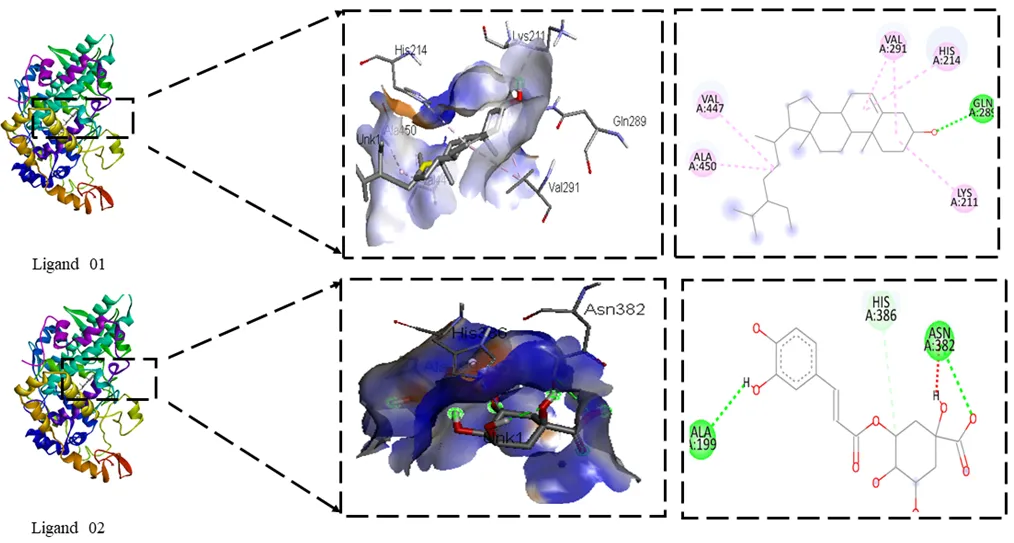
Fig. 01: Docked complex of ligand 1 and ligand 2 with Target potein
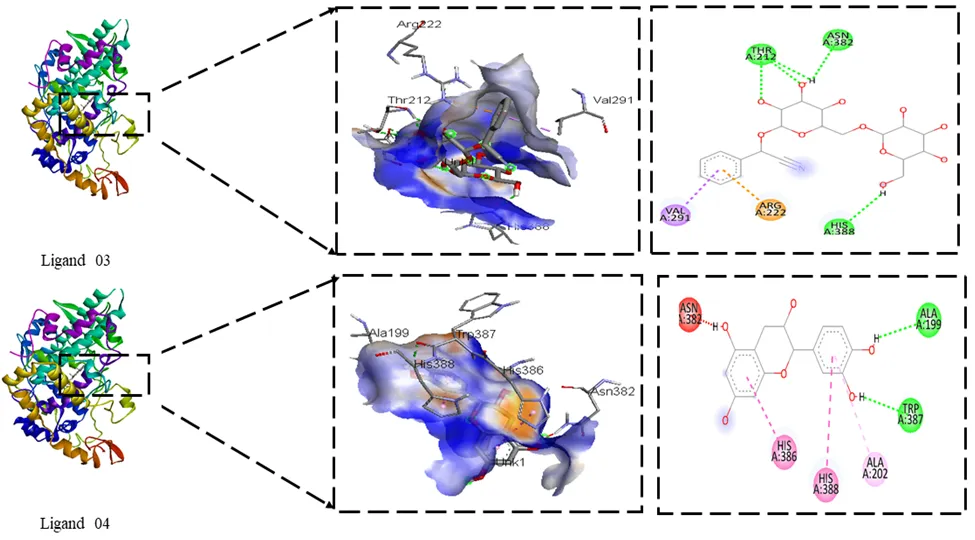
Fig. 02: Docked complex of ligand 3 and ligand 4 with Target potein
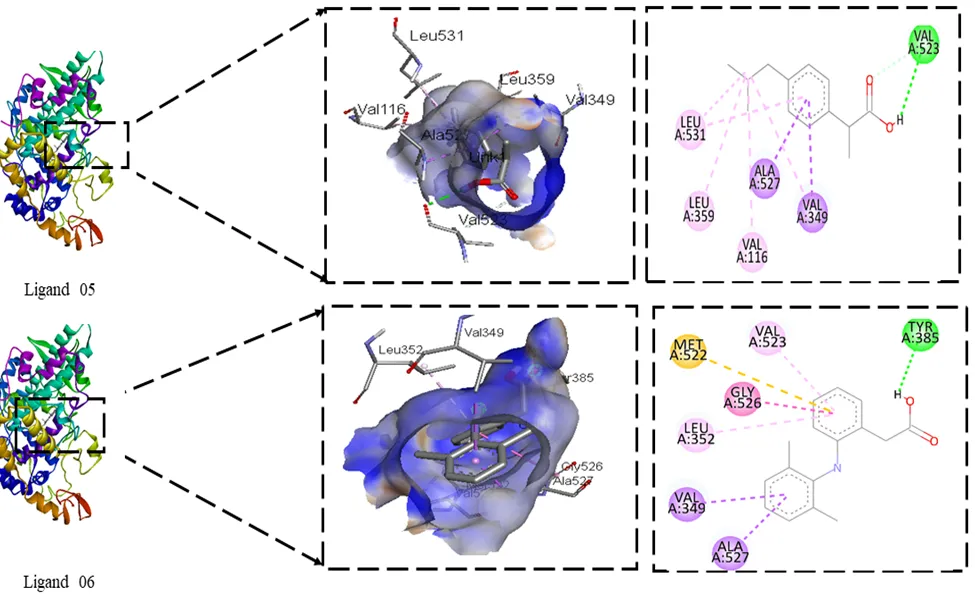
Fig. 03: Docked complex of ligand 5 and ligand 6 with Target protein


Nimbarge Smita*, S. V. Rajendra, Pallavi, Channaveer B. K., Bebi, Analgesic and Anti-Inflammatory Activity of Alcoholic Extract of Malus Pumila Linn Seeds by In-Vivo and In-Silico Approach, Int. J. Med. Pharm. Sci., 2026, 2 (7), 107-114. https://doi.org/10.5281/zenodo.21128219
 10.5281/zenodo.21128219