
We use cookies to ensure our website works properly and to personalise your experience. Cookies policy
1School of Health & Allied Sciences, Career Point University, Kota, Rajasthan, India.
2United College of Pharmacy, Naini, Uttar Pradesh, India
The present study aimed to investigate the anti-inflammatory activity and safety profile of an optimized polyherbal suspension formulated from the selected medicinal plants, which are commonly used in the treatment of inflammatory disorders. The extracts of Commiphora mukul, Moringa oleifera, Curcuma longa, Cissus quadrangularis, Zingiber officinale, Cinnamomum verum and other medicinal herbs were added to various polyherbal formulations (F1, F2 and F3). The optimized formulation was further optimized as an oral suspension and was tested by acute and subacute oral toxicity testing for compliance with OECD guidelines 423 and 407 respectively. Anti-inflammatory activity was evaluated by carrageenan-induced paw edema, egg albumin-induced paw edema and formalin-induced paw edema in Wistar albino rats. During toxicity studies, no mortalities or treatment-related toxic effects were noted with the developed formulations. Haematological and biochemical parameters were in normal physiological range and histopathological studies showed normal cell architecture in liver, kidney and heart tissues. For pharmacological evaluation, all the formulations showed good dose dependent anti-edema activity compared to the disease control group. The best inhibition of inflammation was obtained in the tested formulations by F3 at 400 mg/kg and F3 proved to be as active as the standard drug indomethacin in all the experimental models. The optimized formulation's increased anti- inflammatory effects can be explained by the synergistic effect of the bioactive phytoconstituents such as flavonoids, phenolics, terpenoids and glycosides found in the selected medicinal plants. The results of the present study support the scientific rationale of the traditional usage of the developed polyherbal formulation and indicate that the optimized polyherbal suspension has important anti-inflammatory activity with a favorable safety profile. Thus, the formulated formulation could be a promising herbal therapeutic approach to the control of inflammatory conditions.
Inflammation is a normal reaction of the body to tissue damage, infection by microorganisms, chemical irritants, or harmful substances 1. The inflammatory process is vital to the protection of tissues and healing from injury, but chronic or abnormally high levels of inflammation can be a factor in the development of a range of chronic pathological conditions such as rheumatoid arthritis, cardiovascular diseases, diabetes mellitus, inflammatory bowel diseases, and neurodegenerative diseases. So, inflammation control is still a big challenge in healthcare today Anti-inflammatory agents used in the treatment of inflammatory disorders include synthetic anti- inflammatory agents such as non-steroidal anti-inflammatory drugs (NSAIDs) and corticosteroids. These drugs relieve symptoms, but can cause gastric ulceration, gastrointestinal irritation, renal failure, hepatotoxicity and immunosuppression with prolonged use. Due to such restrictions, efforts have been focused on the search of safer therapeutic alternatives from natural sources 3. For centuries, medicinal plants have been an important source of therapeutic agents in traditional medicines. A significant anti-inflammatory activity has been reported for numerous secondary metabolites that are found in plants such as flavonoids, phenolic compounds, tannins, terpenoids, alkaloids, glycosides, and steroids 4. They are pharmacologically active due to their inhibitory activity on the cyclooxygenase and lipoxygenase pathways, inhibition of the release of inflammatory mediators, and action as a scavenger of reactive oxygen species and as a modulator of inflammatory signaling pathways 5. The notion of polyherbalism is a crucial part of Ayurvedic and traditional medicine systems, which involve the formulation of medicinal plant mixtures for the purpose of creating a synergistic effect between the bioactive constituents 6. Polyherbal formulations are thought to be more effective than single plant preparations because they have multi-target pharmacological action and have reduced dose related toxicity 7. In recent years, with the increasing interest in herbal therapeutics, scientific validation and pharmacological standardization of formulations have become of great importance. The medicinal plants chosen in the current study such as Commiphora mukul, Moringa oleifera, Curcuma longa, Cissus quadrangularis, Zingiber officinale, Cinnamomum verum and other traditionally important plants have been individually reported to have anti-inflammatory, antioxidant and protective pharmacological properties. However, little scientific data are available on optimized combinations of these medicinal plants in vivo pharmacological evaluation 8. Thus, the present study was conducted to assess the anti-inflammatory activity of the optimized polyherbal suspension on the basis of the known experimental animal models. The study was aimed to scientifically validate the developed formulation by carrageenan induced paw edema model for its traditional medicinal application.
MATERIALS AND METHODS
2.1 Collection and Authentication of Plant Materials
The plants selected for the present investigation were those with medicinal importance that have been reported to possess anti-inflammatory properties. The plants selected for use as medicine were Commiphora mukul (gum resin), Moringa oleifera (stem bark), Cinnamomum verum (bark), Elettaria cardamomum (fruit), Eucalyptus globulus (leaf), Aloe vera (leaf), Ricinus communis (seed), Cissus quadrangularis (stem), Linum usitatissimum (seed), and Capsicum annuum (fruit). The plant materials were gathered from the local herbal sources and natural habitat of Uttar Pradesh, India in February 2024. All plant materials collected were thoroughly cleaned, shade dried at room temperature and stored in appropriate condition for further processing 9. All the medicinal plants used in this study were taxonomically authenticated at the Institute of Environment and Sustainable Development, Banaras Hindu University, Mirzapur (U.P.), India, by Dr. Rajani Srivastava (Assistant Professor). Voucher specimens were deposited in the herbarium of the department for future reference.
2.2 Chemicals and Reagents
Analytical grade chemicals/reagents were used throughout the present investigation. Ethanol and methanol were used for extraction procedures. The polyherbal suspension was prepared by using the following ingredients, such as carboxymethyl cellulose, polysorbate-80, potassium sorbate, and citric acid. The standard anti-inflammatory drugs used were Diclofenac sodium and indomethacin 10.
2.3 Experimental Animals
Healthy Wistar albino rats weighing 150–200 g of either sex were used for the experimental studies. The animals were bought from the registered animal house facility of United Institute of Pharmacy, Prayagraj, Uttar Pradesh, India 11. The animals were kept at standard laboratory conditions of 25 ± 2°C temperature, 55 ± 5% relative humidity and 12 h light/dark cycle. Pellets were fed and water was provided ad libitum during the entire study. For experimentation, animals were acclimatized to laboratory condition. All experimental protocols carried out in compliance with the guidelines of the Committee for the Purpose of Control and Supervision of Experimental Animals (CPCSEA). The study protocol was approved by the Institutional Animal Ethics Committee (Approval No. UIP/IAEC/Nov. 2025/18) of United Institute of Pharmacy, Prayagraj, Uttar Pradesh, India.
2.4 Preparation of Hydroalcoholic Extracts
The plants material collected was shade dried and coarsely ground using mechanical grinder. The size of the powders was uniformed by passing through sieve no. 40 12. Cold maceration method with ethanol: water (70:30 v/v) extraction solvent was used for the extraction of individual plant materials. About 100 g of the plant powder was macerated in 1000 mL of hydroalcoholic solvent with shaking at intervals at room temperature for seven days. The extracts were filtered through muslin cloth followed by Whatman filter paper No.1 and concentrated under reduced pressure with a rotary vacuum evaporator for the preparation of dried extracts. The dried extracts were kept in airtight containers at 4°C for further use 13.
2.5 Preparation of Polyherbal Formulations
Three polyherbal formulations designated as F1, F2, and F3 were prepared by mixing hydroalcoholic extracts of selected medicinal plants in predetermined ratios using geometric dilution method to ensure uniform blending and homogeneity 14.
2.6 Preparation of Optimized Polyherbal Suspension
Based on the preliminary phytochemical screening and antioxidant evaluation results, the optimized formulation (F3) was used for the preparation of polyherbal suspension. The amounts of each extract required were dispersed in distilled water with the addition of carboxymethyl cellulose as a suspending agent and polysorbate-80 as a wetting agent. Potassium sorbate was used as preservative and citric acid as pH adjuster. Final volume was adjusted with distilled water, and formulation was thoroughly mixed to obtain a homogeneous suspension. Prior to pharmacological testing, the appearance and homogeneity of the prepared suspension, sedimentation characteristics and ability to re-disperse were assessed visually 15.
2.7 Acute Oral Toxicity Study
Optimized polyherbal suspension was subjected to acute oral toxicity study as per guidelines laid down by OECD (423 Acute Toxic Class Method). Experimental animals were monitored continuously for behavior, toxicity, mortality, food consumption, water consumption and autonomic after oral application of the formulation. Animals were periodically observed for 14 days to identify delayed toxic symptoms. Based on the toxicity study, suitable dose levels of the formulation were selected for anti-inflammatory evaluations 16.
2.8 Evaluation of Anti-inflammatory Activity
Optimized polyherbal suspension was tested for its anti-inflammatory activity in various experimental models of inflammation in Wistar albino rats. The details of the experimental models employed in the present study are summarized in Table 1 17.
Table 1: Experimental Models Used for Evaluation of Anti-inflammatory Activity
|
Model |
Type of Inflammation |
Parameter Measured |
|
Carrageenan-induced paw edema |
Acute inflammation |
Paw volume |
|
Egg albumin-induced paw edema |
Acute inflammation |
Paw volume |
|
Formalin-induced inflammation |
Neurogenic and inflammatory response |
Paw edema volume |
2.8.1 Carrageenan-Induced Paw Edema Model
Acute anti-inflammatory activity of the optimized polyherbal suspension was assessed using carrageenan-induced paw edema method. Acute inflammation was induced by subplantar injection of carrageenan solution into right hind paw of experimental rats. The volume of paws was determined using a digital plethysmometer before and after the administration of carrageenan at predefined times. Diclofenac sodium was the anti-inflammatory drug of choice 18.
2.8.2 Egg Albumin-Induced Paw Edema Model
The optimized polyherbal suspension was further tested for anti-inflammatory activity in egg albumin induced paw edema model. Acute inflammation was induced in the hind paw by injecting fresh egg albumin solution under the paw sole. The volume of paw was measured at various time intervals after giving the formulation and standard drug 19.
2.8.3 Formalin-Induced Inflammation Model
The formalin-induced inflammation model was used to evaluate inflammatory responses. Formalin solution was administered to the plantar surface of hind paw and the inflammatory response was determined by measuring paw edema. Any reduction in paw inflammation relative to the disease controls was regarded as being anti-inflammatory 20.
2.9 Statistical Analysis
All experimental results were presented as Mean ± SEM (n = 6). Data were analyzed using one way analysis of variance (ANOVA) with Dunnett's multiple comparison test, with the use of the GraphPad Prism software. A p-value < 0.05 was taken as significant 21.
RESULT AND DISCUSSION
3.1 Acute Oral Toxicity Study
Acute oral toxicity study was carried out as per OECD guideline 423 for assessment of the safety profile of the developed polyherbal formulations. There was no mortality or treatment-related toxic effects in any experimental group which received formulation F1, F2 and F3 at the dose level of 2000 mg /kg body weight day for 14 days. No adverse signs of toxicity including tremors, convulsions, salivation, diarrhea, lethargy or abnormal response to stimuli related to the animal's behavior were observed in Table 2 and 3.
Table 2: Effect of Polyherbal Formulations on Acute Toxicity Parameters
|
Group |
Treatment |
Dose (mg/kg) |
Mortality |
Toxic signs |
Body weight trend |
|
I |
Control (Vehicle) |
— |
0/5 |
None |
Normal increase |
|
II |
F1 |
2000 |
0/5 |
None observed |
Normal increase |
|
III |
F2 |
2000 |
0/5 |
None observed |
Normal increase |
|
IV |
F3 |
2000 |
0/5 |
None observed |
Normal increase |
Table 3: Effect of Polyherbal Formulations on Body Weight During Acute Oral Toxicity Study
|
Group |
Day 0 (g) |
Day 7 (g) |
Day 14 (g) |
|
Control |
192 ± 5.4 |
198 ± 6.2 |
205 ± 7.1 |
|
F1 |
190 ± 4.8 |
197 ± 5.6 |
203 ± 6.4 |
|
F2 |
195 ± 6.1 |
201 ± 6.7 |
208 ± 7.5 |
|
F3 |
193 ± 5.2 |
200 ± 5.8 |
207 ± 6.9 |
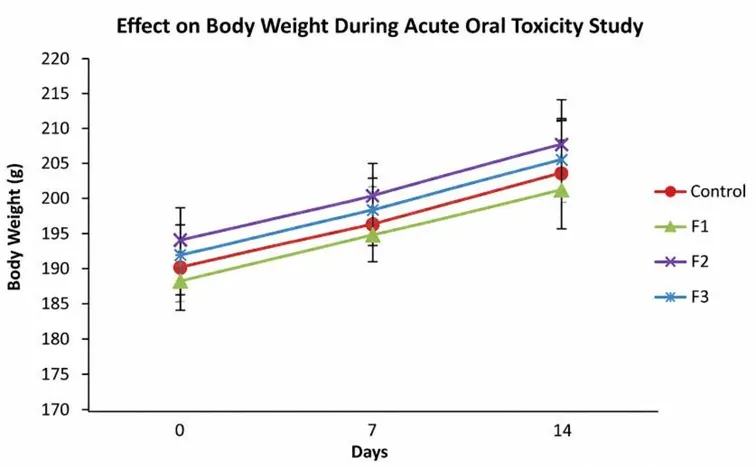
Figure 1: Effect of polyherbal formulations on body weight during acute oral toxicity study
Body weight gradually increased in both control and treated groups during the study period and did not show any treatment-related metabolic toxicity that is outside of normal physiological growth (Table 4).
Table 4: Effect of Polyherbal Formulations on Hematological Parameters During Acute Oral Toxicity Study
|
Parameter |
Control |
F1 (2000 mg/kg) |
F2 (2000 mg/kg) |
F3 (2000 mg/kg) |
|
Hb (g/dL) |
13.72 ± 0.38 |
13.61 ± 0.46 |
13.79 ± 0.34 |
13.88 ± 0.42 |
|
RBC (×10⁶/mm³) |
7.08 ± 0.29 |
7.01 ± 0.35 |
7.12 ± 0.31 |
7.18 ± 0.28 |
|
WBC (×10³/mm³) |
8.24 ± 0.41 |
8.15 ± 0.38 |
8.29 ± 0.45 |
8.34 ± 0.36 |
|
Platelet (×10⁵/mm³) |
6.42 ± 0.27 |
6.35 ± 0.24 |
6.46 ± 0.29 |
6.51 ± 0.26 |
Values are expressed as Mean ± SEM (n = 5).
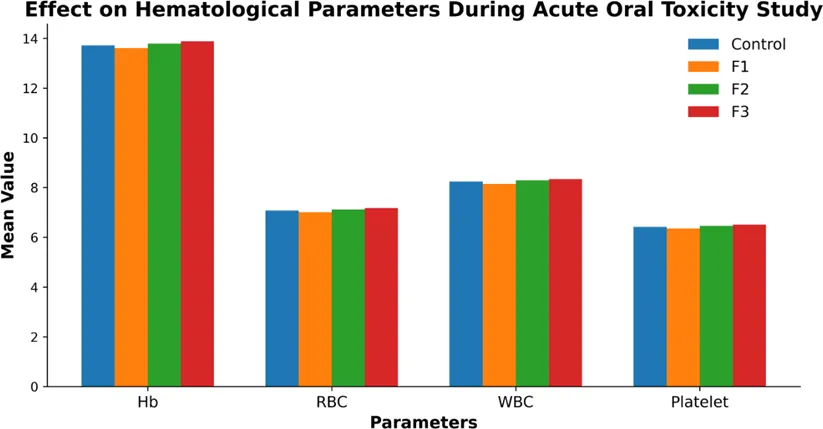
Figure 2: Effect of polyherbal formulations on hematological parameters during acute oral toxicity study.
The results of Hb, RBC, WBC and platelet count have shown that these formulations did not show any adverse effect on the hematological function and immune system as all the values remained within normal physiological limits (Table 5).
Table 5: Effect of Polyherbal Formulations on Biochemical Parameters During Acute Oral Toxicity Study
|
Parameter |
Control |
F1 (2000 mg/kg) |
F2 (2000 mg/kg) |
F3 (2000 mg/kg) |
|
SGOT (U/L) |
42.84 ± 2.36 |
43.26 ± 2.11 |
42.57 ± 1.84 |
41.93 ± 2.48 |
|
SGPT (U/L) |
36.48 ± 1.92 |
36.92 ± 1.68 |
36.21 ± 2.07 |
35.76 ± 1.74 |
|
Urea (mg/dL) |
28.63 ± 1.86 |
29.14 ± 2.21 |
28.48 ± 1.64 |
27.96 ± 2.05 |
|
Creatinine (mg/dL) |
0.76 ± 0.07 |
0.78 ± 0.09 |
0.75 ± 0.06 |
0.74 ± 0.08 |
Values are expressed as Mean ± SEM (n = 5).
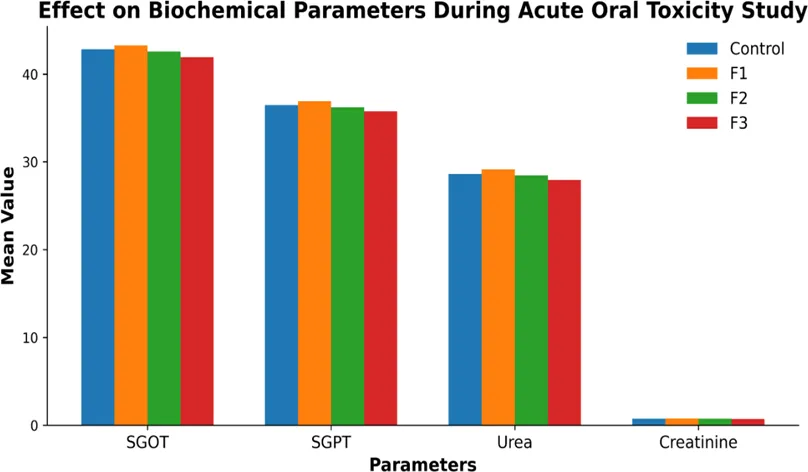
Figure 3: Effect of polyherbal formulations on biochemical parameters during acute oral toxicity study.
Biochemical parameters like SGOT, SGPT, urea and creatinine were similar to control and within normal physiological range. The results indicate that there was no significant hepatotoxicity or renal toxicity after acute oral administration of the developed formulations. Overall the acute oral toxicity studies showed that the developed polyherbal formulations were safe up to 2000mg/kg body weight and had a good safety profile for further pharmacological studies.
3.2 Sub-Acute Oral Toxicity Study
Oral toxicity study, sub-acute was performed as per OECD guideline 407 to assess the safety of repeated oral administration of the developed polyherbal formulations for 28 days. There were no behavioral abnormalities, no deaths and no treatment-related toxic effects in any of the treatment groups throughout the course of the study (Table 6).
Table 6: Effect of Polyherbal Formulations on Body Weight During 28-Day Oral Toxicity Study
|
Group |
Day 0 |
Day 14 |
Day 28 |
|
Control |
190 ± 5.6 |
205 ± 6.9 |
220 ± 8.3 |
|
F1-500 |
192 ± 5.4 |
207 ± 7.2 |
222 ± 8.5 |
|
F2-500 |
193 ± 6.3 |
209 ± 7.6 |
224 ± 8.7 |
|
F3-500 |
194 ± 6.5 |
210 ± 7.8 |
226 ± 9.1 |
Values are expressed as Mean ± SEM (n = 6).
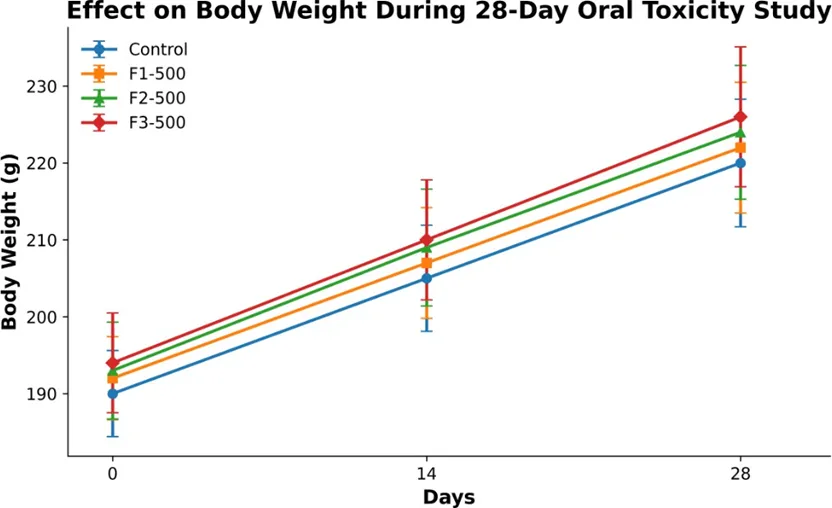
Figure 4: Effect of polyherbal formulations on body weight during 28-day oral toxicity study.
Body weights gradually increased in both groups during the study and were not affected by treatment, suggesting normal growth and no treatment-related toxicity (Table 7).
Table 7: Hematological Parameters Following 28-Day Oral Administration
|
Parameter |
Control |
F1-500 |
F2-500 |
F3-500 |
|
Hb (g/dL) |
13.82 ± 0.42 |
13.95 ± 0.48 |
14.02 ± 0.51 |
14.10 ± 0.56 |
|
RBC (×10⁶/mm³) |
7.10 ± 0.31 |
7.18 ± 0.35 |
7.24 ± 0.38 |
7.30 ± 0.41 |
|
WBC (×10³/mm³) |
8.22 ± 0.46 |
8.31 ± 0.52 |
8.36 ± 0.55 |
8.42 ± 0.58 |
|
Platelets (×10⁵/mm³) |
6.48 ± 0.28 |
6.58 ± 0.31 |
6.66 ± 0.34 |
6.74 ± 0.36 |
Values are expressed as Mean ± SEM (n = 6).
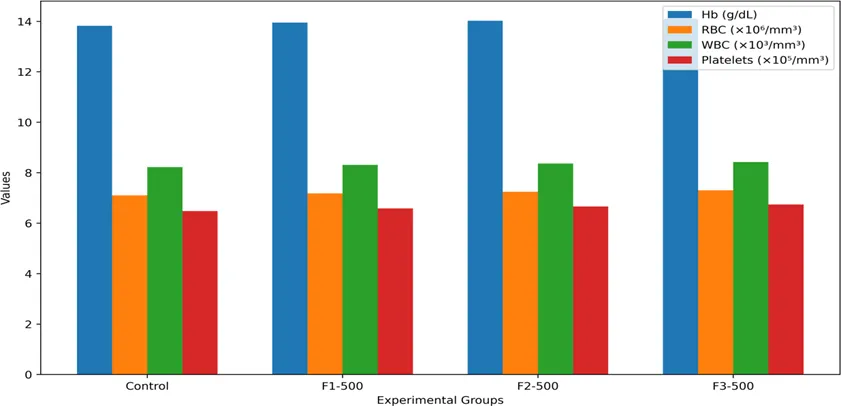
Figure 5: Effect of polyherbal formulations on hematological parameters following repeated oral administration.
Hematological parameters were unchanged in treated animals compared to control animals indicating lack of hematological toxicity (Table 8).
Table 8: Biochemical Parameters Following 28-Day Oral Administration
|
Parameter |
Control |
F1-500 |
F2-500 |
F3-500 |
|
SGOT (IU/L) |
82.4 ± 3.2 |
83.5 ± 3.5 |
84.4 ± 3.7 |
85.6 ± 3.8 |
|
SGPT (IU/L) |
38.1 ± 2.1 |
39.0 ± 2.4 |
39.5 ± 2.5 |
40.7 ± 2.6 |
|
Urea (mg/dL) |
32.5 ± 2.0 |
32.8 ± 2.3 |
33.1 ± 2.4 |
33.7 ± 2.5 |
|
Creatinine (mg/dL) |
0.68 ± 0.07 |
0.69 ± 0.08 |
0.70 ± 0.08 |
0.71 ± 0.08 |
Values are expressed as Mean ± SEM (n = 6).
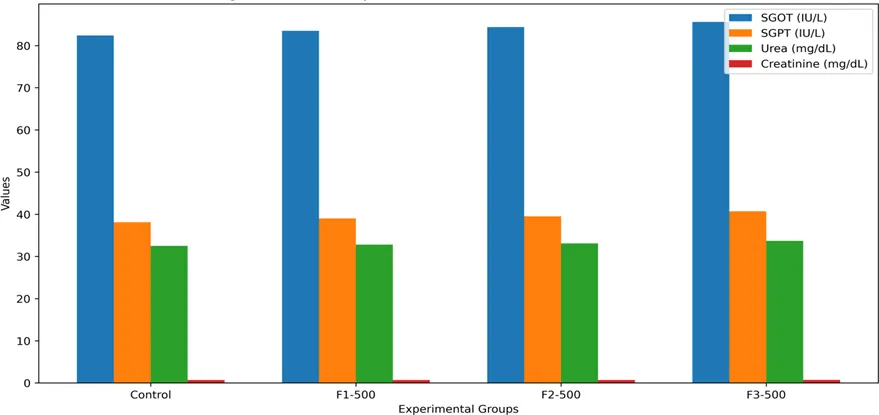
Figure 6: Effect of polyherbal formulations on biochemical parameters following repeated oral administration.
There were no significant changes in biochemical parameters indicating normal hepatic and renal function after repeated administration of all the formulations.
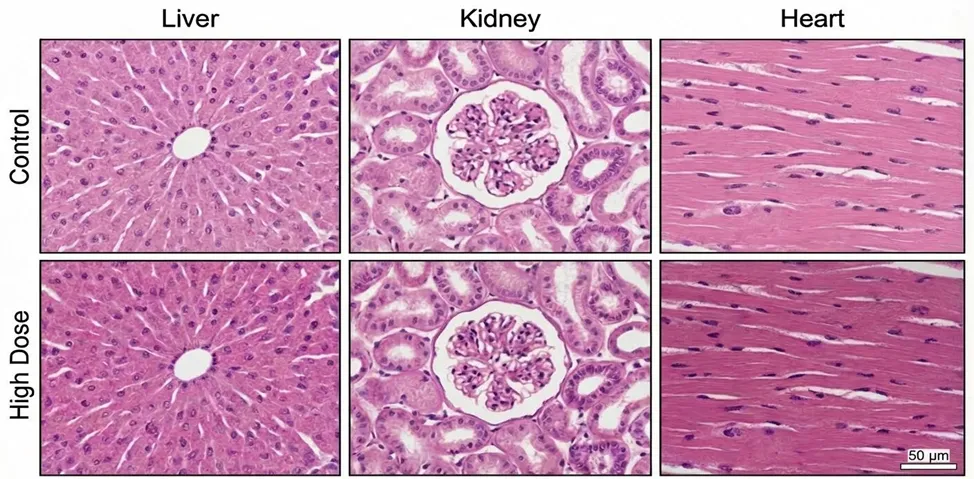
Figure 7: Histopathological sections of liver, kidney, and heart tissues showing normal cellular architecture (H&E stain, 400×).
Histopathological examination showed no inflammation, necrosis or structural abnormalities in treated animals and normal tissue architecture. The overall results showed that repeated oral administration of the developed polyherbal formulations was safe and tolerated well.
3.3 Anti-inflammatory Activity
The anti-inflammatory activity of the developed polyherbal formulations were studied in the carrageenan-induced, egg albumin-induced and formalin-induced paw edema models in Wistar albino rats. Both formulations were found to be dose dependent and caused inhibition of paw edema in comparison to the disease control group. In all the experimental models tested, F3 (high dose, 400 mg/kg) demonstrated the maximum anti-inflammatory activity.
3.3.1 Carrageenan-Induced Paw Edma Model
Paw edema is a well-established eexperimental model to evaluate acute inflammation caused by histamine, serotonin, and prostaglandins, which is induced by carrageenan (Table 9 and 10). Strong inhibition in the late phase suggests inhibition of prostaglandin production in the cyclooxygenase pathway.
Table 9: Effect of Polyherbal Formulations on Carrageenan-Induced Paw Edema
|
Group |
Treatment |
Dose (mg/kg) |
0 hr |
1 hr |
2 hr |
3 hr |
4 hr |
|
I |
Normal Control |
— |
0.50 ± 0.02 |
0.52 ± 0.03 |
0.51 ± 0.02 |
0.50 ± 0.03 |
0.51 ± 0.02 |
|
II |
Disease Control |
— |
0.50 ± 0.02 |
0.66 ± 0.05 |
0.79 ± 0.06 |
0.87 ± 0.08 |
0.84 ± 0.07 |
|
III |
Standard (Indomethacin) |
20 |
0.49 ± 0.02 |
0.57 ± 0.04** |
0.48 ± 0.03*** |
0.40 ± 0.04*** |
0.34 ± 0.03*** |
|
IV |
F1 Low |
200 |
0.50 ± 0.03 |
0.63 ± 0.05 |
0.71 ± 0.06* |
0.73 ± 0.07* |
0.69 ± 0.06* |
|
V |
F1 High |
400 |
0.49 ± 0.02 |
0.61 ± 0.04* |
0.67 ± 0.05** |
0.63 ± 0.05** |
0.59 ± 0.04** |
|
VI |
F2 Low |
200 |
0.50 ± |
0.62 ± |
0.69 ± |
0.66 ± |
0.61 ± |
|
|
|
|
0.02 |
0.05 |
0.06* |
0.05* |
0.05** |
|
VII |
F2 High |
400 |
0.49 ± 0.02 |
0.60 ± 0.04* |
0.64 ± 0.05** |
0.59 ± 0.05** |
0.53 ± 0.04*** |
|
VIII |
F3 Low |
200 |
0.50 ± 0.02 |
0.60 ± 0.04* |
0.65 ± 0.05** |
0.61 ± 0.04** |
0.56 ± 0.04*** |
|
IX |
F3 High |
400 |
0.49 ± 0.02 |
0.58 ± 0.03** |
0.59 ± 0.04*** |
0.51 ± 0.04*** |
0.43 ± 0.03*** |
Values are expressed as Mean ± SEM (n = 5). Statistical analysis was performed using one-way ANOVA followed by Dunnett’s multiple comparison test. Comparisons were made against the disease control group (*p < 0.05, **p < 0.01, ***p < 0.001).
Table 10: Percentage Inhibition of Paw Edema at 3rd Hour
|
Group |
% Inhibition |
|
Indomethacin |
50.58% |
|
F1 Low |
15.29% |
|
F1 High |
27.05% |
|
F2 Low |
23.52% |
|
F2 High |
31.76% |
|
F3 Low |
29.41% |
|
F3 High |
41.17% |
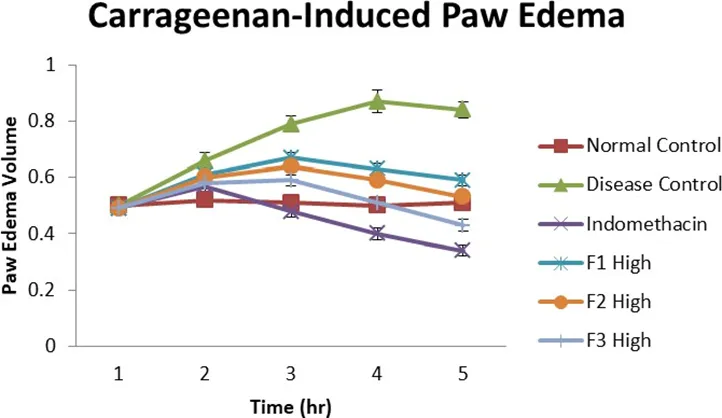
Figure 8: Effect of high dose polyherbal formulations (F1, F2, and F3) on carrageenan- induced paw edema in rats.
Both the diseased group had progressive rise in paw edema whereas treatment group with poly herbal formulations significantly reduced the inflammation in a dose dependent manner. In all formulations, F3 high dose (400 mg/kg) had the highest inhibition of paw edema with very highly significant activity (p < 0.001) and comparable response to indomethacin treated animals.
3.3.2 Egg Albumin-Induced Paw Edema Model
Paw edema induced by egg albumin is primarily the early phase inflammation caused by the release of histamine and serotonin. This model shows inhibition which indicates suppression of early inflammatory mediators (Table 11 and 12).
Table 11: Effect of Polyherbal Formulations on Egg Albumin-Induced Paw Edema
|
Group |
Treatment |
Dose (mg/kg) |
0 hr |
1 hr |
2 hr |
3 hr |
4 hr |
|
I |
Normal Control |
— |
0.50 ± 0.02 |
0.51 ± 0.03 |
0.50 ± 0.02 |
0.50 ± 0.03 |
0.51 ± 0.02 |
|
II |
Disease Control |
— |
0.50 ± 0.02 |
0.68 ± 0.05 |
0.75 ± 0.06 |
0.70 ± 0.06 |
0.66 ± 0.05 |
|
III |
Standard (Indomethacin) |
20 |
0.49 ± 0.02 |
0.58 ± 0.04** |
0.52 ± 0.03*** |
0.48 ± 0.04*** |
0.45 ± 0.03*** |
|
IV |
F1 Low |
200 |
0.50 ± 0.03 |
0.64 ± 0.05 |
0.70 ± 0.06* |
0.67 ± 0.05* |
0.63 ± 0.05* |
|
V |
F1 High |
400 |
0.49 ± 0.02 |
0.62 ± 0.04* |
0.66 ± 0.05** |
0.62 ± 0.05** |
0.58 ± 0.04** |
|
VI |
F2 Low |
200 |
0.50 ± 0.02 |
0.63 ± 0.05 |
0.68 ± 0.06* |
0.65 ± 0.05* |
0.60 ± 0.05** |
|
VII |
F2 High |
400 |
0.49 ± 0.02 |
0.61 ± 0.04* |
0.64 ± 0.05** |
0.60 ± 0.05** |
0.55 ± 0.04*** |
|
VIII |
F3 Low |
200 |
0.50 ± 0.02 |
0.61 ± 0.04* |
0.65 ± 0.05** |
0.61 ± 0.04** |
0.57 ± 0.04*** |
|
IX |
F3 High |
400 |
0.49 ± 0.02 |
0.59 ± 0.03** |
0.60 ± 0.04*** |
0.55 ± 0.04*** |
0.50 ± 0.03*** |
Values are expressed as Mean ± SEM (n = 5). Statistical analysis was performed using one-way ANOVA followed by Dunnett’s multiple comparison test. Comparisons were made against the disease control group (*p < 0.05, **p < 0.01, ***p < 0.001).
Table 12: Percentage Inhibition of Paw Edema at 2nd Hour
|
Group |
% Inhibition |
|
Indomethacin |
30.67% |
|
F1 Low |
6.67% |
|
F1 High |
12.00% |
|
F2 Low |
9.33% |
|
F2 High |
14.67% |
|
F3 Low |
13.33% |
|
F3 High |
20.00% |
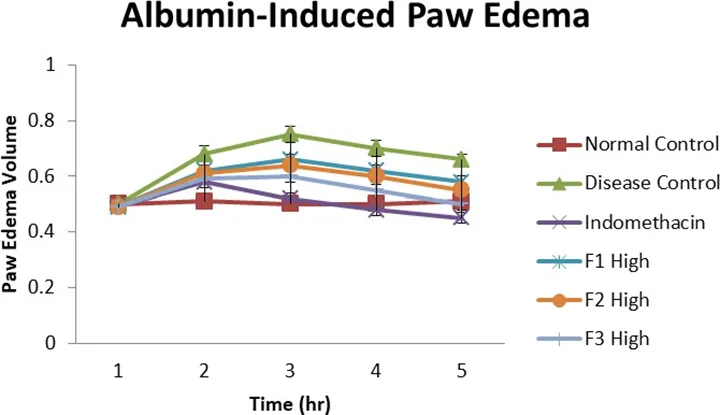
Figure 9: Effect of high dose polyherbal formulations (F1, F2 and F3) on egg albumin- induced paw edema in rats.
All formulations showed a reduction in the paw edema compared to animals which were not treated. Formulation F3 high dose, followed by F2 high dose and F3 low dose had the most significant anti-inflammatory effects.
3.3.3 Formalin-Induced Paw Edema Model
The formalin induced paw edema is a biphasic inflammatory model with both neurogenic and inflammatory mediators. If there is inhibition at both phases, there is great suppression of inflammatory mediators (Table 13 and 14).
Table 13: Effect of Polyherbal Formulations on Formalin-Induced Paw Edema
|
Group |
Treatment |
Dose (mg/kg) |
0 hr |
1 hr |
2 hr |
3 hr |
4 hr |
|
I |
Normal Control |
— |
0.50 ± 0.02 |
0.51 ± 0.03 |
0.50 ± 0.02 |
0.50 ± 0.03 |
0.51 ± 0.02 |
|
II |
Disease Control |
— |
0.50 ± 0.02 |
0.70 ± 0.05 |
0.82 ± 0.07 |
0.88 ± 0.08 |
0.85 ± 0.07 |
|
III |
Standard (Indomethacin) |
20 |
0.49 ± 0.02 |
0.60 ± 0.04** |
0.52 ± 0.03*** |
0.44 ± 0.04*** |
0.38 ± 0.03*** |
|
IV |
F1 Low |
200 |
0.50 ± 0.03 |
0.66 ± 0.05 |
0.74 ± 0.07* |
0.72 ± 0.06* |
0.68 ± 0.05* |
|
V |
F1 High |
400 |
0.49 ± 0.02 |
0.64 ± 0.04* |
0.69 ± 0.05** |
0.65 ± 0.05** |
0.60 ± 0.04** |
|
VI |
F2 Low |
200 |
0.50 ± 0.02 |
0.65 ± 0.05 |
0.72 ± 0.06* |
0.68 ± 0.05* |
0.63 ± 0.05** |
|
VII |
F2 High |
400 |
0.49 ± 0.02 |
0.63 ± 0.04* |
0.67 ± 0.05** |
0.62 ± 0.05** |
0.56 ± 0.04*** |
|
VIII |
F3 Low |
200 |
0.50 ± 0.02 |
0.62 ± 0.04* |
0.68 ± 0.05** |
0.63 ± 0.04** |
0.58 ± 0.04*** |
|
IX |
F3 High |
400 |
0.49 ± 0.02 |
0.60 ± 0.03** |
0.62 ± 0.04*** |
0.55 ± 0.04*** |
0.48 ± 0.03*** |
Values are expressed as Mean ± SEM (n = 5). Statistical analysis was performed using one-way ANOVA followed by Dunnett’s multiple comparison test. Comparisons were made against the disease control group (*p < 0.05, **p < 0.01, ***p < 0.001).
Table 14: Percentage Inhibition of Paw Edema at 3rd Hour
|
Group |
% Inhibition |
|
Indomethacin |
50.00% |
|
F1 Low |
18.18% |
|
F1 High |
26.14% |
|
F2 Low |
22.73% |
|
F2 High |
29.55% |
|
F3 Low |
28.41% |
|
F3 High |
37.50% |
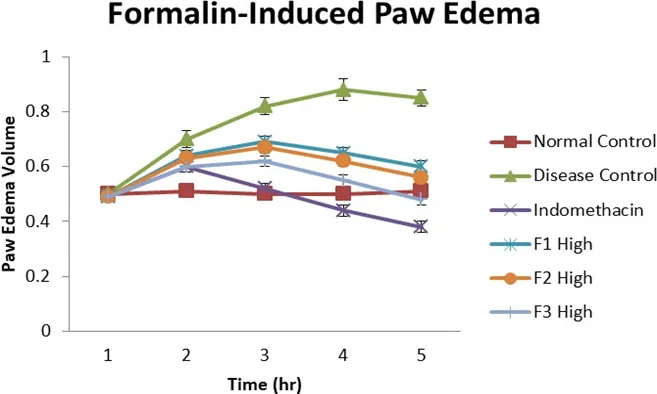
Figure 10: Effect of high dose polyherbal formulations (F1, F2 and F3) on formalin- induced paw edema in rats.
The produced formulations were effective in significantly decreasing the paw edema caused by formalin when compared with the disease control group. The maximum inhibition was shown by F3 high dose with highly significant activity (p < 0.001) among all the tested groups.
3.3.4 Combined Discussion of Anti-inflammatory Activity
All of the developed formulations, F3 proved to be more effective in the anti-inflammatory activity in the carrageenan-induced, egg albumin-induced and formalin-induced inflammation models. The synergistic effect of F3 may be due to the presence of flavonoids, phenolic compounds, terpenoids and glycosides as observed during the phytochemical screening and TLC Finger print analysis. These phytoconstituents have been reported to have anti-inflammatory and anti-oxidative properties against inflammatory diseases.
CONCLUSION
In the present investigation, anti-inflammatory efficacy and safety profile of the optimized polyherbal suspension prepared using selected medicinal plants traditionally used for inflammatory disorders was successfully proved. The developed formulations were subjected to acute and sub-acute oral toxicity studies and in experimentally induced inflammatory models in Wistar albino rats. The toxicity testing in accordance with OECD guidelines showed good safety, non-toxic and well tolerated formulations, no mortality, no behavioural abnormalities and no significant toxic manifestations throughout the experimental period. Hematological and biochemical parameters remained in normal physiological limits and histopathological examination did not reveal any tissue damage caused by the treatment of any vital organs like liver, kidney and heart. In all the models of paw edema tested, F3 has the greatest anti-inflammatory activity in carrageenan-induced, egg albumin-induced and formalin-induced paw edema. The formulation was found to be dose-dependent in inhibiting inflammation and showed the pharmacological activity similar to indomethacin, which is the standard anti-inflammatory. The optimized formulation may be responsible for the increased therapeutic activity, which could be explained from the synergic activity of the different bioactive phytoconstituents such as flavonoids, phenolics, terpenoids and glycosides of the selected medicinal plants. The overall results of the present study support scientifically the traditional medicinal usage of the developed polyherbal formulation and indicate that the optimized polyherbal suspension exhibit good anti-inflammatory activity with acceptable safety. Hence, developed formulation can be considered a potential herbal therapeutic approach for inflammation related diseases and should be explored in clinical and mechanistic studies.
ACKNOWLEDGEMENT
The authors are thankful to the School of Health & Allied Sciences, Career Point University, Kota, Rajasthan, and United College of Pharmacy, Prayagraj, Uttar Pradesh, for providing necessary facilities and support to carry out the present research work. The authors also express sincere gratitude to Dr. Rajani Srivastava, Banaras Hindu University, for authentication of the plant materials used in the study.
REFERENCES

Abhay Kumar Mourya*, Manju Makhija, Shanti Bhushan Mishra, Mahesh Gupta, Pharmacological Evaluation of an Optimized Polyherbal Suspension for Anti- Inflammatory Activity in Experimental Models, Int. J. Med. Pharm. Sci., 2026, 2 (6), 358-371. https://doi.org/10.5281/zenodo.20800356
 10.5281/zenodo.20800356