

We use cookies to ensure our website works properly and to personalise your experience. Cookies policy
Aadhi Bhagawan College of Pharmacy, Rantham, Thiruvannmalai, Tamilnadu
Pain remains a major global clinical challenge, significantly affecting quality of life and contributing to substantial healthcare burden. Traditional analgesic drugs such as opioids and non-steroidal anti-inflammatory agents provide symptomatic relief but are often limited by safety concerns and reduced effectiveness in chronic or neuropathic pain states. Recent advances in pain pharmacology have identified multiple promising targets that underlie maladaptive pain signaling, including voltage-gated ion channels, receptor systems, neurotransmitter networks, and immune mediators. Targeted therapies that specifically modulate these pathways have facilitated the development of mechanism-based analgesics with potential for enhanced efficacy and improved safety profiles. This review outlines emerging analgesic targets, translational drug development strategies, and challenges in bridging preclinical findings to clinical outcomes. It highlights the clinical translation of selective NaV1.8 inhibitors as a successful example of non-opioid analgesic innovation. Future directions in pain pharmacotherapy include peripheral-selective modulators, combination treatments, personalized approaches, and biomarker-guided development. Understanding the interplay between novel targets and optimized drug design is essential to advance effective and safer pain management.
Pain is one of the most common and challenging clinical conditions worldwide, affecting individuals across all age groups and disease states. It represents a major cause of disability, impaired quality of life, and increased healthcare burden. Despite extensive research into the biological mechanisms of pain, its effective management—particularly in chronic conditions—remains inadequate. Chronic pain disorders impose long-term physical, psychological, and socioeconomic consequences, emphasizing the urgent need for improved pharmacological interventions. Pain is broadly classified into acute and chronic pain based on duration and underlying pathophysiology. Acute pain typically arises from tissue injury or inflammation and serves a protective physiological function, resolving once healing occurs. In contrast, chronic pain persists beyond the normal healing period and becomes a pathological condition characterized by sustained neuroplastic changes within the peripheral and central nervous systems. These maladaptive alterations lead to persistent hypersensitivity and abnormal pain signalling, making chronic pain more resistant to conventional therapies. Based on mechanistic origin, pain can be categorized into nociceptive, neuropathic, and inflammatory pain. Nociceptive pain results from the activation of peripheral nociceptors due to tissue damage or noxious stimuli and is commonly associated with acute injury. Neuropathic pain arises from damage or dysfunction of the peripheral or central nervous system and is characterized by spontaneous pain, allodynia, and hyperalgesia caused by aberrant neuronal signalling. Inflammatory pain is mediated by immune and inflammatory processes involving cytokines, prostaglandins, and other mediators that sensitize nociceptors and amplify pain transmission. Importantly, inflammatory mechanisms often contribute to both nociceptive and neuropathic pain, further complicating therapeutic management. The major mechanistic categories of pain and their distinguishing features are summarized in Figure 1.
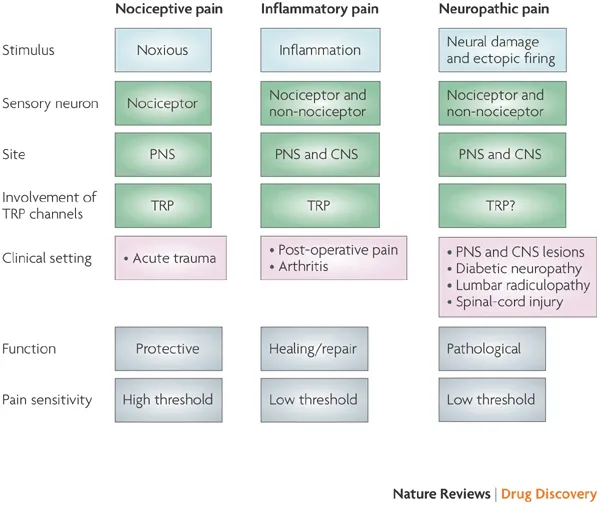
Figure 1. Classification and Key Characteristics Of Major Pain Types
This figure summarizes the fundamental differences between nociceptive, inflammatory, and neuropathic pain based on stimulus origin, sensory neuron involvement, anatomical site, and pain sensitivity. Nociceptive pain arises from noxious stimuli and serves a protective function, whereas inflammatory pain is associated with tissue inflammation and sensitization of nociceptors during healing and repair. Neuropathic pain results from damage or dysfunction of the peripheral or central nervous system and represents a pathological pain state characterized by aberrant neuronal firing. The involvement of transient receptor potential (TRP) channels across different pain types highlights their relevance as potential therapeutic targets in pain pharmacology. Although multiple pharmacological options are available for pain management, including opioids, non-steroidal anti-inflammatory drugs (NSAIDs), antidepressants, and anticonvulsants, their clinical effectiveness is limited. Opioids remain effective for severe and acute pain but are associated with significant risks such as tolerance, dependence, respiratory depression, and misuse. NSAIDs are useful in inflammatory pain but carry gastrointestinal, renal, and cardiovascular risks with prolonged use. Adjuvant therapies such as tricyclic antidepressants and gabapentinoids show modest efficacy in neuropathic pain and are often accompanied by central nervous system side effects and variable patient response. Consequently, a substantial proportion of patients continue to experience insufficient pain relief despite combination therapy. The limited success of current analgesic therapies highlights that pain management remains a significant unmet medical need. One of the major challenges in analgesic drug development is the poor translation of preclinical efficacy into clinical success, largely due to the complexity and heterogeneity of pain mechanisms. Traditional approaches have focused primarily on symptomatic pain relief rather than targeting the underlying molecular and cellular dysfunctions responsible for chronic pain states. This has resulted in high failure rates during clinical development and limited therapeutic innovation.
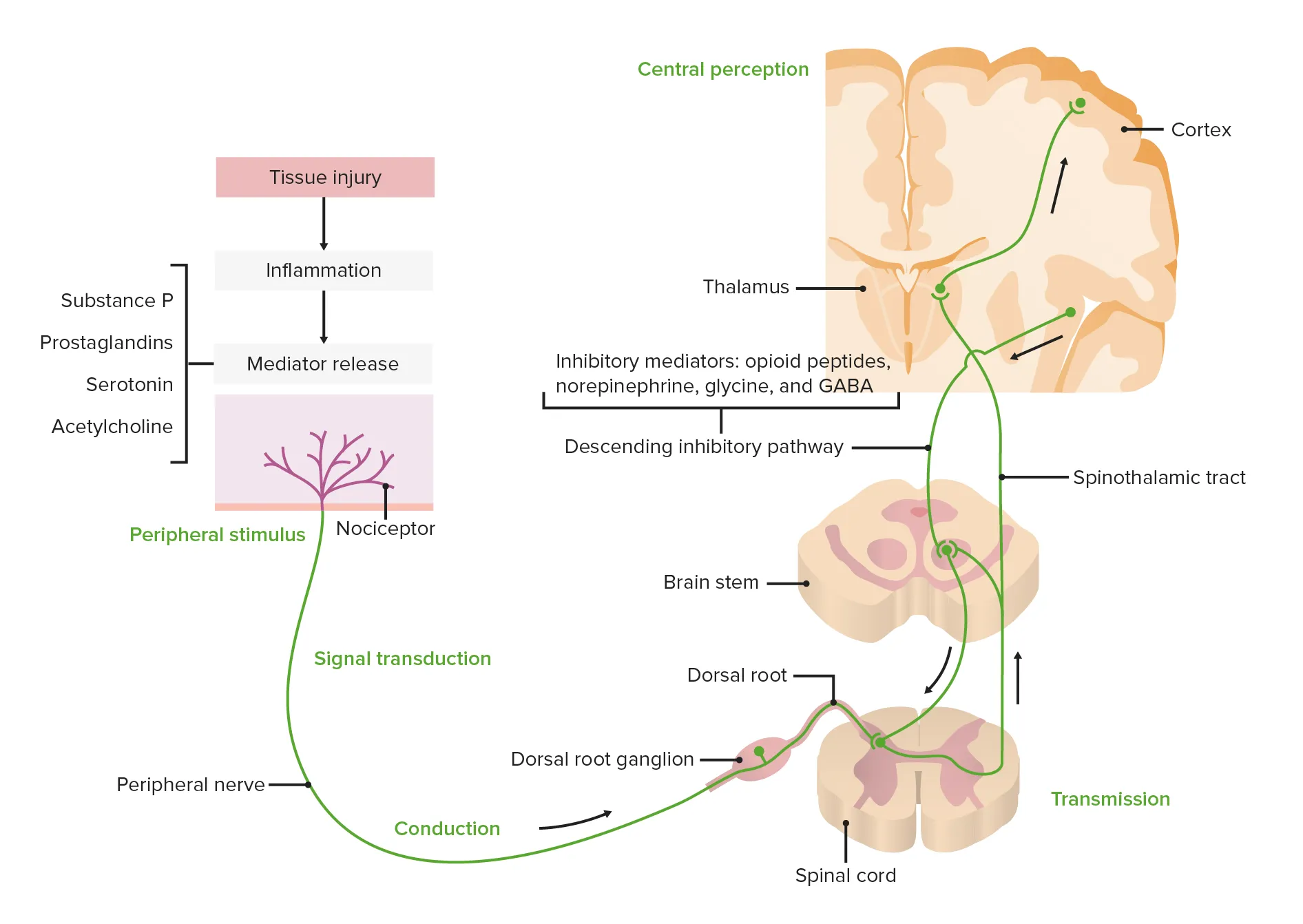
Figure 2. Classification and Key Characteristics Of Major Pain Types.
Nociceptive pain arises from tissue injury, inflammatory pain is mediated by immune and inflammatory processes, and neuropathic pain results from damage or dysfunction of the nervous system. Overlapping molecular mechanisms highlight the complexity of pain states In recent years, advances in pain neurobiology and pharmacology have led to the identification of novel analgesic targets, including ion channels, neurotransmitter receptors, inflammatory mediators, and immune-related signaling pathways. Target-specific and mechanism-driven drug development strategies offer the potential to produce safer, non-addictive, and more effective analgesics. Therefore, a comprehensive understanding of pain pharmacology and emerging drug development approaches is essential for overcoming the limitations of existing therapies and improving future pain management outcomes.
2. Pathophysiology of Pain:
The pathophysiology of pain involves complex and dynamic interactions between peripheral sensory neurons, spinal cord circuits, and supraspinal brain regions. Pain is not merely a direct consequence of tissue injury but is maintained by sustained alterations in neuronal excitability, synaptic transmission, and neuroimmune interactions. These processes collectively contribute to the initiation, amplification, and persistence of pain, particularly in chronic pain states.
2.1 Peripheral Sensitization:
Peripheral sensitization refers to the increased responsiveness of primary afferent nociceptors following tissue injury or nerve damage. In response to injury, inflammatory mediators such as prostaglandins, bradykinin, cytokines (e.g., IL-1β, IL-6, TNF-α), and neurotrophic factors are released from immune cells, damaged tissues, and peripheral nerves. These mediators lower the activation threshold of nociceptors and enhance their firing rate, leading to heightened pain sensitivity. At the molecular level, peripheral sensitization is mediated by altered expression and function of ion channels, particularly voltage-gated sodium and calcium channels, as well as transient receptor potential (TRP) channels. Upregulation of sodium channels promotes spontaneous and ectopic firing of sensory neurons, while increased calcium influx enhances neurotransmitter release. These changes result in exaggerated responses to normally non-painful stimuli, clinically manifested as hyperalgesia and allodynia.
2.2 Central Sensitization:
Central sensitization is characterized by increased excitability of neurons within the spinal cord dorsal horn and higher brain centers. Sustained nociceptive input from the periphery induces long-lasting functional and structural changes in central pain pathways. These include enhanced synaptic transmission, reduced inhibitory control, and expansion of receptive fields, leading to persistent pain even in the absence of ongoing peripheral injury. A key mechanism underlying central sensitization is the excessive activation of excitatory neurotransmitter systems, particularly glutamate acting on NMDA and AMPA receptors. This results in increased intracellular calcium levels and activation of intracellular signaling cascades that promote synaptic plasticity. In parallel, inhibitory neurotransmission mediated by gamma-aminobutyric acid (GABA) and glycine is often diminished, further tipping the balance toward excitation and sustained pain signaling.
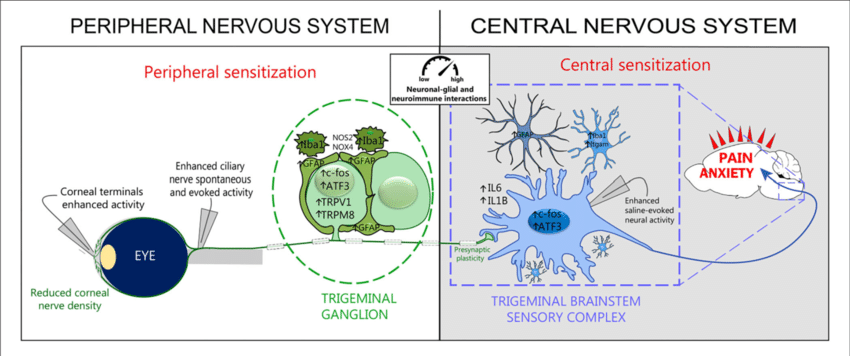
Figure 3. Peripheral and Central Sensitization In Pain Pathophysiology
This figure illustrates the key mechanisms involved in the generation and maintenance of pain. Peripheral sensitization occurs following tissue injury or inflammation, leading to increased excitability of primary afferent nociceptors through the action of inflammatory mediators and ion channel modulation. Sustained nociceptive input from the periphery triggers central sensitization within the spinal cord and supraspinal structures, characterized by enhanced synaptic transmission, reduced inhibitory control, and amplification of pain signals. These processes contribute to persistent pain states such as neuropathic and inflammatory pain.
2.3 Role of Ion Channels:
Ion channels play a pivotal role in the generation and propagation of pain signals. Voltage-gated sodium channels (NaV1.7, NaV1.8, and NaV1.9) are essential for action potential initiation in nociceptive neurons, and their dysregulation leads to neuronal hyperexcitability. Voltage-gated calcium channels regulate neurotransmitter release at synaptic terminals and contribute to central sensitization when overactivated. Additionally, TRP channels such as TRPV1, TRPA1, and TRPM8 act as molecular sensors for thermal, chemical, and mechanical stimuli. Their activation by inflammatory mediators and tissue injury contributes to peripheral sensitization and exaggerated pain responses. Targeting these ion channels has therefore emerged as a promising strategy in the development of novel analgesics.
2.4 Role of Neurotransmitters:
Neurotransmitters play a central role in modulating pain transmission and perception. Excitatory neurotransmitters such as glutamate and substance P facilitate pain signaling at both peripheral and central synapses. In contrast, inhibitory neurotransmitters including GABA and endogenous opioids suppress neuronal excitability and limit pain propagation. In chronic pain states, this delicate balance between excitation and inhibition is disrupted. Descending modulatory pathways originating from the brainstem, involving serotonin and noradrenaline, normally exert inhibitory control over spinal nociceptive processing. Dysfunction of these descending pathways contributes to enhanced pain transmission and persistence of chronic pain, particularly in neuropathic conditions.
2.5 Role of Inflammatory Mediators:
Inflammatory mediators are critical drivers of both peripheral and central sensitization. Following tissue injury or nerve damage, immune cells release cytokines, chemokines, prostaglandins, and nitric oxide, which sensitize nociceptors and enhance synaptic transmission. Activation of microglia and astrocytes within the spinal cord further amplifies pain signaling through the release of pro-nociceptive mediators. Inflammation not only initiates pain but also sustains it by promoting neuroplastic changes and maintaining a pro-excitatory environment within pain pathways. This neuroimmune interaction is a key contributor to the transition from acute to chronic pain.
2.6 Neuropathic versus Inflammatory Pain Mechanisms:
Neuropathic and inflammatory pain share overlapping mechanisms but differ in their primary drivers and temporal progression. Neuropathic pain arises from direct injury or dysfunction of the nervous system and is dominated by central sensitization, aberrant neuronal firing, and impaired inhibitory control. Structural and functional changes in neurons and glial cells contribute to the persistence and refractoriness of neuropathic pain. In contrast, inflammatory pain is primarily driven by immune and inflammatory processes associated with tissue injury. It is characterized by peripheral sensitization mediated by inflammatory mediators and typically resolves as inflammation subsides. However, prolonged or unresolved inflammation can induce central sensitization, facilitating the transition to chronic pain. Understanding these mechanistic differences is essential for identifying appropriate therapeutic targets and developing mechanism-based analgesic therapies.
3. Limitations Of Conventional Analgesics:
Despite decades of research and clinical use, currently available analgesic therapies remain inadequate for the effective management of many pain conditions, particularly chronic and neuropathic pain. Most conventional analgesics provide only partial symptom relief and are frequently associated with significant adverse effects, limiting their long-term clinical utility. These limitations strongly justify the need for novel analgesic targets and innovative drug development strategies.
3.1 Limitations of Opioid Analgesics:
Opioids are among the most effective agents for the management of acute and severe pain; however, their use in chronic pain is severely restricted by safety concerns. Long-term opioid therapy is associated with the development of tolerance, physical dependence, and addiction. In addition, opioids produce dose-limiting adverse effects such as respiratory depression, sedation, constipation, and cognitive impairment. These risks not only compromise patient safety but also limit dose escalation and long-term effectiveness, particularly in non-cancer pain and neuropathic pain conditions.
3.2 Limitations of Non-Steroidal Anti-Inflammatory Drugs (NSAIDs):
NSAIDs are widely used for the treatment of inflammatory and nociceptive pain; however, their clinical use is constrained by well-documented gastrointestinal, renal, and cardiovascular toxicities. Chronic inhibition of cyclo-oxygenase enzymes increases the risk of gastric ulceration, bleeding, renal dysfunction, and cardiovascular events. Moreover, NSAIDs demonstrate limited efficacy in neuropathic pain, as they primarily target peripheral inflammatory pathways rather than central mechanisms involved in neuronal sensitization.
3.3 Poor Efficacy in Neuropathic Pain:
Neuropathic pain represents one of the most challenging pain conditions to treat with conventional analgesics. Opioids and NSAIDs often fail to provide adequate relief due to the dominance of central sensitization, aberrant neuronal firing, and neuroplastic changes that are not sufficiently addressed by these drugs. Although adjuvant therapies such as antidepressants and anticonvulsants are commonly prescribed, their efficacy is modest and inconsistent, and their use is frequently limited by central nervous system side effects. As a result, neuropathic pain remains largely refractory to existing pharmacotherapies.
3.4 High Failure Rate of Analgesic Drug Development:
A major limitation in pain management is the exceptionally high failure rate of analgesic drugs during clinical development. Despite promising results in preclinical models, many candidate compounds fail to demonstrate efficacy in human trials. This poor translational success is largely attributed to the use of experimental models that inadequately reflect the complex pathophysiology of chronic and neuropathic pain in patients. Additionally, analgesic development has traditionally relied on symptomatic endpoints rather than mechanism-based biomarkers and target engagement, leading to late-stage clinical failures.
4. Novel Analgesic Targets:
The limited efficacy and safety concerns associated with conventional analgesics have driven intense research toward identifying novel molecular targets involved in pain generation and maintenance. Advances in pain neurobiology have revealed multiple peripheral and central targets, including ion channels, receptors, neurotransmitter systems, and immune mediators, which play critical roles in nociceptive transmission, sensitization, and chronic pain states. Targeting these mechanisms offers the potential for safer, non-addictive, and more effective analgesic therapies.
4.1 Ion Channel Targets:
Ion channels regulate neuronal excitability and pain signal transmission, making them key targets for novel analgesic drug development.
Voltage-Gated Sodium Channels (NaV1.7 and NaV1.8): NaV1.7 and NaV1.8 channels are highly expressed in dorsal root ganglion neurons and are crucial for action potential initiation and propagation in nociceptors. Gain-of-function mutations in these channels are associated with painful neuropathies, while loss-of-function mutations result in congenital insensitivity to pain. Selective inhibition of NaV1.7 and NaV1.8 has demonstrated strong antinociceptive effects in preclinical inflammatory and neuropathic pain models, highlighting their promise as non-opioid analgesic targets.
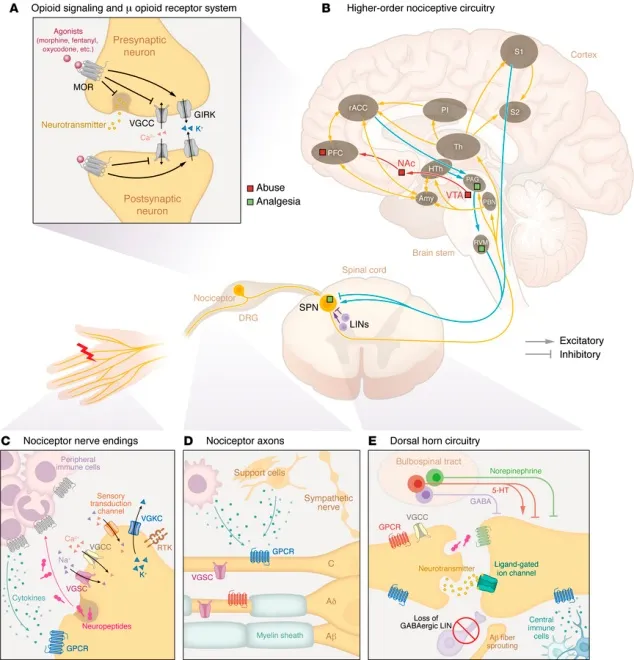
Figure 4 Emerging molecular targets for analgesic drug development, including ion channels, receptor systems, neurotransmitters, and inflammatory mediators involved in pain signaling and sensitization.
Voltage-Gated Calcium Channels (CaV2.2): N-type calcium channels (CaV2.2) play a pivotal role in neurotransmitter release at presynaptic terminals in pain pathways. Activation of these channels promotes the release of glutamate, substance P, and calcitonin gene-related peptide, facilitating pain transmission and central sensitization. Pharmacological blockade of CaV2.2 reduces synaptic excitation and produces potent analgesia, as demonstrated by clinically used agents such as ziconotide, although delivery and safety limitations remain. Potassium Channels: Potassium channels contribute to neuronal hyperpolarization and regulate excitability in sensory neurons. In chronic pain states, dysregulation of potassium channel function leads to sustained depolarization and increased neuronal firing. Modulation of specific potassium channel subtypes has emerged as a promising strategy to restore neuronal stability and attenuate pain signaling without inducing central nervous system adverse effects. Transient Receptor Potential (TRP) Channels: TRP channels function as molecular sensors for thermal, chemical, and mechanical stimuli. TRPV1, TRPA1, and TRPM8 are strongly implicated in pain hypersensitivity and allodynia. TRPV1 is activated by noxious heat, acidic conditions, and inflammatory mediators, while TRPA1 responds to chemical irritants and oxidative stress. TRPM8 is involved in cold-evoked pain and cold allodynia. Targeting TRP channels has shown analgesic potential in neuropathic and inflammatory pain models, making them attractive candidates for novel therapies.
4.2 Receptor-Based Targets:
NMDA Receptors: N-methyl-D-aspartate (NMDA) receptors are glutamate-gated ion channels that play a central role in synaptic plasticity and central sensitization. Enhanced NMDA receptor activation following nerve injury leads to increased calcium influx and sustained amplification of pain signals. Pharmacological modulation of NMDA receptors can reduce hyperexcitability and prevent the establishment of chronic pain, although psychotropic side effects limit widespread clinical use.
Opioid Receptors: Opioid receptors (μ, δ, and κ) are key modulators of pain transmission. While μ-opioid receptor agonists remain effective analgesics, their clinical utility is restricted by tolerance, dependence, and respiratory depression. Research has therefore shifted toward biased agonists and alternative opioid receptor subtypes, aiming to preserve analgesia while minimizing adverse effects.
Cannabinoid Receptors (CB1 and CB2): The endocannabinoid system plays a significant modulatory role in pain perception. CB1 receptors are predominantly expressed in the central nervous system and regulate neurotransmitter release, whereas CB2 receptors are mainly found in peripheral immune cells and modulate inflammation. Activation of cannabinoid receptors reduces neuronal excitability, inhibits nociceptive transmission, and attenuates neuroinflammation, making them promising targets for non-opioid analgesic development.
4.3 Neurotransmitter Systems:
GABAergic System: Gamma-aminobutyric acid (GABA) mediates inhibitory neurotransmission in the central nervous system and plays a crucial role in controlling pain signaling. In chronic pain states, reduced GABAergic inhibition contributes to neuronal hyperexcitability and central sensitization. Enhancing GABA receptor activity or targeting specific GABA receptor subtypes offers potential for restoring inhibitory balance and alleviating chronic pain.
Serotonin and Noradrenaline Pathways: Descending pain modulatory pathways involving serotonin and noradrenaline regulate spinal nociceptive processing. Dysfunction of these pathways contributes to persistent pain and impaired endogenous analgesia. Pharmacological enhancement of serotonergic and noradrenergic signaling, particularly through reuptake inhibition, has demonstrated efficacy in neuropathic pain and represents an important target for analgesic drug development.
4.4 Inflammatory and Immune Targets:
Interleukin-6 (IL-6): IL-6 is a pro-inflammatory cytokine that contributes to nociceptor sensitization and neuroinflammation. Elevated IL-6 levels are observed in neuropathic and inflammatory pain states, where it promotes neuronal excitability and central sensitization. Targeting IL-6 signaling has shown analgesic effects in inflammatory conditions and represents a promising immunomodulatory approach to pain management.
Prostaglandins: Prostaglandins, particularly prostaglandin E2, are key mediators of inflammatory pain. They sensitize nociceptors and enhance synaptic transmission through cyclic AMP-dependent signaling pathways. Novel strategies targeting downstream prostaglandin synthesis pathways aim to provide analgesia while minimizing the gastrointestinal and cardiovascular risks associated with traditional NSAIDs.
Microglia and Cytokines: Activation of microglia and astrocytes in the spinal cord plays a central role in neuroinflammation and chronic pain maintenance. These glial cells release pro-inflammatory cytokines and chemokines that amplify nociceptive signaling and sustain central sensitization. Modulating microglial activation and cytokine release has emerged as a novel and promising strategy for controlling chronic and neuropathic pain.
5. Drug Development Strategies:
The development of novel analgesics requires an integrated approach that combines mechanistic understanding of pain biology with advanced pharmacological and drug discovery methodologies. Traditional symptom-based screening strategies have shown limited success, particularly in chronic and neuropathic pain, necessitating a shift toward mechanism-driven drug development. Recent advances emphasize target validation, predictive preclinical models, translational pharmacology, and rational medicinal chemistry optimization to improve clinical success rates.
5.1 Target Identification and Validation:
Target identification represents the foundation of analgesic drug discovery. Advances in molecular neurobiology have enabled the identification of pain-relevant targets involved in neuronal excitability, synaptic transmission, and neuroimmune interactions. Effective targets are those that directly modulate dysfunctional pain signaling pathways rather than merely suppressing pain symptoms. Validation of such targets requires genetic, pharmacological, and translational evidence demonstrating their relevance in both preclinical models and human pain conditions.
5.2 Preclinical Pain Models:
Preclinical pain models are essential for evaluating the efficacy of candidate analgesics; however, their predictive value remains limited. Most animal models rely on behavioral responses to evoked stimuli, such as mechanical or thermal hypersensitivity, which do not fully reflect spontaneous or persistent pain experienced by patients. While these models provide insights into nociceptive mechanisms, their inability to capture disease progression and central sensitization contributes to the high attrition rate of analgesic candidates during clinical development.
5.3 Translational Gap: From Animal Models to Humans:
A major challenge in analgesic drug development is the translational gap between preclinical efficacy and clinical success. Compounds that demonstrate robust antinociceptive effects in animals often fail in human trials due to species differences in pain mechanisms, target expression, and pharmacokinetics. Furthermore, the reliance on behavioral endpoints rather than mechanistic biomarkers limits the ability to predict clinical outcomes. Addressing this gap requires improved translational strategies that integrate pharmacokinetic–pharmacodynamic relationships and target engagement data.
5.4 Role of Pharmacokinetic–Pharmacodynamic (PK–PD) Modeling:
PK–PD modeling plays a crucial role in optimizing dose selection and predicting therapeutic efficacy in humans. By linking drug exposure to pharmacological response, PK–PD models provide quantitative insight into target engagement and duration of action. In analgesic development, such modeling helps identify the exposure required to modulate pain pathways effectively while minimizing adverse effects. Incorporation of PK–PD principles early in drug development improves clinical trial design and reduces the risk of late-stage failure.
5.5 Biomarkers in Analgesic Drug Development:
Biomarkers are increasingly recognized as essential tools for improving translational success. Mechanistic biomarkers that reflect target engagement, pathway modulation, or neuroinflammatory activity enable objective assessment of drug effects beyond behavioral pain measures. The use of biomarkers facilitates early decision-making, supports dose justification, and enhances the ability to detect pharmacological activity in early-phase clinical trials. Integration of biomarker-guided strategies represents a paradigm shift in analgesic drug development.
5.6 Medicinal Chemistry Optimization:
Medicinal chemistry plays a central role in transforming validated targets into clinically viable drug candidates. Optimization efforts focus on improving potency, selectivity, metabolic stability, oral bioavailability, and safety. In the development of selective NaV1.8 inhibitors, extensive chemical modification of core scaffolds has been employed to enhance target specificity while minimizing off-target effects on other sodium channel subtypes. Such optimization is critical for achieving peripheral selectivity and reducing central nervous system and cardiovascular liabilities.
5.7 Structure–Activity Relationship (SAR) Studies:
Structure–activity relationship (SAR) analysis provides systematic insight into how chemical modifications influence biological activity and pharmacokinetic properties. Iterative SAR studies enable rational optimization of lead compounds by identifying structural features that govern potency, selectivity, and drug-like characteristics. In NaV1.8 inhibitor development, SAR-guided optimization has led to the discovery of highly selective and potent molecules with favorable pharmacokinetic profiles, ultimately facilitating clinical translation.
6. Case Study: Suzetrigine (Nav1.8 Inhibitor):
The successful clinical development of suzetrigine represents a landmark achievement in non-opioid pain management and exemplifies the translational potential of mechanism-based analgesic drug discovery. Suzetrigine, formerly known as VX-548, is a highly selective inhibitor of the voltage-gated sodium channel NaV1.8 and is the first agent of its class to receive regulatory approval for pain management. Its development highlights the therapeutic value of targeting peripheral pain pathways while avoiding central nervous system–mediated adverse effects.
6.1 Rationale for Targeting NaV1.8:
NaV1.8 is predominantly expressed in peripheral nociceptive neurons, particularly within dorsal root ganglia, where it plays a critical role in sustaining and amplifying pain signals under inflammatory and neuropathic conditions. Unlike other sodium channel subtypes that are widely distributed in the central nervous system and cardiac tissue, NaV1.8 exhibits a restricted expression pattern, making it an attractive and selective analgesic target. Genetic and pharmacological evidence indicates that enhanced NaV1.8 activity contributes to pathological pain states, whereas selective inhibition reduces nociceptor excitability without impairing normal sensory or motor function.
6.2 Mechanism of Action of Suzetrigine:
Suzetrigine acts by selectively inhibiting NaV1.8 sodium channels in peripheral sensory neurons, thereby reducing sodium influx and suppressing action potential firing in nociceptors. This targeted mechanism disrupts the transmission of pain signals from the periphery to the central nervous system without engaging opioid receptors or central pain pathways. Importantly, suzetrigine demonstrates high selectivity for NaV1.8 over other sodium channel isoforms, minimizing off-target effects on cardiac and central nervous system function. This pharmacological profile distinguishes suzetrigine from traditional analgesics and underlies its favorable safety characteristics.
6.3 Preclinical Evidence:
Preclinical studies have demonstrated that selective NaV1.8 inhibition produces robust antinociceptive effects in animal models of inflammatory and neuropathic pain. Suzetrigine and earlier NaV1.8 inhibitors significantly reduced nociceptive behaviors, mechanical allodynia, and thermal hyperalgesia without inducing sedation, motor impairment, or central nervous system toxicity. These findings provided strong proof-of-concept that peripheral sodium channel blockade could yield effective analgesia while avoiding the limitations of non-selective sodium channel inhibitors.
6.4 Clinical Trial Outcomes:
Suzetrigine has been evaluated in multiple randomized, double-blind clinical trials for acute postoperative pain, including studies in bunionectomy and abdominoplasty patients. In Phase II trials, suzetrigine produced statistically significant reductions in pain intensity compared with placebo and demonstrated analgesic efficacy comparable to hydrocodone/acetaminophen. Subsequent Phase III trials confirmed its ability to reduce acute pain with a favorable safety profile. These clinical outcomes established suzetrigine as an effective non-opioid alternative for moderate-to-severe acute pain.
6.5 Comparison with Opioids:
Unlike opioids, which exert their effects through central μ-opioid receptors, suzetrigine acts peripherally and does not engage reward or respiratory control pathways in the brain. As a result, it does not produce opioid-associated adverse effects such as respiratory depression, sedation, tolerance, or dependence. Clinical studies have shown that suzetrigine provides analgesia comparable to opioid combinations in postoperative pain, highlighting its potential role as an opioid-sparing or opioid-replacing therapy in acute pain management.
6.6 Safety and Tolerability:
Across preclinical and clinical studies, suzetrigine has demonstrated a favorable safety and tolerability profile. The most commonly reported adverse effects were mild and included headache, nausea, and gastrointestinal discomfort. Importantly, no evidence of addiction, withdrawal, or central nervous system depression has been observed. Its peripheral selectivity and minimal off-target activity contribute to a lower risk of serious adverse events compared with conventional analgesics.
6.7 FDA Approval and Clinical Significance:
In January 2025, suzetrigine received approval from the U.S. Food and Drug Administration for the treatment of moderate-to-severe acute pain, marking the first approval of a non-opioid analgesic with a novel mechanism in over two decades. This milestone underscores the clinical and regulatory validation of NaV1.8 as a viable analgesic target. The approval of suzetrigine represents a significant advancement in pain pharmacotherapy and sets a precedent for the development of next-generation, mechanism-based, non-addictive analgesics.
7. FUTURE DIRECTIONS:
The future of pain management is moving toward mechanism-based, non-opioid pharmacotherapies that target specific molecular pathways involved in pain generation and maintenance. Recent advances in pain biology and drug discovery highlight several promising directions that may overcome the limitations of conventional analgesics and improve clinical outcomes.
7.1 Peripheral-Selective Analgesics:
One of the most promising strategies in analgesic development is the design of peripheral-selective agents that modulate pain signaling without affecting central nervous system function. Targets such as NaV1.8, TRP channels, and peripheral cannabinoid receptors offer the advantage of reducing nociceptor excitability while minimizing adverse effects related to sedation, addiction, and cognitive impairment. The clinical success of NaV1.8 inhibitors has validated this approach and is expected to drive further development of peripherally acting analgesics.
7.2 Expansion of Non-Opioid Drug Pipelines:
The ongoing opioid crisis has accelerated the exploration of non-opioid analgesic pipelines. Current research is focused on ion channels, inflammatory mediators, neuroimmune pathways, and receptor systems that modulate pain independently of opioid receptors. Multiple novel compounds targeting sodium channels, calcium channels, cytokines, and endocannabinoid signaling are in various stages of preclinical and clinical development. These agents hold promise for providing effective pain relief with improved safety and reduced abuse potential.
7.3 Combination Therapies:
Given the multifactorial nature of pain, combination therapies targeting multiple pathways simultaneously are likely to play an important role in future pain management. Combining peripheral sodium channel inhibitors with anti-inflammatory agents, neuromodulators, or antidepressants may enhance analgesic efficacy while allowing lower doses of individual drugs. Such rational combinations may improve therapeutic outcomes and reduce dose-related adverse effects in chronic and neuropathic pain conditions.
7.4 Personalized Pain Management:
Inter-individual variability in pain perception and treatment response highlights the need for personalized pain management strategies. Genetic differences in ion channels, receptors, and inflammatory mediators can influence drug efficacy and tolerability. Advances in genomics and molecular profiling may enable the selection of analgesic therapies tailored to specific pain mechanisms and patient subgroups, thereby improving treatment precision and effectiveness.
7.5 Biomarker-Guided Analgesic Development:
The integration of biomarkers into analgesic drug development represents a critical step toward improving translational success. Biomarkers reflecting target engagement, neuroinflammation, or neuronal sensitization can facilitate dose optimization and early assessment of therapeutic efficacy. Biomarker-guided approaches may also support patient stratification in clinical trials, reduce late-stage drug failure, and accelerate the development of novel analgesics.
CONCLUSION:
Pain remains one of the most prevalent and debilitating clinical conditions worldwide, and despite significant advances in understanding pain biology, effective and safe long-term pain management continues to represent a major unmet medical need. Conventional analgesics, including opioids and non-steroidal anti-inflammatory drugs, provide limited efficacy in chronic and neuropathic pain and are frequently associated with serious adverse effects, tolerance, and dependence, underscoring the necessity for alternative therapeutic strategies. Recent progress in pain pharmacology has shifted focus toward novel molecular and cellular targets involved in nociceptive signaling, neuronal sensitization, and neuroinflammation. Targeting ion channels, receptors, neurotransmitter systems, and immune mediators offers the potential to modulate pain at its mechanistic origin rather than providing symptomatic relief alone. These emerging targets enable the development of safer, more selective, and non-addictive analgesics. Among these advances, NaV1.8 inhibitors represent a major breakthrough in analgesic drug development. The clinical success and regulatory approval of suzetrigine validate peripheral sodium channels as viable and clinically relevant targets for pain management. By selectively inhibiting pain signal transmission in peripheral nociceptors while sparing central nervous system pathways, NaV1.8 inhibitors provide effective analgesia without the risks associated with opioid therapies. Looking ahead, the future of pain management lies in target-specific, mechanism-based, and non-opioid pharmacotherapies, supported by advances in translational pharmacology, biomarker-guided development, and personalized medicine. Continued integration of molecular insights with rational drug design is expected to transform pain treatment paradigms and significantly improve patient outcomes while minimizing safety concerns.
REFERENCES


S. Ranjitha*, S. Maheshwaran, V. Kalvimoorthi, L. Gopi, Pharmacology of Pain Management: Novel Analgesic Targets and Drug Development, Int. J. Med. Pharm. Sci., 2026, 2 (8), 135-147. https://doi.org/10.5281/zenodo.21792586
 10.5281/zenodo.21792586