
We use cookies to ensure our website works properly and to personalise your experience. Cookies policy
1Department of Yoga and Naturopathy, Government Nature Cure and Yoga College, Mysore, Karnataka, India1.
2Central Research Institute of Yoga & Naturopathy, Nagamangala, Karnataka, India
Background: Mud therapy is a fundamental modality in naturopathy and represents the Earth element (Prithvi Mahabhuta) within the Panchamahabhuta philosophy. Traditionally valued for its cooling, absorptive, detoxifying, and restorative properties, mud therapy has been practiced across cultures for centuries. Growing scientific interest has highlighted its potential relevance in modern integrative and preventive healthcare. Objective: This review aims to explore the therapeutic applications of mud therapy in naturopathy by examining its underlying mechanisms, clinical evidence, and health benefits. It further discusses the historical evolution, physicochemical characteristics, classification, and safety considerations associated with therapeutic mud applications. Methods: A comprehensive literature review was conducted using electronic databases, including PubMed, Scopus, and Google Scholar, together with classical naturopathic texts and traditional sources. Relevant studies on the therapeutic mechanisms, clinical applications, and health outcomes of mud therapy (peloidotherapy) were critically analyzed and synthesized to provide an integrated perspective. Results: The review demonstrates that mud therapy has evolved from a traditional healing practice into an evidence-informed complementary intervention. Its therapeutic effects are attributed to both thermal and biochemical mechanisms, including sustained heat retention, improved blood circulation, transdermal mineral exchange, anti-inflammatory activity, and relaxation responses. Clinical findings support its effectiveness in managing musculoskeletal disorders, chronic pain, dermatological conditions, stress-related ailments, and promoting overall well-being. The literature also emphasizes the importance of standardized classification systems, proper preparation methods, and rigorous safety measures to ensure quality, efficacy, and contamination-free therapeutic use. Conclusion: Mud therapy constitutes a valuable natural treatment modality within naturopathic medicine, integrating traditional wisdom with emerging scientific evidence. Its diverse therapeutic applications and demonstrated health benefits support its role in holistic, patient-centered healthcare. Continued research and standardization may further strengthen its evidence base and facilitate its broader incorporation into contemporary integrative health practices.
Since the earliest periods of human civilisation, the earth has served as a fundamental source of sustenance, shelter, and healing. Beyond its material contributions, soil has held profound cultural, spiritual, and therapeutic significance across diverse societies and traditional healing systems1. Practices such as walking barefoot, cultivating land, constructing natural dwellings, and applying mud for medicinal purposes reflect the enduring relationship between humans and the natural environment. This connection extends beyond physical dependence, encompassing ecological, cultural, and holistic dimensions of health and well-being2. In recent decades, the growing interest in complementary and nature-based therapies has renewed scientific attention to the therapeutic potential of earth-derived interventions, particularly mud therapy, as a means of promoting health and enhancing quality of life3. Traditional Indian philosophy conceptualises the human body as an integration of the Panchamahabhutas, or five fundamental elements: Prithvi (Earth), Jala (Water), Agni (Fire), Vayu (Air), and Akasha (Ether or Space). These elements collectively influence the structure, function, and maintenance of life. Among them, Prithvi Mahabhuta symbolises stability, nourishment, and structural integrity, constituting the basis of bones, muscles, connective tissues, teeth, and nails4. Naturopathic philosophy similarly emphasises that health arises from harmony between the human body and natural elements, while disturbances in this balance may contribute to disease processes5. Consequently, mud, as a direct representation of the earth element, has been employed therapeutically for centuries in traditional medical systems throughout the world6. The nineteenth and twentieth centuries witnessed a major transition in the understanding and application of mud therapy. What was once primarily a traditional healing practice gradually evolved into a recognised therapeutic discipline through developments in analytical chemistry, mineralogy, and medical science7. Scientific investigations identified numerous physicochemical characteristics of therapeutic muds, including the presence of biologically active substances such as humic acids, minerals, and organic compounds with antimicrobial, antioxidant, and anti-inflammatory properties8. By the twentieth century, peloidotherapy had become an established component of rehabilitation programmes and public healthcare systems in several regions, particularly for managing chronic musculoskeletal disorders, rheumatic conditions, and post-traumatic recovery9.
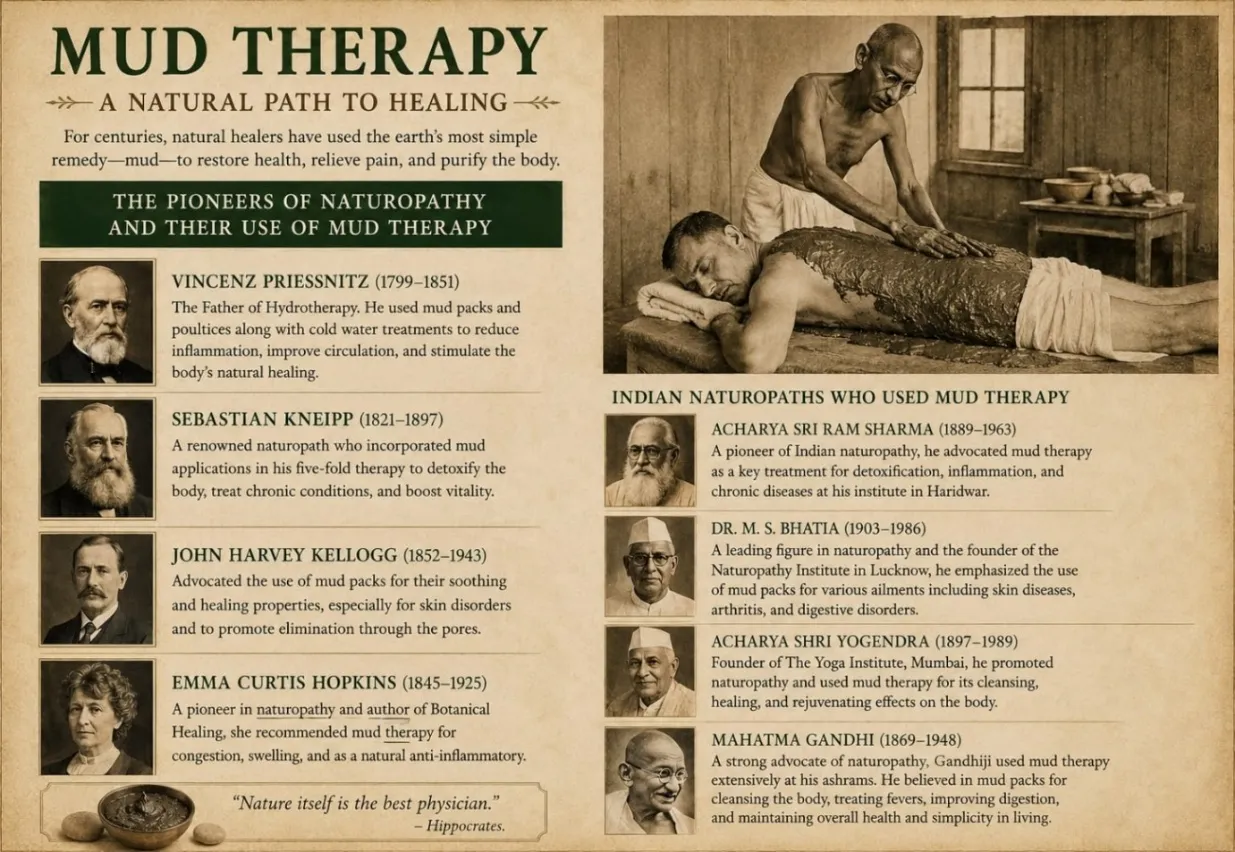
Fig. 1. Historical pioneers and advocates of mud therapy in naturopathy
The contributions of early practitioners and researchers laid the foundation for the acceptance of mud therapy within clinical practice. Although traditional applications were initially supported by empirical observations and experiential knowledge, contemporary scientific investigations have increasingly validated many of their therapeutic claims (Fig. 1). In the twenty-first century, mud therapy continues to develop within the framework of evidence-based naturopathy and integrative medicine. Advances in geochemistry, mineralogical analysis, and clinical research have facilitated the standardisation of therapeutic protocols, classification systems, and safety guidelines for mud applications10. These developments enable practitioners to select appropriate types of mud according to specific therapeutic indications, thereby improving both efficacy and patient safety. As a non-invasive, cost-effective, and holistic intervention, mud therapy offers the potential to complement conventional treatments while reducing excessive reliance on pharmacological approaches11. Recent progress in microbiological research has further expanded the understanding of the health benefits associated with natural soil exposure. The "Old Friends" hypothesis, an extension of the classical hygiene hypothesis, suggests that regular interaction with environmental microorganisms is essential for the maturation and regulation of the human immune system12-13. Reduced contact with natural environments in modern urban lifestyles may contribute to immune dysregulation and increase susceptibility to allergic, autoimmune, and chronic inflammatory conditions. Within this context, soil microorganisms such as Mycobacterium vaccae have attracted considerable scientific interest. Experimental evidence indicates that exposure to M. vaccae may modulate immune function, enhance regulatory T-cell activity, and influence serotonergic pathways within the central nervous system, thereby promoting stress resilience and psychological well-being14. Beneficial environmental microbes have also been associated with reduced inflammatory responses and improved gut microbiome stability15. These findings provide scientific support for traditional naturopathic concepts that regard contact with natural earth materials as a means of fostering both physiological and psychological health16. Against this background, the present review examines the therapeutic applications of mud therapy in naturopathy by exploring its underlying mechanisms, clinical evidence, and health benefits. By integrating traditional concepts with contemporary scientific research, the review aims to provide a comprehensive understanding of the role of mud therapy in modern holistic and evidence-based healthcare.
Biochemical and Thermal Mechanisms of Mud Therapy
The therapeutic effects of mud therapy (peloidotherapy) in naturopathic medicine arise from the combined influence of thermal, mechanical, biochemical, and neuroendocrine mechanisms. These interconnected processes contribute to pain relief, reduction of inflammation, improvement of circulation, enhancement of tissue repair, and overall functional recovery. Contemporary research increasingly supports the role of these mechanisms in mediating the clinical benefits associated with therapeutic mud applications.
1. Thermal Mechanisms and Hemodynamic Effects
The high heat-retention capacity and low thermal conductivity of therapeutic mud enable the gradual and sustained transfer of heat to underlying tissues, producing prolonged physiological effects that distinguish mud applications from other forms of thermotherapy17.
Vasodilation and Improved Blood Circulation
The application of warm mud induces localized hyperthermia, which stimulates endothelial nitric oxide production and promotes vasodilation. Increased peripheral circulation enhances oxygen delivery, nutrient transport, and the removal of metabolic by-products from affected tissues, thereby facilitating tissue repair and accelerating the healing process18.
Metabolic Stimulation
Elevation of tissue temperature enhances cellular metabolism and enzymatic activity within the treated area. This increased metabolic rate supports the clearance of inflammatory mediators and waste products while promoting regenerative processes essential for tissue recovery and functional restoration19.
Enhancement of Tissue Elasticity and Joint Mobility
Thermal exposure influences the viscoelastic characteristics of collagen fibres and connective tissues, resulting in reduced muscle stiffness and spasm. These changes improve joint flexibility, range of motion, and overall musculoskeletal function, making mud therapy particularly beneficial in chronic pain syndromes, rheumatic diseases, and other musculoskeletal disorders20.
2. Biochemical and Neuroendocrine Modulation
Beyond its thermal actions, mud therapy exerts significant biochemical and neuroendocrine effects that contribute to its therapeutic efficacy. The mineral composition and biologically active substances present in therapeutic mud, together with heat-induced physiological responses, influence inflammatory pathways, oxidative balance, and hormonal regulation.
Anti-inflammatory Effects
Clinical studies indicate that repeated mud applications may reduce the production of major pro-inflammatory mediators, including tumour necrosis factor-alpha (TNF-α) and interleukin-1 (IL-1). Reductions in prostaglandin E₂ and leukotriene B₄ concentrations have also been observed, contributing to decreased inflammatory activity and potential protection against cartilage degeneration, particularly in osteoarthritis and related musculoskeletal conditions21.
Reduction of Oxidative Stress
Mud therapy has been associated with the enhancement of endogenous antioxidant defence mechanisms through increased activity of enzymes such as catalase and superoxide dismutase. These antioxidant effects may help neutralize reactive oxygen species (ROS), thereby minimizing oxidative damage, slowing cellular aging, and supporting tissue preservation and regeneration22.
Neuroendocrine Responses and Stress Regulation
The thermal stimulus generated during mud applications can activate the hypothalamic–pituitary–adrenal (HPA) axis, leading to increased secretion of β-endorphins, adrenocorticotropic hormone (ACTH), and cortisol. These neuroendocrine responses contribute to analgesic effects, elevated pain thresholds, relaxation, and improved psychological well-being through modulation of nociceptive pathways and stress-related mechanisms23.
3. Mechanical Effects and Transdermal Mineral Absorption
The therapeutic benefits of mud therapy are further enhanced through mechanical influences and the potential transdermal absorption of biologically active substances. Mud packs and therapeutic baths exert mild hydrostatic pressure on the body, producing a gentle compressive effect that facilitates lymphatic drainage, reduces peripheral oedema, and promotes muscular relaxation. These mechanical actions may also stimulate cutaneous mechanoreceptors, contributing to stress reduction, improved comfort, and enhanced psychological well-being24. In addition, the aqueous phase of therapeutic mud contains a variety of minerals and organic compounds, including sulfur, silicates, magnesium, zinc, humic acids, and fulvic acids, which may interact with the skin and underlying tissues through transdermal pathways. Sulfur has been associated with cartilage preservation and joint health, while silicates and zinc contribute to tissue repair, skin regeneration, and the alleviation of inflammatory dermatological conditions such as psoriasis25. Humic and fulvic substances further possess antioxidant and anti-inflammatory properties that may augment the overall therapeutic efficacy of mud applications. The extent and nature of these thermal, biochemical, and mechanical effects depend largely on the physicochemical characteristics of the therapeutic mud employed. Consequently, therapeutic muds are scientifically classified according to their origin, mineral composition, maturation processes, and intended clinical applications to optimise both safety and therapeutic effectiveness. Contemporary medical hydrology distinguishes muds on the basis of their natural or prepared origins and their inorganic or organic compositions, providing standardised frameworks for clinical use and rehabilitation practices26-27. Variations in these physicochemical properties significantly influence clinical outcomes and determine their suitability for specific therapeutic indications28. To further elucidate the practical implications of these classifications, numerous clinical investigations have evaluated the efficacy of different mud-based interventions across diverse health conditions. Meta-analyses and randomised controlled trials have demonstrated that standardised medical muds effectively reduce pain, stiffness, and functional limitations in patients with knee osteoarthritis29. Clinical observations have also reported improvements in haemoglobin levels and systemic circulatory function following abdominal and ocular mud-pack applications in individuals with anaemia30. Studies involving mineral-rich thermal muds have shown beneficial effects on microcirculation, capillary blood flow, and vascular function31, whereas comprehensive reviews have highlighted the role of organic and inorganic peloids in dermatological care and general balneotherapy, particularly through anti-inflammatory mechanisms associated with transdermal mineral interactions32. Furthermore, randomised trials using locally prepared and sterilised soil mud packs have demonstrated favourable effects on autonomic regulation and cardiovascular parameters, including reductions in blood pressure and myocardial workload33.
Guidelines for the Administration of Mud Therapy
The safe and effective administration of mud therapy requires adherence to standardised procedures concerning therapist preparation, treatment environment, patient readiness, and hygienic practices. These measures are essential for ensuring therapeutic efficacy, patient comfort, and the prevention of contamination during clinical applications. Therapists should maintain appropriate personal hygiene by keeping fingernails short and clean and, where necessary, using disposable gloves during treatment procedures to minimise the risk of microbial transmission and maintain professional standards of practice. The treatment room and all associated equipment should be prepared before the patient enters the clinical area. Treatment couches should be covered with clean or disposable bed sheets, and fresh pillow covers should be provided for procedures involving mud packs, particularly eye applications. A clean, well-ventilated, and hygienic environment contributes significantly to patient safety, comfort, and the overall quality of therapeutic care. Adequate patient preparation is equally important for achieving optimal therapeutic outcomes. Patients are generally advised to avoid heavy meals and maintain a fasting period of approximately two to three hours before treatment to minimise discomfort and facilitate favourable physiological responses during mud applications. Appropriate body positioning further enhances treatment effectiveness and promotes relaxation. The supine position is commonly employed for abdominal mud packs and eye packs, whereas sitting or standing postures are generally preferred for full-body mud applications, depending on the treatment protocol and the patient's physical condition. Strict hygiene measures are fundamental to safe clinical practice. Therapeutic mud should never be reused after application, and each treatment session should utilise freshly prepared material to prevent microbial contamination and maintain therapeutic quality. Adherence to these principles supports both patient safety and the integrity of naturopathic therapeutic procedures.
Extraction, Processing, and Maturation Protocols
The therapeutic efficacy and safety of mud therapy depend substantially on the quality of the raw material and the methods employed during its preparation. Standardised protocols for extraction, purification, and maturation are therefore essential to ensure that therapeutic muds possess suitable physicochemical properties and remain free from environmental and biological contaminants (Figure 2). Professional naturopathy and balneological centres typically follow rigorous guidelines for sourcing therapeutic mud. Surface soils are generally avoided because of their greater susceptibility to environmental pollution, agricultural chemicals, and microbial contamination. Instead, mud is commonly excavated from subterranean layers approximately 122–156 cm (4–5 feet) below the surface, where the material is considered more geologically stable, less contaminated, and richer in naturally compressed mineral constituents that may enhance its therapeutic value34. The selection of appropriate raw materials is another important consideration. Clay-rich soils, black cotton soils, and organic peat deposits are frequently preferred because of their high plasticity, smooth texture, natural greasiness, and superior water-retention capacity. These characteristics facilitate uniform application, prolonged heat retention, and improved therapeutic performance during treatment sessions. Following extraction, raw mud undergoes a series of processing and purification procedures to produce a clean, homogeneous, and clinically suitable material. Initially, the mud is spread in thin layers and exposed to direct sunlight for drying. This process provides natural ultraviolet radiation that may reduce microbial contamination and improve the hygienic quality of the material. After complete drying, the hardened mud is mechanically pulverised into a fine powder and subsequently sieved to remove stones, roots, grass, and other unwanted particulates, thereby ensuring a smooth and consistent texture appropriate for therapeutic use. The purified powder is then rehydrated using clean warm water or, where available, mineral-rich thermal water to form a homogeneous, semi-solid paste free from lumps and coarse particles. The final consistency of the preparation is adjusted according to the specific therapeutic indication and method of application. In some specialised balneological settings, additional maturation processes may be employed to enhance the physicochemical and biological characteristics of the mud before clinical use.
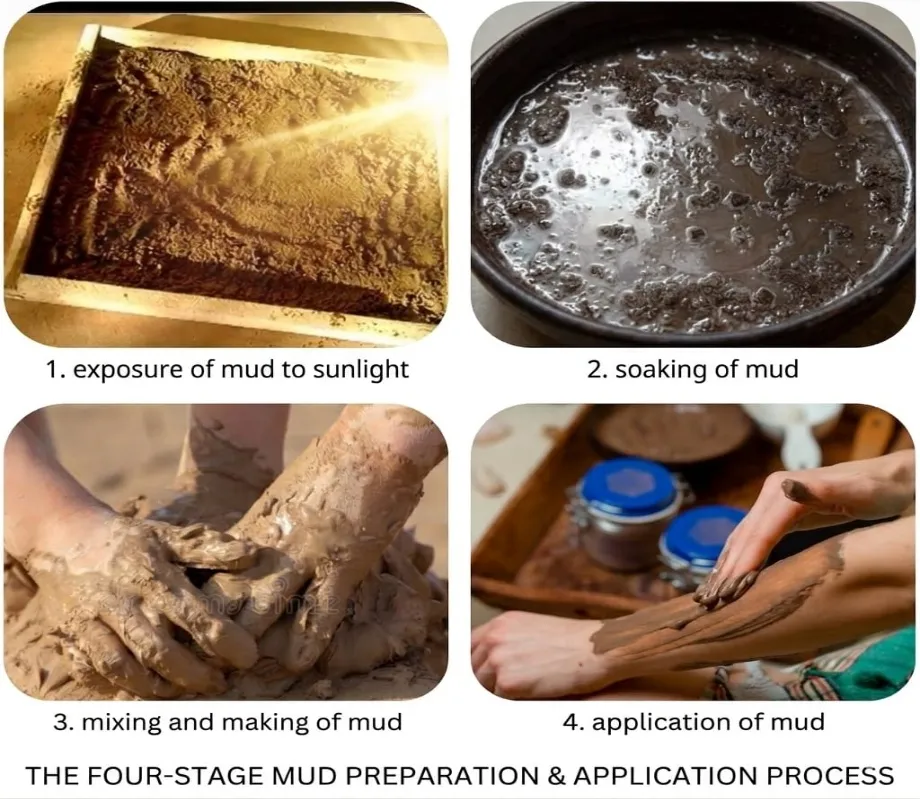
Fig2: The four-stage mud preparation & application process
Clinical Applications and Protocols for Mud Therapy
The therapeutic effectiveness of mud therapy depends not only on the physicochemical properties of the selected mud but also on the implementation of standardised application protocols. Appropriate preparation methods, treatment duration, anatomical placement, and patient monitoring are essential for maximising clinical benefits while ensuring safety and comfort. In most local applications, finely sieved therapeutic mud is soaked in water for approximately 30 minutes to obtain a smooth and homogeneous consistency. The resulting paste is evenly spread on a thin, moist muslin cloth to form a compact layer approximately 0.5–1 inch thick before being applied to the designated body region. Among the most common localised interventions are ocular mud packs, in which a mud layer approximately 0.5 inches thick and measuring about 9 × 6 inches is placed over the closed eyes for 20–30 minutes. Such applications are traditionally employed to relieve ocular fatigue associated with prolonged visual activity, reduce allergic irritation and itching, support the management of mild conjunctival inflammation, alleviate periocular discomfort, and promote relaxation of the surrounding musculature35. Cranial mud applications typically involve placing a thick band of mud across the forehead, producing a cooling effect that may help reduce congestion, tension headaches, and stress-related discomfort while enhancing mental relaxation. Abdominal mud packs are widely used in naturopathic practice and are generally prepared in dimensions of approximately 10 × 6 × 1 inches for adult patients, with an application duration of 20–30 minutes. During colder seasons, additional insulation using blankets may be necessary to maintain patient comfort and therapeutic effectiveness36. These applications are traditionally considered beneficial for improving digestive function, reducing sensations of abdominal heat and hyperacidity, stimulating intestinal motility, and supporting the management of constipation and other functional gastrointestinal disorders. Facial mud applications involve mixing finely processed mud with cold water to produce a smooth paste that is uniformly applied to the skin for approximately 30 minutes before being removed with cold water. Such procedures are frequently used to enhance skin texture and complexion, absorb excess sebum and impurities, support the management of acne and inflammatory skin conditions, and reduce minor blemishes and periorbital darkening37. In addition to local applications, full-body mud baths constitute an important therapeutic modality in which the body, excluding the head, is coated or immersed in mineral-rich therapeutic mud. These treatments have been employed for the management of chronic dermatological disorders, including psoriasis, urticaria, and vitiligo, as well as for alleviating musculoskeletal pain and stiffness, promoting relaxation, and improving skin hydration and regeneration38-39. Although mud therapy offers numerous therapeutic and cosmetic benefits, careful attention to safety considerations remains essential. Excessively prolonged applications or complete drying of mud on the skin may lead to epidermal dehydration, increased skin tightness, and patient discomfort. Therefore, practitioners should maintain adequate moisture throughout the treatment period and adhere to recommended application durations to minimise adverse effects40-41-. Continuous patient monitoring is particularly important for individuals with sensitive skin, chronic illnesses, or underlying medical conditions. Appropriate hydration, hygienic handling of therapeutic materials, and strict adherence to standard clinical protocols further contribute to safe and effective practice42. Within naturopathic medicine, mud therapy has been utilised as a complementary intervention for a broad spectrum of health conditions. Digestive and metabolic disorders, including obesity, diabetes mellitus, hypertension, hyperacidity, constipation, diarrhoea, and peptic ulcer disease, have traditionally been managed using targeted mud applications43. Musculoskeletal indications include osteoarthritis, rheumatoid disorders, spondylitis, neuritis, chronic pain syndromes, muscular stiffness, and rehabilitation following fractures. Respiratory conditions such as chronic bronchitis and bronchial asthma have also been addressed through selected therapeutic protocols. In dermatological practice, mud therapy is commonly employed for psoriasis, eczema44, urticaria, and vitiligo, while genitourinary applications have included supportive management strategies for polycystic ovarian disease, infertility, and urinary tract infections. Despite its broad therapeutic utility, mud therapy is contraindicated or should be administered with caution under certain clinical circumstances. Full-body applications are generally avoided during active tuberculosis, acute infectious diseases, progressive inflammatory conditions, recent surgical recovery, open wounds, and skin ulcerations. Some institutional protocols also recommend avoiding full-body mud treatments during menstruation. Careful patient assessment and adherence to established contraindications are therefore essential to ensure the safe integration of mud therapy into evidence-based naturopathic practice45.
CONCLUSION
Mud therapy constitutes a significant therapeutic modality within naturopathic medicine, integrating traditional principles derived from the Panchamahabhutas with an expanding body of contemporary scientific evidence. Its clinical benefits are mediated through complex thermal, biochemical, mechanical, and neuroendocrine mechanisms that collectively contribute to pain relief, improved circulation, modulation of inflammatory processes, reduction of oxidative stress, and enhancement of tissue repair and functional recovery. Current clinical evidence supports the application of mud therapy as a complementary intervention in the management of musculoskeletal, dermatological, digestive, respiratory, and selected genitourinary disorders. Its non-invasive nature, affordability, and holistic approach make it a valuable component of integrative healthcare systems and an attractive option for promoting health, well-being, and quality of life. Nevertheless, the therapeutic effectiveness and safety of mud-based interventions depend on rigorous standardisation of extraction, processing, sterilisation, maturation, and quality-control procedures to ensure consistency and minimise the risk of contamination.
Future research should focus on advanced physicochemical and mineralogical characterisation of therapeutic muds, optimisation of preparation and sterilisation protocols, and molecular investigations into the transdermal absorption and biological activities of humic substances, trace minerals, and other bioactive constituents. Well-designed clinical trials and mechanistic studies will further strengthen the evidence base for mud therapy, facilitate the development of standardised treatment guidelines, and support its broader integration into evidence-based naturopathic and complementary healthcare practice.
Funding:
None.
Conflict of Interest:
The authors declare no conflict of interest.
Ethical Approval:
Not applicable.
REFERENCES


Bhoomika B. V., Siddappa Naragatti*, Therapeutic Applications of Mud Therapy in Naturopathy: Mechanisms, Clinical Evidence, and Health Benefits, Int. J. Med. Pharm. Sci., 2026, 2 (7), 358-368. https://doi.org/10.5281/zenodo.21257336
 10.5281/zenodo.21257336