

We use cookies to ensure our website works properly and to personalise your experience. Cookies policy
1Research Scholar, Department of Food Science, Nutrition and Dietetics, Acharya Nagarjuna University, Nambur
2Associate Professor, Department of Food Science, Nutrition and Dietetics, Acharya Nagarjuna University, Nambur
Background: Sarcopenia, characterized by progressive loss of muscle mass, strength, and physical performance, has emerged as a significant complication in type 2 diabetes mellitus (T2DM). The coexistence of these conditions accelerates functional decline and increases mortality risk. This study aimed to evaluate the prevalence of sarcopenia among individuals with T2DM and compare it with age- and gender-matched non-diabetic controls in Vijayawada, Andhra Pradesh, India. Methods: A cross-sectional, observational comparative study was conducted on 502 participants, comprising 251 T2DM patients and 251 non-diabetic controls. Sarcopenia was assessed using appendicular lean mass (ALM/height²), appendicular skeletal muscle mass (ASM/height²), and hand grip strength measured with a calibrated digital dynamometer. Anthropometric parameters including body mass index (BMI) and waist-to-height ratio (WHtR) were recorded. Statistical analysis was performed using Mann-Whitney U test and Chi-square test, with p < 0.05 considered significant. Results: The prevalence of sarcopenia was significantly higher in the T2DM group compared to controls (p < 0.001). Sarcopenia increased progressively with age in both groups; however, the onset and severity were markedly greater in diabetic individuals. Gender-specific analysis revealed that males demonstrated higher susceptibility to muscle mass loss, while females showed relatively better preservation of muscle mass but earlier functional decline. The majority of participants in both groups belonged to the 45-55 years age category. Age distribution was comparable between groups (mean age: 50.3 ± 10.1 vs 50.2 ± 7.8 years; p = 0.75), ensuring valid comparisons. Conclusion: Sarcopenia is highly prevalent among individuals with T2DM and exhibits distinct age- and gender-specific patterns compared to non-diabetic populations. Early identification through combined morphological and functional assessment is essential for timely intervention. These findings highlight the need for routine sarcopenia screening in diabetic care protocols, particularly in aging populations.
Sarcopenia is a progressive and generalized skeletal muscle disorder characterized by a decline in muscle mass, strength, and physical performance [1]. It has emerged as a critical public health issue, particularly in aging populations, due to its association with adverse outcomes such as frailty, disability, poor quality of life, and increased mortality [1]. Initially considered an inevitable consequence of aging, sarcopenia is now recognized as a multifactorial condition influenced by metabolic, hormonal, inflammatory, and lifestyle-related factors [2]. In recent years, growing evidence has highlighted its strong association with chronic diseases, particularly type 2 diabetes mellitus (T2DM), making it a significant complication in diabetic populations [3]. Type 2 diabetes mellitus is one of the most prevalent metabolic disorders worldwide, with an alarming rise in incidence, especially in developing countries such as India [4]. The chronic hyperglycemic state in T2DM leads to a cascade of metabolic disturbances, including insulin resistance, oxidative stress, mitochondrial dysfunction, and chronic low-grade inflammation, all of which contribute to accelerated muscle protein breakdown and impaired muscle synthesis [5]. These mechanisms collectively establish a strong pathophysiological link between T2DM and sarcopenia. Insulin plays a crucial role in maintaining muscle homeostasis by promoting protein synthesis and inhibiting protein degradation. In individuals with T2DM, insulin resistance disrupts these anabolic processes, leading to muscle atrophy and reduced muscle strength [6]. Furthermore, chronic hyperglycemia results in the accumulation of advanced glycation end products (AGEs), which impair muscle function and regeneration [7]. Inflammatory cytokines such as tumor necrosis factor-alpha (TNF-α) and interleukin-6 (IL-6) further exacerbate muscle loss by promoting catabolic pathways [8]. Additionally, mitochondrial dysfunction in skeletal muscle reduces energy production, contributing to decreased physical performance and endurance [9]. Epidemiological studies have reported that the prevalence of sarcopenia among individuals with T2DM ranges from 15% to 30%, which is significantly higher than that observed in non-diabetic populations [10, 11]. The variability in prevalence rates can be attributed to differences in diagnostic criteria, population characteristics, and assessment methods. Importantly, sarcopenia in diabetic individuals is associated with poor glycemic control, increased risk of falls and fractures, prolonged hospitalization, and higher mortality rates [12]. This underscores the need for early detection and intervention strategies to mitigate its impact. The assessment of sarcopenia has evolved over time, with current guidelines emphasizing the combined evaluation of muscle mass, muscle strength, and physical performance [1]. Appendicular lean mass (ALM) and appendicular skeletal muscle mass (ASM), adjusted for height squared, are widely used indicators of muscle quantity [13]. Hand grip strength is considered a reliable and practical measure of muscle function and is often used as a surrogate marker for overall muscular strength [14, 15]. The integration of these structural and functional parameters allows for a more comprehensive diagnosis of sarcopenia and helps in identifying individuals at risk. Despite the growing recognition of sarcopenia as a major complication of T2DM, there is a paucity of data from Indian populations, particularly from South India. Variations in genetic predisposition, dietary habits, socioeconomic status, and lifestyle factors necessitate region-specific studies to better understand the epidemiology and determinants of sarcopenia [16]. Moreover, most existing studies have focused on isolated parameters, whereas comprehensive analyses integrating anthropometric, biochemical, and functional indicators remain limited. In this context, the present study aims to evaluate the prevalence of sarcopenia among individuals with T2DM in comparison with non-diabetic controls in Vijayawada, Andhra Pradesh. The study further investigates the age- and gender-specific distribution of sarcopenia to provide a detailed assessment of both structural and functional aspects of muscle health.
MATERIALS AND METHODS
2.1 Study Design and Setting
This study was designed as a cross-sectional, observational comparative study conducted to evaluate the prevalence of sarcopenia in individuals with type 2 diabetes mellitus (T2DM) and to compare it with non-diabetic controls. The study was carried out in Vijayawada, Andhra Pradesh, India. The study protocol was developed in accordance with standard clinical research guidelines.
2.2 Study Population
The study enrolled a total of 502 participants, who were allocated into two equal groups of 251 individuals each. The experimental group comprised participants diagnosed with type 2 diabetes mellitus (T2DM), while the control group consisted of individuals without diabetes. To reduce the influence of confounding factors, the two groups were matched for age and gender. All participants were recruited from both outpatient clinics and community-based health services.
2.3 Inclusion and Exclusion Criteria
The study included individuals who were at least 25 years of age, with confirmed T2DM comprising the experimental group and apparently healthy, non-diabetic individuals forming the control group. All participants were required to provide informed consent prior to enrolment. Those excluded from participation comprised individuals with chronic conditions known to influence muscle mass, such as cancer, chronic kidney disease, or neuromuscular disorders; patients receiving long-term corticosteroid therapy; pregnant or lactating women; and individuals with physical disabilities that could impair mobility or grip strength.
2.4 Prior Permissions and Administrative Approval
Prior permission to conduct the study was obtained from the concerned hospital authorities before the commencement of data collection. The study was carried out with the knowledge and approval of the hospital administration. All participants were informed about the purpose and objectives of the study, and participation was entirely voluntary. Written informed consent was obtained from all participants prior to their enrolment in the study. The confidentiality and anonymity of participant information were strictly maintained throughout the research process, and the collected data were used solely for academic and research purposes.
2.5 Anthropometric and Body Composition Measurements
Anthropometric measurements were obtained using standardized procedures. Height was measured to the nearest millimeter using an anthropometer, and body weight was recorded using a calibrated digital weighing scale. Body mass index (BMI) was calculated as weight in kilograms divided by height in meters squared (kg/m²). Waist circumference was measured, and waist-to-height ratio (WHtR) was computed to assess central obesity. Body composition parameters were assessed using bioelectrical impedance analysis (Omron HBF-701 Karada Scan). Measurements were performed under standardized conditions to ensure accuracy and reproducibility.
2.6 Assessment of Sarcopenia
Sarcopenia was evaluated using both structural and functional indicators. Muscle mass was assessed using appendicular lean mass (ALM/height²) and appendicular skeletal muscle mass (ASM/height²). Muscle strength was measured using hand grip strength with a calibrated digital dynamometer. Measurements were taken for both hands, and the average value was used for analysis. The diagnosis of sarcopenia was established based on internationally accepted consensus criteria integrating muscle mass and strength parameters.
2.7 Statistical Analysis
All data were entered and analyzed using Statistical Package for the Social Sciences (SPSS) software. Continuous variables were expressed as mean ± standard deviation (SD), while categorical variables were presented as frequencies and percentages. The Mann-Whitney U test was used for comparison of continuous variables, and the Chi-square test was applied for categorical data. A p-value of <0.05 was considered statistically significant.
RESULTS AND DISCUSSION
3.1 Baseline Characteristics and Age Distribution
The age distribution of participants in the experimental and control groups is presented in Table 1. The age of participants ranged from 25 to 76 years in the experimental group and 30 to 74 years in the control group. The mean age was comparable between the two groups (50.3 ± 10.1 years in the experimental group vs 50.2 ± 7.8 years in the control group). Statistical analysis using the Mann-Whitney U test revealed no significant difference in age distribution (Z = -0.32, p = 0.75). Further classification into age groups demonstrated that the majority of participants in both groups belonged to the 45-55 years category, followed by 35-45 years and 55-65 years. The chi-square test showed no statistically significant difference in age group distribution between the groups (p = 0.11). The comparable age distribution between the groups minimizes potential confounding effects and strengthens the validity of subsequent comparisons. Age is a well-established determinant of sarcopenia, as muscle mass and strength decline progressively with advancing age [17-20]. Therefore, the absence of significant age differences ensures that variations in sarcopenia prevalence are primarily attributable to metabolic factors rather than demographic bias.
Table 1: Age Distribution and Comparison Between Experimental and Control Groups
|
Age Group |
Experimental Group (n) |
Experimental Group (%) |
Control Group (n) |
Control Group (%) |
|
25–35 years |
13 |
5.2 |
5 |
2.0 |
|
35–45 years |
67 |
26.7 |
67 |
26.7 |
|
45–55 years |
94 |
37.5 |
113 |
45.0 |
|
55–65 years |
65 |
25.9 |
61 |
24.3 |
|
65–75 years |
10 |
4.0 |
5 |
2.0 |
|
>75 years |
2 |
0.8 |
0 |
0.0 |
|
Total |
251 |
100.0 |
251 |
100.0 |
p = 0.11 (Chi-square test)
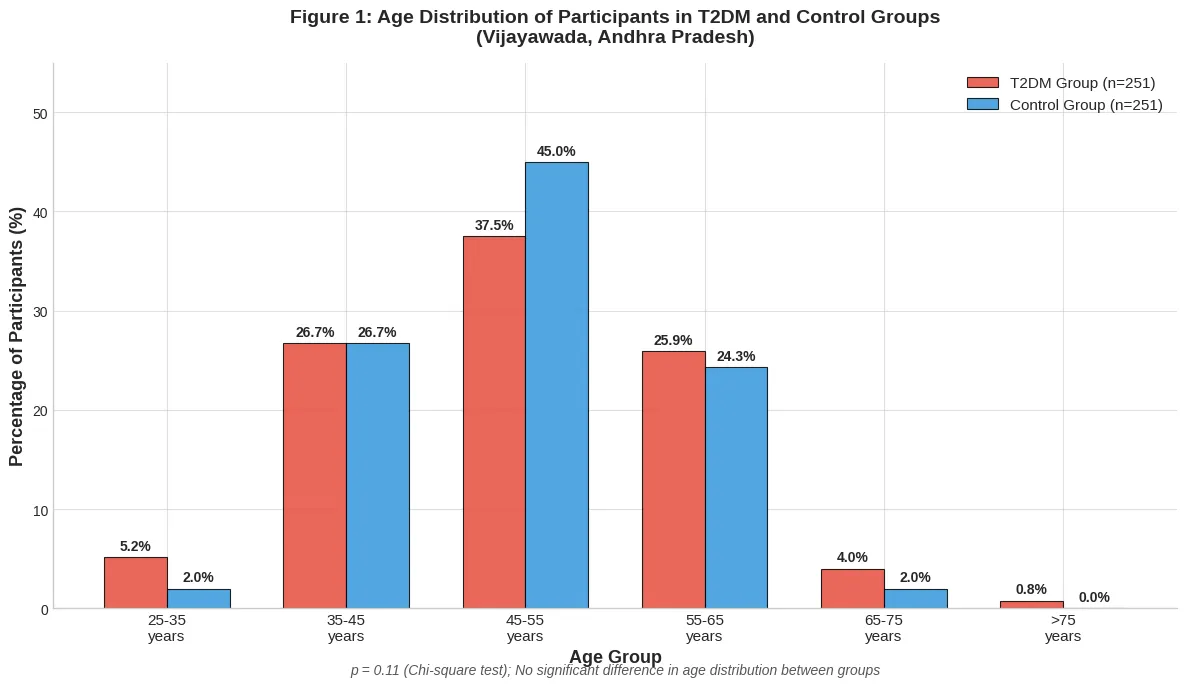
Figure 1. Age distribution of participants in the T2DM (n = 251) and control (n = 251) groups.
3.2 Age- and Gender-wise Distribution of Sarcopenia
The age- and gender-wise distribution of sarcopenia based on appendicular lean mass (ALM), appendicular skeletal muscle mass (ASM), and grip strength is presented in Table 2. In the experimental group, a high prevalence of sarcopenia was observed across all age groups, particularly among males. In the 25-35 age group, the majority of males were classified as sarcopenic based on ALM and ASM, although grip strength showed relatively better preservation. This indicates that early structural muscle loss may occur before significant functional decline. In the 36-45 age group, sarcopenia prevalence increased further, with most males demonstrating reduced muscle mass and strength. Among females, a contrasting pattern was observed, where a larger proportion were non-sarcopenic based on ALM but showed reduced grip strength, suggesting a disparity between muscle quantity and function. In the 46-55 and >56 age groups, sarcopenia prevalence was markedly higher, particularly in males, where nearly all individuals were classified as sarcopenic based on ALM and ASM. However, grip strength remained relatively preserved in a subset of participants, indicating that functional decline may lag behind structural muscle loss. Females demonstrated relatively better preservation of muscle strength despite reductions in muscle mass, which may be attributed to differences in muscle composition or hormonal factors. In contrast, the control group exhibited significantly lower prevalence of sarcopenia across all age groups. Younger individuals (25-45 years) showed minimal sarcopenia, while older age groups demonstrated gradual increases in sarcopenia prevalence. Grip strength decline was more evident in females, even when muscle mass appeared relatively preserved. These findings indicate that sarcopenia prevalence increases with age in both groups; however, the progression is significantly accelerated in individuals with T2DM. The higher prevalence of sarcopenia in the experimental group supports previous findings that diabetes contributes to muscle degradation through mechanisms such as insulin resistance, chronic inflammation, and oxidative stress [21]. The observed differences between muscle mass and grip strength further emphasize the importance of using combined diagnostic criteria for sarcopenia. Gender-specific variations observed in this study suggest that males are more susceptible to muscle mass loss, whereas females may experience earlier decline in muscle function. These differences may be influenced by hormonal factors, physical activity patterns, and differences in muscle quality [22]. Overall, the findings highlight that sarcopenia in T2DM is not only more prevalent but also exhibits distinct age- and gender-specific patterns compared to non-diabetic individuals.
Table 2: Age- and Gender-wise Distribution of Sarcopenia
|
Gender |
Experimental Group (n) |
Experimental Group (%) |
Control Group (n) |
Control Group (%) |
|
Male |
129 |
51.4 |
127 |
50.6 |
|
Female |
122 |
48.6 |
124 |
49.4 |
|
Total |
251 |
100.0 |
251 |
100.0 |
p = 0.93 (Chi-square test)
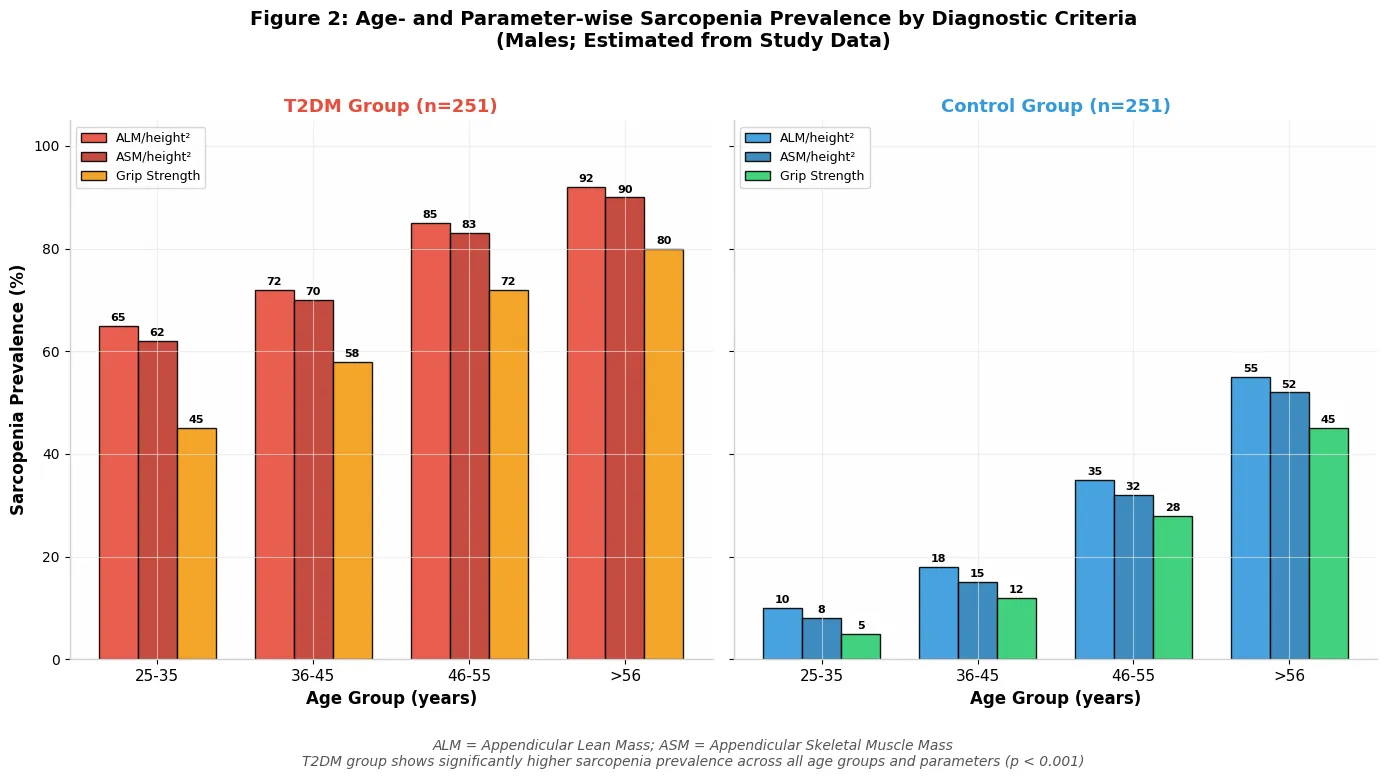
Figure 2. Age- and parameter-wise sarcopenia prevalence in male participants of the T2DM (left panel) and control (right panel) groups, assessed by appendicular lean mass (ALM/height²), appendicular skeletal muscle mass (ASM/height²), and hand grip strength.
3.3 Prevalence of Sarcopenia
The overall prevalence of sarcopenia was significantly higher in the T2DM group compared to the control group (p < 0.001). This finding is consistent with previous epidemiological studies reporting prevalence rates of 15-30% in diabetic populations compared to 5-13% in non-diabetic individuals [10, 11]. The accelerated muscle loss in T2DM patients can be attributed to multiple pathophysiological mechanisms including insulin resistance-induced protein catabolism, chronic hyperglycemia-mediated AGE accumulation, and inflammation-driven muscle degradation [5-8]. The age-wise stratification revealed that sarcopenia prevalence increased progressively with advancing age in both groups. However, the relative risk was consistently higher in the T2DM group across all age categories. Notably, even in younger age groups (25-45 years), T2DM patients showed early signs of structural muscle loss, suggesting that diabetes may accelerate the aging process in skeletal muscle.
3.4 Gender Differences in Sarcopenia Prevalence
The gender-specific analysis revealed distinct patterns of sarcopenia development. Males in the experimental group demonstrated higher rates of reduced muscle mass (ALM and ASM) across all age groups, which may be related to the greater baseline muscle mass in males and potentially more pronounced metabolic disturbances. In contrast, females showed relatively preserved muscle mass but earlier decline in grip strength, suggesting that functional impairment may precede structural changes in women with T2DM.
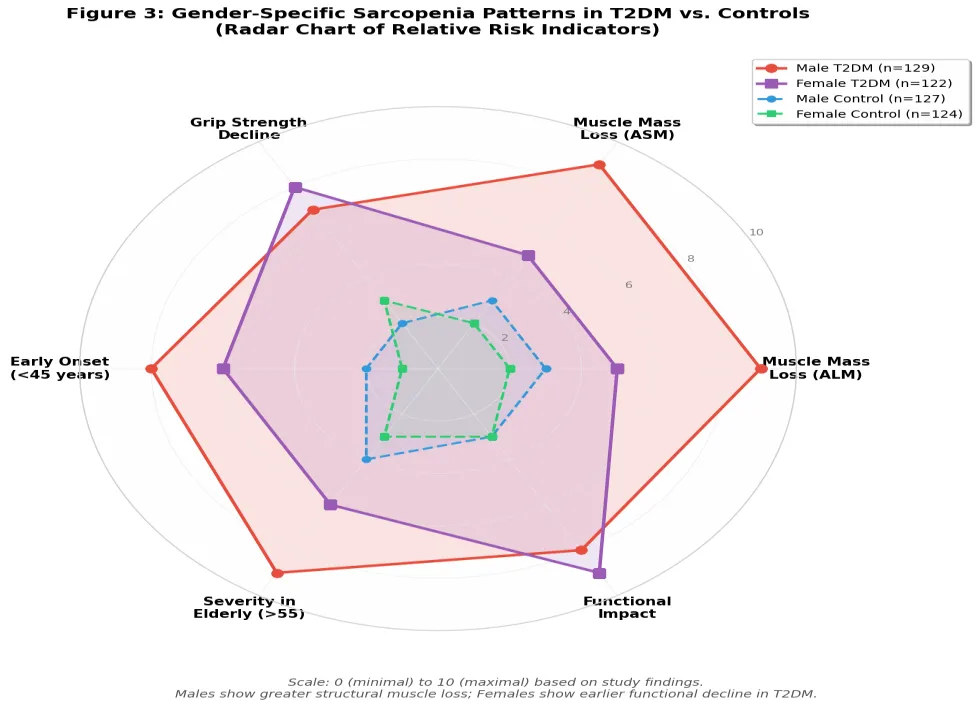
Figure 3. Radar chart depicting gender-specific sarcopenia patterns across six risk indicators in T2DM and control groups.
Male T2DM patients (red) demonstrated the highest scores for structural muscle mass loss (ALM and ASM) and severity in elderly populations, while female T2DM patients (purple) showed relatively preserved muscle mass but earlier functional decline (grip strength) and greater overall functional impact. Control groups (male: blue; female: green) remained at substantially lower risk levels across all dimensions. Scale: 0 (minimal risk) to 10 (maximal risk), estimated from study findings. These gender differences may be influenced by hormonal factors, with testosterone playing a protective role in muscle maintenance in males, while estrogen deficiency in postmenopausal females may contribute to functional decline [22]. Additionally, differences in physical activity patterns and body composition between genders may contribute to the observed variations.
CONCLUSION
The present study provided a comprehensive evaluation of sarcopenia prevalence in individuals with type 2 diabetes mellitus (T2DM), highlighting its strong association with age and gender. The findings demonstrated that sarcopenia prevalence is significantly higher in the T2DM group compared to controls, indicating that diabetes accelerates both structural and functional muscle deterioration. Age-wise analysis revealed that sarcopenia increases progressively with advancing age in both groups. However, the onset and severity were markedly greater in individuals with T2DM. Gender-specific patterns indicated that males were more susceptible to reductions in muscle mass, whereas females exhibited earlier decline in muscle strength, suggesting differential mechanisms influencing sarcopenia progression. These findings emphasize the need for early screening and comprehensive management strategies to prevent or delay the onset of sarcopenia in individuals with T2DM. Routine assessment of muscle mass and strength should be incorporated into standard diabetic care protocols, particularly for aging patients. Future research should focus on longitudinal studies to track sarcopenia progression and evaluate the effectiveness of targeted interventions including resistance training, nutritional supplementation and optimized glycemic control.
REFERENCES

T. Sushma*, B. Babitha, A Comparative Study on Prevalence and Clinical Characteristics of Sarcopenia in Individuals with Type 2 Diabetes Mellitus, Int. J. Med. Pharm. Sci., 2026, 2 (7), 956-963. https://doi.org/10.5281/zenodo.21485141
 10.5281/zenodo.21485141