

We use cookies to ensure our website works properly and to personalise your experience. Cookies policy
Aadhi Bhagawan College of Pharmacy, Rantham, Thiruvannamalai, Tamil Nadu
The present study was carried out to compare the quality control parameters of different marketed tablet brands by evaluating their physical characteristics, mechanical strength, disintegration behavior, dissolution profile, and drug content according to pharmacopeial standards. Three commercially available tablet brands were subjected to various evaluation tests, including weight variation, hardness, friability, disintegration, dissolution, and pharmacopeial assay. Weight variation was determined by individually weighing ten tablets from each brand and calculating the percentage deviation from the average weight. Tablet hardness was measured using a Monsanto hardness tester, while friability was evaluated using a friabilator operated at 25 rpm for 100 revolutions. Disintegration testing was performed in distilled water maintained at 37 ± 2°C using a standard disintegration apparatus. Dissolution studies were conducted using USP Dissolution Apparatus Type II (Paddle Method) with phosphate buffer (pH 6.8) as the dissolution medium at 37 ± 0.5°C and a paddle speed of 50 rpm. Drug release was determined at predetermined time intervals using UV-visible spectrophotometry. The pharmacopeial assay was performed by preparing standard and test solutions in DMSO, followed by UV spectrophotometric analysis to determine the drug content. The obtained results were compared with pharmacopeial acceptance criteria to assess the quality and consistency of each brand. This comparative evaluation provides valuable information regarding the pharmaceutical quality, performance, and compliance of marketed tablet formulations and helps ensure their safety, efficacy, and therapeutic reliability.
Analytical chemistry is a branch of chemistry focused on identification, quantifying, and characterizing the composition of substance. It involves techniques and methods to separate, isolate and measure analytes in various samples, ranging from environmental pollutants to biological samples. Key aspects include accuracy, precision, sensitivity, and selectively of analytical methods, which are crucial for applications in fields like pharmaceuticals, environmental monitoring, forensic science, and material science. Techniques such as spectroscopy, chromatography, and electrochemical analysis are fundamental to analytical chemistry, enabling research to understand the chemical nature of substance and their interactions in diverse contexts.
1.1 Comparative Study:
Comparative is a concept that derives from the verb of “to compare” (the etymology is Latin compare, derivation par=equal, with prefix com-, it is a systemic comparison). Comparative studied are investigation to analysis and evaluate, with quantitative and qualitative methods, a phenomenon and facts, different areas, subjects, and objects to detect similarities and/or difference. A comparative study can helps identify the similarities of and difference in different contexts, enabling us to recognize more possibilities and strategies of enhancing our understanding of different aspects of education. Comparative analysis is the process that researchers use to compare various datasets to see what they have in common. They can compare and contrast variables to see their similarities and differences. Comparative analysis can be defined as a method to compare similar items to one another and see their differences and what they in common. It is used in many ways and disciplines to understand similarities and differences present in products better. when the comparative analysis is applied to scientific data, it is used to determine the consistency and reliability of datasets. It also helps scientists to verify their data is accurate ad valid.
2. Drugs Profile for Topiroxostat
2.1 Physio-Chemical Properties:
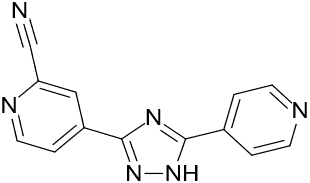
Fig: 1 Structure of Topiroxostat
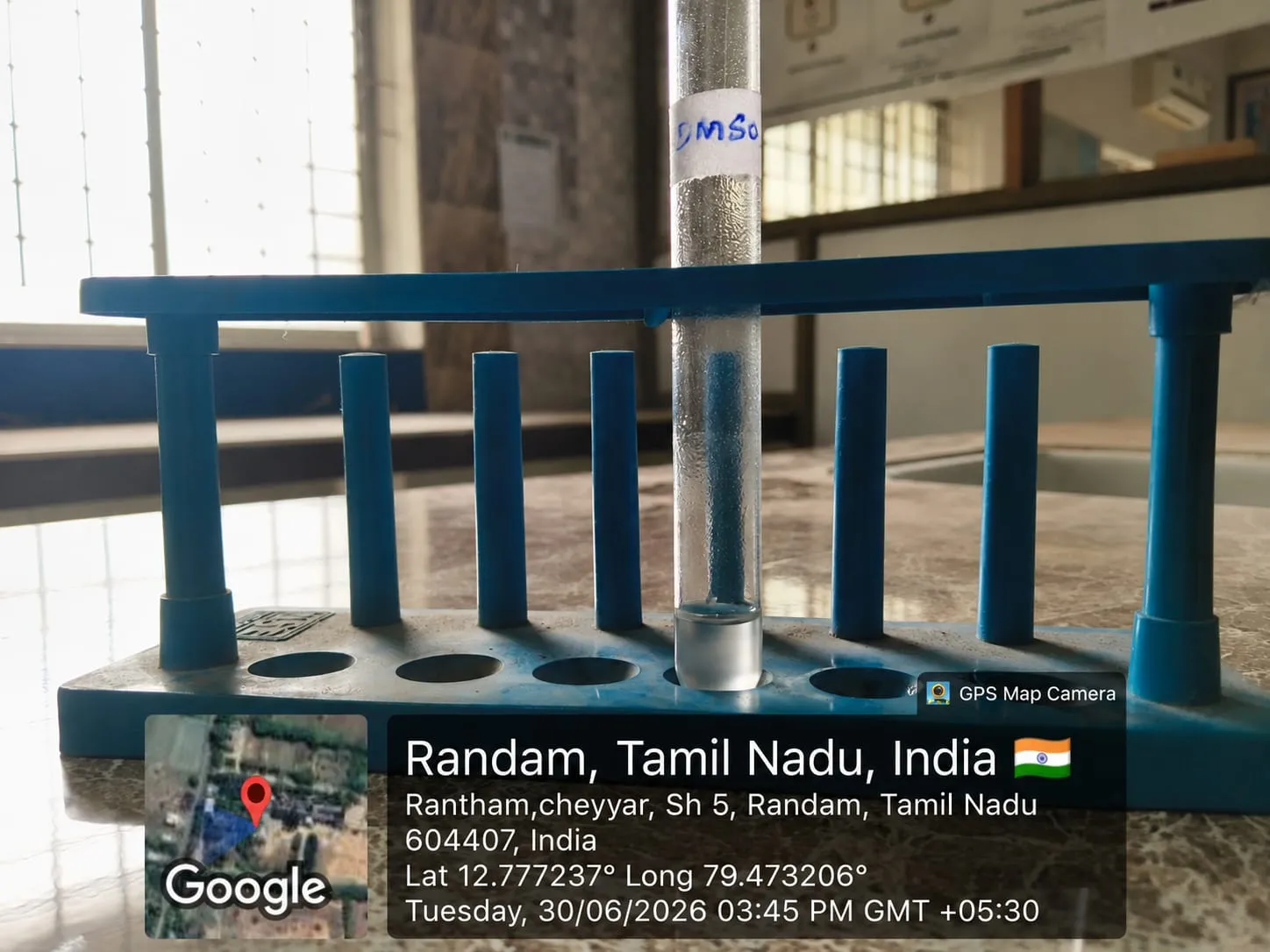
Fig: 2 Solubility Profile (Soluble In DMSO)
2.2 Mechanism of Action:
Topiroxostat is a selective xanthine oxidoreductase (XOR) inhibitor used in the management of hyperuricemia and gout. It acts by inhibiting the enzyme xanthine oxidoreductase, which is responsible for the conversion of hypoxanthine to xanthine and xanthine to uric acid during purine metabolism. By blocking this enzyme, Topiroxostat reduces the formation of uric acid in the body, thereby lowering serum uric acid levels. It is a non-purine type inhibitor that forms a tight-binding interaction with the enzyme and inhibits both the oxidized and reduced forms of XOR. Through this mechanism, it helps prevent uric acid crystal deposition, gout attacks, and renal complications associated with elevated uric acid levels.
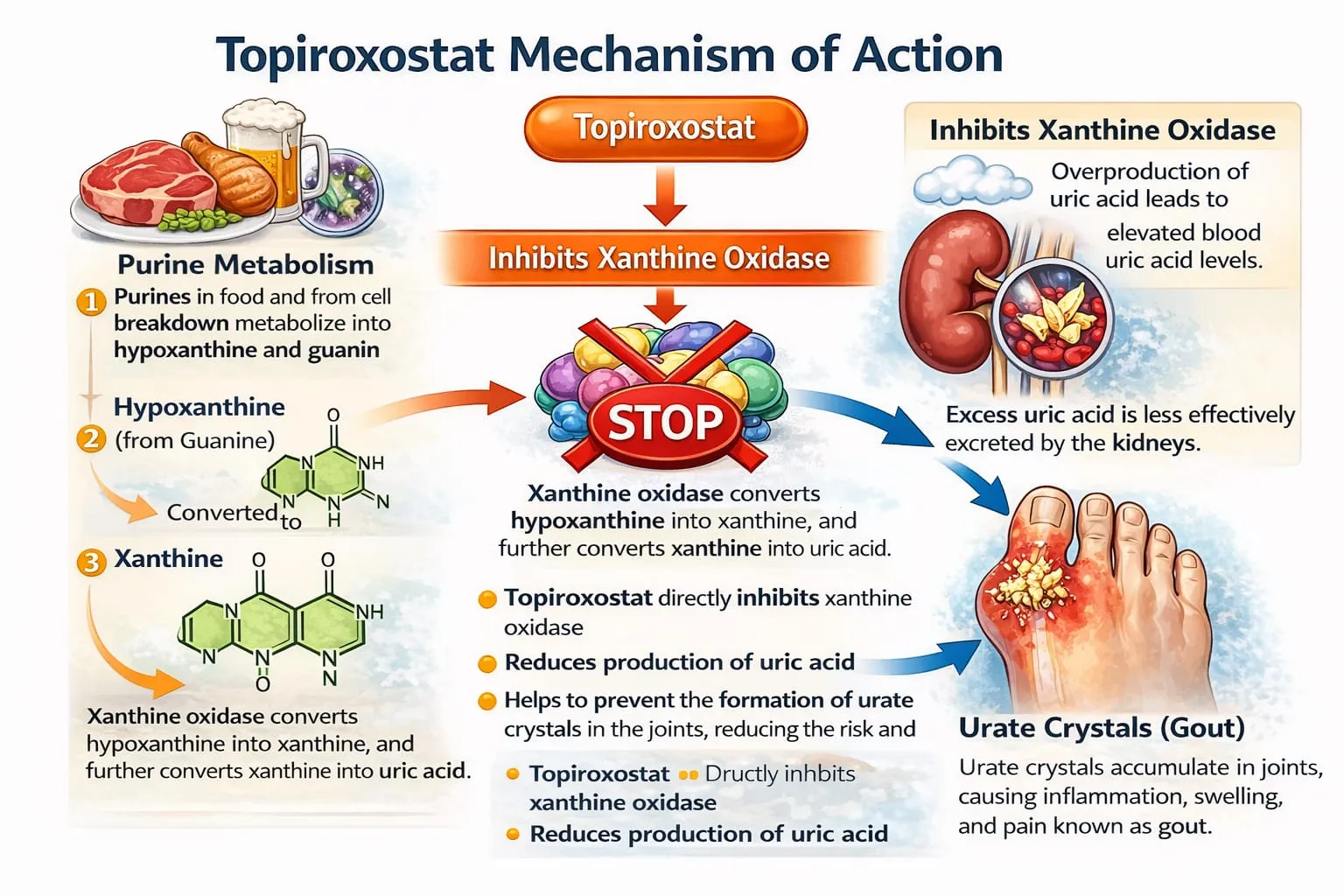
Fig: 3 Mechanism of Action for Topiroxostat
MATERIALS AND METHODS:
3.1 Raw Material:
The raw material Topiroxostat was gifted by Precise Biopharma Pvt. Ltd., Mumbai.
3.2 Drug Sample:
Three different marketed brands of Topiroxostat 20 mg tablets were procured from the local pharmacies and coded as:
3.3 Chemicals & Reagents
3.4 Instruments:
METHODOLOGY:
The following test were performed Quality control Parameter of different marketed brands of Topiroxostat 20 mg tablet according to IP/USP guidelines
Weight Variation: The weight variation test was performed separately for each tablet brand (Brand A, Brand B, and Brand C). Ten tablets were selected randomly from each brand and weighed individually using an analytical balance. The individual weights were recorded, and the average weight of the tablets was calculated. The percentage deviation of each tablet from the average weight was determined using the formula:
Percentage Deviation = [(Individual Weight − Average Weight) / Average Weight] × 100
Hardness Test: The hardness test was carried out to determine the mechanical strength of the tablets. Ten tablets were selected randomly from each brand and tested individually using a Monsanto tablet hardness tester. Each tablet was placed between the anvils of the instrument, and force was applied gradually until the tablet fractured. The hardness values were recorded in kilogram-force (kgf). The average hardness and standard deviation were calculated for each brand, and the test was repeated for all brands under the same conditions.
Friability Test: The friability test was performed to evaluate the ability of tablets to resist abrasion during handling and transportation. Ten tablets from each brand were accurately weighed, and the initial weight (W₁) was recorded. The tablets were placed in a friabilator and rotated at 25 rpm for 4 minutes (100 revolutions). After completion of the test, the tablets were removed, dedusted, and examined for any cracks or breakage before recording the final weight (W₂). The percentage friability was calculated using the following formula:
% Friability = [(W₁ − W₂) / W₁] × 100
Disintegration Test: The disintegration test was carried out using six tablets from each brand. One tablet was placed in each tube of the basket rack assembly of the disintegration test apparatus. Distilled water (900 mL) maintained at 37 ± 2°C was used as the disintegration medium. The apparatus was operated at a constant rate of approximately 29–32 cycles per minute until all tablets disintegrated completely without leaving any hard core except fragments of the coating, if present. The disintegration time for each tablet was recorded, and the average disintegration time was calculated for each brand. The same procedure was followed for all tablet brands.
Dissolution Test: The dissolution study was performed using the USP Dissolution Apparatus Type II (Paddle Method). The dissolution medium consisted of 900 mL of phosphate buffer (pH 6.8) prepared by dissolving 28.80 g of disodium hydrogen phosphate and 11.45 g of potassium dihydrogen phosphate in sufficient water to make 1000 mL. The medium was maintained at 37 ± 0.5°C, and the paddle speed was set at 50 rpm. One tablet from each brand was placed in the dissolution vessel, and samples were withdrawn at predetermined time intervals of 5, 10, 15, 20, 30, 45, 60, and 90 minutes. An equal volume of fresh dissolution medium was added after each sampling to maintain a constant volume. The samples were filtered, if required, and analyzed using a UV-visible spectrophotometer. The cumulative percentage of drug released was calculated using the formula:
% Drug Release = (Amount of Drug Released / Label Claim) × 100
Pharmacopeial Assay: The pharmacopeial assay was carried out using UV-visible spectrophotometry. For the preparation of the standard stock solution, 100 mg of the reference standard was accurately weighed and transferred into a 100 mL volumetric flask. About 40 mL of DMSO was added, and the solution was sonicated for 15 minutes before making up the volume to 100 mL with the same solvent to obtain a concentration of 1000 µg/mL. Subsequently, 10 mL of this solution was diluted to 100 mL with DMSO to obtain a working standard solution of 100 µg/mL. For the preparation of the test solution, ten tablets from each brand were weighed to determine the average tablet weight and then powdered. A quantity of powder equivalent to 100 mg of the drug was accurately weighed and transferred into a 100 mL volumetric flask. Approximately 40–60 mL of DMSO was added, and the mixture was sonicated until complete dissolution. The volume was made up to 100 mL with DMSO to obtain a stock solution of 1000 µg/mL. Then, 10 mL of this stock solution was diluted to 100 mL with DMSO to prepare a working solution of 100 µg/mL. The prepared solution was analyzed using a UV-visible spectrophotometer at the selected wavelength against a DMSO blank. The same procedure was followed for all tablet brands. The assay results were considered acceptable if the drug content was within 98%–102% of the labeled claim, as specified in pharmacopeial standards.
4. RESULT AND DISCUSSION
4.1 Evaluation OF TABLET:
we can take the Three kinds of drugs as samples i.e,
4.2 General Appearance:
Table 3: General Appearance
|
Sample |
Thickness (Mm) |
Diameter (Mm) |
Shape |
Colour |
Odour |
Surface Texture |
|
A |
0.32 |
4.38 |
Biconvex |
White |
Odour less |
Smooth surface |
|
B |
0.78 |
3.84 |
Biconvex |
White |
Odour less |
Smooth surface |
|
C |
0.62 |
3.94 |
Biconvex |
white |
Odour less |
Smooth surface |
4.3 Weight Variation Test:
Table 4: Weight Variation Data of Various Brands of Topiroxostat Tablet
|
S. No |
Weight Variation Data of Various Brands |
||
|
Toxur-20 (In mg) |
Topiroxo 20 (In mg) |
Topimac 20 (In mg) |
|
|
1 |
70 |
71 |
70 |
|
2 |
71 |
69 |
70 |
|
3 |
70 |
70 |
71 |
|
4 |
70 |
69 |
72 |
|
5 |
74 |
68 |
70 |
|
6 |
70 |
68 |
69 |
|
7 |
70 |
67 |
70 |
|
8 |
69 |
73 |
70 |
|
9 |
68 |
73 |
69 |
|
10 |
69 |
70 |
71 |
|
mean |
70.1 |
69.8 |
70.2 |
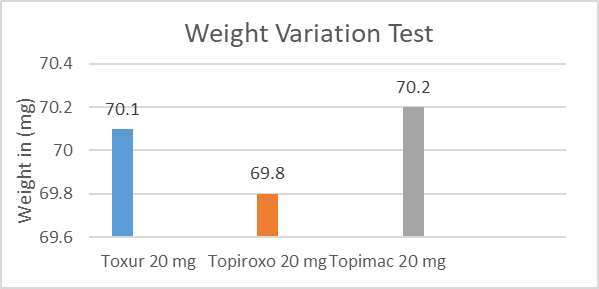
Fig: 4 Weight Variation Test
Table 5: Acceptance Criteria for Weight Variation (IP)
|
Average Weight |
Permitted Deviation |
|
≤ 80 mg |
± 10 % |
|
80 – 250 mg |
± 7.5 % |
|
≥250 mg |
± 5 % |
4.4 Hardness Test:
Table 6: Hardness Test Data of Various Brands of Topiroxostat Tablet
|
S.NO |
Brand |
Initial |
Final |
No. Of Deviation |
Each Deviation |
Hardness (kg/cm2) |
|
1. |
Toxur 20 mg |
3.5 |
13 |
9.5 |
500 |
4.75 |
|
2. |
Topiroxo 20 mg |
4.5 |
13.8 |
9.3 |
500 |
4.65 |
|
3. |
Topimac 20 mg |
4.4 |
13.6 |
9.2 |
500 |
4.6 |
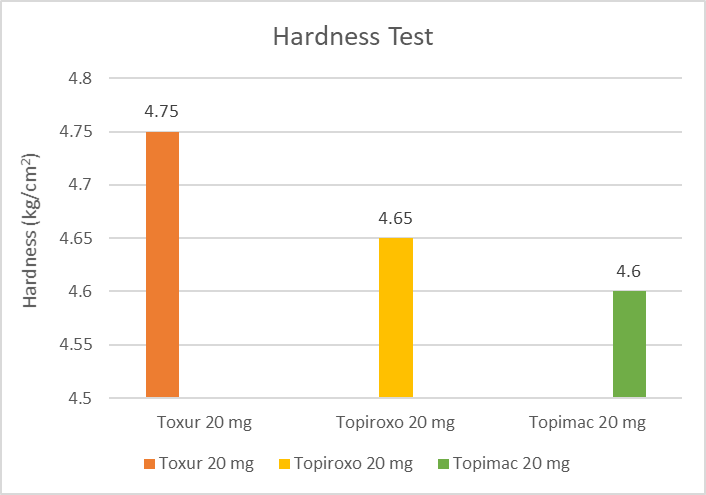
Fig: 5 Hardness Test
Table 7: Acceptance Criteria for Hardness Test
|
Tablet Type |
Typical Hardness Range |
|
Uncoated tablets |
3 – 6 kg/cm² |
|
Film-coated tablets |
5 – 8 kg/cm² |
|
Sustained-release tablets |
6 – 10 kg/cm² |
4.5 Friability Test:
Table 8: Friability Data of Topiroxostat Tablet
|
S. NO |
Brand |
Initial Weight(W1) In gm |
final weight(w2) in gm |
W1 – W2 |
% Friability |
|
1. |
Toxur 20 mg |
350 mg |
348 mg |
2 |
0.57% |
|
2. |
Topiroxo 20 mg |
351 mg |
349.5 mg |
1.5 |
0.42% |
|
3. |
Topimac 20 mg |
350 mg |
349.5mg |
0.5 |
0.14% |
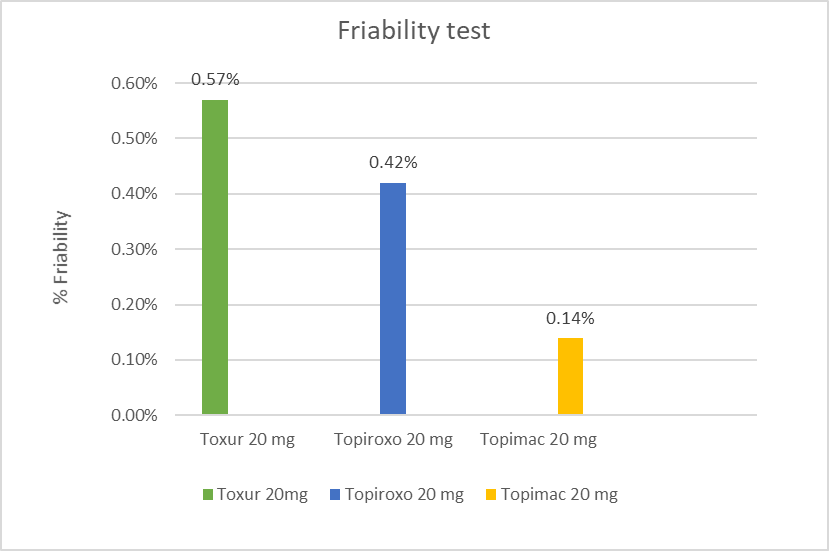
Fig: 6 Friability Data of Topiroxostat Tablet
Acceptance Criteria (IP):
4.6 Disintegration Test:
Table 9: Disintegration Time
|
S. No |
Brands |
Disintegration Time (Mins) |
|
1. |
Toxur 20 mg |
2 minutes |
|
2. |
Topiroxo 20 mg |
2.40 minutes |
|
3. |
Topimac 20 mg |
2.30 minutes |
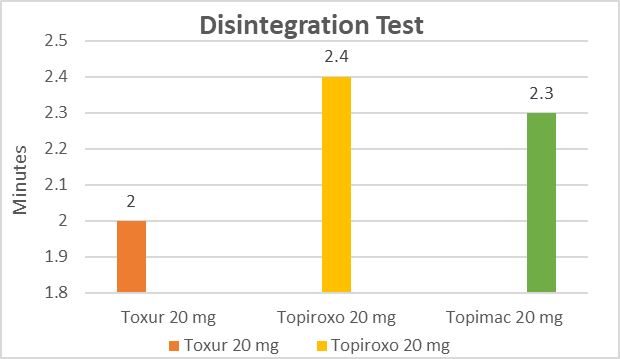
Fig: 7 Disintegration Test
Acceptance Criteria (IP):
Table 10: Acceptance Criteria for Disintegration Test
|
Tablet Type |
Disintegration Time |
|
Uncoated tablets |
Not more than 15 minutes |
|
Film-coated tablets |
Not more than 30 minutes |
|
Sugar-coated tablets |
Not more than 60 minutes |
|
Enteric-coated tablets |
Should not disintegrate in 0.1 N HCl for 2 hours but should disintegrate within 60 minutes in phosphate buffer (pH 6.8). |
4.7 Pharmacopoeial Assay:
Tablet 11: % Assay of Topiroxostat
|
S No |
Brands |
% Drug Content |
|
1. |
Toxur 20 mg |
98.06 % |
|
2. |
Topiroxo 20 mg |
99.33 % |
|
3. |
Topimac 20 mg |
100.63% |
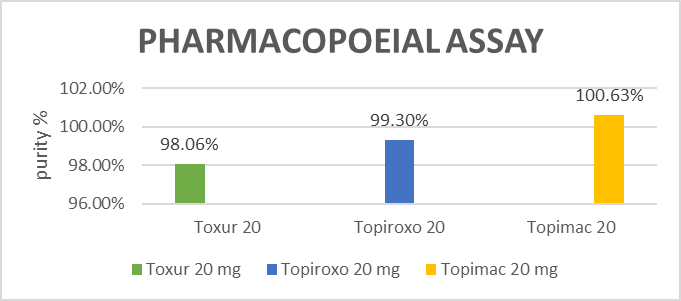
Fig: 8 Pharmacopoeial Assay
Acceptance limits:
The limit should be within 98%-102% of the labelled claim for most pharmacopeial specifications.
4.8 Dissolution Test:
Table 12: Dissolution Condition
|
Parameter |
Conditions |
|
Apparatus |
USP -II (Paddle type) |
|
Dissolution Medium |
900ml of 6.8 pH potassium dihydrogen phosphate |
|
Temperature |
37 ℃ 

|
|
Rotation speed |
50 rpm |
|
Sample timing |
5, 10, 15, 20, 30, 45,60 & 90 minutes |
|
Sample volume |
5 ml |
|
Units |
6 Tablet |
Tablets Results of Samples In Dissolution Medium:
Product Name: Topiroxostat 20 mg
Brand name: Toxur 20 mg
Table: 13 Topiroxostat Tablet Drug Release
|
No. Of tablet |
10 minutes |
15 minutes |
20 minutes |
30 minutes |
45 minutes |
60 minutes |
90 minutes |
|
1. |
56.7 |
57.9 |
75.2 |
83.6 |
92.4 |
94.5 |
98.2 |
|
2. |
56.8 |
57.8 |
75.4 |
82.5 |
93.4 |
95.2 |
98.3 |
|
3. |
56.6 |
57.5 |
75.6 |
84.6 |
92.8 |
96.2 |
98.1 |
|
4. |
56.9 |
57.2 |
75.5 |
85.5 |
94.5 |
94.8 |
97.6 |
|
5. |
56.6 |
57.6 |
75.7 |
86.2 |
94.2 |
94.9 |
98.9 |
|
6. |
56.7 |
57.7 |
75.3 |
84.8 |
93.6 |
95.6 |
98.2 |
|
mean |
56.71 |
57.61 |
75.45 |
84.83 |
93.48 |
95.2 |
98.21 |
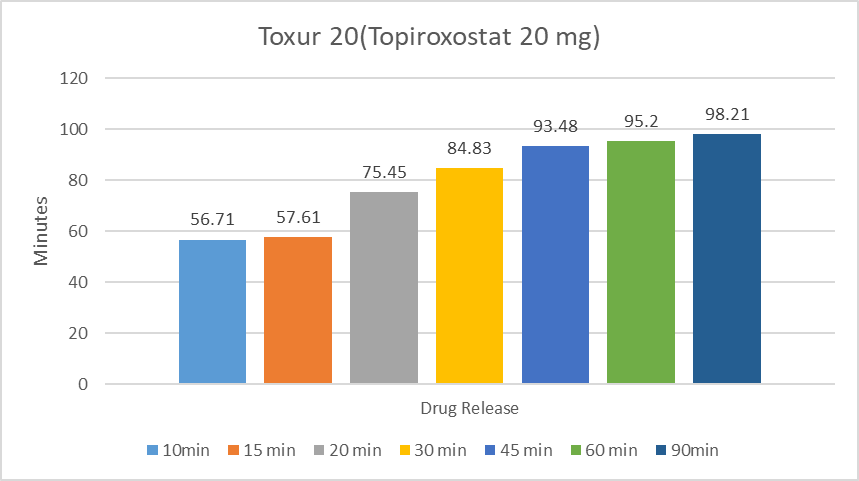
Fig: 9 Topiroxostat Tablet Drug Release
Product Name: Topiroxostat 20 mg
Brand name: Topiroxo 20
Table:14 Topiroxostat Tablet Drug Release
|
No. Of tablet |
10 minutes |
15 minutes |
20 minutes |
30 minutes |
45 minutes |
60 minutes |
90 minutes |
|
1. |
71.9 |
76.7 |
87.5 |
91.5 |
95.8 |
96.6 |
99.2 |
|
2. |
70.1 |
76.2 |
86.4 |
91.2 |
95.5 |
96.7 |
99.3 |
|
3. |
70.6 |
76.4 |
86.2 |
89.5 |
94.6 |
97.8 |
98.2 |
|
4. |
72.6 |
75.6 |
86.5 |
90.5 |
96.7 |
97.2 |
100.1 |
|
5. |
72.1 |
76.2 |
85.4 |
91.6 |
94.8 |
98.1 |
99.6 |
|
6. |
70.5 |
76.1 |
87.6 |
90.2 |
96.1 |
96.8 |
99.4 |
|
mean |
71.3 |
76.2 |
86.6 |
90.75 |
95.55 |
97.2 |
99.3 |
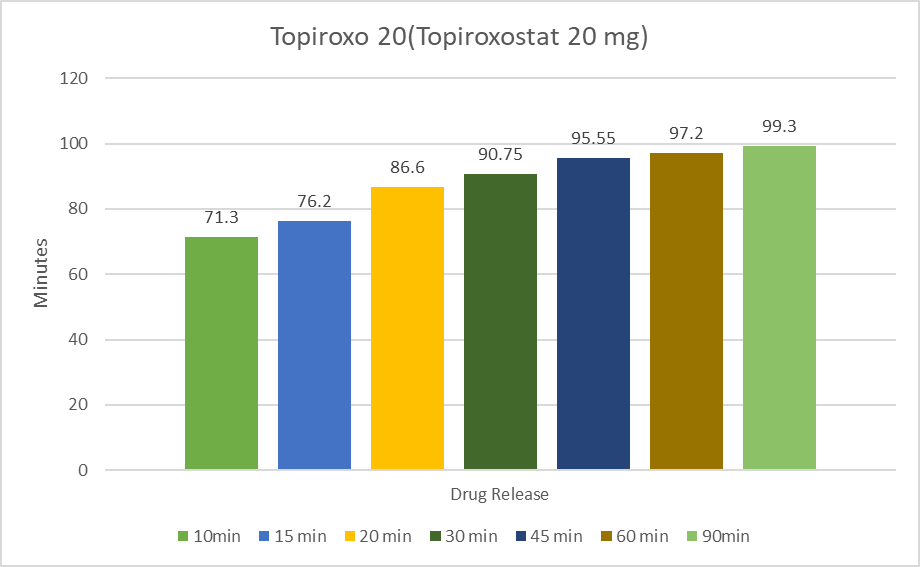
Fig: 10 Topiroxostat Tablet Drug Release
Product Name: Topiroxostat 20 mg
Brand name: Topimac 20
Table:15 Topiroxostat Tablet Drug Release
|
No. Of tablet |
10 minutes |
15 minutes |
20 minutes |
30 minutes |
45 minutes |
60 minutes |
90 minutes |
|
1. |
60.1 |
73.4 |
81.5 |
87.6 |
91.7 |
95.8 |
99.7 |
|
2. |
60.2 |
73.5 |
81.2 |
86.4 |
90.1 |
95.7 |
99.9 |
|
3. |
61.3 |
74.6 |
80.4 |
86.8 |
92.3 |
96.1 |
100.7 |
|
4. |
62.1 |
73.1 |
82.5 |
87.1 |
93.1 |
96.3 |
100.2 |
|
5. |
60.5 |
72.2 |
81.6 |
86.2 |
92.1 |
94.4 |
100.1 |
|
6. |
60.9 |
74.1 |
81.1 |
87.1 |
91.6 |
96.1 |
99.9 |
|
mean |
60.86 |
73.46 |
81.38 |
86.86 |
91.81 |
95.73 |
100.08 |
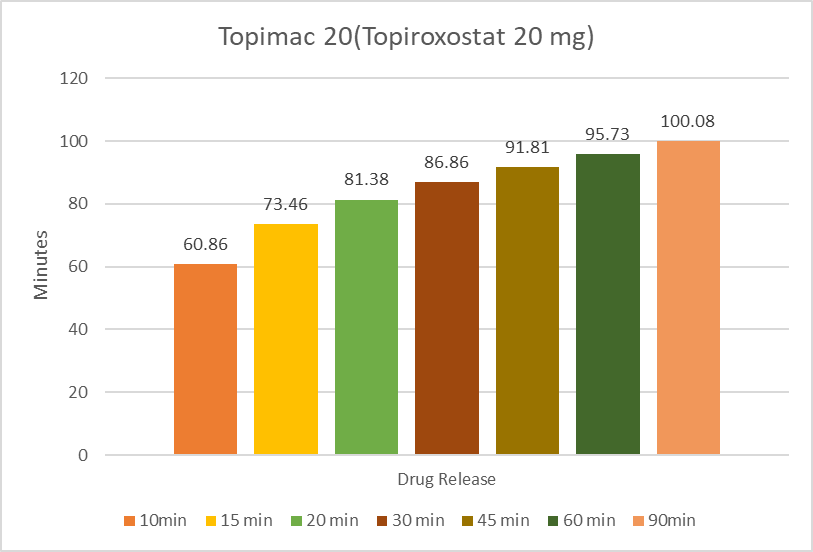
Fig: 11 Topiroxostat Tablet Drug Release
DISCUSSION:
The comparative evaluation of the three marketed brands of Topiroxostat 20 mg tablets demonstrated that all formulations complied with the quality specifications prescribed by the Indian Pharmacopoeia. The observed differences among the brands were minimal and were mainly attributed to variations in formulation composition, excipients, compression force, and manufacturing techniques. The organoleptic characteristics confirmed acceptable product quality, as all tablets possessed a uniform white colour, smooth surface, and biconvex shape without any physical defects. Minor differences in thickness and diameter did not influence the overall performance of the tablets. Weight variation is an important indicator of manufacturing precision and dosage uniformity. All three brands showed average tablet weights and their percentage weight deviation less than ± 6and remained well within the acceptable pharmacopeial limits, indicating excellent process control and uniform die filling during production. Tablet hardness influences mechanical strength as well as drug release characteristics. Although Toxur 20 mg exhibited the highest hardness value (4.75 kg/cm²), the hardness values of all three brands remained within the recommended range, ensuring adequate resistance to breakage without delaying tablet disintegration. The low friability values (<1%) further confirmed the mechanical stability of all formulations, with Topimac 20 mg exhibiting the least percentage friability, indicating superior resistance to abrasion. Rapid disintegration is essential for immediate-release tablets to ensure prompt dissolution and drug availability. All brands disintegrated within approximately 2–2.5 minutes, which is significantly below the pharmacopeial limit, suggesting efficient tablet formulation and appropriate selection of disintegrating agents. The assay results confirmed excellent content uniformity among the brands, with drug content ranging from 98.06% to 100.63%. These findings demonstrate that all marketed products contain the labelled amount of Topiroxostat and meet pharmacopeial quality requirements. The dissolution study is one of the most critical parameters in evaluating tablet performance. Although all brands achieved more than 98% drug release by 90 minutes, differences were observed in the early stages of dissolution. Topiroxo 20 mg showed the fastest initial drug release, suggesting quicker tablet dissolution, while Topimac 20 mg achieved the highest final cumulative drug release (100.08%). Toxur 20 mg exhibited a comparatively slower initial release but eventually reached satisfactory dissolution. These variations may result from differences in excipient composition, particle size, granulation technique, and tablet compression parameters. Overall, the comparative study indicates that all three marketed brands possess satisfactory pharmaceutical quality and comply with Indian Pharmacopoeial standards. The minor differences observed in physical characteristics and dissolution behavior are unlikely to produce clinically significant differences in therapeutic performance.
CONCLUSION:
The present comparative evaluation of three marketed brands of Topiroxostat 20 mg tablets—Toxur 20 mg, Topiroxo 20 mg, and Topimac 20 mg—demonstrated that all formulations met the quality standards specified by the Indian Pharmacopoeia. Each brand exhibited satisfactory organoleptic properties, acceptable weight variation, adequate hardness, low friability, rapid disintegration, accurate drug content, and excellent in vitro dissolution characteristics. The results confirmed that all three brands possessed good pharmaceutical quality and were suitable for oral administration. Among the evaluated formulations, Topimac 20 mg exhibited the highest assay value (100.63%), the lowest friability (0.14%), and the highest cumulative drug release (100.08%), indicating excellent overall formulation quality. Topiroxo 20 mg demonstrated the fastest initial dissolution profile and good content uniformity, while Toxur 20 mg showed the highest mechanical strength and the shortest disintegration time. Although slight variations were observed among the brands in terms of hardness, tablet dimensions, and dissolution rate, these differences remained within acceptable pharmacopeial limits and are most likely due to differences in manufacturing processes and formulation composition. Importantly, all three products complied with pharmacopeial specifications for immediate-release tablets and are expected to provide comparable therapeutic performance. Therefore, it can be concluded that Toxur 20 mg, Topiroxo 20 mg, and Topimac 20 mg are pharmaceutically acceptable and therapeutically comparable marketed brands of Topiroxostat tablets. Comparative quality control studies such as the present investigation are valuable for ensuring product consistency, regulatory compliance, and confidence in the interchangeability of marketed pharmaceutical products.
REFERENCES


Shaik Fayaaz Ahamed*, S. Nithish, P. Parveen, V. Prabavathi, R. Pradeep, J. Pradeep Raj, Comparative Evaluation of Different Brands of Topiroxostat Tablet 20mg, Int. J. Med. Pharm. Sci., 2026, 2 (8), 314-326. https://doi.org/10.5281/zenodo.21832826
 10.5281/zenodo.21832826