

We use cookies to ensure our website works properly and to personalise your experience. Cookies policy
Department of Regulatory Affair, Dadasaheb Balpande College of Pharmacy, Nagpur
The increasing global acceptance and commercialization of traditional medicine systems, particularly Ayurveda, necessitate stringent quality control frameworks. This study evaluates the current provisions for "added substances" (excipients, binders, preservatives) as outlined in the General Notice of the Ayurvedic Pharmacopoeia of India (API) compared against the Indian Pharmacopoeia (IP) framework. A comparative methodology was implemented by analyzing three marketed brands of Sanjivani Vati (an Ayurvedic compound pill) and three marketed brands of Azithromycin tablets (an allopathic standard). Physical and chemical characterization of Sanjivani Vati revealed significant discrepancies across manufacturers: total ash values varied drastically (ranging from 7.65% to 40.0%), and standard HPTLC densitometric assays for active marker compound piperine showed erratic recovery rates across formulations (0.05% to 0.84%). Conversely, allopathic Azithromycin formulations demonstrated highly standardized mechanical properties, uniform dissolution kinetics exceeding 80% release within 8 hours, and tight alignment with official monographs. The empirical findings underscore that the loose regulations regarding excipient integration within the API General Notice result in major batch-to-batch variations and potential compliance failures. This manuscript highlights the urgent need for structural reassessment of added substances within traditional regulatory templates to ensure product uniformity, consumer safety, and seamless international harmonization.
Added Substances
Added Substances are the substance or compound, other than the active pharmaceutical ingredient and packaging materials that affect finished product quality, in some cases making up almost entire formulation. It also ensured the physical characteristic of medicinal product like weight, consistency and volume that are necessary for the correct administration of the active principle and alter some of pharmacokinetic profile too. WHO define excipient as the substance other than active ingredients which have been appropriately evaluated for safety / or included in a drug delivery system to
1. Aid in processing if drug delivery system during its manufacture.
2. Protect, support and enhance stability, bioavailability or patient acceptability.
3. Assist in product identification.
4. Enhance any other attribute of the overall safety and effectiveness of the drug during storage or use. [1]
Classification of added substances:
Natural excipients are chemically heterogeneous compounds that range from simple molecules (water) to complex mixtures of natural, substances which, from the regulatory point of view, may be subdivided into three categories i, e.
• In the first category (approved excipients) the compounds originating from the food industry that are present in pharmaceutical products for a very long time are included.
• The intermediate category (essentially new excipients) are those already used in the food or cosmetic industries.
• The third category covers new compounds, never previously used in the pharmaceutical field. [2]
Table 1: Classification of Excipient as Per D&C Rule 1945[3]
|
Category |
Permitted Excipients |
Reference Standard/Grade |
|
Additives |
Activated Charcoal, Beewax, Cellulose & its derivatives, Soft Paraffin,Carnauba Wax, Beeswax |
IP |
|
Agar, Arachis Oil, Calcium Carbonate |
PFA |
|
|
Calcium Phosphate Dibasic, Calcium Phosphate Tribasic |
IP |
|
|
Citric acid & its salts and Tartaric Acid & its salt and Yeast |
PFA |
|
|
Stearic Acid & its salts and Starch & its derivatives |
IP |
|
|
Xanthan Gum |
USNF |
|
|
Zinc oxide, Carbomer, Colloidal Silicon Dioxide, Talc, Sucrose, |
IP |
|
|
Preservatives |
Acetic acid, Benzoic acid & its salts |
PFA |
|
Butyl paraben, Ethyl paraben |
BP |
|
|
Methyl Paraben& its salts and Propionic acid & its salts |
PFA |
|
|
Phenyl mercuric nitrate |
IP |
|
|
Propyl paraben& its salts and Sorbic acid & its salts |
PFA |
|
|
Antioxidants |
Ascorbic acid & its salts &esters, Potassium metabisulphite, Sodium metabisulphite |
PFA |
|
Butylated hydroxyl toluene, Gallic acid esters |
PFA |
|
|
Colouring agents |
Natural colours: Annatto, Carotene, Chlorophyll, Cochineal, Curcumin, Red oxide of Iron, Yellow oxide of Iron (Titanium oxide), Black oxide of Iron Lakes – the Aluminium or calcium salts (lakes) of any water-soluble colours. |
Rule 127 of Drugs and Cosmetics Rules 1945 |
|
Flavouring agents |
As permitted under Fruit Product Order and PFA Act, Rule 163 |
|
|
Alternate Sweeteners |
Artificial sweeteners may be used for only in proprietary ASU products. Sucralose, Aspartame, Saccharin, Acesulfame K |
As in Fruits Product Order |
Table 2: Excipients and their chemical function used in ayurvedic [4]
|
Excipients function |
Example |
|
pH modifier |
Citric acid, Tartaric acid, Benzoic acid |
|
Phospholipids |
Glycerol, DMPC |
|
Water insoluble lipids (triglycerides) |
Peanut oil, Corn oil, Soybean oil |
|
Water soluble organic solvents |
Polyethylene glycol 300 & 400, Ethanol, Propylene glycol |
|
Water insoluble organic solvents |
Beeswax, Oleic acid |
|
Nonionic surfactants |
Tween 20, Peppermint oil |
Ayurveda
India has a rich heritage of traditional system of medicine. Ayurveda is the traditional Indian system of medicine which is meant not only for curing the diseases but also for prevention of the occurrence of illnesses. Ayurveda provides a plethora of information on ethnic folklore practices and traditional aspects of therapeutically important medicines. Ayurveda is getting global acceptance primarily due to its holistic therapeutic practice, extensive profound conceptual basis and survival of its medicines since prehistoric times. This concept of drugs and formulations developed in ancient times still finds its relevance in spite of changes in the environment, lifestyle, culture and disease patterns [5] Ayurvedic medicines are used as raw, crude materials, extracts and preparations for therapeutic purposes. Authentication, quality control, standardization, chemo-profiling, process validation, regulatory aspects, clinical risk assessment, consumer awareness and post marketing surveillance are the key points which could ensure the quality, safety and effectiveness of Ayurvedic medicines [6].
Problems Associated with Herbal Medicines
Herbal medicinal products may have therapeutically beneficial effects, but a number of them cause adverse effects and drug interactions similar to conventional agents. The interaction potential of herbs with conventional drugs is an especially critical concern for drugs with narrow therapeutic indexes. Therefore, knowing the efficacy and safety of herbal drugs is crucial. In fact, one of the most serious hazards associated with herbal medicines is that many patients are under the illusion that because herbs are obtained from nature, they are completely safe and have no side effects. Thus, it is important that they be instructed to take proper precautions while using herbal medicines [7]. Following problems need to be overcome before the promotion of herbal medicines around the world.
Ayurvedic Pharmacopoeia of India (API)
The Ayurvedic Pharmacopoeia of India (API) is an official document of standard parameters for pure drug as well as for Ayurvedic formulations, compiled by the Government of India. An autonomous organization under the Ministry of AYUSH named as (PCIM&H) Pharmacopoeia Commission for Indian Medicine & Homoeopathy is with a primary mandate to develop pharmacopoeial standards for drugs and formulations used in Ayurveda, Siddha, Unani (ASU) and Homoeopathy (ASU&H) systems of Medicine. Commission was initially established as "Pharmacopoeia Commission for Indian Medicine" (PCIM) in the year 2010. However, in pursuance to the decision of Central Government (dated 20th March 2014), Homoeopathy was incorporated and the Commission was renamed as Pharmacopoeia Commission for Indian Medicine & Homoeopathy (PCIM&H). Main objectives of Pharmacopoeia Commission are to development of pharmacopoeial standards for single drugs and formulations, isolation of marker compounds of medicinal plants, comparative phytochemical screening of roots and barks vs aerial parts, preparation of Hindi version of API, biological activity studies of plant extracts and identify standard methods/procedures for publication of single herbal drugs and Ayurvedic formulations etc [9]. It has published in two parts part-I and part-II. Part-I describe single drug monograph and part-II describe compound formulations monograph. Ayurvedic Pharmacopoeia of India (part-I) Volumes of Ayurvedic Pharmacopoeia of India.
Allopathy Medicine
The word allopathy is derived from the Greek word which states that “other than disease”. This treatment methodology follows the western therapeutic framework and it spread all over the world. It is fundamentally a drug-oriented methodology and lies upon three techniques such as hypothesis, experimentation and the outcome of the experiment. The allopathic doctors are only concentrating on the symptoms of a disease and don’t concentrate on the causes of those symptoms. They provide pills containing drugs for each disease, made only to cure the disease and not cure the root causes of disease. The effectiveness of allopathic medicines is very helpful during an emergency and save many peoples’ life all around the world. The main demerits of allopathy medicines are inherent side effects. The medicines which are used in the allopathic treatment is aimed to cure only the particular disease, and at the same time gives birth to another disease in the body. For example, people are using allopathic medicine including paracetamol pill to cure fever. This medicine even though cures the fever, causes some allergic reaction in face, lips, tongue or throat and harmful effects such as jaundice, stomach pain (period pain) and affect liver [10].
Indian Pharmacopoeia
Indian Pharmacopoeia (IP) is published by the Indian Pharmacopoeia Commission (IPC) on behalf of the Ministry of Health & Family Welfare, Government of India in fulfillment of the requirements of the Drugs and Cosmetics Act, 1940 and Rules 1945 thereunder. IP is recognized as the official book of standards for the drugs being manufactured and/or marketed in India. IP contains a collection of authoritative procedures of analysis and specifications of drugs for their identity, purity and strength. The standards of the IP are authoritative in nature and are enforced by the regulatory authorities for ensuring the quality of drugs in India. During quality assurance and at the time of dispute in the court of law the IP standards are legally acceptable [11]. After independence, the Indian Pharmacopoeia Committee was constituted in 1948, for publication of IP as its main function.
Sanjivani Vati
Sanjivani Vati (SV) is a widely known therapeutic pill described in Ayurvedic Formulary of India. It comprises equal parts of 10 herbs [Table 1.3]. Besides, Gomutra (Cow’s urine) is also one of the constituents of prime importance, used for Bhavana (Impregnation). Ancient seers have recommended preparing it with the strength of one Gunja (125 mg) and administering orally along with Aardraka Swarasa (extracted juice of rhizome of Zingiber officinale Roscoe) or warm water as adjuvant. The reference of Sarandhar samhita has been quoted by Ayurvedic Formulary of India (AFI) also and is supposed to be used by either manufacturer. Proper validation and standardization of herbal preparations is utmost important in developing era. This is an important step for the establishment of a consistent biological activity, a consistent chemical profile, or a quality assurance for production and manufacturing of drugs. Therefore, in the present was undertaken to set some important parameters for the standardization of widely used Ayurvedic herbal formulation Sanjivani vati [13]. The dosage of SV varies depending upon different diseases such as one pill for Ajirna (indigestion) and Gulma (abdominal lump), two pills for Visuchika (gastroenteritis with piercing pain), three pills for Sarpadamsa (snakebite), and four pills for Sannipaatika Jwara (Disease which causes anguish to mind and body) [12].
Table 3. Formulation composition of Sanjivani Vati [12]
|
Sr.no |
Ingredient |
Latin Name |
Part Used |
Ratio |
|
1. |
Vidanga |
Embelia ribes Burn. |
Dried fruit |
1 |
|
2. |
Nagara |
Zingiber officinale Roscoe |
Dried rhizome |
1 |
|
3. |
Krishna |
Piper longum L. |
Dried fruit |
1 |
|
4. |
Pathya |
Terminalia chebula Retz |
Dried pericarp |
1 |
|
5. |
Amala |
Phyllanthus emblica L. |
Dried pericarp |
1 |
|
6. |
Bibhitaki |
Termenalia bellirica Roxb. |
Dried pericarp |
1 |
|
7. |
Vacha |
Acorus calamus L. |
Dried rhizome |
1 |
|
8. |
Guduchi |
Tinospora cordifolia Miers |
Dried stem |
1 |
|
9. |
Bhallataka |
Semecarpus anacardium L. |
Dried fruit |
1 |
|
10. |
Visha |
Aconitum chasmanthum |
Dired root tuber |
1 |
|
11. |
Gomutra |
Cow Urine |
|
Q. s |
Azithromycin
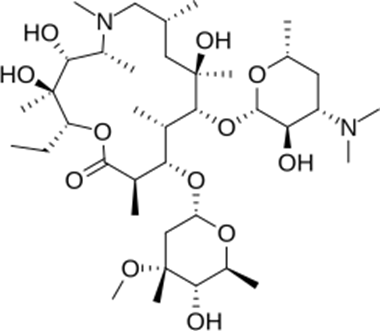
Figure 1: Struture of Azithromycin Dihydrate
Azithromycin, sold under the brand names Zithromax (in oral form) and Azasite (as an eye drop), is an antibiotic medication used for the treatment of several bacterial infections. This includes middle ear infections, strep throat, pneumonia, traveler's diarrhea, and certain other intestinal infections. Along with other medications, it may also be used for malaria. It is administered by mouth, into a vein, or into the eye [14].
Common side effects of Azithromycin
Diarrhoea
Loose stools
Nausea
Abdominal pain
Vomiting
Headache
Irregular or fast heart rate, especially in older adult
Pharmacological Properties
Antibacterial Activity: Azithromycin exerts its pharmacological effect by inhibiting bacterial protein synthesis, which prevents the growth and replication of susceptible bacteria.
Broad Spectrum: This antibiotic has a wide range of activity, effective against Gram- positive and Gram-negative bacteria, as well as atypical pathogens like Chlamydia and Legionella.
Tissue Penetration: Azithromycin has excellent tissue penetration due to its long half-life, allowing for once-daily dosing and effectiveness in treating infections that localize in tissues like the respiratory tract.
Anti-inflammatory Effects: In addition to its antibacterial properties, azithromycin can reduce the production of inflammatory cytokines, making it useful in managing conditions with chronic inflammation, such as COPD.
Immunomodulatory Effects: Azithromycin can affect immune cell function and may help reduce excessive inflammation in various disease states.
Metabolism and Elimination: It is primarily eliminated through the liver and bile, with a significant portion excreted unchanged in feaces. Its pharmacokinetics contribute to its effectiveness and duration of action.
METHODOLOGY
Material and Reagents Procurement
Three independent commercial batches of Sanjivani Vati (designated as Brand A, Brand B, and Brand C) and three commercial batches of Azithromycin 500 mg film-coated tablets (designated as Brand A1, Brand B1, and Brand C1) were obtained from licensed retail pharmacies in Nagpur, Maharashtra, India. Standard reference marker Piperine and pure reference Azithromycin dihydrate were sourced with verified analytical certificates. The analytical reagents utilized—including ethanol, methanol, chloroform, n-hexane, acetone, and hydrochloric acid—were of high-performance analytical grade.
Physicochemical Characterization of Ayurvedic Formulations
Ash Value Determination: Total ash was evaluated by incinerating 2 to 3 g of pulverized Sanjivani Vati mass in a tared silica crucible inside a muffle furnace at temperatures not exceeding 600°C until the residue became completely free of carbon. Acid-insoluble ash values were determined by treating the total ash residue with 25 ml of dilute HCl, collecting the insoluble matter on ashless filter paper, re-igniting the matrix, and calculating weights relative to the air-dried sample.
Extractive Values: For alcohol-soluble and water-soluble extractive profiles, 5 g of air-dried sample mass was subjected to cold maceration with 100 ml of ethanol or chloroform-water respectively for 24 hours, followed by filtration, dry evaporation at 105°C, and precise gravimetric quantification.
Weight Variation and Disintegration: 20 units of each brand were weighed on a digital microbalance to map weight deviation trends. Disintegration tests were carried out utilizing standard USP/IP apparatus configurations in distilled water maintained at 37 ± 0.5℃.
Assay of Piperine
Preparation of Standard Solution: Accurately weighed 1.0 mg of piperine standard and dissolved in a mixture of methanol: chloroform (1: 1) and make up the volume to 10 ml volumetric flask to prepare (1000ug/ml) Stock solution.
Preparation of Sample Solution: Vati powder (2 gm) was accurately weighed and extracted with 100 ml of alcohol using a Soxhlet apparatus for 6 hours. The extract was then filtered, and the ethanolic extract was evaporated to dryness. 100 mg of the dried residue was weighed and dissolved in a mixture of methanol: chloroform (1:1), followed by sonication for 20 minutes, and the volume was made up to 25 ml to obtain the sample stock solution
Mobile Phase: The best result was obtained in the mobile phase of n-hexane: acetone (7: 3).
Sample Application: Application of the standard and sample stock solutions was carried out using the spray technique (5 mm in length). Standard stock solutions in volumes of 1, 2, 6, 10, 14, and 18 µl were applied sequentially, and similarly, 25 µl of the solution from all three extracts was applied on a precoated silica gel 60 F254 aluminum sheet (20 cm × 10 cm) using a Linomat-5 applicator attached to the CAMAG HPTLC system.
Development of Chromatogram: After the application of the sample, the chromatogram was developed in a twin trough CAMAG glass chamber (20 cm × 10 cm) saturated with the mobile phase n-hexane: acetone (7:3) for 20 minutes and was run up to 5.5 cm. The air-dried plates were then viewed under ultraviolet radiation using a UV cabinet.
Preparation of Calibration Curve of Standard Piperine: To prepare the calibration curve for HPTLC, the standard stock solution (1 mg/ml) was prepared in ethanol. Standard solutions of 1, 2, 6, 10, 14, and 18 µl were applied, each in a 5 mm band length, on a precoated silica gel 60 F254 aluminum sheet (20 cm × 10 cm) using a Linomat-5 applicator. The mobile phase used was n-hexane: acetone (7:3 v/v). The calibration curve was plotted between peak area and concentration (µg/ml).
UV Absorption and Standard Caliberation Curve of Azithromycin Dihydrate
Accurately weighed 10 mg of pure Azithromycin Dihydrate was transferred to a 10 ml volumetric flask, and the volume was made up with methanol to obtain a stock solution of concentration 1000 μg/ml. From the stock solution, 1 ml was withdrawn and diluted with pH 6.8 phosphate buffer up to 10 ml to obtain a working standard solution of concentration 100 μg/ml. For the determination of the wavelength of maximum absorption, a UV spectroscopic scan (200–400 nm) was carried out using the working standard solution to determine the λmax for the detection of Azithromycin, with phosphate buffer (pH 6.8) used as the blank [33]. Azithromycin of 100 mg was accurately weighed and dissolved in 100 ml of phosphate buffer (pH 6.8) to obtain a stock solution of 1000 µg/ml. From this, 10 ml of the solution was withdrawn and diluted to 100 ml to obtain a solution of 10 µg/ml. The stock solution was further diluted appropriately to obtain concentrations ranging from 10 to 80 µg/ml, which were then analyzed at 210.6 nm to plot the standard calibration curve.
Dissolution test
In-vitro dissolution evaluations were carried out using a USP Type-II paddle apparatus at a rotation speed of 75 rpm in 900 ml of phosphate buffer medium (pH 6.8) maintained at 37± 0.5 ℃. 1 ml samples were systematically collected at hourly intervals over an 8-hour period, filtered through Whatman No. 42 paper, and quantified spectrophotometrically at 210.6 nm.
RESULTS AND DISCUSSION
Evaluation of Ayurvedic Parameters (Sanjivani Vati)
Organoleptic and Morphological Properties: The qualitative profiles across all three commercial brands exhibited consistency in taste (bitter) and odour (characteristic). However, distinct variations were noted in physical appearance and coloration, with tones shifting from lightly brown to deep greyish-black, indicating clear variations in processing temperatures, baseline excipient additions, or natural raw material variance.
Physicochemical result: The results for ash values, extractives, and disintegration properties reveal serious technical deviations when compared against traditional standards:
Table 4: Evaluation Of Ayurvedic Product (Sanjivani Vati)
|
Sr. No |
Physical Parameter |
Brand A |
Brand B |
Brand C |
Official API Limits |
|
1. |
Total Ash (%) |
20.00 % |
7.65 % |
40.00 % |
NMT 4.0 % |
|
2. |
Acid-insoluble ash |
1.60 % |
2.20 % |
27.80 % |
NMT 1.0 % |
|
3. |
Alcohol Extractive |
7.50 % |
14.10 % |
2.80 % |
NLT 18.0 % |
|
4. |
Water Extractive |
33.50 % |
32.20 % |
13.80 % |
NLT 17.0 % |
|
5. |
Moisture Content (LOD) |
4.86 % |
7.50 % |
6.30 % |
NMT 10.0 % |
|
6. |
Disintegration Time |
39 mins |
44 mins |
11 mins |
30 to 60 minutes |
The dramatic spikes observed in the total ash and acid-insoluble ash figures—most notably in Brand C, which reached 40% total ash and 27.8% acid-insoluble ash—demonstrate either high concentrations of inorganic impurities or large additions of unlisted mineral-based binders/excipients. Furthermore, all three brands failed to reach the minimum 18% requirement for alcohol-soluble extractive values. The weight variation testing also revealed a significant departure from classical parameters. The API states that a standard Sanjivani Vati pill should weigh approximately one Gunja (125 mg). However, the observed average weights were 259.35 mg for Brand A, 148.96 mg for Brand B, and 159.96 mg for Brand C. This systematic weight inflation provides direct evidence that modern manufacturers add significant amounts of unlisted excipients to increase bulk volume and ease modern high-speed tableting processes.
HPTLC Quantitative Assay
Chromatographic separation of the active marker piperine was established with a clear baseline Rf value. Densitometric regression analysis generated a highly linear calibration curve (y = 0.0158x + 0.064; R2 = 0.9949) within the 1 to 18 µl concentration range.
The quantitative recovery results for the active marker within the formulation matrices showed extreme variation across manufacturers: Brand A (Baidyanath): 0.84% Assay yield, Brand B (Unjha): 0.22% Assay yield, Brand C (Akshar): 0.05% Assay yield.

Figure 2: HPTLC fingerprinting of Marketed Sanjivani Vati at 366 nm
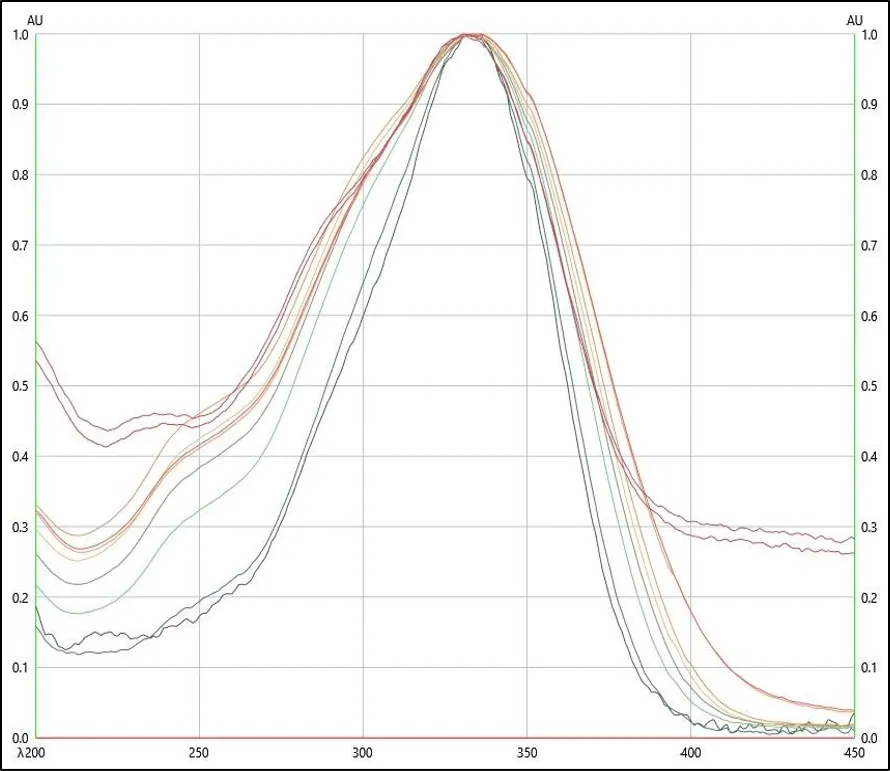
Figure 3: Overlay Spectra of Standard Piperine with marketed Sanjivani Vati
This stark variation indicates a critical lack of standardized manufacturing processes. The very low assay yield in Brand C suggests that active botanical components may have degraded during processing, or that the active ingredients were diluted by an excessive use of added substances.
Evaluation of Allopathic Parameters (Azithromycin)
Table 5: Evaluation of Allopathic Parameters (Azithromycin)
|
Sr. no |
Parameter |
Brand A1 |
Brand B1 |
Brand C1 |
Official IP Limits |
|
1. |
Average Weight(mg) |
1154± 36.89 |
677 ± 6.59 |
662 ± 4.87 |
Complies (within ± 5.0%) |
|
2. |
Hardness(kg/cm2) |
189.5 |
111.7 |
138.1 |
Mechanical Integrity Verified |
|
3. |
Thickness(mm) |
5.99 mm |
5.34 mm |
5.85 mm |
Uniform |
|
4. |
Diameter(mm) |
21.10 mm |
17.86 mm |
16.96 mm |
Uniform |
|
5. |
Friability (%) |
0.32 % |
0.37 % |
0.21 % |
Not More Than (NMT) 1.0% |
|
6. |
Disintegration Time |
5m 59s |
5m 13s |
6m 04s |
Not More Than (NMT) 15.0m |
Spectrophotometric Calibration
The standard calibration curve of Azithromycin was constructed by plotting absorbance values at 210.6 nm against concentrations ranging from 10 to 80 µg/ml. The graph shows a clear linear relationship between concentration and absorbance, which is indicative of compliance with Beer–Lambert’s Law within the tested range.
The equation of the line is: y=0.0073x+0.3002
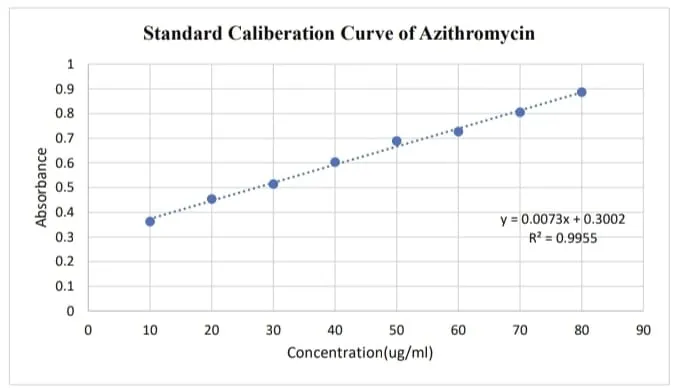
Figure 4: Standard Caliberation Curve of azithromycin by UV Spectroscopy
In- Vitro Dissolution Test
In-vitro dissolution testing showed consistent, controlled release profiles across all three commercial brands:
Table 6: In-vitro Dissolution test of Azithromycin Standard and all three Brands
|
Time (Hr) |
Azithromycin Standard |
Brand A1 |
Brand B1 |
Brand C1 |
|
0 |
0 |
0 |
0 |
0 |
|
1 |
9.2 |
7.98 |
8.68 |
8.92 |
|
2 |
11.93 |
11.68 |
12.72 |
12.98 |
|
3 |
36.79 |
32.86 |
36.66 |
38.52 |
|
4 |
39.11 |
40.76 |
45.57 |
43.91 |
|
5 |
48.67 |
54.01 |
54.62 |
57.11 |
|
6 |
61.6 |
58.86 |
62.37 |
65.83 |
|
7 |
71.61 |
70.64 |
72.58 |
78.12 |
|
8 |
89.38 |
80.56 |
80.52 |
86.03 |
By the 8th hour of the dissolution study, all three commercial brands achieved cumulative drug release values exceeding 80% (Brand A1) = 80.56 %, (Brand B1) = 80.52%, and (Brand C1) = 86.03 %. This demonstrates high bioequivalence to the standard reference drug. The minor variations in release rates reflect distinct formulation strategies and choice of excipients, but these differences remain strictly within acceptable limits.
CONCLUSION
This comparative study highlights a major regulatory challenge in the standardization of traditional medicines. While modern allopathic manufacturing relies on highly precise, validated guidelines for excipient use that prevent batch-to-batch variations, the traditional manufacturing sector operates under outdated definitions within the General Notice of the Ayurvedic Pharmacopoeia of India. The experimental data gathered from testing commercial brands of Sanjivani Vati shows that the lack of clear, quantitative standards for added substances leads to significant variations in product quality. Manufacturers frequently add unlisted binders and excipients to facilitate modern, large-scale tableting. This practice causes formulations to deviate significantly from official pharmacopoeial limits for ash values, extractive indices, and active marker content. To protect consumer safety and support the global expansion of Ayurvedic medicines, the Ministry of AYUSH and the PCIM&H should urgently update the "Added Substances" clause within the API General Notice. This update should establish:
By bridging the gap between traditional formulation principles and modern quality control standards, these regulatory updates will ensure therapeutic consistency, enhance patient safety, and strengthen the scientific credibility of Ayurvedic medicines worldwide.
REFERENCES


Shubhangi Yadav*, Ajay Pise, Ashwini Ingole, Evaluating the Need of Reassessment of Added Substances of the General Notice in Ayurvedic Pharmacopeia of India, Int. J. Med. Pharm. Sci., 2026, 2 (7), 983-993. https://doi.org/10.5281/zenodo.21493347
 10.5281/zenodo.21493347