
We use cookies to ensure our website works properly and to personalise your experience. Cookies policy
Department of Pharmaceutics, DBATU University Lonere, Dnyanvilas College of Pharmacy, Pune, Maharashtra, India
Many plant-derived polyphenols with anticancer potential still face significant obstacles in their therapeutic application due to their poor water solubility and low oral bioavailability. These bioactive substances show encouraging pharmacological properties, such as antioxidant, anti-inflammatory, and anticancer actions; yet, their quick metabolism and low absorption frequently limit their therapeutic value. A successful lipid-based medication delivery method for improving the bioavailability and therapeutic efficacy of phytoconstituents is phytosome technology. Phospholipids, usually phosphatidylcholine, combine with bioactive plant substances in phytosomes to generate a lipid-compatible molecular complex that enhances membrane permeability, stability, and systemic absorption. Phytosomal formulations considerably improve the pharmacokinetic profile of substances like curcumin, quercetin, and silybin when compared to traditional preparations, according to a number of preclinical and clinical investigations. Studies assessing phytosome-based formulations in humans and animals have shown improved plasma concentration, improved tissue distribution, and positive safety profiles. Additionally, by boosting anticancer polyphenols' bioavailability and promoting targeted pharmacological activity, phytosomal delivery methods have the potential to enhance their therapeutic efficacy. The fundamentals of phytosome technology, formulation techniques, physicochemical characterisation, and the existing in vitro, in vivo, and clinical data supporting their use in anticancer therapy are all highlighted in this study. Additionally, covered is the growing potential of phytosomes as lipid-based nanocarriers to enhance the bioavailability and therapeutic potential of anticancer medicines produced from plants.
Cancer is one of the main reasons people die around the world. There are still a lot of problems with treating cancer effectively, and it hasn’t been done yet. Many conventional treatments of cancer such as the chemotherapy, radiation and surgery have severe adverse effects. Therefore, alternative therapeutic approaches such as herbal active constituents are being investigated 1. Herbs and their active constituents are used to treat many different diseases. It involves many reasons for the use of the herbs as they are effective as well as safe as compared to the synthetic drugs even though they have fewer adverse effect. However, due to the poor oral bioavailability and low lipid solubility they are not used mostly as it is one of the main reasons for drug delivery challenge. The main reason of weak absorption is due to its low lipid solubility, multi ring polyphenols and high molecular weight. However, despite their significant therapeutic potential, polyphenols exhibit poor aqueous solubility, low stability, and limited oral bioavailability, which restrict their clinical applications. Additionally, factors such as high molecular weight, multiple ring structure, and low lipid solubility further contribute to their poor absorption and therapeutic effectiveness 2. Cancer is a life-threatening disease that affects a large population worldwide. Ongoing research is being conducted to identify effective treatments for cancer, including the use of plants and herbs. This therapeutic approach utilizes the chemical constituents present in plants and herbs to inhibit or eliminate carcinogenic cells. Various plants and herbs used in cancer therapy are discussed below along with their respective advancements. However, certain side effects may still be expected, and any patient interested in exploring botanical treatments should be supervised by a licensed medical professional. Some of the plants commonly mentioned include Zedoary (Curcuma zedoaria ), Rodent Tuber (Typhonium flagelliforme), God’s Crown ( Phaleria macrocarpa), Madagascar Periwinkle (Catharanthus roseus), Artocarpus Integer (Selaginella corymbosa), Bamboo Grass (Lophatherum gracile), Handsome (Taraxacum mongolicum), Fruit Makasar (Brucea javanica), Garlic (Allium sativum), China Root (Smilax china), Sunflower (Helianthus annuus), Leunca (Solanum nigrum), Job’s Tears (Coix lacryma-jobi), and Bamboo Rope (Asparagus cochinchinensis), among others. There are numerous types of anticancer herbs that have been used across different cultures throughout history for medicinal purposes. Many herbs are utilized for the prevention and treatment of cancer. One such herb is Alfalfa. Alfalfa is considered a highly nutritious food and is also regarded as a body cleanser and infection fighter, which may contribute to its role in cancer treatment. As anticancer herbs are believed to provide potential benefits, some individuals may choose to cultivate them for personal use 3. To enhance therapeutic efficacy and achieve precise drug targeting, advanced drug delivery strategies have become a key focus in pharmaceutical research. In recent years, significant attention has been directed toward vesicular nanocarrier systems such as phytosomes, liposomes, niosomes, and transferosomes, as these platforms offer promising solutions to overcome the limitations associated with conventional drug formulations. Owing to their nanoscale dimensions and unique physicochemical properties, nanocarriers provide improved drug solubility, stability, and bioavailability 4. The small particle size, high surface area, and protective encapsulation capabilities of nanocarriers enable efficient drug transport across physiological barriers, facilitating enhanced absorption and targeted therapeutic action. Furthermore, these systems are designed to achieve controlled and site-specific drug delivery, thereby improving therapeutic outcomes while minimizing systemic toxicity and adverse effects. Consequently, nanocarrier-based delivery systems represent a promising strategy for addressing the challenges of poor solubility, limited stability, and inadequate targeting commonly observed with conventional drugs 5. The aim of this review is to highlight the phytosome-phospholipid complex as an emerging lipid based nanocarrier for enhancing the bioavailability of Anticancer Polyphenols 6.
Phytosomes: Concepts & Fundamentals:
Phytosomes are phospholipid-based complexes of plant extracts designed to enhance the bioavailability of bioactive molecules derived from medicinal plants. This novel drug delivery approach has been developed to overcome the major limitations associated with many phytochemicals, including rapid metabolism, poor absorption, and limited systemic availability. Phytosomes are formulated by complexing phytoconstituents with phospholipids, commonly phosphatidylcholine, resulting in the formation of stable molecular complexes. The structural organization of phytosomes resembles that of natural biological membranes, which facilitates improved solubility, membrane permeability, and absorption of bioactive compounds7.
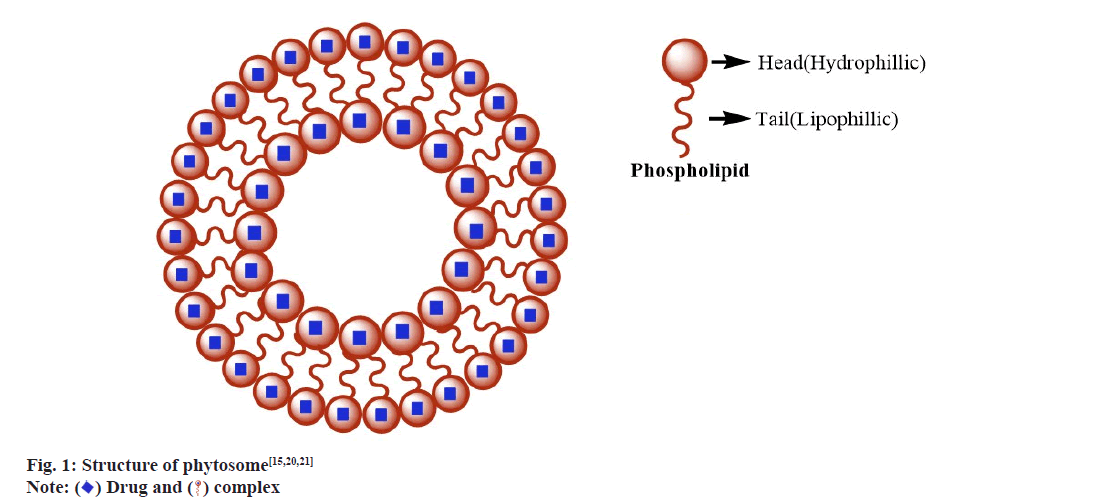
Figure 1: Structure of Phytosomes7
Compared to conventional drug delivery systems, phytosomes represent a promising approach that enhances therapeutic efficacy and pharmacological performance. Phytosomes have the potential to improve anticancer treatment through multiple mechanisms. Firstly, the active constituents complexed with phospholipids exhibit enhanced solubility and improved absorption across cellular membranes due to their lipophilic nature, resulting in better therapeutic outcomes. The lipid-based structure of phytosomes facilitates more efficient penetration through cancer cell membranes, leading to increased intracellular concentrations of bioactive constituents. Enhanced intracellular uptake enables these compounds to interact more effectively with critical molecular pathways involved in cancer cell survival and proliferation. By overcoming bioavailability limitations and improving targeted interaction with cancer-related pathways, phytosomes significantly enhance the anticancer efficacy of phytochemicals 8. Overall, phytosome technology involves the formulation of a stable complex between phospholipids and phytoconstituents to enhance bioavailability and lipid compatibility. A clear understanding of the preparation methods of Phyto–phospholipid complexes is essential to ensure stability, reproducibility, and consistent enhancement of bioavailability 8.
Challenges in Phytochemical drug delivery:
Phytochemical drug delivery faces several challenges that limit the effectiveness of plant-derived compounds in the body. Despite strong activity in laboratory conditions, their performance in vivo is often reduced due to poor solubility, low permeability, and metabolic instability. Addressing these barriers is essential to improve their bioavailability and therapeutic potential9.
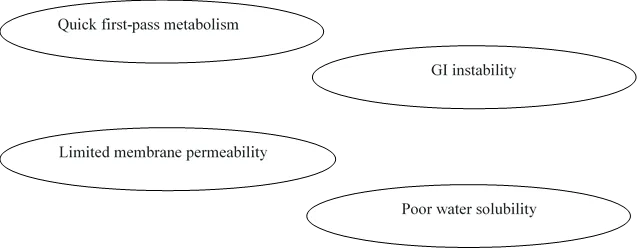
Figure 3: Diagrammatic representation of challenges in phytochemical drug delivery9
Structural Aspects to Improve Bioavailability: Phytoconstituents exhibit significant biological activity; however, their therapeutic application is often limited due to several physicochemical and biological barriers. These challenges affect drug absorption, stability, and overall bioavailability. The major limitations associated with phytosomal drug delivery are illustrated in Figure 4 10.
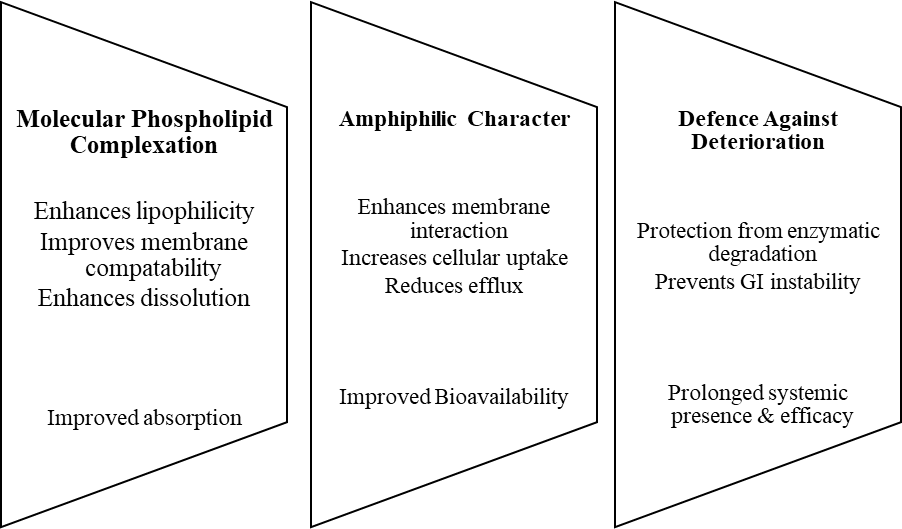
Figure 4: Structural aspects contributing to improved bioavailability of phytosomes 10
Table 1: Mechanism-based enhancement of bioavailability using phytosome formulations.
|
Phytoconstituent |
Phytosome Formulation |
Mechanism of improvement |
Bioavailability |
Reference |
|
Silybin (Milk thistle) |
Silybin phytosome |
Forms phospholipid complex → increases lipophilicity and membrane permeability |
~4–7fold increase in absorption |
11 |
|
Curcumin |
Curcumin phytosome |
Enhances solubility and protects from metabolic degradation |
Improved systemic availability |
12 |
|
Quercetin |
Quercetin phytosome |
Improves membrane interaction and reduces efflux |
Increased oral bioavailability |
13 |
|
Green tea Polyphenols |
EGCG phytosome |
Protects from GI degradation and enhances absorption |
Higher plasma concentration |
11 |
|
Ginkgo biloba extract |
Ginkgo phytosome |
Improves lipid compatibility and cellular uptake |
Enhanced therapeutic efficacy |
11 |
These examples demonstrate that phytosome formulations significantly enhance the absorption and therapeutic efficacy of phytoconstituents.
Benefits and Advantages of Phytosomal Drug Delivery Systems:
Phytosomal drug delivery systems have a number of benefits for enhancing the therapeutic potential of bioactive substances produced from plants, especially in the treatment of cancer. The improvement of poorly soluble phytoconstituents bioavailability is one of the biggest advantages. Although many natural flavonoids and polyphenols have potent pharmacological effects, they have modest absorption and poor membrane permeability. By creating a complex between the phytoconstituent and phospholipids, phytosomes get over this restriction and increase systemic absorption and therapeutic efficacy by improving lipid solubility and facilitating greater interaction with biological membranes 14. Phytosomes also demonstrate controlled and sustained drug release, which helps maintain therapeutic drug levels for longer periods. This controlled release behaviour can enhance pharmacological activity while reducing the frequency of dosing. Furthermore, phytosomal systems are generally biocompatible, biodegradable, and associated with low toxicity, making them safer alternatives compared to many synthetic drug delivery systems. Studies have also shown that phytosome-based formulations can significantly enhance the antiproliferative activity of plant polyphenols against cancer cell lines, indicating their potential in improving anticancer efficacy 4. Phytosomes are a promising nanocarrier system for the delivery of phytochemicals in cancer therapy because of their improved solubility, increased cellular uptake, targeted delivery, and decreased systemic toxicity.
Method of Preparation:
Phytosomes are formed through the complexation of natural phospholipids with bioactive phytoconstituents. In this process, the plant extract (substrate) is reacted with stoichiometric amounts of phospholipids, typically in an appropriate organic solvent system, resulting in the formation of a stable Phyto–phospholipid complex. The interaction between the phytoconstituent and the phospholipid occurs primarily through hydrogen bonding between the polar head groups of the phospholipid and the functional groups of the bioactive compound15. In the formulation of phytosomes, the therapeutic agents, carrier materials, and solvents are the key components. The selection of a standardized herbal extract or an active phytoconstituent is contingent upon its hydrophilicity or lipophilicity. Additionally, the choice of carrier phospholipid is determined by its chemical stability. The phospholipids that are frequently utilized include phosphatidylserine, phosphatidylcholine, and phosphatidylethanolamine. In the strategy of phospholipid complexation, the selection of solvent is contingent upon the solubility of both the herbal bioactive compounds and the phospholipids 16.
1. Solvent Evaporation Method:
The phytoconstituents and PC are integrated during a flask containing organic solvent in the solvent evaporation procedure. To achieve maximum drug entrapment within the phytosomes generated, this reaction mixture is maintained at an ideal temperature, typically 40°C, for a particular interval of one hour. Thin film Phytosomes are separated using 100 mesh sieves and kept in desiccators for the entire night 17.
2. Mechanical Dispersion Method:
Throughout the testing, the drug-containing aqueous phase comes into contact with lipids dissolved in organic solvents. The removal of the organic solvent under reduced pressure results in the formation of the Phyto-phospholipid complex. Recent methods for the synthesis of phospholipid involute include supercritical fluids (SCF), which include gas anti-solvent technique (GAS), compressed anti-solvent process (PCA), and supercritical anti-solvent method (SAS) 18.
3. Salting out technique:
An essential technique for preparing phytosomes involves dissolving PC and the plant extract in an appropriate organic solvent, followed by the addition of n-hexane until the extract-PC combination precipitates 19.
4. Lyophilization Method:
DSN was completely dissolved in DMSO using the lyophilization process. After adding the resultant DSN solution (2.5% weight/volume) to the solution of SPC dissolved in t-butyl alcohol (1.5% weight/volume), the mixture was stirred on a magnetic stirrer for three hours until a complex formed. Then, the complex was separated using lyophilization. The resulting DSN:SPC involute (yield 90.4%, weight/weight) was stored in a desiccator over P2O5 at 4°C until testing after the samples were abstracted from the freeze dryer. The impact of variable formulation elements, such as SPC, was evaluated culling development type technique (Lipoid® S100, Lipoid® S75, and Lipoid® S PC-3), drug phospholipid ratio (1:1, 1:2, and 1:4), and chemical co-solvent type (methanol, ethanol, chloroform, acetone, and TBA). Phytosome complexes are typically constructed using unconventional techniques. Modernistic herbal complexes are made by reacting natural or manufactured phospholipids with active ingredients or herbal extracts in acrostic organic solvents 20. Common stages in formulation of phytosomes. Various methods of preparation are as follows:
1. Anti-solvent precipitation process:
Twenty millilitres of organic solvents, like acetone, are used to reflux a certain quantity of phospholipids and herbal extract under experimental conditions below 50°C for two to three hours. To create precipitates, a low-polarity solvent, like n-hexane, is added while stirring the reaction mixture after it has been diluted to a minimum volume of 10 millilitres. The filtered precipitates are stored in desiccators. The involute powder is stored at room temperature in a dark amber glass bottle after the dry precipitates are ground up 21.
2. Rotary evaporation process:
In a round-bottom glass container, a specific weight of phospholipids and herbal extract was combined with 30 millilitres of water-miscible organic solvent, such as acetone, and stirred for two hours at a temperature of 50°C in a rota evaporator. After continuous swirling with a stirrer, antisolvents such as n-hexane are frequently added to the thin film. Phytosome precipitate is frequently kept in an amber-coloured glass container at a regulated temperature and humidity. Phospholipids that have been dissolved in ether are gradually added dropwise to a phytoconstituent solution that is going to be encapsulated. Following solvent abstraction, it causes cellular vesicles to develop, which leads to involute formation. Phytosome structure is dependent on concentration; amphiphiles in mono state are generated at lower concentrations, but different structures. When the concentration is increased, vesicles of various shapes, such as round, cylindrical, disc, cubic, or hexagonal, may also develop 22.
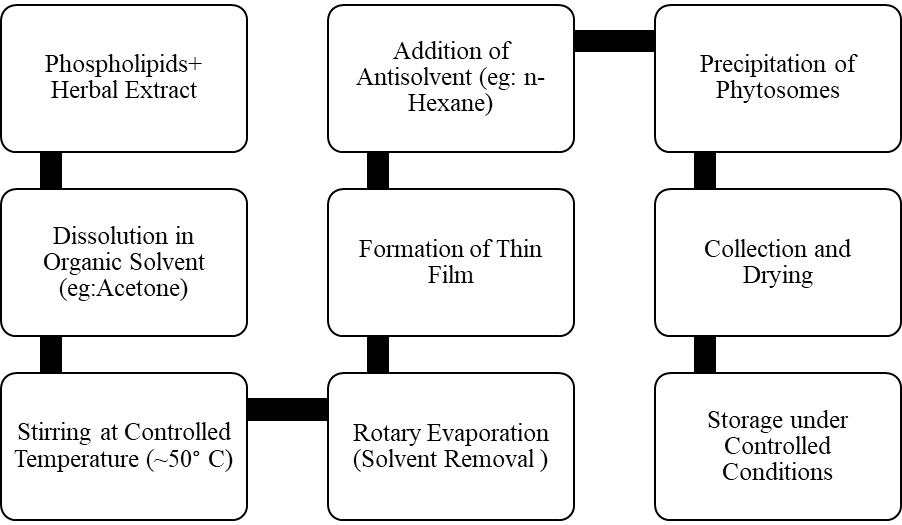
Figure 2: Flowchart illustrating the rotary evaporation method for the preparation of phytosomes22
Characterisation:
The particle size of phytosomes generally ranges from approximately 50 nm to several hundred nanometres, depending on the formulation and preparation method. Phytosomes are predominantly soluble in aprotic organic solvents and lipids, while exhibiting limited solubility in water 16. Several physicochemical parameters influence the functional performance of phytosomes in biological and physical systems. These include particle size, solubility characteristics, chemical composition, and the proportion of entrapped phytoconstituents. Based on these parameters, phytosomes can be classified according to specific formulation and structural criteria4.
Solubility and partition coefficient:
To characterize physical mixtures, it's essential to determine the P-value for n-octanol/water partition, as well as the solubility of Phyto phospholipid complexes and active components in organic solvents or water. Extracting components in organic solvents or water is crucial. Phytohospholipid complexes often show enhanced hydrophilicity and lipophilicity compared to their parent active components. Unlike embelin and its physical mixtures, embelin complexes demonstrate improved solubility in n-octanol and water, according to Rahila 23.
Particle size and zeta potential:
The dimensions of particles and their corresponding zeta potential represent critical and intricate characteristics that are intrinsically linked to the stability and reproducibility of the system. The standard particle dimensions of phospholipid complexes exhibited a range from 50 nm to 100 nm. The measurement of the particle size of the phytosomes was conducted utilizing Dynamic Light Scattering (employing the NANO ZS Malvern apparatus), while the zeta potential of the phytosomes was assessed through their electrophoretic mobility within an electric field 24.
Surface tension activity quantification:
One method for quantifying the surface activity of a solution involves the utilization of a Du Nouy ring tensiometer apparatus 25.
Fourier-Transform Infrared Spectroscopy (FT-IR):
was employed to elucidate the molecular interactions between the extract and phospholipids, utilizing the potassium bromide method (KBr) to procure the infrared spectra of the free extract, phospholipid, a composite of extract and phospholipid, as well as their phytosome complex. In order to fabricate KBr pellets, a sample was incorporated into KBr at a ratio of 1:100, and the resultant sample pellets were subjected to analysis within the spectral range of 4000 to 400 cm-126.
Entrapment efficiency:
It is determined through the application of the ultra-centrifugation technique. The equation provided below is employed to calculate the percentage of drug entrapment (%). By isolating the phytosomes utilizing appropriate solvent systems and subjecting them to centrifugation for either a brief or extended duration at an elevated rpm, the drug entrapment percentage can be ascertained. The supernatant is analysed for drug quantification either through UV–Visible spectroscopy or high-performance liquid chromatography (HPLC) techniques. The efficiency of drug entrapment can be computed utilizing Equation 27.
Drug entrapment (%) = Actual amount determined / Theoretical amount present.
Scanning Electron Microscopy (SEM):
The surface appearance, particle shape, and structural properties of phytosomal formulations are frequently assessed using scanning electron microscopy (SEM). In order to ascertain if the phytosomes have a smooth, spherical, porous, or aggregated surface structure, SEM examination offers high-resolution pictures. SEM is helpful in phytosomal systems for verifying phospholipid complex formation and analyzing surface homogeneity, which may affect drug release and stability. To enhance image quality and electron conductivity, samples are often dried and coated with a thin conductive layer, such as platinum or gold, before imaging. SEM is now a crucial characterization tool for evaluating the surface architecture and exterior morphology of nanocarrier systems28.
Transmission Electron Microscopy (TEM):
A sophisticated characterization method for examining the internal structure, vesicle shape, and particle size distribution of phytosomal formulations at the nanoscale level is transmission electron microscopy (TEM). Vesicular production and nanoscale dispersion may be confirmed thanks to TEM's comprehensive observation of phytosomes' size, shape, and structural integrity. The method is very helpful for determining spherical vesicles and assessing phytosomal system homogeneity. To improve image clarity in TEM examination, samples are typically stained with contrast chemicals like uranyl acetate or phosphotungstic acid. TEM is frequently used to validate successful phytosome synthesis and to characterize lipid-based nanocarrier systems because of its high resolution29.
Drug release:
The release profile established in vitro may function as a critical indicator of the effectiveness of the carrier in vivo; thus, the investigation of the drug release behaviour of vesicle carriers has garnered considerable scholarly attention in recent years. The most frequently employed traditional methodologies for determining the release rate of active compounds include continuous flow techniques, sample and separate approaches, in situ methodologies, and membrane diffusion techniques (dialysis, micro-dialysis, fractional dialysis, and reverse dialysis)4.
In vitro studies:
1. Cytotoxicity Evaluation:
The most widely used technique to analyse phytosomal compositions to cancer potential is in vitro cytotoxicity testing. Cell viability and IC50 values are frequently determined using standard assays including MTT, SRB, and Alamar Blue. Phytosomes have continuously shown lower IC50 values than their corresponding free phytoconstituents in numerous investigations, suggesting increased potency. For example, when compared to free tetrahydrocurcumin, tetrahydrocurcumin-loaded phytosomes had noticeably more lethal effects against oral squamous carcinoma cell lines, indicating better intracellular delivery and increased biological interaction. Comparing genistein-loaded surface-modified phytosomes to non-formulated genistein, the former demonstrated increased cytotoxicity in MCF-7 breast cancer cells. These results lend credence to the idea that phospholipid complexation enhances cellular drug availability and membrane permeability30.
2. Cellular Uptake and Internalization:
One of the main causes of phytosomes' higher activity is increased intracellular absorption. Compared to free medicines, phytosome formulations have been found to accumulate more intracellularly in confocal microscopy and flow cytometry examinations. Through receptor-mediated interactions, surface-modified genistein phytosomes showed enhanced cellular uptake, improving the therapeutic response. Phospholipid complex formation enhances membrane compatibility and permeability, according to reviews summarizing phytosome-based anticancer systems31.
3. Apoptosis Induction:
Apoptosis induction is a crucial mechanism driving phytosome-mediated anticancer action. Annexin V/PI staining and caspase activation tests have indicated that phytosomal formulations trigger programmed cell death more effectively than free phytochemicals. In oral cancer models, tetrahydrocurcumin phytosomes significantly boosted caspase-3 and caspase-9 activation and elevated the Bax/Bcl-2 ratio, confirming activation of the intrinsic apoptotic pathway. Similar apoptosis-enhancing effects have been found in other phytosome systems32.
4. Cell Cycle Arrest:
Cell cycle study employing flow cytometry has showed that phytosome-treated cancer cells commonly demonstrate arrest at certain phases such as G0/G1 or G2/M. This contributes to lower proliferation and tumor development capacity. Enhanced cell cycle arrest has been documented for phytosomal preparations of numerous phytochemicals, including curcumin and genistein, when compared with their free forms 33.
5. Anti-Migration and Anti- Invasion Activity:
Phytosomes have also proven the capacity to suppress cancer cell migration and invasion in vitro. Wound healing and transwell migration experiments have showed reduced metastatic potential following phytosome therapy. Downregulation of matrix metalloproteinases (MMP-2 and MMP-9), which play key roles in tumor metastasis, has been documented in phytosome-treated cancer cells. Such findings give mechanistic support for their possible function in limiting cancer progression34.
6. Correlation between Physiochemical Properties and Biological performance:
In vitro investigations commonly associate biological effects with physicochemical factors such as particle size, zeta potential, and entrapment efficiency. Optimized phytosomes (usually 100–300 nm with high encapsulation efficiency) exhibit increased stability and greater anticancer activity compared with poorly optimized systems. This highlights the importance of formulation design in determining therapeutic effectiveness16.
In Vivo Studies:
1. Tumor Growth Inhibition in Xenograft Models:
Phytosomal formulations have been shown in numerous preclinical investigations to significantly reduce tumor growth in animal models. When compared to free curcumin, oral administration of curcumin-phosphatidylcholine complex (Meriva®) in a murine mammary adenocarcinoma model significantly decreased lung metastasis and inhibited matrix metalloproteinase-9 (MMP-9) expression, suggesting improved systemic bioavailability and therapeutic activity. Comparing surface-modified genistein phytosomes to genistein suspension, Ehrlich ascites carcinoma models showed a notable decrease in tumor volume, indicating enhanced in vivo anticancer activity. These results imply that phytosome formulations improve tumor-targeted efficacy and systemic distribution35.
2. Enhancement of Chemotherapeutic Efficacy
Additionally, phytosomes have been studied as supplements to traditional chemotherapy. In xenograft studies, a bioavailable silybin phospholipid complex (IdB1016) showed improved anticancer efficacy in conjunction with cisplatin, exhibiting more tumor weight inhibition than cisplatin alone. Additionally, the combination therapy decreased systemic toxicity markers and increased tolerance, indicating that phytosomes may maximize the chemotherapeutic response while reducing side effects7.
3. Anti -Metastatic and Molecular Effects In Vivo
Phytosomal systems have been demonstrated to alter metastasis-related biomarkers in vivo in addition to decreasing tumor volume. MMP-9 expression in lung metastatic nodules was markedly downregulated by curcumin phytosomes, which was associated with less metastatic spread in treated mice. Apoptosis-related protein modification and pro-survival pathway inhibition in tumor tissues after phytosome treatment are also reported in reviews that summarize several phytosome-based anticancer models. The increased anticancer activity seen in animal studies is mechanistically supported by these molecular discoveries36.
4. Pharmacokinetic Improvement and Bioavailability
Enhanced oral bioavailability is one of the main benefits of phytosomal systems. The translational applicability of phytosome technology is supported by clinical pharmacokinetic investigations on silibinin-phytosome formulations, which demonstrate a markedly higher plasma concentration when compared to standard extracts. The improved antitumor results shown in preclinical cancer models are probably a result of improved systemic exposure32.
Clinical Studies and Safety of Phytosomes
Pharmacokinetic enhancement, acceptability, and systemic safety in human subjects have been the main focus of clinical studies with phytosomal preparations. The majority of clinical research that is currently accessible uses phytosome formulations containing silybin, curcumin, and quercetin; these formulations have consistently shown enhanced oral bioavailability without raising serious safety issues. Table 2 provides a summary of the main clinical data demonstrating safety and translational application.
Table 2.: Summary of clinical studies evaluating phytosomal formulations37.
|
Phytoconstituent
|
Study Type |
Population |
Key Pharmacokinetic Finding |
Safety Outcome |
|
Quercetin phytosome |
Human pharmacokinetic study |
Healthy volunteers |
Significantly increased plasma concentration compared to unformulated quercetin |
No serious adverse events reported |
|
Curcumin phytosome |
Clinical trials (multiple conditions) |
Human subjects
|
Improved systemic exposure compared to conventional curcumin |
Mild gastrointestinal discomfort in some cases |
|
Silybin phytosome |
Phase I clinical trial |
Prostate cancer patients |
High-dose administration feasible with measurable plasma levels |
No dose-limiting toxicities observed |
|
Silybin phytosome (pre-prostatectomy) |
Clinical pharmacokinetic study |
Localized prostate cancer patients |
Detectable tissue and plasma levels |
Well tolerated |
When taken as a whole, these clinical investigations show that delivery strategies based on phytosomes greatly increase systemic bioavailability while preserving acceptable safety profiles. The majority of mild side events and the lack of dose-limiting toxicities indicate that phospholipid complexation enhances therapeutic exposure without increasing systemic risk. The proven safety foundation supports additional large-scale therapeutic trials, despite the fact that the majority of clinical investigations have concentrated on pharmacokinetics rather than direct anticancer efficacy objectives. The translational relevance of phytosomal formulations in terms of clinical safety validation is summarized in Figure 3.
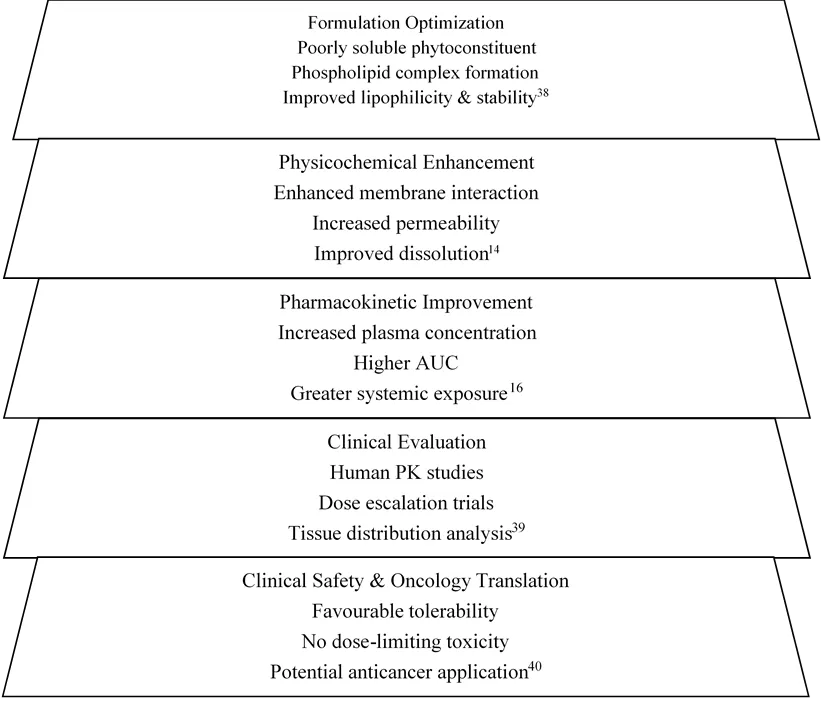
Figure 2:Conceptual translational funnel model illustrating the progression of phytosomal formulations from formulation optimization to clinical safety validation and potential application in oncology
Future Prospects of Phytosomal Drug Delivery Systems:
Even though phytosome-based drug delivery systems have made great strides, further study is required to completely integrate these nanocarriers into clinical settings. Future research should concentrate on refining formulation techniques to improve phytosomal complex stability, scalability, and reproducibility. Targeted phytosomal delivery systems and ligand-mediated targeting are examples of advanced nanotechnology techniques that may enhance the selective accumulation of phytochemicals in tumor tissues while reducing damage to healthy cells. Furthermore, phytosome integration with other nanocarrier platforms and combination therapies may improve therapeutic efficacy against many cancer types. Conducting carefully planned clinical trials to assess the long-term safety, pharmacokinetics, and therapeutic results of phytosomal preparations in humans is another crucial future goal. Additionally, investigating new phytoconstituents and refining their phospholipid complexation could increase the potential uses of phytosomes in oncology and other therapeutic domains. It is anticipated that further developments in drug delivery and nanomedicine would facilitate the creation of more effective phytosomal formulations for better cancer treatment 41.
CONCLUSION:
A promising lipid-based nanocarrier strategy for enhancing the therapeutic efficacy of plant-derived polyphenols in cancer treatment is phytosome technology. Although many naturally occurring anticancer phytochemicals have substantial pharmacological potential, poor solubility, low bioavailability, fast metabolism, and insufficient absorption frequently restrict their therapeutic use. By increasing membrane permeability, boosting physicochemical stability, and promoting improved systemic absorption, the creation of phospholipid–phytoconstituent complexes in phytosomes successfully gets around these restrictions. When compared to traditional phytochemical preparations, phytosomal formulations can dramatically increase cellular absorption, induce apoptosis, suppress tumor growth, and improve pharmacokinetic profiles, according to data from several in vitro and in vivo studies. Additionally, enhanced plasma concentration and positive safety profiles for a number of phytosomal formulations have been shown in clinical investigations, which supports their translational potential. All things considered, phytosomes are a useful tactic for improving the therapeutic efficacy and delivery of anticancer polyphenols. To fully realize the potential of phytosomal drug delivery systems in contemporary oncology, further developments in formulation design, extensive clinical evaluation, and regulatory standardization will be necessary.
REFERENCES

Sonali Devne*, Ankita Shinde, Vedika Patil, Rutuja Kendre, Diksha Dorsinge, Suraj Giri, Phytosomes: An Emerging Lipid-Based Nanocarrier for Enhancing the Bioavailability of Anticancer Polyphenols, Int. J. Med. Pharm. Sci., 2026, 2 (8), 430-442. https://doi.org/10.5281/zenodo.21882435
 10.5281/zenodo.21882435