1Research Scholar, Career Point School of Pharmacy, Career Point University, Kota 2Professor, Career Point School of Pharmacy, Career Point University, Kota
Type 2 Diabetes Mellitus (T2DM) is a progressive metabolic disorder requiring long-term pharmacotherapy. Sodium–glucose co-transporter 2 (SGLT2) inhibitors represent a modern therapeutic class that improves glycemic control through renal glucose excretion. Empagliflozin is a highly selective SGLT2 inhibitor with proven cardiovascular and renal benefits; however, its conventional oral delivery is associated with limitations such as variable pharmacokinetics, frequent dosing, and suboptimal patient adherence. Microsphere-based drug delivery systems have emerged as a promising approach to overcome these challenges by providing controlled and sustained drug release. Microspheres prepared using biodegradable polymers such as PLGA, ethyl cellulose, and chitosan enhance drug encapsulation, stability, and bioavailability while minimizing dosing frequency and adverse effects. This review discusses the formulation strategies, evaluation parameters, release mechanisms, advantages, limitations, and future prospects of empagliflozin-loaded microspheres in improving diabetes management.
Keywords
Empagliflozin, SGLT2 inhibitors, microspheres, controlled release, Type 2 Diabetes Mellitus, drug delivery systems.
Introduction
×
Microsphere Drug Delivery System
Introduction
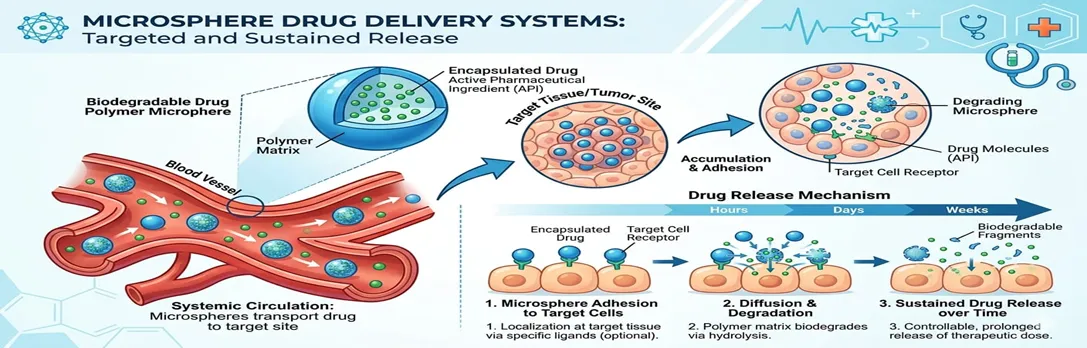
A Microsphere Drug Delivery System (MDDS) is a controlled drug delivery technology in which drugs are enclosed, dispersed, or adsorbed within tiny spherical particles called microspheres, typically ranging from 1–1000 micrometers (µm) in diameter. These microspheres are made from biodegradable or non-biodegradable polymers and are designed to improve the therapeutic effectiveness of drugs (1).
Figure: Microsphere Drug Delivery System
Advantages of Microspheres Over Other Drug Delivery Systems
Feature
Microspheres
Other Systems
Controlled drug release
Excellent
Limited in conventional dosage forms
Drug targeting
Possible
Not available in most conventional forms
Reduction of side effects
Significant
Less effective
Drug stability
Enhanced
Often lower
Patient compliance
Better due to reduced dosing
Frequent administration required
Versatility
Suitable for multiple routes
Usually route-specific
SGLT2 Inhibitor Empagliflozin
Introduction
Diabetes mellitus is a chronic metabolic disorder characterized by persistent hyperglycemia resulting from defects in insulin secretion, insulin action, or both. Type 2 diabetes mellitus (T2DM) is the most prevalent form of diabetes and is associated with significant morbidity and mortality due to its microvascular and macrovascular complications (2). Effective glycemic control is essential to prevent disease progression and improve patient outcomes.
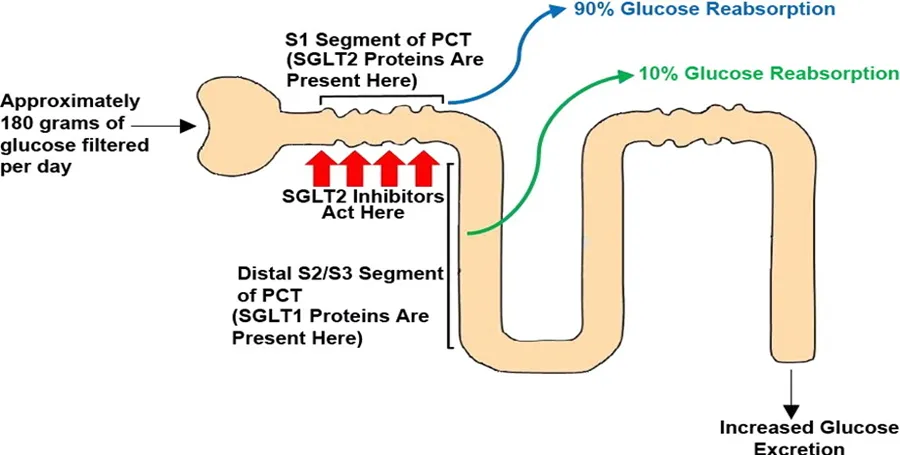
Empagliflozin is a selective sodium-glucose co-transporter 2 (SGLT2) inhibitor widely used in the management of Type 2 diabetes mellitus. It lowers blood glucose levels by inhibiting glucose reabsorption in the proximal renal tubules, thereby promoting urinary glucose excretion (3). In addition to its antihyperglycemic activity, empagliflozin has demonstrated cardiovascular and renal protective effects, making it a valuable therapeutic option for diabetic patients. However, conventional oral administration may be associated with fluctuations in plasma drug concentration and may require frequent dosing to maintain therapeutic efficacy (4). Novel drug delivery systems such as microspheres have gained considerable attention for their ability to provide controlled and sustained drug release. Microspheres are free-flowing spherical particles, typically ranging from 1 to 1000 µm in diameter, composed of biodegradable or non-biodegradable polymers. These systems can encapsulate therapeutic agents and release them in a controlled manner over an extended period, thereby improving drug bioavailability, reducing dosing frequency, minimizing side effects, and enhancing patient compliance (5). The development of an empagliflozin-loaded microsphere drug delivery system offers a promising approach to optimize the therapeutic performance of the drug. By incorporating empagliflozin into polymeric microspheres, it is possible to achieve sustained release, maintain effective plasma concentrations, and improve overall treatment outcomes. Various preparation techniques, including solvent evaporation, emulsion cross-linking, and spray drying, can be employed to formulate microspheres with desired physicochemical characteristics and release profiles. Therefore, the present study focuses on the formulation, characterization, and evaluation of empagliflozin-loaded microspheres as a controlled drug delivery system. The objective is to enhance the therapeutic efficacy of empagliflozin while improving patient adherence through sustained and targeted drug release (6).
Empagliflozin is a selective Sodium–Glucose Co-Transporter 2 (SGLT2) inhibitor used for the treatment of Type 2 Diabetes Mellitus (T2DM) by promoting urinary glucose excretion.
It works by inhibiting glucose reabsorption in the proximal renal tubules, leading to reduced blood glucose levels independent of insulin action.
Although effective, empagliflozin has limitations such as short half-life, daily dosing requirement, and variable plasma concentration, which may affect long-term glycemic control.
Conventional oral dosage forms may result in fluctuating drug levels, potentially reducing therapeutic efficiency and patient compliance.
To overcome these limitations, novel drug delivery systems have been explored, among which microsphere-based controlled release systems are gaining attention.
Microspheres are polymeric spherical carriers (1–1000 µm) designed to encapsulate drugs and provide sustained and controlled drug release over an extended period.
These systems help in improving bioavailability, reducing dosing frequency, and maintaining stable plasma drug concentrations.
Microsphere formulations can be prepared using biodegradable and biocompatible polymers such as PLGA, PLA, chitosan, and alginate, ensuring safety and controlled degradation.
The encapsulation of empagliflozin into microspheres is expected to minimize peak-trough fluctuations, thereby enhancing therapeutic efficacy and reducing side effects.
This approach also aims to improve patient adherence, especially in chronic conditions like diabetes that require long-term therapy.
Hence, microsphere-based drug delivery systems represent a promising strategy for the sustained and efficient delivery of empagliflozin in diabetes management (7).
LITERATURE REVIEW
International Scientists
1. Paul Ehrlich (Germany)
In 1906, Ehrlich introduced the concept of the "Magic Bullet," proposing that drugs could be selectively delivered to diseased tissues without affecting healthy cells.
This concept became the foundation of modern targeted drug delivery systems, including microspheres (8).
2. Daniel W. Pack (USA)
Conducted extensive research on polymeric microspheres for controlled drug release.
Demonstrated the ability of microspheres to encapsulate proteins, vaccines, and therapeutic agents for prolonged release (9).
3. Neelesh K. Varde (USA/India)
Co-authored a landmark review discussing fabrication techniques and release kinetics of microspheres.
Highlighted microspheres as ideal vehicles for controlled drug delivery (10).
4. Pradeep R. Vavia (India, internationally recognized)
Investigated organ-targeted microsphere systems for delivery to lungs, liver, brain, bone, colon, and ocular tissues.
Emphasized polymer selection and surface modification for site-specific drug delivery.
5. Robert Langer (USA)
Developed numerous biodegradable polymer-based drug delivery technologies.
His work significantly influenced microsphere and controlled-release formulations used today.
André J. Scheen (Belgium)
Discussed absorption, distribution, metabolism, and elimination of empagliflozin. Highlighted the need for controlled-release systems to improve therapeutic outcomes.Provided pharmacokinetic data useful for microsphere formulation development(10).
Martin C. Michel, Eric Mayoux, and Volker Vallon (Germany)
Explained the mechanism of SGLT2 inhibition. Discussed dose-response relationships. Provided scientific rationale for sustained-release microsphere formulations (11).
Ankita N. Yawalkar, Manoj A. Pawar, and Pradeep R. Vavia (India/International Collaboration)
Described microspheres as effective carriers for controlled drug release. Discussed polymer selection, encapsulation methods, and targeting strategies. Their findings are directly applicable to empagliflozin-loaded microsphere development (12).
John R. White Jr. (USA)
Reviewed clinical efficacy and safety of empagliflozin. Suggested advanced formulations to improve patient adherence and therapeutic efficacy (13).
Contributions of Indian Scientists
1. Narendra K. Jain
Developed mucoadhesive microspheres for colon-specific drug delivery.Contributed significantly to targeted and controlled-release microsphere research.
2. Yoshiharu Kawashima
Although international, his work is frequently cited by Indian researchers.Developed hollow microspheres (microballoons) for gastroretentive drug delivery systems.
3. Manoj A. Pawar
Investigated recent applications of microspheres in targeted drug delivery.Focused on biodegradable polymers and organ-specific targeting.
4. Manoj Kumar Das
Reported the advantages of microspheres in improving therapeutic efficacy and reducing systemic toxicity. Emphasized controlled-release applications.
5. Abdul Baquee Ahmed
Contributed to the understanding of microsphere preparation methods and pharmaceutical applications.
Manoj Kumar Das, Abdul Baquee Ahmed, and Dipankar Saha
Discussed microsphere preparation techniques: Solvent evaporation, Emulsion cross-linking, Spray drying. Highlighted controlled-release applications for oral antidiabetic drugs such as empagliflozin (14).
7. Manisha M. Mahale and R. B. Saudagar
Categorized microspheres into: Bioadhesive microspheres, Floating microspheres, Magnetic microspheres, Polymeric microspheres. Reported advantages in improving drug bioavailability and sustained release (15).
Other Literature Review
Harris DD, et al (2024) investigated the effects of canagliflozin therapy on metabolic pathways and inflammation in ischemic myocardial tissue using a swine model of chronic myocardial ischemia. (16)
Harris DD, et al (2024) elucidated the mechanism of sodium-glucose cotransporter-2 inhibitors in patients with cardiac disease. (17)
Shaikh MA, et al (2023) performed the research on the efficacy of drug delivery systems based on alginate for transporting oral hypoglycemic medicines, phytochemicals, and insulin for treating hyperglycemia. (18)
Spigoni, V., et al (2020) tested the effects of SGLT2i on inflammation and oxidant stress in a model of stearic acid (SA)-induced lipotoxicity in MAC and on PLT activation. (19)
Szekalska M, et al (2016) prepared alginate microspheres with metformin hydrochloride by the spray drying method in order to improve residence time of drug in the stomach. (20)
Gap analysis
Despite significant advances in SGLT2 inhibitor research and microsphere technology, several critical knowledge gaps persist that warrant further investigation:
Polymer-Drug Interaction Mechanisms
The fundamental understanding of interactions between SGLT2 inhibitors and various polymeric carriers remains incomplete. Specifically:
The molecular-level interactions affecting drug encapsulation efficiency are not fully elucidated
The impact of polymer chemistry on drug stability within microspheres needs deeper exploration
The influence of polymer degradation patterns on drug release kinetics requires better understanding
Optimization of Process Parameters
Current literature lacks comprehensive studies on:
The relationship between critical process parameters and microsphere characteristics
The effect of various preparation conditions on drug distribution within microspheres
Scalability considerations for transitioning from laboratory to industrial production
Standardization of preparation methods for consistent batch-to-batch quality
In Vivo Performance Correlation
Significant gaps exist in correlating in vitro characteristics with in vivo performance:
Limited understanding of the relationship between microsphere size distribution and biodistribution
Insufficient data on the impact of polymer selection on in vivo drug release patterns
Lack of validated in vitro-in vivo correlation (IVIVC) models specific to SGLT2 inhibitor microspheres
Limited data on the impact of storage conditions on microsphere physical properties
Insufficient understanding of drug-polymer stability during extended storage
Lack of standardized stability assessment protocols specific to SGLT2 inhibitor microspheres
Advanced Characterization Needs Several areas require more sophisticated characterization approaches:
Real-time monitoring of drug release mechanisms under physiological conditions
Advanced imaging techniques for studying internal morphology and drug distribution
Comprehensive understanding of surface chemistry modifications during drug release
Biodegradation Patterns Limited information exists regarding:
The influence of physiological conditions on polymer degradation kinetics
The impact of degradation products on drug stability and efficacy
The relationship between polymer degradation and drug release patterns
Manufacturing Scale-up Challenges Knowledge gaps in scale-up processes include:
Limited understanding of critical quality attributes during scale-up
Insufficient data on process parameter adjustments for larger batch sizes
Lack of validated analytical methods for large-scale production
Patient-Specific Considerations Research gaps exist in understanding:
The impact of patient physiological variables on microsphere performance
Population-specific variations in drug release and absorption patterns
The influence of concurrent medications on microsphere behavior
These knowledge gaps present significant opportunities for research advancement in the field of SGLT2 inhibitor microsphere formulation. Addressing these gaps will be crucial for developing more effective and reliable drug delivery systems.
OBJECTIVES
To formulate SGLT2 inhibitor-loaded microspheres using various biodegradable polymers and to evaluate the influence of polymer type on drug encapsulation, release behavior, and microsphere characteristics.
To formulate SGLT2 inhibitor-loaded microspheres using different biodegradable polymers and preparation techniques.
To optimize process parameters for maximum drug loading and encapsulation efficiency.
To characterize the physicochemical properties of the developed microspheres.
To evaluate in vitro drug release patterns and establish release kinetics.
To assess the stability of the optimized formulation under various storage conditions.
Research methodology
Pre-formulation Studies
Drug-excipient compatibility studies using FTIR and DSC
Solubility profiling of the SGLT2 inhibitor
Screening and selection of appropriate polymers based on compatibility, solubility, and encapsulation potential.
Development of analytical methods for drug quantification
Formulation Development
Preparation of microspheres using different polymers and techniques including: Solvent evaporation method, Spray drying and phase separation
Optimization using Design of Experiments (DoE)
Investigation of critical process parameters
Characterization Studies
Particle size analysis using laser diffraction
Surface morphology evaluation using SEM
Drug content and encapsulation efficiency determination
Zeta potential measurements
X-ray diffraction studies
Thermal analysis
In Vitro Evaluation
Dissolution studies under various pH conditions
Drug release kinetics modeling
Mucoadhesion studies
Swelling index determination
Stability Assessment
Accelerated stability studies
Real-time stability testing
Chemical stability evaluation
Physical stability assessment
IMPORTANCE
Expected Outputs
Optimized Microsphere Formulation: Development of a stable microsphere formulation of SGLT2 inhibitors using biocompatible polymers (e.g., PLGA, sodium alginate) with high encapsulation efficiency and desired particle size.
Physicochemical and Morphological Characterization: Comprehensive characterization of the microspheres, including size, shape, surface morphology, drug loading, and encapsulation efficiency.
Controlled Drug Release Profile: Achievement of a sustained and predictable drug release profile, suitable for once-daily or extended dosing intervals.
In Vitro Evaluation Data: Data on drug release kinetics, diffusion mechanisms, and stability of the formulation under simulated physiological conditions.
Preclinical Insights: Preliminary data from in vivo studies, including pharmacokinetics, bioavailability, and efficacy in animal models.
Safety and Biocompatibility: Assessment of ocular or systemic toxicity, biocompatibility of the polymers used, and absence of adverse effects.
Expected Outcomes
Improved Patient Compliance: A microsphere formulation that reduces dosing frequency, potentially improving adherence to the treatment regimen for patients with type 2 diabetes mellitus.
Enhanced Therapeutic Efficacy: Improved bioavailability and sustained therapeutic plasma concentrations of SGLT2 inhibitors, leading to better glycemic control and reduced risk of complications.
Reduction in Side Effects: Minimized gastrointestinal and other side effects through controlled drug release and reduced peak plasma concentrations.
Innovative Drug Delivery Platform: Establishment of a novel drug delivery system that can be adapted for other antidiabetic agents or drugs with similar pharmacokinetic challenges.
Commercial and Clinical Viability: A scalable and cost-effective microsphere formulation with potential for future clinical trials and commercialization.
Scientific Contributions: Publication of findings in peer-reviewed journals and contribution to the body of knowledge in advanced drug delivery systems and diabetes management.
Evaluation of the impact of polymer type on microsphere performance, contributing data to the selection of ideal carriers for SGLT2 inhibitors.
Foundation for Future Research: Development of a research framework for further optimization and evaluation of microsphere-based drug delivery for other therapeutic applications.
CONCLUSION
The microsphere drug delivery system represents a promising approach for enhancing the therapeutic performance of Empagliflozin, a selective SGLT2 inhibitor used in the management of Type 2 diabetes mellitus, heart failure, and chronic kidney disease. Microspheres are capable of providing controlled and sustained drug release, improving bioavailability, reducing dosing frequency, minimizing fluctuations in plasma drug concentration, and enhancing patient compliance. Their ability to encapsulate drugs within biodegradable polymeric matrices makes them suitable carriers for long-term oral drug delivery. Studies by scientists such as Paul Ehrlich, Yoshiaki Kawashima, Maria Jose Alonso, Pradeep R. Vavia, and Narendra K. Jain have established the scientific foundation for microsphere-based controlled and targeted drug delivery systems. Their contributions demonstrate that microspheres can improve therapeutic efficacy while reducing adverse effects through site-specific and sustained drug release. For Empagliflozin, the incorporation of polymers such as ethyl cellulose, chitosan, sodium alginate, PLGA, and Eudragit can potentially produce sustained-release microspheres with high entrapment efficiency and desirable release kinetics. Such formulations may overcome limitations associated with conventional dosage forms by maintaining therapeutic drug concentrations for prolonged periods and reducing the need for frequent administration. Although research on Empagliflozin-loaded microspheres remains limited compared with other antidiabetic drug delivery systems, the available evidence suggests significant potential for future development. Further investigations involving formulation optimization, in-vitro release studies, pharmacokinetic evaluation, stability assessment, and clinical validation are required to establish their therapeutic superiority and commercial feasibility. Overall, microsphere-based delivery of Empagliflozin offers a valuable and innovative strategy for achieving sustained, effective, and patient-friendly diabetes therapy.
REFERENCES
Hossain MJ, Al‐Mamun M, Islam MR. Diabetes mellitus, the fastest growing global public health concern: Early detection should be focused. Health Science Reports. 2024 Mar;7(3):e2004.
Tomic D, Shaw JE, Magliano DJ. The burden and risks of emerging complications of diabetes mellitus. Nature Reviews Endocrinology. 2022 Sep;18(9):525-39.
Hoogeveen EK. The epidemiology of diabetic kidney disease. Kidney and Dialysis. 2022 Aug 1;2(3):433-42.
Reutens AT, Prentice L, Atkins RC. The epidemiology of diabetic kidney disease. The epidemiology of diabetes mellitus. 2008 Sep 19:499-517.
Koye DN, Magliano DJ, Nelson RG, Pavkov ME. The global epidemiology of diabetes and kidney disease. Advances in chronic kidney disease. 2018 Mar 1;25(2):121-32.
Thomas MC, Brownlee M, Susztak K, Sharma K, Jandeleit-Dahm KA, Zoungas S, Rossing P, Groop PH, Cooper ME. Diabetic kidney disease. Nature reviews Disease primers. 2015 Jul 30;1(1):1-20.
Gheith O, Farouk N, Nampoory N, Halim MA, Al-Otaibi T. Diabetic kidney disease: world-wide difference of prevalence and risk factors. Journal of nephropharmacology. 2015 Oct 9;5(1):49.
Sir Paul Ehrlich. Concept of the “Magic Bullet” and targeted drug delivery systems. Historical foundation of targeted therapy.
Varde NK, Pack DW. Microspheres for controlled release drug delivery. Expert Opinion on Biological Therapy. 2004;4(1):35–51. doi:10.1517/14712598.4.1.35.
Scheen AJ. Pharmacokinetic and Pharmacodynamic Profile of Empagliflozin, a Sodium Glucose Co-Transporter 2 Inhibitor. Clinical Pharmacokinetics. 2014;53(3):213–225.
Michel MC, Mayoux E, Vallon V. A Comprehensive Review of the Pharmacodynamics of the SGLT2 Inhibitor Empagliflozin in Animals and Humans. Naunyn-Schmiedeberg's Archives of Pharmacology. 2015;388(8):801–816.
Yawalkar AN, Pawar MA, Vavia PR. Microspheres for Targeted Drug Delivery – A Review on Recent Applications. Journal of Drug Delivery Science and Technology. 2022; 75:103659.
White JR. Empagliflozin, an SGLT2 Inhibitor for the Treatment of Type 2 Diabetes Mellitus: A Review of the Evidence. Annals of Pharmacotherapy. 2015;49(5):582–598.
Das MK, Ahmed AB, Saha D. Microsphere: A Drug Delivery System – A Review. International Journal of Current Pharmaceutical Research. 2019;11(4):34–42.
Mahale MM, Saudagar RB. Microsphere: A Review. Journal of Drug Delivery and Therapeutics. 2019;9(3):854–856.
Harris DD, Sabe SA, Xu CM, Sabra M, Broadwin M, Malhotra A, Li JW, Abid MR, Sellke FW. Sodium-glucose co-transporter 2 inhibitor canagliflozin modulates myocardial metabolism and inflammation in a swine model for chronic myocardial ischemia. Surgery. 2024 Feb 1;175(2):265-70.
Harris DD, Broadwin M, Sabe SA, Stone C, Kanuparthy M, Nho JW, Bellam K, Banerjee D, Abid MR, Sellke FW. Effects of Diet-induced Metabolic Syndrome on Cardiac Function and Angiogenesis in Response to Sodium-glucose Cotransporter-2 Inhibitor Canagliflozin. The Journal of Thoracic and Cardiovascular Surgery. 2024 Jun 13.
Shaikh MA, Gupta G, Afzal O, Gupta MM, Goyal A, Altamimi AS, Alzarea SI, Almalki WH, Kazmi I, Negi P, Singh SK. Sodium alginate-based drug delivery for diabetes management: A review. International journal of biological macromolecules. 2023 May 1; 236:123986.
Spigoni, V., Fantuzzi, F., Carubbi, C., Pozzi, G., Masselli, E., Gobbi, G., Solini, A., Bonadonna, R.C. and Dei Cas, A., 2020. Sodium-glucose cotransporter 2 inhibitors antagonize lipotoxicity in human myeloid angiogenic cells and ADP-dependent activation in human platelets: potential relevance to prevention of cardiovascular events. Cardiovascular diabetology, 19, pp.1-15.
Szekalska M, Wróblewska M, Sosnowska K, Winnicka K. Influence of sodium alginate on hypoglycemic activity of metformin hydrochloride in the microspheres obtained by the spray drying. International Journal of Polymer Science. 2016;2016(1):8635408.
Reference
Hossain MJ, Al‐Mamun M, Islam MR. Diabetes mellitus, the fastest growing global public health concern: Early detection should be focused. Health Science Reports. 2024 Mar;7(3):e2004.
Tomic D, Shaw JE, Magliano DJ. The burden and risks of emerging complications of diabetes mellitus. Nature Reviews Endocrinology. 2022 Sep;18(9):525-39.
Hoogeveen EK. The epidemiology of diabetic kidney disease. Kidney and Dialysis. 2022 Aug 1;2(3):433-42.
Reutens AT, Prentice L, Atkins RC. The epidemiology of diabetic kidney disease. The epidemiology of diabetes mellitus. 2008 Sep 19:499-517.
Koye DN, Magliano DJ, Nelson RG, Pavkov ME. The global epidemiology of diabetes and kidney disease. Advances in chronic kidney disease. 2018 Mar 1;25(2):121-32.
Thomas MC, Brownlee M, Susztak K, Sharma K, Jandeleit-Dahm KA, Zoungas S, Rossing P, Groop PH, Cooper ME. Diabetic kidney disease. Nature reviews Disease primers. 2015 Jul 30;1(1):1-20.
Gheith O, Farouk N, Nampoory N, Halim MA, Al-Otaibi T. Diabetic kidney disease: world-wide difference of prevalence and risk factors. Journal of nephropharmacology. 2015 Oct 9;5(1):49.
Sir Paul Ehrlich. Concept of the “Magic Bullet” and targeted drug delivery systems. Historical foundation of targeted therapy.
Varde NK, Pack DW. Microspheres for controlled release drug delivery. Expert Opinion on Biological Therapy. 2004;4(1):35–51. doi:10.1517/14712598.4.1.35.
Scheen AJ. Pharmacokinetic and Pharmacodynamic Profile of Empagliflozin, a Sodium Glucose Co-Transporter 2 Inhibitor. Clinical Pharmacokinetics. 2014;53(3):213–225.
Michel MC, Mayoux E, Vallon V. A Comprehensive Review of the Pharmacodynamics of the SGLT2 Inhibitor Empagliflozin in Animals and Humans. Naunyn-Schmiedeberg's Archives of Pharmacology. 2015;388(8):801–816.
Yawalkar AN, Pawar MA, Vavia PR. Microspheres for Targeted Drug Delivery – A Review on Recent Applications. Journal of Drug Delivery Science and Technology. 2022; 75:103659.
White JR. Empagliflozin, an SGLT2 Inhibitor for the Treatment of Type 2 Diabetes Mellitus: A Review of the Evidence. Annals of Pharmacotherapy. 2015;49(5):582–598.
Das MK, Ahmed AB, Saha D. Microsphere: A Drug Delivery System – A Review. International Journal of Current Pharmaceutical Research. 2019;11(4):34–42.
Mahale MM, Saudagar RB. Microsphere: A Review. Journal of Drug Delivery and Therapeutics. 2019;9(3):854–856.
Harris DD, Sabe SA, Xu CM, Sabra M, Broadwin M, Malhotra A, Li JW, Abid MR, Sellke FW. Sodium-glucose co-transporter 2 inhibitor canagliflozin modulates myocardial metabolism and inflammation in a swine model for chronic myocardial ischemia. Surgery. 2024 Feb 1;175(2):265-70.
Harris DD, Broadwin M, Sabe SA, Stone C, Kanuparthy M, Nho JW, Bellam K, Banerjee D, Abid MR, Sellke FW. Effects of Diet-induced Metabolic Syndrome on Cardiac Function and Angiogenesis in Response to Sodium-glucose Cotransporter-2 Inhibitor Canagliflozin. The Journal of Thoracic and Cardiovascular Surgery. 2024 Jun 13.
Shaikh MA, Gupta G, Afzal O, Gupta MM, Goyal A, Altamimi AS, Alzarea SI, Almalki WH, Kazmi I, Negi P, Singh SK. Sodium alginate-based drug delivery for diabetes management: A review. International journal of biological macromolecules. 2023 May 1; 236:123986.
Spigoni, V., Fantuzzi, F., Carubbi, C., Pozzi, G., Masselli, E., Gobbi, G., Solini, A., Bonadonna, R.C. and Dei Cas, A., 2020. Sodium-glucose cotransporter 2 inhibitors antagonize lipotoxicity in human myeloid angiogenic cells and ADP-dependent activation in human platelets: potential relevance to prevention of cardiovascular events. Cardiovascular diabetology, 19, pp.1-15.
Szekalska M, Wróblewska M, Sosnowska K, Winnicka K. Influence of sodium alginate on hypoglycemic activity of metformin hydrochloride in the microspheres obtained by the spray drying. International Journal of Polymer Science. 2016;2016(1):8635408.
Shailesh Kumar
Corresponding author
Research Scholar, Career Point School of Pharmacy, Career Point University, Kota
Alok Kumar
Co-author
Research Scholar, Career Point School of Pharmacy, Career Point University, Kota
Avinash Shah
Co-author
Professor, Career Point School of Pharmacy, Career Point University, Kota
Shailesh Kumar*, Alok Kumar, Avinash Shah, A Review on Microsphere Drug Delivery Systems of Sodium–Glucose Co-Transporter 2 Inhibitor Empagliflozin, Int. J. Med. Pharm. Sci., 2026, 2 (6), 289-297. https://doi.org/10.5281/zenodo.20735329





 10.5281/zenodo.20735329