
We use cookies to ensure our website works properly and to personalise your experience. Cookies policy
1Dept of Quality Assurance Rajarshi Shahu College of Pharmacy, Buldhana, Dist-Buldana, M.S., India 443001
2Indira school of Business Management, Pune, M.S., India
The application of artificial intelligence (AI) in pharmaceutical technology has notably increased, providing chances to conserve time and resources while improving comprehension of the correlations between formulations and process factors. Artificial Intelligence, a branch of computer science, concentrates on developing intelligent computers proficient in symbolic reasoning and problem-solving. Its applications encompass business, medicine, and engineering; in the pharmaceutical sector, AI has revolutionized drug discovery, development, target identification, manufacturing processes, dose design, clinical trial optimization, and personalized medicine. This article emphasizes the function of AI in the creation of innovative peptides from natural sources, the management of rare diseases, the enhancement of drug adherence, and the prediction of new therapies. It examines factory execution systems, automated control processes, and the incorporation of AI-driven models in pharmaceutical workflows. Notwithstanding its potential, problems including data quality, regulatory compliance, ethical considerations, and integration with existing systems must be resolved for successful use. This review highlights the significance of artificial neural networks, AI-driven medication discovery, drug repurposing, and research integration in the progression of pharmaceutical science.
A subject of computer science known as artificial intelligence (AI) concentrates on employing symbolic programming to address issues. It has evolved into a problem-solving discipline with extensive applications in business, medicine, and engineering. [1] The primary objective of this AI is to identify practical information processing challenges and offer a conceptual framework for their resolution.
A theorem in mathematics pertains to a procedure, which is described as such. In the field of AI, algorithms are developed and employed to analyse, learn from, and comprehend data. Statistical methods, machine learning, pattern recognition, clustering, and similarity-based techniques are encompassed under the extensive domain of artificial intelligence. [2] Artificial intelligence is an evolving technology with various applications in both commercial and everyday contexts. The pharmaceutical business has recently discovered innovative ways to utilize this powerful technology to tackle some of the most urgent challenges currently facing the sector. In the pharmaceutical sector, AI denotes the application of automated algorithms to do activities typically necessitating human intelligence. The utilization of AI in the pharmaceutical and biotech industries has fundamentally transformed the methodologies employed by researchers in the development of new pharmaceuticals and the treatment of ailments during the past five years. [3]
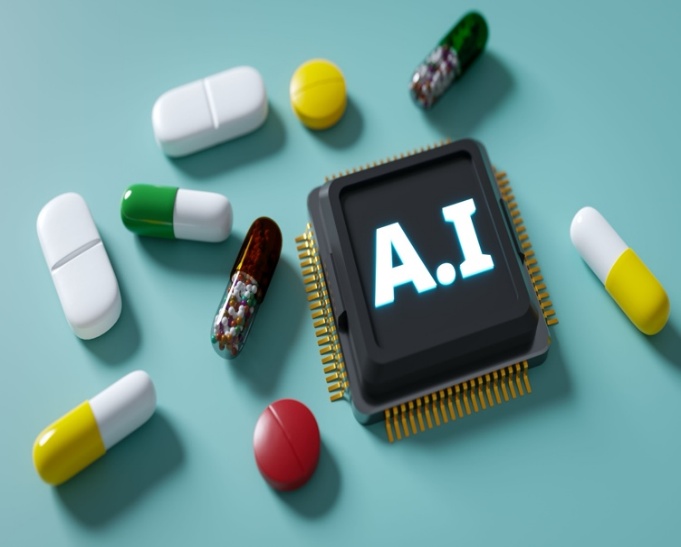
Fig. 1: Artificial Intelligence in the Pharmaceutical Industry: Depiction of AI uses in drug discovery and development
Machine learning and artificial neural networks
In the 1980s, machine learning (ML) was developed as a subset of artificial intelligence (AI), comprising techniques that enable computers to derive insights from data and facilitate AI applications. Machine learning involves training a model utilizing an extensive dataset. Supervised and unsupervised machine learning strategies are predominantly utilized. Supervised learning in machine learning utilizes available samples with sufficient data and identification labels, which are subsequently employed to ascertain the identification of fresh samples. A substantial image library of tablet faults is accessible, accompanied by labels inside the images denoting chipping, picking, and other defects, which are utilized to train the machine to recognize indications in new samples. In unsupervised learning, trends or patterns from the sample set are identified without any labeling. To facilitate the comprehension of patterns, unsupervised learning data is reduced to a lower dimension. Semi-supervised learning is a hybrid of supervised and unsupervised learning.Machine learning comprises stored algorithms; substantial data enables effective analysis. Occasionally, established algorithms generate numerous issues; to mitigate this, we employed artificial neural networks (ANN). It is a basic neural network with hundreds to thousands of neurons interconnected in a relatively straightforward manner. Big data, together with related data mining and algorithmic approaches, may assist in identifying novel linkages that could lead to new pharmaceuticals, discover or repurpose medications that are more efficacious individually or in combination, and enhance the domain of personalized medicine predicated on genetic markers. The data learning sector of AI focuses on the architectural flexibility of neural networks. [4,5]
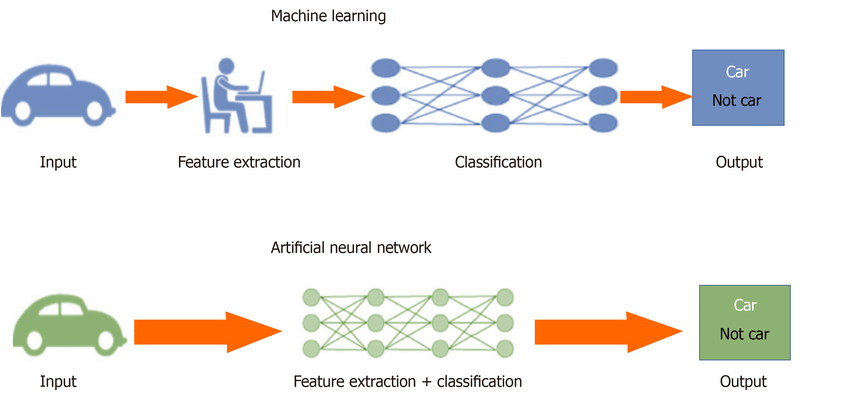
Fig. 2: Difference between Machine learning and artificial neural networks
Artificial Intelligence in the Pharmaceutical Sector
Is it possible for AI to supplant humans in the pharmaceutical sector?
Artificial intelligence offers a revolutionary potential in drug research and the development and evaluation of pharmaceutical dosage forms. Pharmaceutical automation technology is essential for the real-time monitoring of crucial quality and performance aspects of raw and in-process materials, facilitating the design, analysis, and control of manufacturing.
AI algorithms are utilized to formulate the production process that ensures the final product adheres to specified criteria. Artificial intelligence is a groundbreaking technology employed to execute monotonous activities inside the pharmaceutical sector. The primary restriction of AI in pharmaceuticals is that its data output is a black box phenomena, rendering the process by which AI technology arrives at conclusions opaque. Artificial intelligence cannot serve as a representation of the human brain. A misconception exists that automation results in unemployment and diminishes human involvement in the pharmaceutical sector. Competent data scientists, software engineers, and AI specialists are necessary to manage these technological tasks, as AI systems are not infallible or entirely precise. Human interaction is essential to assess their reliability, particularly in the healthcare sector. AI training datasets are perpetually dynamic. These datasets will be revised as technology progresses, and utilizing the updated dataset, AI will also be refined. Human action is necessary for all of these. [6, 7] A survey performed by Deloitte in partnership with the Oxford Martin Institute indicates that AI might supplant 35% of jobs in the UK during the next 10 to 20 years. Some studies indicate that automation is infeasible due to the significant costs associated with adopting automation technologies and regulatory issues within the pharmaceutical business. The pharmaceutical industry cannot achieve complete automation. AI can merely assist humans but cannot supplant them.[8]
Table 1. Potential and Limitations of AI in Replacing Human Roles in the Pharmaceutical Sector
|
Aspect |
Explanation |
|
Possibility of AI Supplanting Humans |
AI can automate data analysis, drug screening, predictive modeling, and process optimization, reducing human workload in routine and repetitive tasks. |
|
Limitations & Human Necessity |
Humans remain essential for decision-making, ethical considerations, clinical judgment, complex problem-solving, and regulatory approvals that require contextual understanding. |
History [9,10,11]
Table 2. History of Artificial Intelligence (AI) and Market Growth in NLP, Big Data, and Pharma Applications
|
Category |
Year |
Event |
Details |
Notes |
|
Origins / history |
1950s–present |
Early AI development and fluctuating progress |
AI research began in the 1950s and experienced periods of rapid progress and “AI winters.” |
Sets historical context for later advances |
|
NLP market growth |
2017 |
Expected expansion 28.5% (2017) |
The natural language processing market (text prediction, speech & voice recognition, etc.) was forecast to grow by 28.5% in 2017. |
Demonstrates rapid commercial uptake of language technologies |
|
Big data & analytics revenue |
2015 → 2020 (forecast) |
US$122 billion in 2015; >US$200 billionanticipated by 2020. |
Global revenue from big data & business analytics in 2015 and forecast for 2020. |
Shows growing data-driven industry demand |
|
Chess milestone |
1997 |
IBM Deep Blue defeats Garry Kasparov |
Deep Blue’s victory marked a major public milestone for AI. |
Shifted public perception AI seen as more practical/achievable |
|
QA / NLP milestone |
2011 |
IBM Watson wins Jeopardy! (US$1M prize) |
Watson’s Jeopardy win demonstrated advanced natural language understanding and question-answering. |
High-profile proof of concept; boosted investment & interest |
|
Pharma partnership |
2016 |
IBM Watson partners with Pfizer |
Collaboration intended to accelerate development of new immuno-oncology drugs. |
Example of AI applied to drug discovery and healthcare |
|
Platform launch
|
Dec 2016 |
IBM & Pfizer unveil Watson cloud-based platform |
Platform provides researchers tools to discover connections across datasets with dynamic visualizations. |
Facilitates cross-dataset analysis for research teams |
Artificial Intelligence in Pharmaceutical Discovery
The evaluation of chemicals on samples of diseased cells is a labour-intensive procedure in medication discovery. Additional investigation is required to identify compounds that exhibit physiological activity and warrant further examination. The research teams at Novartis utilize images produced by machine learning algorithms to predict which untested substances may warrant further exploration. Computers can uncover new data sets more rapidly than traditional human analysis and laboratory experimentation, enabling the expedited availability of novel and effective drugs while also reducing operational costs compared to manual investigation of each chemical. [3]
The leading biopharmaceutical companies are presently engaged in AI initiatives that encompass:
(a) a mobile platform to increase health outcomes
(b) The ability to recommend patients through real-time data collection, hence improving patient results.
(c) Drug Development Pharmaceutical companies are collaborating with software corporations to integrate cutting-edge technology into the expensive and protracted process of drug research.[12]
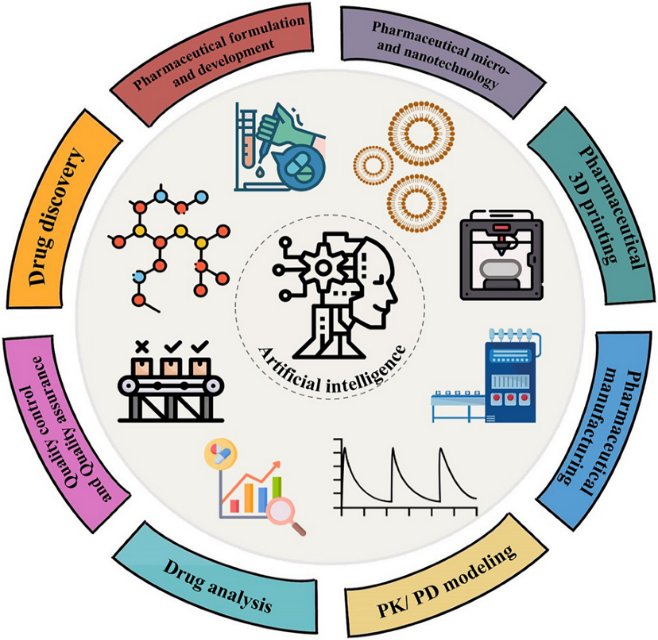
Fig 3. Role of Artificial Intelligence in Drug Discovery and Development
INSTRUMENTS OF AI ROBOTIC PHARMACY
The UCSF Medical Centre employs robotic technology for the production and oversight of medications to improve patient safety. They assert that the system has precisely produced 350,000 dosages of medication. The robot has proven to be markedly superior to humans in both dimensions and delivery efficiency. The production of hazardous chemotherapeutic medications for oral and injectable administration is one of the functionalities of robotic technology. Consequently, UCSF’s pharmacists and nurses are now able to utilize their expertise by focusing on direct patient care and cooperating with physicians. [13]
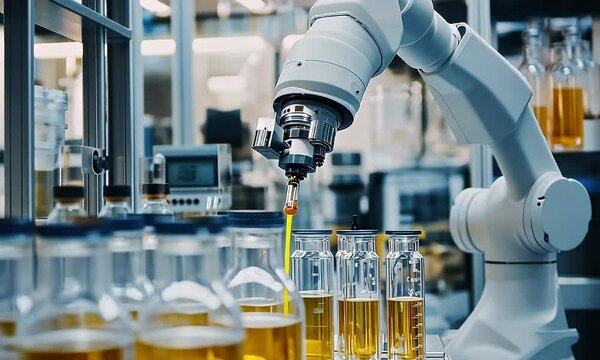
Fig 4. An automated robotic arm executing accurate liquid handling in a modern pharmaceutical lab.
MEDICAL ROBOT
Medical electronic data interchange is referred to as MEDi. Artificial intelligence-based tools. Tanya Beran, a professor of community health sciences at the University of Calgary in Alberta, led the initiative for the development of the pain management robot. Following her experience in hospitals where youngsters vocalize distress during medical treatments, she conceived the idea. Despite the robot's inability to think, plan, or reason, it may be engineered to simulate artificial intelligence. [14,15] The robot first creates a rapport with the children before elucidating what to anticipate during a medical procedure.
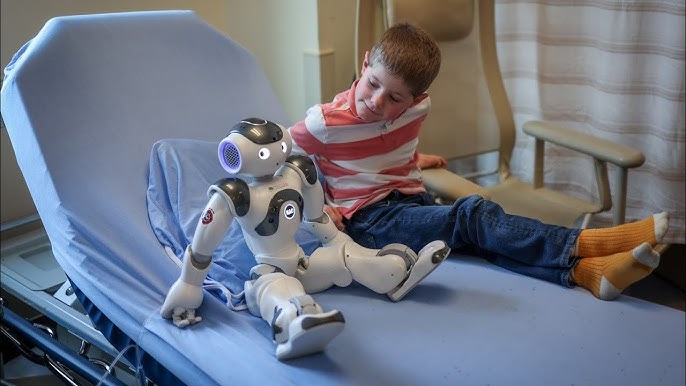
Figure 5. MEDi Robot interacting with a child
ERICA ROBOT
It was developed in collaboration with Kyoto University, the Advanced Telecommunications Research Institute International, and the Japan Science and Technology Agency. t is proficient in Japanese and exhibits a blend of facial characteristics from both Europe and Asia.[11] It takes pleasure in viewing animated films, aspires to go to Southeast Asia, and seeks a life partner for meaningful conversation, akin to any ordinary individual.
The robot was designed to comprehend and reply to questions with human-like facial expressions; yet, it lacks the capability for autonomous movement. Ishiguro refined the characteristics of 30 attractive women and employed the average to construct the robot's nose, eyes, and other features, rendering Erica the "most beautiful and intelligent" android. [17]

Fig 6. ERICA ROBOT
Towing Robots
Aethon TUG robots are designed to autonomously navigate hospitals and transfer substantial goods such as waste, linens, medications, meals, specimens, and supplies. It includes two variants, comprising replaceable base platforms for transporting racks, bins, and carts, along with fixed and secured carts.
Stationary carts are utilized for the transportation of pharmaceuticals, fragile objects, and laboratory specimens; transportable items can be organized on various racks. The TUG is an exceptionally versatile and valuable resource since it may offer many types of carts or racks.[17]
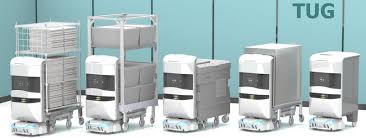
Figure 7. Different types Aethon TUG robots
Table 3. Phases of TUG Robot Operation in Process Control.
|
Phase |
Explanation |
|
1 |
Measurement of process variable value |
|
2 |
Transmission of signal to the measuring element |
|
3 |
Measurement of the process variable |
|
4 |
Exhibiting the significance of the quantified variable |
|
5 |
Assign the value to the specified variable |
|
6 |
Comparison of intended and observed values |
|
7 |
Transmission of control signals to the final control element |
|
8 |
Control of the manipulated variable |
BERG
Berg, a biotech firm headquartered in Boston, is a prominent company employing AI across its various processes. It possesses an AI-driven drug discovery platform with an extensive patient database utilized to identify and confirm various disease-causing biomarkers prior to selecting treatments based on the acquired data. The company's objective is to leverage AI to expedite the drug discovery process and save costs by eliminating the inherent uncertainty in drug development.[18]
MANUFACTURING EXECUTION SYSTEM (MES)
Utilizing MES offers advantages such as reduced production cycles, enhanced resource usage, regulated and monitored production phases, and improved batch release. [19] Adherence to regulatory laws is assured.
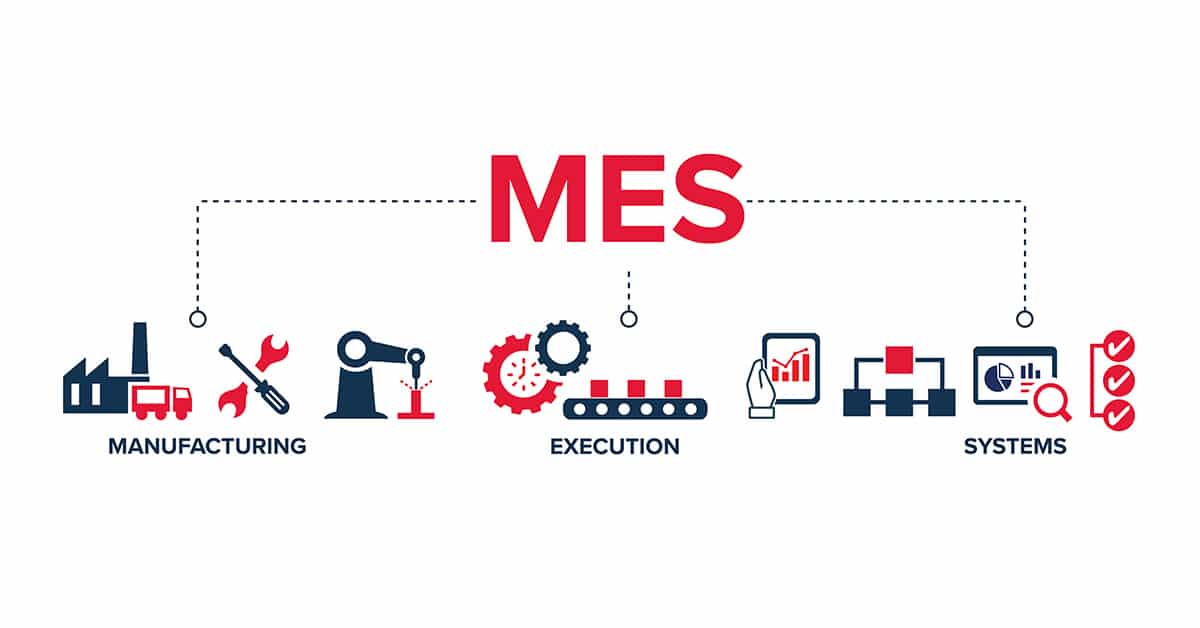
Fig 8. MANUFACTURING EXECUTION SYSTEM
Artificial Intelligence for Predicting Novel Therapies
Verge is tackling critical challenges in drug development through the utilization of automated data collecting and analysis.
Numerous genes involved in complex brain disorders such as Alzheimer’s, Parkinson’s, and ALS are being delineated by an algorithmic methodology. Verge posits that the collection and analysis of genetic data will positively influence the preclinical trial phase of pharmaceutical research. Verge aims to employ AI to monitor, starting in the preclinical phase, the impacts of specific pharmacological therapies on the human brain. Consequently, pharmaceutical corporations can rapidly get knowledge regarding a drug's effects on human cells.
Verge employs AI to assess the impact of many treatments on the human brain, focusing on the preclinical phase.[20]
EMPLOYING AI TO INTERPRET CLINICAL DATA AND GENERATE ENHANCED ANALYTICS [21]
Individuals can effortlessly participate in clinical trials and research via Apple’s Research Kit, circumventing the need for a formal physical enrollment procedure. It is a clinical research environment centered on the company's two primary devices, the iPhone and the Apple Watch. Duke University used an AI-driven facial recognition algorithm, along with patient data collected from Apple devices, to identify children with autism. The research kit has simplified the interpretation of the collected health data.
Table 4: Employing AI to Interpret Clinical Data and Generate Enhanced Analytics
|
Phase |
Description |
AI Application |
Key Benefit |
|
Data Collection |
Gathering clinical data from EHRs, lab results, imaging, and patient reports |
Natural Language Processing (NLP) for unstructured data, Data mining |
Efficient aggregation and standardization of clinical data |
|
Data Preprocessing |
Cleaning, normalization, and integration of data from multiple sources |
Machine Learning algorithms for anomaly detection and data imputation |
Improved data quality and reliability for analysis |
|
Data Analysis |
Identifying patterns, correlations, and trends in patient data |
Predictive Analytics, Deep Learning models |
Early detection of disease, personalized treatment planning |
|
Interpretation & Visualization |
Translating data insights into actionable clinical decisions |
AI-driven dashboards, Visual analytics tools |
Enhanced decision-making, faster comprehension of complex datasets |
|
Reporting & Decision Support |
Delivering recommendations and alerts to clinicians |
AI-based Clinical Decision Support Systems (CDSS) |
Supports evidence-based medicine, reduces errors |
Barriers to AI Implementation in Pharmaceuticals [22, 23, 24, 25, 26]
Artificial Intelligence Engaging in the pharmaceutical sector is a conservative strategy.
The pharmaceutical sector can accelerate innovation through the adoption of novel technology. Artificial Intelligence, the advancement of computer systems capable of executing tasks traditionally necessitating human intelligence, such as visual perception, speech recognition, decision-making, and language translation, represents the most recent technological innovation that comes to mind. IBM estimated that the overall volume of data in the healthcare sector reached 161 billion GB in 2011. Although extensive data exists in this domain, AI can significantly assist by analyzing the information and delivering insights that facilitate decision-making, conserve human resources, time, and financial expenditure, and ultimately contribute to preserving lives. Prediction of epidermal outbreak: Through the application of machine learning and artificial intelligence, it is feasible to investigate prior epidemics, analyze social media engagement, and predict the timing and location of future outbreaks, while also creating innovative solutions for patients and healthcare professionals.The utilization of predictive analytics in social media and medical consultations to identify trial participants is referred to as clinical trial research.elevated level of precision.Besides the above indicated use cases, there exists a plethora of alternatives, including the customization of the course.[27]
Artificial intelligence in quality assurance and quality control
Its enhances product quality, reduces waste, generates cost savings, and increases profits for pharmaceutical firms.[28] Digitization in pharmaceutical quality control laboratories enhances quality and compliance by minimizing manual errors and fluctuations, while facilitating quicker and more effective problem resolution. The digitization of quality control laboratories has enhanced product quality by minimizing manual paperwork and streamlining planning and scheduling, hence improving the utilization of workers, equipment, and supplies.[29] An AI model u




Vaibhav Shikare*, Urmila Ingole, Ashish Gawai, Pavan Idhole, A Review on the Role of Artificial Intelligence in the Pharma Industry, Int. J. Med. Pharm. Sci., 2025, 1 (10), 1-10. https://doi.org/10.5281/zenodo.17303765
 10.5281/zenodo.17303765