
We use cookies to ensure our website works properly and to personalise your experience. Cookies policy
Department of Pharmacy, Indore Mahavidyalaya Jambudi Hapsi, Opposite Pitra Parvat, Indore 453112
Non-small cell lung cancer (NSCLC) remains a leading cause of cancer-related mortality despite significant advances in targeted therapeutics. Lorlatinib, a third-generation anaplastic lymphoma kinase (ALK) and ROS1 inhibitor, has demonstrated remarkable efficacy against resistant mutations and central nervous system metastases. However, oral administration is associated with systemic toxicity, variable pharmacokinetics, and limited tumor-specific targeting. Pulmonary delivery of Lorlatinib-loaded nanoparticles has emerged as a promising strategy for enhancing local drug concentrations while minimizing systemic exposure. Simultaneously, artificial intelligence (AI) is transforming pharmaceutical development through predictive modeling, formulation optimization, computational toxicology, and personalized treatment planning. This review critically examines the integration of AI technologies with aerosolized Lorlatinib nanomedicine for precision lung cancer therapy. The article discusses nanoparticle engineering, pulmonary deposition mechanisms, machine learning-assisted formulation development, digital twin technologies, computational fluid dynamics modeling, and AI-driven patient stratification approaches. Current challenges including regulatory considerations, model interpretability, data availability, and translational barriers are analyzed. Furthermore, future opportunities involving generative AI, autonomous formulation platforms, and personalized aerosol therapeutics are explored. The convergence of nanotechnology, pulmonary drug delivery, and artificial intelligence represents a transformative paradigm in precision oncology that may substantially improve treatment outcomes in ALK-positive NSCLC patients.
Lung cancer continues to represent one of the most significant public health challenges worldwide, accounting for millions of new diagnoses and deaths annually. NSCLC constitutes approximately 85% of all lung cancer cases and remains a major contributor to cancer-associated mortality. Advances in molecular oncology have enabled the identification of specific genetic alterations responsible for tumor progression, leading to the development of targeted therapeutic approaches. Among these molecular targets, ALK rearrangements have emerged as critical oncogenic drivers. The development of ALK inhibitors has significantly improved clinical outcomes in affected patients. Lorlatinib represents a third-generation ALK inhibitor specifically designed to overcome resistance mutations that frequently develop during treatment with earlier-generation agents. Despite impressive therapeutic efficacy, conventional oral administration of Lorlatinib presents several limitations. Systemic exposure contributes to adverse effects including hyperlipidemia, neurocognitive disturbances, peripheral edema, and cardiovascular complications. Furthermore, oral administration cannot selectively concentrate drug molecules within lung tumors.
Pulmonary drug delivery offers a compelling alternative approach. Direct administration of aerosolized drug formulations into the respiratory tract enables enhanced local drug concentrations while potentially reducing systemic toxicity.
Recent developments in nanotechnology have further expanded the potential of pulmonary drug delivery systems. Nanoparticles provide controlled drug release, enhanced stability, improved cellular uptake, and tumor-targeting capabilities.
Concurrently, AI technologies are revolutionizing pharmaceutical research and development. Machine learning, deep learning, computational modeling, and digital twin technologies are increasingly utilized to optimize drug formulations, predict therapeutic outcomes, and personalize treatment strategies. The convergence of these three rapidly evolving fields—targeted oncology, pulmonary nanomedicine, and artificial intelligence—creates possible opportunities for improving lung cancer treatment.
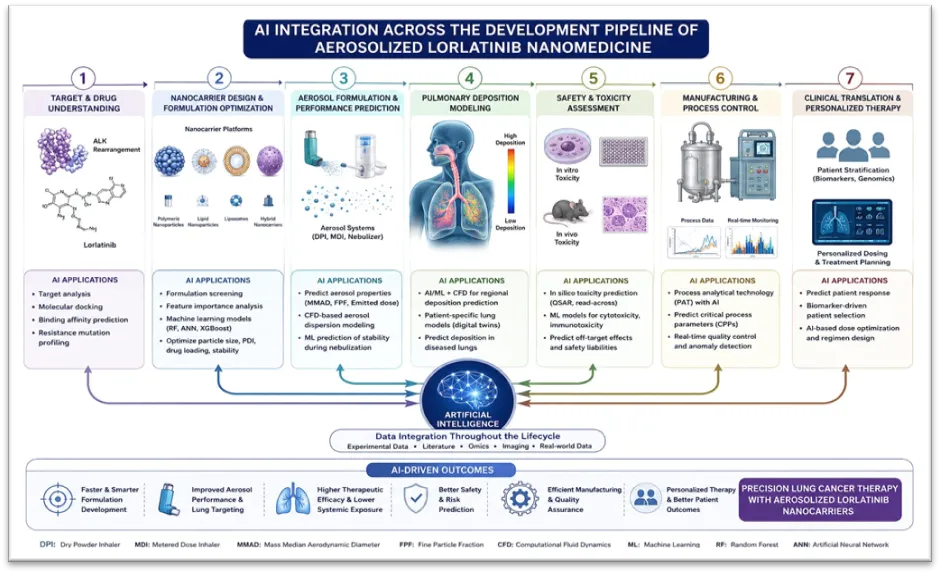
Figure 1. Artificial Intelligence Integration Across the Development Pipeline of Aerosolized Lorlatinib Nanomedicine.
2. Lorlatinib: Pharmacological Characteristics and Clinical Significance
Lorlatinib is a macrocyclic ATP-competitive tyrosine kinase inhibitor developed to target ALK and ROS1 alterations.
2.1 Molecular Mechanism of Action
Lorlatinib inhibits:
This inhibition suppresses cellular proliferation and promotes apoptosis in tumor cells harboring ALK rearrangements.
2.2 Advantages Over Earlier-Generation ALK Inhibitors
Key advantages include:
Table 1. Comparative Characteristics of Clinically Available ALK Inhibitors
|
Parameter |
Crizotinib |
Ceritinib |
Alectinib |
Lorlatinib |
|
Generation |
First |
Second |
Second |
Third |
|
CNS Penetration |
Low |
Moderate |
High |
Very High |
|
G1202R Activity |
Poor |
Limited |
Moderate |
Excellent |
|
Resistance Coverage |
Low |
Moderate |
High |
Very High |
3. Rationale for Aerosolized Lorlatinib Nanoparticles
Pulmonary delivery provides unique physiological advantages.
Benefits
Nanoparticles additionally provide:
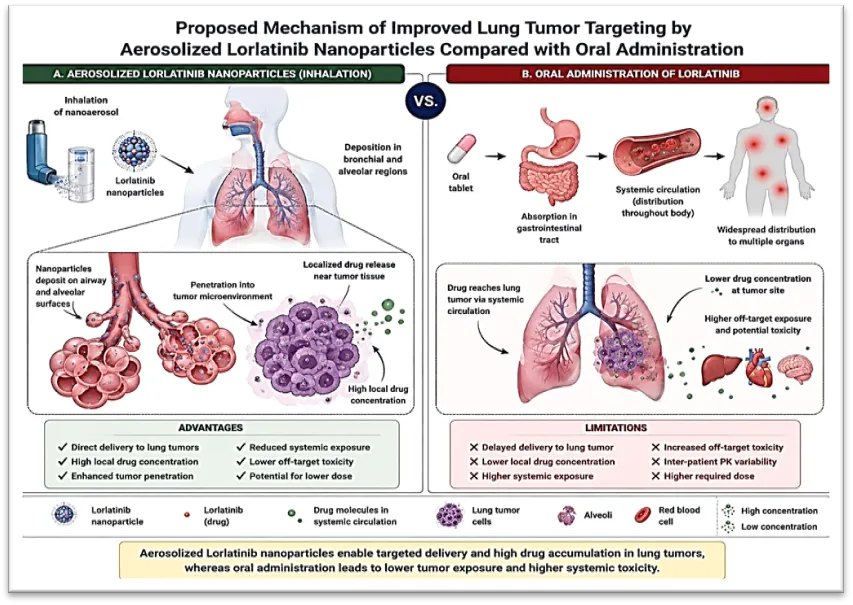
Figure 2. Proposed Mechanism of Improved Lung Tumor Targeting by Aerosolized Lorlatinib Nanoparticles Compared with Oral Administration.
4. Artificial Intelligence in Nanoparticle Design
AI is rapidly transforming formulation development.
Traditional formulation optimization requires hundreds of experimental trials. Machine learning can identify optimal parameters using substantially fewer experiments.
Important formulation variables include:
Table 2. Machine Learning Applications in Aerosolized Lorlatinib Development
|
Development Stage |
AI Method |
Expected Output |
|
Formulation Design |
Random Forest |
Optimal composition |
|
Particle Engineering |
Neural Networks |
Particle size prediction |
|
Aerosol Performance |
Gradient Boosting |
MMAD prediction |
|
Toxicity Prediction |
Deep Learning |
Safety estimation |
|
Clinical Response |
Predictive Analytics |
Patient stratification |
5. Computational Fluid Dynamics and Pulmonary Deposition Modeling
CFD has emerged as an essential tool for pulmonary drug delivery development.
CFD simulations enable:
AI-enhanced CFD platforms can analyze millions of deposition scenarios.
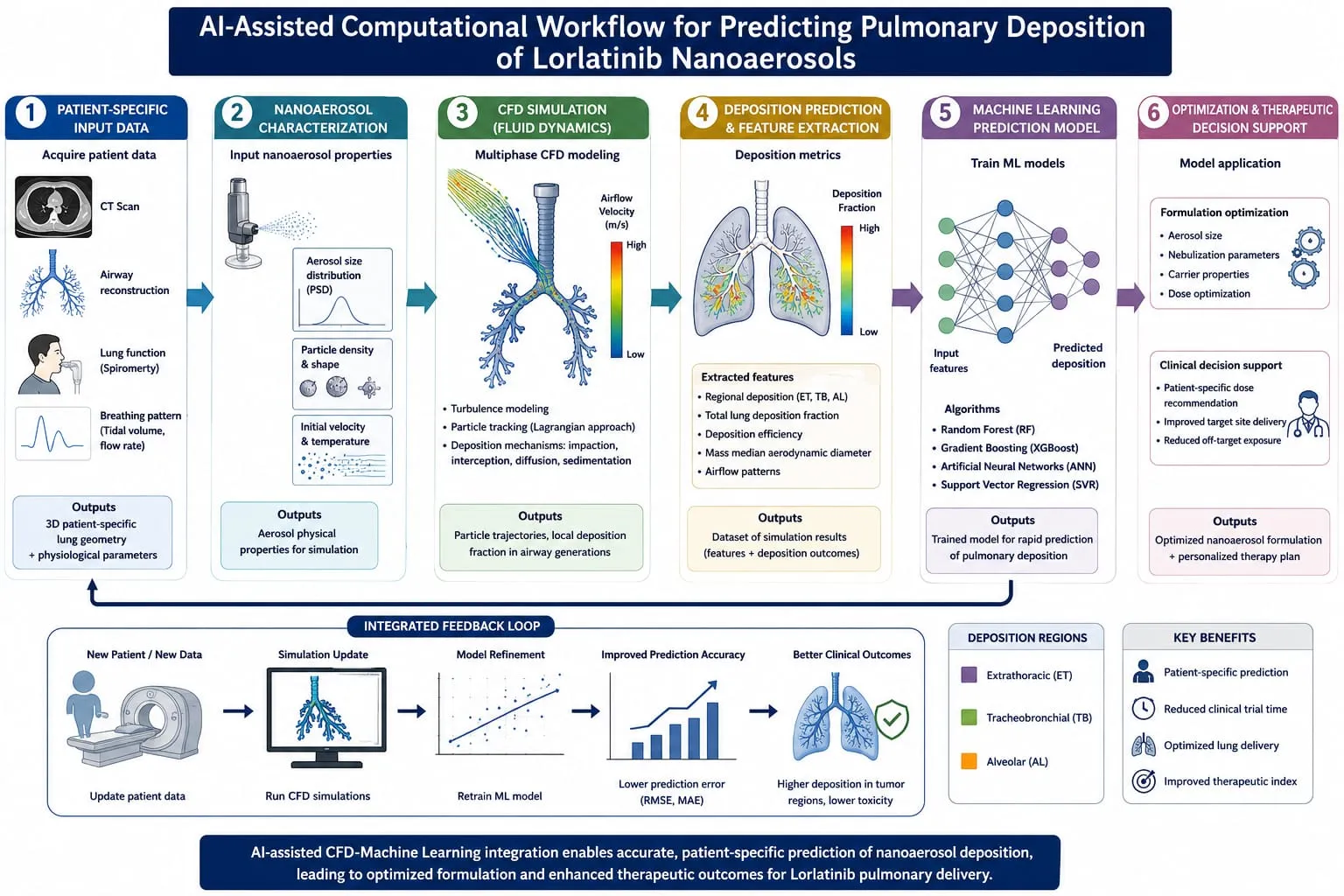
Figure 3. AI-Assisted Computational Workflow for Predicting Pulmonary Deposition of Lorlatinib Nanoaerosols.
6. Digital Twins and Personalized Lung Cancer Therapy
Digital twins represent virtual replicas of individual patients.
Components include:
Potential applications:
Table 3. Clinical Applications of Digital Twin Technology in Pulmonary Nanomedicine
|
Application |
Potential Benefit |
|
Dose Selection |
Personalized dosing |
|
Deposition Prediction |
Improved targeting |
|
Toxicity Assessment |
Enhanced safety |
|
Treatment Monitoring |
Real-time optimization |
7. Generative AI and Future Nanocarrier Discovery
Generative AI models can:
This emerging field may dramatically accelerate nanomedicine development.
8. Regulatory and Translational Challenges
Major barriers include:
Scientific Challenges
Regulatory Challenges
Manufacturing Challenges
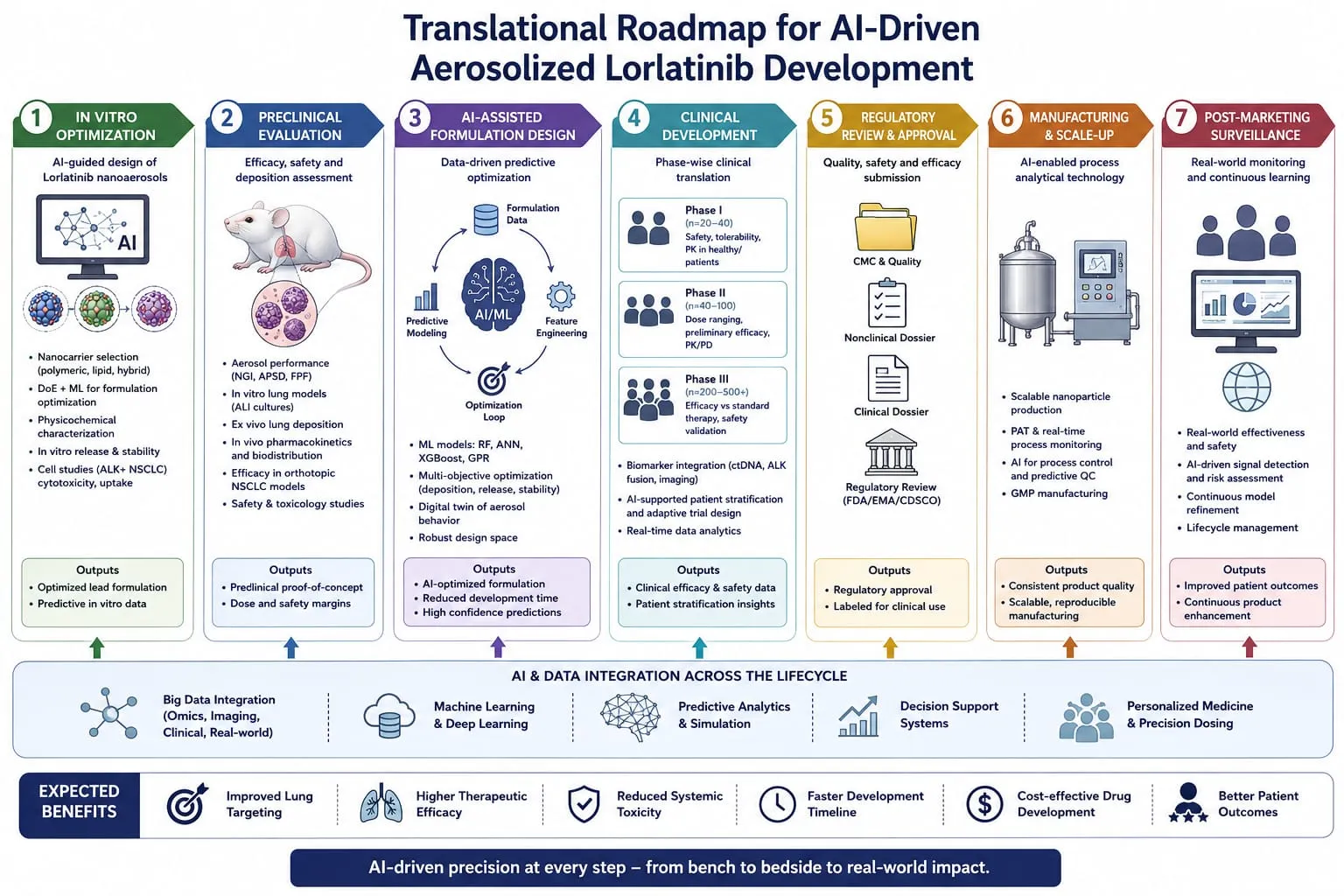
Figure 4. Translational Roadmap for AI-Driven Aerosolized Lorlatinib Development.
FUTURE PERSPECTIVES
Future research should focus on:
The integration of AI, nanotechnology, and pulmonary drug delivery may establish a new paradigm for targeted cancer therapy.
10. Methodological Framework for AI-Assisted Development of Aerosolized Lorlatinib Nanoparticles
10.1 Quality by Design (QbD) Approach
The development of aerosolized Lorlatinib nanoparticles can be guided using the Quality by Design (QbD) framework recommended by regulatory agencies. QbD enables systematic formulation development through predefined objectives and risk-based optimization strategies.
Quality Target Product Profile (QTPP)
The proposed formulation should possess:
Critical Quality Attributes (CQAs)
Important CQAs include:
Table 4. Proposed QTPP and CQAs for Aerosolized Lorlatinib Nanoparticles
|
Parameter |
Target Value |
|
Aerodynamic Diameter |
1–5 μm |
|
Nanoparticle Size |
100–300 nm |
|
Entrapment Efficiency |
>80% |
|
Zeta Potential |
±20–30 mV |
|
Fine Particle Fraction |
>50% |
10.2 Nanoparticle Preparation Methods
Several formulation methods may be employed.
Solvent Evaporation Method
Suitable for:
Advantages:
Nanoprecipitation Method
Suitable for:
Advantages:
High Pressure Homogenization
Suitable for:
Advantages:
Flowchart
Lorlatinib
↓
Carrier Selection
(PLGA/Lipids/Liposomes)
↓
Nanoparticle Preparation
↓
Physicochemical Characterization
↓
Aerosol Performance Evaluation
↓
AI-Based Optimization
↓
Lead Formulation Selection
Figure 6
Proposed Experimental Workflow for Preparation and Optimization of Aerosolized Lorlatinib Nanoparticles
10.3 Characterization Methods
Particle Size Analysis
Instrument:
Outcome:
Surface Charge Analysis
Instrument:
Outcome:
Morphological Evaluation
Instruments:
Outcome:
Drug Entrapment Efficiency
Method:
Formula:
EE (%) = (Entrapped Drug) / (Total Drug) *100
10.4 Aerosol Performance Testing
Andersen Cascade Impactor (ACI)
Used to determine:
Next Generation Impactor (NGI)
Used to evaluate:
Table 5. Proposed Experimental Evaluation Methods
|
Parameter |
Method |
|
Particle Size |
DLS |
|
Morphology |
SEM/TEM |
|
Drug Content |
HPLC |
|
Aerosol Performance |
NGI/ACI |
|
Release Study |
Dialysis Method |
|
Cytotoxicity |
MTT Assay |
10.5 Artificial Intelligence-Based Optimization
Traditional optimization uses:
AI-enhanced optimization can employ:
Random Forest
Prediction of:
Artificial Neural Networks
Prediction of:
Gradient Boosting Models
Prediction of:
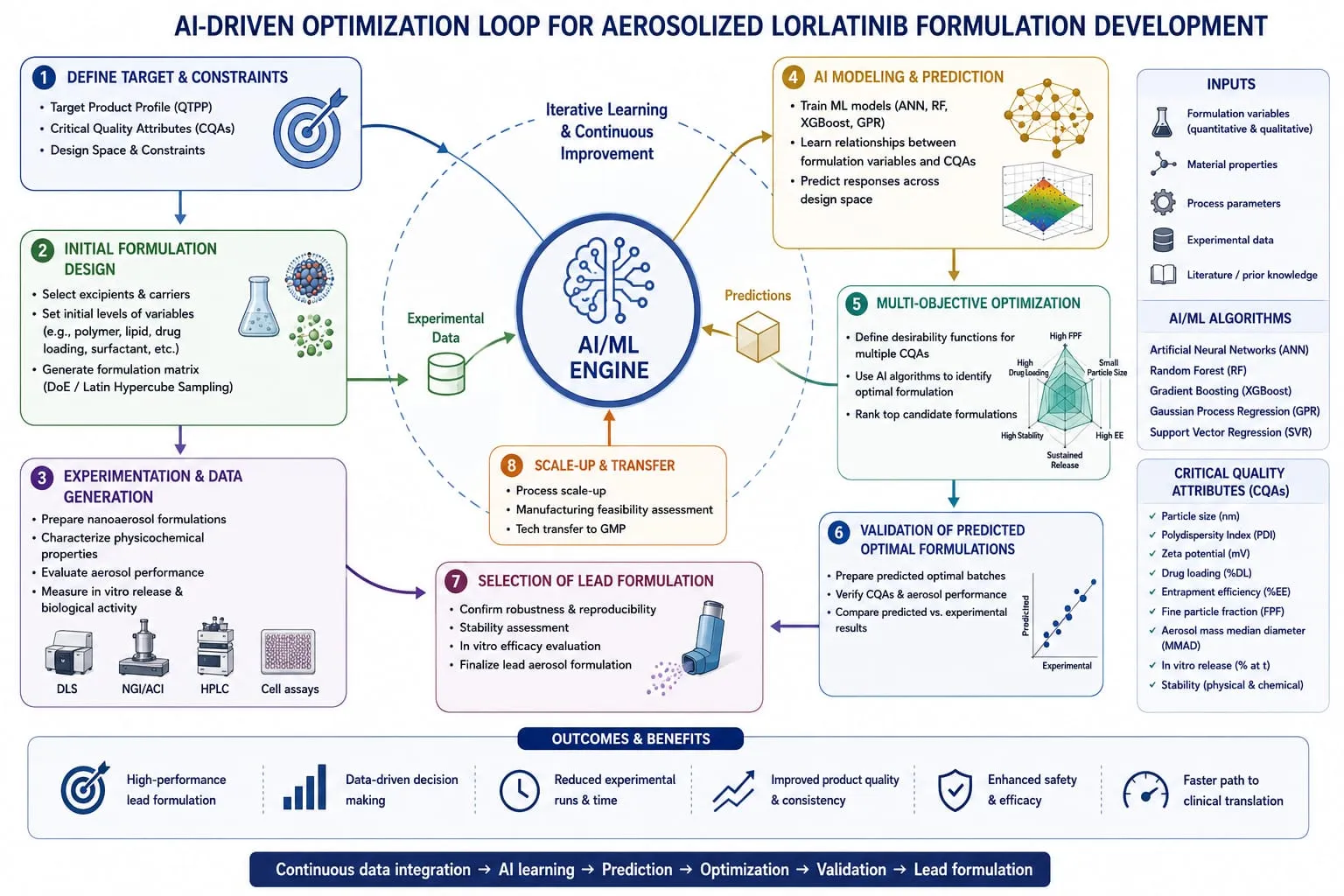
Figure 7. AI-Driven Optimization Loop for Aerosolized Lorlatinib Formulation Development.
10.6 Proposed Preclinical Evaluation
In Vitro Studies
Endpoints:
In Vivo Studies
Animal model:
Evaluations:
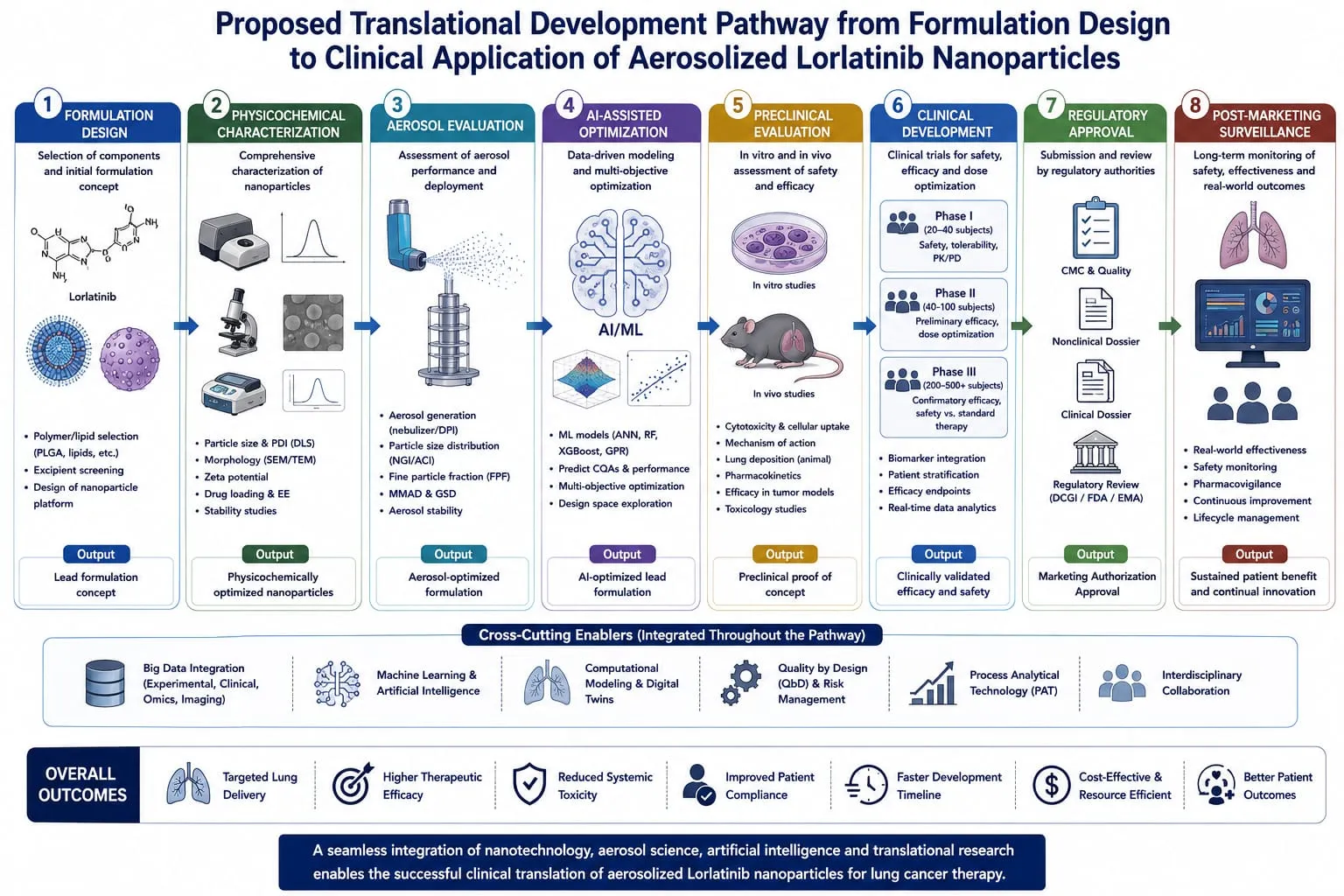
Figure 8
Proposed Translational Development Pathway from Formulation Design to Clinical Application of Aerosolized Lorlatinib Nanoparticles.
CONCLUSION
The treatment landscape of ALK-positive non-small cell lung cancer has undergone a remarkable transformation with the introduction of targeted tyrosine kinase inhibitors, among which Lorlatinib represents one of the most advanced therapeutic options currently available. Its ability to overcome multiple resistance mutations and effectively penetrate the central nervous system has established Lorlatinib as a valuable treatment for patients with advanced and treatment-resistant disease. Nevertheless, conventional oral administration remains associated with several challenges, including systemic toxicity, off-target exposure, pharmacokinetic variability, and limited control over drug accumulation at the primary tumor site. These limitations continue to motivate the search for innovative drug delivery strategies capable of improving therapeutic precision while minimizing adverse effects. Pulmonary delivery of Lorlatinib-loaded nanoparticles offers a promising alternative approach by enabling direct drug administration to the lungs, the primary site of disease in most NSCLC patients. The unique physiological characteristics of the pulmonary system, including its large surface area, extensive vascular network, and thin epithelial barriers, provide an attractive platform for localized drug delivery. Through inhalation, aerosolized nanocarriers can potentially achieve higher drug concentrations within lung tumors while reducing systemic exposure and improving the overall therapeutic index. Such an approach may contribute not only to enhanced treatment efficacy but also to improved patient compliance and quality of life. Advances in nanotechnology have significantly expanded the possibilities for pulmonary drug delivery. Nanocarriers such as liposomes, polymeric nanoparticles, solid lipid nanoparticles, nanostructured lipid carriers, and hybrid nanosystems provide opportunities to improve drug solubility, control release kinetics, enhance cellular uptake, and promote selective tumor targeting. Furthermore, the ability to engineer nanoparticle surface characteristics offers additional potential for active targeting and prolonged retention within the tumor microenvironment. Collectively, these advantages position nanotechnology as a critical component in the future development of inhalable anticancer therapies. A particularly exciting aspect of this emerging field is the integration of artificial intelligence into the design, optimization, and clinical translation of aerosolized nanomedicines. AI-driven methodologies, including machine learning, deep learning, computational fluid dynamics, digital twins, and predictive analytics, have the capacity to transform traditional pharmaceutical development processes. By identifying complex relationships among formulation variables, predicting aerosol performance, modeling pulmonary deposition patterns, and supporting patient-specific treatment planning, AI can substantially reduce development timelines while increasing formulation efficiency and precision. The convergence of AI with pulmonary nanomedicine represents a powerful multidisciplinary strategy that aligns closely with the goals of precision oncology. Despite these promising opportunities, several scientific, technological, and regulatory challenges remain unresolved. The successful development of aerosolized Lorlatinib nanoparticles will require careful optimization of particle size, aerodynamic behavior, formulation stability, drug loading capacity, and long-term storage characteristics. In addition, the biological complexity of the respiratory system, interpatient variability, and the potential for pulmonary toxicity necessitate rigorous preclinical and clinical evaluation. The implementation of AI-based systems also introduces concerns regarding model transparency, data quality, reproducibility, validation standards, and regulatory acceptance. Addressing these challenges will require close collaboration among pharmaceutical scientists, oncologists, engineers, computational researchers, regulatory authorities, and industry stakeholders. Future research should focus on the development of smart and adaptive nanocarrier systems capable of responding to tumor-specific microenvironmental cues, thereby enabling more precise drug release and improved therapeutic outcomes. The application of generative AI for novel carrier discovery, autonomous formulation platforms for rapid optimization, and digital twin technologies for individualized therapy design may further accelerate progress in this field. Additionally, combining aerosolized Lorlatinib nanocarriers with other therapeutic modalities, such as immunotherapy, gene therapy, or combination targeted therapies, may open new avenues for overcoming resistance mechanisms and improving long-term disease control. From a translational perspective, the integration of aerosol science, nanotechnology, and artificial intelligence has the potential to redefine how targeted therapies are developed and administered for lung cancer. Although aerosolized Lorlatinib nanomedicine remains largely at the conceptual and preclinical stage, the scientific rationale supporting its development is strong and supported by advances across multiple disciplines. Continued innovation and interdisciplinary research will be essential to bridge the gap between laboratory discoveries and clinical implementation. In conclusion, AI-assisted aerosolized Lorlatinib nanoparticles represent a highly promising next-generation strategy for precision lung cancer therapy. By combining the therapeutic power of targeted molecular inhibition with the advantages of localized pulmonary delivery and intelligent computational optimization, this approach has the potential to enhance treatment efficacy, reduce systemic toxicity, and contribute to the evolution of personalized oncology. While considerable work remains before clinical adoption can be achieved, the convergence of these technologies may ultimately establish a new paradigm for the management of ALK-positive NSCLC and serve as a model for future developments in cancer nanomedicine.
Ethical approval: not applicable
Patient consent: not applicable
Funding: no fund received.
REFERENCES

Sneh Malviya*, Artificial Intelligence-Driven Design and Optimization of Aerosolized Lorlatinib Nanocarriers for Precision Lung Cancer Therapy: Current Advances, Challenges, and Future Perspectives, Int. J. Med. Pharm. Sci., 2026, 2 (7), 1-12. https://doi.org/10.5281/zenodo.21096931
 10.5281/zenodo.21096931