

We use cookies to ensure our website works properly and to personalise your experience. Cookies policy
Rathnam Institute of Pharmacy, Pidathapolur, Nellore, Andhra Pradesh, India
One of the most widely used preservatives in soft drinks is benzoic acid, which prevents the growth of bacteria and increases the product's shelf life. However, in order to guarantee product quality and consumer safety, its concentration must be carefully controlled. According to international standards such as those from the World Health Organization (WHO), the U.S. According to the European Food Safety Authority (EFSA) and the Food and Drug Administration (FDA), the maximum amount of benzoic acid that can be present in non-alcoholic beverages is typically between 100 and 150 mg/L. Therefore, keeping benzoic acid levels within regulatory limits necessitates the use of accurate and dependable analytical techniques. For its determination, a number of qualitative and quantitative methods have been developed. Thin-Layer Chromatography (TLC) is frequently utilized for rapid identification, whereas UV?Visible spectrophotometry provides simple and sensitive quantification. For functional group analysis, Fourier Transform Infrared (FTIR) spectroscopy provides a quick and non-destructive method. High-Performance Liquid Chromatography (HPLC) remains the most precise and widely accepted method for routine determination due to its high selectivity and reproducibility. Trace-level and confirmatory studies are carried out with gas chromatography?mass spectrometry (GC?MS). For basic quality control, titrmetric methods are cost-effective alternatives. Using these methods helps to avoid the negative effects of using too many preservatives and ensures that food safety regulations are followed. This review focuses on recent advancements in analytical techniques that help keep the levels of benzoic acid in soft drinks controlled and safe.
The rapid growth of the global food and beverage industry has increased the demand for preservatives to ensure product safety, stability, and shelf life. Soft drinks, which are frequently consumed by people of all ages, particularly children and young adults, are preserved with preservatives to prevent spoilage and maintain quality. The most widely used of these are benzoic acid and its salts (sodium, potassium, and calcium benzoate) due to their potent antimicrobial properties in acidic environments (pH 2.5–4.0). They prevent bacteria, yeast, and molds from growing in products. However, taking too much benzoic acid can have negative effects on one's health, including hypersensitivity reactions and the possibility of benzene formation when ascorbic acid (vitamin C) is combined with heat and light. Therefore, qualitative and quantitative analysis of benzoic acid in soft drinks is necessary to safeguard public health and ensure compliance with FDA, EFSA, and FSSAI standards. Chemical and biotechnological methods of preservation have replaced the ancient methods of drying, salting, and fermentation. Today, there are five important functions that preservers perform: They stop bacteria from growing (like in sodium benzoate-containing beverages). Increase the shelf life for distribution and storage.
Water, sweeteners, CO2 (for fizziness and microbial inhibition), acidulants (citric or phosphoric acid), flavoring, colorants, and preservatives like benzoic or sorbic acid are typically found in soft drinks. The three main types are cola-based drinks, fruit-flavoured drinks, and energy drinks. Consumption of soft drinks in large quantities, particularly among youth, increases additive exposure. To avoid overuse and maintain safety, constant regulation and monitoring are necessary. Analyzing levels of benzoic acid maintains consumer trust in the beverage industry, prevents the formation of benzene, and ensures compliance with global food safety standards. Common preservatives in Beverages
|
Preservatives |
Chemical formula |
Primary use |
Effective PH Range |
|
Benzoic acid
|
C6H5COOH
|
Inhibits mould, yeast, Some bacteria |
2.0 - 4.0
|
|
Sorbic acid
|
C6H8O2
|
Prevents mould& yeast growth |
3.0 - 6.5
|
|
Lactic acid |
C3H6O3 |
Acidulant, antimicrobial |
3.0 - 5.0 |
|
Sulphur dioxide |
SO2 |
Antimicrobial & antioxidant |
<4.0 |
Chemistry of Benzoic Acid
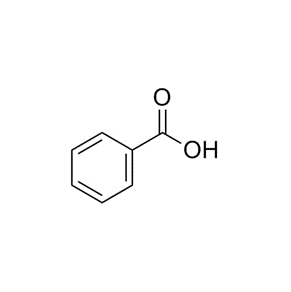
Molecular Structure of benzoic acid:
Benzoic acid is an aromatic carboxylic acid with the molecular formula C?H?COOH. It has a benzene ring, or aromatic moiety, attached to a carboxyl group (–COOH) as its structural unit. Benzoic acid's solubility and reactivity are affected by the combination of an aromatic ring and a carboxyl group, which gives it lipophilic (carboxylic acid) and hydrophilic (aromatic ring) properties. Physical and Chemical Properties of Benzoic Acid
Physical properties of benzoic acid
|
Property |
Description/Value |
|
Molecular formula |
C6H5COOH (C7H6O2) |
|
Molecular weight |
122.12 g/mol |
|
Appearance |
White crystalline solid |
|
Odour |
Faint, Aromatic smell |
|
Melting point |
122-1230C |
|
Boiling point |
~2490C |
|
Density |
1.265g/cm3 |
|
Solubility in water |
Low (2.9g/lit at 250C); Increases in hot water |
|
Crystalline form |
Monoclinic |
|
Another physical feature |
Sublimes easily (Solid-Vapour without melting). |
Chemical properties of Benzoic acid
|
Property/Reaction |
Description |
|
Acidic nature |
Weak acid, Pka ~4.20; ionizes to form benzoate ion (C6H5COO -) |
|
Salt formation |
Forms salts with bases Eg; Sodium benzoate |
|
Esterification |
Reacts with alcohols – Benzoate esters |
|
Reaction with Thionyl chloride |
Produces benzoyl chloride |
|
Substitution on benzene ring |
Undergoes electrophilic substitution; -COOH group is electron-withdrawing, meta-directing |
|
Oxidation |
Relatively stable, but under strong conditions can degrade further |
|
Reduction |
Can be reduced to benzyl alcohol and other derivatives |
|
Thermal behaviour |
Decomposes on strong heating to benzene +CO2 |
|
Antimicrobial Action |
In acidic medium, undissociated benzoic acid inhibit microbial growth8. |
Stability in Beverages:
Benzoic acid is generally stable when stored normally; however, when it is combined with ascorbic acid (Vitamin C) in the presence of heat or light, it becomes unstable and gives rise to the carcinogenic compound benzene (C6H6). The primary concern regarding the safety of beverages is this. Nature's Happening: Cranberries, plums, prunes, cinnamon, and cloves all naturally contain benzoic acid, but at much lower concentrations than in commercial beverages.
Purpose as a Preservative:
Due to their high sugar content, moisture content, and lengthy storage, soft drinks are susceptible to microbial spoilage. Sodium, potassium, calcium, and benzoic acid and its salts are added to stop the growth of yeasts, molds, and bacteria. This keeps the flavor, safety, and shelf life of the product intact. Why Benzoic Acid Should Be Used: Effective in Acidic pH (2.5–4.0): Active in its undissociated form, giving strong antimicrobial action.
Low Cost: Produced industrially through the oxidation of toluene, making it affordable for widespread use. It has no effect on color or flavor at regulatory levels (less than 200 mg/L).
Synergistic Action: Combines well with citric acid and sorbates. Proven Safety: Over a century of use; classified as GRAS by FDA and Codex Alimentarius.
Health Concerns & Regulatory Limits:
FDA (USA): Up to 0.1% (1000 ppm); GRAS but monitors benzene risk with Vitamin C.
FSSAI (India): 200–1000 ppm; food products for children should be avoided. Acceptable Daily Intake (ADI): 0–20 mg/kg body weight per day, according to WHO/JECFA. Hyperactivity and allergies can result from excessive exposure. Keeping an Eye on Benzoic Acid Levels: Regulatory Compliance: Ensures that manufacturers adhere to legal limits (0.1 percent in the United States, 200–1000 ppm in India). Protect Vulnerable Populations: Children may exceed the ADI if they consume too much. Prevent Benzene Formation: Monitoring formulations containing Vitamin C, especially under heat/light.
Maintain Quality: Excess preservatives affect taste and appearance.
Support Risk Assessment: Data aids toxicological and exposure studies.
Interactions & Stability Factors:
pH: Most effective below 4.0; loses efficiency above 5.0.
Under light or heat, ascorbic acid can produce benzene. Sugars and sweeteners have minimal pH effects and are typically stable. Metals (Fe, Cu, Mn): Catalyze benzene formation; controlled by PET or coated packaging.
Flavour Agents: Minimal interference; pH adjustment may affect efficiency.
Storage: Stable in cool, dark conditions; heat and prolonged storage increase degradation risk.
AIM AND OBJECTIVES
AIM
A review on analytical techniques for the determination of benzoic acid in soft drinks
OBJECTIVES
1. To summarize and compare various analytical techniques used for the determination of benzoic acid in soft drinks.
2. To evaluate the accuracy, precision, sensitivity, and applicability of methods such as TLC, HPLC, GC–MS, UV–VIS spectro photometry, FTIR, and titrimetric approaches.
3. To discuss the sample preparation and extraction methods employed for soft drink matrices.
4. To assess the regulatory limits of benzoic acid in soft drinks and the compliance of analytical methods with these standards.
5. To provide an overview of the advantages and limitations of different analytical approaches for routine quality control and research purposes.
4. Sample collection and preparation
Types of soft Drinks Tested (Cola, fruit juices, Energy drinks)
|
Type of Drink |
Examples |
Key characteristics |
|
Carbonated drinks |
Cola, Soda, Sparkling water |
High CO2 content, acidic PH (~3.0), Preservatives like benzoates/sorbates |
|
Fruit juices |
Orange juice, Apple juice |
Natural sugars, vitamins, susceptible to microbial spoilage |
|
Energy drinks |
Red bull, Monster |
High caffeine, taurine, sugars, artificial flavours |
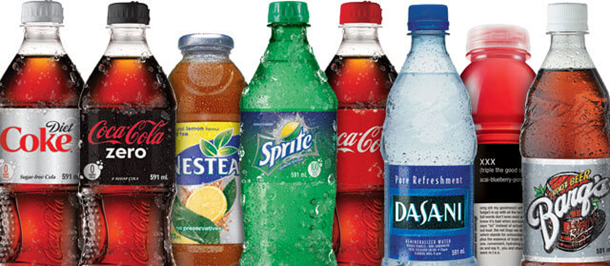
Sample collection and preparation of soft drinks before Analysis
Carbonated drinks like cola and soda, fruit juices, and energy drinks are examples of soft drinks that are commonly consumed. To ensure product quality, safety, and regulatory compliance, laboratory analysis is performed. Sample collection and preparation, which has a direct impact on the results' accuracy and dependability, is an essential step before analysis.
1. Sample Collection
• To prevent contamination, samples are collected in airtight, clean containers that have been sterilized.
• Information about the brand, batch number, date, kind of drink, and storage conditions are listed on the labels of the containers.
• To prevent microbial growth and chemical changes, proper cold storage (4–8 °C) is maintained.
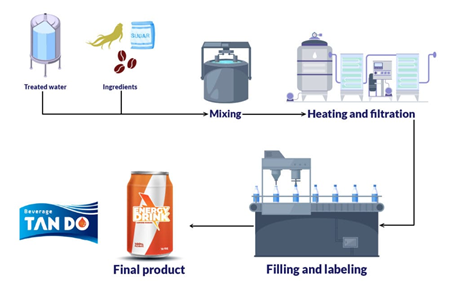
2. Sample Preparation Methods
Before analysis, soft drink samples are treated to remove impurities, standardize conditions, and extract analyses.
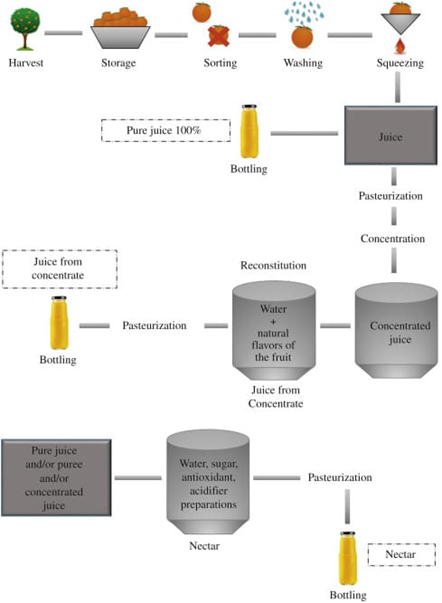
(a) Filtration
• Removes suspended particles, sediments, or pulp (in juices).
• Helps avoid clogging of chromatographic instruments.
(b) Acidification
• Adjusts pH to stabilize certain compounds.
• Facilitates the extraction of preservatives (such as benzoic acid and sorbic acid) and prevents the growth of microorganisms.
(c) Extraction
• Used for isolating specific compounds like caffeine, preservatives, or artificial sweeteners.
• Methods like solid-phase extraction (SPE) or liquid–liquid extraction
Sample Preparation of Soft drinks (flowchart)
Sample collection
Labelling & Storage (4-80c)
Filtration (remove solids, pulp, Sediments)
Acidification (adjust PH for stability)
Extraction (if target analytes need separation)
Prepared sample – sent for Analysis (HPLC, GC, Spectrophotometer, etc)
Importance of Proper Sample Preparation
5. ANALYTICAL METHODS
I. Qualitative Methods to Determine Benzoic Acid Levels in Soft Drinks:
A. Thin- layer chromatography (TLC)
1. Principle
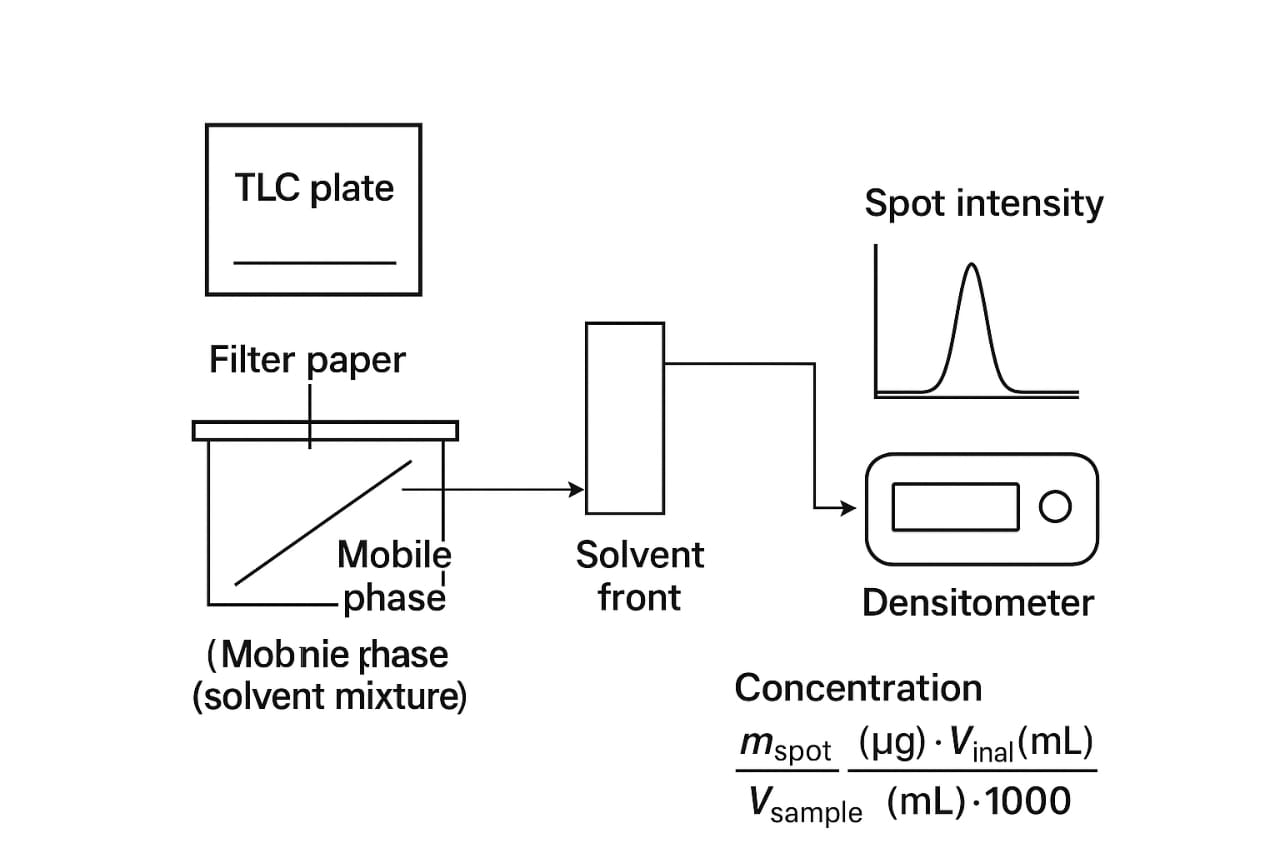
TLC separates sample components on a silica gel plate. Using a densitometer or digital imaging, the spots of benzoic acid are measured for quantitative analysis. The amount of benzoic acid in each spot (peak area or height) determines its intensity. Accurate quantification is made possible by calibration standards on the same plate.
Procedure
To keep benzoic acid in its protonated form, soft drink samples are first degassed to remove carbon dioxide and, if necessary, acidified to a pH of 2–3. The benzoic acid is then extracted using ethyl acetate, and the combined extracts are dried over anhydrous sodium sulphate. The residue is redissolved in either methanol or ethyl acetate after the solvent is gently evaporated under nitrogen pressure. Micropipettes are used to spot small volumes of both the sample and benzoic acid standards onto Silica Gel 60 F254 plates, which are prepared by marking an origin line approximately 10–12 mm from the bottom. The mobile phase, typically a 5:4:1 mixture of toluene, ethyl acetate, and formic acid, is used to develop the plate in a pre-saturated development chamber until the solvent front travels approximately 8–9 cm. Benzoic acid is seen as a dark spot on the plate when it is examined under UV light at 254 nm following drying. The spot intensity is measured using a densitometer or image analysis software, and the concentration of benzoic acid in the sample is determined using a calibration curve constructed from known standards.
Csample(mg/l) = mspot((µg) ×Vfinal(ml)
Vsample(ml)× 1000
Observations
The quantitative TLC method for benzoic acid shows a linear relationship between spot intensity and concentration within the range of 0.05–50 µg per spot. The limit of quantification (LOQ) is typically between 0.03 and 1.0 mg/L, while the limit of detection (LOD) is typically between 0.01 and 0.5 mg/L. The precision of the method is good, with relative standard deviation (RSD) values between 2–8% for intra-plate analysis and 5–15% for inter-plate measurements. Typically, recovery values range from 80 to 110 percent, indicating accurate extraction and quantification. The method's high linearity (r2 0.99) and high accuracy (85–110% recovery) make it suitable for routine quality control of benzoic acid in soft drinks.
Advantages
TLC is a simple, easy, and low-cost method that requires little equipment. It gives quick results, uses only a small amount of sample and solvent, and allows many samples to be analysed at the same time.
Limitations
TLC is less sensitive and accurate than more advanced techniques like HPLC or GC. The outcomes are determined by the operator's skill, and if separation is poor, spots may overlap. Additionally, it can be affected by the environment and is difficult to detect in very small amounts.
B. Colorimetric Method
Principle:



Ambati Sireesha*, P. Saisireesha, Dr. M. Suchitra, Analytical Techniques for the Determination of Benzoic Acid in Soft Drinks, Int. J. Med. Pharm. Sci., 2025, 1 (11), 12-27. https://doi.org/10.5281/zenodo.17510055
 10.5281/zenodo.17510055