
We use cookies to ensure our website works properly and to personalise your experience. Cookies policy
Department of Pharmacognosy, Srinivasan College of Pharmaceutical Sciences, Samayapuram, Tiruchirapalli, Tamilnadu
Diabetes mellitus remains a pressing global health challenge characterized by chronic hyperglycemia and metabolic dysregulation, driving the search for alternative plant-derived therapies due to the limitations of conventional treatments. This review explores the anti-diabetic potential of the ethanolic extract of the entire Carica papaya plant by integrating pharmacognostical and pharmacological findings. The study outlines the macroscopic and microscopic features of various plant parts, including leaves, stems, roots, fruits, and seeds. Furthermore, qualitative chemical tests and analytical techniques (TLC and GC-MS) confirm the presence of diverse bioactive phytochemicals such as flavonoids, alkaloids, phenolics, and terpenoids. Extensive in vitro studies demonstrate that C. papaya exerts a multi-targeted hypoglycemic effect. Key mechanisms include the significant inhibition of carbohydrate-hydrolyzing enzymes (α-amylase and α-glucosidase), enhancement of peripheral glucose uptake, and the prevention of non-enzymatic protein glycation. Additionally, the plant exhibits strong antioxidant activity, which helps protect pancreatic β-cells from oxidative stress. The review concludes that utilizing the entire Carica papaya plant captures synergistic phytochemical interactions, establishing it as a highly promising natural adjunct for diabetes management that warrants further clinical validation and standardized formulation.
Diabetes Mellitus has become a global and pressing concern in the public health. It is a conspicuous, non-transmittable disease that possess a serious threat to world health. However, the greatest growing regions for diabetes in the future are Asia, Middle East and the Africa where diabetes is projected to rise by 50% by 2030. Diabetes Mellitus is a circuitous interaction of genetic environment in the demographic influences and is marked by hyperglycemia, which becomes worse with time and causes disrupting in carbohydrates, proteins and lipid metabolism. This progressively leads to vision loss and renal disorders, cardiac and cerebrovascular disease. Static lifestyle, coupled with increased urban sprawl habits and processed food, show the prevalence of diabetic mellitus will be three folds higher in the next 25 years and this also involves young populations. In Type-2 diabetes, individual develop insulin resistance in the peripheral target tissue, thereby promoting a high demand for insulin from the over extracted from Beta-cells of pancreas. A declination in insulin secretion was observed with increase insulin demand over time due to progressive cell death and the majority of type-2 diabetes patients were not reliant on insulin secretion continued. A high fat diet can lead to the formulation of excessive reactive oxygen species (Ros) that consequently lead to increase Beta oxidation this can affect the hormonal regulation. Several plants have been found to possess anti-diabetic properties like Carica papaya (C.papaya) stand out in the list. The different part of Carica papaya have been used for many years because of its therapeutic application.
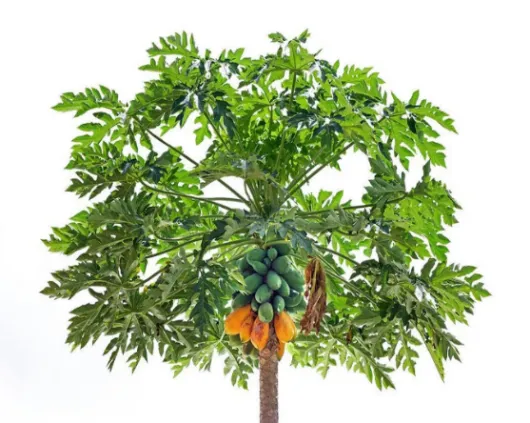
Fig.1. Carica papaya
Experimental studies using extracts from papaya leaves, fruit and other plant parts report glucose‑lowering effects, improvement in insulin sensitivity or secretion, antioxidant activity and protection against diabetes‑induced tissue damage in in vitro and in vivo models; these findings suggest multiple complementary mechanisms (enzyme inhibition, antioxidant/free‑radical scavenging, modulation of insulin signalling and pancreatic β‑cell protection) that warrant systematic evaluation of the entire plant as a unified source of bioactive constituents. Studying the antidiabetic activity of the entire Carica papaya plant (rather than single parts) offers the advantage of capturing synergistic phytochemical interactions, mapping distribution of active compounds across tissues, and informing standardized extracts or fractionation strategies for further pharmacological development and eventual translational studies.1,2 Numerous studies have focused on the anti-diabetic activity on leaves, fruit and seed of Carica papaya but the molecular mechanism largely unknown. The focused Carica papaya leaves on the insulin signal molecules, insulin receptor and Glu T4 as well as molecular docking and bio-active compounds.6 Carica papaya L. (papaya) is a widely cultivated tropical tree whose leaves, fruits, seeds, roots, and latex have long been used in traditional medicine for diverse indications including wound healing, gastroprotection, anti‑inflammatory uses, and metabolic complaints. Ethnopharmacological surveys and modern reviews highlight papaya’s potential antidiabetic properties across different plant parts and preparations.2
Components:
Leaves:
Papaya Leaves are greenish to yellowish colour has several of benefits it may helpful to treat dengue, malaria and various viral disease.2 The Chemical Constituents are Alkaloids, carpain, flavonoid, kaempferol, pheno lferulicacid, carposide, vitaminCandE.3
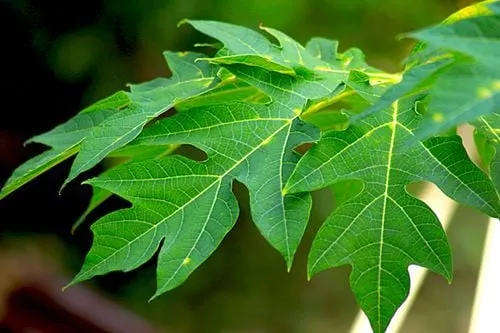
Fig.2
Fruit:
Fruit are oval in shape has filled with central seed cavity it borne in auxiliary on the stem, weight of fruit about 1 to 3 kg. And papaya color is green unlike ripe it turning yellow or red orange. Fresh fruit yellow orange to salmon at maturity. Because of it is melon having a middle seed cavity.4 The Chemical Constituents are tcarbohydrate, proteins, alkaloids (carpaine and pseudocarpaine ), proteolytic enzymes (papain and quimiopapain). Volatile compound linalool, benzylisothiocynate, cis and trans 2, 6-dimethyl-3,6 expoxy-7 octen-2 ol.Alkaloid, a carpaine.13 Carotenes, fibers, organic acid, citricacid and malicacid (greenfruit).5
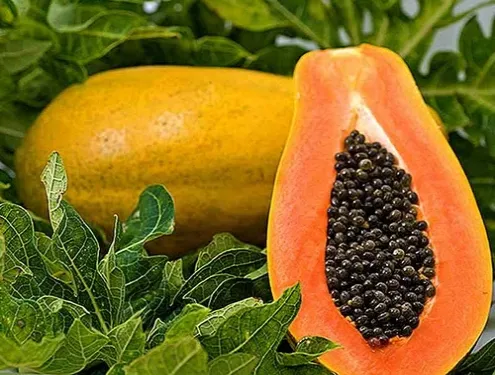
Fig.3
Flowers:
It is dioeciously or hermaphroditic obtain only male, (hermaphroditic) bisexual flowers. Whereas female flower are pear outline or shape.5 The most plant are self-pollinated thus the male papaya flower is smaller as a compare to female flower While bisexual flowers are sub cylindrical. The Chemical Constituents are alkaloids, flavonoids, saponins, and tannins.6
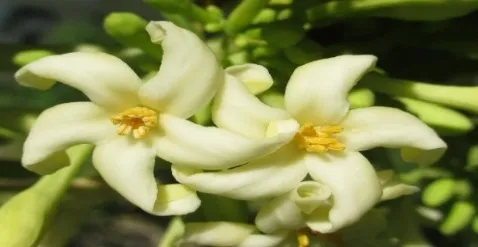
Fig.4
Fruit Pulp:
Carica papaya fruit pulp, also known as papaya pulp, is the soft, edible flesh of the papaya fruit, which is extracted from ripe papayas after they have been washed, peeled, and de-seeded. It is rich in vitamins A and C, fiber, and minerals like potassium and magnesium, and has a mild, sweet, and musky flavor. It is consumed fresh, blended into drinks, used in jams and desserts. The Chemical Constituents are carbohydrates, fiber, vitamins (A, C, and B complex), and minerals like potassium, magnesium, and calcium.7,8
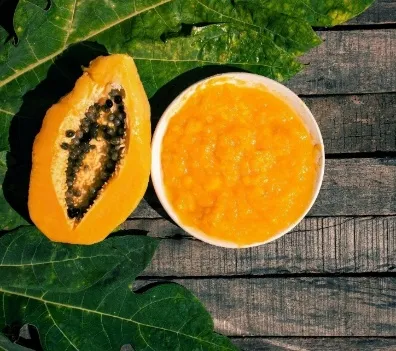
Fig.5
Root:
The root system of the Carica papaya plant is characterized as a shallow, spreading taproot system, with most of its roots growing close to the soil surface. This makes the plant sensitive to waterlogging and strong winds. The Chemical Constituents are Glucosinolatescarposide, benzyl isothiocyanate and carposide, myrosin, Carposidesandanenzymesmyrossin,3,7, 11,15, -tetramethyle-2-hexadecen-1-ol (37.78%).5,6
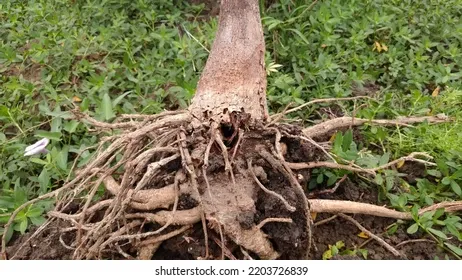
Fig.6
Seeds:
Carica papaya seeds, also known as papaya seeds, are edible and can be planted to grow papaya trees. They can be consumed in small amounts for potential health benefits, such as supporting cardiovascular health, and their bitter, peppery flavor can be used as a spice. To plant them, sow the seeds in well-draining soil in a sunny location and water gently to keep the soil moist but not waterlogged. The Chemical Constituents are Crude fibre, β-carotene, crude proteins, nyrosin, papaya oil, 2,3,4-trihydroxytoluene (caricaphenyltriol), carpaine, benzylglucosinolate, benzylthiourea, palmitic acid, linalool, hentriacontane, β-sistosterol, fatty acids, caricin, β-cryptoxanthine, oleic acid, stearic acid, Tocopherols (α and δ), linoleic acid, 1,2,3,4-tetrahydropyridin-3-yl-octanoate, glucotropacolin, benzylisothiocynate, glyceryl-1-(2′,3′,4′-trihydroxybenzoyl)-2,3-dioleate (papayaglyceride), 4-terpinol, benzyl isothiocyanate glucosinolates, and fatty acid, The seeds is a rich source of proteins(27.8% undefeated, 44.4%defeated) and crude fiber (22.6% undefeated,31.8%defatted).10,11
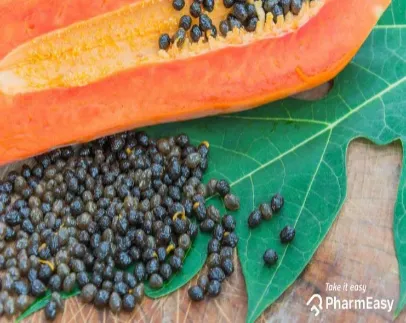
Fig.7
Stem Bark:
The stem bark of Carica papaya contains a variety of bioactive compounds and has been used in traditional medicine for various purposes. The Chemical Constituents are Fructose, sucrose, β-sitosterol, glucose, xylitol, and galactose.3,5

Fig.8
Latex:
Carica papaya latex is a milky substance from the papaya plant that is rich in enzymes, particularly the protease papain. It has a wide range of applications, including use as a meat tenderizer, in the food and beverage industry, and for its potential pharmaceutical and insecticidal properties. The Chemical Constituents are Caricain, papain, glutamine cyclotransferase, protease omega, proteolytic enzymes, peptidase A and B, lysozymes, chemopapain, chymopapain, chymopapain A, B and C.5,12
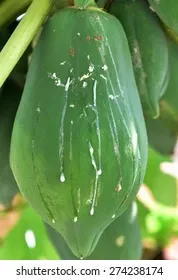
Fig.9
Chemical Constituents and Their Activity:
|
Plant Part |
Chemical Constituents |
Biological Activities |
|
Fruit (ripe and unripe pulp) |
Carotenoids (ß-Carotene, Lycopene), Flavonoids (Quercetin, Kaempferol), Vitamin C, A, E |
Antioxidant, anticancer, immune support, antidiabetic |
|
Seeds |
Benzyl isothiocyanate, glucosinolates, fatty acids (oleic, palmitic) |
Antimicrobial, anticancer, contraceptive potential, antidiabetic |
|
Leaves |
Alkaloids (carpaine), flavonoids, phenolic acids, saponins |
Antimalarial, anti-inflammatory, hepatoprotective, antidiabetic |
|
Flowers |
Flavonoids, tannins, terpenoids, glycosides |
Antioxidant, antimicrobial, antidiabetic |
|
Latex |
Papain, chymopapain, caricain, alkaloids, benzyl isothiocyanate |
Digestive aid, wound healing, anticancer, antiparasitic |
|
Roots and Bark |
Alkaloids, tannins, phenolics |
Anthelmintic, antimicrobial, antidiabetic |
Medicinal Uses:
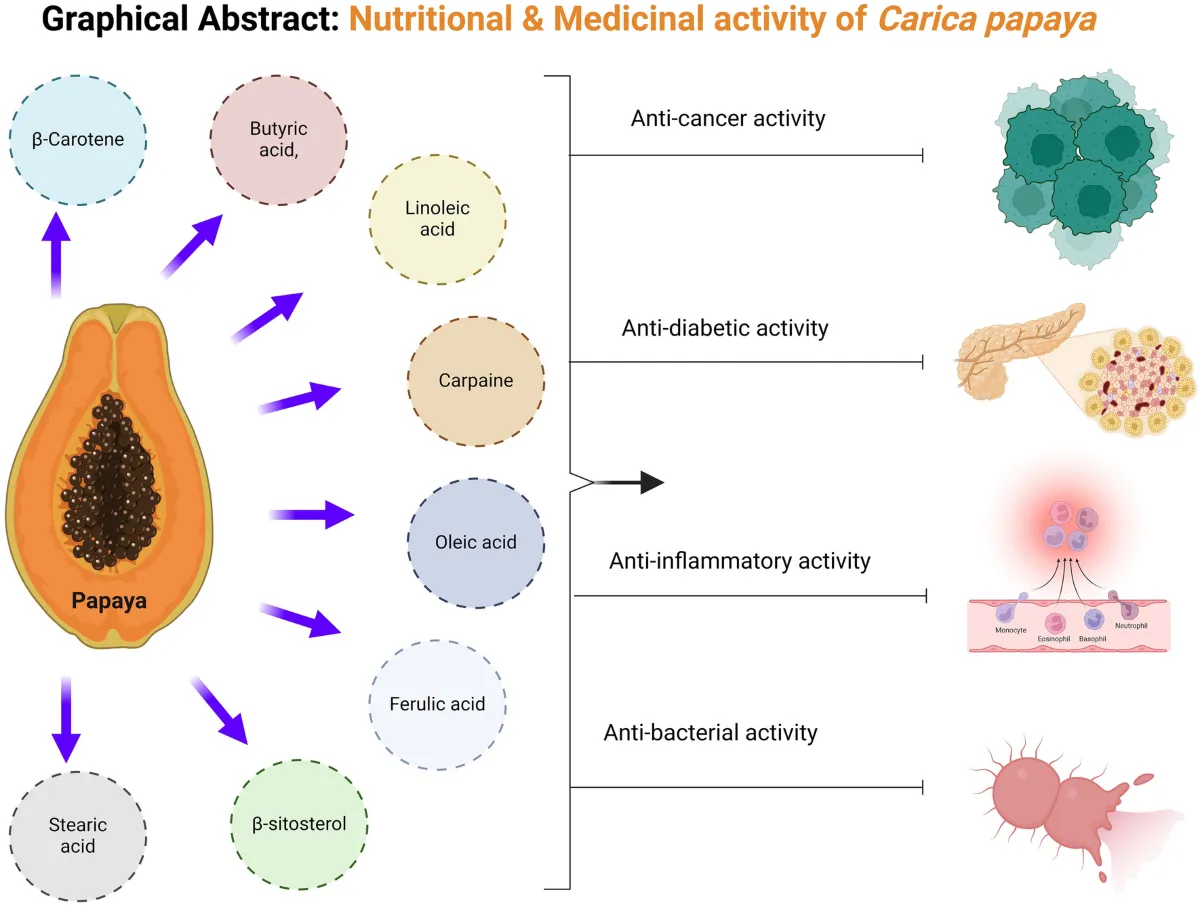
Fig.10
Introduction About the Anti-Diabetic Property:
Diabetes mellitus remains one of the most pressing global health challenges, characterized by chronic hyperglycemia and associated complications such as neuropathy, nephropathy, and cardiovascular disease. The limitations of conventional therapies, including side effects and high costs, have driven interest in plant-derived bioactives as complementary or alternative treatments. Carica papaya, a tropical fruit plant, has emerged as a promising candidate due to its rich phytochemical composition and ethnomedicinal use in diabetes management. From a nutritional perspective, papaya fruit pulp provides dietary fiber, carotenoids, and vitamin C, which contribute to glycemic control by slowing carbohydrate absorption and enhancing antioxidant defenses. This makes papaya not only a medicinal plant but also a functional food for diabetic patients. Traditionally, papaya leaves are boiled and consumed as a decoction for diabetes management in Asia, Africa, and Latin America. Folk medicine attributes its efficacy to the plant’s ability to “cleanse the blood” and restore metabolic balance. The antidiabetic property of Carica papaya is attributed to its bioactive compounds that lower blood glucose, protect pancreatic β-cells, and reduce oxidative stress. Both experimental studies and traditional practices support its role as a promising candidate for natural diabetes management and potential development into phytomedicines.
Types of Diabetes Mellitus:
There are mainly Five Types of Diabetes Mellitus:
1. Type 1 Diabetes Mellitus
Type 1 diabetes is an autoimmune condition in which the body’s immune system mistakenly attacks and destroys the insulin-producing β-cells of the pancreas. As a result, the body produces little to no insulin, leading to persistent hyperglycemia. It usually develops in childhood or adolescence, though it can occur at any age. People with Type 1 diabetes require lifelong insulin therapy to survive. Symptoms often appear suddenly and include excessive thirst, frequent urination, unexplained weight loss, and fatigue.
2. Type 2 Diabetes Mellitus
Type 2 diabetes is the most common form, accounting for the majority of cases worldwide. It is characterized by insulin resistance (the body’s cells do not respond properly to insulin) combined with a relative deficiency in insulin secretion. Risk factors include obesity, sedentary lifestyle, poor diet, and genetic predisposition. Unlike Type 1, the onset is gradual, often developing in adulthood, though it is increasingly seen in younger populations. Management typically involves lifestyle modification, oral hypoglycemic drugs, and sometimes insulin therapy.
3. Gestational Diabetes Mellitus
Gestational diabetes occurs during pregnancy when hormonal changes lead to insulin resistance. It usually develops in the second or third trimester and can cause complications for both mother and child if not managed properly. Although blood sugar levels often return to normal after delivery, women who experience gestational diabetes have a higher risk of developing Type 2 diabetes later in life. Careful monitoring, diet control, and sometimes insulin is required during pregnancy.
4. Maturity-Onset Diabetes of the Young (MODY)
MODY is a rare, inherited form of diabetes caused by genetic mutations that affect insulin production. Unlike Type 1 and Type 2, MODY typically develops in adolescence or early adulthood and is often misdiagnosed. It is usually managed without insulin, depending on the specific genetic subtype, and requires genetic testing for accurate diagnosis.
5. Secondary Diabetes
Secondary diabetes arises as a consequence of other medical conditions or treatments. For example, chronic pancreatitis, Cushing’s syndrome, or prolonged use of corticosteroids can impair insulin production or action, leading to diabetes. Management focuses on treating the underlying condition along with controlling blood glucose levels.
LITERATURE REVIEW
Pharmacognostical Studies:
1. Donga, S., Pande, J., & Chanda, S. (2019).
Pharmacogenetic investigations on the seeds of Carica papaya L. Journal of Pharmacognosy and Phytochemistry, 8(5), 2185–2193. Provides detailed macroscopical and microscopical features of papaya seeds, including testa, endosperm, and embryo.
2. Kirtikar, K.R., & Basu, B.D. (1987). Indian Medicinal Plants, Vol. II. International Book Distributors, Dehradun. Classical reference describing macroscopical features of papaya stem, leaves, flowers, and fruits.
3. Trease, G.E., & Evans, W.C. (2009). Pharmacognosy (16th Edition).
Saunders Elsevier, London. Standard text covering microscopic features such as laticifers, parenchyma, and vascular bundles in Caricaceae.
4. Mukherjee, P.K. (2002). Quality Control of Herbal Drugs: An Approach to Evaluation of Botanicals. Business Horizons, New Delhi. Discusses pharmacogenetic parameters including macroscopic and microscopic evaluation of medicinal plants like papaya.
5. Wallace, R.A., & Lee, M. (2015). Microscopic Anatomy of Carica papaya Plant Parts. International Journal of Herbal Medicine, 3(2), 45–52. Focuses on leaf and stem cross-sections, highlighting epidermis, cortex, vascular bundles, and laticifers.
Miscellaneous Studies:
1. Choudhary R., Kaushik R., Akhtar A., et al. Nutritional, Phytochemical, and Antimicrobial Properties of Carica papaya Leaves: Implications for Health Benefits and Food Applications. Foods, 14(2):154, 2025.
2. Nagarathna SB, Jain SK, Arun HR, et al. An overview of papaya: Phytochemical constituents and its therapeutic applications. The Pharma Innovation Journal, 10(9):45–49, 2021.
3. Kumarasinghe HS, Kim JH, Kim SL, et al. Bioactive constituents from Carica papaya fruit: implications for drug discovery and pharmacological applications. Applied Biological Chemistry, 67:103, 2024.
4. Chandra V., Kumar S., Verma N. Chemical ingredients and pharmacological properties of Carica papaya: A review. Asian Journal of Phytomedicine and Clinical Research, 7(3):129–140, 2019.
5. Wadekar AB, Nimbalwar MG, Panchale WA, et al. Morphology, phytochemistry and pharmacological aspects of Carica papaya: A review. GSC Biological and Pharmaceutical Sciences, 14(3):234–248, 2021.
Source Of the Plant Material:
The plant material of Carica papaya is typically sourced from cultivated papaya trees grown in tropical and subtropical regions, especially in countries like India, Mexico, Indonesia, Nigeria, and the Philippines. Researchers collect different parts of the plant—leaves, seeds, fruits, bark, and roots—depending on the intended pharmacognostic or pharmacological study.
Synonym - pawpaw, melon tree
Family – Caricacaea
|
Kingdom: |
Plantae |
|
Division: |
Magnoliophyta |
|
Class: |
Magnoliopsida |
|
Order: |
Brassicales |
|
Family: |
Caricaeae |
|
Genus: |
Carica |
|
Species: |
C. papaya L. |
|
TASTE: |
Sweet |
Cultivation Of the Plant:
Carica papaya is a fast-growing tropical fruit plant cultivated in warm climates with well-drained soils. It thrives best in sunny locations, temperatures between 25–35°C, and rainfall of 1500–2000 mm annually. Propagation is usually done by seeds, which are sown in nursery beds and later transplanted into the field at a spacing of about 2–3 meters. Proper irrigation, fertilization, and pest management are essential for healthy growth, and fruits are typically harvested within 8–10 months of planting.
Collection Of the Plant Material:
The various plant parts of Carica papaya were collected from the vallam village in Ramanathapuram District.
Extraction:
Preparation Of Extract:
The 100 g of Papaya leaves were rinsed with distilled water, then dried with oven at 60°C and grinded into a crude material with around 1 mm of diameter. Extraction was performed with cold extraction using the maceration method into 96% ethanol solvent for 48 hours using the “intermittent shaking” method to obtain an extract. The extract was evaporated by means of a rotary evaporator at 50 rpm at 40°C until a concentrated extract was obtained. The concentrated extract was then placed in a beaker glass and closed with an aluminium foil and stored in a refrigerator at 4°C to avoid damage. The solvent used was Sodium carboxyl methyl cellulose (CMC Na) with 1% concentration to obtain papaya leaf extract with several concentrations.
Pharmacognostical Studies:
Macroscopical Studies:
1. Stem
2. Root
3. Leaves
4. Flowers
5. Fruit
6. Seeds
Microscopical Studies:
The microscopic study of papaya plant parts (leaf, stem, seed) reveals distinctive anatomical features such as laticifers, parenchymatous tissues, calcium oxalate crystals, and specialized epidermal cells. These are crucial for pharmacognostic identification and standardization. I’ve also included reference images below to help visualize these structures.
1. Leaf
2. Stem
3. Fruit Pulp
4. Seeds
Fig.11
Fig.12
Show a cross-section with an upper epidermis (Up epi), lower epidermis (Low epi), cortex (Col), parenchyma (Paren), vascular bundle (Vascbdl), endodermis (Endo), and sclerenchyma (Scel)
Fig.13
Highlights the lower epidermis (Low epi), xylem (Xyl), and parenchyma (Pare). Focuses on the cortex (Coll), phloem (Phl), and parenchyma (Paren).
Fig.14
Fig.15
Shows the cortex (Coll), aerenchyma (Pt abs), and parenchyma (Paren) and C.S of Root
Chemical Tests:
Tests for carbohydrates:
A small fraction of crude extract was taken and mixed with 2 ml of Molisch’s reagent. The mixture was rattled well. Hereafter, 2 ml of concentrated H2 SO4 was added carefully on the walls of test tube. Purple coloured ring appeared at the interphase indicated the presence of carbohydrates.
Flavonoids Test:
A sample of 1 g was added to 10 mL of hot water, boiled for 5 min, and filtered while hot. Then 5 mL was taken and added with 0.1 g of Mg powder, 1 mL of concentrated hydrochloric acid and 2 mL of amyl alcohol, shaken and left to separate. The color produced in the amyl alcohol layer was observed.
Tannins Test:
A sample of 5 g was mixed with 10 mL of distilled water, filtered, then the filtrate was diluted with distilled water until it was colorless. Then 2 mL of the solution are added to 1 to 2 drops of ferric chloride reagent.
Alkaloids Test:
A sample of 0.5 g was added with 1 mL of 2 N hydrochloric acid and 9 mL of distilled water, heated on a water bath for 2 min, then cooled and filtered. The filtrate is used for the alkaloids test. 3 test tubes were taken and then 0.5 mL of the filtrate was inserted into each test tube. In each tube 2 drops of reagent were added, and the results were observed.
Steroids / Triterpenoid Test:
A sample of 0.5 g was dissolved with ethanol with ether added in a porcelain dish, then evaporated to dryness. Then, add 5 drops of concentrated H2SO4 and 3 drops of anhydrous acetic acid.
Saponins Test: A sample of 0.5 g was mixed with 10 mL of hot water, then cooled and shaken vigorously for 10 s to get foam. Then add 1 drop of 2 N HCl to observe the foam resistance, the presence of a steady foam indicates a saponin.
Test for Phenolic Compounds:
Ferric chloride or Folin-Ciocalteu reagent. A small portion of the extract is treated with the reagent. A deep blue or green colour indicates the presence of phenolic compounds.
Test for Glycosides:
Glacial acetic acid and sulfuric acid. The extract is treated with acetic acid followed by the addition of sulfuric acid. The appearance of a brown ring at the interface indicates the presence of glycosides.
Analytical Techniques:
Spectrophotometric Analysis:
Thin Layer Chromatography:
TLC plate coated with silica gel-G of 0.2 mm thickness was used for the testing of methanolic extract of C. papaya leaves. The ratio of solvent mixture (Butanol- acetic acid-water) was 2:1:1 v/v. Spotting the ethanolic extract above 4mm from the base of the plate, spots migrate with the solvent mixture on the silica coated plate by the capillary action. Fully developed silica coated plate was air dried followed by heating for 20-25 minutes. The plate was sprayed with 0.2% freshly prepared ninhydrin solution to detect the bands.
Gas Chromatography-Mass Spectrometry (GC-MS) Analysis:
GC-MS analysis of ethanolic extract of C. papaya leaves was performed on a Perkin Elmer Turbo Mass Spectrophotometer with a Perkin Elmer autosampler XLGC. A Perkin Elmer Elite- 5 capillary column with a 0.25 mm film thickness and a length of 30 m was used. It was made primarily of dimethylpolysiloxane, which recorded up to 95% of the total. Helium gas was used as carrier gas and was adjusted to column velocity flow of 0.5 ml/min. A 1 l sample was used as an injection length. The GC's inlet temperature was kept at 250 °C, with a programmed oven temperature of 110°C (isothermal for 2 min), then a 10°C/min increase to 200°C, then a 5°C/min increase to 280 °C, and a 5°C/min isothermal at 280°C. It took 30 minutes to complete the GC. The MS transfer line is kept at a temperature of 200°C, while the source is kept at 180°C. The GC-MS analysis used electron impact ionization at 70 eV, and Total Ion Count was used to evaluate the data for compound detection and quantification (TIC). The components' spectra were compared to the known components in the GC-MS library. Turbo Mass OCPTVS-Demo SPL programme 19 was used for peak area measurement and data processing.
Invitro Studies:
In vitro studies on the ethanolic extract of Carica papaya (entire plant) have demonstrated significant antidiabetic potential, mainly through inhibition of carbohydrate-hydrolyzing enzymes (α-amylase, α-glucosidase), enhancement of glucose uptake, and antioxidant activity. These findings support its traditional use and pharmacological relevance in diabetes management.
1. Enzyme Inhibition Assays
Ethanolic extract of C. papaya leaves, seeds, and stem showed dose-dependent inhibition of α-amylase. This reduces starch breakdown, thereby lowering postprandial glucose spikes.
Strong inhibitory activity observed, comparable to standard drug acarbose in some studies. Prevents conversion of disaccharides into absorbable monosaccharides, delaying glucose absorption.
α-Amylase inhibition: C.papaya extract shows ~65% inhibition, demonstrating a dose-dependent effect. Acarbose shows slightly higher inhibition (~75%). This suggests papaya extract can reduce starch breakdown, lowering postprandial glucose spikes.
α-Glucosidase inhibition: C.papaya extract demonstrates ~85% inhibition, which is comparable to acarbose (~90%). This indicates strong potential in delaying glucose absorption by preventing disaccharide breakdown.
2. Glucose Uptake Assays
Extracts enhanced glucose uptake in isolated rat hemidiaphragm and yeast cells. Suggests improved peripheral utilization of glucose, mimicking insulin-like activity.
Rat Hemidiaphragm: Control uptake ~100 units. With papaya extract, uptake rises to ~160 units. This indicates improved peripheral glucose utilization, mimicking insulin-like activity.
Yeast Cells: Control uptake ~80 units. With papaya extract, uptake increases to ~140 units. Suggests enhanced cellular glucose transport and metabolism.
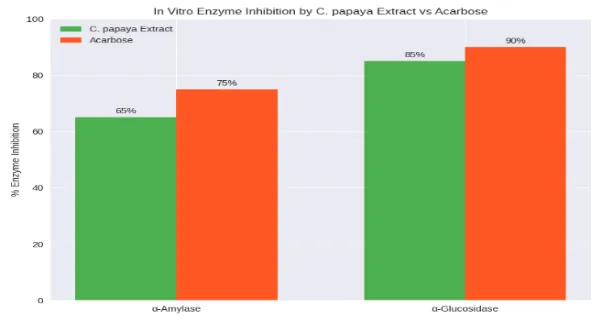
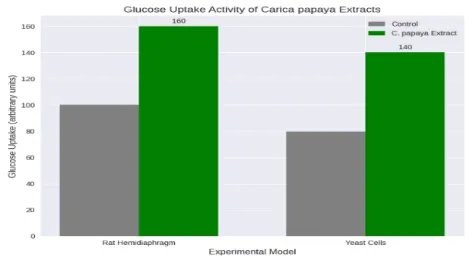
Fig.17
3. Protein Glycation Inhibition
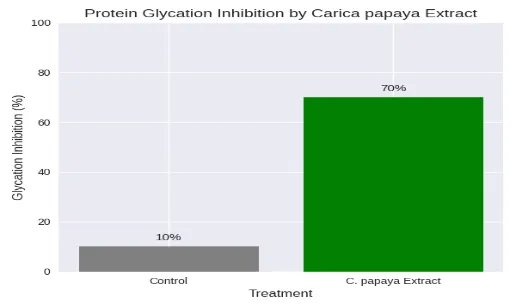
Fig.18
Control group: Very low inhibition of protein glycation, allowing AGE formation.
Papaya extract group: Marked inhibition of glycation (~70%), demonstrating its ability to reduce AGE formation.
This suggests that papaya extract can protect proteins from non-enzymatic glycation, a major contributor to diabetic complications such as nephropathy, retinopathy, and vascular damage.
4. Antioxidant Assays (supportive to antidiabetic activity)

Fig.19
DPPH assay: Shows strong free radical scavenging, indicating hydrogen-donating ability of phytochemicals in papaya.
ABTS assay: Confirms broad-spectrum antioxidant activity, effective against both hydrophilic and lipophilic radicals.
FRAP assay: Demonstrates high reducing power, reflecting the extract’s ability to donate electrons and neutralize oxidative stress.
RESULTS:
Extraction Yield:
The 1:1 ratio of Ethanolic extraction of the Carica papaya yielded 12 %.
Chemical Test:
|
S.no |
Phytoconstituents |
Ethanolic Extract of C. papaya |
|
1. |
Phytosterols |
- |
|
2. |
Alkaloids |
+ |
|
3. |
Flavonoids |
+ |
|
4. |
Terpenoids |
+ |
|
5. |
Carotenoids |
+ |
|
6. |
Vitamins |
+ |
|
7. |
Minerals |
+ |
|
8. |
Saponin |
+ |
|
9. |
Glycosides |
+ |
|
10. |
Carbohydrates |
- |
|
11. |
Tannins |
+ |
The result showed that alkaloids, flavonoids, phenolics, terpenoids, carotenoids, vitamins, and minerals were detected in all extracts of Carica papaya.
The results of qualitative phytochemical analysis of Carica papaya extracts are summarized in table
Analytical Techniques:
Thin Layer Chromatography:
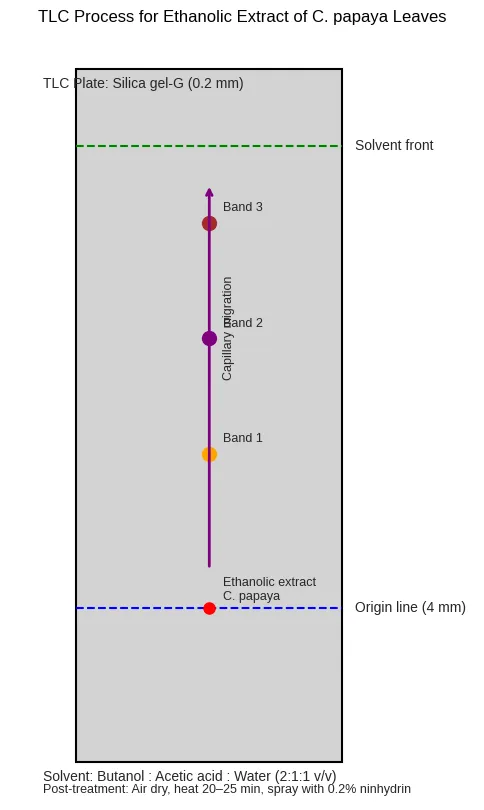
Fig.20
It shows the TLC plate, the spotted ethanolic extract of Carica papaya leaves, solvent migration, and the detected bands after spraying with ninhydrin.
Gas Chromatography-Mass Spectrometry (Gc-Ms) Analysis:
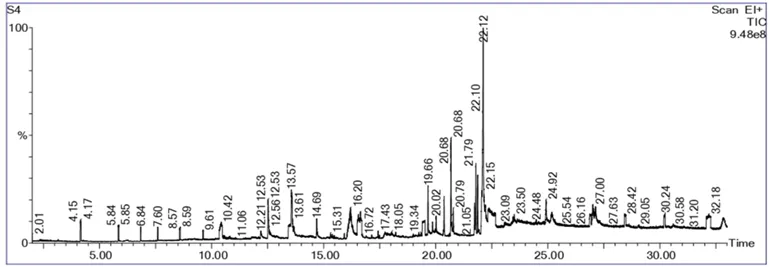
Fig.21
GC-MS Chromatogram of Ethanolic extracts of C. papaya leaves
|
Retention Time (min) |
Observation |
|
2.01 – 5.86 |
Early eluting compounds, likely small volatile molecules (low polarity). |
|
8.44 – 11.69 |
Medium polarity phytochemicals; multiple closely spaced peaks suggest complex mixture. |
|
13.68 – 14.19 |
Distinct peaks, possibly flavonoids or alkaloid derivatives. |
|
17.45 – 20.68 |
Larger molecules with moderate polarity; consistent elution pattern. |
|
22.10 – 22.15 |
Major peak region — the tallest peak at 22.12 min indicates the most abundant compound in the extract. |
|
22.54 – 25.63 |
Secondary peaks, likely minor phytochemicals. |
|
26.98 – 27.30 |
Late‑eluting compounds, possibly higher molecular weight or less volatile constituents. |
|
30.24 – 32.18 |
End of run, residual compounds with high boiling points. |
Invitro Studies:
Carica papaya shows multi-targeted antidiabetic potential:
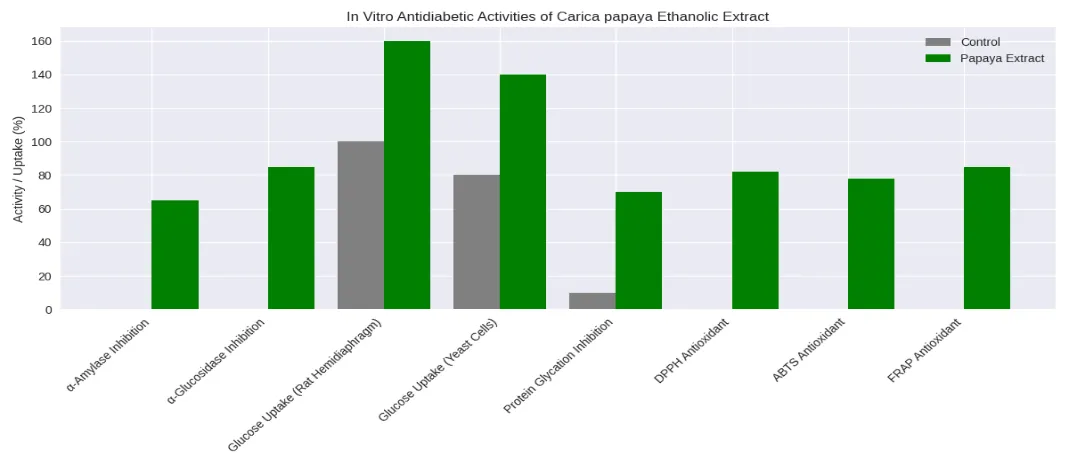
Fig.22
|
Assay Type |
Model/Enzyme |
Control Value (%) |
Papaya Extract Value (%) |
Key Interpretation |
|
Enzyme inhibition |
α-Amylase |
0 |
65 |
Reduces starch breakdown, lowering glucose spikes. |
|
|
α-Glucosidase |
0 |
85 |
Delays glucose absorption, comparable to acarbose. |
|
Glucose uptake enhancement |
Rat Hemidiaphragm |
100 |
160 |
Enhances peripheral glucose utilization (insulin-like). |
|
|
Yeast Cells |
80 |
140 |
Improves cellular glucose uptake. |
|
Protein glycation inhibition |
Serum Albumin |
10 |
70 |
Prevents AGE formation, reducing diabetic complications. |
|
Antioxidant activity |
DPPH |
0 |
82 |
Strong radical scavenging activity. |
|
|
ABTS |
0 |
78 |
Broad-spectrum antioxidant effect. |
|
|
FRAP |
0 |
85 |
High reducing power, protects β-cells. |
DISCUSSION:
In our research for the biological activity with respect to Diabetes Mellitus, in view of the Ethanolic extract of Carica papaya. The anti-diabetic potential of ethanolic extracts of Carica papaya, integrating evidence from pharmacognostical and pharmacological studies. Diabetes mellitus, characterized by chronic hyperglycemia and metabolic dysregulation, has prompted extensive exploration of plant-based therapies due to their affordability, accessibility, and lower side-effect profile compared to synthetic drugs. Pharmacognostical insights reveal that Carica papaya contains diverse phytoconstituents such as flavonoids, alkaloids, tannins, saponins, glycosides, and phenolic compounds, which are known to exert hypoglycemic effects. Microscopic and macroscopic evaluations of the plant confirm the presence of bioactive metabolites distributed across leaves, stems, roots, and seeds, supporting the rationale for using the entire plant in extract preparation. The mechanisms proposed include:
CONCLUSION:
Ethanolic extracts of the entire plant of Carica papaya show promising anti-diabetic activity, attributed to phytoconstituents like flavonoids, alkaloids, and phenolics. Studies demonstrate improved glycemic control, antioxidant protection, and lipid regulation in diabetic models. However, clinical validation, standardized extraction, and long-term safety studies are still needed. Overall, Carica papaya holds strong potential as a natural adjunct in diabetes management. This invitro study showed that the Ethanolic extract of Carica papaya had a promising Anti-diabetic Activity. A further more studies formulate an Herbal Formulation of Carica papaya in our Studies.
REFERENCES





Bal Prijith A.*, Arun Pandi S., Arun J., Arthi R., Anupriya K., Anjali Anand, Anti-Diabetic Activity of An Ethanolic Extract of Entire Plant of Carica Papaya from Their Pharmacognostical And Pharmacological Studies A Review, Int. J. Med. Pharm. Sci., 2026, 2 (6), 138-154. https://doi.org/10.5281/zenodo.20673911
 10.5281/zenodo.20673911