

We use cookies to ensure our website works properly and to personalise your experience. Cookies policy
Department of Pharmaceutics, Vidya Niketan Institute of Pharmacy and Research Center, Bota, Tal- Sangamner, Dist.- Ahilyanagar, 422602, Maharashtra, India
Feet are important organs of our body used to perform critical daily activities like walking, running, and jumping, but are frequently neglected in standard skincare regimens. Proper care is essential to maintain epidermal integrity. The primary objective of this study was to formulate and develop a novel anti-crack herbal gel containing natural resources such as Aloe vera gel and Hibiscus extract, which possess inherent wound healing, moisturizing, and antimicrobial activities. The topical formulation was designed to counter the physiological limitations of plantar skin, which lacks sebaceous glands. Phytochemical screening confirmed the presence of therapeutic alkaloids, flavonoids, and tannins in the botanical extracts. The developed formulation was found to be safe, non-irritating, and highly effective against cracked heels without any notable side effects. Clinical efficacy was demonstrated on volunteers with cracked heels, showing significant cosmetic and therapeutic restoration within an application period of 15 days.
The skin on the human feet is regularly exposed to substantial mechanical friction, weight-bearing pressure, and harsh external environmental conditions. A major physiological predisposition of the plantar aspect of the foot is the complete absence of sebaceous (oil) glands on the soles, making this region entirely reliant on sweat glands for moisture regulation and uniquely susceptible to severe dry skin (xerosis) [14, 22]. Continuous negligence of foot health combined with improper or exposing footwear frequently leads to different dermatological disorders, primary among which are cracked heels, medically referred to as heel fissures [14, 21]. These fissures manifest as linear splitting of the epidermis in hyperkeratotic regions around the heel edge, often accompanied by thickened skin and yellow or brown calluses [14, 21]. While initially presenting as an aesthetic or cosmetic concern, deep fissures can penetrate across the epidermal barrier into the underlying dermis, causing severe physical discomfort, intense pain, and bleeding [14, 21]. Crucially, these open cracks serve as an easy external penetration portal for dirt, opportunistic fungi, and pathogenic bacteria, giving rise to secondary localized infections [14, 21]. It is well-reported that the bacterial decomposition of sweat components in stagnant skin folds generates distinct foot odor, a process where the resident bacterium Staphylococcus epidermidis is primarily responsible [14]. Furthermore, common foot-resident microorganisms frequently proliferate within these deep fissures, leading to more severe systemic or localized fungal and bacterial infections; these include Candida albicans, Escherichia coli, and Staphylococcus aureus [14, 21]. In addition to mechanical stress and improper footwear choices, predisposing risk factors such as regular barefoot walking, genetics, or systemic metabolic disorders like diabetes mellitus and obesity significantly compromise the epidermal barrier, severely impairing the skin's natural healing capacity [21, 22]. Consequently, topical intervention focusing on intense hydration, emollient replenishment, and germicidal barrier protection is clinically vital to address plantar xerosis and prevent further relapses [14, 21, 22]. Topical cosmetics and pharmaceutical preparations—including creams, ointments, and gels—are widely used products meant to be rubbed, poured, or applied directly onto the body for cleansing, beautifying, altering the appearance, or delivering active pharmaceutical ingredients (APIs) to specific dermal layers [14, 22, 23]. Gels, in particular, provide an elegant, non-greasy, and highly spreadable vehicle that optimizes transdermal diffusion kinetics while maintaining a protective barrier on the skin [22]. In recent years, there has been a profound shift toward herbal cosmetics and natural skincare products obtained from various plant parts (flowers, fruits, leaves, and barks) due to their immense therapeutic benefits and lower risk of adverse side effects compared to synthetic alternatives [14, 23]. The herbs selected for the current formulation possess well-established antiseptic, germicidal, and tissue-regenerative properties. For instance, Curcuma longa (turmeric) exhibits highly effective broad-spectrum germicidal and anti-inflammatory action, making it an excellent agent for healing deep cuts [14]. By combining multiple natural bioactives, a multi-targeted therapeutic approach can be achieved. The primary benefits of the developed foot crack gel include: (a) softening hyperkeratotic tissues, (b) effectively healing deep epidermal cracks, (c) reducing localized itching and irritation, and (d) stimulating new tissue growth and epithelial regeneration [14].
Fig. 1: Clinical presentation of cracked heels showing severe epidermal splitting and hyperkeratosis.
AIM AND OBJECTIVES
AIM:
To formulate and evaluate a novel, highly effective topical herbal foot crack gel utilizing natural resources for the treatment and management of heel fissures.
KEY OBJECTIVES:
3. Plan of Work
The research work was executed through a structured, step-by-step methodology to ensure reproducible formulation development and strict quality control. The sequential workflow consists of the following critical milestones:
4. Plant and Ingredient Profiles
The current formulation strategically combines four core natural resources, each chosen for its synergistic role in skin hydration, barrier repair, and germicidal action:
4.1 Aloe vera
Aloe vera is a stemless or very short-stemmed succulent plant growing up to 60–100 cm tall, which spreads readily via offsets. The leaves are thick, fleshy, and green to grey-green, with some varieties exhibiting distinct white flecks on their upper and lower stem surfaces [20]. The margins of the leaves are serrated with small white teeth. The taxonomic classification is as follows: Kingdom: Plantae; Order: Asparagales; Family: Asphodelaceae; Genus: Aloe; Species: A. vera; Scientific Name: Aloe barbadensis Miller [20]. Common vernacular names include Aloe, Musabbar, and Kumari. Clinically, the colorless inner parenchymal gel is utilized as a potent humectant and emollient. It acts as an all-purpose herb since ancient times, widely celebrated for its multi-functional wound healing, anti-inflammatory, antibacterial, antifungal, and antioxidant properties [6, 20].
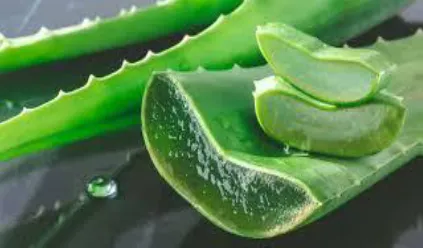
Fig. 2: Morphological appearance of fresh succulent Aloe vera leaves.
4.2 Hibiscus (Hibiscus rosa-sinensis)
Hibiscus represents a large, diverse genus of flowering plants within the mallow family, Malvaceae. The trumpet-shaped flowers are highly distinctive, featuring large petals that range in color from vibrant red, orange, and yellow to pink or purple. Taxonomic hierarchy: Kingdom: Plantae; Division: Tracheophyta; Subdivision: Magnoliopsida; Order: Malvales; Family: Malvaceae; Genus: Hibiscus. Hibiscus is a highly preferred botanical agent in herbal cosmetics due to its extensive soothing and healing capabilities on damaged skin tissue [7]. Its primary therapeutic uses include curing localized cutaneous infections, accelerating wound healing through tissue contraction, serving as a natural skin-smoothing emollient, and providing a mild, pleasant natural fragrance to topical products [7].
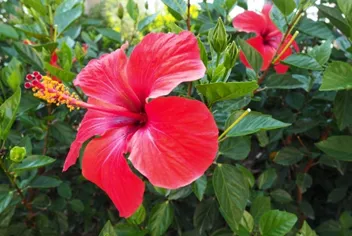
Fig. 3: Hibiscus rosa-sinensis flower utilized for aqueous bioactive infusion extraction.
4.3 Turmeric (Curcuma longa)
Turmeric is a rhizomatous herbaceous perennial plant belonging to the ginger family, Zingiberaceae. Taxonomic position: Kingdom: Plantae; Order: Zingiberales; Family: Zingiberaceae; Genus: Curcuma; Species: C. longa. The active yellow crystalline polyphenolic component, curcumin, gives turmeric powder its characteristic bright orange-yellow hue. Turmeric serves as a fundamental antiseptic and broad-spectrum antimicrobial agent in traditional medicine. Its major skincare applications include providing powerful anti-inflammatory effects to soothe swollen fissures, acting as a natural antioxidant, enhancing skin glow and elasticity, and promoting rapid wound epithelialization [14, 37].
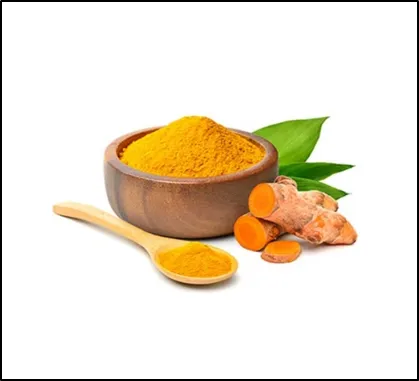
Fig. 4: Curcuma longa powder, providing key germicidal and anti-inflammatory properties.
4.4 Coconut Oil (Cocos nucifera)
Coconut oil is a lipid-rich fixed oil derived directly from the fresh kernel or milk of the coconut palm fruit. Taxonomic position: Kingdom: Plantae; Order: Arecales; Family: Arecaceae; Genus: Cocos; Species: C. nucifera. It is primarily composed of medium-chain fatty acids (such as lauric and myristic acids) that possess native lipid-replenishing properties. Coconut oil is widely utilized as a nutritious dietary oil, as well as in major industrial application streams for high-end cosmetic manufacturing and mild soap production. In the foot gel formulation, it functions as an occlusive emollient that deeply moisturizes rough skin, locks in moisture, and reinforces the damaged skin barrier to prevent secondary bacterial infection [2, 14].
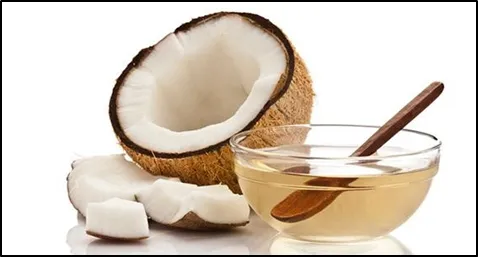
Fig. 5: Pure Cocos nucifera oil used as a protective lipophilic emollient base component.
5. Phytochemical Screening Tests
To scientifically validate the presence of bioactive secondary metabolites, qualitative phytochemical screening was performed on the crude aqueous Hibiscus extract. Standard analytical procedures [35] were implemented as detailed below:
Test for Alkaloids (Mayer's Test): A 2 mL aliquot of the clear Hibiscus extract was transferred to a sterile test tube, followed by the addition of a few drops of Mayer's reagent (potassium mercuric iodide solution). The development of a distinct cream or white precipitate was observed, indicating the definitive presence of alkaloidal compounds.
Test for Flavonoids (Alkaline Reagent Test): A few drops of dilute sodium hydroxide (NaOH) solution were added to 2 mL of the plant extract, which immediately induced an intense yellow coloration. Upon subsequent dropwise addition of dilute hydrochloric acid, the solution returned to a completely colorless state, confirming the presence of flavonoids.
Test for Tannins (Ferric Chloride Test): A few drops of a 5% aqueous ferric chloride (FeCl3) solution were introduced into 2 mL of the extract. The mixture immediately developed a deep blue-black or greenish-black color, providing an analytical confirmation for the presence of phenolic tannins.
Test for Glycosides (Keller-Killiani Test): The extract was treated with glacial acetic acid containing a trace drop of ferric chloride solution. Subsequently, concentrated sulfuric acid (H2SO4) was carefully poured down the side of the test tube. The absence of a reddish-brown ring at the interphase junction indicated that cardiac glycosides were absent in this specific extract fraction.
Table 1: Phytochemical screening test results of Hibiscus extract
|
Sr. No. |
Phytochemical Constituent |
Test Name |
Observation |
Inference |
|
1 |
Alkaloids |
Mayer's Test |
Formation of a distinct cream or white precipitate |
Present (+) |
|
2 |
Flavonoids |
Alkaline Reagent Test |
Intense yellow color appeared, which disappeared after acid addition |
Present (+) |
|
3 |
Tannins |
Ferric Chloride Test |
Immediate development of blue-black / greenish-black color |
Present (+) |
|
4 |
Glycosides |
Keller-Killiani Test |
No reddish-brown ring formed at the interphase junction |
Absent (-) |
MATERIAL AND METHODS
6.1 Materials Procurement
Analytical grade Glycerin, Tragacanth, White Beeswax, and Borax were procured directly from institutional chemical laboratories. The fresh biological materials (Aloe vera leaves and Hibiscus flowers) were cultivated and harvested within the working laboratory greenhouse premises. Pure commercial-grade Sandalwood powder, Turmeric powder, fixed Coconut oil, and triple-distilled Rose water were purchased from standardized commercial market channels [2, 14].
6.2 Extraction of Aloe vera Gel
6.3 Extraction of Hibiscus Extract (Aqueous Infusion Method)
6.4 Formulation Design and Batch Preparation
Two distinct batches of the herbal foot crack gel, designated as Formulation F1 and Formulation F2, were developed with varying concentrations of the primary biological extracts, gelling agents, and lipid structuring components. The quantitative formula layout is systematically detailed in Table 2.
Table 2: Formula layout and quantitative composition of herbal gel batches
|
Sr. No. |
Ingredients |
Role in Formulation |
Formulation (F1) |
Formulation (F2) |
|
1 |
Glycerin |
Humectant / Co-solvent |
3 mL |
2 mL |
|
2 |
Aloe vera gel |
Primary Emollient / Healing Agent |
20 g |
20 g |
|
3 |
Borax |
Alkalizing Agent / Emulsifier Stabilizer |
5 g |
6 g |
|
4 |
White Beeswax |
Structuring Agent / Thickener Base |
3 g |
5 g |
|
5 |
Sandalwood powder |
Natural Soothing Agent / Fragrance |
1 g |
1 g |
|
6 |
Coconut Oil |
Lipophilic Emollient / Barrier Repair |
1 mL |
2 mL |
|
7 |
Tragacanth |
Natural Polymer Gelling Matrix |
2 g |
2 g |
|
8 |
Hibiscus extract |
Bioactive Phase / Antimicrobial Extract |
5 mL |
7 mL |
|
9 |
Turmeric powder |
Antiseptic / Germicidal Agent |
1 g |
1 g |
|
10 |
Rose water |
Astringent Vehicle / Solvent |
q.s. |
q.s. |
Detailed Preparation Procedure:
7. Phycochemical Evaluation Parameters
7.1 Appearance: The appearance of the gel was determined qualitatively by visual assessment of its colour, its texture, and its odour [40].
7.2 Washability: This test was carried out by applying a little amount of gel over the skin and was then washed under running water to evaluate ease of removal [40].
7.3 pH: The pH was measured by weighing 1g of the sample and dissolving it in 100ml of distilled water at room temperature. A piece of pH paper was dipped into the formulation and its colour change was checked against standard reference indicators [40, 42].
7.4 Test for thermal stability: The formulated gel was transferred into a glass bottle with the help of a spatula and tapped to settle at the bottom. Two third capacity of the bottle was filled with the gel and the plug was inserted and the cap was tightened. The glass bottle was placed inside an incubator at 4°C for 48 hours, then removed and checked for any physical difference [46, 47].
7.5 Determination of type of smear: Type of smear was determined by the application of some amount of gel on the skin and after application the type of smear formed on the skin was checked [42].
7.6 Spreadability test: It was determined by taking 0.5 g of gel on a glass slide over a 1 cm diameter area. A second slide was placed over it, a weight of 500 g was placed on it, and it was held for 5 minutes. The increase in the diameter of the gel was noted and the average of 3 determinations was taken. Spreadability was calculated using the formula: S = (m * L) / T, where S is spreadability, m is weight on the upper slide, L is length moved, and T is time taken [47, 48].
7.7 Irritancy: In this test, patches of gel were applied on the skin and the effect to the skin on application of gel was compared with a standard market product to observe any adverse skin sensitivity [44].
7.8 Viscosity: The gel sample was taken in a beaker and allowed to rotate at 20 and 30 rpm respectively using spindle No. 64 on a digital viscometer. At each speed, the reading was noted and the average of 3 readings was taken [48].
RESULTS AND DISCUSSION
The experimental findings for all evaluated physicochemical, mechanical, and safety parameters across both batches are summarized in Table 3. Various evaluation parameters were performed for the effectiveness and stability of the gel [14]. The formulations were found to be slightly alkaline during laboratory testing, which is compatible with thick skin, while they were easily washable with water [14]. They demonstrated a fair to good spreadability ability and possessed a clear non-irritancy property [14].
Table 3: Result table of prepared gel formulation parameters
|
Sr. No. |
Parameters |
Formulation (F1) |
Formulation (F2) |
|
1 |
Appearance |
Yellow |
Light yellow |
|
2 |
pH |
6.0 |
6.5 |
|
3 |
Washability |
Washable |
Washable |
|
4 |
Spreadability |
Fair |
Good |
|
5 |
Thermal stability |
Stable |
Stable |
|
6 |
Type of smear |
Greasy |
Greasy |
|
7 |
Irritancy |
No irritancy |
No irritancy |
|
8 |
Viscosity |
25.3 Pa·s |
25.5 Pa·s |
8.2 Stability Studies Profile
To analyze product performance over time, stability trials were conducted under standard regulatory configurations. The formulation parameters monitored on the initial day of preparation in comparison with values after 1 month of storage are systematically laid out in Table 4.
Table 4: Stability studies parameters layout
|
Sr. No. |
Studies |
On the day of preparation |
After 1 month of preparation |
|
1 |
Sensitivity |
No Itching |
No Itching |
|
2 |
pH |
6.0 |
6.5 |
|
3 |
Colour |
No colour change |
No colour change |
|
4 |
Odour |
No bad Odour |
No bad Odour |
|
5 |
Consistency |
Good |
Good |
Comparative analysis indicated that Formulation F2 possessed superior spreadability index and elegant rheological performance compared to Formulation F1 [14]. This behavior is directly attributed to the optimized concentration of White Beeswax and fixed Coconut oil, which formed an excellent occlusive protective barrier matrix over the stratum corneum without impairing transdermal active diffusion [2, 14]. Furthermore, the stability trial demonstrated that the minor pH shift from 6.0 to 6.5 remains well within the physiological compatibility limits for thick skin layers, guaranteeing a reliable shelf-life profile under standard environmental conditions [47, 48].
SUMMARY AND CONCLUSION
Herbal products are currently in much demand across contemporary dermatological care sectors as they have fewer side effects than that of the synthetic ones [42, 47]. The prepared herbal foot crack gel was effectively formulated and showed satisfactory results in terms of all evaluation parameters carried out for it [14]. Thus, we can conclude that the prepared herbal foot crack gel is effective for cracked heels [14]. The project focused on the formulation and evaluation of an herbal foot crack gel using natural resources [14]. Given the rising demand for organic dermatological products, this study aimed to develop a safe, stable, and cost-effective alternative to synthetic creams [47]. The formulation was developed by incorporating selected natural actives (known for their emollient, antiseptic, and healing properties) into a polymer-based gel system [6, 7, 14].
REFERENCES


Harshal Wakchaure*, Disha Shirsath, Akanksha Shingote, Kiran Shinde, Development and Evaluation of Foot Crack Gel Using Natural Resources, Int. J. Med. Pharm. Sci., 2026, 2 (6), 330-339. https://doi.org/10.5281/zenodo.20779681
 10.5281/zenodo.20779681