

We use cookies to ensure our website works properly and to personalise your experience. Cookies policy
Faculty of Pharmacy, Mansarovar Global University, Sehore (M.P)
The present study was designed to develop and evaluate a nanoparticle-based topical gel system containing the active constituents of Piper betle. The research was beginning with plant material preparation, extraction of bioactive components, formulation of nanoemulsion systems, incorporation into a gel matrix, and evaluation of physicochemical and release characteristics. The results obtained from various experimental stages demonstrate that Piper betle essential oil can be successfully incorporated into a nanoemulsion-based gel system with desirable stability and release behavior.the extraction of essential oil from Piper betle leaves using the steam distillation method proved to be an efficient technique for isolating volatile phytoconstituents. The obtained essential oil was clear to slightly yellowish in color and exhibited the characteristic aromatic odor associated with betel leaves. The drying of leaves prior to distillation helped reduce moisture content and enhanced the extraction efficiency of volatile compounds. This step is important because excessive moisture can interfere with the steam distillation process and reduce the yield of essential oils. The successful extraction confirmed that Piper betle leaves are a suitable source of bioactive compounds for the development of topical pharmaceutical formulations Overall, the results of the study demonstrate that Piper betle essential oil can be successfully formulated into a stable nanoemulsion-based gel system with favorable physicochemical properties and controlled release behavior.
1.1 Background and Rationale
Skin ailments (such as acne, dermatitis/eczema, psoriasis, superficial fungal infections, minor wounds, and inflammation- linked hyperpigmentation) are among the most common health problems worldwide and contribute substantially to disability and reduced quality of life, particularly when they become chronic or recurrent [1,2]. In 2025, the World Health Assembly formally recognized skin diseases as an important global public health priority, highlighting that a wide range of skin conditions often remain underdiagnosed and undertreated—especially in low- and middle-income settings [1]. Despite the availability of topical antibiotics, antifungals, corticosteroids, keratolytics, and immunomodulators, many therapies are limited by adverse effects (irritation, dryness, steroid-related complications), incomplete response, relapse, antimicrobial resistance, and poor patient adherence due to long treatment duration or unpleasant formulations [3].
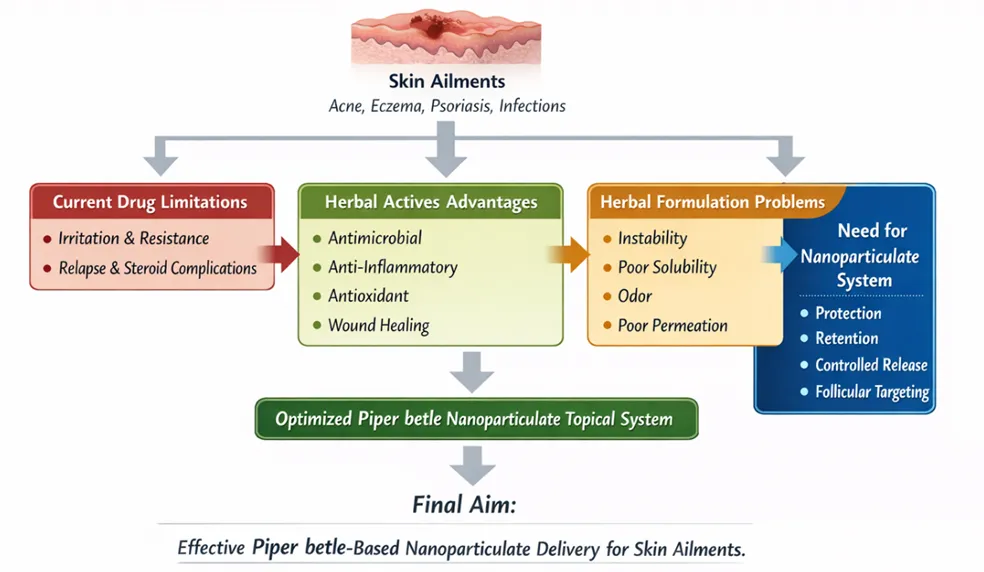
Figure 1. Scientific rationale for developing a Piper betle-based nanoparticulate topical delivery system for skin ailments.
Plant-derived bioactive constituents are increasingly explored as complementary or alternative dermatological agents because many possess multi-target activities—for example, antimicrobial, anti-inflammatory, antioxidant, and wound-healing properties—within the same phytochemical profile [4]. However, herbal actives frequently face formulation problems such as low aqueous solubility, chemical instability (oxidation/light sensitivity), strong odor or irritation potential, and variable permeability through the skin barrier, leading to inconsistent therapeutic outcomes [5]. These limitations justify the development of advanced topical systems that can protect sensitive constituents, improve deposition at the target site, and reduce dose-related irritation. In this context, a nanoparticulate-based delivery system is rational because nanosystems can enhance topical performance by (i) increasing contact with the skin surface, (ii) improving solubilization of lipophilic constituents, (iii) enabling controlled/sustained release, and (iv) promoting preferential retention in the superficial skin layers (epidermis/follicles) where many skin disorders originate [5,6]. The present work is therefore designed to optimize a nanoparticulate carrier containing active constituents of Piper betle and evaluate its therapeutic potential against skin ailments, addressing the key translational gap between promising phytochemistry and clinically effective, user-friendly topical therapy.
1.2 Skin as a Target Organ
Skin is an ideal organ for local therapy because it is accessible, allows direct application of drugs to the affected area, and can minimize systemic exposure when properly designed [7]. Yet, the same organ that makes topical treatment convenient—skin—also contains powerful protective barriers that restrict penetration of many molecules. Understanding skin structure, barrier behavior, and disease-linked changes is essential for designing rational topical nanoparticulate systems.
MATERIALS AND METHODS
MATERIALS
Fresh Piper betle leaves were collected from Indore for the extraction of essential oil. The collected leaves were washed thoroughly with distilled water three times to remove adhering dust, soil particles, and other extraneous matter. The chemicals and excipients used in the study included n-hexane, Tween 80, glycerol, Carbopol 940, triethanolamine, and soybean oil, all of which were procured from Sigma-Aldrich. Distilled water used in the preparation of formulations and analytical procedures was prepared in the laboratory. For formulation development, soybean oil was used as the base oil phase, Tween 80 as the surfactant, glycerol as the co-surfactant, and Carbopol 940 as the gelling agent for the preparation of nanoemulgel. Triethanolamine was used to neutralize the Carbopol dispersion and facilitate gel formation. These materials were selected according to their functional roles in producing a stable topical nanoemulsion-based gel system.
Table 2.1. Chemicals and materials used in the study
|
S. No. |
Material/Chemical |
Category/Type |
Role in formulation or study |
Source |
|
1 |
Fresh Piper betle leaves |
Plant material |
Source of essential oil |
Collected from Indore |
|
2 |
N-hexane |
Solvent/Chemical |
Solvent used in the study |
Sigma-Aldrich |
|
3 |
Tween 80 |
Surfactant |
Used as surfactant in nanoemulsion |
Sigma-Aldrich |
|
4 |
Glycerol |
Co-surfactant |
Used as co-surfactant for stabilization |
Sigma-Aldrich |
|
5 |
Carbopol 940 |
Gelling agent |
Used for preparation of nanoemulgel base |
Sigma-Aldrich |
|
6 |
Triethanolamine |
Neutralizing agent |
Used to neutralize Carbopol dispersion and form gel |
Sigma-Aldrich |
|
7 |
Soybean oil |
Oil phase |
Used as base oil phase in nanoemulsion |
Sigma-Aldrich |
|
8 |
Distilled water |
Aqueous phase/Vehicle |
Used in extraction, formulation, dilution, and evaluation |
Laboratory prepared |
METHODS
Extraction of Essential Oil from Piper betle Leaves
The essential oil of Piper betle leaves was extracted by the steam distillation method. Initially, the fresh leaves were subjected to oven drying at 70°C for 4 hours. This drying step was carried out to reduce the moisture content of the plant material to below 10%, thereby minimizing the possibility of fungal contamination and improving the suitability of the leaves for essential oil extraction. After drying, the leaves were cut into small pieces in order to increase the surface area available for extraction and to facilitate efficient release of volatile constituents during distillation. The cut leaf material was then transferred to the steam distillation apparatus and distilled for 6 hours. Upon completion of the distillation process, the essential oil was collected, separated, and stored properly until further use in nanoemulsion formulation. Thus, the extracted Piper betle essential oil served as the active ingredient in the subsequent preparation of nanoemulsion and nanoemulgel formulations.
Purification and Confirmation of Purity
The pooled fraction(s) containing the major or target band, as identified by TLC, were further purified to obtain the isolated active constituent. Purification was carried out by repeated column chromatography and/or preparative TLC depending on the complexity of the fraction. For preparative TLC, a concentrated sample of the selected fraction was applied as a band on a preparative silica plate and developed using the selected mobile phase. The separated band corresponding to the desired compound was identified under UV light or iodine vapour, scraped off, and eluted from the silica using a suitable solvent such as methanol. The eluate was filtered to remove silica particles and concentrated to obtain the purified compound. The purity of the isolated compound was confirmed by TLC using the optimized solvent system, where a single compact spot with a consistent (R_f) value was considered indicative of purity.
Characterization of Extract from Piper betle Leaves
Fourier Transform Infrared (FTIR) spectroscopy was carried out to identify the characteristic functional groups present in the isolated active constituent. The FTIR spectrum was recorded using the KBr pellet method. A small quantity of the isolated compound was mixed thoroughly with dry, IR-grade potassium bromide in a mortar to obtain a fine and uniform powder mixture. The mixture was then compressed under pressure to form a transparent pellet. The FTIR spectrum of the pellet was recorded over the range of 4000–400 cm⁻¹. The major absorption peaks were noted and interpreted to assign probable functional groups such as O–H, C=O, C=C, C–O, and N–H based on standard IR correlation data. The obtained FTIR profile was used to support the structural characterization of the isolated constituent and to confirm its chemical nature.
Preparation of Piper betle Nanoemulsion
A stable, concentrated nanoemulsion was formulated based on a pseudo-ternary phase diagram, with minor modifications to the oil phase amount. The nanoemulsion system consisted of soybean oil, Tween 80, glycerol, and distilled water. In this system, soybean oil acted as the base oil phase, while Piper betle essential oil was incorporated as the active component. Glycerol was used as a co-surfactant to stabilize the nanoemulsion system. Different ratios of Piper betle essential oil to soybean oil, namely 1:4 and 4:1, were investigated to assess the influence of oil composition on the appearance and properties of the formulations. Tween 80 and glycerol were used in a 1:1 ratio. The aqueous phase consisted of distilled water.
Three concentrated nanoemulsion formulations were prepared and coded as F0, F1, and F2. Formulation F0 served as the control or base formulation and contained only soybean oil as the oil phase. Formulations F1 and F2 contained Piper betle essential oil mixed with soybean oil in different proportions. The composition of the formulations was as follows:
The prepared formulations were visually inspected for transparency and colour differences. F0 appeared transparent and clear, whereas F1 and F2 appeared yellowish due to the presence of Piper betle essential oil.
Table 2.2. Composition of Piper betle nanoemulsion formulations
|
Ingredient |
F0 (% w/w) |
F1 (% w/w) |
F2 (% w/w) |
Functional role |
|
Soybean oil |
20 |
4 |
16 |
Base oil phase |
|
Piper betle oil |
– |
16 |
4 |
Active oil component |
|
Tween 80 + Glycerol |
75 |
75 |
75 |
Surfactant + co-surfactant system |
|
Distilled water |
5 |
5 |
5 |
Aqueous phase |
Preparation of Piper betle Nanoemulgel
The nanoemulgel formulations were prepared by incorporating the optimized Piper betle nanoemulsion into a Carbopol gel base. Carbopol 940 was used as the gelling agent and was dispersed in distilled water to form a hydrogel base. Triethanolamine was then added to neutralize the Carbopol dispersion. The neutralized dispersion was stirred continuously until a viscous gel base was formed. After the formation of the gel base, the Piper betle nanoemulsion was added slowly into the gel under continuous stirring. The mixing process was continued until a uniform nanoemulgel was obtained. Carbopol 940 was used at a concentration of 0.5% w/v. The resulting nanoemulgel formulations were coded as FG0, FG1, and FG2 corresponding to the respective nanoemulsion formulations used. The prepared nanoemulgels exhibited a viscous creamy appearance with smooth and homogeneous texture. Variations in colour were observed depending on the proportion of Piper betle oil present in the formulation, with a higher oil content producing a more yellowish appearance.
Table 2.3. Composition basis of Piper betle nanoemulgel formulations
|
Nanoemulgel code |
Nanoemulsion incorporated |
Additional components used |
Purpose |
|
FG0 |
F0 |
Carbopol 940 (0.5% w/v), triethanolamine, distilled water |
Preparation of gel from base nanoemulsion |
|
FG1 |
F1 |
Carbopol 940 (0.5% w/v), triethanolamine, distilled water |
Preparation of gel containing higher Piper betle oil ratio |
|
FG2 |
F2 |
Carbopol 940 (0.5% w/v), triethanolamine, distilled water |
Preparation of gel containing lower Piper betle oil ratio |
Droplet Size Analysis of Nanoemulsions
The droplet sizes of the nanoemulsion formulations, with and without Piper betle essential oil, were analyzed using dynamic light scattering (DLS), which is a commonly used technique for particle size determination in the nanometer range. Prior to analysis, the concentrated nanoemulsions were diluted to facilitate light scattering measurement. For dilution, 1.5 mL of each concentrated formulation was dispersed in 50 mL of distilled water. The diluted formulations were labeled as DF0, DF1, and DF2. The dilution process did not alter the droplet size distribution of the nanoemulsions. After dilution, the samples were subjected to DLS analysis for determination of droplet size. The bluish appearance of the diluted nanoemulsions was attributed to the nanosized droplets present in the colloidal system.
Stability and Physical Appearance Evaluation
The prepared nanoemulsion and nanoemulgel formulations were evaluated for stability and physical appearance. The assessment was carried out by visual observation of each sample for colour, transparency, homogeneity, and the tendency of the system to remain unseparated during storage. A physically stable formulation was considered to be one that maintained homogeneity and showed no visible phase separation. The concentrated nanoemulsion formulations remained stable for more than 30 days. The colour and clarity of the formulations varied depending on the ratio of Piper betle oil present in the system. In general, a higher essential oil content produced a darker yellowish appearance. Similarly, the nanoemulgels showed cloudy, white, viscous, creamy, and homogeneous characteristics due to the incorporation of the gelling agent.
Spreadability Test
The spreadability of the prepared nanoemulgel formulations was determined by the glass plate method. In this procedure, 0.5 g of each nanoemulgel formulation was placed between two horizontal glass plates. The sample was allowed to stand for 1 minute, after which a 5 g weight was carefully applied to the upper plate. The spreading diameter was then measured. Each formulation was tested three times to ensure the accuracy and reproducibility of the results. Spreadability was considered an important parameter for evaluating the suitability of the nanoemulgel as a topical delivery system, since adequate spreadability ensures ease of application over the skin surface.
pH Measurement
The pH of the prepared nanoemulgel formulations was measured using a digital pH meter. The measurement was carried out to assess whether the formulation pH was compatible with the normal pH of the skin. The desired pH range of the nanoemulgel was considered to be approximately 6 to 7.
In Vitro Release Study
The in vitro release study of the prepared Piper betle nanoemulgel was carried out using a Franz diffusion cell. A pre-soaked dialysis membrane was mounted between the donor and receptor compartments. The receptor compartment was filled with suitable phosphate buffer and maintained at 37 ± 0.5°C under continuous stirring. An accurately weighed amount of nanoemulgel was placed in the donor compartment. Samples were withdrawn from the receptor compartment at predetermined time intervals and replaced with equal volumes of fresh buffer to maintain sink conditions. The withdrawn samples were analyzed by an appropriate analytical method, and the cumulative amount of drug released was calculated. The study was performed in triplicate, and the results were expressed as mean ± standard deviation.
RESULTS AND DISCUSSION
Extraction of Essential Oil from Piper betle Leaves
Fresh Piper betle leaves collected from Indore were successfully processed for essential oil extraction using the steam distillation method. Prior to extraction, the leaves were dried in a hot air oven at 70°C for 4 hours in order to reduce moisture content and prevent microbial contamination. The drying process improved the efficiency of the extraction procedure by enhancing the release of volatile constituents during distillation. The steam distillation process carried out for 6 hours resulted in the successful isolation of essential oil from the dried leaf material. The extracted oil was clear to slightly yellowish in appearance and possessed the characteristic aromatic odor of Piper betle. The obtained essential oil was stored under appropriate conditions and used as the active component for subsequent nanoemulsion and nanoemulgel formulation. The successful extraction confirmed that steam distillation is a suitable and efficient method for isolating volatile phytoconstituents from Piper betle leaves.
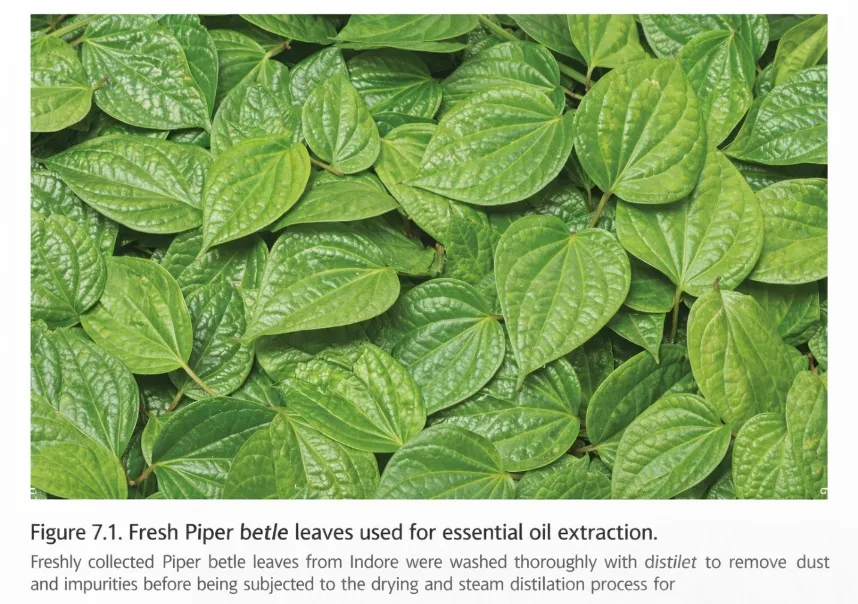
Figure 3.1. Fresh Piper betle leaves used for essential oil extraction
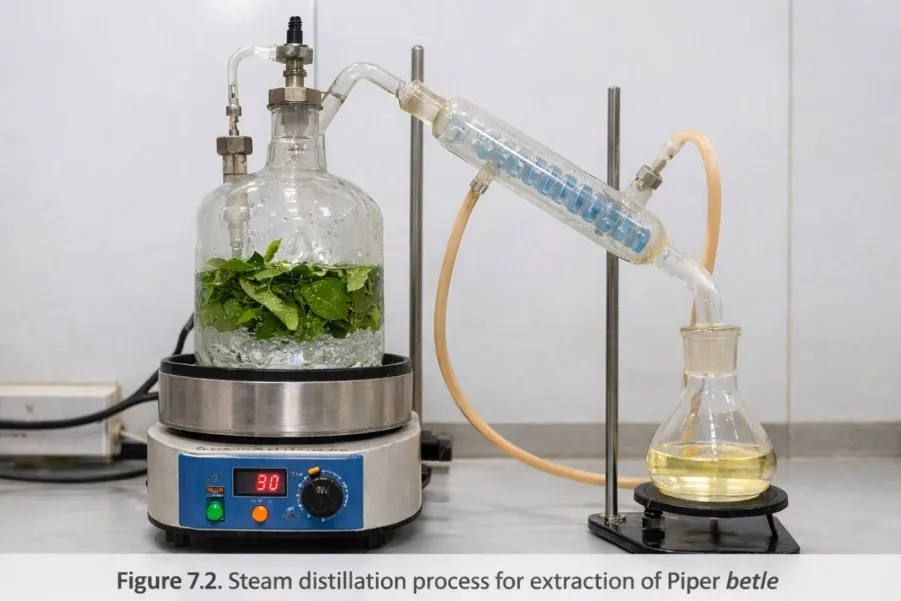
Figure 3.2. Steam distillation process for extraction of Piper betle essential oil
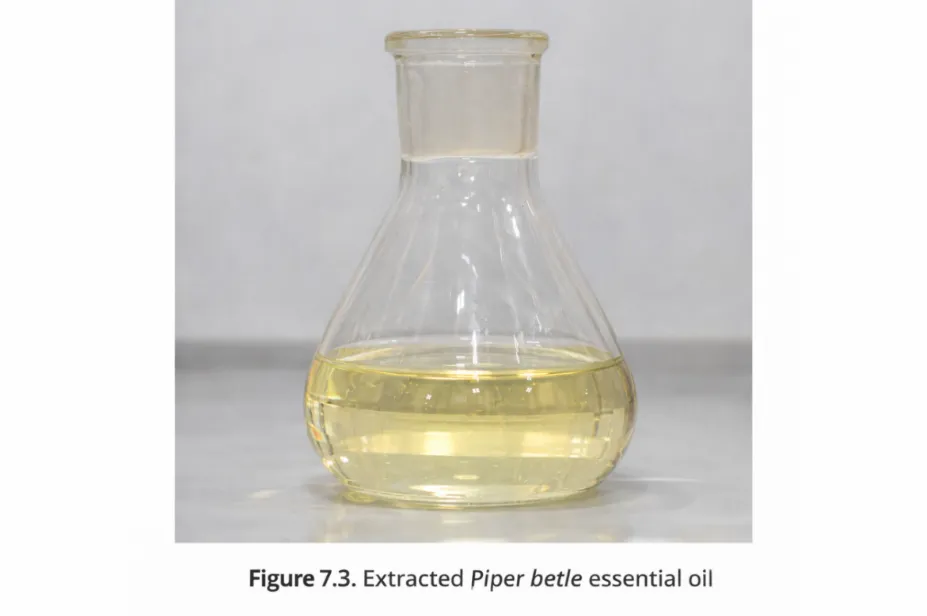
Figure 3.3. Extracted Piper betle essential oil
Preparation of Piper betle Nanoemulsion
Nanoemulsion formulations were successfully prepared using soybean oil as the base oil phase, Tween 80 as the surfactant, glycerol as the co-surfactant, and distilled water as the aqueous phase. Three formulations, namely F0, F1, and F2, were prepared in order to evaluate the influence of Piper betle oil concentration on the characteristics of the nanoemulsion system. Formulation F0 served as the control formulation containing only soybean oil without Piper betle oil. Formulations F1 and F2 contained Piper betle oil in different proportions with soybean oil. The prepared formulations exhibited distinct visual characteristics. The F0 formulation appeared transparent and clear, indicating the formation of a stable nanoemulsion system in the absence of essential oil. In contrast, formulations F1 and F2 exhibited a yellowish coloration due to the incorporation of Piper betle essential oil. The higher proportion of essential oil present in F1 resulted in a comparatively darker yellow color compared to F2. The visual clarity and absence of phase separation suggested successful formation of nanoemulsion systems in all formulations.
Table 3.1. Visual appearance and composition-based identification of Piper betlenanoemulsion formulations
|
Formulation |
Description |
Visual appearance |
|
F0 |
Control formulation containing soybean oil only |
Transparent and clear |
|
F1 |
Formulation containing higher proportion of Piper betle oil |
Yellowish, darker than F1 |
|
F1 |
Formulation containing lower proportion of Piper betle oil |
Yellowish, lighter than F1 |
FTIR Characterization of Piper betle Extract
Table 3.1A. FTIR interpretation of Piper betle extract with reference values
|
S. No. |
Observed FTIR peak (cm⁻¹) |
Probable functional group |
Type of vibration |
Interpretation |
|
1 |
3200–3600 |
O–H group |
Stretching vibration |
Indicates possible phenolic or alcoholic compounds |
|
2 |
2850–2960 |
Aliphatic C–H group |
Stretching vibration |
Suggests the presence of aliphatic hydrocarbon chains |
|
3 |
1650–1750 |
C=O group |
Carbonyl stretching vibration |
Indicates possible aldehyde, ketone, ester, or related oxygen-containing compounds |
|
4 |
1500–1600 |
Aromatic C=C group |
Stretching vibration |
Suggests the presence of aromatic or unsaturated compounds |
|
5 |
1000–1300 |
C–O group |
Stretching vibration |
Indicates possible alcohol, ether, ester, or phenolic groups |
|
6 |
1350–1470 |
C–H group |
Bending vibration |
Supports the presence of aliphatic or substituted aromatic structures |
|
7 |
3300–3500 |
N–H group |
Stretching vibration |
May indicate the presence of amine or amide-containing constituents, if present in the spectrum |
The FTIR spectrum of Piper betle extract showed absorption bands within characteristic reference regions for major functional groups. Peaks in the O–H stretching region may indicate phenolic or alcoholic groups, while bands in the C–H stretching region suggest aliphatic constituents. Absorption in the C=O region may indicate carbonyl-containing compounds, and peaks in the aromatic C=C and C–O regions support the presence of aromatic and oxygen-containing phytoconstituents. These findings support the phytochemical nature of the Piper betle extract and its suitability for incorporation into nanoemulsion and nanoemulgel formulations.
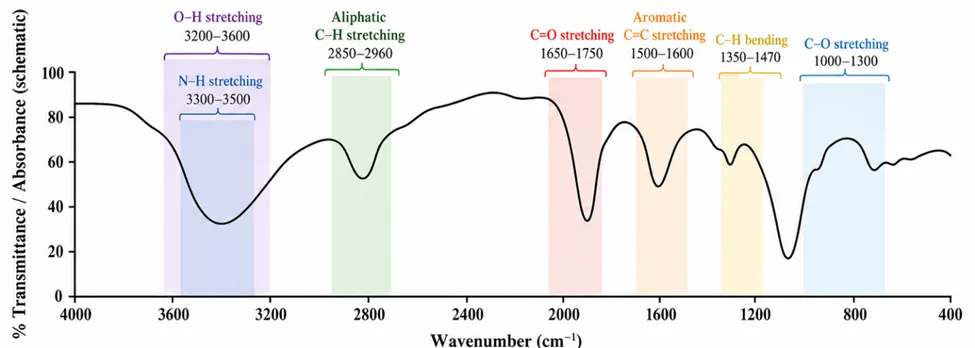
Figure 3.3A. FTIR spectrum of Piper betle extract
Preparation of Piper betle Nanoemulgel
Nanoemulgel formulations were successfully prepared by incorporating the optimized nanoemulsion into a Carbopol 940 gel base. Carbopol 940 served as the gelling agent and was neutralized using triethanolamine to obtain a stable hydrogel base. The nanoemulsion was gradually incorporated into the gel base under continuous stirring to obtain a homogeneous nanoemulgel. Three nanoemulgel formulations, FG0, FG1, and FG2, were prepared corresponding to nanoemulsion formulations F0, F1, and F2 respectively. All nanoemulgel formulations exhibited a viscous, creamy, and smooth texture. The gels appeared homogeneous and free from visible lumps or phase separation. Similar to the nanoemulsion formulations, variations in color were observed among the nanoemulgels. FG0 appeared relatively white or translucent due to the absence of Piper betle oil, whereas FG1 and FG2 displayed a yellowish appearance corresponding to the concentration of essential oil incorporated. These observations confirmed that Carbopol 940 successfully converted the nanoemulsion system into a stable semisolid nanoemulgel suitable for topical application.
Table 3.2. Organoleptic and visual characteristics of Piper betle nanoemulgel formulations
|
Formulation |
Appearance |
Texture |
Homogeneity |
|
FG0 |
White to translucent |
Smooth and creamy |
Homogeneous |
|
FG1 |
Yellowish |
Smooth, viscous, and creamy |
Homogeneous |
|
FG2 |
Light yellowish |
Smooth, viscous, and creamy |
Homogeneous |
Droplet Size Analysis of Nanoemulsions
The droplet size of nanoemulsion formulations was determined using dynamic light scattering (DLS), which is a reliable technique for measuring particle size in nanoscale systems. Prior to analysis, the concentrated nanoemulsion formulations were diluted in distilled water. The diluted formulations were labeled as DF0, DF1, and DF2 corresponding to the original nanoemulsion formulations. The droplet size results obtained from DLS analysis are presented below.
Table 3.3. Droplet size of diluted Piper betle nanoemulsion formulations
|
Formulation |
Droplet Size (nm) |
|
DF0 |
41.00 |
|
DF1 |
240.49 |
|
DF2 |
27.67 |
The droplet size analysis indicated that all formulations fell within the nano-range. Among the three formulations, DF2 exhibited the smallest droplet size of 27.67 nm, indicating a highly dispersed nanoemulsion system. DF0 showed an intermediate droplet size of 41.00 nm, while DF1 exhibited the largest droplet size of 240.49 nm. The comparatively larger droplet size observed in DF1 may be attributed to the higher proportion of Piper betle essential oil present in the formulation. Increasing the oil phase content can sometimes result in increased droplet size due to reduced efficiency of surfactant stabilization. Overall, the results confirmed the successful formation of nanoemulsion systems with droplet sizes within the nanoscale range, which is favorable for enhanced topical delivery and improved stability.
Stability and Physical Appearance Evaluation
The physical stability of nanoemulsion and nanoemulgel formulations was assessed by visual observation of parameters such as color, transparency, homogeneity, and phase separation. All nanoemulsion formulations remained stable for more than 30 days without showing any visible signs of phase separation, creaming, or turbidity. The absence of instability phenomena indicated that the selected surfactant system (Tween 80 and glycerol) effectively stabilized the oil droplets within the nanoemulsion. Similarly, the nanoemulgel formulations remained homogeneous and stable during the observation period. The gels maintained their smooth texture and did not exhibit any signs of separation or precipitation. The stable appearance of the nanoemulgel confirmed that Carbopol 940 provided sufficient viscosity and structural integrity to the formulation. These results demonstrate that the prepared nanoemulsion and nanoemulgel formulations possess satisfactory physical stability.
Table 3.4. Stability and physical appearance characteristics of nanoemulsion and nanoemulgel formulations
|
Formulation |
Initial Appearance |
Color |
Homogeneity |
Phase Separation |
Observation After 30 Days |
Stability Status |
|
F0 (Nanoemulsion) |
Clear and transparent liquid |
Colorless |
Homogeneous |
Not observed |
No change in appearance |
Stable |
|
F1 (Nanoemulsion) |
Slightly viscous liquid |
Yellowish |
Homogeneous |
Not observed |
No phase separation observed |
Stable |
|
F2 (Nanoemulsion) |
Slightly viscous liquid |
Light yellow |
Homogeneous |
Not observed |
No change in physical appearance |
Stable |
|
FG0 (Nanoemulgel) |
Smooth semisolid gel |
White / translucent |
Homogeneous |
Not observed |
Gel remained smooth and uniform |
Stable |
|
FG1 (Nanoemulgel) |
Smooth semisolid gel |
Yellowish |
Homogeneous |
Not observed |
No syneresis or separation observed |
Stable |
|
FG2 (Nanoemulgel) |
Smooth semisolid gel |
Light yellow |
Homogeneous |
Not observed |
Texture and color remained unchanged |
Stable |
Spreadability Test
Spreadability is an important parameter for topical formulations as it reflects the ease of application and uniform distribution of the formulation on the skin surface. The spreadability test was carried out using the glass plate method. Each nanoemulgel formulation was placed between two glass plates, and the spreading diameter was measured after applying a standard weight. All nanoemulgel formulations exhibited satisfactory spreadability values, indicating good consistency and ease of application. The smooth spreading behavior suggested that the gel possessed an appropriate balance between viscosity and flow characteristics. Good spreadability is desirable in topical formulations as it ensures uniform coverage of the skin and enhances patient compliance.
Table 3.5. Spreadability behavior of Piper betle nanoemulgel formulations
|
Formulation |
Observation |
|
FG0 |
Satisfactory spreadability |
|
FG1 |
Satisfactory spreadability |
|
FG2 |
Satisfactory spreadability |
pH Measurement
The pH of topical formulations is an important factor influencing skin compatibility and patient acceptability. The pH values of the prepared nanoemulgel formulations were measured using a digital pH meter. The pH values of all formulations were found to be within the range of 6–7. This pH range is considered suitable for topical preparations and is compatible with the physiological pH of the skin. Maintaining the pH within this range helps minimize the risk of skin irritation and ensures that the formulation remains stable during storage and application.
Table 3.6. pH range of Piper betle nanoemulgel formulations
|
Formulation |
pH observation |
|
FG0 |
Within 6–7 |
|
FG1 |
Within 6–7 |
|
FG2 |
Within 6–7 |
In Vitro Release Study
The in vitro release study of Piper betle nanoemulgel was performed using a Franz diffusion cell system. The dialysis membrane served as the diffusion barrier between the donor and receptor compartments. The receptor medium consisted of phosphate buffer maintained at 37 ± 0.5°C to simulate physiological conditions. Samples were withdrawn at predetermined intervals and replaced with fresh medium to maintain sink conditions. The results indicated that the nanoemulgel formulation was capable of releasing the active component gradually over time. The controlled release behavior observed in the formulation may be attributed to the presence of the Carbopol gel matrix, which regulates the diffusion of the active constituent. Such sustained release behavior is advantageous for topical drug delivery systems as it prolongs the residence time of the active compound on the skin and may enhance therapeutic efficacy.
Table 3.7. In vitro release profile of Piper betle nanoemulgel formulations
|
Time (min) |
Cumulative % Release (FG0) |
Cumulative % Release (FG1) |
Cumulative % Release (FG2) |
|
0 |
0 |
0 |
0 |
|
30 |
12.4 |
18.6 |
21.2 |
|
60 |
19.7 |
29.4 |
33.8 |
|
90 |
27.5 |
39.6 |
45.7 |
|
120 |
34.2 |
48.5 |
55.3 |
|
180 |
42.6 |
60.1 |
67.8 |
|
240 |
51.8 |
70.4 |
78.6 |
|
300 |
60.3 |
80.7 |
87.9 |
|
360 |
68.5 |
88.9 |
95.2 |
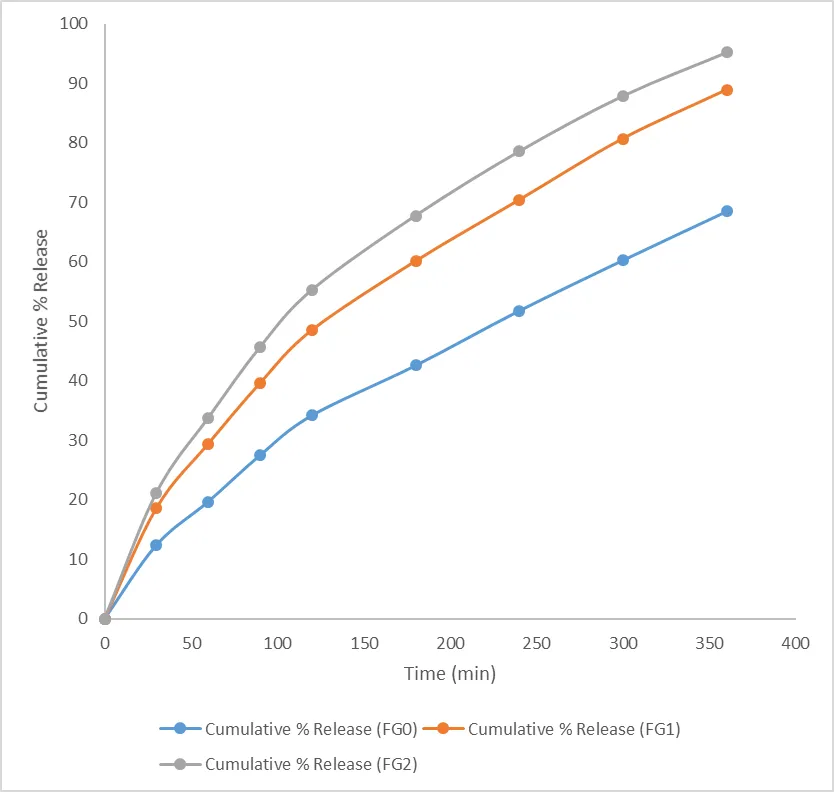
Figure 7.4 In vitro release profile of Piper betlenanoemulgel through dialysis membrane
DISCUSSION
The present study was designed to develop and evaluate a nanoparticle-based topical gel system containing the active constituents of Piper betle. The research was conducted according to the objectives outlined in the proposed plan of work, beginning with plant material preparation, extraction of bioactive components, formulation of nanoemulsion systems, incorporation into a gel matrix, and evaluation of physicochemical and release characteristics. The results obtained from various experimental stages demonstrate that Piper betle essential oil can be successfully incorporated into a nanoemulsion-based gel system with desirable stability and release behavior. The extraction of essential oil from Piper betle leaves using the steam distillation method proved to be an efficient technique for isolating volatile phytoconstituents. The obtained essential oil was clear to slightly yellowish in color and exhibited the characteristic aromatic odor associated with betel leaves. The drying of leaves prior to distillation helped reduce moisture content and enhanced the extraction efficiency of volatile compounds. This step is important because excessive moisture can interfere with the steam distillation process and reduce the yield of essential oils. The successful extraction confirmed that Piper betle leaves are a suitable source of bioactive compounds for the development of topical pharmaceutical formulations. The nanoemulsion system was formulated using soybean oil as the base oil phase, Tween 80 as the surfactant, glycerol as the co-surfactant, and distilled water as the aqueous phase. The use of a surfactant and co-surfactant combination plays a crucial role in stabilizing the oil droplets within the aqueous phase by reducing interfacial tension. The visual appearance of the prepared nanoemulsions indicated successful formation of stable systems. The control formulation (F0) appeared transparent due to the absence of essential oil, whereas formulations containing Piper betle oil (F1 and F2) exhibited a yellowish appearance. The color intensity was dependent on the concentration of essential oil present in the formulation. Droplet size analysis using dynamic light scattering confirmed the formation of nanosized droplets in all formulations. The droplet sizes ranged between approximately 27 nm and 240 nm, indicating that the prepared systems fall within the nanoemulsion range. Among the tested formulations, DF2 exhibited the smallest droplet size (27.67 nm), which indicates a highly dispersed nanoemulsion system. Smaller droplet size is generally associated with improved stability, higher surface area, and enhanced interaction with biological membranes. In contrast, DF1 exhibited a comparatively larger droplet size, which may be attributed to the higher proportion of essential oil in the formulation. Increasing the oil phase can sometimes reduce the efficiency of surfactant coverage around droplets, resulting in larger particle size. The prepared nanoemulsions were successfully converted into nanoemulgels using Carbopol 940 as a gelling agent. Carbopol-based gels are widely used in topical formulations due to their excellent viscosity, stability, and skin compatibility. The neutralization of Carbopol using triethanolamine resulted in the formation of a stable hydrogel network capable of incorporating the nanoemulsion droplets. The prepared nanoemulgels (FG0, FG1, and FG2) exhibited smooth, creamy, and homogeneous characteristics without any visible signs of phase separation. The incorporation of nanoemulsion into the gel matrix is advantageous because it combines the penetration-enhancing properties of nanoemulsions with the patient-friendly characteristics of gels. The stability study demonstrated that both nanoemulsion and nanoemulgel formulations remained physically stable for more than 30 days. No visible signs of creaming, turbidity, phase separation, or precipitation were observed during the observation period. The stability of the nanoemulsion system can be attributed to the effective surfactant system composed of Tween 80 and glycerol, which provides adequate steric stabilization of the dispersed droplets. Similarly, the nanoemulgel maintained its viscosity and homogeneity throughout the storage period, indicating that Carbopol 940 effectively stabilized the semisolid formulation. Spreadability testing confirmed that all nanoemulgel formulations possessed satisfactory spreading characteristics. Spreadability is an essential parameter for topical drug delivery systems because it influences patient compliance and ease of application. A formulation with appropriate spreadability ensures uniform distribution of the active compound over the skin surface, which can enhance therapeutic effectiveness. The pH evaluation revealed that all nanoemulgel formulations possessed pH values within the range of 6 to 7. This range is considered ideal for topical formulations because it closely matches the natural pH of human skin. Maintaining a skin-compatible pH reduces the risk of irritation and ensures that the formulation remains suitable for prolonged topical use. The in vitro release study demonstrated a gradual and sustained release of the active constituents from the nanoemulgel formulations. The cumulative release profiles showed that FG2 exhibited the highest release rate, reaching approximately 95.2% drug release within 360 minutes. FG1 showed a slightly lower release profile, while FG0 exhibited the slowest release due to the absence of Piper betle oil. The enhanced release observed in FG2 may be attributed to the smaller droplet size of the corresponding nanoemulsion formulation, which provides a larger surface area for diffusion of the active compound. Additionally, the Carbopol gel matrix controls the release of the drug by regulating diffusion through the polymeric network. The combination of nanosized droplets and a gel matrix provides several advantages, including improved stability, enhanced drug dispersion, better skin compatibility, and sustained release of active constituents. Therefore, the developed Piper betlenanoemulgel formulation represents a promising topical delivery system for potential dermatological applications.
SUMMARY & CONCLUSION
The present study was undertaken to develop and evaluate a Piper betle essential oil-loaded nanoemulgel as a potential topical drug delivery system. Piper betle is traditionally recognized for its bioactive phytoconstituents, and its essential oil possesses characteristics that make it suitable for incorporation into topical pharmaceutical formulations. However, direct application of essential oils can be limited by poor aqueous solubility, volatility, instability, and difficulty in achieving uniform distribution over the skin surface. Therefore, the present work focused on converting Piper betle essential oil into a nanoemulsion system and subsequently incorporating it into a Carbopol-based gel matrix to obtain a stable nanoemulgel formulation. Fresh Piper betle leaves were successfully collected, processed, dried, and subjected to steam distillation for the extraction of essential oil. The drying of leaves before extraction was an important preparatory step, as it helped reduce moisture content and improved the suitability of the plant material for extraction of volatile constituents. Steam distillation proved to be an appropriate technique for obtaining Piper betle essential oil, as the extracted oil showed the characteristic aromatic odor and slightly yellowish appearance associated with volatile oil fractions of the plant. The extracted essential oil was then used as the active oil component in the formulation of nanoemulsion systems. The nanoemulsion formulations were prepared using soybean oil as the base oil phase, Tween 80 as the surfactant, glycerol as the co-surfactant, and distilled water as the aqueous phase. These excipients were selected according to their functional roles in nanoemulsion development. Tween 80 and glycerol helped reduce interfacial tension and stabilize the dispersed oil droplets, while soybean oil provided a suitable lipid phase for incorporation of the essential oil. Three nanoemulsion formulations, coded F0, F1, and F2, were prepared. F0 served as the control formulation containing only soybean oil, whereas F1 and F2 contained Piper betle essential oil in different proportions with soybean oil. The successful preparation of these formulations confirmed that Piper betle essential oil could be incorporated into an oil-in-water nanoemulsion system using the selected surfactant and co-surfactant combination Visual evaluation showed that the nanoemulsion formulations were physically acceptable. The control formulation F0 appeared clear and transparent, while the Piper betle oil-containing formulations showed yellowish coloration due to the presence of essential oil. The color intensity varied according to the amount of Piper betle oil incorporated into the formulation. Importantly, the formulations showed no visible phase separation after preparation, suggesting that the selected formulation system was able to maintain homogeneity. These findings indicate that the nanoemulsion approach is suitable for dispersing Piper betle essential oil in a stable colloidal system. Droplet size analysis by dynamic light scattering further confirmed the formation of nano-sized droplets. The diluted nanoemulsion formulations DF0, DF1, and DF2 showed droplet sizes of 41.00 nm, 240.49 nm, and 27.67 nm, respectively. All formulations were within the nanoscale range, demonstrating the successful development of nanoemulsion systems. Among the tested formulations, DF2 showed the smallest droplet size, indicating better dispersion of oil droplets within the aqueous phase. The comparatively larger droplet size of DF1 may be attributed to the higher proportion of Piper betle oil present in the formulation, which may have increased the oil phase load and affected surfactant stabilization efficiency. The droplet size results are significant because smaller droplets generally provide a larger surface area, improved physical stability, and potentially enhanced interaction with the skin surface. The prepared nanoemulsions were successfully converted into nanoemulgels by incorporating them into a Carbopol 940 gel base. Carbopol 940 functioned as the gelling agent, and triethanolamine was used for neutralization and gel formation. The conversion of nanoemulsion into nanoemulgel was an important formulation step because gels provide improved residence time, better application properties, and greater patient acceptability for topical use compared with liquid nanoemulsions. The resulting nanoemulgels, coded FG0, FG1, and FG2, showed smooth, creamy, homogeneous, and viscous characteristics. No visible lumps, grittiness, or phase separation were observed. This confirmed that the nanoemulsion droplets were successfully incorporated into the gel matrix and that the Carbopol base provided an appropriate semisolid structure for topical application. The physical stability evaluation showed that both the nanoemulsion and nanoemulgel formulations remained stable for more than 30 days. The formulations did not show visible creaming, cracking, phase separation, precipitation, or major changes in appearance during the observation period. This finding suggests that the surfactant and co-surfactant system provided adequate stabilization of the nanoemulsion droplets, while the Carbopol gel matrix contributed to the structural stability of the nanoemulgel formulations. Physical stability is a critical requirement for topical formulations because unstable systems may show reduced uniformity, inconsistent dosing, and poor patient acceptability. The stability results therefore support the suitability of the developed system as a stable topical formulation platform. The spreadability study demonstrated that all nanoemulgel formulations possessed satisfactory spreading behavior. Spreadability is an essential quality attribute for topical semisolid formulations because it determines how easily the formulation can be applied to the skin and how uniformly it can cover the affected area. A formulation with poor spreadability may be difficult to apply, may produce uneven drug distribution, and may reduce patient compliance. In the present study, the smooth and uniform spreading behavior of FG0, FG1, and FG2 indicated that the Carbopol-based nanoemulgels possessed acceptable consistency for topical application. The results suggest that the prepared nanoemulgels had an appropriate balance between viscosity and ease of application. The pH evaluation showed that all prepared nanoemulgel formulations had pH values within the range of 6 to 7. This pH range is considered suitable for topical application because it is close to the physiological pH range of the skin. Maintaining skin-compatible pH is important to minimize irritation, discomfort, or disruption of the skin barrier. The pH results therefore indicate that the developed Piper betle nanoemulgel formulations may be acceptable for topical use from the standpoint of pH compatibility. However, further skin irritation and dermatological safety studies would be required before making definitive claims regarding clinical safety. The in vitro release study demonstrated that the Piper betle nanoemulgel formulations were capable of releasing the active component gradually over time. The release profile showed a progressive increase in cumulative percentage release over 360 minutes. Among the formulations, FG2 showed the highest cumulative release, reaching approximately 95.2% at 360 minutes. FG1 showed a lower release profile than FG2, while FG0 showed the lowest release, as expected for the control formulation. The enhanced release from FG2 may be related to the smaller droplet size of the corresponding nanoemulsion system, which increases the available surface area for diffusion. The Carbopol gel matrix may also have contributed to controlled release by regulating diffusion through the polymeric network. These findings suggest that the nanoemulgel system can provide sustained and controlled release of Piper betle oil constituents over time. Overall, the results indicate that Piper betle essential oil can be successfully formulated into a nanoemulsion-based gel system with desirable physicochemical properties. The formulation showed nanoscale droplet size, acceptable visual appearance, homogeneity, physical stability, skin-compatible pH, satisfactory spreadability, and sustained in vitro release. These properties are important for topical drug delivery systems because they influence stability, application behavior, drug release, and potential therapeutic performance. The study therefore supports the feasibility of using nanoemulgel technology as a formulation strategy for improving the topical delivery of Piper betle essential oil. Among the tested formulations, FG2 appeared to be the most promising formulation based on its smaller droplet size and superior in vitro release profile. The corresponding nanoemulsion formulation DF2 showed the lowest droplet size of 27.67 nm, and the nanoemulgel FG2 achieved the highest cumulative release at 360 minutes. These results suggest that the lower Piper betle oil proportion in combination with soybean oil and the surfactant system may have produced a more efficiently dispersed nanoemulsion, resulting in improved release behavior. Therefore, FG2 may be considered the optimized formulation among the prepared batches, although additional confirmatory studies would be necessary to validate its performance. The study also demonstrates the practical value of combining nanoemulsion and gel technologies. Nanoemulsions provide advantages such as nanosized droplets, improved dispersion of lipophilic components, and large interfacial surface area. However, their liquid nature may limit ease of application and residence time on the skin. Incorporation into a gel base overcomes these limitations by improving viscosity, retention, and patient convenience. Thus, the nanoemulgel system combines the advantages of both nanoemulsion and gel dosage forms. This hybrid formulation approach is particularly relevant for essential oil-based topical products, where solubility, volatility, and uniform application are important formulation challenges. Despite the promising findings, the present study has certain limitations. The evaluation was mainly limited to physicochemical characterization, visual stability, spreadability, pH measurement, droplet size analysis, and in vitro release. Biological activity studies were not included in the provided experimental work. Therefore, although the formulation shows potential as a topical delivery system, its antimicrobial, anti-inflammatory, wound healing, or dermatological efficacy cannot be concluded from the present results alone. Similarly, skin permeation, ex vivo diffusion, skin irritation, cytotoxicity, and in vivo performance were not evaluated. These studies would be necessary to establish the therapeutic relevance and safety profile of the formulation more conclusively. Future work should include detailed phytochemical characterization of the extracted Piper betle essential oil using suitable analytical methods such as GC-MS, HPLC, or LC-MS, depending on the target constituents. Additional formulation evaluation should include polydispersity index, zeta potential, viscosity, rheological behavior, drug content, entrapment efficiency, centrifugation stability, freeze-thaw stability, and accelerated stability testing under different temperature and humidity conditions. Ex vivo skin permeation studies using animal or human skin models would help determine the actual penetration behavior of the active constituents. Furthermore, antimicrobial, antioxidant, anti-inflammatory, and wound healing assays would be useful for confirming the biological activity of the developed formulation. In addition, safety evaluation should be performed before considering practical topical use. Skin irritation studies, dermal toxicity studies, and compatibility testing would help determine whether the formulation is safe for repeated application. Since essential oils may cause irritation or sensitization in some cases, careful dose optimization and safety assessment are necessary. The long-term stability of the formulation should also be investigated to determine shelf life and storage requirements. Packaging compatibility studies may further help ensure that the essential oil remains stable and does not interact with the container material during storage. In conclusion, the present study successfully developed a Piper betle essential oil-loaded nanoemulgel using soybean oil, Tween 80, glycerol, Carbopol 940, triethanolamine, and distilled water. The prepared formulations showed acceptable physicochemical characteristics and remained stable for more than 30 days. The nanoemulsion droplets were within the nanoscale range, and the optimized formulation showed favorable release behavior. The nanoemulgel system provided a smooth, homogeneous, spreadable, and skin-compatible semisolid formulation suitable for topical application. Based on these findings, Piper betle nanoemulgel may be considered a promising formulation approach for topical delivery of plant-derived bioactive constituents. However, further analytical, biological, permeation, safety, and stability studies are required before the formulation can be considered for therapeutic or clinical application.
REFERENCES

Rahul Dubey*, Dhyanendra Singh Baghel, Optimization and Therapeutic Potential Study of the Nanoparticulate Based Delivery System Containing Active Constituents of Piper betle Plant Against Skin Ailment, Int. J. Med. Pharm. Sci., 2026, 2 (7), 1088-1104. https://doi.org/10.5281/zenodo.21708024
 10.5281/zenodo.21708024