

We use cookies to ensure our website works properly and to personalise your experience. Cookies policy
MDA School of Pharmacy, Kolpa, Latur, Maharashtra 413531
The present study aimed to formulate and evaluate mouth dissolving tablets (MDTs) of Finerenone using the direct compression technique to improve patient compliance and enhance drug dissolution. Finerenone, a BCS Class II drug, possesses poor aqueous solubility, which limits its oral bioavailability. The formulation was developed using different superdisintegrants such as crospovidone, croscarmellose sodium (CCS), and sodium starch glycolate (SSG) along with suitable excipients including microcrystalline cellulose, PVP K30, aspartame, talc, and magnesium stearate. Preformulation studies including organoleptic evaluation, solubility studies, FT-IR, DSC, and analytical method development confirmed the purity and compatibility of the drug with selected excipients. Six formulations (F1–F6) were prepared and evaluated for pre-compression and post-compression parameters. Among all formulations, F4 containing 10 mg of croscarmellose sodium showed the best performance with satisfactory hardness, low friability, rapid disintegration time, short wetting time, high water absorption ratio, and excellent drug content uniformity. In-vitro dissolution studies demonstrated that formulation F4 achieved approximately 99% drug release within 10 minutes. Stability studies conducted under accelerated conditions confirmed the stability of the optimized formulation. The study concluded that mouth dissolving tablets of Finerenone can be successfully developed to provide rapid drug release, improved dissolution, and enhanced patient compliance.
Oral drug delivery is the most widely used route for drug administration because of its convenience, safety, and better patient compliance. However, conventional tablets and capsules often create swallowing difficulties, particularly in pediatric, geriatric, and dysphagic patients.1-2 To overcome these limitations, Mouth Dissolving Tablets (MDTs), also known as Orally Disintegrating Tablets (ODTs), have been developed as an advanced oral drug delivery system. These tablets rapidly disintegrate in the mouth without the need for water, providing improved convenience and faster therapeutic action.3-4 Hypertension is a major cardiovascular disorder that requires long-term treatment and regular medication intake. Poor patient compliance with conventional dosage forms can reduce therapeutic effectiveness. Therefore, formulation of MDTs of antihypertensive agents can improve patient adherence, especially among elderly and bedridden patients who experience difficulty in swallowing. In addition, MDTs provide rapid drug release and enhanced dissolution, which may improve bioavailability and onset of action.5-8 The formulation of MDTs mainly involves the use of superdisintegrants such as crospovidone, sodium starch glycolate, and croscarmellose sodium, which promote rapid tablet disintegration in saliva. Other excipients including fillers, sweeteners, and flavoring agents are incorporated to improve tablet strength, palatability, and patient acceptability. Among various manufacturing methods, direct compression is commonly preferred because of its simplicity, low cost, and suitability for heat-sensitive drugs.9-10 Evaluation of MDTs includes pre-compression and post-compression studies such as flow properties, hardness, friability, wetting time, disintegration time, drug content, and dissolution studies. These parameters ensure the quality, stability, and performance of the formulation.11 Hence, the present study focuses on the formulation and performance evaluation of mouth-dissolving tablets of an antihypertensive agent to enhance patient compliance, improve dissolution characteristics, and provide rapid therapeutic effect.
MATERIALS AND METHODS:
MATERIALS:
Finerenone was obtained from S & M Pharmaceuticals and used as the active pharmaceutical ingredient. Microcrystalline cellulose and talc were procured from Loba Chemie Pvt. Ltd., while crospovidone, croscarmellose sodium, and sodium starch glycolate were supplied by BASF India Ltd., Signet Chemical Corporation, and DFE Pharma, respectively. Ethyl cellulose was obtained from Central Drug House (CDH), magnesium stearate from SD Fine Chemicals, and polyethylene glycol 4000 along with methanol from Merck Pvt. Ltd. All materials used were of analytical or pharmaceutical grade.
METHODOLOGY:
Preformulation Studies
Preformulation studies were performed to evaluate the physicochemical properties of Finerenone and its compatibility with excipients used in the formulation of Mouth Dissolving Tablets (MDTs). These studies helped in the selection of suitable excipients and ensured formulation stability and performance.12-14
Organoleptic Properties
Finerenone was evaluated for its appearance, color, odor, and taste. The drug was found to be a white to pale yellow crystalline powder, odorless, and slightly bitter in taste.
Solubility Studies
Solubility studies were carried out in different solvents and excipients to determine the solubility behavior of Finerenone. The results assisted in selecting suitable formulation components for improving dissolution and bioavailability.
Melting Point Determination
The melting point of Finerenone was determined using a capillary melting point apparatus to assess its purity and thermal stability. A sharp melting point range indicated the purity of the drug sample.15
FTIR Spectroscopy
Fourier Transform Infrared (FTIR) spectroscopy was performed to evaluate the compatibility of Finerenone with selected excipients. The FTIR spectra of the pure drug and physical mixtures showed no significant changes in characteristic peaks, confirming the absence of drug–excipient interactions.16-18
Differential Scanning Calorimetry (DSC)
Differential Scanning Calorimetry (DSC) analysis was performed to evaluate the thermal behavior and compatibility of Finerenone with excipients. Approximately 5 mg of sample was sealed in an aluminum pan and heated from 40°C to 300°C at a rate of 10°C/min under a nitrogen atmosphere. The thermograms obtained were used to identify melting behavior and possible drug–excipient interactions.19-22
Analytical Study
Analytical studies were carried out using UV-Visible spectrophotometry for the estimation and quantification of Finerenone during formulation and evaluation studies. The method was employed for drug content analysis, dissolution studies, and calibration curve development.23-28
Determination of λmax and Calibration Curve
The λmax of Finerenone was determined in 0.1 N HCl and phosphate buffer pH 6.8 using UV spectrophotometry. The drug showed maximum absorbance at 246 nm in both media. Calibration curves were prepared at different concentrations, and linearity was observed within the selected concentration range.29-32
Estimation by UV-Visible Spectrophotometry
Finerenone was analyzed using a Shimadzu 1700 UV-Visible spectrophotometer with 1 cm quartz cuvettes. All samples were analyzed in triplicate after baseline correction using respective blank solutions to ensure accuracy and reproducibility.
Preparation of 0.1 N Hydrochloric Acid
0.1 N HCl was prepared by diluting concentrated hydrochloric acid with distilled water to obtain a simulated gastric fluid medium for analytical studies. The solution was freshly prepared before use.
Preparation of Phosphate Buffer pH 6.8
Phosphate buffer pH 6.8 was prepared using potassium dihydrogen phosphate and sodium hydroxide dissolved in distilled water. The pH was adjusted and verified using a calibrated pH meter.
Calibration Curve in 0.1 N HCl
Standard solutions of Finerenone were prepared in 0.1 N HCl at different concentrations, and absorbance was measured at 246 nm. A calibration graph of concentration versus absorbance showed good linearity and was used for quantitative estimation.
Calibration Curve in Phosphate Buffer pH 6.8
Similarly, calibration standards were prepared in phosphate buffer pH 6.8 and analyzed at 246 nm. The calibration curve demonstrated a linear relationship between concentration and absorbance, confirming the suitability of the analytical method.
Formulation Development of Mouth Dissolving Tablets33-44
Mouth dissolving tablets (MDTs) of Finerenone were developed to improve patient compliance and enhance drug dissolution. Since Finerenone is a poorly water-soluble BCS Class II drug, formulation into MDTs may improve its dissolution rate and provide rapid drug release without the need for water, making it suitable for geriatric and dysphagic patients.
Selection of Excipients
Microcrystalline cellulose (MCC) was used as a filler and binder because of its good compressibility and flow properties. Crospovidone, croscarmellose sodium (CCS), and sodium starch glycolate (SSG) were incorporated as superdisintegrants to promote rapid tablet disintegration. PVP K30 was used as a binder, while aspartame was added as a sweetener to improve palatability. Magnesium stearate and talc were included as lubricant and glidant, respectively, to improve powder flow and compression characteristics.
Method of Preparation
Finerenone MDTs were prepared by the direct compression method due to its simplicity and suitability for moisture-sensitive drugs. All ingredients were passed through a #60 mesh sieve and accurately weighed. The drug and excipients were blended uniformly, followed by the addition of magnesium stearate and talc. The final powder blend was compressed using a rotary tablet compression machine fitted with 8 mm flat-faced punches to obtain tablets with adequate hardness and rapid disintegration properties.
Table 1: Formulation Composition of Finerenone MDTs (F1–F6)
|
Ingredients (mg/tablet) |
F1 |
F2 |
F3 |
F4 |
F5 |
F6 |
|
Finerenone |
10 |
10 |
10 |
10 |
10 |
10 |
|
Microcrystalline Cellulose (MCC) |
125 |
125 |
125 |
125 |
125 |
125 |
|
Crospovidone |
5 |
10 |
– |
– |
– |
– |
|
Croscarmellose Sodium (CCS) |
– |
– |
5 |
10 |
– |
– |
|
Sodium Starch Glycolate (SSG) |
– |
– |
– |
– |
5 |
10 |
|
Polyvinylpyrrolidone K30 (PVP K30) |
10 |
10 |
10 |
10 |
10 |
10 |
|
Aspartame |
5 |
5 |
5 |
5 |
5 |
5 |
|
Talc |
2 |
2 |
2 |
2 |
2 |
2 |
|
Magnesium Stearate |
3 |
3 |
3 |
3 |
3 |
3 |
|
Total Weight (mg) |
160 |
165 |
160 |
165 |
160 |
165 |
Evaluation of Mouth Dissolving Tablets45-58
The formulated Mouth Dissolving Tablets (MDTs) of Finerenone were evaluated using pre-compression and post-compression parameters to ensure proper flow properties, tablet integrity, rapid disintegration, and uniform drug distribution.
Pre-Compression Parameters
Pre-compression studies were carried out to assess the flowability and compressibility of the powder blend before tablet compression.
Bulk Density
Bulk density was determined by measuring the volume occupied by a known quantity of powder before tapping. This parameter helps evaluate the packing ability and flow properties of the blend.
Tapped Density
Tapped density was measured after mechanically tapping the powder-filled cylinder until a constant volume was obtained. It indicates the packing behavior and compressibility of the powder blend.
Carr’s Index
Carr’s Index was calculated using bulk and tapped density values to determine the compressibility of the powder blend. Lower values indicated good flow properties suitable for tablet compression.
Hausner’s Ratio
Hausner’s Ratio was determined to evaluate interparticle friction and flowability of the blend. A lower ratio indicated better flow characteristics and efficient die filling during compression.
Angle of Repose
The angle of repose was measured by allowing the powder blend to flow through a funnel onto a flat surface. The obtained angle indicated the flow behavior of the powder, where lower values represented good flowability required for uniform tablet production.
Post-Compression Parameters
Post-compression studies were performed to evaluate the quality, mechanical strength, disintegration behavior, and drug release characteristics of the formulated Finerenone MDTs.
Weight Variation Test
Twenty tablets from each batch were individually weighed using a digital balance, and the average weight was calculated. The test ensured uniformity in tablet weight and consistent drug dosage within pharmacopeial limits.
Hardness Test
Tablet hardness was measured using a hardness tester to evaluate mechanical strength and resistance to breakage during handling and transportation. Adequate hardness was maintained without affecting rapid disintegration.
Thickness and Diameter
The thickness and diameter of tablets were determined using a Vernier caliper to ensure uniform tablet size and proper packaging compatibility.
Friability Test
Friability was evaluated using a Roche friabilator at 25 rpm for 100 revolutions. The percentage weight loss was measured to assess the resistance of tablets to abrasion and mechanical stress.
Disintegration Time
Disintegration time was determined using a disintegration test apparatus in distilled water maintained at 37±0.5°C. Rapid disintegration within a short time confirmed the suitability of tablets as mouth dissolving formulations.
Wetting Time
Wetting time was measured by placing tablets on water-soaked tissue paper and recording the time required for complete wetting. Faster wetting indicated rapid saliva penetration and tablet disintegration.
Water Absorption Ratio
The water absorption ratio was evaluated to determine the ability of tablets to absorb water, which directly influences swelling and disintegration behavior.
In-vitro Drug Release Study
In-vitro dissolution studies were carried out using USP Type II dissolution apparatus containing phosphate buffer pH 6.8 at 37±0.5°C and 50 rpm. Samples were withdrawn at specified intervals and analyzed spectrophotometrically to determine the drug release profile.
Drug Content Uniformity
Drug content uniformity was evaluated by crushing tablets, preparing suitable dilutions, and analyzing the samples using UV spectrophotometry. The test ensured uniform distribution of Finerenone in all tablets.
Stability Studies
Stability studies were performed under accelerated conditions at 40°C and 75% RH for up to three months. Tablets were evaluated at predetermined intervals for hardness and in-vitro drug release to assess formulation stability over time.
RESULTS AND DISCUSSION:
Preformulation Studies
Preformulation studies were performed to evaluate the physicochemical properties of Finerenone and to assess its suitability for the development of Mouth Dissolving Tablets (MDTs). The studies included organoleptic evaluation, melting point determination, solubility analysis, partition coefficient determination, and pH stability assessment.
Organoleptic Properties
Finerenone was observed as a light yellow crystalline powder with no characteristic odor and a slightly bitter taste. These findings indicated the necessity of incorporating suitable taste-masking agents in the MDT formulation to improve patient acceptability.
Melting Point Determination
The melting point of Finerenone was found to be in the range of 235–238°C. The sharp and narrow melting range confirmed the purity and thermal stability of the drug, indicating its suitability for tablet formulation by direct compression.
Solubility Studies
Solubility studies revealed that Finerenone exhibited poor solubility in distilled water, 0.1N HCl, and phosphate buffer pH 6.8, while moderate solubility was observed in methanol and ethanol. These results confirmed the poorly water-soluble nature of Finerenone and justified the need for formulation approaches to enhance dissolution.
Partition Coefficient (Log P)
The partition coefficient (Log P) value of Finerenone was found to be 2.4, indicating moderate lipophilicity. This property suggests favorable membrane permeability and supports its suitability for oral drug delivery systems.
pH Stability Study
Finerenone showed good stability at pH 4.5, 6.8, and 7.4, while slight degradation was observed at acidic pH 1.2. The results suggest that the drug is relatively stable under neutral and intestinal pH conditions, supporting its formulation as an MDT for rapid release in the oral cavity.
Table 2: Preformulation Studies of Finerenone
|
Parameter |
Result / Observation |
Interpretation |
|
Appearance |
Crystalline powder |
Uniform physical appearance |
|
Color |
Light yellow |
Characteristic color of drug |
|
Odor |
Odorless |
Acceptable for oral formulation |
|
Taste |
Slightly bitter |
Requires taste masking |
|
Melting Point |
235–238°C |
Indicates purity and thermal stability |
|
Solubility in Water |
Poor |
Low aqueous solubility |
|
Solubility in 0.1N HCl |
Low |
Partial dissolution observed |
|
Solubility in pH 6.8 Buffer |
Low |
Poor clarity observed |
|
Solubility in Methanol |
Moderate |
Clear solution obtained |
|
Solubility in Ethanol |
Moderate |
Improved solubility |
|
Solubility in Acetone |
Very low |
Minimal solubility |
|
Log P Value |
2.4 |
Moderately lipophilic |
|
Stability at pH 1.2 |
Slight degradation |
Acid-sensitive nature |
|
Stability at pH 4.5 |
Stable |
No significant change |
|
Stability at pH 6.8 |
Stable |
Suitable for oral cavity conditions |
|
Stability at pH 7.4 |
Stable |
Maintained drug integrity |
Fourier Transform Infrared Spectroscopy (FT-IR) Study
FT-IR studies were carried out to evaluate the compatibility of Finerenone (FRN) with selected excipients used in the formulation of Mouth Dissolving Tablets. The FTIR spectra of pure Finerenone and its physical mixtures with microcrystalline cellulose (MCC), croscarmellose sodium (CCS), sodium starch glycolate (SSG), polyvinylpyrrolidone K30 (PVP K30), crospovidone, and ethyl cellulose were analyzed. The characteristic peaks of Finerenone corresponding to N–H stretching, C=O stretching, S=O stretching, C–N stretching, and aromatic C=C stretching were observed at their respective frequencies without any significant shift or disappearance in the physical mixtures. The results confirmed the absence of chemical interaction between Finerenone and the selected excipients, indicating good compatibility and suitability of the excipients for MDT formulation development.
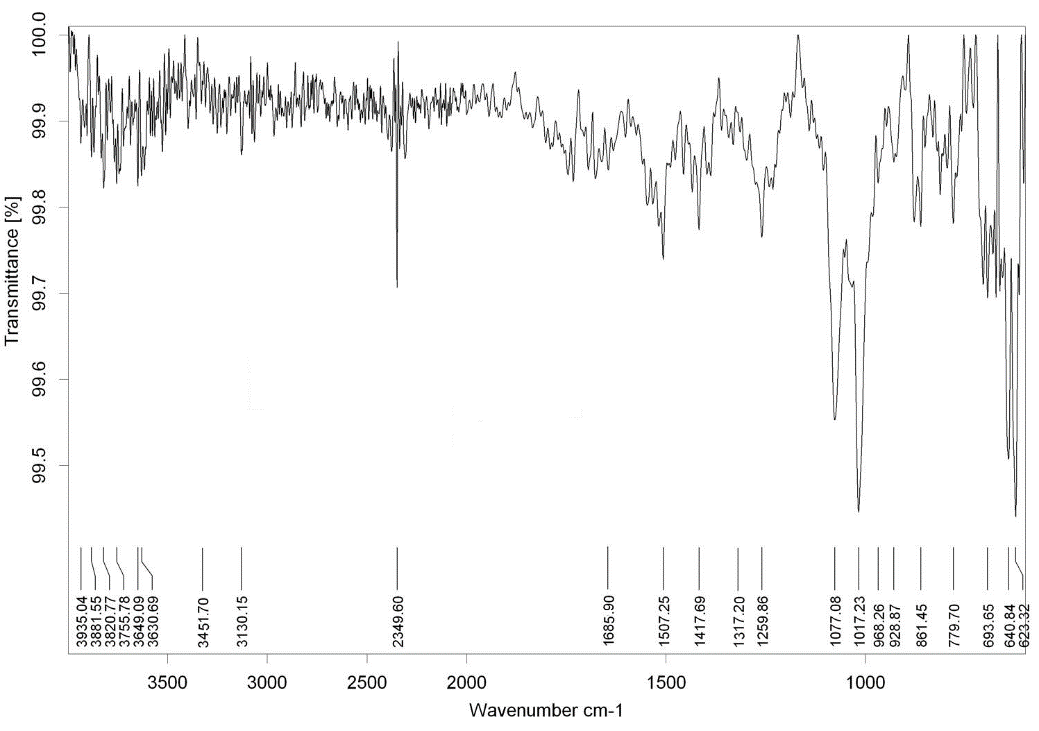
Figure 1: FTIR Spectra of Finerenone (FRN)
Differential Scanning Calorimetry (DSC)
Differential Scanning Calorimetry (DSC) was performed to evaluate the thermal behavior and compatibility of Finerenone (FRN) with excipients used in the mouth dissolving tablet formulation. The DSC thermogram of pure Finerenone showed a sharp endothermic peak at 164.75°C, corresponding to its characteristic melting point, confirming the purity and crystalline nature of the drug. The DSC thermograms of microcrystalline cellulose, croscarmellose sodium, and the optimized MDT formulation were also analyzed. In the formulated tablets, the characteristic endothermic peak of Finerenone was observed at 164.27°C with slight variation, indicating the absence of significant drug–excipient interaction. Additional peaks observed around 57.80°C were attributed to the melting or dehydration of excipients present in the formulation. The DSC results confirmed the thermal stability and compatibility of Finerenone with the selected excipients used in MDT preparation.
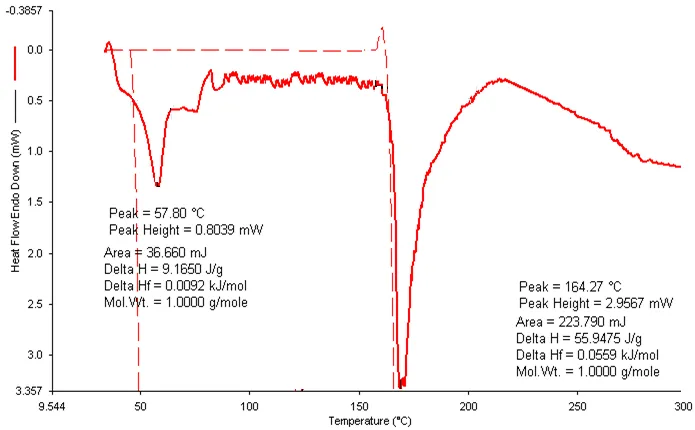
Figure 2: DSC Thermogram of Finerenone (FRN) mouth dissolving tablet formulation
Analytical Methodology
Estimation of Finerenone by UV-Visible Spectroscopy
UV-Visible spectrophotometry was employed for the quantitative estimation of Finerenone (FRN) during formulation and dissolution studies. The analytical method was developed using 0.1 N HCl and phosphate buffer pH 6.8 as dissolution media.
Determination of λmax
Finerenone was scanned in the wavelength range of 200–400 nm using a UV-Visible spectrophotometer. The drug exhibited a maximum absorbance (λmax) at 243 nm in both 0.1 N HCl and phosphate buffer pH 6.8, indicating consistent absorbance behavior under different pH conditions. This wavelength was selected for further quantitative analysis.
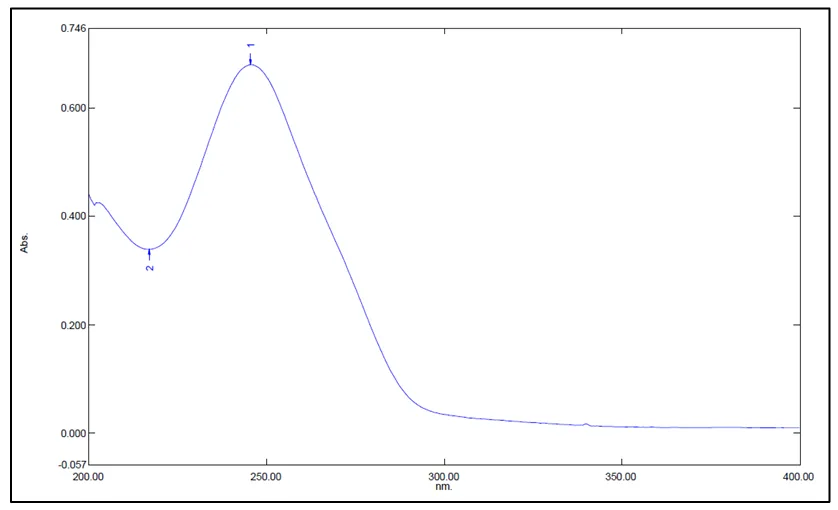
Figure 3: λmax of Finerenone (FRN) in 0.1 N HCl
Calibration Curve in 0.1 N HCl
The calibration curve of Finerenone in 0.1 N HCl was prepared in the concentration range of 6–18 µg/mL. The absorbance values measured at 243 nm showed a linear relationship with concentration, following Beer–Lambert’s law. The regression equation obtained was y = 0.054x + 0.010 with a correlation coefficient (R²) of 0.998, confirming excellent linearity and reliability of the analytical method.
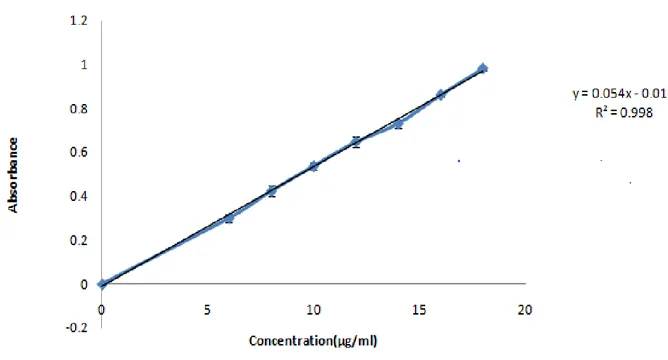
Figure 4: Calibration curve of Finerenone (FRN) in 0.1 N HCl
Formulation and Pre-Compression Evaluation of Finerenone MDTs
Six formulations (F1–F6) of Finerenone mouth dissolving tablets were prepared using different concentrations of superdisintegrants, namely crospovidone, croscarmellose sodium (CCS), and sodium starch glycolate (SSG), while other excipients remained constant. The formulations were evaluated for pre-compression parameters to assess their flowability and suitability for direct compression.
Formulation Composition
The formulations mainly differed in the type and concentration of superdisintegrants used. MCC was used as filler, PVP K30 as binder, aspartame as sweetener, and talc and magnesium stearate as glidant and lubricant, respectively.
Bulk Density
The bulk density values of all formulations ranged from 0.42 to 0.47 g/cm³, indicating acceptable powder packing and suitability for direct compression.
Tapped Density
Tapped density values ranged between 0.52 and 0.56 g/cm³, suggesting good compressibility and packing behavior of the powder blends.
Carr’s Index
Carr’s Index values indicated satisfactory flow properties for all formulations. Among them, formulation F4 showed the lowest compressibility index (16.67%), indicating superior flow characteristics.
Hausner’s Ratio
Hausner’s Ratio values ranged from 1.20 to 1.26. Formulation F4 exhibited the lowest value (1.20), confirming excellent flowability and reduced interparticle friction.
Angle of Repose
The angle of repose values ranged from 28.7° to 31.8°. Formulation F4 showed the lowest angle of repose (28.7°), indicating excellent powder flow behavior suitable for tablet compression.
Table 3: Pre-Compression Parameters of Finerenone MDTs
|
Formulation |
Bulk Density (g/cm³) |
Tapped Density (g/cm³) |
Carr’s Index (%) |
Hausner’s Ratio |
Angle of Repose (°) |
|
F1 |
0.42 |
0.53 |
20.75 |
1.26 |
30.2 |
|
F2 |
0.44 |
0.54 |
18.52 |
1.23 |
29.6 |
|
F3 |
0.43 |
0.52 |
17.31 |
1.21 |
29.0 |
|
F4 |
0.45 |
0.54 |
16.67 |
1.20 |
28.7 |
|
F5 |
0.46 |
0.56 |
17.86 |
1.22 |
29.8 |
|
F6 |
0.47 |
0.56 |
19.64 |
1.24 |
31.8 |
Overall, formulation F4 demonstrated the best pre-compression properties with optimum flowability, compressibility, and powder handling characteristics, indicating its suitability for further tablet evaluation studies.
Post-Compression Evaluation of Finerenone MDTs
Post-compression evaluation was performed to assess the quality, mechanical strength, disintegration behavior, and overall performance of the formulated Finerenone mouth dissolving tablets (MDTs). Among all formulations, F4 showed the most satisfactory results with superior tablet properties and rapid disintegration characteristics.
Weight Variation
All formulations complied with pharmacopeial limits for weight variation, indicating uniform drug distribution and consistent tablet compression. Formulation F4 showed an average tablet weight of 165.2 ± 1.3 mg, demonstrating excellent blend uniformity.
Hardness Test
The hardness values of all formulations were within the acceptable range for MDTs. Formulation F4 exhibited a hardness of 4.2 kg/cm², indicating sufficient mechanical strength while maintaining rapid disintegration behavior.
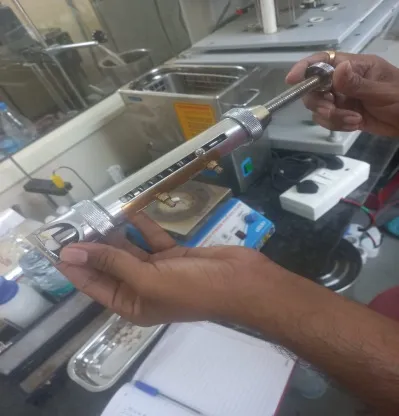
Figure 5: Hardness of MDT’s
Thickness and Diameter
The tablets showed uniform thickness and diameter, ensuring consistency in tablet appearance and packaging compatibility. Formulation F4 exhibited a thickness of 3.2 ± 0.05 mm with acceptable dimensional uniformity.
Friability Test
Friability values for all formulations were below 1%, confirming adequate resistance to mechanical abrasion. Formulation F4 showed the lowest friability value of 0.35%, indicating excellent tablet strength and durability.
Disintegration Time
Disintegration time is a critical parameter for MDTs. Among all batches, formulation F4 showed the shortest disintegration time of 22 seconds due to the effective swelling and wicking action of croscarmellose sodium (CCS).
Wetting Time
Wetting time studies revealed rapid moisture penetration in formulation F4, which exhibited the shortest wetting time of 20 seconds. This result correlated well with its fast disintegration behavior.
Water Absorption Ratio
Formulation F4 demonstrated the highest water absorption ratio of 80%, indicating enhanced swelling capacity and rapid saliva uptake, which contributed to faster tablet disintegration and drug release.
Table 4: Post-Compression Evaluation of Finerenone MDTs
|
Parameter |
F1 |
F2 |
F3 |
F4 |
F5 |
F6 |
|
Avg. Weight (mg) |
160.1 ± 2.0 |
164.7 ± 1.6 |
159.8 ± 1.9 |
165.2 ± 1.3 |
160.3 ± 2.2 |
165.1 ± 2.1 |
|
Hardness (kg/cm²) |
3.8 |
4.0 |
4.1 |
4.2 |
3.7 |
4.3 |
|
Thickness (mm) |
3.1 ± 0.04 |
3.2 ± 0.05 |
3.1 ± 0.06 |
3.2 ± 0.05 |
3.0 ± 0.05 |
3.1 ± 0.04 |
|
Friability (%) |
0.62 |
0.51 |
0.49 |
0.35 |
0.73 |
0.89 |
|
Disintegration Time (sec) |
38 |
35 |
28 |
22 |
42 |
65 |
|
Wetting Time (sec) |
31 |
28 |
24 |
20 |
36 |
42 |
|
Water Absorption Ratio (%) |
68 |
70 |
75 |
80 |
66 |
62 |
Overall, formulation F4 demonstrated the best post-compression performance with rapid disintegration, low friability, fast wetting, and high water absorption capacity, making it the optimized formulation for Finerenone mouth dissolving tablets.
Fourier Transform Infrared Spectroscopy (FT-IR) of Formulations
FT-IR studies were performed to evaluate the compatibility of Finerenone with the selected excipients in the mouth dissolving tablet formulation. The FTIR spectrum of the blank formulation showed characteristic peaks corresponding to excipients such as MCC, PVP K30, and CCS. The optimized tablet formulation containing Finerenone exhibited all the characteristic peaks of the pure drug, including N–H stretching, C=O stretching, S=O stretching, and C–N stretching, without any significant shift or disappearance of peaks. These findings confirmed the absence of chemical interaction between Finerenone and the excipients, indicating good compatibility and stability of the formulation.
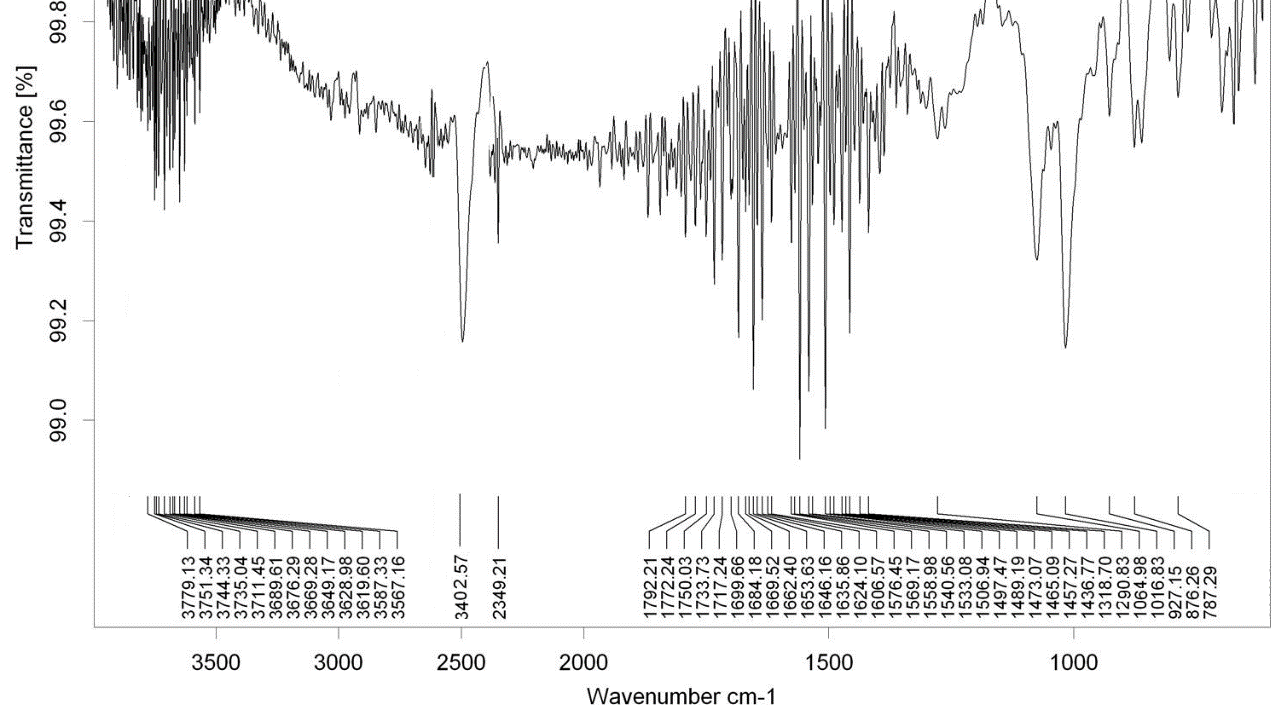
Figure 28: FT-IR Spectra of tablet Formulation
In-vitro Drug Release Study
The in-vitro drug release profiles of Finerenone MDT formulations (F1–F6) were evaluated using dissolution studies. All formulations showed progressive drug release with increasing time; however, formulation F4 demonstrated the highest and fastest release profile, achieving approximately 99% drug release within 10 minutes. The rapid drug release observed in F4 was mainly attributed to the presence of 10 mg croscarmellose sodium (CCS), which enhanced tablet disintegration through swelling and wicking mechanisms.
Table 5: In-vitro Drug Release Profile of Finerenone MDTs
|
Time (min) |
F1 (%) |
F2 (%) |
F3 (%) |
F4 (%) |
F5 (%) |
F6 (%) |
|
0 |
0 |
0 |
0 |
0 |
0 |
0 |
|
2 |
25 |
30 |
35 |
40 |
20 |
18 |
|
4 |
42 |
50 |
55 |
65 |
38 |
35 |
|
6 |
60 |
68 |
72 |
83 |
55 |
52 |
|
8 |
78 |
82 |
85 |
95 |
70 |
67 |
|
10 |
85 |
88 |
91 |
99 |
80 |
75 |
Drug Content Uniformity
Drug content uniformity studies confirmed that all formulations complied with pharmacopeial limits, with drug content ranging between 96.5% and 99.2%. Among all batches, formulation F4 showed the highest drug content of 99.2%, indicating excellent drug distribution and uniformity achieved through effective blending and direct compression.
Table 6: Drug Content Uniformity of Finerenone MDTs
|
Formulation |
Label Claim (mg) |
% Drug Content |
Compliance |
|
F1 |
10 |
96.5 |
Yes |
|
F2 |
10 |
97.2 |
Yes |
|
F3 |
10 |
98.8 |
Yes |
|
F4 |
10 |
99.2 |
Yes |
|
F5 |
10 |
97.1 |
Yes |
|
F6 |
10 |
96.9 |
Yes |
Stability Study
The optimized formulation F4 was subjected to accelerated stability studies at 40°C ± 2°C and 75% RH for 90 days according to ICH guidelines. The formulation showed minimal changes in drug release and hardness during the study period. Drug release remained above 97%, while tablet hardness was maintained between 4.0–4.1 kg/cm², indicating excellent physical and chemical stability of the formulation under accelerated storage conditions.
CONCLUSION:
The present investigation successfully demonstrated the development of mouth dissolving tablets of Finerenone using the direct compression technique. The study confirmed that the selection of suitable superdisintegrants significantly influenced tablet disintegration and drug release behavior. Among all formulations, F4 containing croscarmellose sodium (10 mg) was identified as the optimized formulation due to its superior pre-compression and post-compression characteristics, rapid disintegration, excellent drug release profile, and satisfactory stability. The optimized MDT formulation showed improved dissolution properties, good mechanical strength, acceptable physicochemical characteristics, and enhanced patient-friendly performance. Therefore, the developed Finerenone MDT formulation can be considered a promising oral drug delivery system for improving therapeutic efficacy, patient compliance, and rapid onset of action.
CONFLICT OF INTREST:
The author declares that there is no conflict of interest.
REFERENCES

Sohel Shaikh*, Amol Shinde, Ravi Kurhade, Nishinandan Shinde, Formulation and Performance Evaluation of Mouth-Dissolving Tablets of an Antihypertensive Agent, Int. J. Med. Pharm. Sci., 2026, 2 (6), 116-129. https://doi.org/10.5281/zenodo.20642343
 10.5281/zenodo.20642343