
We use cookies to ensure our website works properly and to personalise your experience. Cookies policy
1Department of Pharmaceutics, National College of Pharmacy, Shivamogga
2Assistant Professor, Department of Pharmaceutics, National College of Pharmacy
Simvastatin is a widely prescribed lipid-lowering agent used for the management of hypercholesterolemia and the prevention of cardiovascular diseases. Despite its therapeutic efficacy, simvastatin exhibits poor aqueous solubility and undergoes extensive hepatic first-pass metabolism, resulting in an oral bioavailability of less than 5% These limitations have encouraged the development of novel drug delivery systems capable of improving its solubility, permeability, and systemic availability. Liposomes are among the most promising nanocarriers because they improve drug encapsulation, enhance stability, provide controlled release, and increase the bioavailability of poorly water-soluble drugs. Similarly, buccal drug delivery offers an alternative route that bypasses hepatic first-pass metabolism, provides rapid systemic absorption, improves patient compliance, and enables sustained drug release]. The incorporation of liposomes into mucoadhesive buccal tablets combines the advantages of both technologies, offering prolonged residence time, enhanced permeation, controlled drug release, and improved therapeutic efficacy. This review discusses the physicochemical properties of simvastatin, buccal drug delivery systems, liposomal formulation approaches, characterization techniques, formulation strategies for liposome-incorporated buccal tablets, recent research advances, challenges, and future perspectives.
Cardiovascular diseases (CVDs) remain the leading cause of mortality worldwide, accounting for a substantial proportion of global deaths each year. Hypercholesterolemia is one of the principal modifiable risk factors contributing to atherosclerosis, coronary artery disease, myocardial infarction, and stroke. Consequently, effective lipid-lowering therapy has become an essential component of cardiovascular disease prevention and management [1,7]. Simvastatin is a semi-synthetic derivative of lovastatin and belongs to the class of hydroxymethylglutaryl-coenzyme A (HMG-CoA) reductase inhibitors, commonly known as statins. It acts by competitively inhibiting HMG-CoA reductase, the rate-limiting enzyme responsible for cholesterol biosynthesis in the liver. Inhibition of this enzyme decreases endogenous cholesterol synthesis and increases hepatic low-density lipoprotein (LDL) receptor expression, thereby enhancing LDL clearance from the bloodstream. Besides reducing plasma cholesterol levels, simvastatin also exhibits pleiotropic pharmacological effects, including anti-inflammatory, antioxidant, endothelial protective, and plaque-stabilizing activities that contribute to cardiovascular protection [2,7]. Despite its proven clinical efficacy, simvastatin belongs to the Biopharmaceutics Classification System (BCS) Class II, characterized by poor aqueous solubility and high membrane permeability. The aqueous solubility of simvastatin is approximately 6.3 μg/mL, and the drug undergoes extensive CYP3A4-mediated hepatic first-pass metabolism after oral administration. Consequently, only about 5% of the orally administered dose reaches systemic circulation, resulting in low and variable bioavailability [1,8]. These pharmacokinetic limitations necessitate relatively higher doses to achieve therapeutic plasma concentrations, thereby increasing the likelihood of adverse effects such as hepatotoxicity and statin-associated myopathy [2,8]. To overcome these limitations, numerous formulation strategies have been investigated, including solid dispersions, cyclodextrin inclusion complexes, self-emulsifying drug delivery systems (SEDDS), polymeric nanoparticles, solid lipid nanoparticles, nanostructured lipid carriers, proliposomes, liposomes, and niosomes [4,8,9]. Among these approaches, liposomal drug delivery systems have gained considerable attention because phospholipid vesicles are capable of encapsulating lipophilic drugs within their lipid bilayers, thereby enhancing apparent solubility, protecting drugs from chemical degradation, improving pharmacokinetic behaviour, and providing sustained drug release [3,4]. Liposomes are spherical vesicles composed of one or more phospholipid bilayers surrounding an aqueous core. Depending on their composition and method of preparation, liposomes may be unilamellar or multilamellar and can encapsulate both hydrophilic and lipophilic therapeutic agents. Their excellent biocompatibility, biodegradability, low toxicity, and structural similarity to biological membranes make them highly attractive carriers for pharmaceutical applications. For lipophilic drugs such as simvastatin, incorporation within the phospholipid bilayer improves drug loading, protects the active ingredient from degradation, and enhances membrane permeation [3,9].

Fig 1: Liposomes
Although liposomal formulations improve drug delivery, oral administration still exposes simvastatin to gastrointestinal degradation and extensive hepatic metabolism. Buccal drug delivery provides an attractive alternative because drugs absorbed through the buccal mucosa enter the systemic circulation directly via the jugular vein, thereby bypassing hepatic first-pass metabolism. The buccal mucosa is highly vascularized, relatively permeable, and easily accessible, making it suitable for systemic delivery of drugs with poor oral bioavailability. Furthermore, buccal dosage forms are non-invasive, easily administered, improve patient compliance, and can be removed immediately if adverse reactions occur [5,6]. Among various buccal dosage forms, mucoadhesive buccal tablets have attracted considerable interest because they remain attached to the buccal mucosa for prolonged periods, thereby increasing residence time and improving drug absorption. Hydrophilic polymers such as hydroxypropyl methylcellulose (HPMC), carbopol, sodium alginate, chitosan, polyvinylpyrrolidone (PVP), and hydroxypropyl cellulose (HPC) are commonly used to achieve strong mucoadhesion and controlled drug release. These polymers hydrate in the presence of saliva to form a gel layer that maintains intimate contact with the mucosal surface, enabling sustained drug release and improved permeation [5,10]. The incorporation of liposomes into mucoadhesive buccal tablets represents an advanced drug delivery strategy that combines nanotechnology with transmucosal drug delivery. Liposomes enhance drug solubility, encapsulation efficiency, and controlled release, whereas buccal tablets prolong mucosal residence time and bypass first-pass metabolism. The synergistic effect of these two technologies has the potential to improve systemic bioavailability, reduce dose frequency, minimize adverse effects, and enhance patient adherence. Recent investigations involving buccal films containing nanocarriers have demonstrated significantly improved drug permeation and sustained release, suggesting that similar strategies may be effectively applied to liposome-incorporated buccal tablets of simvastatin [1,6,9]. Therefore, the present review aims to summarize current knowledge regarding simvastatin, liposomal drug delivery systems, and buccal drug delivery, with particular emphasis on the formulation and development of liposome-incorporated buccal tablets. The review also discusses formulation variables, characterization techniques, therapeutic advantages, challenges, and future prospects associated with this promising drug delivery platform.
2. Simvastatin: Physicochemical Properties and Pharmacokinetics
Simvastatin is a semi-synthetic, lipophilic statin belonging to the class of 3-hydroxy-3-methylglutaryl coenzyme A (HMG-CoA) reductase inhibitors. It is administered as an inactive lactone prodrug that undergoes enzymatic hydrolysis after absorption to form the pharmacologically active β-hydroxy acid metabolite, which competitively inhibits HMG-CoA reductase, the rate-limiting enzyme in cholesterol biosynthesis. This inhibition decreases hepatic cholesterol synthesis, increases LDL receptor expression, and enhances the clearance of circulating low-density lipoprotein cholesterol (LDL-C) from plasma [11–13].
2.1 Physicochemical Properties
The physicochemical characteristics of simvastatin significantly influence its formulation and therapeutic performance. Simvastatin has the molecular formula C₂₅H₃₈O₅ and a molecular weight of 418.57 g/mol. It is a white to off-white crystalline powder with a melting point of approximately 135–138°C. The molecule is highly lipophilic and possesses poor aqueous solubility (approximately 0.01–0.03 mg/mL), resulting in dissolution-limited absorption after oral administration. Owing to these characteristics, simvastatin is classified as a Biopharmaceutics Classification System (BCS) Class II drug, exhibiting low solubility but high membrane permeability [11,14,15]. The lipophilic nature of simvastatin facilitates passive diffusion across biological membranes but also contributes to extensive tissue distribution and metabolism. Because aqueous solubility is the rate-limiting step for absorption, numerous formulation strategies such as liposomes, solid lipid nanoparticles, nanostructured lipid carriers, self-emulsifying drug delivery systems, and polymeric nanoparticles have been explored to improve dissolution and bioavailability [15,16].
Table 1. Physicochemical properties of simvastatin
|
Property |
Value |
|
Chemical name |
Simvastatin |
|
Molecular formula |
C₂₅H₃₈O₅ |
|
Molecular weight |
418.57 g/mol |
|
Drug class |
HMG-CoA reductase inhibitor |
|
BCS class |
II |
|
Appearance |
White to off-white crystalline powder |
|
Solubility |
Poorly soluble in water |
|
Nature |
Lipophilic lactone prodrug |
|
Active metabolite |
Simvastatin β-hydroxy acid |
|
Log P |
Approximately 4.5–4.8 |
2.2 Mechanism of Action
Following oral administration, simvastatin is rapidly hydrolyzed to its active β-hydroxy acid metabolite. This metabolite competitively inhibits HMG-CoA reductase, preventing the conversion of HMG-CoA to mevalonate, an early and rate-limiting step in cholesterol biosynthesis. Reduced intracellular cholesterol stimulates hepatic LDL receptor expression, leading to increased uptake of circulating LDL cholesterol and reduction of plasma LDL-C concentrations. Simvastatin also decreases very-low-density lipoprotein (VLDL) synthesis and moderately increases high-density lipoprotein (HDL) cholesterol. Besides lipid lowering, simvastatin exhibits anti-inflammatory, antioxidant, endothelial protective, and plaque-stabilizing effects that contribute to cardiovascular protection [11,12].
2.3 Pharmacokinetics
The pharmacokinetic profile of simvastatin is characterized by rapid absorption, extensive hepatic first-pass metabolism, and relatively low systemic bioavailability. Approximately 60–85% of the orally administered dose is absorbed from the gastrointestinal tract; however, because of extensive first-pass extraction in the liver, less than 5% of the administered dose reaches systemic circulation unchanged [12,13]. Peak plasma concentrations of simvastatin and its active metabolite are generally achieved within 1.3–2.4 hours following oral administration. The active metabolite exhibits approximately 95% plasma protein binding, primarily to albumin, contributing to its relatively small free drug fraction in plasma. Simvastatin is widely distributed because of its lipophilic character, allowing efficient penetration into hepatic tissues where its pharmacological action is exerted [12]. Metabolism occurs predominantly in the liver through the cytochrome P450 3A4 (CYP3A4) enzyme system. Several active metabolites are produced, including simvastatin β-hydroxy acid, 6′-hydroxymethyl, and 6′-hydroxy derivatives. Consequently, co-administration with strong CYP3A4 inhibitors may substantially increase plasma concentrations of simvastatin and increase the risk of adverse reactions such as myopathy and rhabdomyolysis [12,17]. The elimination half-life of the active metabolite is approximately 2 hours, although pharmacodynamic inhibition of cholesterol synthesis persists considerably longer because of prolonged inhibition of HMG-CoA reductase. Most of the administered dose is eliminated via biliary excretion into the feces (approximately 60%), whereas about 13% is excreted through urine as metabolites [12].
2.4 Limitations Affecting Oral Bioavailability
These limitations justify the development of advanced drug delivery systems such as liposomes, proliposomes, solid lipid nanoparticles, nanostructured lipid carriers, and mucoadhesive buccal delivery systems, all of which aim to enhance solubility, bypass first-pass metabolism, improve systemic availability, and provide sustained therapeutic drug concentrations [16,17].
3. Buccal Drug Delivery System
3.1 Introduction
Buccal drug delivery is an attractive alternative to conventional oral administration for drugs that undergo extensive hepatic first-pass metabolism or exhibit poor gastrointestinal stability. The buccal route involves the administration of drugs through the inner lining of the cheek, where they are absorbed directly into the systemic circulation through the rich vascular network of the buccal mucosa. This route offers several therapeutic advantages, including rapid onset of action, improved bioavailability, ease of administration, enhanced patient compliance, and avoidance of gastrointestinal degradation and hepatic first-pass metabolism [18–20].

Fig2: Buccal drug delivery
The oral cavity comprises the buccal, sublingual, gingival, palatal, and labial mucosal regions. Among these, the buccal mucosa is considered the most suitable site for controlled drug delivery because of its relatively large surface area, low enzymatic activity, accessibility, and ability to accommodate various mucoadhesive dosage forms such as tablets, films, patches, wafers, gels, and hydrogels [18,19].
3.2 Anatomy and Physiology of the Buccal Mucosa
The buccal mucosa is a non-keratinized stratified squamous epithelium approximately 500–800 μm thick and consists of three principal layers:
Beneath the lamina propria lies the submucosal connective tissue containing numerous blood vessels and lymphatic capillaries that facilitate rapid systemic drug absorption. Unlike the gastrointestinal tract, the buccal mucosa possesses relatively low proteolytic activity, reducing enzymatic degradation of peptide and protein drugs [19–21]. Saliva, with a normal pH of approximately 6.2–7.4, continuously bathes the buccal surface. Although saliva aids tablet hydration and dissolution, excessive salivary flow may decrease the residence time of the dosage form, making the use of mucoadhesive polymers essential for prolonged retention [18,20].
3.3 Mechanism of Buccal Drug Absorption
Drug transport across the buccal mucosa occurs primarily through two pathways:
Transcellular pathway: Lipophilic drugs diffuse directly across epithelial cell membranes. Simvastatin, being highly lipophilic, predominantly follows this pathway because of its high membrane permeability [21].
Paracellular pathway: Hydrophilic drugs diffuse through the intercellular spaces between epithelial cells. However, this pathway contributes minimally because of the presence of tight intercellular junctions [19,20]. Drug absorption through the buccal mucosa is influenced by several factors, including molecular weight, lipophilicity, degree of ionization, saliva composition, residence time, drug concentration, and the presence of permeation enhancers [18,20].
3.4 Advantages of Buccal Drug Delivery
Buccal drug delivery offers numerous pharmaceutical and clinical advantages over conventional oral dosage forms.
For drugs such as simvastatin, which undergo extensive first-pass metabolism and exhibit poor aqueous solubility, buccal administration represents a promising strategy for improving therapeutic efficacy.
3.5 Limitations of Buccal Drug Delivery
Despite its advantages, buccal drug delivery also presents several challenges.
Appropriate formulation design, including the use of mucoadhesive polymers and backing membranes, can overcome many of these limitations.
3.6 Mucoadhesive Buccal Tablets
Mucoadhesive buccal tablets are among the most extensively investigated dosage forms for transmucosal drug delivery. These tablets adhere to the buccal mucosa through interactions between hydrophilic polymers and mucin glycoproteins, thereby increasing the residence time of the formulation and allowing sustained drug release [20,22].
The mechanism of mucoadhesion generally involves three stages:
The strength of mucoadhesion depends on polymer characteristics, hydration, molecular weight, cross-linking density, and environmental pH [22].
3.7 Polymers Used in Buccal Tablets
Several natural and synthetic polymers are commonly employed in buccal formulations.
|
Polymer |
Function |
|
Hydroxypropyl methylcellulose (HPMC) |
Controlled release, mucoadhesion |
|
Carbopol 934P |
Strong bioadhesion |
|
Chitosan |
Mucoadhesion and permeation enhancement |
|
Sodium alginate |
Swelling and sustained release |
|
Hydroxypropyl cellulose (HPC) |
Film formation and adhesion |
|
Polyvinylpyrrolidone (PVP K30) |
Binder and release modifier |
|
Sodium carboxymethyl cellulose |
Swelling and adhesion |
These polymers may be used individually or in combination to optimize swelling behavior, drug release kinetics, and mucoadhesive strength.
3.8 Buccal Delivery of Simvastatin
Simvastatin exhibits poor aqueous solubility and undergoes extensive hepatic first-pass metabolism, resulting in an oral bioavailability of less than 5%.
Buccal administration has therefore been investigated as an alternative route to enhance systemic drug availability. Recent studies have demonstrated that mucoadhesive buccal tablets and buccal films of simvastatin provide prolonged residence time, controlled drug release, improved ex vivo permeation, and enhanced bioavailability compared with conventional oral tablets [23–25]. The incorporation of nanocarriers such as liposomes and niosomes into buccal formulations has further improved drug encapsulation, permeability, and sustained release characteristics, suggesting considerable potential for future clinical applications.
4. Liposomes: Composition, Classification, Preparation Methods, Characterization, and Applications
4.1 Introduction to Liposomes
Liposomes are spherical vesicular nanocarriers composed mainly of phospholipid bilayers surrounding an aqueous compartment. Since their first description by Bangham and colleagues in 1965, liposomes have become one of the most extensively investigated drug delivery systems because of their biocompatibility, biodegradability, low toxicity, and structural similarity to biological membranes [26]. The unique amphiphilic structure of liposomes allows them to incorporate both hydrophilic and lipophilic drugs. Hydrophilic molecules are entrapped within the aqueous core, whereas lipophilic molecules are incorporated into the phospholipid bilayer. This property makes liposomes particularly suitable for the delivery of poorly water-soluble drugs such as simvastatin, which exhibits high lipophilicity and low aqueous solubility [27,28]. Liposomes have been extensively explored for improving drug solubility, enhancing bioavailability, protecting drugs from degradation, providing controlled release, and reducing toxicity. Their ability to modify drug pharmacokinetics and improve therapeutic efficacy has resulted in their application in various pharmaceutical fields, including anticancer therapy, vaccine delivery, gene delivery, and cardiovascular drug delivery [29,30].
4.2 Composition of Liposomes
The physicochemical properties and performance of liposomes depend mainly on their composition, which generally includes phospholipids, cholesterol, and other functional excipients.
4.2.1 Phospholipids
Phospholipids are the primary structural components responsible for bilayer formation. They consist of a hydrophilic phosphate head group and hydrophobic fatty acid chains. In aqueous environments, phospholipids spontaneously arrange themselves into bilayer structures due to hydrophobic interactions.
Commonly used phospholipids include:
The selection of phospholipid affects vesicle size, membrane rigidity, drug encapsulation efficiency, and stability [27,31].

Fig3: Phospholipids structure
4.2.2 Cholesterol
Cholesterol is an essential component of many liposomal formulations because it improves membrane stability and reduces leakage of encapsulated drug molecules. It increases lipid packing within the bilayer, decreases membrane permeability, and enhances resistance against environmental stress. However, excessive cholesterol concentration may reduce drug encapsulation by decreasing available space within the lipid bilayer. Therefore, an optimum phospholipid-to-cholesterol ratio is necessary for achieving stable liposomes with high drug loading [28,32].
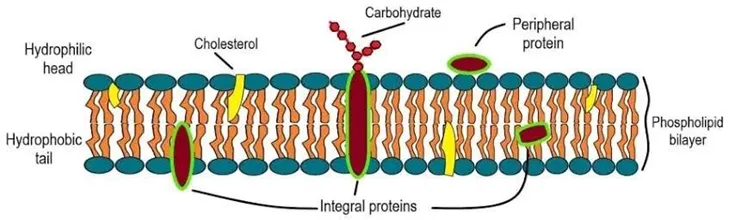
Fig4: Cholesterol diagram
4.2.3 Surface Modifiers
Surface modification of liposomes can improve stability, circulation time, and targeting ability. Polyethylene glycol (PEG)-modified liposomes, commonly known as stealth liposomes, reduce recognition by the reticuloendothelial system and prolong circulation time.
Other surface modifiers include:
These modifications can improve interaction between liposomes and biological membranes [30,33].
4.3 Classification of Liposomes
Liposomes can be classified according to their size, lamellarity, and surface characteristics.
4.3.1 Based on Lamellarity
Small Unilamellar Vesicles (SUVs)
SUVs are small vesicles consisting of a single phospholipid bilayer, generally ranging from 20–100 nm. They possess good stability and are widely used for drug delivery applications.
Large Unilamellar Vesicles (LUVs)
LUVs contain a single large aqueous compartment and usually range from 100 nm to 1 μm. They provide higher encapsulation capacity for hydrophilic drugs.
Multilamellar Vesicles (MLVs)
MLVs contain multiple concentric lipid bilayers and generally possess higher structural stability. They are commonly prepared using thin-film hydration techniques [27,31].

Fig 5: Types of liposomes
4.3.2 Based on Surface Properties
Conventional Liposomes
These contain natural phospholipids and are rapidly cleared from circulation by the mononuclear phagocyte system.
Stealth Liposomes
PEGylated liposomes avoid rapid clearance and provide prolonged drug circulation.
Cationic Liposomes
These possess positive surface charges and are mainly used for nucleic acid delivery.
Immunoliposomes
These contain antibodies or ligands attached to the surface for targeted drug delivery [30,33].
4.4 Advantages of Liposomal Drug Delivery
Liposomes provide several advantages over conventional drug delivery systems:
For simvastatin delivery, liposomes are particularly advantageous because they can incorporate the hydrophobic drug into the lipid bilayer, thereby improving dissolution and enhancing systemic availability.
4.5 Preparation Methods of Liposomes
Several techniques have been developed for liposome preparation depending on the desired particle size, encapsulation efficiency, and application.
4.5.1 Thin Film Hydration Method
The thin-film hydration method is one of the most commonly used techniques for preparing liposomes.
The procedure involves:
This method is simple, reproducible, and suitable for laboratory-scale preparation [27,31].
4.5.2 Reverse Phase Evaporation Method
In this method, an organic phase containing lipids is emulsified with an aqueous drug solution. Removal of the organic solvent results in formation of liposomes.
Advantages include:
4.5.3 Ethanol Injection Method
In ethanol injection, lipid components dissolved in ethanol are rapidly injected into an aqueous phase. Rapid diffusion of ethanol results in spontaneous formation of liposomes.
Advantages:
4.5.4 Micro fluidization
Micro fluidization produces uniform liposomes by forcing lipid dispersion through narrow channels under high pressure. This technique provides better control over particle size distribution and is suitable for industrial production [29].
4.6 Characterization of Liposomes
Characterization is essential to determine formulation quality and performance.
Particle Size and Size Distribution
Particle size influences drug release, stability, and mucosal penetration. Dynamic light scattering (DLS) is commonly used for particle size measurement.
Polydispersity Index (PDI)
PDI indicates uniformity of particle distribution. Lower PDI values represent more homogeneous liposomal systems.
Zeta Potential
Zeta potential determines surface charge and predicts physical stability. Higher surface charge generally reduces aggregation due to electrostatic repulsion.
Entrapment Efficiency
Entrapment efficiency represents the percentage of drug incorporated into liposomes.
[EE(%)=\frac{Amount\ of\ entrapped\ drug}{Total\ drug}\times100]
High encapsulation efficiency is desirable for improving therapeutic effectiveness.
Morphological Characterization
Techniques such as:
are used to evaluate vesicle shape and surface characteristics [27,32].
4.7 Liposomes in Simvastatin Delivery
Simvastatin is an ideal candidate for liposomal delivery because of its high lipophilicity and poor aqueous solubility. Encapsulation of simvastatin within phospholipid bilayers improves its apparent solubility, protects the drug from degradation, and enhances membrane interaction. Liposomal simvastatin formulations have demonstrated improved drug loading, controlled release characteristics, and enhanced bioavailability compared with conventional formulations. These advantages make liposomes a promising approach for developing advanced simvastatin delivery systems. When combined with mucoadhesive buccal tablets, liposomes can overcome two major limitations of simvastatin therapy: poor aqueous solubility and extensive hepatic first-pass metabolism.
5. Liposome-Incorporated Buccal Tablets of Simvastatin: Formulation Strategies, Development Approaches, and Evaluation
5.1 Introduction
The combination of liposomal nanocarriers with mucoadhesive buccal tablets represents an advanced drug delivery strategy designed to overcome the limitations associated with conventional oral administration of poorly water-soluble drugs. Simvastatin possesses excellent pharmacological activity; however, its low aqueous solubility, extensive hepatic first-pass metabolism, and low oral bioavailability limit its therapeutic performance. Incorporation of simvastatin-loaded liposomes into buccal tablets provides a dual advantage by improving drug solubility through lipid-based encapsulation and enhancing systemic absorption through direct transport across the buccal mucosa [34,35]. Liposome-incorporated buccal tablets are considered hybrid drug delivery systems in which liposomes act as nanoscale drug carriers while the tablet matrix provides prolonged residence time, controlled release, and intimate contact with the buccal mucosa. This approach improves drug retention at the absorption site and enhances the possibility of achieving sustained therapeutic concentrations with reduced dosing frequency.
5.2 Rationale for Incorporating Liposomes into Buccal Tablets
The incorporation of liposomes into buccal tablets provides several formulation advantages:
5.2.1 Enhancement of Simvastatin Solubility
Simvastatin is a highly lipophilic molecule with poor aqueous solubility. Liposomes improve apparent solubility by incorporating simvastatin into the hydrophobic region of the phospholipid bilayer. This increases drug dispersion in aqueous biological fluids and improves dissolution characteristics [36].
5.2.2 Improvement of Buccal Permeation
The phospholipid composition of liposomes resembles biological membranes, allowing better interaction with epithelial cells. Liposomes can enhance drug transport by increasing membrane fluidity, improving penetration through the buccal epithelial barrier, and facilitating intracellular uptake [37].
5.2.3 Avoidance of Hepatic First-Pass Metabolism
Drugs absorbed through the buccal mucosa enter systemic circulation directly through venous drainage, avoiding hepatic first-pass metabolism. This is particularly beneficial for simvastatin, where extensive liver metabolism significantly reduces systemic availability after oral administration [38].
5.2.4 Sustained Drug Release
The combination of liposomes with mucoadhesive polymers provides prolonged drug release. Liposomal membranes act as diffusion barriers, while hydrated polymer matrices control drug release from the tablet surface.
5.3 Components of Liposome-Loaded Buccal Tablets
The performance of liposome-incorporated buccal tablets depends on the selection of appropriate formulation components.
5.3.1 Simvastatin-Loaded Liposomes
The liposomal component contains:
The lipid composition affects particle size, encapsulation efficiency, drug release, and stability.
5.3.2 Mucoadhesive Polymers
Mucoadhesive polymers are essential components because they increase contact time between the formulation and buccal mucosa.
Commonly used polymers include:
Hydroxypropyl Methylcellulose (HPMC)
HPMC provides:
Carbopol
Carbopol exhibits strong mucoadhesion due to hydrogen bonding with mucin and provides prolonged residence time.
Chitosan
Chitosan is a natural cationic polymer with excellent mucoadhesive properties. It also acts as a permeation enhancer by temporarily opening tight junctions between epithelial cells.
Sodium Alginate
Sodium alginate provides hydration, gel formation, and controlled release properties [39].
5.4 Formulation Methods for Liposome-Incorporated Buccal Tablets
Several approaches can be used for incorporating liposomes into buccal tablet systems.
5.4.1 Direct Compression Method
In this method, optimized liposomes are mixed with tablet excipients and compressed directly.
Advantages:
Mechanical stress during compression may disrupt liposomal structure.
5.4.2Freeze-Dried Liposome Incorporation
Liposomes may be converted into a dry powder using lyophilization before incorporation into tablets.
Advantages:
Cryoprotectants such as sucrose or trehalose may be used to protect vesicle integrity during drying [40].
5.4.3 Proliposome-Based Buccal Tablets
Proliposomes are dry, free-flowing formulations that generate liposomes upon hydration.
Advantages include:
Proliposome technology is particularly useful for poorly soluble drugs such as simvastatin.
5.5 Evaluation Parameters of Liposome-Incorporated Buccal Tablets
Comprehensive evaluation is necessary to ensure formulation quality and therapeutic effectiveness.
5.5.1 Physical Evaluation
Physical properties include:
Weight Variation
Determines uniformity of tablet weight.
Thickness
Ensures consistency among tablets.
Hardness
Indicates mechanical strength and resistance to handling.
Friability
Measures tablet ability to withstand mechanical stress.
5.5.2 Drug Content Uniformity
Drug content analysis ensures uniform distribution of simvastatin throughout the formulation.
5.5.3 Surface pH
Surface pH evaluation is important because buccal formulations should maintain a pH close to physiological conditions (approximately 6.5–7.5) to prevent mucosal irritation.
5.5.4 Swelling Index
Swelling behavior influences:
5.5.5 Mucoadhesive Strength
Mucoadhesive strength determines the ability of the tablet to remain attached to buccal mucosa.
Methods include:
5.5.6 Residence Time
The residence time indicates how long the formulation remains attached to mucosal tissue before removal. Longer residence time improves drug absorption.
5.5.7 In Vitro Drug Release Studies
Drug release studies are commonly performed using:
Release kinetics are analyzed using mathematical models:
5.5.8 Ex Vivo Permeation Studies
Animal buccal mucosa such as sheep, goat, or pig mucosa is commonly used to evaluate drug permeation.
Parameters evaluated include:
5.6 Recent Research on Simvastatin Buccal Delivery
Research investigations have demonstrated the potential of buccal delivery systems for improving simvastatin performance. Simvastatin-loaded mucoadhesive buccal films containing advanced drug carriers showed improved ex vivo permeation and sustained release compared with conventional formulations [41]. Niosomal and vesicular systems containing simvastatin have also demonstrated enhanced drug incorporation, improved stability, and prolonged release characteristics, indicating the suitability of lipid-based carriers for transmucosal delivery [42]. Although direct reports on simvastatin liposome-incorporated buccal tablets remain limited, evidence from liposomal buccal delivery of other poorly soluble drugs supports the feasibility of this approach. The combination of simvastatin-loaded liposomes with mucoadhesive tablet technology represents a promising future direction for improving cardiovascular therapy.
5.7 Advantages of Liposome-Incorporated Buccal Tablets
The major advantages include:
5.8 Challenges and Future Perspectives
Despite promising advantages, several challenges remain:
Future research should focus on:
6. Challenges, Future Perspectives, and Conclusion
6.1 Challenges Associated with Liposome-Incorporated Buccal Tablets of Simvastatin
Although liposome-incorporated buccal tablets represent a promising approach for improving simvastatin delivery, several formulation, technological, and regulatory challenges must be addressed before clinical translation.
6.1.1 Liposomal Stability Issues
The stability of liposomal formulations remains one of the major challenges affecting their pharmaceutical development. Phospholipid bilayers are susceptible to oxidation and hydrolysis, which may result in leakage of the encapsulated drug, alteration of vesicle structure, and reduction in therapeutic performance [43]. Environmental factors such as temperature, pH, oxygen exposure, and light significantly influence liposomal stability. Therefore, optimization of lipid composition, incorporation of antioxidants, freeze-drying techniques, and selection of suitable storage conditions are essential to improve the shelf life of liposomal formulations.
6.1.2 Drug Leakage and Encapsulation Efficiency
Maintaining high encapsulation efficiency and preventing drug leakage during storage are critical considerations for liposomal drug delivery systems. Simvastatin is incorporated mainly into the hydrophobic phospholipid bilayer, but changes in lipid packing, temperature, or membrane permeability may lead to drug loss.
Optimization of:
is necessary to achieve maximum drug loading and long-term stability [44].
6.1.3 Mechanical Stress During Tablet Compression
A major challenge in developing liposome-incorporated buccal tablets is maintaining vesicle integrity during compression. High compression pressure may disrupt liposomal membranes, resulting in leakage of simvastatin and loss of controlled-release properties.
Possible approaches to overcome this limitation include:
Proliposome technology may provide better stability because dry lipid formulations can regenerate liposomes upon hydration while maintaining drug encapsulation properties [45].
6.1.4 Limited Buccal Absorption Area
Although the buccal mucosa provides several advantages, its surface area is relatively limited compared with the gastrointestinal tract. Additionally, continuous saliva secretion may dilute the formulation and reduce drug residence time. The use of strong mucoadhesive polymers, permeation enhancers, and bioadhesive nanocarriers can improve retention and enhance drug transport across the mucosal barrier [46].
6.1.5 Scale-Up and Manufacturing Challenges
Laboratory-scale preparation of liposomes is relatively simple; however, large-scale production presents several challenges, including:
Advanced manufacturing techniques such as microfluidization and continuous manufacturing approaches may improve scalability and reproducibility [47].
6.1.6 Regulatory Considerations
Regulatory approval of nanomedicine-based formulations requires detailed evaluation of:
Because liposome-based products involve complex physicochemical properties, regulatory guidelines require comprehensive quality assessment before clinical application [48].
6.2 FUTURE PERSPECTIVES
The development of liposome-incorporated buccal tablets of simvastatin offers several opportunities for future research.
6.2.1 Quality-by-Design (QbD) Approach
Future formulation development should adopt a Quality-by-Design approach to identify critical formulation and process parameters affecting product performance.
Important factors include:
QbD-based optimization can improve formulation robustness and reduce variability during manufacturing [49].
6.2.2 Advanced Liposomal Systems
Future research may focus on advanced liposomal platforms, including:
PEGylated Liposomes
PEGylation improves stability and prevents rapid clearance.
Stimuli-Responsive Liposomes
These systems release drugs in response to specific conditions such as pH, temperature, or enzymes.
Targeted Liposomes
Ligand-modified liposomes may improve site-specific delivery and enhance therapeutic efficiency. Such advanced systems may further improve the performance of simvastatin delivery.
6.2.3 Combination of Liposomes with Novel Mucoadhesive Polymers
The incorporation of innovative polymers such as:
may enhance mucoadhesion, permeability, and controlled release. These polymers can increase contact time with buccal tissue and improve systemic absorption.
6.2.4 In Vivo and Clinical Evaluation
Most studies on liposomal buccal formulations are limited to laboratory and ex vivo evaluations. Future studies should focus on:
Clinical investigations are essential to establish the therapeutic advantages of liposome-based buccal simvastatin delivery. {46,47].
CONCLUSION
Simvastatin is an effective lipid-lowering drug; however, its clinical performance is limited by poor aqueous solubility, extensive hepatic first-pass metabolism, and low oral bioavailability. Conventional oral formulations are unable to completely overcome these limitations, creating a need for innovative drug delivery approaches. Liposomes provide a promising platform for improving simvastatin delivery because of their ability to enhance solubility, protect the drug from degradation, improve membrane interaction, and provide controlled release. When combined with mucoadhesive buccal tablets, liposomal systems offer additional advantages, including prolonged residence time, avoidance of first-pass metabolism, improved permeability, and enhanced patient compliance. The development of liposome-incorporated buccal tablets represents a promising strategy for improving the therapeutic effectiveness of simvastatin. However, challenges related to formulation stability, manufacturing scale-up, regulatory approval, and clinical validation must be addressed. Future research involving advanced liposomal technologies, optimized mucoadhesive polymers, and clinical studies may establish this system as a valuable platform for cardiovascular drug delivery. [43,48]
7. Summary of Research Studies, Comparative Analysis, and Overall Perspective
7.1 Published Research on Simvastatin, Liposomes, and Buccal Drug Delivery Systems
The development of advanced delivery systems for simvastatin has gained considerable attention due to its poor aqueous solubility, extensive first-pass metabolism, and low oral bioavailability. Various nanocarrier-based approaches, including liposomes, proliposomes, solid lipid nanoparticles, niosomes, and mucoadhesive buccal systems, have been investigated to overcome these limitations. Table 1 summarizes important research studies related to simvastatin delivery and liposome/buccal drug delivery approaches.
7.2 Mechanistic Advantages of the Proposed Delivery System
The proposed simvastatin-loaded liposome buccal tablet system works through multiple mechanisms:
Simvastatin molecules are incorporated into the hydrophobic region of phospholipid bilayers, increasing dispersion in aqueous environments.
Mucoadhesive polymers increase contact time between the formulation and buccal mucosa, allowing prolonged drug release.
Liposomes interact with epithelial membranes and facilitate drug transport through the buccal barrier.
The combination of liposomal membrane diffusion and polymer hydration provides sustained release.
Direct absorption into systemic circulation decreases exposure to hepatic first-pass metabolism.
7.4 Future Research Direction for Simvastatin Liposomal Buccal Tablets
Although liposomal buccal delivery demonstrates significant potential, further research is required to establish its clinical applicability.
Future investigations should focus on:
7.4.1 Optimization Using Design of Experiments (DoE)
Statistical optimization methods such as:
can be applied to optimize formulation variables including:
7.4.2 Pharmacokinetic Evaluation
Future studies should compare:
between conventional simvastatin tablets and liposomal buccal formulations.
7.4.3 In Vivo Evaluation
Animal studies should evaluate:
7.4.4 Clinical Translation
For successful commercialization, studies should address:
7.5 Overall Conclusion of Review
Simvastatin remains one of the most widely used lipid-lowering agents; however, its therapeutic potential is restricted by poor aqueous solubility and extensive first-pass metabolism. Liposomal drug delivery provides an effective strategy for improving the physicochemical and biopharmaceutical properties of simvastatin. Integration of simvastatin-loaded liposomes into mucoadhesive buccal tablets represents an innovative approach combining nanotechnology with transmucosal drug delivery. This system has the potential to enhance drug dissolution, improve absorption, provide sustained release, reduce dosing frequency, and increase patient compliance. Future developments involving optimized lipid composition, advanced mucoadhesive polymers, quality-by-design approaches, and clinical validation may establish liposome-incorporated buccal tablets as a promising alternative to conventional simvastatin therapy. [47,49].
REFERENCES


Sujan G.*, Israel Babu, Recent Advances in Simvastatin-Loaded Liposomal Buccal Tablets: Formulation Approaches, Evaluation and Future Perspectives, Int. J. Med. Pharm. Sci., 2026, 2 (7), 964-982. https://doi.org/10.5281/zenodo.21485337
 10.5281/zenodo.21485337