Type 1 diabetes mellitus (T1D) arises from autoimmune destruction of pancreatic β-cells, necessitating lifelong exogenous insulin therapy that cannot fully prevent long-term complications. This review synthesizes literature from 2015 to 2025, tracing the evolution of β-cell replacement therapy from a donor-dependent, scarcity-limited intervention to a scalable biotechnological platform. A paradigm shift between 2020 and 2025 has been driven by advances in stem-cell differentiation and implantation strategies. Landmark clinical milestones include the restoration of insulin independence in both T1D and T2D patients using autologous stem-cell derived islets (Wu et al., 2023; Wang et al., 2024) and the first reports of gene-edited “hypoimmune” grafts surviving without immunosuppression (Carlsson et al., 2025). Parallel innovations in manufacturing such as vertical-wheel bioreactors and the transition from intraportal infusion to safer, retrievable implantation sites like the anterior rectus sheath have enhanced both safety and scalability [8]. While biological feasibility has now been established, the field faces the “last-mile” challenge: overcoming logistical, regulatory, and economic barriers to transform these early successes into accessible, off-the-shelf therapies for global diabetes care [12].
Type 1 Diabetes and the Need for β-Cell Replacement
Type 1 diabetes (T1D) is a chronic autoimmune disease characterized by the selective destruction of insulin-producing β cells in the pancreatic islets of Langerhans [36]. This results in absolute insulin deficiency, requiring lifelong exogenous insulin therapy.
Despite advances in insulin formulations and delivery technologies, including continuous glucose monitoring and insulin pumps, many patients continue to experience glycemic variability, severe hypoglycemia, and long-term microvascular and macrovascular complications [10].
The fundamental limitation of exogenous insulin therapy is its inability to replicate the precise, glucose-responsive insulin secretion of functional β cells [48].
This physiological gap motivates the pursuit of cell replacement strategies that can restore endogenous insulin production and achieve near-normoglycemia without the burden of intensive insulin management.
Evolution and Historical Context of Cell Transplantation
The concept of pancreatic tissue transplantation dates back more than a century, but true clinical progress began with whole-pancreas transplantation in the late 20th century, primarily for patients with concomitant renal failure [15].
The landmark Edmonton protocol (2000) revolutionized diabetes therapy by demonstrating that intraportal infusion of isolated pancreatic islets, combined with a glucocorticoid-free immunosuppression regimen (sirolimus, tacrolimus, daclizumab), could restore insulin independence in patients with Type 1 diabetes [21].
This breakthrough transformed islet transplantation from an experimental procedure to a viable clinical therapy.
Over the following two decades, advances in enzymatic islet isolation, donor preservation, and perioperative management significantly improved graft yield and early survival.
Modern protocols now emphasize refined immunosuppression strategies that minimize β-cell toxicity, expanded donor criteria, and emerging alternatives such as pluripotent stem-cell derived islets and immune-protective encapsulation technologies, marking a pivotal evolution toward long-term functional cures for diabetes.
Scope and Objectives of This Review
This comprehensive literature review synthesizes research and clinical evidence published between 2015 and 2025, focusing on three interconnected domains:
The review aims to provide researchers, clinicians, and policymakers with a critical synthesis of the current state of the field, identification of key challenges, and perspectives on the timeline and requirements for widespread clinical adoption of cell replacement therapies for diabetes.
Islet Transplantation: Clinical Outcomes and Current Practice:
Clinical Efficacy and Metabolic Outcomes
Multi-center clinical trials conducted between 2015-2025 have provided robust evidence of islet transplantation efficacy in carefully selected patients:
Glycemic Control:
In a prospective multicenter study, 42 of 48 patients (87.5%) achieved HbA1c <7.0% at day 365 after islet transplantation, with 34 patients maintaining this glycemic target at 2 years [57].
Significant reductions in glycemic variability and time spent in hypoglycemia have been consistently documented.
Even partial graft function (C-peptide positivity without insulin independence) confers meaningful clinical benefit through reduced severe hypoglycemia and improved awareness [58].
Insulin Independence:
Insulin independence rates vary by center and protocol, with initial rates of 50-70% at one year in contemporary series.
Long-term data reveal progressive decline: approximately 25% of recipients remain completely insulin-independent at five years post-transplantation [30].
The majority of patients who lose insulin independence maintain detectable C-peptide and require reduced exogenous insulin doses compared to pre-transplant
Hypoglycemia Prevention:
Elimination or dramatic reduction of severe hypoglycemic events is achieved in >90% of recipients, representing a primary therapeutic goal for patients with hypoglycemia unawareness [11].
Restoration of hypoglycemia awareness and counter-regulatory responses has been documented even in patients with partial graft function.
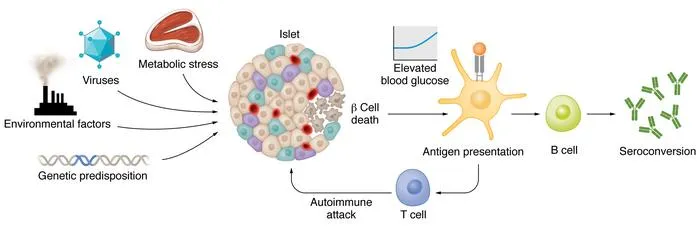
Figure 1. Pathophysiology of Type 1 Diabetes Mellitus.
Graft Survival and Function Over Time
Understanding the kinetics of graft loss is critical for patient counseling and protocol optimization:
Early Phase (0-6 months):
Immediate post-transplant period characterized by islet engraftment, revascularization, and adaptation to the hepatic microenvironment [30].
Early losses attributed to ischemia-reperfusion injury, instant blood-mediated inflammatory reaction (IBMIR), and inadequate vascularization [57].
Approximately 50-60% of transplanted islet mass may be lost in the first weeks.
Intermediate Phase (6 months - 2 years):
Period of relative stability with peak graft function typically observed.
Continued β-cell replication and adaptation may partially compensate for early losses.
Late Phase (>2 years):
Progressive decline in graft function driven by chronic alloimmune rejection, recurrent autoimmunity, and possibly metabolic exhaustion [24].
Histological studies (in pancreas transplant biopsies) suggest chronic antibody-mediated rejection as a key mechanism
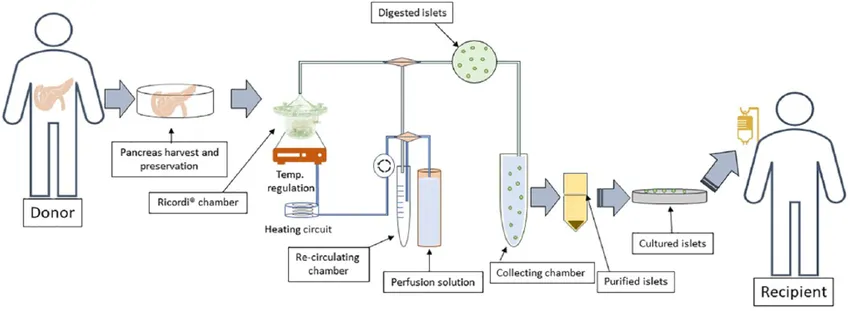
Fig-2: Donor islet isolation and transplantation process
Immunosuppression: Strategies and Challenges
Maintenance of allogeneic graft function requires lifelong immunosuppression, creating a fundamental risk-benefit tension:
Current Regimens:
Most centers employ calcineurin inhibitors (tacrolimus) combined with mTOR inhibitors (sirolimus or everolimus) and/or mycophenolate [30].
Induction therapy with T-cell depleting antibodies (thymoglobulin) or IL-2 receptor blockade (daclizumab, basiliximab) is common
Glucocorticoid avoidance remains a principle to minimize β-cell toxicity [17].
Challenges and Complications [30]:
β-cell toxicity: Calcineurin inhibitors and mTOR inhibitors can directly impair β-cell function and survival.
Malignancy: Long-term immunosuppression increases risk of skin cancers and post-transplant lymphoproliferative disorders.
Nephrotoxicity: Calcineurin inhibitors contribute to chronic kidney disease progression.
Metabolic effects: mTOR inhibitors can worsen dyslipidemia and insulin resistance.
Immune Tolerance Approaches:
Experimental protocols combining islet transplantation with hematopoietic stem cell transplantation or regulatory T-cell infusions aim to induce donor-specific tolerance [48].
Early results show promise but require validation in larger cohorts
Donor Shortage and Allocation Challenges
The scarcity of deceased donor pancreas represents the primary barrier to widespread islet transplantation:
Supply-Demand Mismatch:
In the United States, approximately 1.6 million individuals have T1D, but fewer than 1,500 pancreas are allocated for islet isolation annually [1].
Many recipients require islets from 2-3 donors to achieve insulin independence, further constraining access
Allocation Priorities:
Competing demands for pancreas (whole organ vs. islet isolation) and kidneys (pancreas-kidney transplant candidates) complicate allocation decisions [11].
Current allocation systems prioritize patients with severe hypoglycemia and those undergoing kidney transplantations.
Alternative Donor Sources:
Living donor islet transplantation has been performed in limited cases but raises ethical and safety concerns [55].
Xenotransplantation using porcine islets is being revisited with modern immunomodulation and genetic engineering approaches.
Critical Appraisal and Clinical Implications
The clinical evidence base for islet transplantation has matured substantially between 2015-2025:
Strengths:
Reproducible metabolic benefit across multiple centers and patient cohorts.
Dramatic reduction in severe hypoglycemia, a life-threatening complication.
Less invasive than whole pancreas transplantation with lower surgical morbidity [30].
Limitations:
Progressive loss of insulin independence in the majority of recipients.
Requirement for lifelong immunosuppression with associated risks.
Limited access due to donor shortage [21].
Heterogeneity in center practices and outcome reporting complicates comparative analysis.
Current Clinical Positioning:
Islet transplantation is most appropriate for patients with T1D and recurrent severe hypoglycemia despite optimal insulin therapy, or those already receiving immunosuppression for kidney transplantation.
Cost-effectiveness analyses suggest benefit when severe hypoglycemia frequency is high, but broader application is limited by donor availability [55].
Despite the clinical success of allogeneic islet transplantation, its dependence on scarce donor tissue and lifelong immunosuppression has limited widespread application. These constraints catalyzed the exploration of pluripotent stem cells as a renewable and programmable source of insulin-producing β-cells.
Stem Cell-Derived β Cells:
Rationale and Potential Advantages
Pluripotent stem cells both embryonic stem cells (ESCs) and induced pluripotent stem cells (iPSCs) offer theoretical advantages over deceased donor islets:
Unlimited supply: Stem cells can be expanded indefinitely in culture, eliminating donor shortage constraints [46].
Genetic modification: Stem cells are amenable to gene editing for immune evasion, enhanced function, or disease resistance.
Autologous potential: Patient-derived iPSCs could theoretically eliminate alloimmunity, though autoimmunity remains a challenge [21].
Differentiation Protocols and Optimization
The differentiation of pluripotent stem cells into functional β-like cells mimics embryonic pancreatic development through staged modulation of key signaling pathways, including Activin/Nodal, BMP, FGF, Wnt, retinoic acid, and Notch [45].
Early protocols (2014–2015) first demonstrated glucose-responsive insulin secretion, establishing proof-of-concept for stem-cell derived islets (SC-islets).
Subsequent refinements (2016–2020) improved purity, yield, and functional maturity, producing clusters that secreted insulin in response to glucose both in vitro and in vivo.
By 2021, optimized multi-stage processes typically six to eight transitions over three to four weeks achieved >50% insulin-positive cells and reproducible glucose-stimulated insulin secretion [45].
Recent single-cell transcriptomic analyses show that mature SC-islets contain β-cell subpopulations closely resembling native human islets, and transplantation studies confirm further in vivo maturation, with restoration of biphasic insulin release and circulating C-peptide in early clinical recipients [11].
Functional Characterization, Maturation, and Preclinical Validation
Achieving full functional maturity of stem cell-derived β-cells (SC-β cells) is a key challenge in translating cell-based therapies for diabetes.
In vitro, SC-β cells exhibit glucose-stimulated insulin secretion (GSIS), though stimulation indices remain lower than those of primary islets [52].
Mature cells typically reach insulin content levels of 5–10 µg per 1,000 cells and express essential β-cell transcription factors (PDX1, NKX6.1, MAFA) and metabolic proteins (insulin, GLUT1/2, glucokinase, and KATP channels) [11].
Extended culture and co-culture systems have enhanced glucose responsiveness and organization of islet-like clusters.
Following transplantation into immunodeficient mice, SC-β cells undergo continued in vivo maturation, developing biphasic insulin secretion and improved glycemic responsiveness over several weeks [39].
Vascularization and neural integration within grafts contribute to sustained function. Comparative analyses show that SC-islets reverse diabetes in murine models with kinetics comparable to primary human islets, and single-cell RNA sequencing confirms that mature SC-β cells closely resemble native β-cell subpopulations, though some heterogeneity persists.
Preclinical validation in multiple animal models has further supported translational readiness. Immunodeficient mouse models provide robust evidence of diabetes reversal but lack adaptive immune context.
Humanized mice bearing functional human immune components allow evaluation of alloimmune and autoimmune responses, critical for testing immunoprotection and tolerance strategies [34].
Studies in large animal models, including non-human primates and pigs, demonstrate feasibility in clinically relevant graft volumes and surgical settings, offering valuable insight into safety, vascularization, and long-term graft performance [52].
However, cost, ethical considerations, and limited availability restrict widespread large-animal use. Collectively, these findings confirm that SC-islets can restore glycemic control and approach the function of native β-cells, establishing a strong foundation for human clinical translation.
Advancements in Differentiation and Function:
The most recent years have witnessed accelerated progress toward clinical application:
Enhanced Differentiation Efficiency:
Optimization of media formulations, growth factor concentrations, and culture conditions have increased reproducibility and reduced costs [8].
Suspension culture methods enable scalable production in bioreactors.
Improved Maturation Strategies:
Extended in vitro culture with maturation factors (thyroid hormone T3, γ-secretase inhibitors) enhances functional maturity [52].
Co-culture with endothelial and mesenchymal cells improves organization and function.
Gene Editing for Immune Evasion:
CRISPR/Cas9-mediated knockout of HLA class I and II genes reduces alloreactivity [53].
As stem-cell derived β-cells advanced toward human trials, the challenge of immune rejection re-emerged necessitating innovative strategies to protect grafts without lifelong immunosuppression.
Overcoming the Immune Barrier:
Restoring insulin production through cell transplantation faces a major challenge immune rejection. To achieve long-term graft survival without systemic immunosuppression, two complementary strategies have emerged: encapsulation (a physical barrier) and gene editing (a biological shield). Together, these approaches aim to create immune-evasive or immune-isolated insulin-producing cells capable of durable engraftment.
Encapsulation Strategies
Encapsulation isolates transplanted islets or stem-cell–derived β-cells within semipermeable biomaterials that allow nutrient and insulin diffusion but prevent immune-cell infiltration.
Macroencapsulation devices (flat, tubular, or retrievable designs) enable large-scale cell loading and retrieval, while microencapsulation coats individual islets in alginate-based polymers 300–800 μm in diameter [38].
Preclinical models demonstrate prolonged graft survival in immunocompetent rodents and primates, though fibrosis and hypoxia remain critical barriers.
Recent innovations oxygen-generating biomaterials, surface modifications, and prevascularized scaffolds have improved oxygenation and reduced fibrotic overgrowth [26].
Alternative anatomical sites such as the omentum and intramuscular space provide enhanced vascularization and retrieval access [10].
Despite progress, maintaining sufficient oxygen supply and minimizing foreign body responses remain key engineering challenges.
Gene Editing and Hypoimmune Cells
Complementing physical encapsulation, CRISPR/Cas9-based gene editing enables the creation of “hypoimmune” stem-cell–derived β-cells that can evade immune detection.
Targeted knockout of HLA class I (B2M) and class II (CIITA) genes minimizes T-cell recognition, while overexpression of immune checkpoint molecules such as PD-L1, CD47, and HLA-G provides “don’t attack me” signals to the host immune system [3].
Preclinical models demonstrate markedly reduced alloreactivity and prolonged graft function without immunosuppression. Early human trials, such as the VCTX210 program by CRISPR Therapeutics and Vertex, have entered Phase I/II evaluation, showing early safety and engraftment data [38].
Ongoing work focuses on minimizing off-target edits, preventing immune escape, and aligning these novel products with evolving FDA and EMA regulatory frameworks.
Hybrid and Future Approaches
Future immune-evasion strategies likely involve hybrid systems combining gene-edited cells with protective biomaterials or localized immunomodulation.
Integration of oxygen-releasing scaffolds, angiogenic factor delivery, and controlled release of anti-inflammatory agents may overcome current diffusion and rejection limitations [21].
Together, encapsulation and gene editing represent the most promising path toward immune-tolerant, off-the-shelf β-cell therapies that can restore endogenous insulin secretion without lifelong immunosuppression.
With these immunoprotective and engineering advances in place, clinical translation became feasible. The past five years have therefore marked the first demonstrations of durable insulin restoration in human recipients.
Recent Clinical Breakthroughs (2020–2025):
The past five years have marked a turning point in the clinical realization of stem-cell–derived β-cell therapy for diabetes. Refinements in differentiation and manufacturing including optimized culture media, growth factor ratios, and suspension bioreactor systems have enhanced reproducibility and enabled scalable production of insulin-producing cells. Extended in vitro maturation with thyroid hormone (T3) and γ-secretase inhibitors [47], together with co-culture of endothelial and mesenchymal cells, has improved glucose responsiveness and cellular organization, creating grafts that more closely mimic native islets.
Landmark Case Studies and Clinical Evidence
The first definitive human demonstrations of restored insulin production came from two landmark clinical reports:
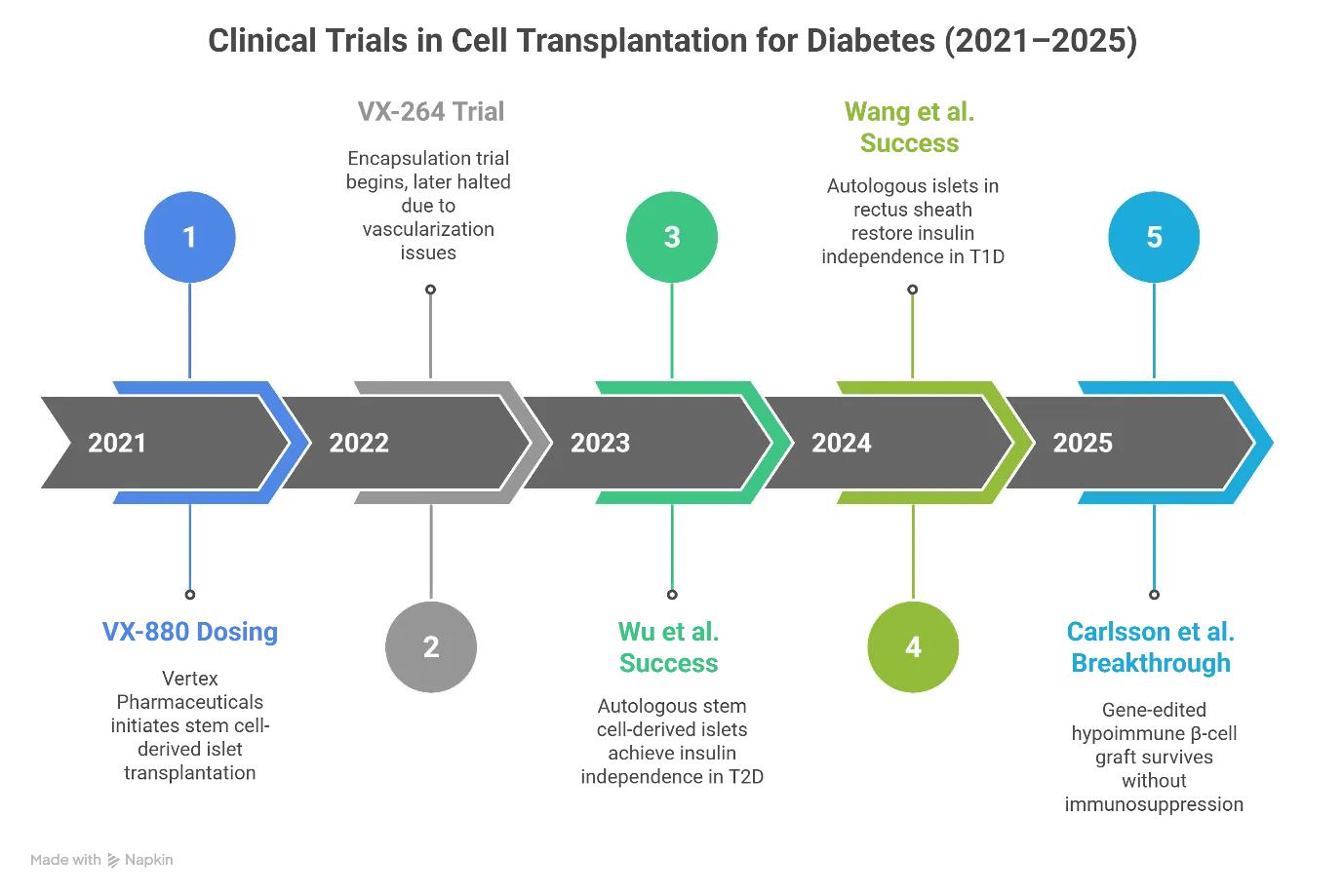
Wu et al. (2023) – A 59-year-old man with Type 2 Diabetes received autologous E-islets (endoderm stem cell-derived) transplanted into the liver (portal vein). Within 12 weeks, fasting C-peptide levels rose from undetectable to >0.8 ng/mL, daily insulin requirements declined >90 %, and HbA1c improved from 7.9 % to 6.5 %. The graft function persisted for over a year without major adverse events, confirming durable engraftment and endogenous insulin recovery. He achieved insulin independence at week 11. This proves stem cell islets can function in the T2D environment despite insulin resistance [22].
Wang et al. (2024) – The patient was a 25-year-old woman with Type 1 Diabetes. She received chemically induced pluripotent stem cell-derived islets (CiPSC-islets) under transient immunosuppression. Detectable C-peptide appeared by week 12, insulin independence was achieved by month 6, and continuous glucose monitoring showed near-physiologic control (time-in-range > 90 %). This represented the first functional cure in an immune-competent T1D recipient. She achieved insulin independence at day 75 and maintained it for over one year with time-in-range >98% [18].
Carlsson et al. (2025) – Hypoimmune Allogeneic Trial: This study utilized gene-edited "hypoimmune" islets transplanted intramuscularly into the forearm without any immunosuppression. The patient showed survival of the graft and C-peptide production for 6 months, proving that gene-edited cells can evade the immune system in humans [10].
These case studies provided direct proof that stem-cell-derived islets can restore endogenous insulin secretion in humans, shifting the field from experimental promise to clinical reality.
Figure 3. Timeline of major clinical milestones in cell transplantation for diabetes (2021–2025).
Expanded Clinical Programs
Multiple academic and commercial programs have since advanced to Phase I/II trials.
Vertex Pharmaceuticals (VX-880, VX-264) and ViaCyte (PEC-Direct, PEC-Encap) have reported partial or complete insulin independence in subsets of treated patients [1].
CRISPR Therapeutics/Vertex (VCTX210) introduced hypoimmune, gene-edited islets designed to evade rejection without chronic immunosuppression.
Encapsulation platforms such as Sernova’s Cell Pouch provide a pre-vascularized, retrievable site supporting long-term graft survival [14].
Regulatory and Safety Landscape
Both the FDA and European Medicines Agency classify these as advanced-therapy medicinal products requiring rigorous Investigational New Drug and Biologics License Applications [11].
Key review parameters include product potency, functional stability, tumorigenicity risk, and device biocompatibility.
To date, no teratoma formation or uncontrolled proliferation has been observed in human recipients, though follow-up remains under three years.
Economic and Access Considerations
Islet transplantation currently costs ≈ USD 1,00,000-2,00,000 per recipient, with ongoing immunosuppression adding 10,000-20,000 per year [16].
Stem-cell manufacturing costs remain high but are expected to decline with scale-up and automation.
Off-the-shelf cell products could overcome donor scarcity and regional disparities, while reimbursement policies and manufacturing efficiency will determine future accessibility.
Emerging Technologies and Future Directions:
While current clinical trials rely on simplified cell clusters, the next generation of grafts aims to mimic the native pancreas more closely. Emerging technologies such as organoids and bioprinting are now being developed to improve vascularization and graft longevity.
Organoid and Islet-Like Cluster Technologies
Three-dimensional culture systems enable generation of more complex, organized tissue structures:
Islet Organoids:
Self-organizing clusters of stem cell-derived endocrine cells that more closely mimic native islet architecture.
Inclusion of multiple endocrine cell types (α, β, δ cells) may improve function through paracrine signaling [10].
Vascularized Organoids:
Co-culture with endothelial cells to create prevascularized constructs [20].
Accelerates engraftment and reduces ischemic injury post-transplantation.
3D Bioprinting:
Precise spatial organization of β cells, endothelial cells, and supporting cells.
Enables creation of larger, more complex tissue constructs.
Alternative Cell Sources
Xenotransplantation:
Porcine islets are anatomically and physiologically similar to human islets [58].
Genetic engineering of pigs to reduce immunogenicity and prevent zoonotic infection.
Recent FDA approval of genetically modified pig kidney transplantation may pave the way for islet xenotransplantation [38].
Transdifferentiation:
Direct conversion of non-β cells (e.g., pancreatic α or δ cells, liver cells, intestinal cells) into insulin-producing cells.
Preclinical data promising but clinical translation early-stage.
Adult Stem/Progenitor Cells:
Identification and expansion of pancreatic progenitor cells from adult tissue [21].
Limited success to date; pluripotent stem cells remain the leading approach.
Personalized Medicine Approaches
Patient-Specific iPSC-Derived β Cells:
Autologous cell replacement would eliminate alloimmunity [31].
Autoimmunity and cost remain significant barriers.
Immune Profiling:
Characterization of recipient immune status to guide immunosuppression intensity.
Identification of patients at high risk for rejection or autoimmune recurrence [30].
Pharmacogenomics:
Genetic variants affecting immunosuppressant metabolism and response.
Personalized immunosuppression dosing to optimize efficacy and minimize toxicity.
While these emerging technologies offer theoretical solutions to immune rejection and vascularization, they must be evaluated against the current clinical standard. The following section contrasts the established efficacy of allogeneic islet transplantation with the developing potential of stem cell-derived therapies.
Comparative Analysis:
Allogeneic Islet Transplantation vs. Stem Cell-Derived Approaches
Benefits: Proven efficacy in reducing severe hypoglycemia and improving glycemic control; less invasive than whole pancreas transplantation [51].
Risks: Lifelong immunosuppression with infection, malignancy, and metabolic risks; progressive graft loss; limited availability.
Best suited for: Patients with recurrent severe hypoglycemia or those already on immunosuppression [51].
Stem Cell-Derived β Cells (Current State):
Benefits: Unlimited supply; potential for standardization and genetic modification; less invasive delivery possible [52].
Risks: Limited long-term safety and efficacy data; tumorigenicity concern (theoretical); currently require immunosuppression; high cost [56].
Best suited for: Clinical trial participants; future potential for broader populations if immunoprotection succeeds.
Encapsulated Cell Products:
Benefits: Potential to avoid immunosuppression; retrievability; could enable xenotransplantation [55].
Risks: Limited efficacy to date due to oxygen diffusion and fibrosis; device complications.
Best suited for: Patients unable to tolerate immunosuppression; currently investigational [55].
This comparison highlights that while stem cell-derived β-cells solve the fundamental issue of donor scarcity, they introduce new complexities regarding manufacturing and safety. Consequently, the field must now focus on specific strategic priorities to bridge the gap between these two modalities.
Future Perspectives and strategies outlook:
Current State of the Field
The restoration of endogenous insulin production through cell transplantation has progressed from experimental concept to clinical reality for allogeneic islet transplantation and early-phase human trials for stem cell-derived products. Key achievements of the 2015-2025 period include:
Clinical validation of islet transplantation: Phase 3 trials demonstrating reproducible metabolic benefit, dramatic reduction in severe hypoglycemia, and acceptable safety profiles in selected patients [11].
Maturation of stem cell differentiation protocols: Generation of functional, glucose-responsive SC-islets that reverse diabetes in preclinical models and show early clinical promise.
Advancement of immunoprotection strategies: Development of encapsulation devices, immune-evasive gene editing, and alternative transplant sites to reduce or eliminate immunosuppression requirements [1].
Initiation of clinical trials: Multiple stem cell-derived products and encapsulation technologies have entered human testing.
Immune rejection: Both alloimmunity and autoimmunity continue to limit graft survival, and current immunosuppression carries significant risks [10].
Donor shortage: Deceased donor pancreata are insufficient to meet patient demand, fundamentally limiting access to islet transplantation.
Graft durability: Progressive loss of insulin independence in the majority of islet transplant recipients indicates inadequate long-term graft survival.
Manufacturing scalability: Production of clinical-grade stem cell-derived products at scale remains technically and economically challenging [12].
Immunoprotection efficacy: Encapsulation and immune evasion strategies have not yet achieved durable function without immunosuppression in humans.
Key Breakthroughs Needed
Widespread clinical adoption of cell replacement therapy for diabetes requires:
Durable immunoprotection: Either through effective encapsulation, gene editing for immune evasion, or tolerance induction protocols that enable long-term graft survival without systemic immunosuppression [11].
Scalable cell manufacturing: Standardized, cost-effective production of stem cell-derived β cells with validated potency and safety.
Enhanced graft survival: Strategies to overcome early ischemic loss, promote vascularization, and prevent chronic rejection [20].
Long-term safety data: Demonstration of safety over decades, particularly regarding tumorigenicity risk for stem cell products.
Cost reduction: Manufacturing and procedural cost reductions to enable broad access and payer acceptance [16].
Five to Ten Year Outlook
Optimistic Scenario:
Regulatory approval of first stem cell-derived β-cell products for specific indications (e.g., patients with severe hypoglycemia) by 2028-2030 [11].
Successful demonstration of immunoprotection (encapsulation or gene editing) enabling reduced or eliminated immunosuppression by 2030.
Expansion of islet transplantation through improved donor utilization and allocation.
Integration of cell therapy with continuous glucose monitoring and closed-loop insulin delivery systems [5].
Establishment of manufacturing infrastructure for scalable production of stem cell products.
Realistic Scenario:
Continued refinement of allogeneic islet transplantation with incremental improvements in outcomes.
Completion of Phase II/III trials for stem cell-derived products with conditional approvals for limited indications by 2030-2032.
Ongoing challenges with immunoprotection requiring continued immunosuppression in most recipients [1].
Gradual cost reduction and expanded access as manufacturing scales.
Personalized medicine approaches (immune profiling, pharmacogenomics) improving patient selection and outcomes.
Conservative Scenario:
Stem cell-derived products remain investigational through 2035 due to efficacy, safety, or manufacturing challenges.
Islet transplantation continues at specialized centers with limited expansion due to donor constraints.
Encapsulation and immune evasion strategies show promise in trials but require further development for clinical deployment [1].
Cost and accessibility remain significant barriers to broad adoption.
Research Priorities
To accelerate progress toward widespread clinical adoption, the field should prioritize:
Mechanistic understanding: Elucidation of graft loss mechanisms (immune, metabolic, vascular) to guide targeted interventions [3].
Standardization: Development and validation of standardized protocols, potency assays, and outcome measures across centers and products [12].
Long-term studies: Extended follow-up of transplant recipients to assess durability, safety, and late complications.
Health economics: Rigorous cost-effectiveness analyses to inform coverage decisions and value-based pricing.
Patient-centered outcomes: Incorporation of quality of life, treatment burden, and patient preferences into clinical trial design and regulatory endpoints [30].
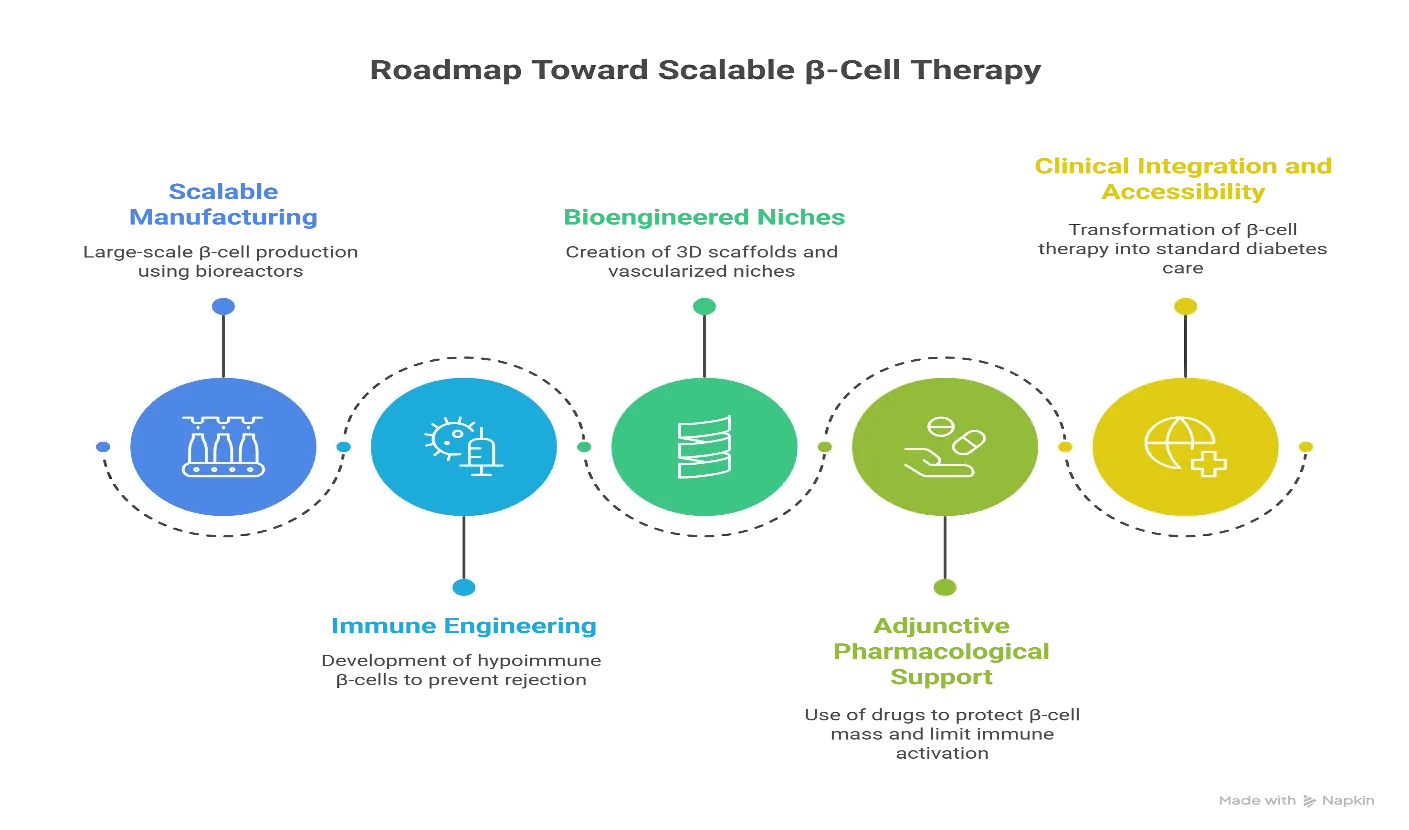
Figure 4. Roadmap toward scalable β-cell therapy.
CONCLUSION:
The pursuit of restoring endogenous insulin secretion through cell replacement therapy has evolved from a conceptual innovation into a clinically validated reality. This progress is exemplified by the FDA’s approval of allogeneic islet transplantation for Type 1 diabetes (T1D) and the growing success of stem cell-derived islet therapies in human trials. Although cadaveric islet transplantation continues to offer durable protection against severe hypoglycemia and microvascular complications, its scalability is limited by donor shortages and dependence on lifelong immunosuppression. The advent of human pluripotent stem cell (hPSC)-derived islets has begun to address this limitation; notably, Vertex Pharmaceuticals’ VX-880 trial has demonstrated that intraportal infusion of stem cell-derived islets can restore insulin independence in most recipients. Additionally, a landmark 2024 report documented long-term insulin independence in a T1D patient who received autologous, chemically induced pluripotent stem cell-derived islets implanted within the anterior rectus sheath highlighting the feasibility of personalized and minimally invasive transplantation strategies. Despite these milestones, the field now faces the critical “last-mile” challenge: achieving immune tolerance without systemic immunosuppression. Emerging gene-editing approaches such as generating HLA-deficient, CD47-overexpressing hypoimmune cells have shown encouraging early survival in first-in-human studies. However, physical encapsulation systems still encounter barriers to oxygenation and vascular integration, as illustrated by the recent discontinuation of the VX-264 trial. Looking forward, translational research is increasingly focused on scaling cell production through suspension bioreactors, developing bioengineered niches to promote graft maturation, and incorporating pharmacological adjuncts such as verapamil or JAK inhibitors to preserve β-cell mass and function. Together, these multidisciplinary innovations bring the field closer to achieving a practical, immune-tolerant, and universally accessible cell therapy for diabetes.
REFERENCES
Perrier, Q., Lablanche, S., & Benhamou, P. Y. (2025). Cell therapy for type 1 diabetes: Tracing historical progress and exploring emerging technologies. Cell transplantation, 34, 9636897251394787. https://doi.org/10.1177/09636897251394787
Lee, J., & Lee, S. H. (2025). A New Era in Islet Transplantation: Stem Cell-Derived and Gene-Edited Islet Therapies. Diabetes & metabolism journal, 49(6), 1201–1203. https://doi.org/10.4093/dmj.2025.0999
Licht, B. J. M., Duffy, G. P., & Levey, R. E. (2025). Engineering hypoimmune stem cell-derived beta cells. Stem cell research & therapy, 16(1), 610. https://doi.org/10.1186/s13287-025-04745-0
Kim, J. W., Lee, J., You, Y. H., Oh, C. H., Park, H. S., Lee, E. Y., Lee, S. H., Ko, S. H., Park, J. H., & Yoon, K. H. (2025). Targeting PGC-1α by miRNA-374 Simultaneously Improve β-Cell Dysfunction and Suppress Hepatic Glucose Overproduction. Diabetes & metabolism journal, 10.4093/dmj.2025.0287. Advance online publication. https://doi.org/10.4093/dmj.2025.0287
Ziegler, A. G., Cengiz, E., & Kay, T. W. H. (2025). The future of type 1 diabetes therapy. Lancet (London, England), 406(10511), 1520–1534. https://doi.org/10.1016/S0140-6736(25)01438-2
Mukuba, D., Mallik, R., & Chowdhury, T. A. (2025). DIABETES AND TRANSPLANTATION. Clinical medicine (London, England), 100514. Advance online publication. https://doi.org/10.1016/j.clinme.2025.100514
Ogieuhi, I. J., Agbo, C. E., Ajekiigbe, V. O., Anthony, C. S., Onyehalu, J. C., Nwankwo, C. K., Agu, M. C., Lema, K., Adewole, O. A., Asade, O., Eniola, S. Q., Obiaghanwa, O. E., Jeyaraj, S. A., & Bakare, I. S. (2025). Stem cell-derived pancreatic beta cells: a step closer to functional diabetes treatment? BMC endocrine disorders, 25(1), 181. https://doi.org/10.1186/s12902-025-01997-y
Dadheech, N., Bermúdez de León, M., Czarnecka, Z., Cuesta-Gomez, N., Jasra, I. T., Pawlick, R., Marfil-Garza, B., Sapkota, S., Verhoeff, K., Razavy, H., Anwar, P., Singh, A., Ray, N., O' Gorman, D., Jickling, G., Lyon, J., MacDonald, P., & Shapiro, A. M. J. (2025). Scale up manufacturing approach for production of human induced pluripotent stem cell-derived islets using Vertical Wheel® bioreactors. NPJ Regenerative medicine, 10(1), 24. https://doi.org/10.1038/s41536-025-00409-y
Shrestha, S., Jennings, L. T., Knofczynski, K., Shivakumar, S. B., & Peterson, Q. P. (2025). Modeling diabetic alpha cell dysfunction using stem cell-derived alpha cells. Stem cell reports, 20(6), 102504. https://doi.org/10.1016/j.stemcr.2025.102504
Miller, J., Perrier, Q., Rengaraj, A., Bowlby, J., Byers, L., Peveri, E., Jeong, W., Ritchey, T., Gambelli, A. M., Rossi, A., Calafiore, R., Tomei, A., Orlando, G., & Asthana, A. (2025). State of the Art of Bioengineering Approaches in Beta-Cell Replacement. Current transplantation reports, 12(1), 17. https://doi.org/10.1007/s40472-025-00470-y
Hering, B. J., Rickels, M. R., Bellin, M. D., Millman, J. R., Tomei, A. A., García, A. J., Shirwan, H., Stabler, C. L., Ma, M., Yi, P., Luo, X., Tang, Q., Ramachandran, S., Oberholzer, J., Ricordi, C., Kieffer, T. J., & Shapiro, A. M. J. (2025). Advances in Cell Replacement Therapies for Diabetes. Diabetes, 74(7), 1068–1077. https://doi.org/10.2337/db25-0037
Piemonti L. (2025). The Last Mile in Beta-Cell Replacement Therapy for Type 1 Diabetes: Time to Grow Up. Transplant international: official journal of the European Society for Organ Transplantation, 38, 14565. https://doi.org/10.3389/ti.2025.14565
Torchio, S., Siracusano, G., Cuozzo, F., Zamarian, V., Pellegrini, S., Manenti, F., Bonfanti, R., Frontino, G., Sordi, V., Chimienti, R., & Piemonti, L. (2025). Liraglutide Treatment Reverses Unconventional Cellular Defects in Induced Pluripotent Stem Cell-Derived β-Cells Harboring a Partially Functional WFS1 Variant. Diabetes, 74(7), 1273–1288. https://doi.org/10.2337/db24-0720
Hassanein, A., & Akhtar, S. (2025). Recent advances in stem cell-based therapies for type 1 diabetes: A glimpse into the future. Biomolecules & biomedicine, 26(1), 5–23. https://doi.org/10.17305/bb.2025.12222
Stanley, A. K., Duncan, K., Anderson, D., Irvine, L., Sutherland, A., Forbes, S., & Casey, J. (2024). Insulin independence following islet transplantation improves long-term metabolic outcomes. Diabetic medicine: a journal of the British Diabetic Association, 41(2), e15257. https://doi.org/10.1111/dme.15257
Tahbaz, M., & Yoshihara, E. (2021). Immune Protection of Stem Cell-Derived Islet Cell Therapy for Treating Diabetes. Frontiers in endocrinology, 12, 716625. https://doi.org/10.3389/fendo.2021.716625
Shapiro, A. M., Lakey, J. R., Ryan, E. A., Korbutt, G. S., Toth, E., Warnock, G. L., Kneteman, N. M., & Rajotte, R. V. (2000). Islet transplantation in seven patients with type 1 diabetes mellitus using a glucocorticoid-free immunosuppressive regimen. The New England journal of medicine, 343(4), 230–238. https://doi.org/10.1056/NEJM200007273430401
Wang, S., Du, Y., Zhang, B., Meng, G., Liu, Z., Liew, S. Y., Liang, R., Zhang, Z., Cai, X., Wu, S., Gao, W., Zhuang, D., Zou, J., Huang, H., Wang, M., Wang, X., Wang, X., Liang, T., Liu, T., Gu, J., … Shen, Z. (2024). Transplantation of chemically induced pluripotent stem-cell-derived islets under abdominal anterior rectus sheath in a type 1 diabetes patient. Cell, 187(22), 6152–6164.e18. https://doi.org/10.1016/j.cell.2024.09.004
Suleiman, M., Sawatani, T., Tesi, M., Yi, X., Papadopoulou, T., Rufer, C., Lytrivi, M., Bosi, E., Burdet, F., Fantuzzi, F., De Luca, C., Sebastiani, G., Saponaro, C., Pugliese, L. A., Del Guerra, S., Pocai, A., De Simone, P., Ghinolfi, D., Boggi, U., Kessler, C., … Marselli, L. (2025). Functional recovery of islet β cells in human type 2 diabetes: Transcriptome signatures unveil therapeutic approaches. Science advances, 11(41), eads2905. https://doi.org/10.1126/sciadv.ads2905
Kim, M., Cho, S., Hwang, D. G., Shim, I. K., Kim, S. C., Jang, J., & Jang, J. (2025). Bioprinting of bespoke islet-specific niches to promote maturation of stem cell-derived islets. Nature communications, 16(1), 1430. https://doi.org/10.1038/s41467-025-56665-5
Rech Tondin, A., & Lanzoni, G. (2025). Islet Cell Replacement and Regeneration for Type 1 Diabetes: Current Developments and Future Prospects. Bio Drugs: clinical immunotherapeutics, biopharmaceuticals and gene therapy, 39(2), 261–280. https://doi.org/10.1007/s40259-025-00703-7
Yoshihara E. (2024). Insulin-producing cells derived from expandable stem cell-derived endoderm are effective for the treatment of type 2 diabetes. Annals of translational medicine, 12(6), 121. https://doi.org/10.21037/atm-24-129
Altabas, V., & Bulum, T. (2024). Current Challenges in Pancreas and Islet Transplantation: A Scoping Review. Biomedicines, 12(12), 2853. https://doi.org/10.3390/biomedicines12122853
Lemos, J. R. N., & Skyler, J. S. (2025). Challenges in Beta Cell Replacement for Type 1 Diabetes. Hormone research in paediatrics, 98(4), 435–449. https://doi.org/10.1159/000542206
Jun, H. R., Kim, Y. H., Moon, J. E., Jeong, S., Goh, H. S., Hoang, M. H., Lee, Y. N., Jeong, H., Shim, I. K., & Kim, S. C. (2024). Effect of isoproterenol, a β-adrenergic agonist, on the differentiation of insulin-producing pancreatic β cells derived from human pluripotent stem cells. Experimental cell research, 443(1), 114307. https://doi.org/10.1016/j.yexcr.2024.114307
French, A., Hollister-Lock, J., Sullivan, B. A., Stas, E., Hwa, A. J., Weir, G. C., & Bonner-Weir, S. (2024). Enhancement of Subcutaneous Islet Transplant Performance by Collagen 1 Gel. Cell transplantation, 33, 9636897241283728. https://doi.org/10.1177/09636897241283728
Wu, Y., Yano, T., Enomoto, T., Endo, A., Okada, S., Araki, K., Shiraki, N., & Kume, S. (2024). Reversal of Hyperglycemia by Subcutaneous Islet Engraftment Using an Atelocollagen Sponge as a Scaffold. Cell transplantation, 33, 9636897241277980. https://doi.org/10.1177/09636897241277980
Arefanian, H., Al-Rashed, F., Alzaid, F., Bahman, F., Abukhalaf, N., Alsaeed, H., Kochumon, S., Williams, M. R., Kidwai, S. M., Alhamar, G., Ahmad, R., Al-Mulla, F., & Al Madhoun, A. (2025). Verapamil Restores β-Cell Mass and Function in Diabetogenic Stress Models via Proliferation and Mitochondrial Respiration. Cells, 14(21), 1695. https://doi.org/10.3390/cells14211695
Gao, J., Li, B., Tian, H., Li, C., Merzlikin, N., Han, D., Ling, Z., Zhang, Z., Zhu, W., Dai, J., Gerunova, L., Lv, C., Li, N., & Hua, J. (2025). SPARC-modified mesenchymal stem cells promote recovery of β-cells and insulin secretion by calcium ion homeostasis. Stem cell research & therapy, 16(1), 607. https://doi.org/10.1186/s13287-025-04727-2
Piemonti, L. (2025). Islet Transplantation. In K. R. Feingold (Eds.) et. al., Endotext. MDText.com, Inc.
Kumar, D., Tanwar, R., & Gupta, V. (2025). First-ever stem cell therapy restores insulin independence in type 1 diabetes: A medical milestone. World journal of stem cells, 17(7), 106856. https://doi.org/10.4252/wjsc.v17.i7.106856
Gariani, K., Peloso, A., Haidar, F., Kumar, R., Wassmer, C. H., Morabito, M., Krause, N., Compagnon, P., Berishvili, E., & Berney, T. (2025). Impact of Islet Transplantation on Type 1 Diabetes-Related Complication: A Systematic Review. Transplant international: official journal of the European Society for Organ Transplantation, 38, 15091. https://doi.org/10.3389/ti.2025.15091
Thiessen, C. F., Chlebeck, P., Radke, N., Tamburrini, R., Al-Adra, D., Fernandez, L., & Odorico, J. (2025). Total Pancreatectomy and Islet Autotransplantation for Chronic Pancreatitis Relieves Pain and Mitigates Diabetes Development. WMJ: official publication of the State Medical Society of Wisconsin, 124(4), 326–332.
Shalaby, K. E., & Abdelalim, E. M. (2025). Hypoimmune stem cells and islets: hype or a true breakthrough in diabetes treatment? Cellular & molecular biology letters, 30(1), 112. https://doi.org/10.1186/s11658-025-00786-8
Ma, J., Li, M., Yang, L., Xie, Q., Fan, R., Lu, X., Huang, X., Tong, N., & Duan, Z. (2025). Pancreatic Islet Cell Hormones: Secretion, Function, and Diabetes Therapy. MedComm, 6(9), e70359. https://doi.org/10.1002/mco2.70359
Sydney, G. I., Perdigoto, A. L., & Herold, K. C. (2025). Towards insulin independence in type 1 diabetes: Prospects for prevention and cure. PLoS medicine, 22(11), e1004813. https://doi.org/10.1371/journal.pmed.1004813
Fu, Y., Zeng, J., & He, Q. (2025). Advances and future perspectives in the treatment and prognosis of type 1 diabetes mellitus. Frontiers in clinical diabetes and healthcare, 6, 1651061. https://doi.org/10.3389/fcdhc.2025.1651061
Karaoglu, I. C., Duymaz, D., Rashid, M. M., & Kizilel, S. (2025). Immune-evasive beta cells in type 1 diabetes: innovations in genetic engineering, biomaterials, and computational modeling. Frontiers in immunology, 16, 1618086. https://doi.org/10.3389/fimmu.2025.1618086
Usama, M., Deng, Y., Chen, Y., Milland, T., Malleshaiah, M., & Aghazadeh, Y. (2025). Navigating challenges in human pluripotent stem cell-derived islet therapy for type 1 diabetes. Frontiers in immunology, 16, 1625439. https://doi.org/10.3389/fimmu.2025.1625439
Niu, Y., Wang, N., Qiao, L., Huang, Z., Jing, G., Fu, S., & Tang, X. (2025). Targeting CD4+ T Cell Glucose Metabolism: A Novel Immunotherapeutic Approach for Type 1 Diabetes. Biomolecules, 15(6), 770. https://doi.org/10.3390/biom15060770
Barinova, A. A., Bogomolova, A. Y., Bogomazova, A. N., Borisova, A. A., Kiselev, S. L., & Panova, A. V. (2025). Differentiation of Human Pluripotent Cells into Pancreatic Beta Cells for Disease Modeling and Cell Replacement Therapy for Diabetes. International journal of molecular sciences, 26(17), 8749. https://doi.org/10.3390/ijms26178749
Song, H., Li, J., Yang, H., Kong, B., Xu, Y., Li, X., & Li, H. (2025). Enhancement of functional insulin-producing cell differentiation from embryonic stem cells through MST1-silencing. Diabetology & metabolic syndrome, 17(1), 93. https://doi.org/10.1186/s13098-025-01666-z
Sordi, V., Monaco, L., & Piemonti, L. (2023). Cell Therapy for Type 1 Diabetes: From Islet Transplantation to Stem Cells. Hormone research in paediatrics, 96(6), 658–669. https://doi.org/10.1159/000526618
Salib, A., Cayabyab, F., & Yoshihara, E. (2022). Stem Cell-Derived Islets for Type 2 Diabetes. International journal of molecular sciences, 23(9), 5099. https://doi.org/10.3390/ijms23095099
Hogrebe, N. J., Maxwell, K. G., Augsornworawat, P., & Millman, J. R. (2021). Generation of insulin-producing pancreatic β cells from multiple human stem cell lines. Nature protocols, 16(9), 4109–4143. https://doi.org/10.1038/s41596-021-00560-y
Lin, J. R., Huang, S. H., Wu, C. H., Chen, Y. W., Hong, Z. J., Cheng, C. P., Sytwu, H. K., & Lin, G. J. (2021). Valproic Acid Suppresses Autoimmune Recurrence and Allograft Rejection in Islet Transplantation through Induction of the Differentiation of Regulatory T Cells and Can Be Used in Cell Therapy for Type 1 Diabetes. Pharmaceuticals (Basel, Switzerland), 14(5), 475. https://doi.org/10.3390/ph14050475
Migliorini, A., Nostro, M. C., & Sneddon, J. B. (2021). Human pluripotent stem cell-derived insulin-producing cells: A regenerative medicine perspective. Cell metabolism, 33(4), 721–731. https://doi.org/10.1016/j.cmet.2021.03.021
Loretelli, C., Assi, E., Seelam, A. J., Ben Nasr, M., & Fiorina, P. (2020). Cell therapy for type 1 diabetes. Expert opinion on biological therapy, 20(8), 887–897. https://doi.org/10.1080/14712598.2020.1748596
Lebreton, F., Lavallard, V., Bellofatto, K., Bonnet, R., Wassmer, C. H., Perez, L., Kalandadze, V., Follenzi, A., Boulvain, M., Kerr-Conte, J., Goodman, D. J., Bosco, D., Berney, T., & Berishvili, E. (2019). Insulin-producing organoids engineered from islet and amniotic epithelial cells to treat diabetes. Nature communications, 10(1), 4491. https://doi.org/10.1038/s41467-019-12472-3
Giri, G., Doherty, D., Azmi, S., Khambalia, H., Giuffrida, G., Moinuddin, Z., & van Dellen, D. (2025). The impact of pancreas transplantation on diabetic complications: A systematic review. Transplantation reviews (Orlando, Fla.), 39(2), 100910. https://doi.org/10.1016/j.trre.2025.100910
Perrier, Q., Lablanche, S., & Benhamou, P. Y. (2025). Cell therapy for type 1 diabetes: Tracing historical progress and exploring emerging technologies. Cell transplantation, 34, 9636897251394787. https://doi.org/10.1177/09636897251394787
Hogrebe, N. J., Ishahak, M., & Millman, J. R. (2023). Developments in stem cell-derived islet replacement therapy for treating type 1 diabetes. Cell stem cell, 30(5), 530–548. https://doi.org/10.1016/j.stem.2023.04.002
Mu-U-Min, R. B. A., Diane, A., Allouch, A., & Al-Siddiqi, H. H. (2025). Immune Evasion in Stem Cell-Based Diabetes Therapy-Current Strategies and Their Application in Clinical Trials. Biomedicines, 13(2), 383. https://doi.org/10.3390/biomedicines13020383
Pellegrini, S., Cantarelli, E., Sordi, V., Nano, R., & Piemonti, L. (2016). The state of the art of islet transplantation and cell therapy in type 1 diabetes. Acta diabetologica, 53(5), 683–691. https://doi.org/10.1007/s00592-016-0847-z
de Klerk, E., & Hebrok, M. (2021). Stem Cell-Based Clinical Trials for Diabetes Mellitus. Frontiers in endocrinology, 12, 631463. https://doi.org/10.3389/fendo.2021.631463
Cunha, J. P. M. C. M., Gysemans, C., Gillard, P., & Mathieu, C. (2018). Stem-cell-based Therapies for Improving Islet Transplantation Outcomes in Type 1 Diabetes. Current diabetes reviews, 14(1), 3–13. https://doi.org/10.2174/1573399812666160629094031
Takaki, T., & Shimoda, M. (2020). Pancreatic islet transplantation: toward definitive treatment for diabetes mellitus. Global health & medicine, 2(4), 200–211. https://doi.org/10.35772/ghm.2020.01057
Vantyghem, M. C., de Koning, E. J. P., Pattou, F., & Rickels, M. R. (2019). Advances in β-cell replacement therapy for the treatment of type 1 diabetes. Lancet (London, England), 394(10205), 1274–1285. https://doi.org/10.1016/S0140-6736(19)31334-0
Marinac, M., Rickels, M. R., Gaglia, J. L., O'Connell, P. J., Johnson, P. R., Piemonti, L., Schneider, B. S., Greenstein, J. L., Dutta, S., & Latres, E. (2025). Future Directions and Clinical Trial Considerations for Novel Islet β-Cell Replacement Therapies for Type 1 Diabetes. Diabetes, 74(9), 1452–1463. https://doi.org/10.2337/dbi24-0037.
Reference
Perrier, Q., Lablanche, S., & Benhamou, P. Y. (2025). Cell therapy for type 1 diabetes: Tracing historical progress and exploring emerging technologies. Cell transplantation, 34, 9636897251394787. https://doi.org/10.1177/09636897251394787
Lee, J., & Lee, S. H. (2025). A New Era in Islet Transplantation: Stem Cell-Derived and Gene-Edited Islet Therapies. Diabetes & metabolism journal, 49(6), 1201–1203. https://doi.org/10.4093/dmj.2025.0999
Licht, B. J. M., Duffy, G. P., & Levey, R. E. (2025). Engineering hypoimmune stem cell-derived beta cells. Stem cell research & therapy, 16(1), 610. https://doi.org/10.1186/s13287-025-04745-0
Kim, J. W., Lee, J., You, Y. H., Oh, C. H., Park, H. S., Lee, E. Y., Lee, S. H., Ko, S. H., Park, J. H., & Yoon, K. H. (2025). Targeting PGC-1α by miRNA-374 Simultaneously Improve β-Cell Dysfunction and Suppress Hepatic Glucose Overproduction. Diabetes & metabolism journal, 10.4093/dmj.2025.0287. Advance online publication. https://doi.org/10.4093/dmj.2025.0287
Ziegler, A. G., Cengiz, E., & Kay, T. W. H. (2025). The future of type 1 diabetes therapy. Lancet (London, England), 406(10511), 1520–1534. https://doi.org/10.1016/S0140-6736(25)01438-2
Mukuba, D., Mallik, R., & Chowdhury, T. A. (2025). DIABETES AND TRANSPLANTATION. Clinical medicine (London, England), 100514. Advance online publication. https://doi.org/10.1016/j.clinme.2025.100514
Ogieuhi, I. J., Agbo, C. E., Ajekiigbe, V. O., Anthony, C. S., Onyehalu, J. C., Nwankwo, C. K., Agu, M. C., Lema, K., Adewole, O. A., Asade, O., Eniola, S. Q., Obiaghanwa, O. E., Jeyaraj, S. A., & Bakare, I. S. (2025). Stem cell-derived pancreatic beta cells: a step closer to functional diabetes treatment? BMC endocrine disorders, 25(1), 181. https://doi.org/10.1186/s12902-025-01997-y
Dadheech, N., Bermúdez de León, M., Czarnecka, Z., Cuesta-Gomez, N., Jasra, I. T., Pawlick, R., Marfil-Garza, B., Sapkota, S., Verhoeff, K., Razavy, H., Anwar, P., Singh, A., Ray, N., O' Gorman, D., Jickling, G., Lyon, J., MacDonald, P., & Shapiro, A. M. J. (2025). Scale up manufacturing approach for production of human induced pluripotent stem cell-derived islets using Vertical Wheel® bioreactors. NPJ Regenerative medicine, 10(1), 24. https://doi.org/10.1038/s41536-025-00409-y
Shrestha, S., Jennings, L. T., Knofczynski, K., Shivakumar, S. B., & Peterson, Q. P. (2025). Modeling diabetic alpha cell dysfunction using stem cell-derived alpha cells. Stem cell reports, 20(6), 102504. https://doi.org/10.1016/j.stemcr.2025.102504
Miller, J., Perrier, Q., Rengaraj, A., Bowlby, J., Byers, L., Peveri, E., Jeong, W., Ritchey, T., Gambelli, A. M., Rossi, A., Calafiore, R., Tomei, A., Orlando, G., & Asthana, A. (2025). State of the Art of Bioengineering Approaches in Beta-Cell Replacement. Current transplantation reports, 12(1), 17. https://doi.org/10.1007/s40472-025-00470-y
Hering, B. J., Rickels, M. R., Bellin, M. D., Millman, J. R., Tomei, A. A., García, A. J., Shirwan, H., Stabler, C. L., Ma, M., Yi, P., Luo, X., Tang, Q., Ramachandran, S., Oberholzer, J., Ricordi, C., Kieffer, T. J., & Shapiro, A. M. J. (2025). Advances in Cell Replacement Therapies for Diabetes. Diabetes, 74(7), 1068–1077. https://doi.org/10.2337/db25-0037
Piemonti L. (2025). The Last Mile in Beta-Cell Replacement Therapy for Type 1 Diabetes: Time to Grow Up. Transplant international: official journal of the European Society for Organ Transplantation, 38, 14565. https://doi.org/10.3389/ti.2025.14565
Torchio, S., Siracusano, G., Cuozzo, F., Zamarian, V., Pellegrini, S., Manenti, F., Bonfanti, R., Frontino, G., Sordi, V., Chimienti, R., & Piemonti, L. (2025). Liraglutide Treatment Reverses Unconventional Cellular Defects in Induced Pluripotent Stem Cell-Derived β-Cells Harboring a Partially Functional WFS1 Variant. Diabetes, 74(7), 1273–1288. https://doi.org/10.2337/db24-0720
Hassanein, A., & Akhtar, S. (2025). Recent advances in stem cell-based therapies for type 1 diabetes: A glimpse into the future. Biomolecules & biomedicine, 26(1), 5–23. https://doi.org/10.17305/bb.2025.12222
Stanley, A. K., Duncan, K., Anderson, D., Irvine, L., Sutherland, A., Forbes, S., & Casey, J. (2024). Insulin independence following islet transplantation improves long-term metabolic outcomes. Diabetic medicine: a journal of the British Diabetic Association, 41(2), e15257. https://doi.org/10.1111/dme.15257
Tahbaz, M., & Yoshihara, E. (2021). Immune Protection of Stem Cell-Derived Islet Cell Therapy for Treating Diabetes. Frontiers in endocrinology, 12, 716625. https://doi.org/10.3389/fendo.2021.716625
Shapiro, A. M., Lakey, J. R., Ryan, E. A., Korbutt, G. S., Toth, E., Warnock, G. L., Kneteman, N. M., & Rajotte, R. V. (2000). Islet transplantation in seven patients with type 1 diabetes mellitus using a glucocorticoid-free immunosuppressive regimen. The New England journal of medicine, 343(4), 230–238. https://doi.org/10.1056/NEJM200007273430401
Wang, S., Du, Y., Zhang, B., Meng, G., Liu, Z., Liew, S. Y., Liang, R., Zhang, Z., Cai, X., Wu, S., Gao, W., Zhuang, D., Zou, J., Huang, H., Wang, M., Wang, X., Wang, X., Liang, T., Liu, T., Gu, J., … Shen, Z. (2024). Transplantation of chemically induced pluripotent stem-cell-derived islets under abdominal anterior rectus sheath in a type 1 diabetes patient. Cell, 187(22), 6152–6164.e18. https://doi.org/10.1016/j.cell.2024.09.004
Suleiman, M., Sawatani, T., Tesi, M., Yi, X., Papadopoulou, T., Rufer, C., Lytrivi, M., Bosi, E., Burdet, F., Fantuzzi, F., De Luca, C., Sebastiani, G., Saponaro, C., Pugliese, L. A., Del Guerra, S., Pocai, A., De Simone, P., Ghinolfi, D., Boggi, U., Kessler, C., … Marselli, L. (2025). Functional recovery of islet β cells in human type 2 diabetes: Transcriptome signatures unveil therapeutic approaches. Science advances, 11(41), eads2905. https://doi.org/10.1126/sciadv.ads2905
Kim, M., Cho, S., Hwang, D. G., Shim, I. K., Kim, S. C., Jang, J., & Jang, J. (2025). Bioprinting of bespoke islet-specific niches to promote maturation of stem cell-derived islets. Nature communications, 16(1), 1430. https://doi.org/10.1038/s41467-025-56665-5
Rech Tondin, A., & Lanzoni, G. (2025). Islet Cell Replacement and Regeneration for Type 1 Diabetes: Current Developments and Future Prospects. Bio Drugs: clinical immunotherapeutics, biopharmaceuticals and gene therapy, 39(2), 261–280. https://doi.org/10.1007/s40259-025-00703-7
Yoshihara E. (2024). Insulin-producing cells derived from expandable stem cell-derived endoderm are effective for the treatment of type 2 diabetes. Annals of translational medicine, 12(6), 121. https://doi.org/10.21037/atm-24-129
Altabas, V., & Bulum, T. (2024). Current Challenges in Pancreas and Islet Transplantation: A Scoping Review. Biomedicines, 12(12), 2853. https://doi.org/10.3390/biomedicines12122853
Lemos, J. R. N., & Skyler, J. S. (2025). Challenges in Beta Cell Replacement for Type 1 Diabetes. Hormone research in paediatrics, 98(4), 435–449. https://doi.org/10.1159/000542206
Jun, H. R., Kim, Y. H., Moon, J. E., Jeong, S., Goh, H. S., Hoang, M. H., Lee, Y. N., Jeong, H., Shim, I. K., & Kim, S. C. (2024). Effect of isoproterenol, a β-adrenergic agonist, on the differentiation of insulin-producing pancreatic β cells derived from human pluripotent stem cells. Experimental cell research, 443(1), 114307. https://doi.org/10.1016/j.yexcr.2024.114307
French, A., Hollister-Lock, J., Sullivan, B. A., Stas, E., Hwa, A. J., Weir, G. C., & Bonner-Weir, S. (2024). Enhancement of Subcutaneous Islet Transplant Performance by Collagen 1 Gel. Cell transplantation, 33, 9636897241283728. https://doi.org/10.1177/09636897241283728
Wu, Y., Yano, T., Enomoto, T., Endo, A., Okada, S., Araki, K., Shiraki, N., & Kume, S. (2024). Reversal of Hyperglycemia by Subcutaneous Islet Engraftment Using an Atelocollagen Sponge as a Scaffold. Cell transplantation, 33, 9636897241277980. https://doi.org/10.1177/09636897241277980
Arefanian, H., Al-Rashed, F., Alzaid, F., Bahman, F., Abukhalaf, N., Alsaeed, H., Kochumon, S., Williams, M. R., Kidwai, S. M., Alhamar, G., Ahmad, R., Al-Mulla, F., & Al Madhoun, A. (2025). Verapamil Restores β-Cell Mass and Function in Diabetogenic Stress Models via Proliferation and Mitochondrial Respiration. Cells, 14(21), 1695. https://doi.org/10.3390/cells14211695
Gao, J., Li, B., Tian, H., Li, C., Merzlikin, N., Han, D., Ling, Z., Zhang, Z., Zhu, W., Dai, J., Gerunova, L., Lv, C., Li, N., & Hua, J. (2025). SPARC-modified mesenchymal stem cells promote recovery of β-cells and insulin secretion by calcium ion homeostasis. Stem cell research & therapy, 16(1), 607. https://doi.org/10.1186/s13287-025-04727-2
Piemonti, L. (2025). Islet Transplantation. In K. R. Feingold (Eds.) et. al., Endotext. MDText.com, Inc.
Kumar, D., Tanwar, R., & Gupta, V. (2025). First-ever stem cell therapy restores insulin independence in type 1 diabetes: A medical milestone. World journal of stem cells, 17(7), 106856. https://doi.org/10.4252/wjsc.v17.i7.106856
Gariani, K., Peloso, A., Haidar, F., Kumar, R., Wassmer, C. H., Morabito, M., Krause, N., Compagnon, P., Berishvili, E., & Berney, T. (2025). Impact of Islet Transplantation on Type 1 Diabetes-Related Complication: A Systematic Review. Transplant international: official journal of the European Society for Organ Transplantation, 38, 15091. https://doi.org/10.3389/ti.2025.15091
Thiessen, C. F., Chlebeck, P., Radke, N., Tamburrini, R., Al-Adra, D., Fernandez, L., & Odorico, J. (2025). Total Pancreatectomy and Islet Autotransplantation for Chronic Pancreatitis Relieves Pain and Mitigates Diabetes Development. WMJ: official publication of the State Medical Society of Wisconsin, 124(4), 326–332.
Shalaby, K. E., & Abdelalim, E. M. (2025). Hypoimmune stem cells and islets: hype or a true breakthrough in diabetes treatment? Cellular & molecular biology letters, 30(1), 112. https://doi.org/10.1186/s11658-025-00786-8
Ma, J., Li, M., Yang, L., Xie, Q., Fan, R., Lu, X., Huang, X., Tong, N., & Duan, Z. (2025). Pancreatic Islet Cell Hormones: Secretion, Function, and Diabetes Therapy. MedComm, 6(9), e70359. https://doi.org/10.1002/mco2.70359
Sydney, G. I., Perdigoto, A. L., & Herold, K. C. (2025). Towards insulin independence in type 1 diabetes: Prospects for prevention and cure. PLoS medicine, 22(11), e1004813. https://doi.org/10.1371/journal.pmed.1004813
Fu, Y., Zeng, J., & He, Q. (2025). Advances and future perspectives in the treatment and prognosis of type 1 diabetes mellitus. Frontiers in clinical diabetes and healthcare, 6, 1651061. https://doi.org/10.3389/fcdhc.2025.1651061
Karaoglu, I. C., Duymaz, D., Rashid, M. M., & Kizilel, S. (2025). Immune-evasive beta cells in type 1 diabetes: innovations in genetic engineering, biomaterials, and computational modeling. Frontiers in immunology, 16, 1618086. https://doi.org/10.3389/fimmu.2025.1618086
Usama, M., Deng, Y., Chen, Y., Milland, T., Malleshaiah, M., & Aghazadeh, Y. (2025). Navigating challenges in human pluripotent stem cell-derived islet therapy for type 1 diabetes. Frontiers in immunology, 16, 1625439. https://doi.org/10.3389/fimmu.2025.1625439
Niu, Y., Wang, N., Qiao, L., Huang, Z., Jing, G., Fu, S., & Tang, X. (2025). Targeting CD4+ T Cell Glucose Metabolism: A Novel Immunotherapeutic Approach for Type 1 Diabetes. Biomolecules, 15(6), 770. https://doi.org/10.3390/biom15060770
Barinova, A. A., Bogomolova, A. Y., Bogomazova, A. N., Borisova, A. A., Kiselev, S. L., & Panova, A. V. (2025). Differentiation of Human Pluripotent Cells into Pancreatic Beta Cells for Disease Modeling and Cell Replacement Therapy for Diabetes. International journal of molecular sciences, 26(17), 8749. https://doi.org/10.3390/ijms26178749
Song, H., Li, J., Yang, H., Kong, B., Xu, Y., Li, X., & Li, H. (2025). Enhancement of functional insulin-producing cell differentiation from embryonic stem cells through MST1-silencing. Diabetology & metabolic syndrome, 17(1), 93. https://doi.org/10.1186/s13098-025-01666-z
Sordi, V., Monaco, L., & Piemonti, L. (2023). Cell Therapy for Type 1 Diabetes: From Islet Transplantation to Stem Cells. Hormone research in paediatrics, 96(6), 658–669. https://doi.org/10.1159/000526618
Salib, A., Cayabyab, F., & Yoshihara, E. (2022). Stem Cell-Derived Islets for Type 2 Diabetes. International journal of molecular sciences, 23(9), 5099. https://doi.org/10.3390/ijms23095099
Hogrebe, N. J., Maxwell, K. G., Augsornworawat, P., & Millman, J. R. (2021). Generation of insulin-producing pancreatic β cells from multiple human stem cell lines. Nature protocols, 16(9), 4109–4143. https://doi.org/10.1038/s41596-021-00560-y
Lin, J. R., Huang, S. H., Wu, C. H., Chen, Y. W., Hong, Z. J., Cheng, C. P., Sytwu, H. K., & Lin, G. J. (2021). Valproic Acid Suppresses Autoimmune Recurrence and Allograft Rejection in Islet Transplantation through Induction of the Differentiation of Regulatory T Cells and Can Be Used in Cell Therapy for Type 1 Diabetes. Pharmaceuticals (Basel, Switzerland), 14(5), 475. https://doi.org/10.3390/ph14050475
Migliorini, A., Nostro, M. C., & Sneddon, J. B. (2021). Human pluripotent stem cell-derived insulin-producing cells: A regenerative medicine perspective. Cell metabolism, 33(4), 721–731. https://doi.org/10.1016/j.cmet.2021.03.021
Loretelli, C., Assi, E., Seelam, A. J., Ben Nasr, M., & Fiorina, P. (2020). Cell therapy for type 1 diabetes. Expert opinion on biological therapy, 20(8), 887–897. https://doi.org/10.1080/14712598.2020.1748596
Lebreton, F., Lavallard, V., Bellofatto, K., Bonnet, R., Wassmer, C. H., Perez, L., Kalandadze, V., Follenzi, A., Boulvain, M., Kerr-Conte, J., Goodman, D. J., Bosco, D., Berney, T., & Berishvili, E. (2019). Insulin-producing organoids engineered from islet and amniotic epithelial cells to treat diabetes. Nature communications, 10(1), 4491. https://doi.org/10.1038/s41467-019-12472-3
Giri, G., Doherty, D., Azmi, S., Khambalia, H., Giuffrida, G., Moinuddin, Z., & van Dellen, D. (2025). The impact of pancreas transplantation on diabetic complications: A systematic review. Transplantation reviews (Orlando, Fla.), 39(2), 100910. https://doi.org/10.1016/j.trre.2025.100910
Perrier, Q., Lablanche, S., & Benhamou, P. Y. (2025). Cell therapy for type 1 diabetes: Tracing historical progress and exploring emerging technologies. Cell transplantation, 34, 9636897251394787. https://doi.org/10.1177/09636897251394787
Hogrebe, N. J., Ishahak, M., & Millman, J. R. (2023). Developments in stem cell-derived islet replacement therapy for treating type 1 diabetes. Cell stem cell, 30(5), 530–548. https://doi.org/10.1016/j.stem.2023.04.002
Mu-U-Min, R. B. A., Diane, A., Allouch, A., & Al-Siddiqi, H. H. (2025). Immune Evasion in Stem Cell-Based Diabetes Therapy-Current Strategies and Their Application in Clinical Trials. Biomedicines, 13(2), 383. https://doi.org/10.3390/biomedicines13020383
Pellegrini, S., Cantarelli, E., Sordi, V., Nano, R., & Piemonti, L. (2016). The state of the art of islet transplantation and cell therapy in type 1 diabetes. Acta diabetologica, 53(5), 683–691. https://doi.org/10.1007/s00592-016-0847-z
de Klerk, E., & Hebrok, M. (2021). Stem Cell-Based Clinical Trials for Diabetes Mellitus. Frontiers in endocrinology, 12, 631463. https://doi.org/10.3389/fendo.2021.631463
Cunha, J. P. M. C. M., Gysemans, C., Gillard, P., & Mathieu, C. (2018). Stem-cell-based Therapies for Improving Islet Transplantation Outcomes in Type 1 Diabetes. Current diabetes reviews, 14(1), 3–13. https://doi.org/10.2174/1573399812666160629094031
Takaki, T., & Shimoda, M. (2020). Pancreatic islet transplantation: toward definitive treatment for diabetes mellitus. Global health & medicine, 2(4), 200–211. https://doi.org/10.35772/ghm.2020.01057
Vantyghem, M. C., de Koning, E. J. P., Pattou, F., & Rickels, M. R. (2019). Advances in β-cell replacement therapy for the treatment of type 1 diabetes. Lancet (London, England), 394(10205), 1274–1285. https://doi.org/10.1016/S0140-6736(19)31334-0
Marinac, M., Rickels, M. R., Gaglia, J. L., O'Connell, P. J., Johnson, P. R., Piemonti, L., Schneider, B. S., Greenstein, J. L., Dutta, S., & Latres, E. (2025). Future Directions and Clinical Trial Considerations for Novel Islet β-Cell Replacement Therapies for Type 1 Diabetes. Diabetes, 74(9), 1452–1463. https://doi.org/10.2337/dbi24-0037.
Pendyala Meghana
Corresponding author
Department of Pharmacy, University College of Technology (A), Osmania University, Hyderabad, 500007, Telangana, India
Anitha Sadula
Co-author
Department of Pharmacy, University College of Technology (A), Osmania University, Hyderabad, 500007, Telangana, India
Usha Rani Peddaboina
Co-author
Department of Pharmacy, University College of Technology (A), Osmania University, Hyderabad, 500007, Telangana, India
Pendyala Meghana*, Usha Rani Peddaboina, Anitha Sadula, Restoration of Endogenous Insulin Production Through Cell Transplantation in Diabetes, Int. J. Med. Pharm. Sci., 2026, 2 (7), 29-46. https://doi.org/10.5281/zenodo.21099230


 10.5281/zenodo.21099230