
We use cookies to ensure our website works properly and to personalise your experience. Cookies policy
Dr. Rajendra Gode College of Pharmacy, Amravati
Uric acid, an end product of purine metabolism, uniquely high in humans, emerging as an informative indicator and possible connector of cardiovascular diseases (CVDs). Different from most all other mammals, humans lack working uricase, which is an enzyme committing to convert uric acid to the less corroding form of allantoin. Thus, humans tend to have increased serum urate. High urate causing hyperuricemia, and closely attributed to high blood pressure (hypertension), the breakage of blood vessel endothelium (endothelial dysfunction or injury), and the oxidative process which engages many different types of biologic molecules and the resultant of a process known as atherosclerosis. Uricase type of the treatments (therapies), such as recombinant, represent an adequate control for uric acid load, particularly in more extreme pharmacologic (refractory) cases. This review is aimed at reporting and critically analyzing the dynamics of the biochemical (bioconversion) role of uricase, the loss (evolutionary) of the enzyme in humans, the biochemical pathway of uric acid and its role in CVD. Also described are the present therapeutic mechanisms and their gaps and the futurology in a therapeutic perspective of control of uric acid bioconversion to lower the CVD risk.
Cardiovascular problems can be caused by high levels of uric acid and the resultant hyperuricemia. Uric acid is a purine-derived, heterocyclic chemical, and while in normative amounts has antioxidant properties, high levels can correlate to a number of troubling conditions. Uric acid in the blood has often been linked to greater incidence of a number of related problems including high blood pressure, coronary artery disease, and heart failure. Humans have a greater concentration of uric acid, as uricase is absent from human physiology, compared to many other mammals, and so humans can be more prone to disorders associated with uric acid. While uric acid can have protective and damaging properties, its relationship with and effect on cardiovascular problems and health is important to understand. cardiovascular health.
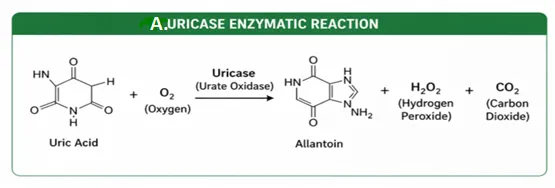
Figure 01: Uricase Enzymatic Reaction.
Uric Acid Metabolism
The first step in uric acid synthesis involves purine metabolism at the liver and is catalyzed by the enzyme xanthine oxidase. The following steps in this process result in the conversion of hypoxanthine into xanthine and then into uric acid. Within the human body, nearly two-thirds of uric acid is eliminated via the kidneys and the remaining one-third is expelled through the intestines. Renal redistribution of uric acid follows a cycle of filtration, absorption, secretion, and post-secretory absorption. All of the aforementioned processes rely on URAT1 and GLUT9. Malfunction in this system causes a concentration of uric acid in the blood.
Hyperuricemia: Causes and Clinical Significance
Hyperuricemia is observed and diagnosed when uric acid concentration in the blood rises up to and exceeds the saturation point at which it becomes a solute in the blood plasma. Primary hyperuricemia is attributed to genetic causes, while secondary hyperuricemia occurs due to dietary, renal, and pharmacological changes. The pathological importance of hyperuricemia is primarily observed in gout. However, hyperuricemia is also observed in various pathological states such as the metabolic syndrome, diabetes, and cardiovascular diseases. Hyperuricemia has been shown to contribute to and worsen inflammation, combine with and worsen oxidative stress, and propagate damage to the blood vessels.
Uricase Enzyme: Structure and Function
Uricase (urate oxidase) oxidizes uric acid to allantoin, hydrogen peroxide, and carbon dioxide, and is a peroxisomal enzyme. Allantoin is easily excreted due to its high-water solubility. Uricase is a homotetrameric protein that has active sites that bind uric acid and molecular oxygen. This reaction significantly decreases uric acid and thus, inhibits the formation of uric acid crystals. In the therapeutics field, recombinant forms of uricase effectively decrease uric acid concentration in the serum in a short period.
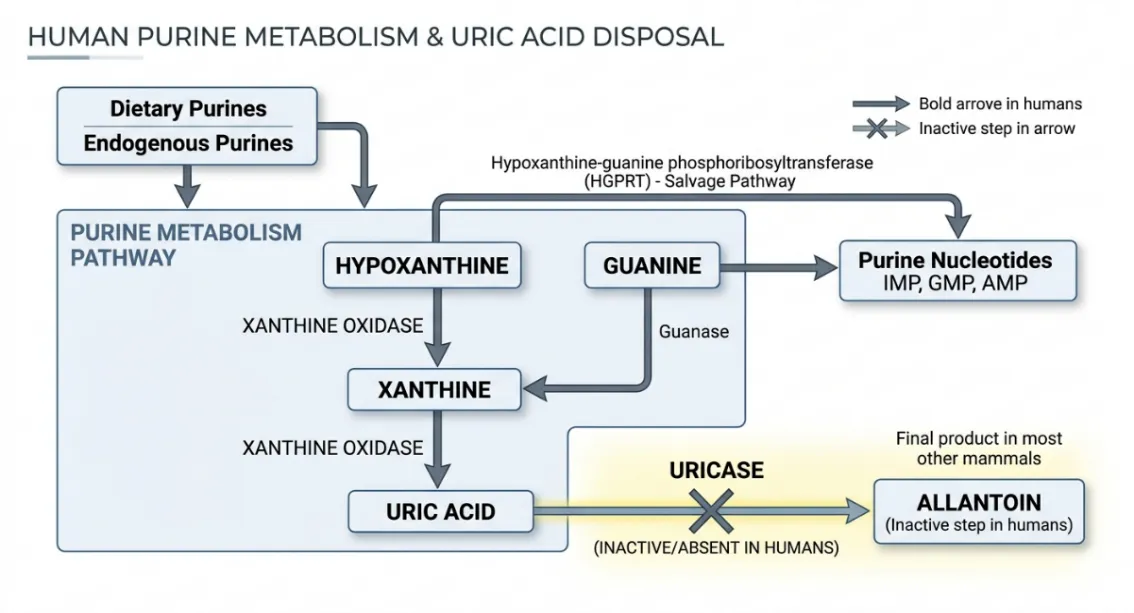
Figure 02: Mechanism of Uricase Function
Evolutionary Loss of Uricase In Humans
There were uricase gene mutations that lead to the inactivation of the gene during primate evolution. Some advantages in the early environments were decreased oxidative stress and relative hypotensive survival during low-salts. In current environments, the loss of uricase predisposes individuals to the formation of uric acid crystals in the tissues (hyperuricemia). In the presence of uricase, less than 1% of the uric acid remains in the plasma.
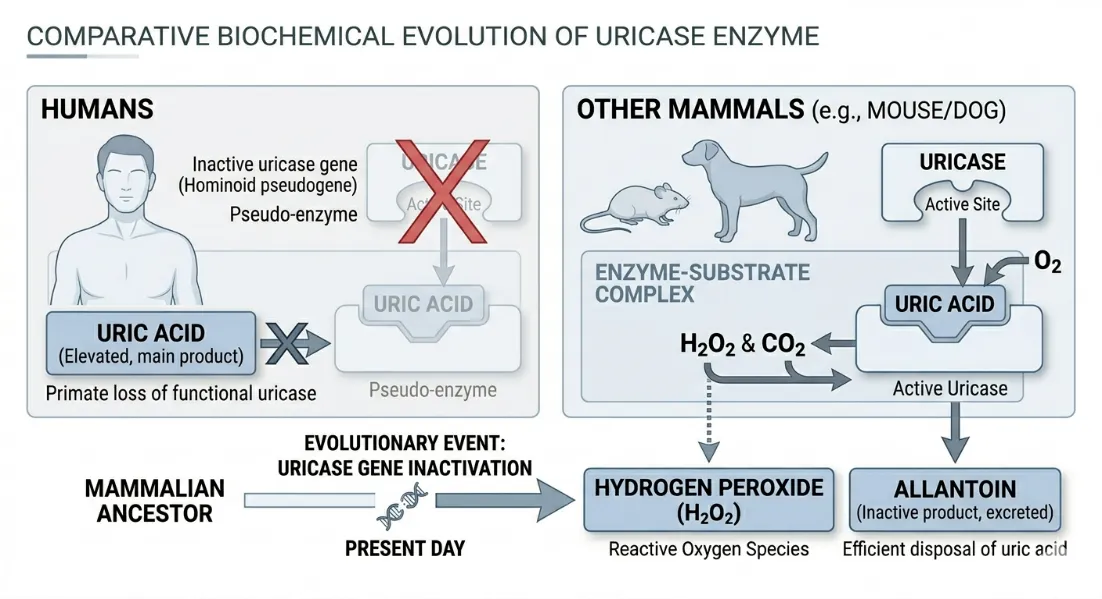
Figure 03: Evolutionary Loss of Uricase.
Role of Uric Acid In Cardiovascular Diseases
The chemistry Urate further contributes to cardiovascular pathology through multiple cascading interactions of different processes in the circulation. Counter to its solvent role, urate diminishes the production of nitric oxide and augments its consumption, resulting in vasodilatory and flow-mediated vasodilation endothelial dysfunction. Uric acid also aggravates the consumption of/logs the production of Reactive Oxygen Species (ROS) causing inflammation and the accompanying oxidative damage to the cell and tissues. This further promotes vascular remodeling, increased excrescence stiffness, and atherosclerosis. Hyperuricemia with up-regulation of uric acid and the components of the renin-angiotensin promotes further hypertension crisis.
Mechanistic Link Between Uric Acid and Cardiovascular Health
At the vascular cellular or tissue level, uric acid moves across cell membranes through specific transporters and activate a plethora of pro-inflammatory processes and pathways, such as NF-κB. The term a plethogenesis of mechanisms describes the ultimate vascular inflammation leading to association and exacerbation of increased muscle cell pliability and pliable media. Uric acid also aggravates oxidative stress by activating and further mounting the NADPH and torpor of oxidase activating the mitochondrial machinery. These processes, as Group of the studies state, are collectively an adduced and exacerbative injury to the Endothelial tissue impairment leading to multifarious and severe cardiovascular dysfunction.
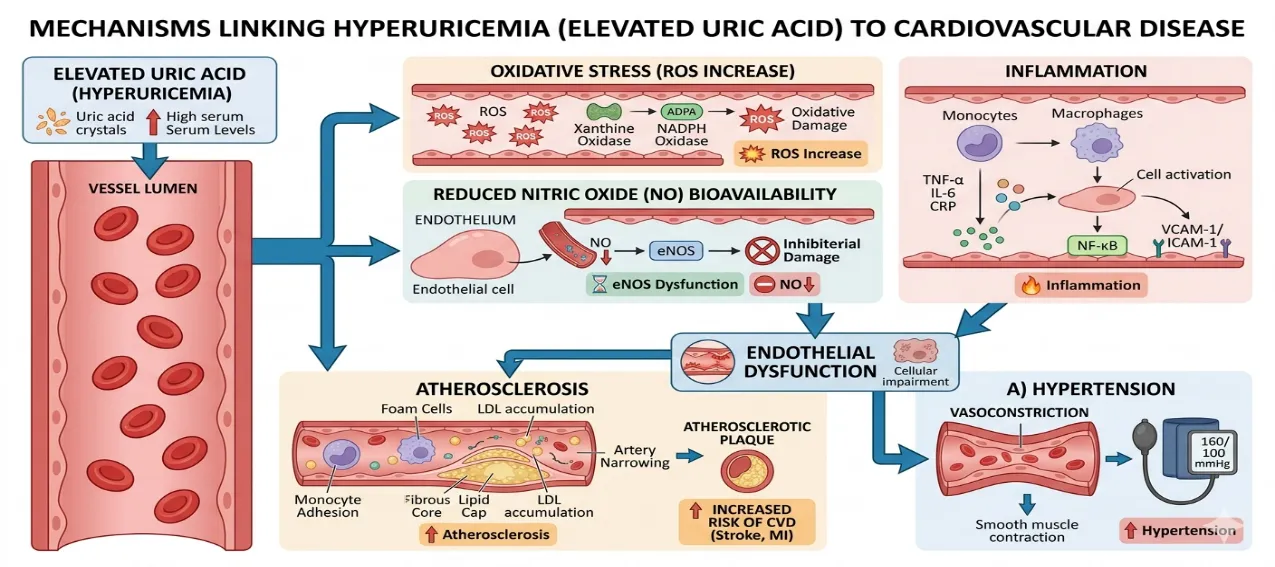
Figure 04: Uric Acid and Cardiovascular Damage Mechanism.
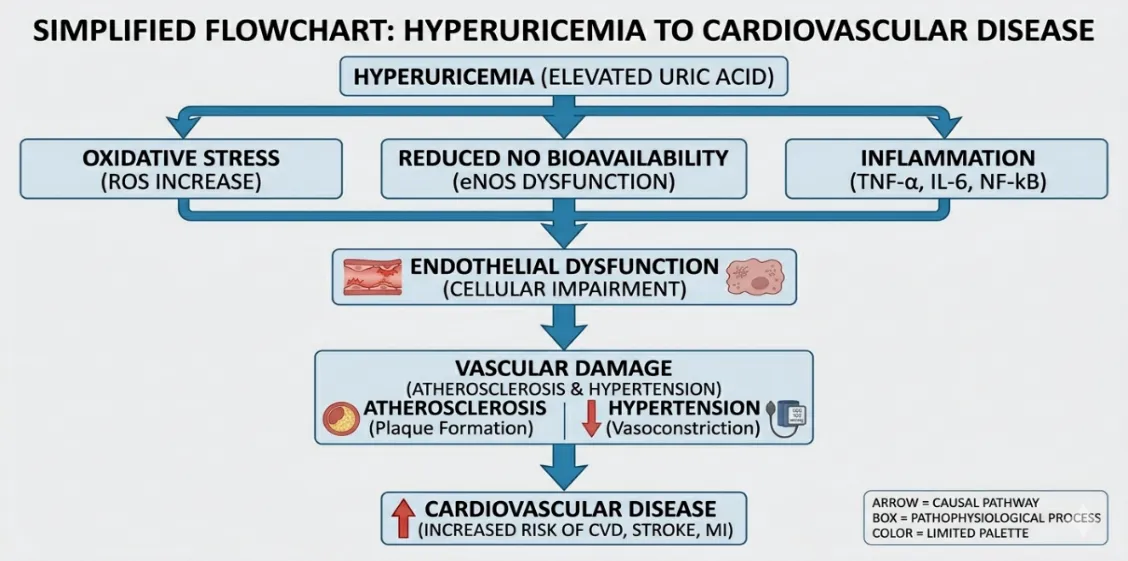
Figure 05: Pathophysiological Flowchart.
Therapeutic Role of Uricase
Uricase-type therapies decompose uric acid into allantoin. Thus, recombinant uricase therapies are preferred to xanthine oxidase inhibitors when uric acid levels are extremely elevated or when patients are refractory to other therapies. Tumor lysis syndrome and refractory gout are two medical conditions in which a rapid fall in uric acid levels is a therapeutic necessity. In these conditions, multiple recombinant uricase products are very effective.
Uricase-Based Drugs and Clinical Studies
Rasburicase and pegloticase are two examples of uricase-based therapies. Rasburicase is used primarily in oncology in the prophylaxis and treatment of tumor lysis syndrome, and pegloticase is indicated for chronic refractory gout. Clinical studies for both uricase-based therapies showed a remarkable decline in serum urate concentration and an overall positive clinical response. The aforementioned studies also revealed the issues of infusion reactions and other immunogenicity-related concerns, which require close monitoring of the patients.
Benefits of Uric Acid Reduction in Cardiovascular Health
Decreasing uric acid levels has been associated with a healthy blood pressure, improved endothelial function, and decreased cardiovascular risk. There is a body of research that suggests opening uric acid to a previously casual relationship with history of hypertension and cardiovascular diseases. However, many in the field of research consider uric acid to be just a biomarker. This does remain an open research topic.
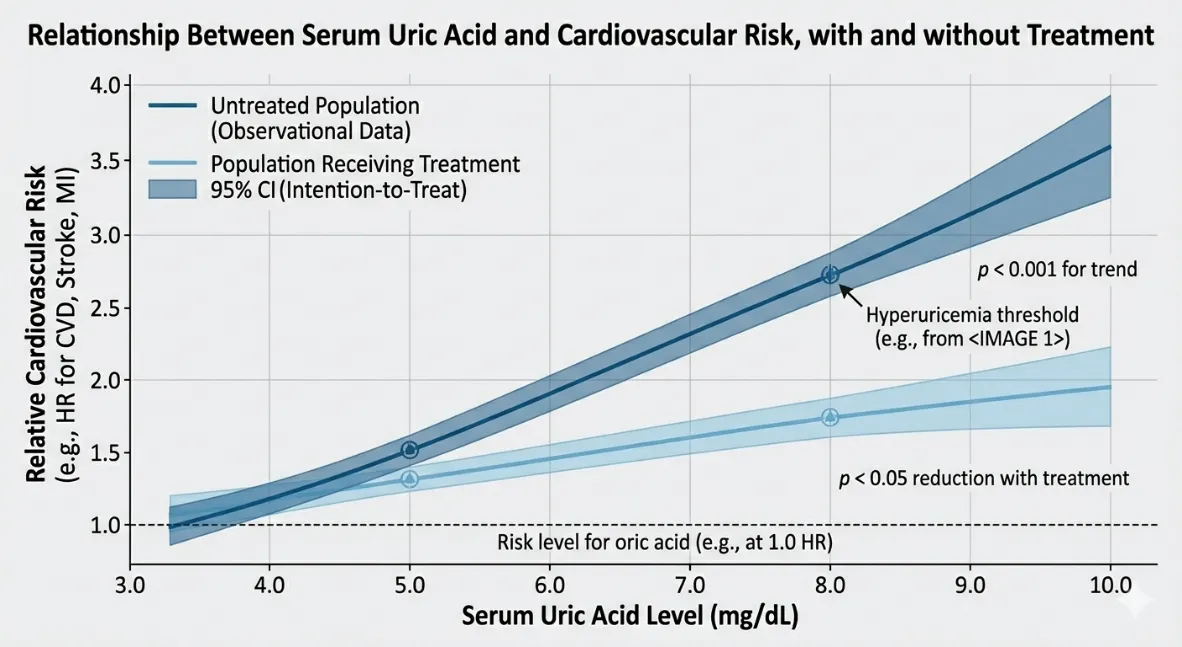
Figure 06: Clinical Impact Graph.
LIMITATIONS AND CHALLENGES
Uricase therapies can be highly effective, yet have many shortcomings. Immunogenicity can cause the therapy to have anti-drug antibodies, and the therapy ultimately becomes ineffective. The use of this therapy is highly discouraged due to the repercussions of serious, even potentially life threatening, hypersensitivity reactions and oxidative stress through the product of hydrogen peroxide. Currently due to the cost of the therapy and how limited of a scope it has, the use of uric acid therapies is restricted for the necessity of the therapy to be a reduced cost self-sustaining therapy.
FUTURE PERSPECTIVES
Future research is focused on developing the therapies in the forms of uricase, with a focus on gene therapy and the use of anti-drug antibodies. There is a theory to be offered for the use of personalized medicine to the extent of targeting the individuals’ genes; in effect personalized juxtaposed to conventional therapy to the genetic and metabolic consideration anomalies.
CONCLUSION
In the absence of uricase, humans have no uricase activities in their systems which, in turn, raises the levels of uric acid, and the development of hyperuricemia and cardiovascular diseases can be observed. Severely affected patients are likely to be the ideal candidates for therapeutic uricase. Formulating treatment will be improved and the outcome on the patients will be better if the complicated interaction of uric acid levels and cardiovascular health is understood.
REFERENCES







Suraj Yadav, Divya Rathod, Nisaruddin Ansaruddin*, Garima Nasre, Nitin Kohale, Umesh Bansod, Harigopal Sawarkar, Uricase Enzyme: A Link Between Uric Acid Reduction and Cardiovascular Health, Int. J. Med. Pharm. Sci., 2026, 2 (7), 1024-1029. https://doi.org/10.5281/zenodo.21620143
 10.5281/zenodo.21620143