

We use cookies to ensure our website works properly and to personalise your experience. Cookies policy
1Department of Pharmacy Practice, Sanjo College of Pharmaceutical Studies, Vellapara, Chithali (Post), Kuzhalmannam, Palakkad – 678702, Kerala, India.
2Professor Cum Head, Department of Pharmacy Practice, Sanjo College of Pharmaceutical Studies, Vellapara, Chithali (Post), Kuzhalmannam, Palakkad – 678702, Kerala, India.
3Principal, Sanjo College of Pharmaceutical Studies, Vellapara, Chithali (Post), Kuzhalmannam, Palakkad – 678702, Kerala, India
Background: Vitamin D deficiency is a major global health challenge. Beyond traditional bone health, low Vitamin D status is increasingly linked to chronic cardiometabolic diseases. Objective: This review synthesizes current evidence on Vitamin D in cardiovascular and metabolic health, evaluating molecular pathways, clinical trial discrepancies and prospective research fields. Methods: Electronic databases were analyzed for observational studies, randomized controlled trials (RCTs) and meta-analyses exploring Vitamin D status in relation to Hypertension, Insulin resistance, obesity and cardiovascular events. Results: Epidemiological data show a strong inverse association between serum 25-hydroxyvitamin D [25(OH)D] levels and metabolic syndrome components. Proposed molecular mechanisms include renin-angiotensin-aldosterone system (RAAS) regulation, cytokine modulation and direct endothelial preservation. However, large-scale RCTs show conflicting results, demonstrating minimal or no benefit in baseline-sufficient populations. Conclusion: Vitamin D is vital for cardiometabolic homeostasis. Discrepancies in clinical trials highlight the necessity for targeted, personalized, high-dose protocols focusing exclusively on severely deficient cohorts.
Historically classified as a micronutrient for preventing rickets, modern endocrinology recognizes Vitamin D as a pleiotropic secosteroid hormone. Structurally, its cholesterol-derived core features a broken B-ring. Vitamin (D2) (Ergocalciferol) originates from plant sources and UV-irradiated fungi, whereas vitamin (D3) (Cholecalciferol) is synthesized endogenously when cutaneous 7-dehydrocholesterol (7-DHC) interacts with solar ultraviolet B (UVB) radiation.
Cholecalciferol Undergoes A Two-Step Activation Sequence:
Hepatic 25-hydroxylation - Mediated by cytochrome P450 enzymes (CYP2R1 and CYP27A1) to form 25-hydroxyvitamin D [25(OH)D], the standard clinical biomarker for systemic status.
Renal 1α-hydroxylation - Handled by the CYP27B1 enzyme in the kidneys to produce the biologically active endocrine ligand, 1,25-dihydroxyvitamin D [1,25(OH)2D] or Calcitriol.
The systemic paradigm shifted with the discovery of universal Vitamin D Receptors (VDR) and local CYP27B1 architecture across non-skeletal tissues, including endothelial cells, cardiomyocytes, vascular smooth muscle cells (VSMCs) and pancreatic β-cells. This machinery allows local autocrine and paracrine production of active Calcitriol, which pairs with the Retinoid X Receptor (RXR) to modulate the expression of 200 to 2,000 genes managing cell differentiation, immune responses and metabolism.
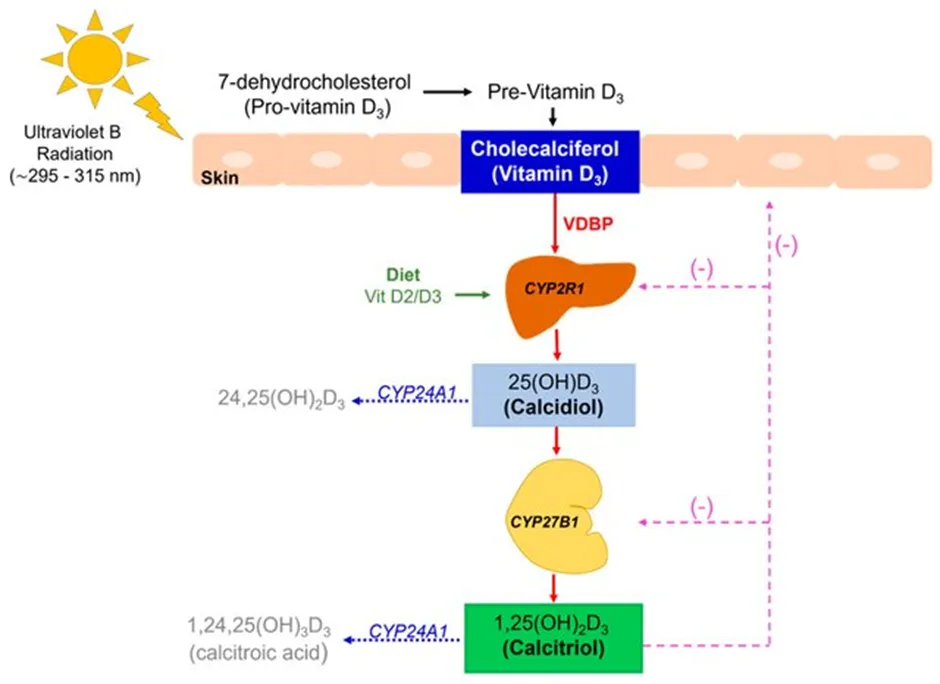
Figure: 1 Vitamin D synthesis and activation pathway
VDBP: Vitamin D-binding protein; CYP2R1: 25-hydroxylase enzyme; CYP27B1: 1-α-hydroxylase enzyme; CYP24A1: 24-hydroxylase enzyme. After ultraviolet B (UVB) radiation with wavelengths of approximately 295–315 nanometers (nm) in the skin, 7-dehydrocholesterol is converted to pre-vitamin D3 followed by conversion to cholecalciferol by thermal isomerization. Diet can provide Vitamin D2 (Ergocalciferol) and D3 in minor amounts. Cholecalciferol is transported to the liver bound to VDBP, where CYP2R1 and CYP27A1 enzymes are responsible for its first hydroxylation forming Calcidiol, which afterwards is transported to the kidney for a second hydroxylation through CYP27B1 to form calcitriol (1, 25 (OH)2 D3), the active form of vitamin D. CYP24A1 is responsible for catabolism of Vitamin D into 24, 25 (OH) D3 and 1, 24, 25 (OH)2 D3, respectively. Levels of calcitriol are determinants for the self-regulation by this mechanism.
Pathophysiology in Cardiovascular and Metabolic Systems
Cardiovascular Mechanisms - Vitamin D deficiency promotes cardiovascular disease through several distinct molecular pathways:
RAAS Activation - Active Vitamin D binds VDRs in juxtaglomerular cells to act as a transcription inhibitor for the renin (REN) gene. Deficiency removes this molecular brake, causing unchecked renin, Angiotensin II and Aldosterone production, which leads to vasoconstriction, volume expansion and systemic hypertension (HTN).
Endothelial Dysfunction - Local VDR signaling stimulates Endothelial Nitric Oxide Synthase (eNOS) expression and activity. Hypovitaminosis D drives oxidative stress through reactive oxygen species (ROS), neutralizing nitric oxide (NO), increasing arterial stiffness and prompting a pro-thrombotic state.
Vascular Inflammation - Active Vitamin D suppresses the Nuclear Factor-kappa B (NF-κB) cascade in immune cells. Deficiency lets this pathway run unchecked, increasing pro-inflammatory cytokines like TNF-α, IL-6 and hs-CRP, which recruit monocytes to form foam cells and accelerate atherogenesis.
Myocardial Remodeling - Deficiency causes matrix metalloproteinase dysregulation and matrix accumulation, culminating in left ventricular hypertrophy and interstitial fibrosis.
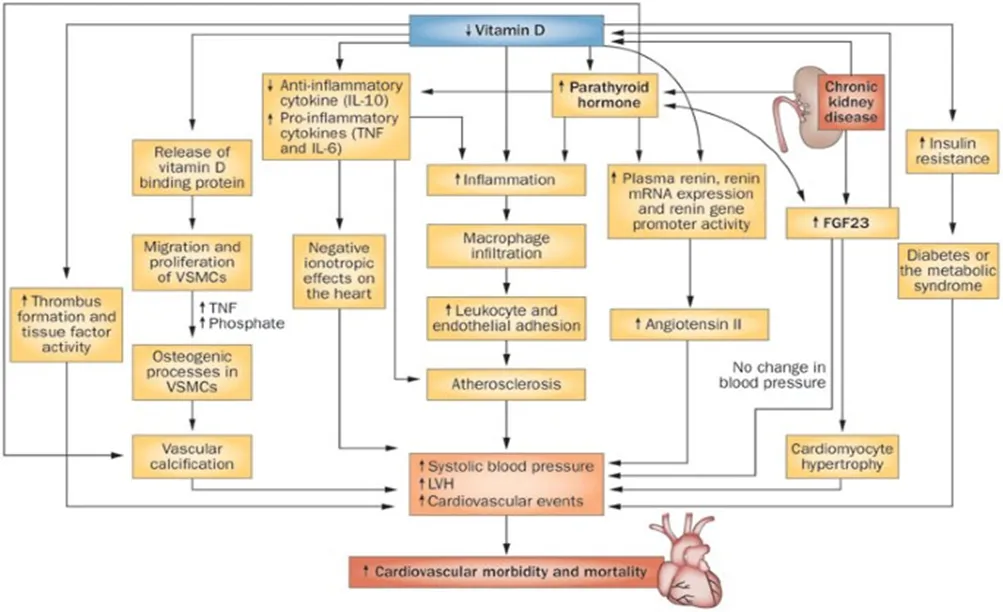
Figure: 2 The effect of vitamin D status on risk factors for cardiovascular disease
Metabolic Mechanisms
Pancreatic β-Cell Function - Insulin release relies heavily on Calcium influx. Vitamin D upregulates voltage-gated L-type Calcium channels on β-cell membranes to ensure smooth glucose-stimulated Insulin exocytosis while also directly boosting insulin gene transcription.
Peripheral Glucose Uptake - Vitamin D improves insulin sensitivity by upgrading the transcription of Insulin Receptor Substrate-1 (IRS-1) in skeletal muscles and adipose tissues. This supports the translocation of Glucose Transporter Type 4 (GLUT-4) vesicles to the cell membrane. Dropping vitamin D levels compromise this bridge, promoting peripheral Insulin resistance.
Adipose Tissue and Lipids - Healthy VDR signaling suppresses monocyte chemoattractant protein-1 (MCP-1) and restrains tissue-resident macrophages. In obese individuals, Vitamin D is physically sequestered within expanded fat masses, lowering systemic bioavailability. This deficit triggers local adipocyte inflammation and lipolysis, spilling free fatty acids (FFAs) into circulation, which the liver converts into VLDL, prompting non-alcoholic fatty liver disease (NAFLD).
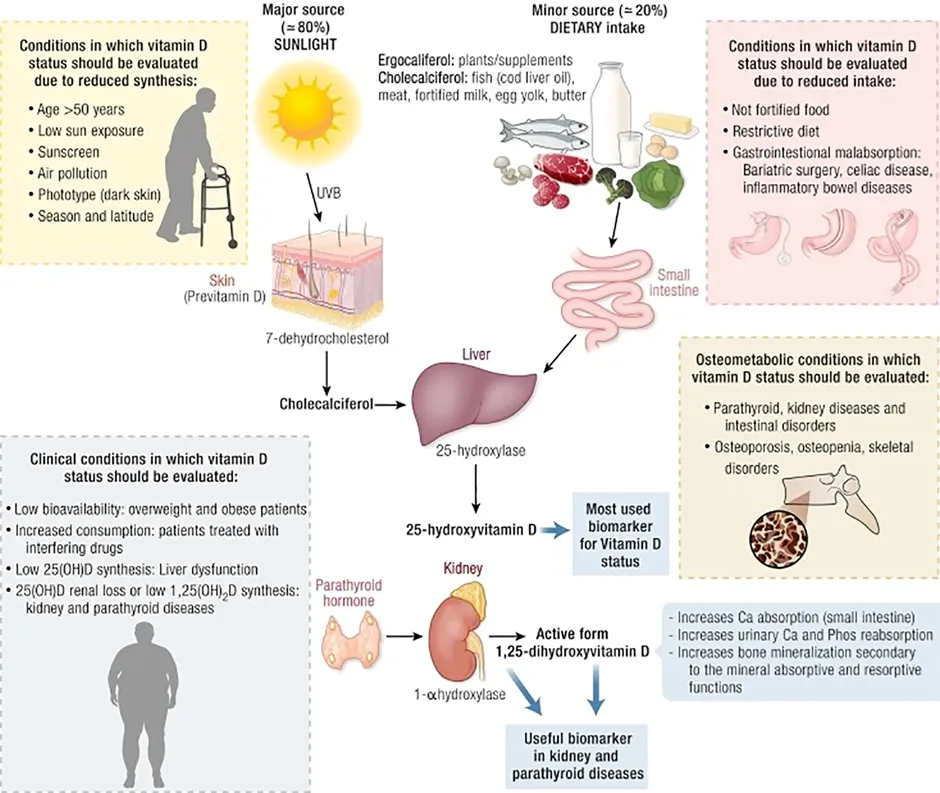
Figure: 3 Metabolic pathways of Vitamin D in the body, with specific reference to conditions in which Vitamin D should be evaluated
The Epidemiological vs Clinical Trial Paradox
Prospective cohort studies show a clear inverse relationship - individuals with low serum 25 (OH)D levels exhibit a 40 - 60% increase in incident cardiovascular disease, stroke and type II diabetes. However, landmark randomized controlled trials (RCTs), such as the VITAL and D2d trials, show that generic Vitamin D supplementation fails to lower primary cardiovascular events or metabolic outcomes in general populations.
This deep contradiction is driven by three key methodological realities:
Healthy User Bias & Reverse Causation - High Vitamin D is often an epiphenomenon reflecting outdoor physical activity, proper diet and higher socioeconomic status. Conversely, chronic diseases cause fatigue and indoor confinement, meaning the illness itself drives the deficiency.
Baseline Sufficiency Flaws - Most clinical trials enrolled individuals who already possessed adequate baseline Vitamin D levels (>20 ng/mL). Because Vitamin D action follows a non-linear threshold-based curve, supplementing individuals who are already sufficient yields no therapeutic benefit.
Genetic Variations - Population averages mask distinct individual responses caused by polymorphisms in Vitamin D Binding Protein (VDBP) and the VDR gene, which alter baseline transport and utilization.
Table 1 The Paradox: Epidemiological vs. Clinical Trial Evidence
|
Feature/Dimension |
Epidemiological (Observational) Evidence |
Clinical Trial (RCT) Evidence |
|
Core Findings |
Strong, consistent inverse relationship between serum 25 (OH)D levels and cardiovascular/metabolic risks. |
Broadly neutral results; supplementation fails to reduce primary endpoints like heart attacks, stroke or cancer incidence. |
|
Cardiovascular Outcomes |
Associated with hypertension, coronary artery disease, atrial fibrillation, heart failure and higher cardiovascular mortality. |
Major trials (Eg; VITAL, D-Health, ViDA) show no overall reduction in major adverse cardiovascular events (MACE). |
|
Metabolic Outcomes |
Correlated with obesity, insulin resistance, metabolic syndrome, dyslipidemia and progression to type II diabetes. |
Generally neutral for the broad public, though strong evidence supports prevention of type II diabetes specifically in adults with prediabetes. |
|
Presumed Mechanism |
Low Vitamin D is viewed as a causal risk factor driving systemic pathology. |
Low Vitamin D is often reinterpreted as a marker of poor health (reverse causation) or sedentary lifestyle. |
Unraveling the Paradox: Why the Data Disconnects
The failure of major clinical trials to mirror observational data stems from distinct methodological flaws in trial design rather than a complete lack of biological activity:
Future Directions: Precision Prevention
The paradigm is shifting away from universal population-wide supplementation and moving toward precision nutrition and targeted prevention frameworks:
Targeting Severe Deficiency: Meta-analyses indicate that when trials are stratified, a significant benefit for blood pressure, glucose control and lipid management emerges for cohorts with severe baseline deficiency (<15 ng/mL).
Prediabetes Management: The strongest metabolic success story for Vitamin D is in type II diabetes prevention. Professional guidelines, including the Endocrine Society Clinical Practice Guidelines, recommend targeted Vitamin D supplementation for adults with prediabetes to reduce progression to diabetes and boost regression to normal glucose regulation.
Accounting for Heterogeneity: Future trial designs must screen for genetic variation in the Vitamin D receptor (VDR) and Vitamin D binding protein (DBP), alongside tracking variations in lean body weight, to accurately gauge true therapeutic efficacy.
Knowledge Gaps and Emerging Frontiers
Total vs Free Bioavailable Vitamin D
Standard assays measure total serum 25 (OH)D, which is 85 – 90% tightly bound to VDBP and 10 – 15% loosely bound to albumin, leaving less than 1% circulating in a free form. The Free Hormone Hypothesis establishes that only the unbound and albumin-bound fractions (bioavailable Vitamin D) can cross cell membranes to activate paracrine paths. Metabolic syndrome and liver disease alter VDBP levels, meaning patients with identical total 25 (OH)D may have entirely different amounts of tissue-active free Vitamin D.
Vitamin D3 and Vitamin K2 Synergy
High-dose Vitamin D supplementation stimulates the synthesis of calcium-binding proteins like Matrix Gla Protein (MGP). However, MGP requires Vitamin K2 dependent carboxylation to become active. Without adequate Vitamin K2, uncarboxylated MGP remains inactive, which can accelerate medial vascular calcification and worsen arterial stiffening.
The Gut-Metabolic Axis
Active Calcitriol upregulates intestinal tight junction proteins such as zonula occludens-1 (ZO-1) and occludin. Deficiency compromises this mucosal barrier, increasing permeability. This allows bacterial lipopolysaccharides (LPS) to enter portal circulation, triggering metabolic endotoxemia via toll-like receptor 4 (TLR4) pathways, which further drives Insulin resistance and atherogenesis.
Future Directions and Clinical Translation
To bridge the divide between epidemiology and clinical interventional science, future trial models and clinical therapies must incorporate three strict frameworks:
Precision Stratification - Transition away from broad dietary recommendations to targeted nutrition. Genotype screening for single nucleotide polymorphisms (SNPs) in the VDR locus (FokI, BsmI, TaqI) and the GC locus will isolate genetic "non-responders" who require higher bio-matched dosing protocols.
Free 25(OH)D Assays - Utilize standardized enzyme-linked immunosorbent assays (ELISAs) to track bioavailable free fractions rather than total serum pools, improving diagnostic accuracy in patients with obesity or type II diabetes.
Stricter Trial Designs - Implement deficiency-only screening (enrolling strictly <12 ng/mL cohorts), enforce true placebo arms excluding background multivitamins and monitor tissue-specific endpoints like flow-mediated dilation (FMD) or pulse wave velocity.
CONCLUSION
Vitamin D functions as a non-linear, threshold-dependent regulator of cardiometabolic homeostasis. The historical disconnect in interventional data stems from structural trial flaws that evaluated nutrient-sufficient populations. Correcting severe deficits holds profound molecular potential for RAAS normalization, eNOS preservation and β-cell survival. Clinical practice must evolve from generic supplementation strategies toward precision medicine guided by free 25 (OH)D diagnostics and pharmacogenomic mapping.
REFERENCES

Riya Ann Toji, Swaliha K. A., Afreena Fathima P. S., Susmi T. B., Reema Rahman T. K., Purushothama Reddy K.*, Vinod K. R., Vitamin D in Metabolic and Cardiovascular Health: Current Evidence and Future Directions, Int. J. Med. Pharm. Sci., 2026, 2 (10), 258-264. https://doi.org/10.5281/zenodo.23276742
 10.5281/zenodo.23276742