

We use cookies to ensure our website works properly and to personalise your experience. Cookies policy
1M. Pharm, Ph.D., Professor, Department of Pharmaceutical Chemistry, Adhiparasakthi College of Pharmacy, Melmaruvathur-603 319, Affiliated to The Tamil Nadu Dr. M.G.R Medical university, Chennai-600 032, Tamil Nadu, India.
2M. Pharm, Assistant Professor, Department of Pharmaceutical Chemistry, Adhiparasakthi College of Pharmacy, Melmaruvathur-603 319, Affiliated to The Tamil Nadu Dr. M.G.R Medical university, Chennai-600 032, Tamil Nadu, India.
3UG Scholar, Adhiparasakthi College of Pharmacy, Melmaruvathur-603 319, Affiliated to The Tamil Nadu Dr. M.G.R Medical university, Chennai-600 032, Tamil Nadu, India
Bauhinia tomentosa L. a medicinal species from the Fabaceae family, has attracted significant interest due to its wide-ranging therapeutic benefits and abundant phytochemical profile. Different parts of the plant, especially the stem, root, and leaves, have been widely employed in traditional medicine to address issues such as inflammation, infections, gastrointestinal ailments, wounds, fever, and metabolic disorders. Phytochemical studies have identified various bioactive components, including flavonoids, phenolic compounds, tannins, alkaloids, saponins, terpenoids, glycosides, and steroids, which play a role in its pharmacological effects. The stem is recognized for its remarkable antimicrobial, antioxidant, anti-inflammatory, and wound-healing capabilities, while the root exhibits notable antidiarrheal, analgesic, antimicrobial, and antioxidant properties. The leaves are particularly abundant in flavonoids and phenolic compounds, demonstrating strong antioxidant, anti-inflammatory, antimicrobial, hepatoprotective, antidiabetic, and potential anticancer activities. Experimental research has corroborated many of the plant's traditional applications through both in vitro and in vivo studies. The therapeutic efficacy of Bauhinia tomentosa is largely due to its capacity to modulate oxidative stress, inhibit inflammatory mediators, and curtail microbial proliferation. This review offers a detailed examination of the botanical features, phytochemical constituents, traditional uses, and pharmacological properties of the stem, root, and leaves of Bauhinia tomentosa. The existing evidence underscores the plant's potential as a valuable source of natural bioactive compounds for the creation of innovative phytopharmaceuticals and emphasizes the necessity for additional research focused on the isolation of bioactive compounds, mechanism-based studies, toxicity evaluations, and clinical validation.
Bauhinia tomentosa is a medicinal shrub or small tree that belongs to the Fabaceae family (Caesalpiniaceae). This plant is commonly found in tropical areas of Asia and Africa, especially in India, Sri Lanka, and Southeast Asia. It is characterized by its unique bilobed leaves and vibrant yellow flowers featuring a dark maroon centre. Traditionally, different parts of the plant, such as the stem, root, and leaves, have been utilized in folk medicine to address inflammation, infections, gastrointestinal issues, and to promote wound healing.
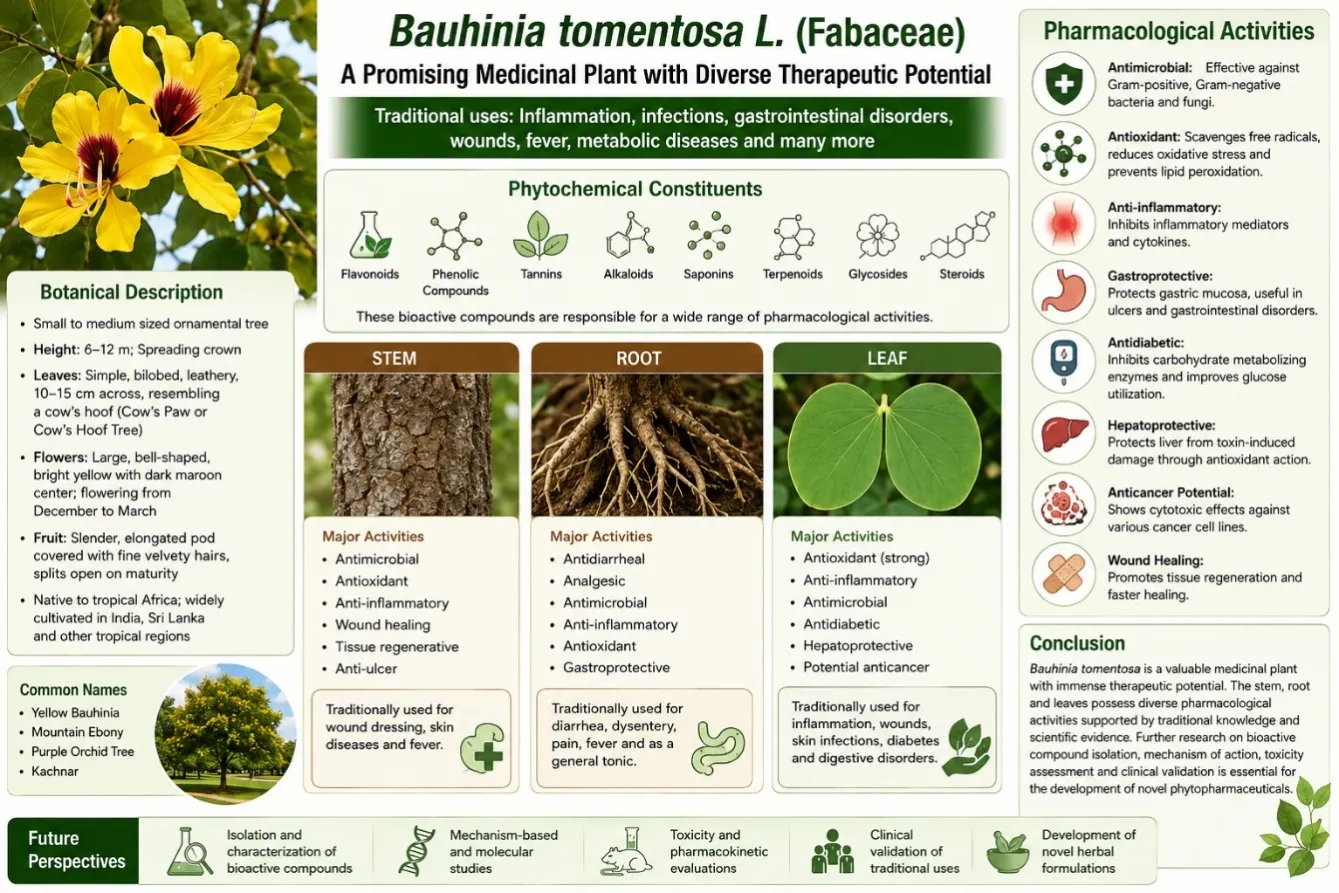
Figure: 1 Therapeutic uses of Bauhinia tomentosa L
Scope for Review:
The objective of this review is to summarize the botanical features, phytochemical components, traditional applications, and pharmacological properties of the root, stem, and leaves of Bauhinia tomentosa, emphasizing its potential as a significant medicinal plant for future pharmaceutical development.
MATERIALS AND METHODS:
1. Root:
Collection and Preparation of Root Extract:
Fresh roots of Bauhinia tomentosa L. were collected from healthy plants growing in Tamil Nadu, India, during the flowering season. The roots were washed thoroughly with running tap water followed by distilled water to remove adhering soil and impurities. The cleaned roots were shade-dried at room temperature for 10–12 days and pulverized into a coarse powder using a mechanical grinder. The powdered material was stored in airtight containers for further analysis.
Extraction Procedure:
About 50 g of root powder was subjected to Soxhlet extraction using methanol as solvent for 6–8 hours. The extract was filtered and concentrated under reduced pressure using a rotary evaporator. The dried extract was stored at 4°C until further experimental studies.
Pharmacological Evaluation of Root:
The root extract was evaluated for antidiabetic, anti-inflammatory, antioxidant, and antimicrobial activities using standard experimental protocols. Streptozotocin-induced diabetic rat model was used to assess antidiabetic activity. DPPH radical scavenging assay was employed for antioxidant evaluation, carrageenan-induced paw oedema model for anti-inflammatory activity, and agar well diffusion method for antimicrobial screening.
2. Stem:
Collection and Preparation of Stem Extract:
Fresh stems of Bauhinia tomentosa L. were collected, washed thoroughly, and shade-dried at room temperature for 12–15 days. The dried stems were cut into small pieces and powdered using a mechanical grinder. The powdered material was stored in airtight containers.
Extraction Procedure:
Approximately 50 g of stem powder was extracted using Soxhlet apparatus with methanol as solvent for 8 hours. The extract was filtered, concentrated using a rotary evaporator, and stored at 4°C until further analysis.
Pharmacological Evaluation of Stem:
The stem extract was screened for hepatoprotective, antioxidant, anti-inflammatory, and antimicrobial activities. Hepatoprotective activity was evaluated using carbon tetrachloride (CCl₄)-induced liver toxicity model in rats. Antioxidant activity was assessed using DPPH and reducing power assays, anti-inflammatory activity using carrageenan-induced paw oedema method, and antimicrobial activity by agar well diffusion method.
3. Leaf:
Collection and Preparation of Leaf Extract:
Fresh leaves of Bauhinia tomentosa L. were collected, washed with distilled water, and shade-dried at room temperature for 7–10 days. The dried leaves were powdered using a mechanical grinder and stored in airtight containers.
Extraction Procedure:
About 50 g of leaf powder was extracted using Soxhlet extraction with methanol for 6–8 hours. The extract was filtered, concentrated under reduced pressure, and stored at 4°C for further use.
Pharmacological Evaluation of Leaf:
The leaf extract was evaluated for antidiabetic, antioxidant, antimicrobial, and wound healing activities. Antidiabetic activity was assessed using streptozotocin-induced diabetic rat model. Antioxidant activity was while wound healing activity was evaluated using excision and incision wound models in rats.
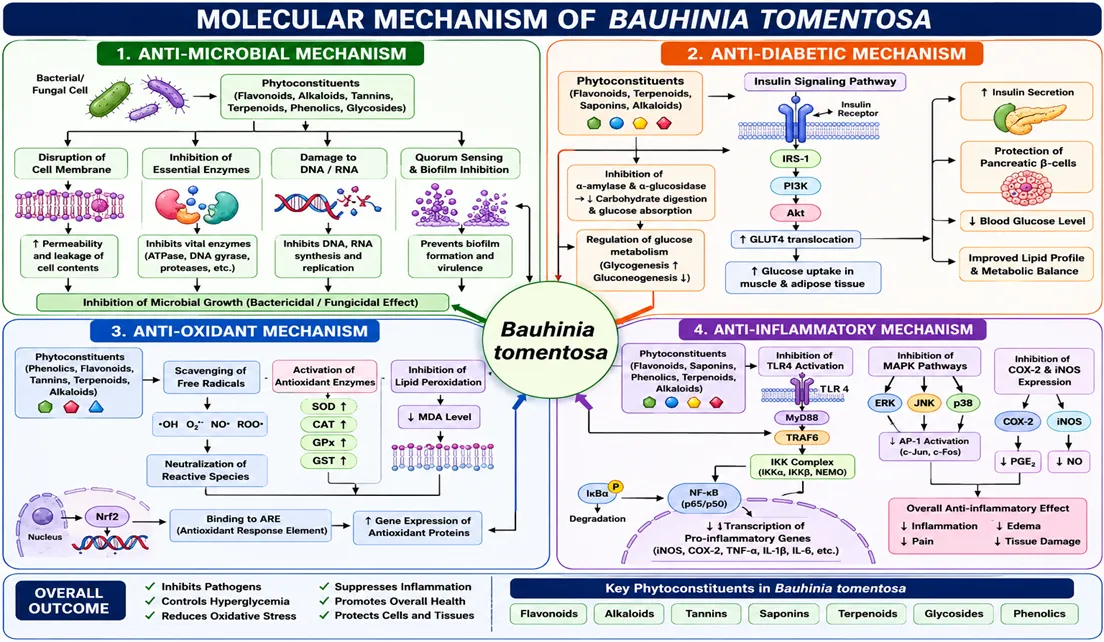
Figure 2: Mechanism of action of Bauhinia tomentosa L
Table 1. Ethnomedicinal Uses of Bauhinia tomentosa L.
|
Plant parts |
Major bioactive compounds |
Pharmacological significance |
Traditional use |
Mode of use |
|
Root |
Lupeol, β-sitosterol Betulin |
Anti-diabetic, Anti-inflammatory |
Diabetes, Inflammation, Diarrhoea |
Decoction / powder |
|
Stem, Bark |
Flavonoids. Alkaloids, glycosides |
Hepatoprotective, antioxidants |
Liver disorder, Fever, Inflammation |
Decoction |
|
Leaves |
Quercetin, kaempferol, tannins, phenols |
Antioxidants, wound healing |
Wound healing, Skin disease, Diabetes |
Paste/ Extract |
Table:2 Pharmacological Effects of Leaf Extracts from Bauhinia tomentosa L.
|
Pharmacological Activity |
Mechanism/Observation |
Therapeutic Significance |
|
Antioxidant Activity |
Exhibits strong DPPH and ABTS free radical scavenging activity due to the presence of flavonoids and phenolic compounds. |
Protects cells from oxidative stress and prevents free radical-induced damage. |
|
Anti-inflammatory Activity |
Inhibits inflammatory cytokines and oxidative mediators involved in inflammatory responses. |
Reduces inflammation, tissue injury, and associated disorders. |
|
Antimicrobial Activity |
Demonstrates inhibitory effects against Staphylococcus aureus, Escherichia coli, Pseudomonas aeruginosa, and Candida albicans. |
Useful in combating bacterial and fungal infections. |
|
Antidiabetic Activity |
Inhibits carbohydrate-metabolizing enzymes such as α-amylase and α-glucosidase while enhancing glucose utilization. |
Helps regulate blood glucose levels and supports diabetes management. |
|
Hepatoprotective Activity |
Protects liver tissues from toxin-induced oxidative damage through antioxidant mechanisms. |
Maintains liver function and prevents hepatic injury. |
|
Cytotoxic/Anticancer Activity |
Flavonoid-rich fractions exhibit growth-inhibitory effects against selected cancer cell lines. |
Indicates potential for development of anticancer therapeutics. |
Table: 3 Phytochemical Components of Bauhinia tomentosa L. Root:
|
Compound Class |
Representative Compounds |
Extraction Method |
Common Solvents |
Basic Structural Features |
Approximate Composition (%) |
|
Alkaloids |
Nitrogen-containing alkaloids |
Soxhlet extraction, Acid-base extraction, Maceration |
Methanol, Ethanol, Acidified water |
Heterocyclic rings containing nitrogen atoms |
0.5–3.0% |
|
Flavonoids |
Kaempferol, Kaempferol glycosides |
Soxhlet extraction, Ultrasonic-assisted extraction |
Methanol, Ethanol, Hydroalcoholic mixtures |
C6-C3-C6 phenolic skeleton |
2–8% |
|
Tannins |
Hydrolysable tannins, Gallo tannins |
Maceration, Decoction |
Water, Methanol, Acetone-water |
Polyphenolic compounds containing multiple hydroxyl groups |
5–15% |
|
Saponins |
Triterpenoid saponins |
Soxhlet extraction, Reflux extraction |
Methanol, Ethanol, n-Butanol |
Triterpene nucleus linked to sugar moieties |
2–10% |
|
Phenolics |
Gallic acid, Ellagic acid, Polyphenols |
Maceration, Ultrasonic extraction |
Methanol, Ethanol, Water |
Aromatic rings with hydroxyl substituents |
3–12% |
Table :4 Comprehensive studies for Root, Leaf, Bark of extraction and biological activity of Bauhinia tomentosaL.
|
Plant Part |
Extract Type |
Extraction Procedure |
Biological Activity |
Experimental Model |
|
Root |
Methanolic |
50 gm of root powder
Soxhlet extraction (6 to 8 hrs)
Filtration
Concentrated (reduced pressure using a rotary evaporator) |
Anti-Diabetic |
STZ-induced diabetic rats |
|
Stembark |
Ethanolic |
50 gm of stem powder
Soxhlet extraction (6 to 8 hrs)
Filtration
Concentrated (reduced pressure using rotary evaporator) |
Hepatoprotective
|
CCL4-induced liver toxicity |
|
Leaves |
Methanolic |
50 gm of leaf powder
Soxhlet extraction (6 to 8 hrs)
Filtration
Concentrated (reduced pressure using rotary evaporator) |
Antioxidant, Wound healing |
DPPH assay, excision wound model |
Table :5 Significant Phytochemical Elements Found in Bauhinia tomentosa L.
|
Phytochemical Class |
Common Identification Test |
Observation (Positive Result) |
|
Flavonoids |
Shinoda Test |
Pink, red, or orange coloration |
|
Phenolic Compounds |
Ferric Chloride Test |
Blue-green or dark coloration |
|
Tannins |
Ferric Chloride Test |
Blue-black or green precipitate |
|
Alkaloids |
Dragendorff's Test |
Orange-red precipitate |
|
Saponins |
Foam Test |
Persistent froth formation |
|
Glycosides |
Keller–Kiliani Test |
Brown ring at the interface |
|
Terpenoids |
Salkowski Test |
Reddish-brown coloration |
|
Steroids |
Liebermann–Burchard Test |
Green or bluish-green color |
|
Anthraquinones |
Borntrager's Test |
Pink to red coloration |
|
Coumarins |
NaOH Test / UV Fluorescence Test |
Yellow color or blue-green fluorescence |
RESULTS AND DISCUSSION:
The present review compiles and critically evaluates the pharmacological properties and bioactive constituents of Bauhinia tomentosa L., based on published scientific literature. The analysis reveals that various parts of the plant, including root, stem bark, leaves, and flowers, possess remarkable medicinal properties. These activities are mainly attributed to the presence of diverse phytochemicals such as flavonoids, alkaloids, tannins, phenolic compounds, glycosides, saponins, steroids, and terpenoids. Experimental investigations have demonstrated significant antidiabetic, antioxidant, anti-inflammatory, antimicrobial, hepatoprotective, and wound healing activities, which strongly support the traditional therapeutic applications of this plant. The cumulative pharmacological evidence indicates that Bauhinia tomentosa is a potent medicinal plant with multifaceted therapeutic properties. The strong correlation between traditional medicinal practices and experimental pharmacological findings emphasizes the ethnopharmacological significance of this plant. However, most studies are limited to in vitro and in vivo animal models, highlighting the need for advanced clinical investigations, toxicity profiling, and pharmacokinetic studies. Further isolation and characterization of active compounds could facilitate the development of novel plant-based therapeutic agents.
Table:6 A Comparative Examination of Stem, Root, and Leaf of Bauhinia tomentosa.L
|
Parameter |
Stem |
Root |
Leaf |
|
Flavonoids |
Moderate |
Moderate |
High |
|
Tannins |
High |
High |
Moderate |
|
Alkaloids |
Low |
Moderate |
Low |
|
Antioxidant Activity |
Good |
Good |
Excellent |
|
Antimicrobial Activity |
Good |
Good |
Excellent |
|
Anti-inflammatory Activity |
Good |
Good |
Excellent |
|
Antidiarrheal Activity |
Moderate |
Excellent |
Moderate |
|
Antidiabetic Activity |
Limited |
Moderate |
Significant |
|
Wound Healing |
Excellent |
Moderate |
Excellent |
|
Traditional Usage |
Skin diseases, wounds |
Diarrhoea, pain, fever |
Inflammation, wounds, diabetes. |
Future Research Opportunities:
CONCLUSION:
Bauhinia tomentosa is an important medicinal plant known for its considerable pharmacological properties. The stem is especially effective for wound healing and has antimicrobial uses, while the root is recognized for its significant antidiarrheal and analgesic effects. Additionally, the leaf shows remarkable antioxidant, anti-inflammatory, antimicrobial, and antidiabetic properties. The presence of flavonoids, tannins, phenolics, terpenoids, and various other bioactive compounds reinforces its traditional medicinal applications and underscores its potential for future drug discovery and development. Generally, the leaf displays the highest overall biological activity, while the root and stem offer complementary therapeutic advantages, positioning the plant as a key subject for phytopharmaceutical research.
ACKNOWLEDGEMENT:
The author wishes to thank Sakthi Arul Thiru Amma and Thirumathi Amma ACMEC Trust, for providing facilities to do the working successful manner. We are grateful to thank our DeanResearch and Director Academic Prof.Dr. T. Vetrichelvan, M. Pharm., Ph. D and our Principal Dr.D. Nagavalli, M. Pharm Ph. D., for the kind support and encouraging for the completion of work.
REFERENCES

G. Abirami*, P. Nandhagopal, T. Aiswariya, S. Anitha, S. Bhavani, D. Harini, A. Yazhini, A Comprehensive Review of The Phytochemistry, Pharmacological Activities and Therapeutic Potential of Bauhinia Tomentosa L. Stem, Root, Leaf, Int. J. Med. Pharm. Sci., 2026, 2 (8), 173-179. https://doi.org/10.5281/zenodo.21793430
 10.5281/zenodo.21793430