
We use cookies to ensure our website works properly and to personalise your experience. Cookies policy
Wani College of Pharmacy, Ganegaon, Maharashtra. Affiliated to Dr. Babasaheb Aambedkar Technological University, Lonere, Raigad
Acne vulgaris is a chronic inflammatory disorder of the pilosebaceous unit that commonly affects adolescents and young adults. It is characterized by comedones, papules, pustules, and, in severe cases, nodules and scarring. The pathogenesis of acne involves excessive sebum production, abnormal follicular keratinization, proliferation and dysbiosis associated with Cutibacterium acnes, and inflammatory responses. Although conventional treatments such as retinoids, benzoyl peroxide, antibiotics, and other topical agents are effective, irritation, antimicrobial resistance, and treatment intolerance have encouraged research into plant-derived alternatives. Medicinal plants contain biologically active compounds, including flavonoids, phenolic acids, tannins, terpenoids, alkaloids, and essential oils. These constituents may exhibit antibacterial, anti-inflammatory, antioxidant, anti-sebum, anti-biofilm, and keratinization-modulating activities. Plants such as Melaleuca alternifolia, Camellia sinensis, Curcuma longa, Azadirachta indica, Aloe vera, and Glycyrrhiza glabra have been investigated for their potential role in acne management. Their activities have been associated with compounds such as terpinen-4-ol, catechins, curcuminoids, limonoids, anthraquinones, and glycyrrhizin, although the strength of evidence differs between plants and preparations. This review discusses the phytochemical composition, pharmacological mechanisms, pharmaceutical applications, safety considerations, and future prospects of medicinal plants in anti-acne therapy.
Acne vulgaris is one of the most common inflammatory skin disorders, affecting the pilosebaceous units of the skin. It primarily occurs on areas with a high density of sebaceous glands, including the face, chest, shoulders, and back. The condition is characterized by comedones, papules, pustules, nodules, and cyst-like lesions. The development of acne is multifactorial. Increased sebum production, abnormal follicular keratinization, microbial dysbiosis, and inflammation contribute to the formation and progression of lesions. Hormonal influences, particularly androgen-mediated stimulation of sebaceous glands, can increase sebum secretion. Changes in the follicular environment may favor the involvement of Cutibacterium acnes, which can stimulate innate immune responses and inflammatory signaling. Conventional acne management includes topical retinoids, benzoyl peroxide, topical antibiotics, azelaic acid, and systemic medicines for selected patients. These treatments may be associated with dryness, irritation, photosensitivity, or antimicrobial resistance. Consequently, research has increasingly explored plant-derived compounds that may target more than one mechanism involved in acne development.
Acne Vulgaris: Pathophysiology and Therapeutic Targets
Increased sebum production and changes in lipid composition may contribute to follicular obstruction and inflammation. Some plant-derived compounds have been investigated for effects on sebaceous gland activity and 5α-reductase-related pathways.
Abnormal proliferation and retention of keratinocytes may cause follicular blockage and formation of microcomedones. Potential botanical approaches include modulation of keratinocyte differentiation, reduction of oxidative stress, and support of skin barrier function.
Cutibacterium acnes is a normal resident of human skin, but changes in the follicular environment and microbial community can contribute to acne-associated inflammation. Plant-derived essential oils, phenolics, flavonoids, and terpenoids have been studied for antibacterial and antibiofilm properties.
Inflammation contributes to acne lesion formation. Oxidative stress may further contribute to lipid oxidation and inflammatory signaling. Plant polyphenols and other antioxidant constituents have therefore been investigated for their ability to reduce reactive oxygen species and inflammatory mediators.
Persistent inflammation may increase the risk of scarring and post-inflammatory hyperpigmentation. Botanical ingredients may provide supportive antioxidant or soothing effects, but their ability to prevent or treat established scars requires separate clinical evaluation.
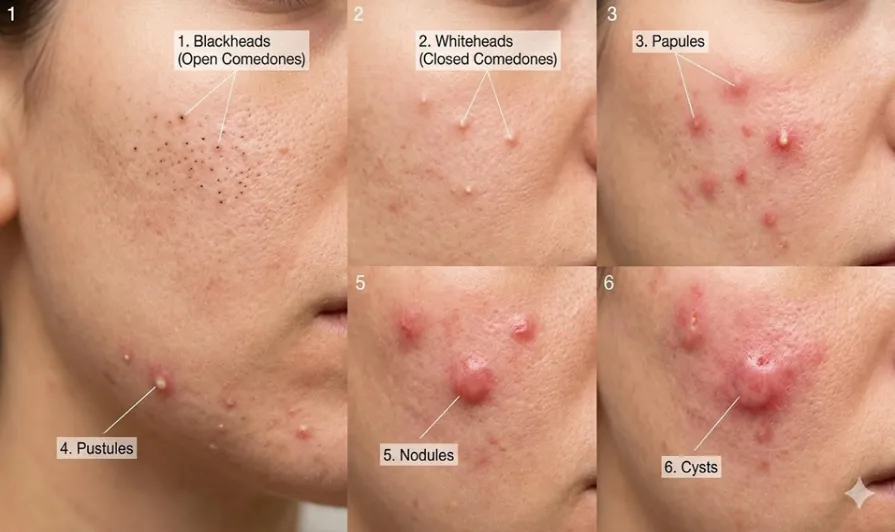
Fig no 1: Type of Acne
Medicinal Plants with Anti-Acne Activity
Medicinal plants are sources of natural bioactive compounds with potential dermatological applications. Their anti-acne properties may arise from antibacterial, anti-inflammatory, antioxidant, anti-biofilm, sebum-regulating, and skin-barrier-supporting activities.
Melaleuca alternifolia [Tea Tree]
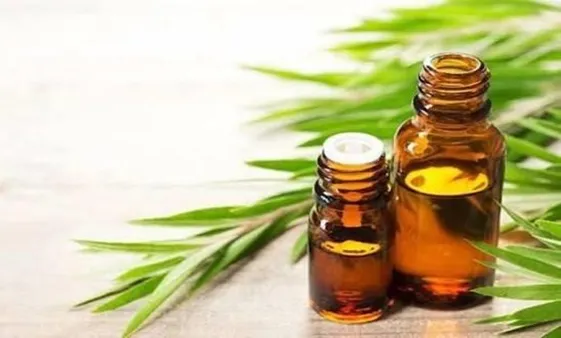
Fig no 2: Melaleuca alternifolia — Tea Tree
Melaleuca alternifolia is an evergreen shrub or small tree native to Australia. The plant possesses narrow, linear leaves containing numerous oil glands. Its leaves are the principal source of tea tree essential oil, which is obtained mainly by steam distillation.
The essential oil contains terpinen-4-ol, γ-terpinene, α-terpinene, α-terpinolene, α-terpineol and other monoterpenes. Terpinen-4-ol is considered one of the important constituents associated with the biological activity of tea tree oil.
Tea tree oil has been investigated for antimicrobial, anti-inflammatory and antioxidant properties. It has attracted particular interest in dermatological applications because of its activity against selected microorganisms and inflammatory processes.
The anti-acne potential of tea tree oil is mainly associated with antimicrobial and antiinflammatory actions. Its topical application has been investigated in acne formulations, particularly gels. However, concentration, formulation and oxidation state of the oil are important because concentrated or oxidized tea tree oil may cause skin irritation or sensitization.
Camellia sinensis [Green Tea]
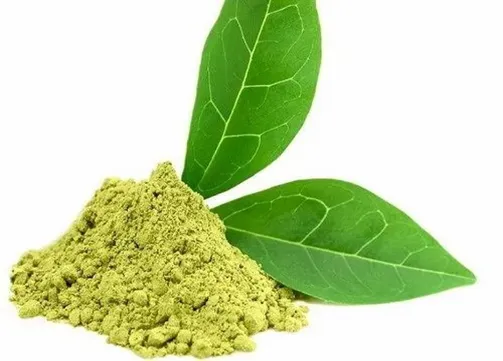
Fig no 3: Camellia sinensis [Green Tea]
Camellia sinensis is an evergreen shrub widely cultivated in tropical and subtropical regions. The leaves are processed differently to produce green, black and other types of tea. Green tea is prepared with minimal oxidation, helping preserve its catechin content.
The major constituents include epigallocatechin gallate (EGCG), epigallocatechin (EGC), epicatechin gallate (ECG), epicatechin (EC), caffeine and various phenolic compounds.
Green tea possesses antioxidant, anti-inflammatory and antimicrobial properties. Catechins have been extensively studied for their effects on oxidative stress and inflammatory signaling.
EGCG and other catechins may be relevant to acne because of their antioxidant and antiinflammatory effects. Green tea has also been investigated for potential effects on sebaceous gland activity and sebum production. Topical green-tea preparations
Curcuma longa [Turmeric]
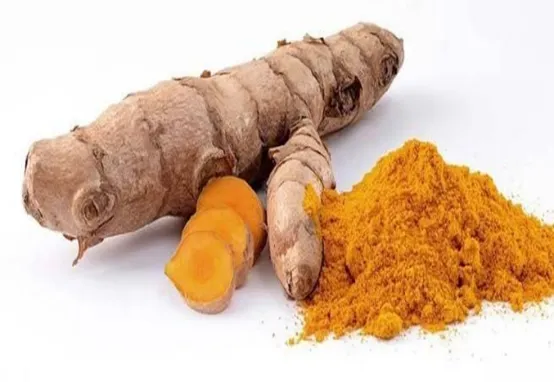
Fig no 4: Curcuma longa [Turmeric]
Curcuma longa is a perennial herbaceous plant with underground rhizomes. It is widely cultivated in India and other Asian countries. The dried rhizome is commonly used as a spice and medicinal material.
The major bioactive constituents are curcumin, demethoxycurcumin and bisdemethoxycurcumin. The rhizome also contains volatile oil components such as turmerones.
Turmeric and curcuminoids have been studied for antioxidant, anti-inflammatory and antimicrobial activities.
Curcumin may be useful in acne-related research because inflammation and oxidative stress are important components of acne pathogenesis. Curcumin has also been investigated for antimicrobial effects. Its poor aqueous solubility and limited stability are important formulation challenges.
Curcumin may be incorporated into creams, gels, nanoemulsions, liposomes, niosomes and other advanced topical delivery systems.
Azadirachta indica [ Neem]
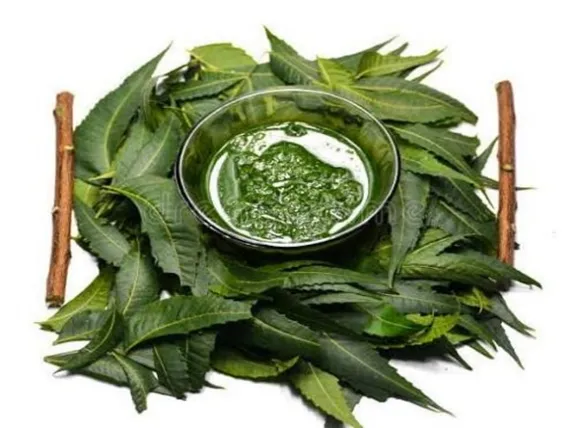
Fig no 5: Azadirachta indica [ Neem]
Azadirachta indica is a large evergreen tree widely distributed in India and other tropical regions. Neem has been traditionally used in various systems of medicine. Different plant parts contain different groups of bioactive compounds.
Important constituents include azadirachtin, nimbin, nimbolide, salannin, gedunin and flavonoids such as quercetin.
Neem has been investigated for antimicrobial, anti-inflammatory, antioxidant and other pharmacological properties.
Neem extracts may be relevant to acne because of their antimicrobial and anti-inflammatory properties. Topical neem preparations have been explored in herbal skin-care products, although standardized clinical evidence for acne treatment remains limited.
Neem extract can be incorporated into herbal gels, creams, face washes, lotions and other topical preparations.
Aloe vera
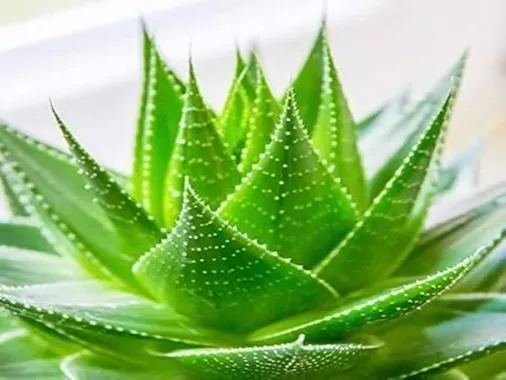
Fig no 6: Aloe vera
Aloe vera is a succulent perennial plant characterized by thick, fleshy leaves containing a clear inner gel and an outer latex layer. The gel is commonly used in cosmetic and dermatological preparations.
Aloe gel contains polysaccharides such as acemannan and glucomannan, together with amino acids, minerals, vitamins and other constituents. Anthraquinones such as aloin are primarily associated with the latex fraction rather than purified inner gel.
Aloe vera gel has been studied for moisturizing, soothing, antioxidant and wound-supporting properties.
Aloe vera may be particularly useful as a supportive ingredient in anti-acne formulations because it can provide hydration and improve skin comfort. Its role as a direct antibacterial anti-acne agent is less established than that of some other botanicals.
Aloe vera is suitable for gels, creams, lotions, moisturizers and combination herbal formulations.
Glycyrrhiza glabra [Licorice]
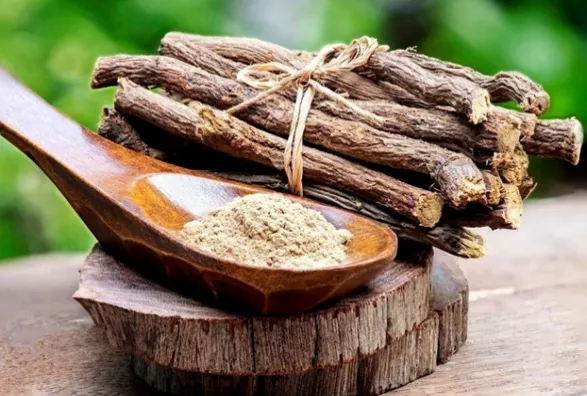
Fig no 7: Glycyrrhiza glabra [Licorice]
Glycyrrhiza glabra is a perennial herb native to parts of Europe and Asia. The roots and rhizomes are the principal medicinal materials.
Important constituents include glycyrrhizin, glycyrrhetinic acid, liquiritin, liquiritigenin, isoliquiritigenin and glabridin.
Licorice has been investigated for anti-inflammatory, antioxidant and antimicrobial properties.
Licorice constituents may help modulate inflammatory and oxidative processes relevant to acne. Some constituents have also been investigated for effects on skin pigmentation, making licorice potentially relevant to post-inflammatory pigmentation associated with acne.
Licorice extract can be incorporated into creams, gels, serums, lotions and other topical formulations.
Ocimum tenuiflorum [Holy Basil]
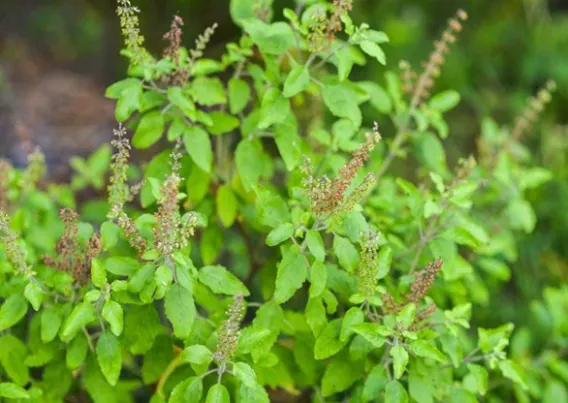
Fig no 8: Ocimum tenuiflorum [Holy Basil]
Ocimum tenuiflorum is an aromatic herb widely cultivated in India. The leaves contain essential oils and phenolic compounds responsible for several biological properties.
Eugenol, rosmarinic acid, ursolic acid, linalool and other volatile constituents may be present depending on plant variety and chemotype.
Tulsi has been investigated for antimicrobial, antioxidant and anti-inflammatory activities.
Its antimicrobial and anti-inflammatory properties provide a rationale for investigation in topical anti-acne preparations. However, standardized clinical evidence specifically for acne remains limited.
Extracts may be incorporated into herbal gels, creams, face washes and lotions.
Garcinia mangostana [Mangosteen]
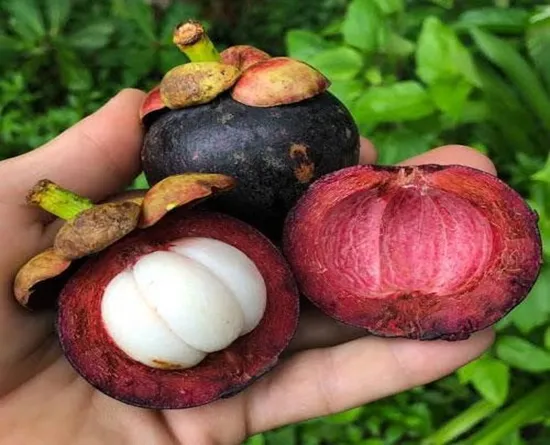
Fig no 9: Garcinia mangostana [Mangosteen]
Mangosteen is a tropical evergreen tree. Its purple fruit has a thick pericarp containing several xanthone-type compounds.
α-Mangostin, β-mangostin, γ-mangostin and other xanthones are important constituents of the pericarp.
Mangosteen-derived compounds have been investigated for antimicrobial, antioxidant and anti-inflammatory activities.
Xanthones, particularly α-mangostin, have attracted research interest because of antimicrobial and anti-inflammatory properties relevant to acne-associated mechanisms.
Extracts may be explored in topical gels, creams and other experimental dermatological formulations.
Phytochemistry Of Medicinal Plants Used in Anti-Acne Research
Polyphenols include flavonoids, phenolic acids, tannins and related compounds. Examples include EGCG, curcumin, rosmarinic acid, ellagic acid and quercetin.
Flavonoids include quercetin, kaempferol, catechin, rutin, liquiritin and myricetin. They may contribute to antioxidant, anti-inflammatory and antimicrobial effects.
Examples include terpinen-4-ol, α-pinene, 1,8-cineole, ar-turmerone and ursolic acid. Essential oils require attention to concentration, oxidation, skin penetration and sensitization.
Alkaloids are nitrogen-containing natural products with diverse pharmacological properties. Berberine is one example investigated for antibacterial and anti-inflammatory activity.
Tannins may contribute to astringent, antioxidant and antimicrobial properties. Excessive astringency may cause dryness or irritation.
Polysaccharides from plants such as Aloe vera may support moisturization, film formation and skin-barrier properties.
MECHANISMS OF ANTI-ACNE ACTION
Some plant extracts and phytochemicals inhibit microorganisms associated with acne. Laboratory activity is commonly evaluated using agar diffusion, broth dilution, MIC and MBC assays.
Botanical constituents such as curcumin, EGCG and selected flavonoids have been studied for effects on NF-κB, MAPKs and inflammatory cytokines.
Plant antioxidants may reduce reactive species or influence endogenous antioxidant systems. Common assays include DPPH, ABTS and FRAP.
Some plant compounds have been investigated for possible inhibition of 5α-reductase or modulation of sebocyte activity.
Some plant-derived substances have shown anti-biofilm activity in laboratory studies, although clinical relevance requires further study.
Certain botanical ingredients may support hydration and barrier maintenance and may be useful in supportive topical formulations.
Pharmaceutical and Therapeutic Applications
Possible evaluation parameters include appearance, homogeneity, pH, viscosity, spreadability, extrudability, marker-content uniformity, in-vitro release, microbial quality, irritation and stability.
Evaluation may include appearance, pH, emulsion stability, viscosity, globule size, spreadability, phase separation, microbial quality and stability.
Plant extracts may be incorporated into cleansing formulations for removal of surface oil and delivery of botanical constituents.
These may be developed for water-soluble or appropriately solubilized phytoconstituents, considering stability, compatibility and irritation.
Potential systems include liposomes, niosomes, solid lipid nanoparticles, nanostructured lipid carriers, nanoemulsions, phytosomes and hydrogel-based delivery systems.
Safety Considerations
Medicinal plants may cause adverse reactions depending on species, plant part, extract composition, concentration and route.
Essential oils and concentrated extracts may cause burning, dryness, redness or irritation.
Tea tree oil and other aromatic botanical ingredients may cause allergic reactions in susceptible individuals.
Variability in cultivation, harvesting, drying, extraction and storage can affect phytochemical content.
Plant materials may contain microbial contamination, pesticides, heavy metals or adulterants.
Systemic exposure, pregnancy, lactation, allergy history and concurrent medicines should be considered.
Products intended for acne treatment should undergo appropriate safety and tolerability assessment.
FUTURE PERSPECTIVES
CONCLUSION
Medicinal plants represent a valuable source of phytochemicals with potential anti-acne properties. Constituents such as catechins, curcuminoids, flavonoids, terpenoids, tannins and essential oils have been investigated for antibacterial, anti-inflammatory, antioxidant, anti-biofilm and sebum-related activities. Plants including tea tree, green tea, turmeric, neem, aloe vera and licorice have attracted attention in topical dermatological research. However, biological activity of an extract does not guarantee clinical effectiveness. Variability in phytochemical composition, extraction methods, formulation characteristics and clinical study quality remains a major challenge. Future research should emphasize standardization, validated analytical methods, pharmaceutical formulation development and well-designed clinical trials.
REFERENCES

Shweta Harde*, Payal Ubale, Medicinal Plants with Anti-Acne Activity: Phytochemistry, Mechanism and Therapeutic Potential, Int. J. Med. Pharm. Sci., 2026, 2 (9), 593-601. https://doi.org/10.5281/zenodo.23000125
 10.5281/zenodo.23000125