View Article

  • Development and Evaluation of Neem and Aloevera Herbal Face Wash

  • 1Department of Pharmaceutical Quality Assurance, Assistant Professor, Dr. Babasaheb Ambedkar Technological University, Asian institute of Pharmacy, Sr. No. 326/2, Dattatray Valse Patil Vidyanagari, G. D. Sawant Marg, Pathardi Phata, Nashik-010 2
    2Department of Pharmacognosy, Assistant Professor, Dr. Babasaheb Ambedkar Technological University, Asian institute of Pharmacy, Sr. No. 326/2, Dattatray Valse Patil Vidyanagari, G. D. Sawant Marg, Pathardi Phata, Nashik-010
     

Abstract

The Neem and Aloe Vera Herbal Face Wash is a natural skincare formulation designed to cleanse, nourish, and protect the skin. Neem provides antibacterial, antifungal, and anti-inflammatory benefits that help reduce acne and skin infections, while aloe vera moisturizes, soothes irritation, and promotes healthy skin. This study involved the preparation and evaluation of the herbal face wash based on parameters such as pH, texture, spreadability, foamability, stability, and skin compatibility. The results showed that the formulation effectively cleanses the skin while maintaining its natural moisture balance without causing irritation. The study demonstrates that neem and aloe vera can be used to develop a safe, effective, and economical herbal face wash as an alternative to synthetic skincare products.

Keywords

Neem, Aloevera, Herbal Face Wash, Herbal Cosmetics, Skin Care, Anti-acne, Natural Ingredients, Antibacterial Activity, Moisturizing Agent, Herbal Formulation

Introduction

× Popup Image

Natural products are widely used in pharmaceuticals and cosmetics because they contain bioactive compounds such as alkaloids, flavonoids, tannins, and essential oils that exhibit antibacterial, antifungal, anti-inflammatory, and antioxidant properties. Herbal skincare products have gained popularity due to their safety, effectiveness, and compatibility with the skin. The present study focuses on the formulation of a Neem and Aloe Vera Herbal Face Wash using natural ingredients like neem, aloe vera, reetha, glycerin, rose water, and essential oils. Neem provides antibacterial and anti-acne effects, while aloe vera offers moisturizing, soothing, and healing benefits. Reetha acts as a natural cleansing and foaming agent, whereas glycerin helps maintain skin hydration. Human skin is constantly exposed to pollution, microbes, and environmental stress, leading to problems such as acne, dryness, and irritation. The Neem and Aloe Vera Herbal Face Wash is formulated to cleanse, nourish, moisturize, and protect the skin naturally. The combination of herbal ingredients makes it an effective and safe skincare product suitable for regular use.

  1. Introduction of Skin:

The skin is the largest organ of the human body and acts as a protective barrier against harmful environmental factors, microorganisms, and physical injuries. It helps regulate body temperature, prevents water loss, supports sensory functions, and aids in vitamin D synthesis. Thus, the skin plays an essential role in maintaining overall health and body balance.

  1. Human Skin:

The skin is the body’s largest organ, covering nearly 20 square feet in an average adult. It acts as a natural shield that protects the body from harmful microorganisms, environmental pollutants, chemicals, and physical injuries. In addition to protection, the skin plays an important role in regulating body temperature, preventing excessive water loss, and enabling sensations such as touch, pressure, heat, and cold.

Skin Anatomy

Fig 1: Skin Anatomy

  • Skin has three layers:
  • Epidermis

The epidermis is the outermost protective layer of the skin. It forms a waterproof barrier and contributes to skin colour through the presence of specialized cells called melanocytes, which produce the pigment melanin.

  • Dermis

Located beneath the epidermis, the dermis contains connective tissues, blood vessels, hair follicles, sweat glands, and nerve endings. This layer provides strength, elasticity, and nourishment to the skin.

  • Hypodermis (Subcutaneous Tissue)

The deepest layer, also known as subcutaneous tissue, is mainly composed of fat and connective tissue. It acts as an insulating layer, stores energy, and cushions internal organs from injury.

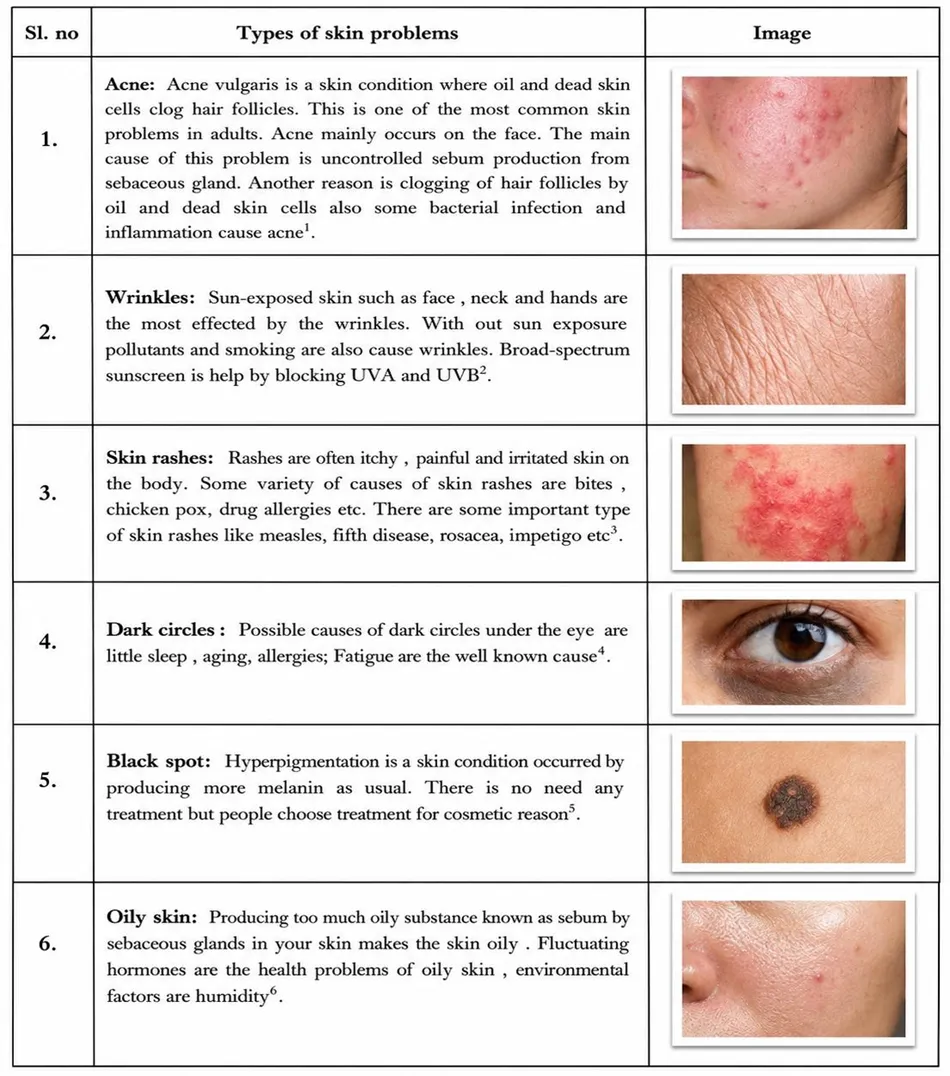
Types of Skin Problems

Table 1: Types of Skin Problems
SKIN CARE PREPARATION FOR FACE

Various cosmetic and skincare products are used to maintain healthy and attractive skin. Common facial skin care preparations include:

  • Face packs and facial masks
  • Cleansing creams and lotions
  • Rouges and blush products
  • Face washes and cleansers
  • Compact powders

These products help cleanse, nourish, hydrate, and protect facial skin while improving appearance and texture.

Acne and Skin Disorders

Acne is a common chronic inflammatory condition affecting the pilosebaceous units of the skin. It occurs more frequently and often earlier in females due to hormonal changes associated with puberty. The severity of acne may vary depending on age, hormones, genetics, diet, and environmental factors.

Typical acne lesions include:

  • Comedones
  • Inflammatory papules
  • Pustules
  • Nodules

Comedones are non-inflammatory lesions and are classified into two types:

  1. Whiteheads (Closed Comedones)

Whiteheads appear as small, raised white or flesh-coloured bumps formed when pores become blocked beneath the skin surface.

  1. Blackheads (Open Comedones)

Blackheads occur when clogged pores remain open, causing the accumulated sebum, dead skin cells, and melanin to oxidize and turn dark in colour. Proper skin care and hygiene are important in preventing acne and maintaining healthy skin.

Advantage & Forms of Face Wash

  • Advantages of Face Wash
  1. Removes Dead Skin Cells

Face wash helps eliminate dirt, impurities, and dead skin cells from the surface of the skin. This promotes the growth of new and healthy skin cells, resulting in smoother and rejuvenated skin.

  1. Maintains Fresh and Healthy Skin

Regular cleansing keeps the skin clean, refreshed, and free from excess oil and pollutants. It helps maintain proper skin hygiene and supports overall skin health.

  1. Enhances Skin Radiance

By removing accumulated dust, sweat, and dull skin layers, face wash improves the natural glow and brightness of the skin, making it appear more radiant and attractive.

  1. Prevents Acne and Clogged Pores

Excess oil, dirt, and dead skin cells can block pores, leading to acne, pimples, whiteheads, and blackheads. Proper cleansing and gentle exfoliation help unclog pores and reduce the occurrence of these skin problems.

  1. Delays Signs of Ageing

Removing dead skin cells regularly supports healthy skin renewal and improves blood circulation. This can help reduce dullness and slow down the formation of fine lines and wrinkles, keeping the skin youthful for a longer time.

  1. Controls Excess Oil Production

Face wash helps balance oil secretion on the skin surface, especially for oily and acne-prone skin, reducing greasiness and shine.

  1. Improves Absorption of Skincare Products

Clean skin absorbs moisturizers, serums, and other skincare products more effectively, enhancing their benefits and improving skin texture.

  • Forms of Face Wash

Face washes are available in different formulations to suit various skin types and skincare needs. Each form offers unique benefits depending on the texture, ingredients, and cleansing properties.

  1. Cream-Based Face Wash

Cream-based face washes have a rich and moisturizing texture that gently cleanses the skin without stripping away its natural oils. They are especially suitable for dry and sensitive skin because they help maintain hydration, softness, and smoothness after cleansing.

  1. Gel-Based Face Wash

Gel-based face washes are lightweight and refreshing formulations designed to deeply cleanse the skin and remove excess oil, dirt, and impurities. They are ideal for oily and acne-prone skin as they help control sebum production and provide a cooling effect.

  1. Liquid-Based Face Wash

Liquid face washes are easy-to-use cleansing solutions that effectively remove dust, sweat, makeup, and environmental pollutants from the skin. They are suitable for normal to combination skin and often provide quick cleansing with a fresh and clean feeling.

  1. Powder Form Face Wash

Powder face washes are dry formulations that become active when mixed with water. They usually contain natural ingredients and mild exfoliating agents that help remove dead skin cells, unclog pores, and brighten the skin. These are convenient for travel and are suitable for gentle exfoliation. Different forms of face wash are selected according to individual skin type, skin sensitivity, and personal skincare preferences to achieve healthy, clean, and glowing skin.

Ingredients In Herbal Face Wash

Here is a list of all the ingredients.
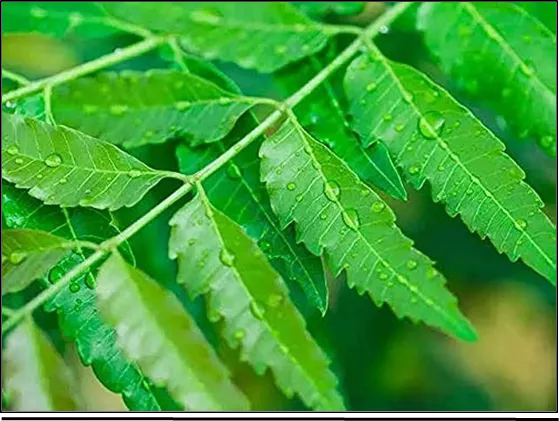
  1. Neem leaves
  2. Katira Gond / Tragacanth Gum
  3. Reetha (Soap nuts)
  4. Glycerin
  5. Aloe Vera Gel (plant-based or ready-made gel available in the market) Almond Oil, Vitamin E capsules, or any essential oil (depending on the skin problems you want to combat)
  6. Rose Water
  7. Neem Leaves:

Fig 2: Neem Leaves

Botanical name- Azadiracta indica.

Part typically used- Leave.

Color- Green.

Constituents- flavonoids, Alkaloids, Azadirone, nimbin, nimbidin, terpenoid, steroids.

  1. Aloe Vera: -

Fig 3: Aloe Vera

Common name- Aloe Vera.

Biological name- Aloe barbadensis Miller.

Chemical constituents- vitamin, enzyme, minerals, sugars, lignin, saponin, salicylic acid and amino acid.

Part typically used- leaves

Color- Green.
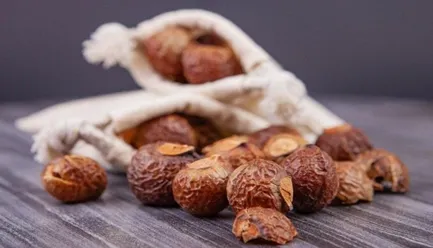
  1. Reetha (soap nuts)

Fig 4: Reetha

Common name- Reetha

Biological name- Sapindus mukorossi

Chemical constituents- saponin, glycosides, cyanogenetic and cyclitols.

Typically used- nuts

Color- Brown.
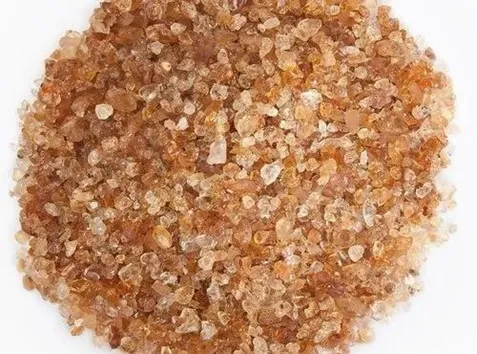
  1. Tragacanth Gum

Fig 5: Tragacanth Gum

Common name- Gond Katira

Biological name- Astragalus gummifer

Chemical constituents- d- glactose, d-galaturonic acid,d-xylose.

Typically used- Crystals

Color- white Brown
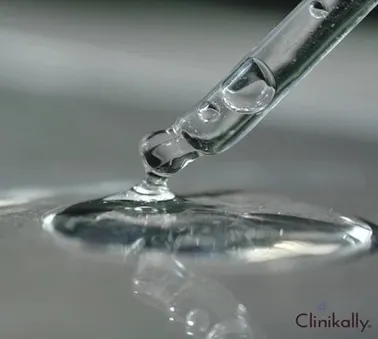
  1. Glycerin

Fig 6: Glycerin

Common name- Glycerin

Chemical name- Trihydric alcohol typically

used- Gel

Color- colorless

Ingredients

Table 2: List of Natural Ingredients

Material required

Quantity to be weighed

1.Neem Extract

20 ml

2. Aloevera Extract

70 ml

3. Reetha Extract

1.5 ml

  • Other Ingredients

Table 1: List of Other Ingredients

Tragacanth

1 gm

Essential oil

Q.s

Glycerin

Q.s

Sodium Benzoate

Q.s

  • Apparatus required:

Table 1: List of Apparatus required

Sr.no

Apparatus

1.

Beaker

2.

Mortal pestle

3.

Glass Rod

4.

Measuring cylinder

5.

Filter paper

6.

Petridish

7.

Tripod Stand

8.

Conical Flask

9.

Test tube

Use of Ingredients:

Neem: -

  1. Treats Acne. Neem has an anti-inflammatory property which helps reduces acne.
  2. Nourishes Skin.
  3. Treats Fungal Infections.
  4. Useful in Detoxification.
  5. Increases Immunity.
  6. Insect & Mosquito Repellent.
  7. Prevents Gastrointestinal Diseases.
  8. Treats Wounds

Aloevera: -

  1. It contains healthful plant compounds.
  2. It has antioxidant and antibacterial properties.
  3. It accelerates wound healing.
  4. It reduces dental plaque.
  5. It helps treat canker sores.
  6. It reduces constipation.
  7. It may improve skin and prevent wrinkles.
  8. It lowers blood sugar levels

Reetha:-

  1. Its antimicrobial and cleansing attributes make it suitable for treating acne,
  2. Removing dead skin cells.
  3. Can be used as a mild and natural facial cleanser.
  4. It helps remove dirt, excess oil, and impurities from the skin.

Glycerin: -

  1. Glycerine is found in many moisturizing skin care products and soaps.
  2. Glycerine is well-loved as a lotion and soap ingredient because it’s a humectant.

Tragacanth: -

  1. Tragacanth is very beneficial for skin and enhancing your beauty.
  2. Tragacanth contains anti -aging properties.
  3. It helps to delay wrinkles and fine lines.
  4. The useful effects of topical application of gum tragacanth in acceleration of skin wound contraction and healing

Essential Oil: -

  1. The penetrative properties of essential oils make them excellent moisturisers and cleansers for skin care.
  2. Essential oils also stimulate blood circulation and help in cell regeneration.

Formulation of Herbal Face Wash

  • Extraction of Ingredients:


  1. Extraction of Neem:

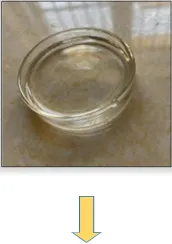
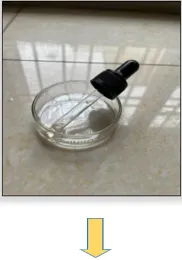
Fig 7: Extraction of Neem

Process: The extract is made by:
  1. Take the neem leaves and wash them thoroughly. If required, you may clean it twice or thrice. On cleaning the leaves, segregate them from their stem.
  2. If you have purchased dry neem leaves from a local grocery store, boil and strain the leaves before using them.
  3. Create a paste using the Neem Leaves. Add the paste into the soap-liquid solution
  4. Transfer the leaves into a mixer-grinder.
  5. Use a strainer to pour the paste into the soap-water container and mix it.
  6. To get the most out of this paste, you can take a spoon and press it on the filter properly – as it will ensure less wastage of the product.
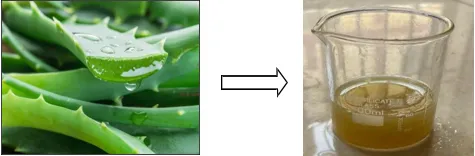
  7. Extraction of Aloevera:

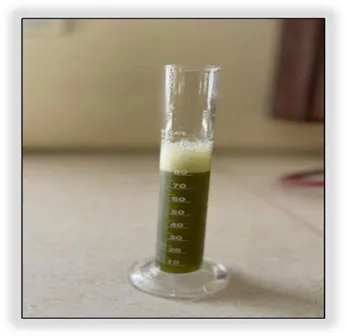
Fig 8: Extraction of Aloevera

Process: The extract is made by:
  1. With your leaf laying flat on a cutting board.
  2. Carefully slice away the skin of the aloe vera leaf.
  3. This will be the thin, outer green layer you see.
  4. Run your knife between it and the thick, clear gel at the center, and repeat this process for the remaining top layer by flipping it to the bottom.
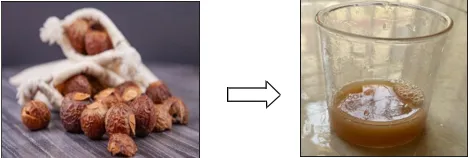
  5. Extraction of Reetha:

Fig 9: Extraction of Reetha

Process: The extract is made by:

  1. Add 1.5 litres (6 cups) of water into a beaker.
  2. Add in Soap Nuts.
  3. Turn to high heat and bring it to a boil.
  4. Once the water is boiling, turn down to low heat and let it simmer for another 30mins.
  5. Remove from the heat and allow the liquid to cool. You will get about 1 litre (3-4 cups) of Soap Nut Liquid.
  6. Strain away the Soap Nuts and store Soap Nut Liquid in a bottle for use. It can keep up to a week.
  7. Soap Nuts can be added to your compost.

Preparation

Process: Process are taken in following ways
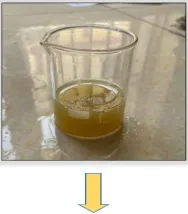
  1. Take 70 ml of Aloevera gel in a beaker.
  1. Add 20 ml of Neem extract and mix well (2 - 3 min).
  1. Add Reetha extract [1.5 ml] in solution and mix well.
  1. After that heat the solution at least [5 - 6 min] and mix well.
  1. While heating the solution, add Tragacanth solution in it and mix well.
  1. After that we cool the solution and add glycerin (5 g) and mix well.
  1. After that add Essential oil in the solution and mix well.
  1. Final Product Herbal Neem and Aloevera Face Wash is ready.

Description:

  1. Neem: For antibacterisl property.
  2. Aloevera: for moisturizing the skin.
  3. Essential oil: For Flavouring
  4. Glycerin: For smoothing
  5. Tragacanth: For Viscosity
  6. Reetha: For foaming

CONCLUSION

The Neem and Aloevera Herbal Face Wash emerges as an effective and promising herbal skincare formulation that combines the therapeutic benefits of natural ingredients for maintaining healthy and refreshed skin. Throughout the study, it was observed that the formulation successfully integrates the medicinal properties of neem, aloevera, reetha, glycerin, and essential oils to provide cleansing, moisturizing, soothing, and protective effects on the skin. The use of herbal ingredients makes the formulation gentle and suitable for regular skincare applications. Neem, often regarded as a powerful medicinal herb, plays a vital role in the formulation because of its antibacterial, antifungal, anti-inflammatory, and anti-acne properties. It effectively helps in reducing acne, pimples, excess oil, and microbial growth on the skin surface. Neem also contributes to deep cleansing of pores and promotes a clearer and healthier complexion. Its natural healing properties make it highly beneficial for oily and acne-prone skin conditions. Aloevera complements the action of neem with its excellent moisturizing, cooling, and skin-rejuvenating properties. Rich in vitamins, minerals, enzymes, and antioxidants, aloevera helps maintain skin hydration, reduces irritation and redness, and improves skin smoothness and elasticity. The soothing effect of aloevera also protects the skin from dryness and environmental damage, making the formulation suitable even for sensitive skin types. The combination of neem and aloevera in the herbal face wash provides a synergistic effect that not only cleanses the skin effectively but also nourishes and protects it naturally. Reetha acts as a natural foaming and cleansing agent, while glycerin retains moisture and prevents skin dryness. The formulation was found to possess good consistency, spreadability, cleansing action, and skin compatibility, making it appropriate for daily use. Furthermore, the herbal face wash formulation offers several advantages over synthetic chemical-based skincare products. The absence of harmful chemicals, artificial additives, parabens, and sulfates reduces the chances of side effects and skin irritation. Herbal skincare preparations are increasingly preferred by consumers because of their safety, eco-friendliness, and therapeutic value. The prepared formulation represents a natural and economical alternative for maintaining healthy and glowing skin. In conclusion, the Neem and Aloevera Herbal Face Wash demonstrates significant potential as a safe, effective, and herbal skincare product. The study highlights the growing importance of herbal cosmetics in modern skincare and supports the use of natural ingredients in cosmetic formulations.

FUTURE SCOPE

The future scope of the Neem and Aloe Vera Herbal Face Wash is promising due to the increasing demand for herbal and natural skincare products. Further research can be carried out to enhance the formulation by incorporating additional herbal ingredients such as turmeric, tulsi, tea tree oil, sandalwood, and cucumber extracts to improve its anti-acne, anti-aging, and skin-brightening properties. Advanced studies can also be conducted to evaluate long-term stability, microbial safety, and dermatological effectiveness on different skin types. Commercial-scale production and development of preservative-free formulations may increase consumer acceptance. Furthermore, the product can be modified into different forms such as herbal face gel, scrub, foam cleanser, and medicated anti-acne face wash to meet diverse skincare needs.

SIGNIFICANCE OF THE PROJECT

The Neem and Aloe Vera Herbal Face Wash project is significant because it promotes the use of natural and herbal ingredients in skincare formulations. Neem provides antibacterial, antifungal, and anti-inflammatory properties that help prevent acne and skin infections, while aloe vera offers moisturizing, soothing, and healing effects. The formulation provides effective cleansing without disturbing the natural moisture balance of the skin. Compared to synthetic face washes, the herbal face wash is safer, economical, environmentally friendly, and less likely to cause skin irritation or adverse effects. This project also highlights the growing importance of herbal cosmetics and supports the development of effective natural alternatives for daily skincare and maintenance of healthy skin.

REFERENCES

  1. Agarwal N, Jindal A. Herbal components as an advantageous remedy for pimple and acne in face wash: A systematic review. Curr Res Pharm Sci. 2023;13(2):1–20. doi:10.24092/CRPS.2023.130201.
  2. Yadav S, Gupta M. Formulation and evaluation of anti-acne herbal face wash gel. J Drug Deliv Ther. 2019;9(4):523–525. doi:10.22270/jddt. v9i4.3042.
  3. Koli DS, Mane AN, Kumbhar VB, Shaha KS. Formulation and evaluation of herbal anti-acne face wash. World J Pharm Pharm Sci. 2016;5(6):2001–2010.
  4. Sehgal A, Banyal M, Gupta J, Joshi S. Formulation and evaluation of anti-acne herbal face wash. Int J Pharm Sci Rev Res. 2020;61(1):45–50.
  5. Londhe SS, Joshi AA. Formulation and evaluation of skin whitening herbal face wash. Asian J Pharm Technol. 2020;10(4):245–249. doi:10.5958/2231-5713.2020.00042.5.
  6. Pagar RY, Chavan MD, Mahajan GS, Thakare PM, Amrute NH, Yawar AM. A review on herbal plants used in anti-acne face wash. Lat Am J Pharm. 2023;42(3):820–832.
  7. Sarjerao KG, Hingne LD, Akhare TP. Formulation and evaluation of herbal face wash by using natural ingredients. Int J Adv Pharm Biol Chem. 2021;10(2):120–126.
  8. Singh A, Singh MC, Shukla TP. Formulation and development of anti-acne herbal face wash gel. Int J Pharm Sci Res. 2020;11(5):2150–2158.
  9. Yadav N, Maurya S, Yadav P, Yadav MK. A review on formulation and development of face wash. J Emerg Technol Innov Res. 2021;8(6):410–417.
  10. Bhowmik D, Chiranjib KP, Chandira RM. Herbal remedies of Azadirachta indica and its medicinal application. J Chem Pharm Res. 2010;2(1):62–72.
  11. Subapriya R, Nagini S. Medicinal properties of neem leaves: A review. Curr Med     Chem Anticancer           Agents. 2005;5(2):149–156. doi:10.2174/1568011053174828.
  12. Surjushe A, Vasani R, Saple DG. Aloe vera: A short review. Indian J Dermatol. 2008;53(4):163–166. doi:10.4103/0019-5154.44785.
  13. Hamman JH. Composition and applications of Aloe vera leaf gel. Molecules. 2008;13(8):1599–1616. doi:10.3390/molecules13081599.
  14. Choi S, Chung MH. A review on the relationship between Aloe vera components and their biologic effects. Semin Integr Med. 2003;1(1):53–62. doi:10.1016/S1543-1150(03)00005-X.
  15. Kaur GJ, Arora DS. Antibacterial and phytochemical screening of Anethum graveolens, Foeniculum vulgare and Trachyspermum ammi. BMC Complement Altern Med. 2009; 9:30. doi:10.1186/1472-6882-9-30.
  16. Biswas K, Chattopadhyay I, Banerjee RK, Bandyopadhyay U. Biological activities and medicinal properties of neem. Curr Sci. 2002;82(11):1336–1345.
  17. Pandey G, Verma KK, Singh M. Evaluation of phytochemical, antibacterial and free radical scavenging properties of Aloe vera. Int J Pharm Sci Rev Res. 2012;13(1):46–50.
  18. Sharma PP. Cosmetics: Formulation, Manufacturing and Quality Control. 5th ed. New Delhi: Vandana Publications; 2014.
  19. Kokate CK, Purohit AP, Gokhale SB. Pharmacognosy. 56th ed. Pune: Nirali Prakashan; 2019.
  20. Indian Pharmacopoeia Commission. Indian Pharmacopoeia. Vol 2. Ghaziabad: IPC; 2022.
  21. Trease GE, Evans WC. Pharmacognosy. 16th ed. London: Saunders Elsevier; 2009.
  22. Mukherjee PK. Quality Control of Herbal Drugs. 2nd ed. New Delhi: Business Horizons; 2007.
  23. Ali SM, Yosipovitch G. Skin pH: From basic science to basic skin care. Acta Derm Venereol. 2013;93(3):261–267. doi:10.2340/00015555-1531.
  24. Benson HAE. Skin structure, function, and permeability. Topical and Transdermal Drug Delivery. 2012; 1:1–22. doi: 10.1002/9781118140505.ch1.
  25. Kapoor VP. Herbal cosmetics for skin and hair care. Nat Prod Radiance. 2005;4(4):306–314.
  26. Arora P, Nanda A, Karan M, Shukla V. Herbal cosmetics: A review. Int J Pharm Sci Rev Res. 2019;59(1):112–118.
  27. Jain NK. A textbook of pharmaceutics. 8th ed. New Delhi: CBS Publishers; 2021.
  28. Wilkinson JB, Moore RJ. Harry’s Cosmeticology. 8th ed. London: Longman Scientific; 1982.
  29. Barel AO, Paye M, Maibach HI. Handbook of Cosmetic Science and Technology. 4th ed. Boca Raton: CRC Press; 2014.
  30. Dwivedi S, Dwivedi A, Patel P. Herbal cosmetics and cosmeceuticals: An overview. J Pharmacogn Phytochem. 2020;9(4):1234–1240.
  31. Vyas SP, Khar RK. Controlled Drug Delivery: Concepts and Advances. 2nd ed. New Delhi: Vallabh Prakashan; 2012.
  32. Patel RP, Trivedi BM. Formulation and evaluation of herbal gel for skin disorders. Int J Pharm Life Sci. 2011;2(11):1254–1258.
  33. Chaudhary G, Goyal S, Poonia P. Lawsonia inermis Linnaeus: A phytopharmacological review. Int J Pharm Sci Drug Res. 2010;2(2):91–98.
  34. Draelos ZD. Cosmetics and Dermatologic Problems and Solutions. 3rd ed. Boca Raton: CRC Press; 2011.
  35. Eccleston GM. Functions of mixed emulsifiers and emulsifying waxes in dermatological lotions and creams. Colloids Surf A Physicochem Eng Asp. 1997;123–124:169–182. doi:10.1016/S0927-7757(96)03833-1.
  36. Mishra AP, Saklani S, Saleem M. Formulation and evaluation of herbal cosmetic preparations. Int J Pharm Sci Rev Res. 2018;48(2):157–163.
  37. Kumar S, Kumar V, Prakash O. Enzymes of Aloe vera in dermatological applications. Int J Biol Med Res. 2011;2(3):792–796.
  38. Ghimeray AK, Jin C, Ghimire BK, Cho DH. Antioxidant activity and quantitative estimation of azadirachtin and nimbin in Azadirachta indica. Afr J Biotechnol. 2009;8(13):3084–3091.
  39. Khandelwal KR. Practical Pharmacognosy: Techniques and Experiments. 23rd ed. Pune: Nirali Prakashan; 2015.
  40. Bedi MK, Shenefelt PD. Herbal therapy in dermatology. Arch Dermatol. 2002;138(2):232–242. doi:10.1001/archderm.138.2.232.
  41. Gediya SK, Mistry RB, Patel UK, Blessy M, Jain HN. Herbal plants: Used as cosmetics. J Nat Prod Plant Resour. 2011;1(1):24–32.
  42. Kumar D, Kumar S, Singh J, Narender, Rashmi. Free radical scavenging and analgesic activities of Aloe vera. Pharmacologyonline. 2010; 3:651–658.
  43. Patel DK, Patel K, Dhanabal SP. Phytochemical standardization of Aloe vera extract. Int J Pharm Sci Drug Res. 2012;4(1):47–50.
  44. Verma S, Singh SP. Current and future status of herbal medicines. Vet World. 2008;1(11):347–350. doi:10.5455/vetworld.2008.347-350.
  45. Thakur L, Ghodasra U, Patel N, Dabhi M. Novel approaches for stability improvement in natural medicines. Pharmacogn Rev. 2011;5(9):48–54. doi:10.4103/0973-7847.79102.

Reference

  1. Agarwal N, Jindal A. Herbal components as an advantageous remedy for pimple and acne in face wash: A systematic review. Curr Res Pharm Sci. 2023;13(2):1–20. doi:10.24092/CRPS.2023.130201.
  2. Yadav S, Gupta M. Formulation and evaluation of anti-acne herbal face wash gel. J Drug Deliv Ther. 2019;9(4):523–525. doi:10.22270/jddt. v9i4.3042.
  3. Koli DS, Mane AN, Kumbhar VB, Shaha KS. Formulation and evaluation of herbal anti-acne face wash. World J Pharm Pharm Sci. 2016;5(6):2001–2010.
  4. Sehgal A, Banyal M, Gupta J, Joshi S. Formulation and evaluation of anti-acne herbal face wash. Int J Pharm Sci Rev Res. 2020;61(1):45–50.
  5. Londhe SS, Joshi AA. Formulation and evaluation of skin whitening herbal face wash. Asian J Pharm Technol. 2020;10(4):245–249. doi:10.5958/2231-5713.2020.00042.5.
  6. Pagar RY, Chavan MD, Mahajan GS, Thakare PM, Amrute NH, Yawar AM. A review on herbal plants used in anti-acne face wash. Lat Am J Pharm. 2023;42(3):820–832.
  7. Sarjerao KG, Hingne LD, Akhare TP. Formulation and evaluation of herbal face wash by using natural ingredients. Int J Adv Pharm Biol Chem. 2021;10(2):120–126.
  8. Singh A, Singh MC, Shukla TP. Formulation and development of anti-acne herbal face wash gel. Int J Pharm Sci Res. 2020;11(5):2150–2158.
  9. Yadav N, Maurya S, Yadav P, Yadav MK. A review on formulation and development of face wash. J Emerg Technol Innov Res. 2021;8(6):410–417.
  10. Bhowmik D, Chiranjib KP, Chandira RM. Herbal remedies of Azadirachta indica and its medicinal application. J Chem Pharm Res. 2010;2(1):62–72.
  11. Subapriya R, Nagini S. Medicinal properties of neem leaves: A review. Curr Med     Chem Anticancer           Agents. 2005;5(2):149–156. doi:10.2174/1568011053174828.
  12. Surjushe A, Vasani R, Saple DG. Aloe vera: A short review. Indian J Dermatol. 2008;53(4):163–166. doi:10.4103/0019-5154.44785.
  13. Hamman JH. Composition and applications of Aloe vera leaf gel. Molecules. 2008;13(8):1599–1616. doi:10.3390/molecules13081599.
  14. Choi S, Chung MH. A review on the relationship between Aloe vera components and their biologic effects. Semin Integr Med. 2003;1(1):53–62. doi:10.1016/S1543-1150(03)00005-X.
  15. Kaur GJ, Arora DS. Antibacterial and phytochemical screening of Anethum graveolens, Foeniculum vulgare and Trachyspermum ammi. BMC Complement Altern Med. 2009; 9:30. doi:10.1186/1472-6882-9-30.
  16. Biswas K, Chattopadhyay I, Banerjee RK, Bandyopadhyay U. Biological activities and medicinal properties of neem. Curr Sci. 2002;82(11):1336–1345.
  17. Pandey G, Verma KK, Singh M. Evaluation of phytochemical, antibacterial and free radical scavenging properties of Aloe vera. Int J Pharm Sci Rev Res. 2012;13(1):46–50.
  18. Sharma PP. Cosmetics: Formulation, Manufacturing and Quality Control. 5th ed. New Delhi: Vandana Publications; 2014.
  19. Kokate CK, Purohit AP, Gokhale SB. Pharmacognosy. 56th ed. Pune: Nirali Prakashan; 2019.
  20. Indian Pharmacopoeia Commission. Indian Pharmacopoeia. Vol 2. Ghaziabad: IPC; 2022.
  21. Trease GE, Evans WC. Pharmacognosy. 16th ed. London: Saunders Elsevier; 2009.
  22. Mukherjee PK. Quality Control of Herbal Drugs. 2nd ed. New Delhi: Business Horizons; 2007.
  23. Ali SM, Yosipovitch G. Skin pH: From basic science to basic skin care. Acta Derm Venereol. 2013;93(3):261–267. doi:10.2340/00015555-1531.
  24. Benson HAE. Skin structure, function, and permeability. Topical and Transdermal Drug Delivery. 2012; 1:1–22. doi: 10.1002/9781118140505.ch1.
  25. Kapoor VP. Herbal cosmetics for skin and hair care. Nat Prod Radiance. 2005;4(4):306–314.
  26. Arora P, Nanda A, Karan M, Shukla V. Herbal cosmetics: A review. Int J Pharm Sci Rev Res. 2019;59(1):112–118.
  27. Jain NK. A textbook of pharmaceutics. 8th ed. New Delhi: CBS Publishers; 2021.
  28. Wilkinson JB, Moore RJ. Harry’s Cosmeticology. 8th ed. London: Longman Scientific; 1982.
  29. Barel AO, Paye M, Maibach HI. Handbook of Cosmetic Science and Technology. 4th ed. Boca Raton: CRC Press; 2014.
  30. Dwivedi S, Dwivedi A, Patel P. Herbal cosmetics and cosmeceuticals: An overview. J Pharmacogn Phytochem. 2020;9(4):1234–1240.
  31. Vyas SP, Khar RK. Controlled Drug Delivery: Concepts and Advances. 2nd ed. New Delhi: Vallabh Prakashan; 2012.
  32. Patel RP, Trivedi BM. Formulation and evaluation of herbal gel for skin disorders. Int J Pharm Life Sci. 2011;2(11):1254–1258.
  33. Chaudhary G, Goyal S, Poonia P. Lawsonia inermis Linnaeus: A phytopharmacological review. Int J Pharm Sci Drug Res. 2010;2(2):91–98.
  34. Draelos ZD. Cosmetics and Dermatologic Problems and Solutions. 3rd ed. Boca Raton: CRC Press; 2011.
  35. Eccleston GM. Functions of mixed emulsifiers and emulsifying waxes in dermatological lotions and creams. Colloids Surf A Physicochem Eng Asp. 1997;123–124:169–182. doi:10.1016/S0927-7757(96)03833-1.
  36. Mishra AP, Saklani S, Saleem M. Formulation and evaluation of herbal cosmetic preparations. Int J Pharm Sci Rev Res. 2018;48(2):157–163.
  37. Kumar S, Kumar V, Prakash O. Enzymes of Aloe vera in dermatological applications. Int J Biol Med Res. 2011;2(3):792–796.
  38. Ghimeray AK, Jin C, Ghimire BK, Cho DH. Antioxidant activity and quantitative estimation of azadirachtin and nimbin in Azadirachta indica. Afr J Biotechnol. 2009;8(13):3084–3091.
  39. Khandelwal KR. Practical Pharmacognosy: Techniques and Experiments. 23rd ed. Pune: Nirali Prakashan; 2015.
  40. Bedi MK, Shenefelt PD. Herbal therapy in dermatology. Arch Dermatol. 2002;138(2):232–242. doi:10.1001/archderm.138.2.232.
  41. Gediya SK, Mistry RB, Patel UK, Blessy M, Jain HN. Herbal plants: Used as cosmetics. J Nat Prod Plant Resour. 2011;1(1):24–32.
  42. Kumar D, Kumar S, Singh J, Narender, Rashmi. Free radical scavenging and analgesic activities of Aloe vera. Pharmacologyonline. 2010; 3:651–658.
  43. Patel DK, Patel K, Dhanabal SP. Phytochemical standardization of Aloe vera extract. Int J Pharm Sci Drug Res. 2012;4(1):47–50.
  44. Verma S, Singh SP. Current and future status of herbal medicines. Vet World. 2008;1(11):347–350. doi:10.5455/vetworld.2008.347-350.
  45. Thakur L, Ghodasra U, Patel N, Dabhi M. Novel approaches for stability improvement in natural medicines. Pharmacogn Rev. 2011;5(9):48–54. doi:10.4103/0973-7847.79102.

Photo
Ashish Jadhav
Corresponding author

Department of Pharmaceutical Quality Assurance, Assistant Professor, Dr. Babasaheb Ambedkar Technological University, Asian institute of Pharmacy, Sr. No. 326/2, Dattatray Valse Patil Vidyanagari, G. D. Sawant Marg, Pathardi Phata, Nashik-010 2

Photo
Shounak Mande
Co-author

Department of Pharmaceutical Quality Assurance, Assistant Professor, Dr. Babasaheb Ambedkar Technological University, Asian institute of Pharmacy, Sr. No. 326/2, Dattatray Valse Patil Vidyanagari, G. D. Sawant Marg, Pathardi Phata, Nashik-010 2

Photo
Amol Ambekar
Co-author

Department of Pharmacognosy, Assistant Professor, Dr. Babasaheb Ambedkar Technological University, Asian institute of Pharmacy, Sr. No. 326/2, Dattatray Valse Patil Vidyanagari, G. D. Sawant Marg, Pathardi Phata, Nashik-010

Ashish Jadhav*, Shounak Mande, Amol Ambekar, Development and Evaluation of Neem and Aloevera Herbal Face Wash, Int. J. Med. Pharm. Sci., 2026, 2 (7), 789-801. https://doi.org/10.5281/zenodo.21397432

More related articles
Formulation and Evaluation of a Multi-Functional F...
Samyak Dahake, Vaishnavi Murhe, Vaibhav Shikare, Urmila Ingole, S...
Formulations and Evaluation of Anti-Tanning Face S...
Sumaira Nasreen md Tahir, Vaishnavi Bagul, Uday Sonawane, Sanket ...
A Systematic Review on Herbal Face Serum for Multi...
Arya Niwate, Tanvi Salunke, Ruchita Phalaskar, Nidhi Zendekar...
Formulation and Evaluation of Herbal Shampoo...
Pushpendra Kumar Saini, Vishal Garg, Shankar Lal Saini, Arun Saini, Abhishek Tetarwal...
Related Articles
A Systematic: Review On Herbal Face Wash for Refreshing & Cleansing...
Ruchita Phalaskar , Tanvi salunkhe, Rais Pinjari, Nikita Pisal, Mukarrama Lambade...
Formulation and Evaluation of Aloevera and Lycopene Based Sunscreen Lotion...
Pragati Malakar, Sunita Sonartiya, Sunita Patidar, Rajat Pawar, Dishant Gupta...
Formulation and Evaluation of Polyherbal Face Pack Powder Containing Moringa Ole...
Ketan Deshmukh, Ravidas Dhakane, Nilesh Dhole, Hemant Gangurde, Bharat Jadhav...
Formulation and Evaluation of a Multi-Functional Face Mist: A Synergistic Approa...
Samyak Dahake, Vaishnavi Murhe, Vaibhav Shikare, Urmila Ingole, Shruti Sonune, Sanskruti Khiratkar, ...
More related articles
Formulation and Evaluation of a Multi-Functional Face Mist: A Synergistic Approa...
Samyak Dahake, Vaishnavi Murhe, Vaibhav Shikare, Urmila Ingole, Shruti Sonune, Sanskruti Khiratkar, ...
Formulations and Evaluation of Anti-Tanning Face Spray Preparations with Orange ...
Sumaira Nasreen md Tahir, Vaishnavi Bagul, Uday Sonawane, Sanket Gangurde, Pratiksha Wagh, Krutika P...
A Systematic Review on Herbal Face Serum for Multi-Purpose Uses...
Arya Niwate, Tanvi Salunke, Ruchita Phalaskar, Nidhi Zendekar...
Formulation and Evaluation of a Multi-Functional Face Mist: A Synergistic Approa...
Samyak Dahake, Vaishnavi Murhe, Vaibhav Shikare, Urmila Ingole, Shruti Sonune, Sanskruti Khiratkar, ...
Formulations and Evaluation of Anti-Tanning Face Spray Preparations with Orange ...
Sumaira Nasreen md Tahir, Vaishnavi Bagul, Uday Sonawane, Sanket Gangurde, Pratiksha Wagh, Krutika P...
A Systematic Review on Herbal Face Serum for Multi-Purpose Uses...
Arya Niwate, Tanvi Salunke, Ruchita Phalaskar, Nidhi Zendekar...