

We use cookies to ensure our website works properly and to personalise your experience. Cookies policy
Dept of Quality Assurance Rajarshi Shahu College of Pharmacy, Buldhana, Dist-Buldana, M.S., India 443001
Face mists have emerged as a vital element of contemporary skincare, offering immediate hydration, rejuvenation, and nourishment to the skin. These formulations often comprise water-based solutions enriched with humectants, botanical extracts, essential oils, and active components that aid in relaxing, protecting, and rejuvenating the skin. The increasing consumer demand for natural and multifunctional skincare products has resulted in enhancements in face mist compositions, including the integration of antioxidants, anti-inflammatory compounds, and UV protection. This research examines the formulation components, essential elements, advantages, and market trends of face mists. Furthermore, issues concerning product stability, preservative selection, and regulatory factors are examined to inform the creation of safe and effective face mist solutions. Comprehending these elements is essential for formulators and skincare firms seeking to address the changing demands of customers.
Since prehistoric times, individuals have utilized natural resources to enhance their looks. Cosmetics are products designed to improve and impart beauty to the user. Historically, cosmetics were predominantly composed of naturally occurring substances; but, with scientific advancement, new compounds have evolved that purportedly enhance or confer attractiveness, leading to their contemporary use. [1] Skin ageing transpires naturally with advancing age and is influenced by many environmental factors. The skin of the elderly experiences structural and physiological alterations, resulting in reduced functionality and other dermatological issues. [2] Cosmetics are employed to cleanse, beautify, adorn, and augment the skin's appearance. Skin cosmetics focus on the epidermis, the outermost skin layer, without modifying its inherent physiological properties. These chemicals are frequently utilized to improve skin aesthetics. Cosmetics are frequently employed to prevent and address fine lines, wrinkles, aging, acne, and excessive sebum production in the skin. [3] Numerous products have been augmented using chemical additives to enhance their performance, efficacy, and sustainability. Chemical additives encompass Diazolidine Urea, Dioxane, Formaldehyde, Paraformaldehyde, Imidazolidine Urea, heavy metals, Methylcellulose-triazolinone-methylisothiazolinone (MCI-MI), Methyl-ibromoglutaronitrile-phenoxyethanol (MDBGN-PE), Parabens, Phthalate, Quaternium-15, Thimerosal, among others. Worldwide, several individuals employ cosmetic products to preserve their young appearance, notwithstanding the health risks. Cosmetic ingredients are also emerging pollutants. [4] Utilizing chemical-based solutions may provide a transient improvement in look, although can also detrimentally affect our skin in the long term. In light of the detrimental effects of chemical-based products, the cosmetics industry today emphasizes the adoption of herbal alternatives. This chemical-free facial spray calms the skin, protects against sunburn, and possesses anti-allergenic properties. [1] Natural beauty care products comprise phytochemicals derived from organic sources that enhance skin health and supply vital nutrients for overall well-being. Natura cosmetics involve the utilization of natural spices and extracts for their aromatic qualities in cosmetic formulations. Consumers are increasingly apprehensive about the safety of synthetic beauty products, resulting in a transition towards natural alternatives and concentrates on cosmetic formulations. [5] Currently, the cosmetics sector primarily emphasizes the formulation of herbal products. The formulated face mist is entirely devoid of chemicals, offering a calming effect on the skin, safeguarding against sunburn, and exhibiting established anti-allergic characteristics.
BENEFITS OF FACE MIST:
Ingredients
Cucumber is a natural herb rich in vitamins, especially C and A, which provide aesthetic benefits for the skin. Cucumber can alleviate and pacify irritated skin resulting from sun exposure or a dermal eruption (Griere, 1992), rendering it a potent cosmetic component. Cucumber extract is frequently utilized for addressing skin ailments, wrinkles, sunburn, and as an antioxidant (James, 1997). [6] Aloe vera gels have demonstrated superior efficacy in the treatment of wounds and burns. The antibacterial, antifungal, and cellular regeneration capabilities of aloe vera effectively assist in alleviating skin eruptions. Aloe soothes the skin, resulting in a flawless and smooth appearance while providing moisture without an oily residue. [7] Data training concluded in October 2023. [1] Pineapple is a natural herb that contains the active compound bromelain. Bromelain, a proteolytic enzyme derived from pineapple byproducts, presents a viable therapeutic option for acne owing to its antibacterial characteristics and ease of extraction. The purified protease is efficient and readily extractable, rendering it an appropriate selection. Bromelain exhibits stability throughout an extensive range of temperature and pH levels. The antioxidant properties of bromelain assist the skin by counteracting oxidative stress. [8] Bee-derived alternative medicine is increasingly popular owing to its natural physiologically active components. Bee products have been employed for medicinal and cosmetic applications. Extensive research indicates that bee products, including honey, propolis, pollen, and venom, positively impact skin health and facilitate wound healing. [ 9] Honey consists of 35% glucose, 45% fructose, and 2% sucrose. It also comprises maltose, gum, traces of succinic acid, acetic acid, dextrin, formic acid, coloring agents, enzymes, vitamins, and floral components. Honey is employed in creams, lotions, and various goods for its soothing and sweetening attributes. [ 10]
FACE MIST FORMULATION
The Selected plant material were authenticated by botanical survey of India, center National herbarium. The plant extracts used with medicinal use and are shown below.
MATERIAL AND METHOD
Selection and collection of material:
Cucumis sativas L. Ananas comosus. Honey. Aloe Barbandesis miller. Were form the local market, alovera were collected from Herbal Botnical garden And Rose water from the institute how ever special care was taken to ensure that the ingredient were clean And current.
Excipient and Herbal Ingredient with Their Role:
Table No: - 1
|
Sr.no |
Ingredients |
Role |
|
1 |
Cucumber |
Rejuvenation of skin,Effective in sunburn |
|
2 |
Pineapple |
Enhance beauty and acne, pimple, wrinkle free |
|
3 |
Honey |
Preservative and cleansing property |
|
4 |
Aloe |
Anti-aging, moisturizing, Anti-oxidant |
|
5 |
Rose water |
astringent |
Cucumis Sativas L.
Botanical name.: - Cucumis sativas L.
Family :- Cucurbitaceae
Synonyms :- Cucumber
Plant part used :- Fruit
Figure no (1)
Cucumis sativus L., a member of the Cucurbitaceae family, is often known as Cucumber in English, Khira in Hindi, and Sakusa in Sanskrit. It occurs naturally in the Himalayan regions and is widely farmed throughout India. The juice of this plant's fruit has been utilized as sustenance, while its seeds have been employed for their cooling and diuretic properties to alleviate headaches in traditional medicine. [11] Cucumbers are distinguished by their high-water content and low caloric value, rendering them a hydrating and low-energy dietary option, while also being a significant source of vitamin C. [6] The calming and refreshing properties of cucumber on the skin are frequently utilized to alleviate concerns such as under-eye puffiness and sunburn. [6]
Other Medicinal Uses:-
Ananas Comosus
Botanical Name: - Ananas Comosus
Family : - Bromeliaceae
Synonyms : - Ananas Sativus, Pineapple
Part used :- Fruit peel
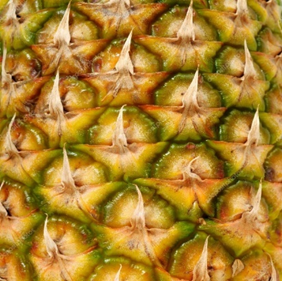
Figure no (2)
Pineapple [Ananas comosus (L.) Merr., Family: Bromeliaceae] is a significant commercial fruit crop globally. It is referred to as the queen of fruits because of its exceptional flavour and taste. Pineapple has significant quantities of calcium, potassium, vitamin C, carbs, dietary fibre, water, and several minerals. Dermatological issues such as wrinkles, acne, and xerosis appeared to be addressed with the application of proteolytic enzymes such as papain and bromelain. Acne is a prevalent skin disorder that affects the oil glands of the skin. It might induce significant psychological disturbances and stress in the affected individual. P. acne is an opportunistic pathogen that significantly contributes to the development and aetiology of acne. Staphylococcus aureus constitutes a component of the normal skin microbiota and is linked to dermatological diseases such as folliculitis, while also being known to augment the effects of other microorganisms in acne lesions. [12]
Other Medicinal Uses :-
Honey
Botanical Name :- Honey
Family :- Apidae
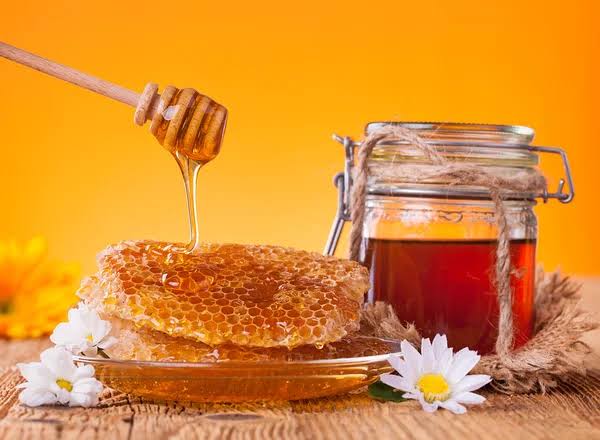
Figure no (3)
Honey is recognized as a natural substance produced by bees, as it includes health-promoting components. Honey is a natural material generated by bees from floral nectar and plant exudates. Honey comprises around 200 components, including roughly 38% fructose, 31% glucose, 10% other sugars, 18% water, and 3% other chemicals. Honey has held a significant position in traditional medicine for centuries. The capacity of honey to absorb and retain moisture from the surroundings. Honey comprises phytochemicals, specifically phenolics, ascorbic acid, enzymes (catalase and peroxidase), and carotenoids. Flavonoids and amino acids serve as moisturizers for the skin. The primary antioxidants in honey include flavonoids, polyphenols, and vitamin C. Polyphenols in honey possess hydroxyl groups that augment humectant characteristics. [ 10]
Other Medicinal Uses:-
Aloe Barbadensis Miller
Botanical Name :- Aloe barbadensis miller
Family :- Asphodelaceae (Liliaceae)
Synonyms :- Aloe barbadensis Mill., Aloe indica Royle,
Part used :- Leaf
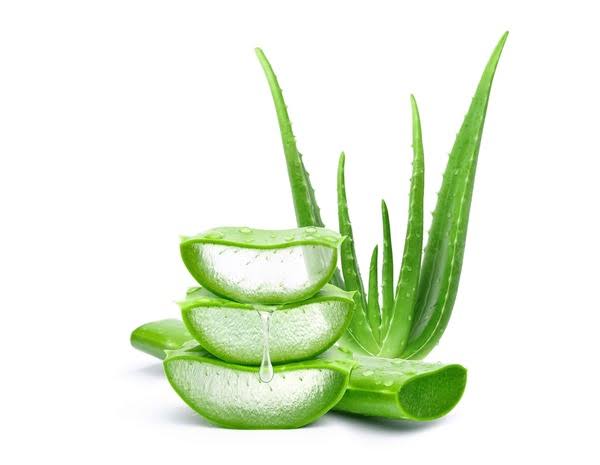
figure no (4)
Aloe Vera is obtained from the tropical succulent of the genus Aloe. Aloe Vera is named after the Arabic term "Alloeh," meaning "shining bitter substance," due to the bitter juice present in its leaves, and "Vera," which translates to "true" in Latin. Its scientific designation is Aloe barbadensis miller. It is a perennial, xerophytic, succulent plant of the Asphodelaceae (Liliaceae) family, characterized by a shrubby or arborescent form with a pea-green hue. [13] Aloe Vera (AV) gel is utilized for the treatment of wounds, burns, insect stings, and skin inflammation, exhibiting anti-inflammatory, antiseptic, antimicrobial, antibacterial, and antiviral properties, all of which are crucial for wound healing. It contains vitamins A, C, and E, which are antioxidants that neutralize free radicals. [7]
Other Medicinal Uses :-
Rose water
Botanical name:- Rosa
Family :- rosaceae
Common name:- rose
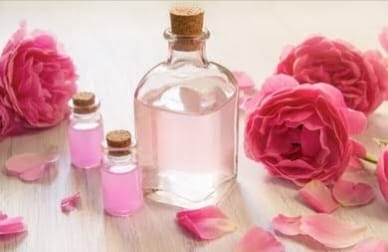
Figure no (5)
Rose water is extracted by distilling flower petals with steam. Rose water is aromatic and is sometimes employed as a subtle natural fragrance in lieu of synthetic perfumes. It has been conventionally employed in both cosmetic products and culinary and beverage items. It also offers numerous possible health benefits. It has been employed for millennia, including during the Middle Ages. Rosewater assists in preserving the skin's pH equilibrium, regulating excess sebum, alleviating redness, and eliminating acne. [3]
Other Medicinal Uses :-
Formulation of Face Mist: -
Extraction process: - Extraction is a separation process consisting of the separation of a substance form a mixture
500gm fruits of C. sativus were taken and washed properly. Then seeds were removed and juice was collected in juicer. The juice of fruits was fractionated with ethyl acetate and n-butanol (150 ml each) and separated the resultant portions using separating funnel and aqueous portion left in the funnel. The obtained fractions were evaporated and concentrated to get the respective extracts. [14]
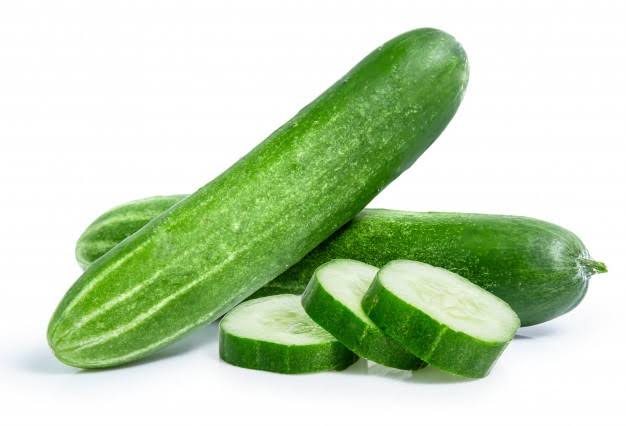
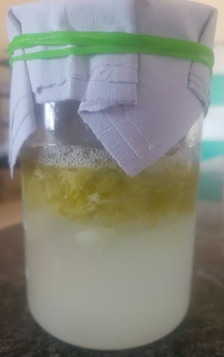
Figure no (6)
Extraction was done by using deionized water. Fresh pineapple were taken and washed with water to takeoff the dust particles, sand and other foreign or extraneous matter from the fruit. The waste parts were separated according to the requirement (crown, peel and core) care should be taken that the pulp part is excluded while removal. The wastes are taken separately and weighed and is crushed using phosphate buffer with pH 6.0 in ratio 1:1.5. The mixture is filtered twice using muslin cloth and then collected and stored at 4?C. [1]
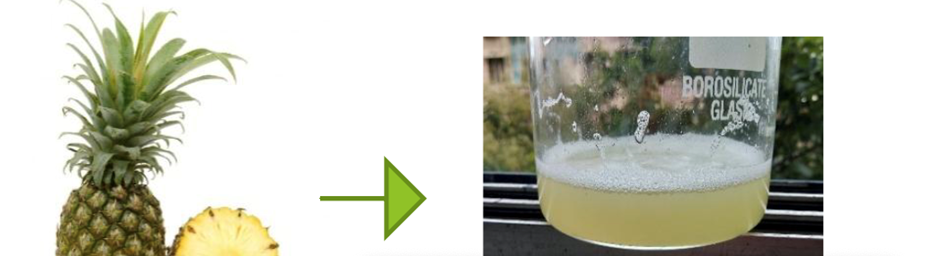
Figure no (7)
collect mature and fresh aloe-vera leaf from plant and washed it with distilled water. Dried it is hot air oven. Leaf dissected longitudinally by sterile knife. The semi-solid aloe-vera is collected. Remove fibers and impurities form it. Aloe-vera extract is obtained aloe vera gel is viscou , colourless , odourless and taste slightly bitter. [15]
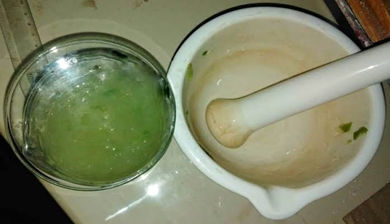
Figure no (8)
Formulation: -
Batch Formulation
Table No: - 2
|
Sr.no |
Material |
F1 |
F2 |
F3 |
F4 |
F5 |
|
1 |
Cucumber Extract |
5ml |
7ml |
6ml |
8ml |
4ml |
|
2 |
Pineapple Extract |
4ml |
5ml |
3ml |
6ml |
7ml |
|
3 |
Rose Water |
QS |
QS |
QS |
QS |
QS |
|
4 |
Honey |
12ml |
10ml |
8ml |
6ml |
9ml |
|
5 |
Alovera Extract |
5ml |
5ml |
5ml |
5ml |
5ml |
|
6 |
Total |
40ml |
40ml |
40ml |
40ml |
40ml |
DIRECTION TO USE: -

Samyak Dahake*, Aniket Tompe, Rushikesh Ubale, Sanskruti Khiratkar, Urmila Ingole, Shruti Sonune, Vaishnavi Murhe, Vaibhav Shikare, Dr. Ashish Gawai, Dr. Shirish Jain, Formulation and Evaluation of a Multi-Functional Face Mist: A Synergistic Approach to Skincare, Int. J. Med. Pharm. Sci., 2025, 1 (10), 16-25. https://doi.org/10.5281/zenodo.17336613
 10.5281/zenodo.17336613