View Article

Abstract

Drynaria quercifolia J. Sm. (family Polypodiaceae), commonly known as oak leaf fern, is an epiphytic medicinal fern widely distributed in tropical and subtropical regions of Asia, including India, Sri Lanka, and Southeast Asia. The plant has a long history of use in traditional medical systems such as Ayurveda, Siddha, and folk medicine, particularly for the treatment of bone fractures, inflammatory disorders, wounds, and various chronic ailments. This review comprehensively compiles and critically analyzes the available literature on the ethnomedicinal uses, phytochemical constituents, and pharmacological activities of D. quercifolia. Phytochemical investigations have revealed the presence of several bioactive compounds, including flavonoids, phenolic acids, triterpenoids, steroids, tannins, glycosides, and essential minerals, which are believed to contribute to its therapeutic potential. Pharmacological studies have demonstrated a broad spectrum of biological activities such as antioxidant, anti-inflammatory, antimicrobial, anti-osteoporotic, analgesic, hepatoprotective, and wound-healing effects. Notably, experimental studies support its traditional use in bone health and fracture healing by enhancing osteoblastic activity and mineralization. Despite these promising pharmacological findings, most evidence is derived from in vitro and animal studies, with limited data on clinical efficacy, safety, and toxicity. This review identifies critical research gaps, emphasizing the need for standardized extracts, isolation of active constituents, mechanistic studies, and well-designed clinical trials. Overall, Drynaria quercifolia represents a valuable medicinal fern with significant potential for the development of novel therapeutic agents and its incorporation into evidence-based herbal medicine.

Keywords

Drynaria quercifolia, epiphytic medicinal fern, Nutritional Potential

Introduction

× Popup Image

Though less visible than more developed plants, medicinal ferns are a rich source of bioactive molecules having several medical uses [1, 2]. Found throughout South and Southeast Asia, the oak-leaf fern—officially known as Drynaria quercifolia J. Sm.—is a perennial epiphytic fern [3,4]. In Ayurveda, Siddha, Unani, and folk medicine, its rhizome has been traditionally used to treat a range of ailments including bone fractures, arthritis, inflammation, respiratory conditions, gastrointestinal problems, fever, jaundice, and wound healing [1– 4]. Ethnopharmacological studies show that most of its medicinal effects come from flavonoids (naringin, naringenin, apigenin, kaempferol), phenolic acids (gallic, ferulic, protocatechuic), triterpenoids, phytosterols, and other secondary metabolites [5–8]. Particularly osteogenic qualities among others, these bioactive compounds have a range of biological effects including antioxidant, anti-inflammatory, antibacterial, hepatoprotective, gastroprotective [9–12]. Even though there is a lot of preclinical data, clinical translation is still limited. Significant omissions include pharmacokinetic studies, toxicity profiling, and herbal product standardization. This review helps to guide future research and development of therapies based on Drynaria quercifolia by integrating information from plant science, phytochemistry, pharmacology, toxicology, and ethnomedicine
Taxonomy and Botanical Classification

Accurate taxonomy is vital for preventing adulteration and ensuring therapeutic efficacy. The taxonomic hierarchy of Drynaria quercifolia is as follows:

Rank

Classification

Kingdom

Plantae

Division

Pteridophyta

Class

Polypodiopsida

Order

Polypodiales

Family

Polypodiaceae

Genus

Drynaria

Species

Drynaria quercifolia.

A synonym is Aglaomorpha quercifolia. Dimorphic fronds, scaly rhizomes, and pinnatisect fertile leaves are important diagnostic characteristics Molecular techniques like DNA barcoding, which are crucial for quality control and standardizing herbal formulations, supplement morphology for authentic identification Appropriate taxonomy is required to ensure medicinal efficacy and prevent adulteration. The following is the taxonomic hierarchy of  Drynaria quercifolia: This is the same as Aglaomorpha quercifolia. Important diagnostic signals include morphological characteristics such as dimorphic fronds, scaly rhizomes, and pinnatisect fertile leaves Molecular methods like DNA barcoding support morphological for precise identification, which is crucial for herbal preparation quality control and standardization

Botany Morphology and Description

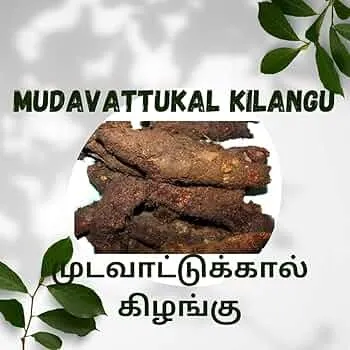
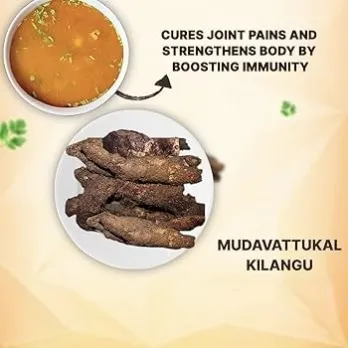
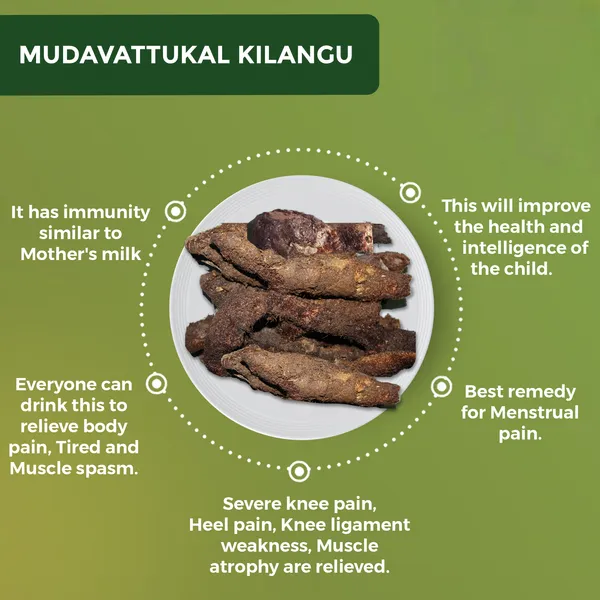
Rhizome

The wide, spreading rhizome is covered in brown peltate scales. It stores significant bioactive compounds and promotes epiphytic adhesion Under a microscope, cortex and vascular bundle architecture serve as markers for pharmacognostic validation

Fronds

Dimorphic fronds are a characteristic of the species:
Sterile fronds:
12]. The nest-like, brown, oak-leaf-shaped structure helps nourish rhizomes by trapping moisture and organic debris [11,12].

• Spore production and dispersal are carried out by green, pinnatifid, fertile fronds with abaxial sori [13, 14].

Sporangia and reproduction

The sori are circular to elongated near the leaf veins, allowing spore reproduction and facilitating survival in epiphytic habitats [15].

Geographical distribution and ecology

Drynaria quercifolia is found in India, Sri Lanka, Nepal, Bangladesh, Myanmar, Thailand, Malaysia, Vietnam, and Indonesia [16,17].

 Preferred habitats include:

• Moist deciduous and evergreen forests.

• Shady rocky area.

• They grow epiphytically on tree trunks.

Ecological adaptation:

・Dead leaves and moisture remain on the leaves of the nest.

• Rhizome scales protect against dehydration and herbivory.

• Promote invertebrate microhabitat formation and water retention [18-20]

Traditional and ethnomedicinal uses.

Ayurveda

Rhizome preparations classified as pasanaveda are used for:

• Promotes fracture healing.

• Reduce inflammation and pain

• Treatment of stomach diseases, asthma, chronic cough

• Supports liver function [21-23]

Milk or ghee is commonly used as a carrier to improve the bioavailability of flavonoids. Siddha and Unani

It is used in wound healing, fever, abdominal and urinary disorders by decoction, paste and topical application [24,25].

Traditional and tribal medicine

Used in Northeast India, South India and Sri Lanka for:

• Bone strengthening

• Gastrointestinal disorders

• Fighting snake bites [26-29]

Phytochemical Composition

Flavonoids and Polyphenols

Compound

Reported Activity

Naringin, naringenin

Osteogenic, antioxidant, anti-inflammatory

Apigenin

Anti-inflammatory, anti-apoptotic

Kaempferol

Antioxidant, hepatoprotective

Astragalin

Anti-inflammatory, cytoprotective

6.2 Phenolic Acids

Compound

Activity

Gallic acid

Free radical scavenging, antimicrobial

Ferulic acid

Antioxidant, cytoprotective

Protocatechuic acid

Anti-inflammatory, hepatoprotective

Triterpenoids and phytosterols

Triterpenoids such as polypodan, β-sitosterol, and stigmasterol contribute to anti-inflammatory, hepatoprotective, and osteoprotective effects [34-36].

Other components

Alkaloids, tannins, saponins, and glycosides contribute to antibacterial, anti-inflammatory, and wound healing effects [37-39].

Analytical methods and standardization

Pharmacological evaluation

Morphological and microscopic examination of rhizome scales and internal tissues is essential for authenticity determination

Chromatography and spectroscopy

• HPTLC of flavonoids

• HPLC for phenolic acids

• GC-MS of volatile substances

• FTIR of functional groups 

Physicochemical analysis

Parameters include ash content, extraction properties, humidity, and pH according to WHO standards
9. Pharmacological Activities Table

Activity

Experimental Evidence

Anti-inflammatory

Carrageenan-induced paw edema, cytokine inhibition

Osteogenic/Bone healing

Increased ALP, collagen I,

Antioxidant

DPPH, ABTS, FRAP assays

Hepatoprotective

Reduced AST, ALT, ALP, restored SOD/CAT/GPx

Gastroprotective

Ethanol-induced ulcers, mucosal protection

Antimicrobial

E. coli, S. aureus, P. aeruginosa, Candida

Analgesic

Hot plate and writhing tests in mice

Comparative analysis: traditional data and modern data.

• Traditional Ayurvedic use in bone healing is consistent with experimental evidence of naringin-mediated bone formation

• Common use in wound healing corresponds to the antibacterial and anti-inflammatory properties of rhizome extracts

• Hepatoprotective and gastroprotective claims of Siddha medicine are supported by recovery of liver and gastric mucosal enzymes in animal models

Toxicity and Safety Profile

• Acute and subchronic studies have shown safety at therapeutic doses

• Mild gastrointestinal irritation only at high doses.

• No significant histopathological changes are observed in the liver or kidneys

FUTURE PROSPECTS

• Clinical validation of bone formation and anti-inflammatory effects.

• Development of nanoformulations to improve bioavailability.

• Pharmacokinetics, pharmacodynamics, and metabolomics studies.

• Isolation of new triterpenoids, flavonoids and glycosides.

• Creation of standardized, quality-controlled herbal products [36–40]

Nutritional and mineral ingredients

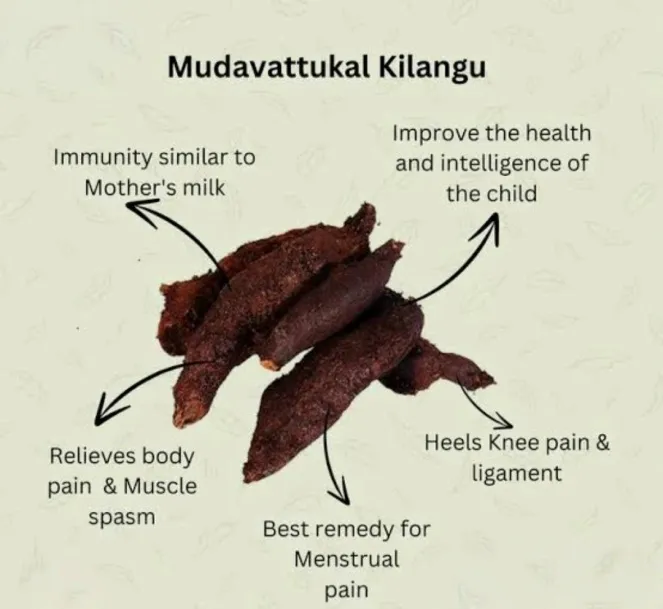
Drynaria quercifolia J. Sm., traditionally recognized for its pharmacological activity, also presents a remarkable nutritional and mineral profile, particularly concentrated in the rhizome, the main medicinal part of the plant [41,42]. This nutritional richness is thought to contribute synergistically to bone strengthening, anti-aging, and ethnomedicinal uses as a restorative agent, particularly in post-fracture and musculoskeletal treatments [43,44].

Approximate nutritional profile

Rough analysis Drynaria quercifolia exhibits a balanced macronutrient composition, including carbohydrates, proteins, crude fiber, and small amounts of lipids [45,46]. Carbohydrates are major macronutrients that provide readily available energy needed to support metabolic processes, promote cell proliferation, and support tissue regeneration during fracture healing [46, 47]. Proteins provide essential amino acids for collagen synthesis and extracellular matrix formation, which are essential for bone strength and connective tissue repair. Crude fiber supports gastrointestinal health by promoting nutrient absorption, and its minimal lipid content reduces the risk of oxidative stress during recovery

Mineral composition

The rhizomes of Drynaria quercifolia are particularly rich in minerals, with high amounts of calcium and phosphorus, supporting their traditional role in the treatment of bone fractures, osteoporosis, and other skeletal diseases Calcium is a major component of the hydroxyapatite matrix of bone, providing structural integrity and mechanical strength, while phosphorus is required for osteoblast osteoid formation, energy metabolism (ATP) and phosphate signaling pathways [44,49]. In addition to calcium and phosphorus, rhizomes contain magnesium, potassium, sodium, iron, zinc, and manganese, each with different biological functions. Magnesium is essential for calcium homeostasis, bone mineralization, and enzymatic reactions in bone formation. Potassium and sodium support electrolyte balance and neuromuscular function, which are important for muscle contraction and skeletal coordination [46,50]. Iron is essential for the synthesis of hemoglobin and the delivery of oxygen to healing tissues, thereby supporting cell proliferation and metabolic needs during tissue repair. Trace minerals such as zinc and manganese are involved in many biochemical pathways, including collagen cross-linking, antioxidant defense, immunomodulation, and enzymatic bone remodeling. Zinc acts as a cofactor for alkaline phosphatase (ALP), which is essential for mineral deposition, and manganese supports glycosaminoglycan synthesis and antioxidant enzyme activity in osteoblasts [49, 50].

Synergistic effects on nutrition

The combined presence of these macronutrients and trace elements creates a synergistic effect that enhances the osteogenic, anti-inflammatory, and regenerative potential of rhizomes. This biochemical synergy is likely at the origin of the observed efficacy of D. Quercifolia in traditional preparations for bone healing, post-traumatic rehabilitation, and age-related treatment of the musculoskeletal system.

Relevance to modern nutritional supplement development

Given its nutrient-rich profile, Drynaria Quercifolia rhizomes may be included in nutritional supplements, functional foods, and herbal supplements for bone health, musculoskeletal support, and injury recovery. Standardization of mineral content, bioactive flavonoids, and triterpenoids may provide an evidence-based approach for developing evidence-based herbal treatments for osteoporosis, bone fractures, and skeletal degenerative diseases.
CONCLUSION

Drynaria quercifolia is a scientifically proven medicinal fern with wide ethnomedicinal authority. Its rhizomes are rich in flavonoids, phenolic compounds, and triterpenoids, which have anti-inflammatory, antioxidant, antibacterial, hepatoprotective, gastroprotective, and osteogenic properties. Future clinical trials, standardization, and pharmacokinetic studies are needed to translate its therapeutic potential into evidence-based medicine.

REFERENCES

  1. Sharma A, Singh S. Ethnomedicinal importance of Drynaria quercifolia. J Ethnopharmacol. 2018; 222: 120 - 129.
  2. Manandhar NP. Medicinal plants of Nepal. Econ Bot. 2002; 56: 12 - 20.
  3. Singh R, Sharma P, Verma N, et al. Traditional uses of ferns in India. J Med Plants Res. 2011; 5: 561 - 573.
  4. Karthik L, Kumar G. Medicinal properties of Drynaria quercifolia. Asian Pac J Trop Dis. 2013; 3: 1 - 6.
  5. Dixit RD. Ferns of India. New Delhi: Botanical Survey of India; 2000.
  6. Fraser-Jenkins CR. Taxonomic revision of Indian ferns. Bull Br Mus Nat Hist. 1997; 27: 77 - 135.
  7. Cosh A, Rao P, Subramanian S. Distribution of Polypodiaceae species in Southeast Asia. Fern Gaz. 2014; 19: 45 - 55.
  8. Nadkarni KM. Indian Materia Medica. Mumbai: Popular Prakashan; 2007.
  9. Warrier PK, Nambiar VPK, Ramankutty C. Indian medicinal plants. Vol. 2. Hyderabad: Orient Longman; 1997.
  10. Gogoi P, Islam M. Folk claims on Drynaria quercifolia. Indian J Tradit Knowl. 2012; 11: 133 - 137.
  11. Sen A, Bera TK, Chakraborty S. Phytochemical analysis of Drynaria quercifolia. Int J Pharm Sci Res. 2012; 3: 173 - 178.
  12. Murthy KNC, Subramanian R. Flavonoids from Drynaria quercifolia. Fitoterapia. 2010; 81: 386 - 389.
  13. Saha S, Choudhury A, Roy S. Polyphenols in medicinal ferns. J Plant Biochem Biotechnol. 2014; 23: 45 - 52.
  14. Luo X, Li Y, Wang Z. Triterpenoids of Polypodiaceae. Phytochemistry. 2009; 70: 1466 - 1472.
  15. Bhandari P. Phytochemical richness of medicinal ferns. J Pharm Sci. 2015; 7: 90 - 96.
  16. Pandey R, Gupta P, Sharma S. Anti-inflammatory effect of Drynaria quercifolia. J Ethnopharmacol. 2014; 155: 789 - 795.
  17. Das S, Banerjee S, Mukherjee PK. Mechanism of anti-inflammatory activity of fern extracts. Pharm Biol. 2015; 53: 1202 - 1209.
  18. Senthilkumar P, Rajendran A. Antioxidant capacity of fern extracts. J Appl Pharm Sci. 2012; 2: 35 - 39.
  19. Rahman MA. Antioxidant activity of Drynaria quercifolia. Bangladesh J Pharmacol. 2011; 6: 40 - 46.
  20. Wong RWK, Rabie ABM, Leung PC. Osteogenic potential of naringin. Phytother Res. 2011; 25: 119 - 125.
  21. Mukherjee PK, Harwansh R, Bahadur S, et al. Bone-healing herbs: a review. J Ethnopharmacol. 2013; 150: 528 - 547.
  22. Li N, Zeng X, Huang W, et al. Flavonoids and osteoblast proliferation. J Bone Miner Res. 2010; 25: 170 - 178.
  23. Augustine A, Rajesh R, Antony S. Fracture healing by fern extracts. Indian J Exp Biol. 2013; 51: 339 - 346.
  24. Ramesh T, Kumar S, Patel S. Antimicrobial activity of Drynaria quercifolia. Afr J Microbiol Res. 2010; 4: 1475 - 1478.
  25. Devi KP, Nisha S, Sakthivel R. Fern extracts against fungal pathogens. Mycoses. 2012; 55: 35 - 42.
  26. Usha K, Ravikumar P, Subhashini R. Hepatoprotective effects of medicinal ferns. J Clin Biochem Nutr. 2011; 48: 79 - 83.
  27. Meenakshi S, Ramesh P, Kumar P. Gastroprotective activity of fern rhizome. J Pharm Bioallied Sci. 2012; 4: 96 - 101.
  28. Pradhan D, Choudhury M, Singh S. Antiulcer effect of Drynaria quercifolia. Indian J Pharm Sci. 2014; 76: 27 - 32.
  29. Sharma A, Singh R, Bansal V. Toxicity of fern extracts in rodents. Toxicol Lett. 2012; 211: 212 - 218.
  30. Lakshmi T, Ramana KV, Naidu R. Safety evaluation of Drynaria quercifolia rhizome. Asian J Pharm Clin Res. 2013; 6: 55 - 59.
  31. Nair V, Pillai K, Menon R. Acute toxicity assessment of plant extracts. J Pharmacol Toxicol. 2014; 9: 50 - 56.
  32. World Health Organization. Quality control methods for herbal materials. Geneva: WHO;  2011.
  33. Gupta A, Sharma P, Kumar R. HPTLC fingerprinting of Drynaria quercifolia. Int J Green Pharm. 2015; 9: 210 - 215.
  34. Kokate CK. Practical pharmacognosy. 4th ed. Delhi: Vallabh Prakashan; 2010.
  35. Singh S, Verma P, Sharma R. Pharmacological validation of medicinal ferns. J Integr Med. 2016; 14: 84 - 91.
  36. Laloo D, Tiwari R, Verma P. Herbal safety and standardization. Phytother Res. 2013; 27: 1476 - 1486.
  37. Jayachandran DL, Ramesh R, Krishnan S. Bioactivity of fern metabolites. J Herb Med. 2017; 9: 1 - 10.
  38. Das A, Sen S, Mukherjee PK. Therapeutic significance of Drynaria quercifolia. Pharmacogn Rev. 2016; 10: 45 - 49.
  39. Patel S. Ferns as medicinal resources. J Tradit Complement Med. 2018; 8: 99 - 105.
  40. Kumar S, Singh R, Verma P. Future perspectives on fern-based drugs. Plant Sci Today. 2020; 7: 123 - 129.
  41. Warrier PK, Nambiar VPK, Ramankutty C. Indian medicinal plants: a compendium of 500 species. Vol. 2. Chennai: Orient Longman; 2007. p. 54 - 57.
  42. Nadkarni AK. Indian Materia Medica. Vol. 1. Mumbai: Popular Prakashan; 2009. p. 469 - 471.
  43. Chopra RN, Nayar SL, Chopra IC. Glossary of Indian medicinal plants. New Delhi: CSIR; 2006. p. 99.
  44. Joy PP, Thomas J, Mathew S, Skaria BP. Medicinal plants. Kerala: Kerala Agricultural University; 2001. p. 112 - 114.
  45. Khandelwal KR. Practical pharmacognosy: techniques and experiments. 25th ed. Pune: Nirali Prakashan; 2016. p. 25. 12 - 25. 14.
  46. Bir SS, Vasudeva SM. Pteridophytic flora of the Western Ghats. Indian Fern J. 1972; 2: 65 - 81.
  47. Rajkumar M, Pandurangan A. Phytochemical and pharmacological potential of Drynaria quercifolia. Int J Pharm Sci Rev Res. 2014; 25(2): 112 - 118.
  48. Ahmed F, Rahman M, Hossain M. Antioxidant and mineral profiling of Drynaria quercifolia rhizome. J Ethnopharmacol. 2012; 140(2): 417 - 423. doi: 10.1016/j.jep.2012.02.020.
  49. Pandey G, Madhuri S. Pharmacological activities of ferns: a review. Asian Pac J Trop Biomed. 2013; 3(3): 349 - 356. doi:10.1016/S2221-1691(13)60075-5.
  50. Tryon RM, Tryon AF. Ferns and allied plants: with special reference to tropical America. New York: Springer; 1982. p. 211 - 214.

Reference

  1. Sharma A, Singh S. Ethnomedicinal importance of Drynaria quercifolia. J Ethnopharmacol. 2018; 222: 120 - 129.
  2. Manandhar NP. Medicinal plants of Nepal. Econ Bot. 2002; 56: 12 - 20.
  3. Singh R, Sharma P, Verma N, et al. Traditional uses of ferns in India. J Med Plants Res. 2011; 5: 561 - 573.
  4. Karthik L, Kumar G. Medicinal properties of Drynaria quercifolia. Asian Pac J Trop Dis. 2013; 3: 1 - 6.
  5. Dixit RD. Ferns of India. New Delhi: Botanical Survey of India; 2000.
  6. Fraser-Jenkins CR. Taxonomic revision of Indian ferns. Bull Br Mus Nat Hist. 1997; 27: 77 - 135.
  7. Cosh A, Rao P, Subramanian S. Distribution of Polypodiaceae species in Southeast Asia. Fern Gaz. 2014; 19: 45 - 55.
  8. Nadkarni KM. Indian Materia Medica. Mumbai: Popular Prakashan; 2007.
  9. Warrier PK, Nambiar VPK, Ramankutty C. Indian medicinal plants. Vol. 2. Hyderabad: Orient Longman; 1997.
  10. Gogoi P, Islam M. Folk claims on Drynaria quercifolia. Indian J Tradit Knowl. 2012; 11: 133 - 137.
  11. Sen A, Bera TK, Chakraborty S. Phytochemical analysis of Drynaria quercifolia. Int J Pharm Sci Res. 2012; 3: 173 - 178.
  12. Murthy KNC, Subramanian R. Flavonoids from Drynaria quercifolia. Fitoterapia. 2010; 81: 386 - 389.
  13. Saha S, Choudhury A, Roy S. Polyphenols in medicinal ferns. J Plant Biochem Biotechnol. 2014; 23: 45 - 52.
  14. Luo X, Li Y, Wang Z. Triterpenoids of Polypodiaceae. Phytochemistry. 2009; 70: 1466 - 1472.
  15. Bhandari P. Phytochemical richness of medicinal ferns. J Pharm Sci. 2015; 7: 90 - 96.
  16. Pandey R, Gupta P, Sharma S. Anti-inflammatory effect of Drynaria quercifolia. J Ethnopharmacol. 2014; 155: 789 - 795.
  17. Das S, Banerjee S, Mukherjee PK. Mechanism of anti-inflammatory activity of fern extracts. Pharm Biol. 2015; 53: 1202 - 1209.
  18. Senthilkumar P, Rajendran A. Antioxidant capacity of fern extracts. J Appl Pharm Sci. 2012; 2: 35 - 39.
  19. Rahman MA. Antioxidant activity of Drynaria quercifolia. Bangladesh J Pharmacol. 2011; 6: 40 - 46.
  20. Wong RWK, Rabie ABM, Leung PC. Osteogenic potential of naringin. Phytother Res. 2011; 25: 119 - 125.
  21. Mukherjee PK, Harwansh R, Bahadur S, et al. Bone-healing herbs: a review. J Ethnopharmacol. 2013; 150: 528 - 547.
  22. Li N, Zeng X, Huang W, et al. Flavonoids and osteoblast proliferation. J Bone Miner Res. 2010; 25: 170 - 178.
  23. Augustine A, Rajesh R, Antony S. Fracture healing by fern extracts. Indian J Exp Biol. 2013; 51: 339 - 346.
  24. Ramesh T, Kumar S, Patel S. Antimicrobial activity of Drynaria quercifolia. Afr J Microbiol Res. 2010; 4: 1475 - 1478.
  25. Devi KP, Nisha S, Sakthivel R. Fern extracts against fungal pathogens. Mycoses. 2012; 55: 35 - 42.
  26. Usha K, Ravikumar P, Subhashini R. Hepatoprotective effects of medicinal ferns. J Clin Biochem Nutr. 2011; 48: 79 - 83.
  27. Meenakshi S, Ramesh P, Kumar P. Gastroprotective activity of fern rhizome. J Pharm Bioallied Sci. 2012; 4: 96 - 101.
  28. Pradhan D, Choudhury M, Singh S. Antiulcer effect of Drynaria quercifolia. Indian J Pharm Sci. 2014; 76: 27 - 32.
  29. Sharma A, Singh R, Bansal V. Toxicity of fern extracts in rodents. Toxicol Lett. 2012; 211: 212 - 218.
  30. Lakshmi T, Ramana KV, Naidu R. Safety evaluation of Drynaria quercifolia rhizome. Asian J Pharm Clin Res. 2013; 6: 55 - 59.
  31. Nair V, Pillai K, Menon R. Acute toxicity assessment of plant extracts. J Pharmacol Toxicol. 2014; 9: 50 - 56.
  32. World Health Organization. Quality control methods for herbal materials. Geneva: WHO;  2011.
  33. Gupta A, Sharma P, Kumar R. HPTLC fingerprinting of Drynaria quercifolia. Int J Green Pharm. 2015; 9: 210 - 215.
  34. Kokate CK. Practical pharmacognosy. 4th ed. Delhi: Vallabh Prakashan; 2010.
  35. Singh S, Verma P, Sharma R. Pharmacological validation of medicinal ferns. J Integr Med. 2016; 14: 84 - 91.
  36. Laloo D, Tiwari R, Verma P. Herbal safety and standardization. Phytother Res. 2013; 27: 1476 - 1486.
  37. Jayachandran DL, Ramesh R, Krishnan S. Bioactivity of fern metabolites. J Herb Med. 2017; 9: 1 - 10.
  38. Das A, Sen S, Mukherjee PK. Therapeutic significance of Drynaria quercifolia. Pharmacogn Rev. 2016; 10: 45 - 49.
  39. Patel S. Ferns as medicinal resources. J Tradit Complement Med. 2018; 8: 99 - 105.
  40. Kumar S, Singh R, Verma P. Future perspectives on fern-based drugs. Plant Sci Today. 2020; 7: 123 - 129.
  41. Warrier PK, Nambiar VPK, Ramankutty C. Indian medicinal plants: a compendium of 500 species. Vol. 2. Chennai: Orient Longman; 2007. p. 54 - 57.
  42. Nadkarni AK. Indian Materia Medica. Vol. 1. Mumbai: Popular Prakashan; 2009. p. 469 - 471.
  43. Chopra RN, Nayar SL, Chopra IC. Glossary of Indian medicinal plants. New Delhi: CSIR; 2006. p. 99.
  44. Joy PP, Thomas J, Mathew S, Skaria BP. Medicinal plants. Kerala: Kerala Agricultural University; 2001. p. 112 - 114.
  45. Khandelwal KR. Practical pharmacognosy: techniques and experiments. 25th ed. Pune: Nirali Prakashan; 2016. p. 25. 12 - 25. 14.
  46. Bir SS, Vasudeva SM. Pteridophytic flora of the Western Ghats. Indian Fern J. 1972; 2: 65 - 81.
  47. Rajkumar M, Pandurangan A. Phytochemical and pharmacological potential of Drynaria quercifolia. Int J Pharm Sci Rev Res. 2014; 25(2): 112 - 118.
  48. Ahmed F, Rahman M, Hossain M. Antioxidant and mineral profiling of Drynaria quercifolia rhizome. J Ethnopharmacol. 2012; 140(2): 417 - 423. doi: 10.1016/j.jep.2012.02.020.
  49. Pandey G, Madhuri S. Pharmacological activities of ferns: a review. Asian Pac J Trop Biomed. 2013; 3(3): 349 - 356. doi:10.1016/S2221-1691(13)60075-5.
  50. Tryon RM, Tryon AF. Ferns and allied plants: with special reference to tropical America. New York: Springer; 1982. p. 211 - 214.

Photo
Prema Rathinam
Corresponding author

Department of pharmaceutics, Sir Issac Newton College of pharmacy, Nagappattinam, Tamil Nadu – 611 102

Photo
Vasumathi Vaduganathan
Co-author

Department of pharmaceutics, Sir Issac Newton College of pharmacy, Nagappattinam, Tamil Nadu – 611 102

Photo
Barathi Parimalan
Co-author

Department of pharmaceutics, Sir Issac Newton College of pharmacy, Nagappattinam, Tamil Nadu – 611 102

Photo
Simbu Kalyanasundaram
Co-author

Department of pharmaceutics, Sir Issac Newton College of pharmacy, Nagappattinam, Tamil Nadu – 611 102

Photo
Rajiv Gandhi Elangovan
Co-author

Department of pharmaceutics, Sir Issac Newton College of pharmacy, Nagappattinam, Tamil Nadu – 611 102

Photo
Kamalasivam Mariyappan
Co-author

Department of pharmaceutics, Sir Issac Newton College of pharmacy, Nagappattinam, Tamil Nadu – 611 102

Prema Rathinam*, Vasumathi Vaduganathan, Barathi Parimalan, Simbu Kalyanasundaram, Rajiv Gandhi Elangovan, Kamalasivam Mariyappan, A Review on the Medicinal and Nutritional Potential of Drynaria Quercifolia, Int. J. Med. Pharm. Sci., 2026, 2 (10), 191-198. https://doi.org/10.5281/zenodo.23217251

More related articles
Role of Colostrum Supplementation in Refractory Di...
Deepak Chinagi, Shruti Sheelin , Shalini Vagadurgi, Nivedita Pati...
Superior Mesenteric Artery Syndrome Associated wit...
Sani Anil S., Shaiju S. Dharan, Grace N. Raju, Anjali Krishnan S....
Clinical Characteristics, Frailty, Comorbidity Bur...
Reseena Farsana, M. Senthil, Jabir IK., Fasalu Rahiman OM....
Phytochemical Screening of Fenu Greek Seeds Trigonella Foenum Graecum...
Ravi Ahirwar, Suhail Ansari, Pooja Rathore, Mohit Dongre, Mohd Shahab, Mohd Ahmad, Md Shahid, Md Sam...
A COMPREHENSIVE REVIEW ON PICRORHIZAKURROA (KUTKI): PHYTOCHEMISTRY, PHARMACOLOGY...
Minakshi Khairnar, Yogeshwari Soanwane, Siddhesh Nandan, Rohit Thakare, Rakesh Jadhav, Darshan Sonaw...
Related Articles
An Overview of Type 5 Diabetes Mellitus: Etiology, Clinical Manifestations, and ...
Thatikonda Sakhitha, Veeragoni Jayadev, Vaishnavi Shrinivas, Pullela Akarsh...
Formulation And Evaluation of Herbal Nutritional Cookies...
Vaishnavi Chitalkar, Gauri Kulkarni, Ganesh Barkade...
Comprehensive Review on Phytochemical Profile, Pharmacological and Nutritional P...
Akash Sarkar, Sudipta Santra, Sakasi Halder, Nilanjana Das, Babul Raj...
Moringa Oleifera: A Nutraceutical Resource with Multifunctional Health Benefits...
Virendra Phatekar, Swapnil Auti, Sujal Yadav, Santosh Ghule, Nitin Mahale, Nandini Shinde, Ajay Bhag...
Role of Colostrum Supplementation in Refractory Diarrhoea in HIV Infected Patien...
Deepak Chinagi, Shruti Sheelin , Shalini Vagadurgi, Nivedita Patil...
More related articles
Role of Colostrum Supplementation in Refractory Diarrhoea in HIV Infected Patien...
Deepak Chinagi, Shruti Sheelin , Shalini Vagadurgi, Nivedita Patil...
Superior Mesenteric Artery Syndrome Associated with Chronic Pancreatitis and Sus...
Sani Anil S., Shaiju S. Dharan, Grace N. Raju, Anjali Krishnan S. S....
Clinical Characteristics, Frailty, Comorbidity Burden and Hospital Outcomes amon...
Reseena Farsana, M. Senthil, Jabir IK., Fasalu Rahiman OM....
Role of Colostrum Supplementation in Refractory Diarrhoea in HIV Infected Patien...
Deepak Chinagi, Shruti Sheelin , Shalini Vagadurgi, Nivedita Patil...
Superior Mesenteric Artery Syndrome Associated with Chronic Pancreatitis and Sus...
Sani Anil S., Shaiju S. Dharan, Grace N. Raju, Anjali Krishnan S. S....
Clinical Characteristics, Frailty, Comorbidity Burden and Hospital Outcomes amon...
Reseena Farsana, M. Senthil, Jabir IK., Fasalu Rahiman OM....