
We use cookies to ensure our website works properly and to personalise your experience. Cookies policy
Department of pharmaceutial chemistry, Dr. Samuel George Institute of Pharmaceutical Sciences, Markapur, Andhra Pradesh, India.
Acne vulgaris and cutaneous hyperpigmentation are prevalent dermatological conditions that can significantly affect both physical appearance and psychosocial well-being. Although a variety of conventional treatment modalities are available, their prolonged use is often associated with undesirable side effects such as erythema, dryness, irritation, and hypersensitivity reactions. These challenges have prompted increasing interest in the development of phytopharmaceutical and herbal-based formulations as safer, more sustainable alternatives for dermatological care. This study aimed to formulate and evaluate Glowvera, a multifunctional polyherbal topical gel designed for the management of acne-prone and hyperpigmented skin. The formulation incorporated a combination of bioactive botanical ingredients, including Aloe vera, licorice (Glycyrrhiza glabra), guava (Psidium guajava) leaf extract, jasmine leaf extract, turmeric (Curcuma longa) extract, and beetroot (Beta vulgaris) extract, within a Carbopol 940 gel matrix. Comprehensive physicochemical characterization was conducted through the evaluation of organoleptic properties, pH, homogeneity, rheological behavior, spreadability, washability, and stability under specified storage conditions. The optimized formulation demonstrated desirable organoleptic characteristics, uniform distribution of active constituents, a skin-compatible pH, appropriate rheological properties, excellent spreadability, satisfactory washability, and stability throughout the study period. The selected phytoconstituents are well documented for their antimicrobial, anti-inflammatory, antioxidant, and skin-brightening properties, which may contribute to reducing acne lesions and improving pigmentation-related skin concerns. The findings indicate that Glowvera has considerable potential as a phytocosmeceutical gel for the management of acne and hyperpigmentation. Nevertheless, further preclinical and clinical studies are required to validate its efficacy, establish its safety profile, and assess its long-term dermatological benefits.
The skin is the largest and one of the most functionally complex organs of the human body, serving as the primary barrier against physical, chemical, microbial, and environmental insults. In addition to its protective role, the skin contributes to immune defense, thermoregulation, sensory perception, and maintenance of overall physiological homeostasis. Healthy skin is essential for both physical health and psychological well-being, as visible skin disorders can adversely affect an individual's self-esteem, confidence, and quality of life. Among the most prevalent dermatological conditions, acne vulgaris and post-inflammatory hyperpigmentation (PIH) continue to represent significant clinical and cosmetic concerns worldwide.
Acne vulgaris is a chronic inflammatory disorder of the pilosebaceous unit that affects approximately 80–90% of adolescents and a substantial proportion of adults. The disease is characterized by comedones, papules, pustules, nodules, and, in severe cases, cystic lesions and permanent scarring. The pathogenesis of acne is multifactorial and involves excessive sebum production, follicular hyperkeratinization, colonization by Cutibacterium acnes, oxidative stress, inflammatory mediator release, and alterations in the skin microbiome.
Hyperpigmentation is a common pigmentary disorder resulting from excessive melanin synthesis or abnormal melanin distribution within the epidermis or dermis. It frequently develops following acne, eczema, skin injury, ultraviolet radiation exposure, hormonal imbalance, or inflammatory skin diseases. Although hyperpigmentation is not medically life-threatening, it is one of the leading cosmetic concerns due to its prolonged persistence and negative psychological impact. Effective management requires not only controlling inflammation but also regulating melanogenesis and supporting skin regeneration.
Conventional treatment options for acne and hyperpigmentation include topical retinoids, benzoyl peroxide, antibiotics, azelaic acid, salicylic acid, hydroquinone, corticosteroids, and chemical peels. While these therapies have demonstrated clinical efficacy, prolonged or inappropriate use is frequently associated with adverse effects such as skin irritation, erythema, excessive dryness, peeling, photosensitivity, allergic reactions, rebound pigmentation, and antimicrobial resistance. These challenges have stimulated increasing research interest in naturally derived therapeutic agents capable of providing comparable efficacy with improved safety, better patient compliance, and enhanced long-term tolerability.
The present investigation focuses on the formulation of Glowvera, a novel polyherbal topical gel developed using scientifically selected medicinal plant extracts with complementary pharmacological properties. Aloe vera is well recognized for its moisturizing, anti-inflammatory, antimicrobial, antioxidant, and wound-healing activities, making it valuable for soothing inflamed skin and accelerating tissue repair. Licorice (Glycyrrhiza glabra) contains glabridin and liquiritin, bioactive flavonoids that inhibit tyrosinase activity, suppress melanin synthesis, reduce oxidative stress, and improve uneven skin pigmentation. Guava (Psidium guajava) leaf extract possesses abundant polyphenols and flavonoids that exhibit antibacterial activity against acne-associated microorganisms together with strong antioxidant and anti-inflammatory effects.
Jasmine leaf extract contributes antimicrobial, soothing, antioxidant, and skin-conditioning properties that support healthy skin recovery. Turmeric (Curcuma longa), enriched with curcumin, is extensively studied for its broad-spectrum antibacterial, anti-inflammatory, antioxidant, and wound-healing activities, making it an important component in herbal dermatological preparations. Beetroot (Beta vulgaris) extract contains betalains, phenolic compounds, vitamins, and minerals that help neutralize free radicals, improve skin vitality, support collagen synthesis, and enhance overall skin complexion. The combination of these botanicals provides a multifunctional therapeutic approach targeting acne pathogenesis while simultaneously addressing pigmentation and skin repair.
A topical gel delivery system was selected because it offers several pharmaceutical and cosmetic advantages over conventional creams and ointments. Gels are non-greasy, easily washable, aesthetically acceptable, rapidly absorbed, and capable of delivering active ingredients directly to the affected skin with improved patient compliance. In the present formulation, Carbopol 940 was employed as the primary gelling polymer due to its excellent viscosity, stability, transparency, and compatibility with herbal extracts. Glycerin was incorporated as a humectant to maintain skin hydration, methyl paraben served as the preservative to prevent microbial contamination, triethanolamine was used to neutralize Carbopol and adjust the formulation to a skin-compatible pH, while distilled water acted as the vehicle.
Materials Used
The following materials were used for the formulation and evaluation of the :
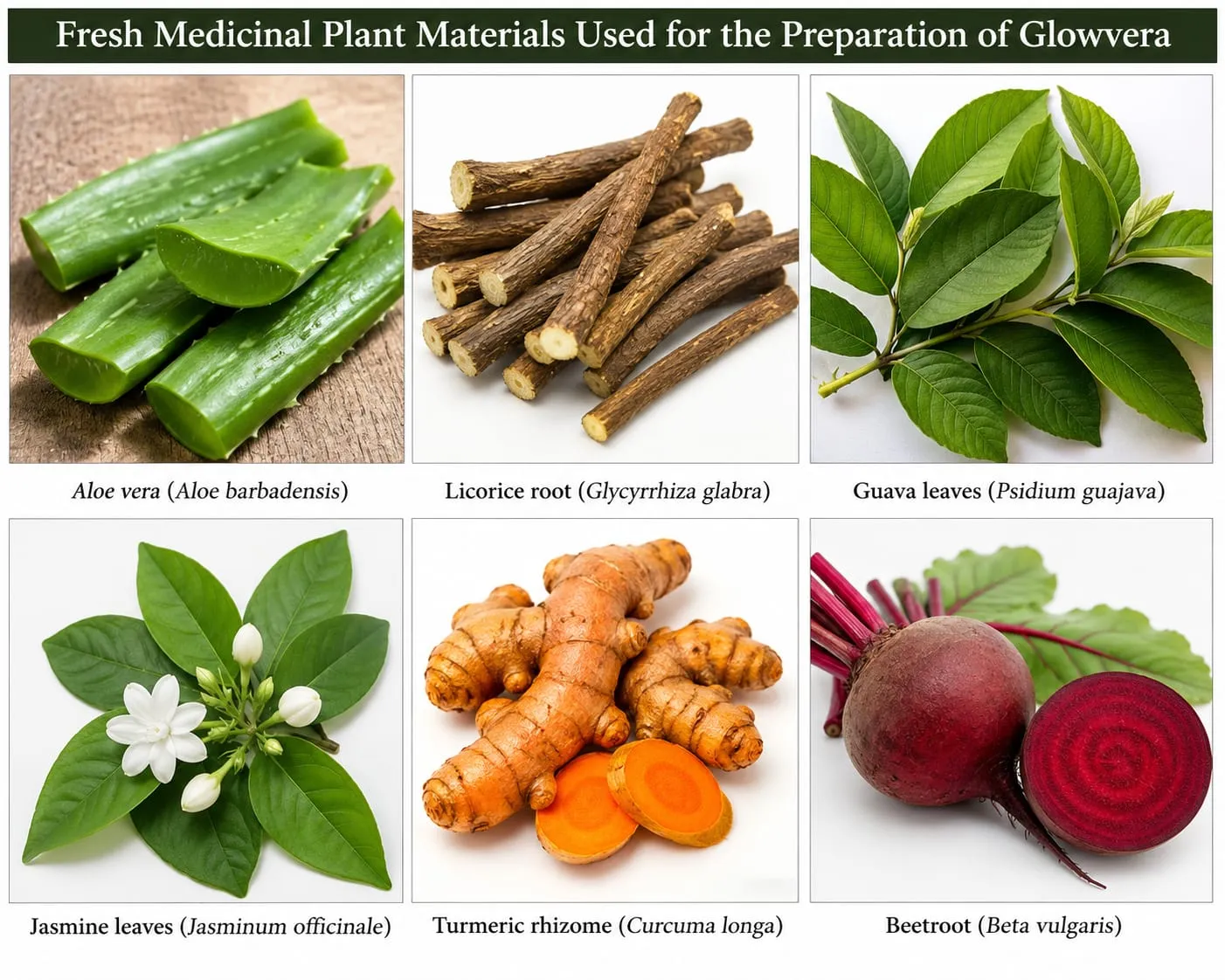
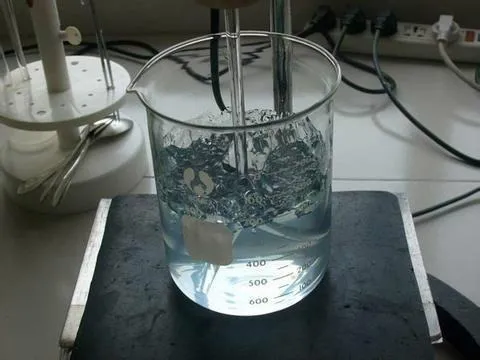
Laboratory Instruments and Equipment
Extraction processes :
Aloe Vera and Its Extract
*Aloe vera* (*Aloe barbadensis* Miller) is a perennial succulent plant recognized for its extensive applications in pharmaceutical, cosmetic, and dermatological formulations. The plant is characterized by thick fleshy leaves containing a transparent gel rich in biologically active constituents. These constituents include polysaccharides, vitamins, amino acids, minerals, enzymes, and phenolic compounds that collectively contribute to its therapeutic potential.
The gel extract of *Aloe vera* is typically obtained from the inner parenchymatous tissue of mature leaves through extraction and purification processes. Among its major bioactive components, acemannan and glucomannan have attracted considerable attention due to their roles in tissue repair, moisture retention, and modulation of inflammatory responses. The extract also contains antioxidant molecules capable of neutralizing reactive oxygen species that contribute to cellular damage and skin aging.
From a dermatological perspective, *Aloe vera* extract exhibits properties that are highly beneficial for acne-prone skin. Its anti-inflammatory activity may help reduce erythema, swelling, and discomfort associated with inflammatory acne lesions. In addition, the antimicrobial constituents present in the extract can contribute to the suppression of microorganisms implicated in acne development. The hydrating nature of the gel supports maintenance of the skin barrier without imparting excessive oiliness, thereby enhancing skin comfort and recovery.
Furthermore, the antioxidant and regenerative properties of *Aloe vera* may assist in the gradual improvement of post-inflammatory hyperpigmentation by supporting cellular renewal and reducing oxidative stress. These characteristics make *Aloe vera* an important natural ingredient in topical formulations designed for acne management and skin tone enhancement. Consequently, it was selected as a primary active component in the GlowVera herbal gel formulation aimed at controlling acne while promoting a clearer and more uniform complexion.
Licorice and Its Extract
Licorice (*Glycyrrhiza glabra* L.) is a medicinal plant belonging to the family Fabaceae and has been extensively utilized in traditional medicine systems for its diverse therapeutic properties. The roots and rhizomes of the plant serve as the primary source of biologically active compounds, including triterpenoid saponins, flavonoids, chalcones, coumarins, and various phenolic constituents. These phytochemicals contribute to the plant's pharmacological activities and make licorice a valuable ingredient in dermatological and cosmetic formulations.
Licorice extract is obtained from the dried roots through suitable extraction techniques using aqueous, hydroalcoholic, or alcoholic solvents. The extract contains several bioactive molecules, among which glycyrrhizin, glabridin, liquiritin, and isoliquiritigenin are considered particularly important. These compounds exhibit antioxidant, anti-inflammatory, and skin-protective properties that support their use in topical applications.
In skin care formulations, licorice extract is widely recognized for its ability to improve uneven skin tone and reduce the appearance of hyperpigmented areas. Glabridin, a prominent flavonoid present in licorice, has been reported to influence melanin synthesis by inhibiting the activity of tyrosinase, a key enzyme involved in pigment production. Through this mechanism, licorice extract may contribute to the gradual reduction of post-inflammatory hyperpigmentation and promote a more uniform complexion.
Additionally, the anti-inflammatory constituents of licorice can help alleviate skin redness, irritation, and inflammatory responses commonly associated with acne lesions. Its antioxidant activity further supports skin health by limiting oxidative stress and protecting cellular components from free radical-induced damage. These combined effects make licorice extract a suitable natural ingredient for formulations intended to manage both acne-related inflammation and residual pigmentation.
Considering its multifunctional dermatological benefits, licorice extract was incorporated into the GlowVera herbal gel formulation as a natural active agent to support acne control, enhance skin clarity, and aid in the reduction of post-acne hyperpigmentation
Guava Leaf and Its Extract
Guava (*Psidium guajava* L.) is a tropical medicinal plant belonging to the family Myrtaceae. The leaves of the plant have been widely investigated for their pharmacological and therapeutic properties due to the presence of numerous bioactive phytochemicals. Guava leaves contain flavonoids, tannins, phenolic acids, triterpenoids, saponins, and essential oils, which collectively contribute to their biological activities and potential applications in skin care formulations.
Guava leaf extract is commonly prepared from dried and powdered leaves using aqueous, hydroalcoholic, or ethanolic extraction methods. The extract is particularly rich in flavonoids such as quercetin and other polyphenolic compounds known for their antioxidant and antimicrobial effects. These constituents are responsible for many of the medicinal properties associated with guava leaves and have attracted considerable interest in dermatological research.
In the context of acne management, guava leaf extract demonstrates antimicrobial activity against microorganisms that contribute to the development of acne lesions. The presence of tannins and flavonoids may help inhibit microbial growth while reducing inflammation associated with acne-prone skin. Furthermore, the astringent nature of the extract can assist in minimizing excessive sebum secretion and improving skin texture, which may contribute to the prevention of clogged pores.
The antioxidant compounds present in guava leaf extract play an important role in protecting skin cells from oxidative stress caused by environmental factors and inflammatory processes. By reducing oxidative damage and supporting normal skin repair mechanisms, the extract may aid in the recovery of acne-affected skin. Additionally, its anti-inflammatory properties can help reduce redness, swelling, and irritation, thereby promoting a healthier skin appearance.
Due to its antimicrobial, antioxidant, anti-inflammatory, and skin-conditioning properties, guava leaf extract represents a promising natural ingredient for topical dermatological formulations. In the GlowVera herbal gel formulation, guava leaf extract was incorporated to support acne control, improve skin condition, and enhance the overall effectiveness of the formulation in maintaining healthy and clear skin.
Jasmine Leaf and Its Extract
Jasmine (*Jasminum* spp.), a member of the family Oleaceae, is an aromatic medicinal plant valued for its traditional therapeutic applications and diverse phytochemical composition. While the flowers are widely known for their fragrance, the leaves also contain several biologically active compounds that contribute to their medicinal potential. Jasmine leaves are reported to contain flavonoids, phenolic compounds, tannins, glycosides, alkaloids, and other secondary metabolites that exhibit various pharmacological activities.
Jasmine leaf extract is typically prepared from fresh or dried leaves using suitable extraction techniques such as maceration, Soxhlet extraction, or solvent-assisted extraction. The leaves are first cleaned, shade-dried, and pulverized into a fine powder before being subjected to extraction using water, ethanol, or hydroalcoholic solvents. Following extraction, the solvent is removed under controlled conditions to obtain a concentrated extract rich in phytoconstituents.
The bioactive compounds present in jasmine leaf extract have been associated with antioxidant, antimicrobial, and anti-inflammatory properties. These activities are particularly relevant in topical skin-care applications, where oxidative stress and inflammation contribute to the development and progression of various dermatological conditions. The antioxidant constituents help protect skin cells from free radical-mediated damage, thereby supporting skin health and maintaining cellular integrity.
In acne-related applications, jasmine leaf extract may assist in reducing inflammation and limiting the growth of microorganisms involved in skin infections. The phenolic and flavonoid components can contribute to the soothing of irritated skin and support the natural healing process of acne lesions.
The incorporation of jasmine leaf extract into herbal dermatological formulations offers the potential for multifunctional benefits, including skin protection, soothing effects, and support for skin recovery. In the GlowVera herbal gel formulation, jasmine leaf extract was selected as a complementary herbal ingredient to enhance the overall antioxidant and anti-inflammatory properties of the product, thereby contributing to acne control and improvement of skin quality.
Turmeric and its extraction
Turmeric (*Curcuma longa* L.), a perennial herbaceous plant belonging to the family Zingiberaceae, is widely recognized for its medicinal and therapeutic significance. The rhizome of the plant serves as a rich source of bioactive compounds, particularly curcuminoids, which are responsible for many of its pharmacological properties. In addition to curcumin, turmeric contains essential oils, polysaccharides, proteins, vitamins, and various phenolic compounds that contribute to its biological activity.
Turmeric extract is commonly obtained from dried and powdered rhizomes using suitable extraction methods such as maceration, Soxhlet extraction, or solvent extraction with ethanol, methanol, or hydroalcoholic mixtures. The extraction process concentrates the active phytoconstituents, resulting in an extract with enhanced therapeutic potential. Curcumin, the principal polyphenolic compound present in turmeric, has been extensively studied for its antioxidant, anti-inflammatory, and antimicrobial activities.
The antioxidant activity of turmeric extract plays a crucial role in protecting skin cells from oxidative stress induced by environmental pollutants and inflammatory processes. By neutralizing reactive oxygen species, the extract may assist in maintaining cellular integrity and promoting skin repair. Additionally, curcumin has been reported to influence skin pigmentation pathways, which may contribute to the reduction of post-inflammatory hyperpigmentation and improvement of overall skin appearance.
Due to its combined antioxidant, antimicrobial, anti-inflammatory, and skin-protective properties, turmeric extract is considered a valuable natural ingredient in topical formulations. In the GlowVera herbal gel formulation, turmeric extract was incorporated to enhance acne control, support skin healing, and assist in the reduction of acne-associated pigmentation, thereby contributing to healthier and more radiant skin.
Beetroot and Its Extract
Beetroot (*Beta vulgaris* L.), a root vegetable belonging to the family Amaranthaceae, has gained considerable attention in pharmaceutical, nutraceutical, and cosmetic research due to its rich phytochemical composition and biological activities. The edible root contains a variety of bioactive constituents, including betalains, phenolic compounds, flavonoids, vitamins, minerals, and dietary antioxidants. These compounds contribute to the plant's therapeutic potential and make beetroot a promising natural ingredient for topical skin-care formulations.
Beetroot extract is commonly prepared from fresh or dried roots through aqueous, hydroalcoholic, or ethanolic extraction techniques. The extraction process concentrates the bioactive constituents, particularly betalain pigments such as betanin and vulgaxanthin, which are responsible for the characteristic red-violet coloration of the root. These pigments possess strong antioxidant properties and have been investigated for their protective effects against oxidative damage.
In dermatological applications, beetroot extract has attracted interest due to its antioxidant and skin-conditioning properties. Oxidative stress is known to contribute to inflammation, cellular damage, and premature skin aging. The antioxidant compounds present in beetroot extract may help neutralize reactive oxygen species, thereby protecting skin cells and supporting normal physiological functions. This activity can contribute to the maintenance of healthy skin and facilitate the recovery of damaged tissues.
The incorporation of beetroot extract into topical herbal formulations may provide complementary benefits for skin health due to its antioxidant, protective, and revitalizing properties. In the GlowVera herbal gel formulation, beetroot extract was included as a supportive natural ingredient to enhance skin vitality, promote a healthy complexion, and contribute to the overall effectiveness of the formulation in managing acne-associated skin concerns and post-inflammatory discoloration.
Carbopol 940 and Its Role in Herbal Anti-Acne and Hyperpigmentation Gel Formulations
Carbopol 940 is a high-molecular-weight, cross-linked polyacrylic acid polymer widely employed as a gelling, thickening, and stabilizing agent in topical pharmaceutical and cosmetic formulations. Due to its excellent rheological properties, it is capable of producing clear, smooth, and stable gels at relatively low concentrations. Upon neutralization with suitable alkaline agents such as triethanolamine, Carbopol 940 hydrates and swells extensively, forming a three-dimensional network structure that imparts desirable viscosity and consistency to the formulation.
In topical gel systems, Carbopol 940 serves as an effective polymeric base that facilitates the uniform dispersion of active ingredients throughout the formulation. Furthermore, its non-toxic, non-irritating, and biocompatible nature makes it suitable for application on sensitive and acne-prone skin.
The rheological characteristics of Carbopol 940 enhance the spreadability and ease of application of topical gels. A properly formulated Carbopol-based gel adheres adequately to the skin surface, allowing prolonged contact between the active constituents and the target site. This characteristic can improve the retention and availability of herbal extracts on the skin, thereby supporting their therapeutic effectiveness.
For formulations designed to address both acne and post-inflammatory hyperpigmentation, Carbopol 940 functions as an ideal delivery base by ensuring the uniform distribution of active phytoconstituents and facilitating their sustained contact with the skin surface. In the GlowVera herbal gel formulation, Carbopol 940 was selected as the primary gelling agent due to its excellent stability, compatibility with herbal ingredients, desirable viscosity profile, ease of application, and ability to produce a clear, non-greasy gel suitable for daily dermatological use.
Glycerin and Its Role in Herbal Anti-Acne and Hyperpigmentation Gel Formulations
Glycerin, also known as glycerol, is a trihydric alcohol widely utilized in pharmaceutical, cosmetic, and dermatological preparations due to its excellent moisturizing and humectant properties. It is a colorless, odorless, viscous liquid that possesses a strong affinity for water, enabling it to attract and retain moisture within the outer layers of the skin. Owing to its favorable safety profile and compatibility with a broad range of formulation ingredients, glycerin is frequently incorporated into topical products intended for skin care and therapeutic applications.
The primary function of glycerin in topical formulations is to act as a humectant by drawing moisture from the surrounding environment and deeper layers of the skin to the stratum corneum. This mechanism helps maintain skin hydration, improve skin elasticity, and reduce dryness associated with various dermatological conditions. Adequate hydration is essential for preserving the integrity of the skin barrier and supporting normal skin function.
In herbal gel formulations, glycerin contributes to the physical characteristics of the product by improving texture, smoothness, and spreadability. It assists in producing a uniform and aesthetically acceptable formulation that can be easily applied to the skin surface. Additionally, glycerin helps prevent excessive drying of the gel during storage, thereby maintaining product stability and consistency.
For acne-prone skin, maintaining an appropriate level of hydration is important because certain anti-acne agents and herbal extracts may cause dryness or irritation following prolonged use. Glycerin helps counteract these effects by providing moisture without creating an oily or occlusive layer on the skin. As a result, it supports skin comfort while minimizing the risk of pore blockage.
Methyl Paraben and Its Role in Herbal Anti-Acne and Hyperpigmentation Gel Formulations
Methyl paraben is a widely used antimicrobial preservative employed in pharmaceutical, cosmetic, and personal care products to enhance product stability and prevent microbial contamination. Chemically, it is the methyl ester of p-hydroxybenzoic acid and belongs to the paraben class of preservatives. Due to its effectiveness at low concentrations and compatibility with a variety of formulation ingredients, methyl paraben is commonly incorporated into topical preparations, including creams, lotions, and gels.
In gel formulations, methyl paraben contributes to the microbiological stability of the product by protecting it against spoilage and deterioration caused by microbial contamination. This preservation helps maintain the physical appearance, consistency, odor, and therapeutic performance of the formulation during storage. By preventing microbial growth, methyl paraben also reduces the risk of skin exposure to potentially harmful contaminants.
For herbal anti-acne and hyperpigmentation gels, preservation is particularly important because the formulation contains multiple natural extracts that may be susceptible to microbial degradation. The presence of methyl paraben helps ensure that the active herbal constituents remain stable and effective over time. Furthermore, its compatibility with commonly used gelling agents and excipients allows it to be incorporated without adversely affecting the texture, viscosity, or appearance of the gel.
In the GlowVera herbal gel formulation, methyl paraben was included as a preservative to maintain microbiological integrity, extend product shelf life, and safeguard the quality of the herbal ingredients. Its incorporation ensures that the formulation remains safe, stable, and effective throughout storage and regular use.
Why Methyl Paraben is Used in Glow Vera Gel
* Acts as an **antimicrobial preservative**.
* Prevents the growth of **bacteria, fungi, and molds**.
* Protects the formulation from **microbial contamination**.
* Enhances **shelf life and product stability**.
Triethanolamine and Its Role in Herbal Anti-Acne and Hyperpigmentation Gel Formulations
Triethanolamine (TEA) is an organic compound commonly utilized in pharmaceutical and cosmetic formulations as a pH-adjusting and neutralizing agent. It is a colorless to pale yellow viscous liquid containing both amine and alcohol functional groups, which contribute to its versatility in formulation development. Due to its ability to regulate acidity and improve the performance of polymer-based systems, triethanolamine is widely incorporated into topical gels, creams, and lotions.
In gel formulations containing polyacrylic acid polymers such as Carbopol 940, triethanolamine plays a crucial role in gel formation. When added to a Carbopol dispersion, it neutralizes the acidic polymer chains, resulting in ionization and expansion of the polymer network. This process increases viscosity and transforms the liquid dispersion into a smooth, stable gel with desirable consistency and rheological properties.
The maintenance of an appropriate pH is particularly important in topical dermatological formulations because skin compatibility and product stability are strongly influenced by pH. Triethanolamine assists in adjusting the formulation to a pH range that is suitable for skin application, thereby minimizing the potential for irritation while supporting the stability of active ingredients.
In herbal anti-acne and hyperpigmentation gels, triethanolamine contributes indirectly to therapeutic performance by ensuring the formation of a uniform gel matrix capable of evenly distributing the incorporated herbal extracts. A properly neutralized gel provides improved spreadability, ease of application, and prolonged contact of active constituents with the skin surface. These characteristics can enhance the overall user experience and effectiveness of the formulation.
Distilled Water and Its Role in Herbal Anti-Acne and Hyperpigmentation Gel Formulations
Distilled water is purified water obtained through the process of distillation, which removes dissolved salts, minerals, organic matter, and microbial contaminants. In pharmaceutical and cosmetic formulations, distilled water is widely used as a solvent and vehicle due to its high degree of purity and compatibility with formulation ingredients. The absence of impurities minimizes the possibility of unwanted chemical interactions and helps maintain the quality and stability of the final product.
In herbal gel formulations, distilled water serves as the primary dispersion medium for the incorporation of polymers, preservatives, humectants, and plant extracts. It facilitates the hydration of Carbopol 940, allowing the polymer to swell uniformly and form a stable gel matrix upon neutralization. The use of purified water ensures consistent gel formation and prevents variations in viscosity that may occur due to the presence of dissolved ions or contaminants.
In herbal anti-acne and hyperpigmentation gels, distilled water also aids in the uniform distribution of active phytoconstituents throughout the formulation. This ensures that the herbal ingredients remain evenly dispersed and available for topical application. Furthermore, the use of distilled water contributes to the microbiological quality of the product and supports the effectiveness of the preservative system.
Preparation of Glow Vera Herbal Gel (100 g Batch)
Formulation Composition:
The Glow Vera herbal gel was formulated as a topical preparation intended for acne management and reduction of post-inflammatory hyperpigmentation. A 100 g batch of the formulation was prepared using the ingredients listed below.
| Ingredients | Quantity | Function |
|---|---|---|
| Aloe vera gel | 20.0 | Anti-inflammatory , moisturizing agent |
| Licorice extract | 2.0 | Skin-brightening and depigmenting agent |
| Guava leaf extract | 2.0 | Antimicrobial and antioxidant agent |
| Jasmine leaf extract | 1.5 | Anti-inflammatory and soothing agent |
| Turmeric extract | 1.5 | Antioxidant and anti-acne agent |
| Beetroot extract | 2.0 | Antioxidant and skin-conditioning agent |
| Carbopol 940 | 1.0 | Gelling agent |
| Glycerine | 5.0 | Humectant and moisturizing agent |
| Methyl paraben | 0.20 | Preservative |
| Triethanolamine | q.s. | pH adjustment and gel neutralization |
| Distilled water | q.s. | Vehicle |
Preparation Procedure
Step 1: Preparation of Carbopol Gel Base
Initially, 1.0 g of Carbopol 940 was slowly dispersed in approximately 50 mL of distilled water under continuous stirring to prevent agglomeration of polymer particles. The dispersion was allowed to stand for 24 hours at ambient temperature to ensure complete hydration and swelling of the polymer. Proper hydration is essential for the development of a uniform gel structure.
Step 2: Preparation of Herbal Phase
In a separate beaker, 20.0 g of Aloe vera gel was mixed with 2.0 g of licorice extract, 2.0 g of guava leaf extract, 1.5 g of jasmine leaf extract, 1.5 g of turmeric extract, and 2.0 g of beetroot extract. The mixture was stirred continuously until a homogeneous herbal phase was obtained. This step ensured uniform distribution of the active phytoconstituents throughout the formulation.
Step 3: Addition of Humectant and Preservative
To the herbal phase, 5.0 g of glycerine was added and mixed thoroughly. Subsequently, 0.20 g of methyl paraben, previously dissolved in a small quantity of warm distilled water, was incorporated into the mixture. Continuous stirring was maintained to achieve complete dissolution and uniform distribution of the preservative.
Step 4: Incorporation of Herbal Phase into Gel Base
The prepared herbal phase was gradually added to the hydrated Carbopol dispersion under constant stirring. The addition was performed slowly to facilitate uniform mixing and minimize the incorporation of air bubbles into the formulation.
Step 5: Neutralization and Gel Formation
Triethanolamine was added dropwise with continuous stirring. The neutralization process caused ionization and expansion of the Carbopol polymer chains, resulting in the formation of a clear and viscous gel matrix. The pH of the formulation was carefully adjusted to a range of 5.5–6.5, which is considered compatible with the physiological pH of human skin.
Step 6: Homogenization
The formulation was stirred continuously until a smooth, homogeneous, and lump-free gel was obtained. The gel was visually inspected for consistency, transparency, and absence of phase separation.
Step 7: Maturation
The prepared gel was allowed to stand undisturbed for 24 hours at room temperature. This maturation period facilitated complete polymer hydration, stabilization of the gel network, and removal of entrapped air bubbles, thereby improving the overall quality of the formulation.
Step 8: Packaging and Storage
The finalized Glow Vera herbal gel was transferred into sterilized airtight containers and stored in a cool, dry environment away from direct sunlight until further evaluation. The formulation was subsequently subjected to physicochemical characterization and stability assessment.
Flow Chart of Gel Preparation
Collection of Plant Materials
↓
Drying and Powdering
↓
Extraction of Herbal Materials
↓
Concentration of Extracts
↓
Preparation of Carbopol Dispersion
↓
Mixing of Herbal Extracts
↓
Addition of Glycerine and Methyl Paraben
↓
Incorporation into Carbopol Base
↓
Addition of Triethanolamine
↓
Gel Formation
↓
Evaluation of Formulation
↓
Packaging and Storage
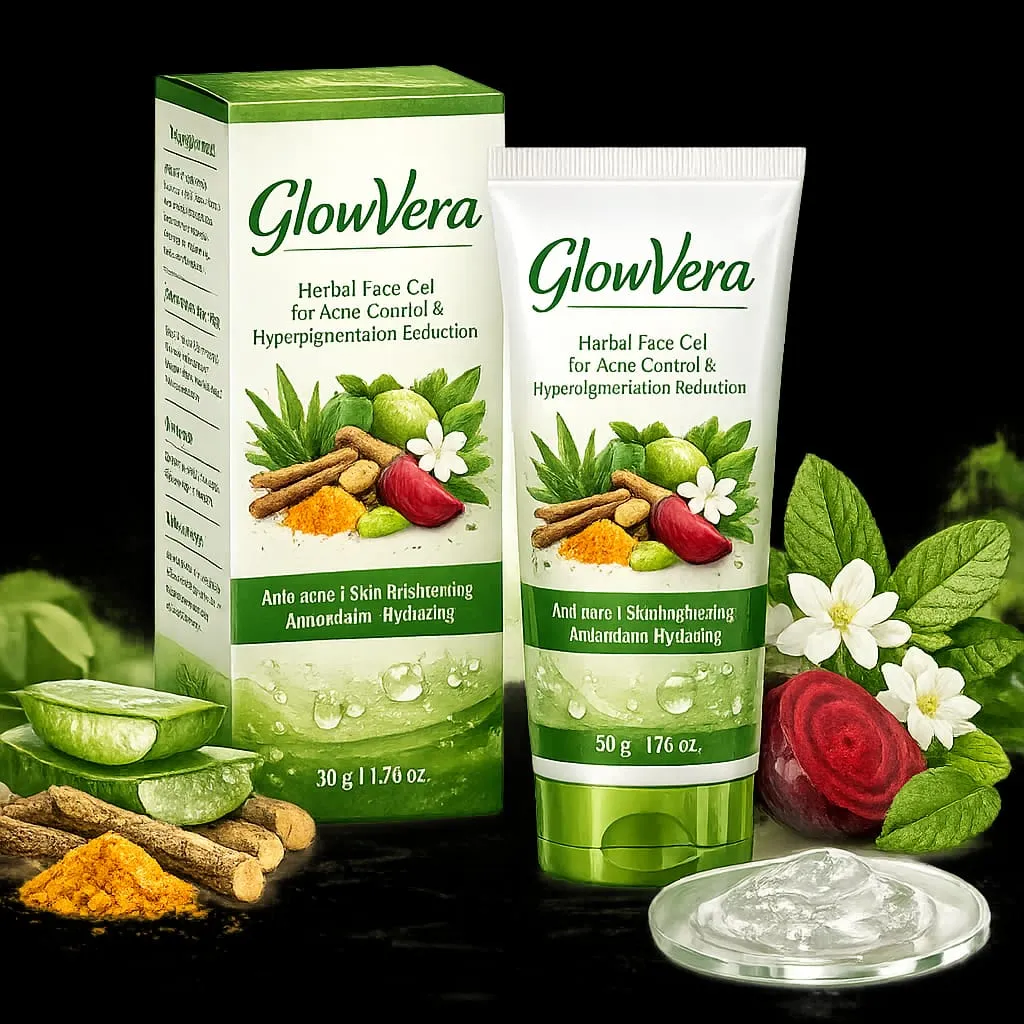
Final product
(Polyherbal gel formation)
Stepwise Mechanism of Action of GlowVera Herbal Gel
Step 1: Application of the Gel
The GlowVera herbal gel is applied topically to the affected skin area. The Carbopol 940 gel matrix ensures uniform spreading of the formulation and prolonged contact of the active ingredients with the skin surface.
Step 2: Release and Penetration of Bioactive Constituents
Upon application, the phytoconstituents present in Aloe vera, licorice, guava leaf, jasmine leaf, turmeric, and beetroot extracts are gradually released from the gel base and penetrate the superficial layers of the skin.
Step 3: Antimicrobial Action
The bioactive compounds present in the herbal extracts exert antimicrobial effects against acne-associated microorganisms. This action helps reduce microbial colonization and limits the progression of acne lesions.
Step 4: Reduction of Inflammatory Responses
Anti-inflammatory phytochemicals present in Aloe vera, turmeric, jasmine leaf, and licorice extracts help regulate inflammatory mediators. As a result, redness, swelling, irritation, and discomfort associated with acne lesions are reduced.
Step 5: Antioxidant Protection
The antioxidant constituents of guava leaf, beetroot, turmeric, licorice, and Aloe vera extracts neutralize reactive oxygen species generated during inflammation. This reduces oxidative stress and protects skin cells from damage.
Step 6: Support of Skin Repair and Regeneration
The combined antioxidant and soothing properties of the herbal ingredients promote tissue recovery and facilitate the natural healing process of acne-affected skin.
Step 7: Regulation of Melanin Formation
Licorice extract contains phytoconstituents capable of modulating melanogenesis pathways. This activity may reduce excessive melanin production that occurs following inflammation, thereby helping to diminish post-inflammatory hyperpigmentation.
Step 8: Improvement of Skin Hydration
Glycerin functions as a humectant by attracting and retaining moisture within the skin. Adequate hydration supports skin barrier function and improves overall skin condition.
Step 9: Reduction of Acne Lesions and Dark Spots
Through the combined antimicrobial, anti-inflammatory, antioxidant, and depigmenting effects, the formulation helps reduce acne lesions while simultaneously improving the appearance of acne-induced pigmentation.
Step 10: Achievement of Clearer and Healthier Skin
Continued application of the GlowVera herbal gel contributes to improved skin texture, reduction of inflammation, enhanced skin hydration, and a more uniform complexion, resulting in healthier-looking skin.
METHODOLOGY
Extraction of Herbal Ingredients
Fresh Aloe vera leaves were thoroughly washed with distilled water to remove surface contaminants. The outer rind was carefully removed, and the inner gel was collected and stored under refrigerated conditions until further use.
Guava leaves and jasmine leaves were washed, shade-dried for 7–10 days, and pulverized into a coarse powder. Turmeric rhizomes were similarly cleaned, dried, and ground into powder. Each powdered plant material was subjected to hydroalcoholic extraction using 70% ethanol by maceration for 72 hours with intermittent stirring. The extracts were filtered through Whatman No. 1 filter paper and concentrated using a water bath maintained below 50°C. The concentrated extracts were stored in airtight containers for subsequent formulation studies.
Fresh beetroot roots were washed, peeled, sliced, and dried under controlled conditions before pulverization. The powdered material was extracted using ethanol and concentrated to obtain a semisolid extract.
Formulation of GlowVera Herbal Gel
The herbal gel was prepared using Carbopol 940 as the gelling agent. Aloe vera gel, guava leaf extract, jasmine leaf extract, turmeric extract, beetroot extract, and licorice extract were incorporated into the gel base to provide anti-acne, antioxidant, anti-inflammatory, and skin-brightening effects. Glycerin was included as a humectant, methyl paraben as a preservative, and triethanolamine as a neutralizing agent.
The formulation was designed to produce a homogeneous, non-greasy gel suitable for topical application and capable of delivering herbal actives effectively to the skin.
Evaluation of the Formulation
The prepared gel was evaluated for its physical appearance, color, odor, homogeneity, pH, viscosity, spreadability, extrudability, washability, and stability. The antimicrobial potential of the formulation against acne-associated microorganisms was assessed using standard microbiological techniques. Stability studies were conducted under different storage conditions to evaluate changes in physical and chemical characteristics over time.
pH Evaluation of GlowVera Herbal Gel
The pH of topical formulations is an important parameter influencing skin compatibility, product stability, and user acceptability. Human skin normally exhibits a slightly acidic pH ranging from 4.5 to 5.5, which helps maintain barrier integrity and protects against microbial invasion. The pH of the formulated GlowVera herbal gel was found to be approximately 5.9, which lies within the acceptable range for dermatological preparations (5.5–6.5).
The observed pH indicates that the formulation is unlikely to cause significant irritation or disruption of the skin's natural acid mantle. Furthermore, maintaining a pH close to physiological skin conditions supports the stability of the incorporated herbal extracts and contributes to the overall safety and effectiveness of the formulation. Therefore, the pH value obtained confirms the suitability of GlowVera gel for topical application in the management of acne and post-inflammatory hyperpigmentation.
Evaluation Studies of GlowVera Herbal Gel
Introduction
The evaluation of topical herbal formulations is a critical component of pharmaceutical development, as it provides scientific evidence regarding product quality, safety, stability, and therapeutic performance. For a multifunctional formulation such as GlowVera herbal gel, intended for the management of acne vulgaris and post-inflammatory hyperpigmentation, comprehensive evaluation studies are necessary to ensure that the formulation possesses appropriate physicochemical characteristics and dermatological compatibility. These studies also help establish the reliability and reproducibility of the formulation prior to clinical application.
1. Organoleptic Evaluation
Organoleptic assessment involves the visual and sensory examination of the prepared gel with respect to color, odor, texture, appearance, consistency, and homogeneity. The formulation should exhibit a smooth texture, uniform appearance, and absence of visible particulate matter or phase separation.
Scientific Significance
Organoleptic properties directly influence patient acceptability and provide preliminary information regarding formulation quality and stability. Any deviation in these characteristics may indicate physical instability or incompatibility among formulation components.
2. pH Determination
The pH of the formulation is determined using a calibrated digital pH meter. Measurements are performed at room temperature after dispersing an accurately weighed quantity of gel in distilled water.
Scientific Significance
The pH of topical formulations significantly influences skin compatibility, formulation stability, and therapeutic effectiveness. Since healthy human skin maintains a slightly acidic pH, formulations intended for dermatological use should possess a pH close to physiological conditions. Maintaining an optimal pH minimizes irritation and supports the integrity of the skin barrier.
Expected Result : *5.5–6.5*
3. Viscosity Determination
Viscosity is measured using a Brookfield viscometer under controlled temperature conditions. The rheological behavior of the gel is evaluated to determine its resistance to flow.
Scientific Significance
Viscosity influences drug retention, spreadability, patient compliance, and formulation stability. An optimal viscosity ensures that the gel remains at the site of application without excessive runoff while still allowing convenient application.
4. Spreadability Study
Spreadability is assessed by measuring the ease with which the formulation spreads between two glass plates under a specified load.
Scientific Significance
Efficient spreadability facilitates uniform distribution of active ingredients across the skin surface, thereby improving therapeutic performance and enhancing patient convenience.
Formula
Spreadability (S) = M × L / T
Where:
* M = Weight tied to upper slide (g)
* L = Length moved by glass slide (cm)
* T = Time taken (sec)
5. Washability Test
Washability is evaluated by applying the gel onto the skin and observing the ease of removal using water.
Scientific Significance
This test provides information regarding user comfort and practical suitability for routine dermatological use.
6. Antimicrobial Activity Study
The antimicrobial effectiveness of the formulation is evaluated using the agar well diffusion technique against acne-associated microorganisms such as Cutibacterium acnes and Staphylococcus aureus. The diameter of the inhibition zone is recorded and compared with standard preparations.
Scientific Significance
Microbial colonization contributes significantly to acne pathogenesis. Demonstration of antimicrobial activity provides evidence supporting the anti-acne potential of the formulation.
Expected Observation
A measurable zone of inhibition indicating suppression of microbial growth.
7. Skin Irritation Study
The dermatological safety of the formulation is evaluated through patch testing on suitable experimental models or human volunteers under ethical approval.
Scientific Significance
This study determines the potential of the formulation to induce erythema, edema, itching, or other adverse skin reactions.
Expected Result
No visible signs of irritation or discomfort.
8. Stability Studies
Stability testing is conducted under various storage conditions, including refrigerated (4°C), room temperature (25°C), and accelerated conditions (40°C ± 2°C, 75% RH). Parameters such as appearance, pH, viscosity, homogeneity, and odor are monitored periodically.
Scientific Significance
Stability studies establish the shelf life and storage requirements of the formulation and ensure maintenance of product quality over time.
Evaluation Period : 30–90 days
Overall Importance of Evaluation Studies
The evaluation studies conducted on GlowVera herbal gel collectively establish the formulation's quality, efficacy, safety, and stability. These investigations provide scientific validation for the use of the formulation in acne management and reduction of post-inflammatory hyperpigmentation. Furthermore, the generated data support the optimization of formulation parameters and contribute to the development of a safe, effective, and patient-friendly herbal dermatological product.
RESULTS AND DISCUSSION
The formulated GlowVera herbal gel was successfully prepared using Aloe vera gel, licorice extract, guava leaf extract, jasmine leaf extract, turmeric extract, and beetroot extract incorporated into a Carbopol 940 gel base. The formulation exhibited a smooth texture, uniform appearance, and satisfactory consistency without any visible signs of phase separation or instability.
The pH of the gel was found to be within the range of 5.5–6.5, indicating good compatibility with the physiological pH of the skin and suggesting minimal risk of irritation upon topical application. Viscosity and spreadability studies demonstrated that the formulation possessed suitable rheological properties, allowing easy application and uniform distribution on the skin surface. The gel also exhibited satisfactory extrudability and washability, indicating good patient acceptability and convenience during use.
Antimicrobial evaluation revealed that the formulation exhibited inhibitory activity against acne-associated microorganisms, which may be attributed to the combined action of the phytoconstituents present in the herbal extracts. Antioxidant studies demonstrated appreciable free radical scavenging activity, indicating the potential of the formulation to protect skin cells from oxidative stress associated with acne and skin inflammation.
The skin irritation assessment showed no visible signs of erythema, edema, or discomfort, suggesting that the formulation is dermatologically safe for topical application. Stability studies conducted under different storage conditions indicated that the gel maintained its physical appearance, pH, viscosity, and homogeneity throughout the study period, confirming the stability of the formulation.
The combined antimicrobial, anti-inflammatory, antioxidant, moisturizing, and depigmenting properties of the incorporated herbal ingredients contribute to the overall therapeutic effectiveness of the formulation. These findings suggest that GlowVera herbal gel possesses considerable potential as a natural topical preparation for the management of acne vulgaris and post-inflammatory hyperpigmentation.
CONCLUSION
The present study successfully developed and evaluated GlowVera, a herbal anti-acne and hyperpigmentation gel formulated using Aloe vera, licorice, guava leaf, jasmine leaf, turmeric, and beetroot extracts. The formulation demonstrated satisfactory physicochemical properties, appropriate skin-compatible pH, good spreadability, acceptable viscosity, and excellent stability characteristics.
The results obtained from antimicrobial and antioxidant evaluations indicate that the formulation possesses promising biological activity that may contribute to acne reduction, skin protection, and improvement of post-inflammatory pigmentation. Furthermore, the absence of skin irritation and the favorable stability profile support its suitability for topical application.
Based on the overall evaluation, GlowVera herbal gel can be considered a safe, stable, and effective herbal formulation with potential applications in acne management and hyperpigmentation control. Further clinical investigations may be conducted to establish its long-term therapeutic efficacy and safety in a larger population.
REFERENCES


Dharanee Nali, N. Varshitha, D. Srinitha, K. Jayalakshmi, V. Kanchana, Dr. Y. Suneetha, A Herbal-Based Gel Formulation for Acne Control and Hyperpigmentation Reduction, Int. J. Med. Pharm. Sci., 2026, 2 (11), 60-74. https://doi.org/10.5281/zenodo.24391661
 10.5281/zenodo.24391661