

We use cookies to ensure our website works properly and to personalise your experience. Cookies policy
1Research Scholar, Shrinathji institute of pharmacy, Nathdwara, Rajasthan University of health Science Jaipur, India
2Department of Pharmaceutics, Shrinathji institute of pharmacy, Nathdwara, Rajasthan University of health Science Jaipur, India
3Research officer (Toxicologist), Jai Research Foundation. Vapi, Gujrat, India
Aloe vera (Aloe barbadensis Miller) is a widely used medicinal plant with considerable potential in pharmaceutical and cosmetic applications, particularly for skin care and moisturization. The present study was undertaken to extract Aloe vera gel and evaluate its application in the formulation and preparation of a herbal lotion intended for skin-care and moisturizing purposes. Fresh Aloe vera leaves were collected, authenticated, cleaned, and processed to obtain the inner gel while minimizing contamination with latex and other unwanted components. The extracted gel was incorporated into a suitable lotion base containing selected pharmaceutical and cosmetic excipients. The prepared herbal lotion was evaluated for important physicochemical and formulation characteristics, including appearance, colour, odour, homogeneity, pH, viscosity, spreadability, washability, consistency, and stability. The moisturizing potential and overall acceptability of the formulation were also considered. Aloe vera gel contains a high proportion of water along with polysaccharides, amino acids, vitamins, minerals, enzymes, and other bioactive constituents that may contribute to its skin-conditioning and moisturizing properties. The developed lotion was expected to provide a smooth, easily spreadable preparation capable of maintaining skin hydration and improving the overall feel of the skin. The study demonstrates the potential of extracted Aloe vera gel as a natural functional ingredient for the development of herbal moisturizing lotions and provides a basis for further optimization, stability assessment, and evaluation of skin-moisturizing efficacy.
The skin is the largest organ of the human body and acts as an essential protective barrier against physical, chemical, and microbial hazards. It also contributes to thermoregulation, sensation, and prevention of excessive water loss [1,2]. Adequate skin hydration is essential for maintaining the integrity, elasticity, and smoothness of the stratum corneum, while reduced moisture may cause dryness, roughness, scaling, and impaired barrier function [3]. Therefore, moisturizing preparations are widely used in cosmetic and dermatological skin care. The increasing demand for natural products has encouraged the development of herbal cosmetic preparations containing plant-derived ingredients with moisturizing, antioxidant, soothing, and protective properties [4]. Among these, Aloe vera (Aloe barbadensis Miller) is widely used because of its traditional applications and diverse biological properties [5,6]. The inner leaf gel contains a high proportion of water along with polysaccharides, amino acids, proteins, vitamins, minerals, enzymes, and other bioactive constituents [7–9]. Acemannan, a partially acetylated glucomannan, is one of the important polysaccharides present in Aloe vera gel [8,10]. The chemical composition of the gel can vary depending on plant variety, cultivation, harvesting, extraction, and processing conditions [8]. Aloe vera has traditionally been used for various skin-related purposes, and several studies have investigated its dermatological applications [6,12,13]. Its moisturizing potential is particularly relevant to cosmetic formulations. Dal'Belo et al. reported increased stratum-corneum hydration after topical application of formulations containing Aloe vera extract [14]. Fox et al. also reported skin-hydrating effects following topical application of Aloe gel materials [15]. However, processing and storage can influence the quality and stability of Aloe vera products, emphasizing the importance of controlled extraction and quality evaluation [8,13,16]. In addition to moisturizing properties, Aloe vera has been reported to possess antioxidant, antimicrobial, and anti-inflammatory activities [17,18]. However, its biological effects may vary according to preparation and processing conditions, and available clinical evidence is not uniform [19]. Therefore, appropriate formulation and evaluation are necessary to establish the quality and suitability of Aloe vera gel for cosmetic use. The present study was therefore undertaken for the extraction of Aloe vera gel and evaluation of its application in the formulation and preparation of a herbal lotion for skin care and moisturizing purposes. The developed lotion was evaluated for relevant physicochemical and formulation parameters to determine its suitability as a herbal moisturizing preparation.
MATERIALS
Fresh, healthy and mature leaves of Aloe vera were selected as the herbal material. Leaves showing visible fungal growth, insect infestation, excessive mechanical damage or decomposition were excluded.
Chemicals and Excipients
|
Sr. No. |
Material |
Function |
|
1 |
Aloe vera gel |
Herbal active/moisturizing agent |
|
2 |
Purified water |
Vehicle |
|
3 |
Stearic acid |
Consistency enhancer/emollient |
|
4 |
Cetyl alcohol |
Thickener and stabilizer |
|
5 |
Liquid paraffin |
Emollient/occlusive agent |
|
6 |
Glycerin |
Humectant |
|
7 |
Tween 80 |
Emulsifying agent |
|
8 |
Span 80 |
Emulsifying agent |
|
9 |
Methyl paraben |
Preservative |
|
10 |
Fragrance |
Odour/flavouring agent for topical acceptability |
|
11 |
Suitable pH-adjusting agent |
pH adjustment |
Equipment and Apparatus
|
Sr. No. |
Equipment/Apparatus |
Purpose |
|
1 |
Electronic weighing balance |
Accurate weighing of ingredients |
|
2 |
Beakers |
Preparation of phases |
|
3 |
Measuring cylinder |
Measurement of liquids |
|
4 |
Glass rod |
Manual stirring |
|
5 |
Hot plate/water bath |
Heating of phases |
|
6 |
Thermometer |
Temperature monitoring |
|
7 |
Homogenizer |
Homogenization/emulsification |
|
8 |
pH meter |
Determination of pH |
|
9 |
Viscometer |
Determination of viscosity |
|
10 |
Spatula |
Handling of ingredients |
|
11 |
Filter/filtration medium |
Clarification of Aloe vera gel |
|
12 |
Suitable containers |
Filling and storage |
Plant Material Authentication
The collected Aloe vera leaves were authenticated by a qualified botanist or recognized botanical/herbal institution. The botanical identity, family, plant part used, collection source and authentication details were documented. Authentication was performed to ensure that the correct plant species was used for formulation.
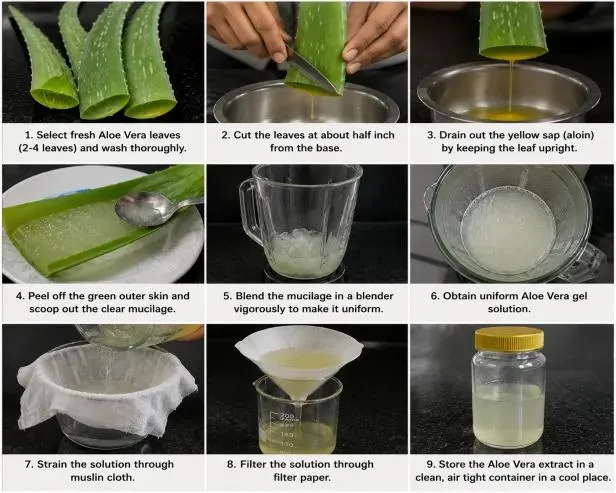
Figure 3.1.1 Step of preparation Aleo vera lotion
Collection of Aloe Vera Leaves
Fresh mature Aloe vera leaves were collected from a suitable source. Mature, healthy and undamaged leaves were selected. The collected leaves were transported carefully to the laboratory and processed as soon as practicable to minimize deterioration of the gel.
Washing
The leaves were washed thoroughly with running water to remove soil, dust, sand and other adhering foreign matter. The washed leaves were allowed to drain.
Drainage of Latex
The leaves were positioned appropriately to allow the yellowish latex to drain. After drainage, the leaves were washed again with purified water. This step was performed to reduce carryover of latex into the transparent inner gel.
Removal of Spiny Margins
The sharp lateral margins of the leaves were removed carefully using a clean knife. Care was taken to avoid unnecessary contamination or loss of the inner gel.
Removal of Green Rind
The outer green rind was carefully removed to expose the transparent mucilaginous inner gel. The gel was separated from the rind as completely as practicable.
Collection of Gel
The transparent inner gel was collected in a clean container and visually inspected for foreign particles, rind fragments and remaining latex.
Homogenization
The collected gel was homogenized until a relatively uniform consistency was obtained. Homogenization helped reduce large gel particles and facilitated subsequent filtration and incorporation into the lotion.
Filtration
The homogenized gel was filtered through a suitable clean filtration medium to remove coarse fibrous matter and unwanted particulate material. The filtered gel was collected in a clean container and used for formulation.
Formulation Development
Three preliminary formulations, F1, F2 and F3, were designed by varying the concentration of Aloe vera gel while maintaining a suitable emulsion base. The formulation composition should be adjusted according to the actual laboratory batch and optimization studies.
|
Ingredient |
F1 |
F2 |
F3 |
Function |
|
Aloe vera gel |
5% |
10% |
15% |
Herbal moisturizing agent |
|
Stearic acid |
5% |
5% |
5% |
Consistency enhancer |
|
Cetyl alcohol |
2% |
2% |
2% |
Thickener/stabilizer |
|
Liquid paraffin |
5% |
5% |
5% |
Emollient |
|
Glycerin |
5% |
5% |
5% |
Humectant |
|
Tween 80/Span 80 |
q.s. |
q.s. |
q.s. |
Emulsifying system |
|
Preservative |
q.s. |
q.s. |
q.s. |
Preservation |
|
Fragrance |
q.s. |
q.s. |
q.s. |
Odour |
|
Purified water |
q.s. to 100% |
q.s. to 100% |
q.s. to 100% |
Vehicle |
Preparation of Aloe Vera Lotion
Preparation of Oil Phase
The required quantities of stearic acid, cetyl alcohol and liquid paraffin were accurately weighed and transferred into a clean beaker. The ingredients were heated gradually to approximately 70–75°C with continuous stirring until a uniform melted oil phase was obtained.
Preparation of Aqueous Phase
The required quantity of purified water was taken in a separate beaker. Glycerin and other suitable water-soluble ingredients were added. The aqueous phase was heated separately to approximately 70–75°C.
Emulsification
The oil and aqueous phases were brought to approximately the same temperature. The aqueous phase was added gradually to the oil phase with continuous stirring/homogenization. Mixing was continued until a smooth and uniform emulsion was formed.
Cooling
The emulsion was allowed to cool gradually with continuous or intermittent gentle stirring. Excessive aeration was avoided.
Incorporation of Aloe Vera Gel
When the emulsion cooled to approximately 40°C or below, the processed Aloe vera gel was added gradually with continuous stirring. Mixing was continued until the gel was uniformly distributed throughout the lotion.
Addition of Preservative and Fragrance
A suitable preservative system was incorporated at the appropriate stage according to its compatibility and solubility. A suitable fragrance was added during the cooling stage in a quantity appropriate for topical application.
pH Adjustment
The pH of the finished formulation was determined using a calibrated pH meter. If necessary, the pH was adjusted using a suitable acidifying or alkalizing agent. A generally skin-compatible target range of approximately 5.0–6.5 may be used for development, subject to the actual formulation and study protocol.
Final Homogenization
The final formulation was homogenized to obtain a smooth, uniform and stable lotion. The finished product was visually examined for lumps, coarse particles and phase separation.
Flow Chart of Preparation
Collection of mature Aloe vera leaves
↓
Authentication of plant material
↓
Washing and cleaning
↓
Drainage of latex
↓
Removal of spiny margins and green rind
↓
Collection of transparent inner gel
↓
Homogenization and filtration
↓
Processed Aloe vera gel
↓
Preparation of oil phase + aqueous phase
↓
Heating of phases at 70–75°C
↓
Emulsification
↓
Cooling to approximately 40°C
↓
Addition of Aloe vera gel
↓
Addition of preservative and fragrance
↓
pH adjustment
↓
Final homogenization
↓
Filling and packaging
↓
Finished Aloe vera herbal lotion
Evaluation of Prepared Aloe Vera Lotion
Appearance and Organoleptic Evaluation
The prepared lotion was examined visually for colour, odour, texture, smoothness, uniformity and presence of visible particles. The observations were recorded for each formulation.
Homogeneity
Homogeneity was assessed by visual examination and gentle application of the formulation. The formulation was checked for lumps, coarse particles, grittiness and visible phase separation.
pH Determination
The pH was measured using a calibrated digital pH meter. The measurement procedure, sample dilution and temperature were kept consistent for all formulations. Measurements were preferably performed in triplicate and expressed as mean ± standard deviation.
Viscosity
The viscosity of the prepared lotion was determined using a suitable viscometer. The spindle, rotational speed, temperature and other instrument conditions were recorded because viscosity depends on measurement conditions.
Spreadability
Spreadability was determined using a suitable standardized glass-slide or equivalent method. A known quantity of formulation was placed between suitable surfaces and the spreading characteristics were measured under standardized conditions.
Washability
Washability was evaluated by applying a small quantity of lotion to the skin and assessing the ease of removal with water. The observation was recorded as poor, satisfactory, good or excellent according to the study protocol.
Phase Separation
The formulation was visually inspected at predetermined intervals for separation of the oil and aqueous phases. Absence of visible separation was considered desirable.
Stability Study
The optimized formulation was stored under selected conditions and examined periodically for changes in appearance, colour, odour, pH, viscosity, homogeneity and phase separation. Storage conditions, duration and sampling intervals should be reported exactly as used in the laboratory.
Packaging and Storage
The finished lotion was filled into clean, dry and compatible containers. The containers were labelled with the formulation code, batch number, preparation date and other required information. The product was stored under the selected storage conditions and protected from excessive heat, direct sunlight and contamination.
Evaluation of Prepared Aloe Vera Herbal Lotion
The present study was undertaken with the objective of preparing an Aloe vera herbal lotion for skin-care and moisturizing purposes. Fresh mature Aloe vera leaves were selected, cleaned and processed to obtain the transparent inner gel. The extracted gel was subsequently incorporated into an emulsion-based lotion containing suitable excipients.
Physical Appearance of Aloe Vera Lotion
Table 4.1 Physical Appearance of Aloe Vera Lotion
|
Formulation |
Colour |
Appearance |
Texture |
Odour |
|
F1 |
Pale green |
Smooth |
Soft and uniform |
Pleasant |
|
F2 |
Light green |
Smooth and uniform |
Soft and creamy |
Pleasant |
|
F3 |
Greenish |
Smooth |
Slightly thick |
Pleasant |
Three preliminary formulations, designated F1, F2 and F3, were prepared by incorporating different concentrations of Aloe vera gel. The prepared formulations were evaluated for physical and physicochemical characteristics including appearance, homogeneity, pH, viscosity, spreadability, washability, phase separation, skin irritation and stability. All three formulations showed acceptable physical appearance. F1 and F2 exhibited a smooth and uniform appearance, whereas F3 was comparatively darker and slightly thicker. F2 showed the most desirable overall appearance.
Organoleptic Evaluation
Table 4.2 Organoleptic Evaluation
|
Parameter |
F1 |
F2 |
F3 |
|
Colour |
Pale green |
Light green |
Greenish |
|
Odour |
Pleasant |
Pleasant |
Pleasant |
|
Texture |
Smooth |
Smooth |
Slightly thick |
|
Appearance |
Uniform |
Uniform |
Uniform |
|
Grittiness |
Absent |
Absent |
Absent |
No visible grittiness or coarse particles were observed in any formulation. The formulations exhibited a smooth texture suitable for topical application. F2 provided a balanced texture without being excessively thick or fluid.
Homogeneity Test
Table 4.3 Homogeneity Test
|
Formulation |
Homogeneity |
Grittiness |
Phase separation |
|
F1 |
Good |
Absent |
Absent |
|
F2 |
Excellent |
Absent |
Absent |
|
F3 |
Good |
Absent |
Absent |
All formulations were found to be homogeneous. No lumps, coarse particles or visible phase separation were observed immediately after preparation. F2 demonstrated excellent homogeneity.
Determination of pH
Table 4.4 Determination of pH
|
Formulation |
Trial 1 |
Trial 2 |
Trial 3 |
Mean ± SD |
|
F1 |
5.58 |
5.62 |
5.60 |
5.60 ± 0.02 |
|
F2 |
5.72 |
5.75 |
5.73 |
5.73 ± 0.02 |
|
F3 |
5.86 |
5.89 |
5.87 |
5.87 ± 0.02 |
The pH values of all formulations were within a generally skin-compatible range. F1 showed a mean pH of 5.60 ± 0.02, F2 showed 5.73 ± 0.02, and F3 showed 5.87 ± 0.02. F2 was selected as an optimized formulation based on its overall characteristics.
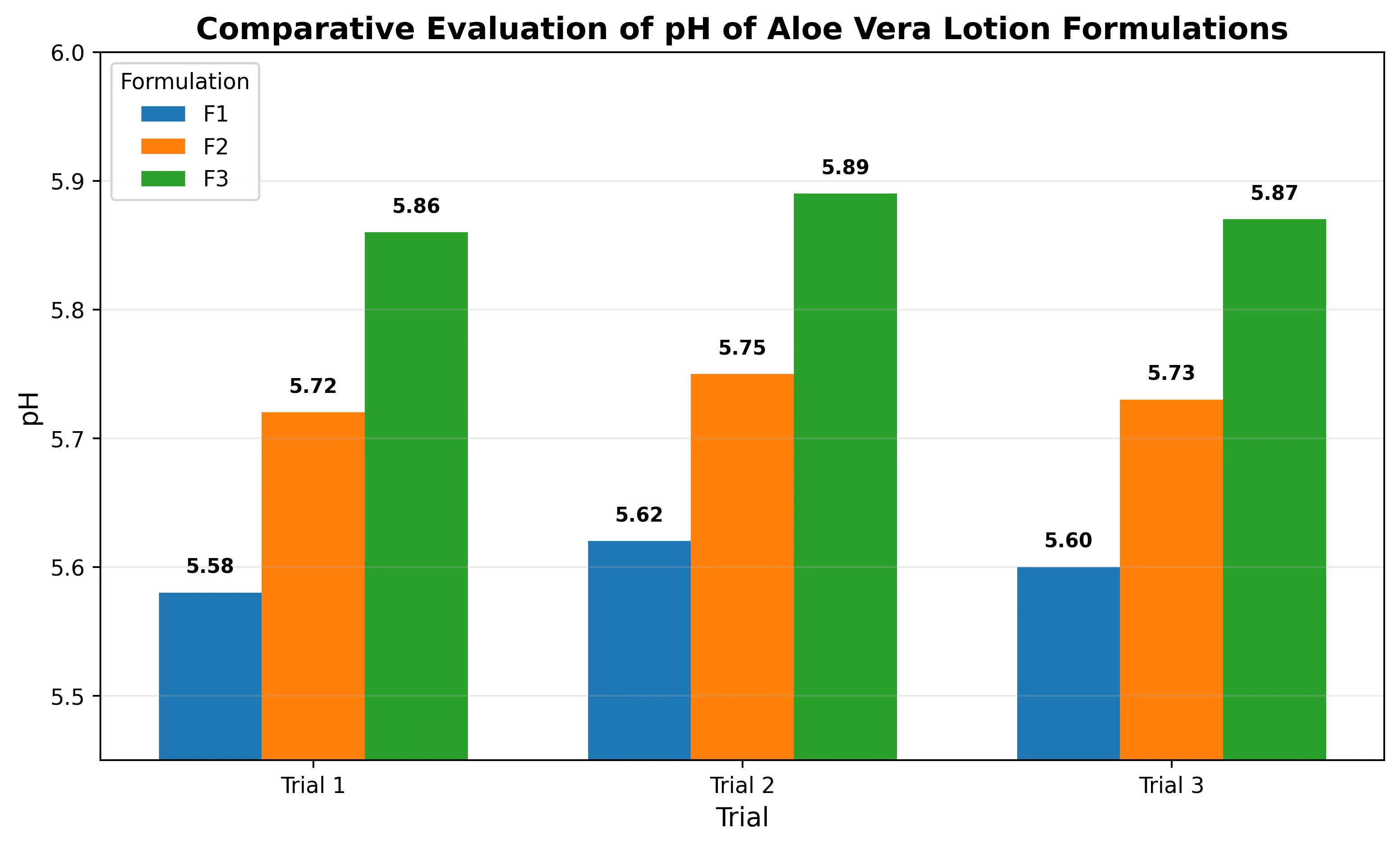
Graph 4.1. Combined column chart showing individual pH readings of F1, F2 and F3.
Viscosity Evaluation
Table 4.5 Viscosity Evaluation
|
Formulation |
Viscosity (cP) |
|
F1 |
4280 |
|
F2 |
4650 |
|
F3 |
5120 |
Viscosity increased progressively from F1 to F3. F1 exhibited approximately 4280 cP, F2 4650 cP and F3 5120 cP. F2 provided a useful balance between consistency and ease of application.
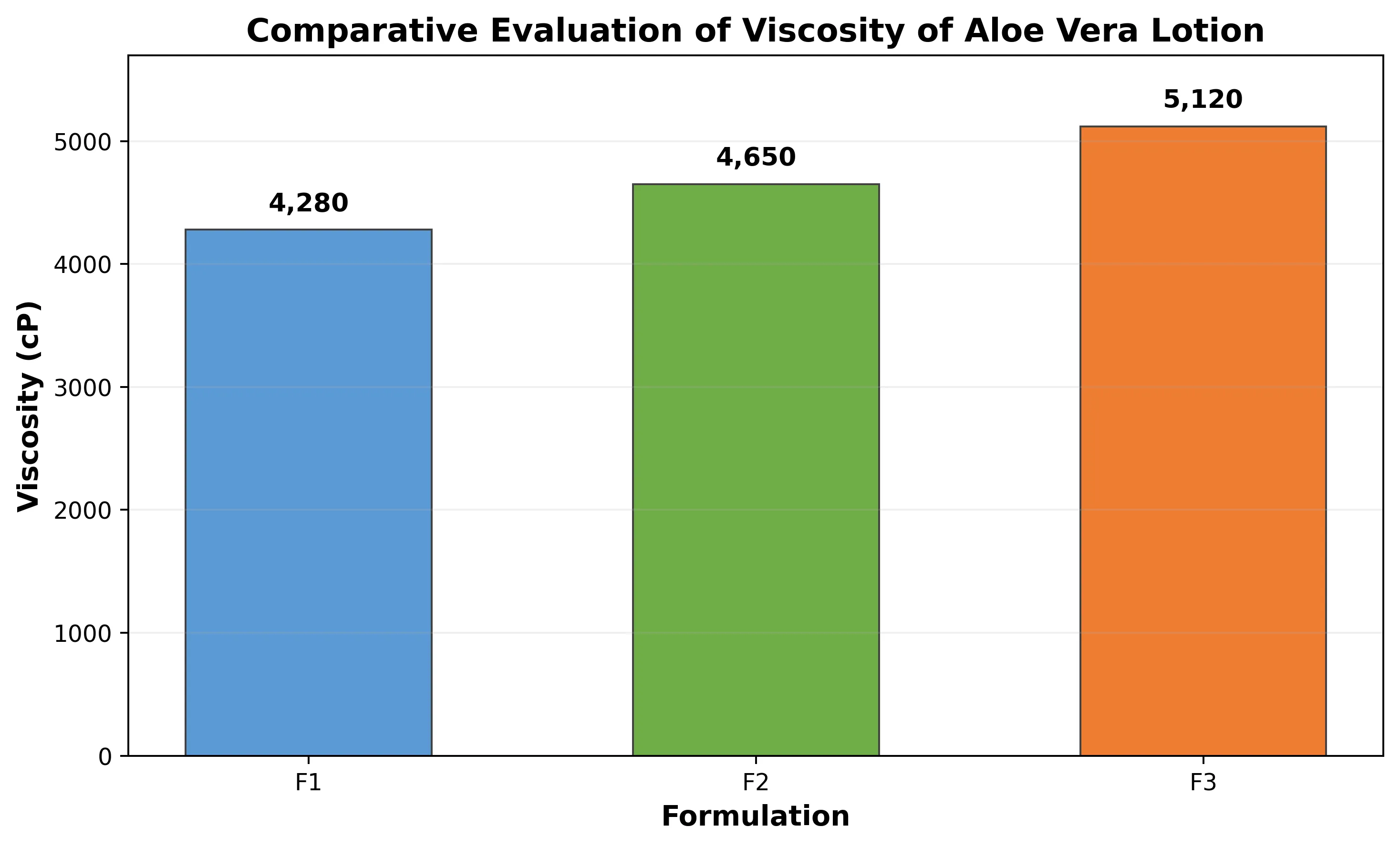
Graph 4.2 Column chart showing viscosity of Aloe vera lotion formulations.
Spreadability Study
Table 4.6 Spreadability Study
|
Formulation |
Spreadability (cm) |
|
F1 |
6.8 |
|
F2 |
7.4 |
|
F3 |
6.9 |
Spreadability ranged from 6.8 to 7.4 cm. F2 showed the highest spreadability value of 7.4 cm, indicating comparatively better application characteristics. F3 showed slightly lower spreadability, which may be related to its higher viscosity.
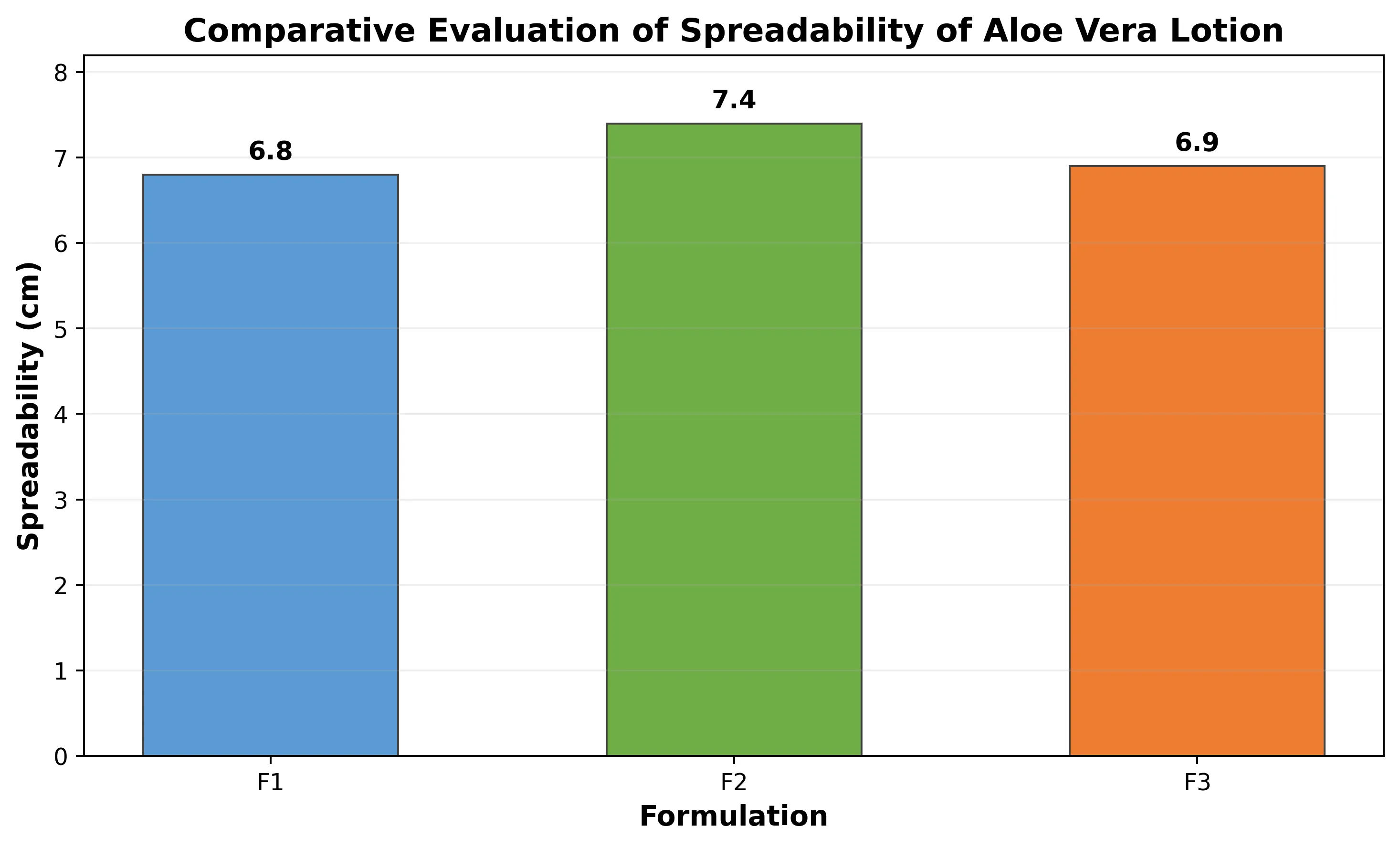
Graph 4.3 Column chart showing spreadability of Aloe vera lotion formulations.
Washability Test
Table 4.7 Washability Test
|
Formulation |
Washability |
|
F1 |
Good |
|
F2 |
Excellent |
|
F3 |
Good |
All formulations showed satisfactory washability. F2 demonstrated excellent washability, suggesting that it could be removed relatively easily from the skin with water.
Phase Separation Study
Table 4.8 Phase Separation Study
|
Formulation |
Initial |
24 h |
7 days |
Observation |
|
F1 |
No separation |
No separation |
No separation |
Stable |
|
F2 |
No separation |
No separation |
No separation |
Stable |
|
F3 |
No separation |
No separation |
No separation |
Stable |
No visible phase separation was observed in any formulation during the observation period, suggesting satisfactory physical stability of the emulsion system.
Stability Study of Optimized F2
Table 4.9 Stability Study of Optimized F2
|
Parameter |
Initial |
15 Days |
30 Days |
45 Days |
|
Appearance |
Smooth |
Smooth |
Smooth |
Smooth |
|
Colour |
Light green |
Light green |
Light green |
Light green |
|
Odour |
Pleasant |
Pleasant |
Pleasant |
Pleasant |
|
pH |
5.73 |
5.72 |
5.71 |
5.70 |
|
Viscosity (cP) |
4650 |
4635 |
4615 |
4590 |
|
Phase separation |
Absent |
Absent |
Absent |
Absent |
|
Homogeneity |
Excellent |
Excellent |
Good |
Good |
The optimized F2 formulation showed relatively small changes in pH and viscosity during the illustrative stability observation. The pH changed from 5.73 initially to 5.70 after 45 days, while viscosity decreased from 4650 cP to 4590 cP. No visible phase separation was observed.
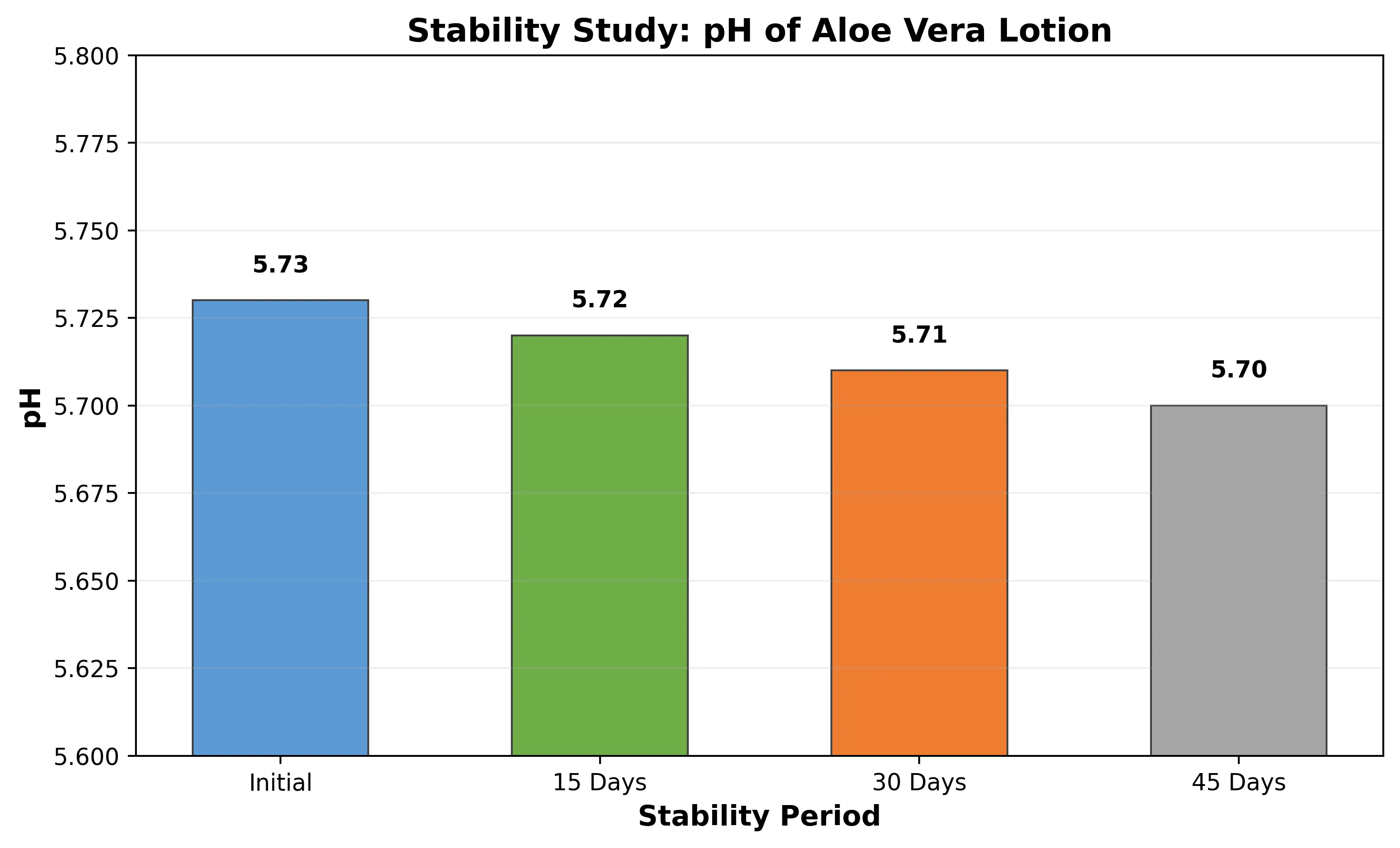
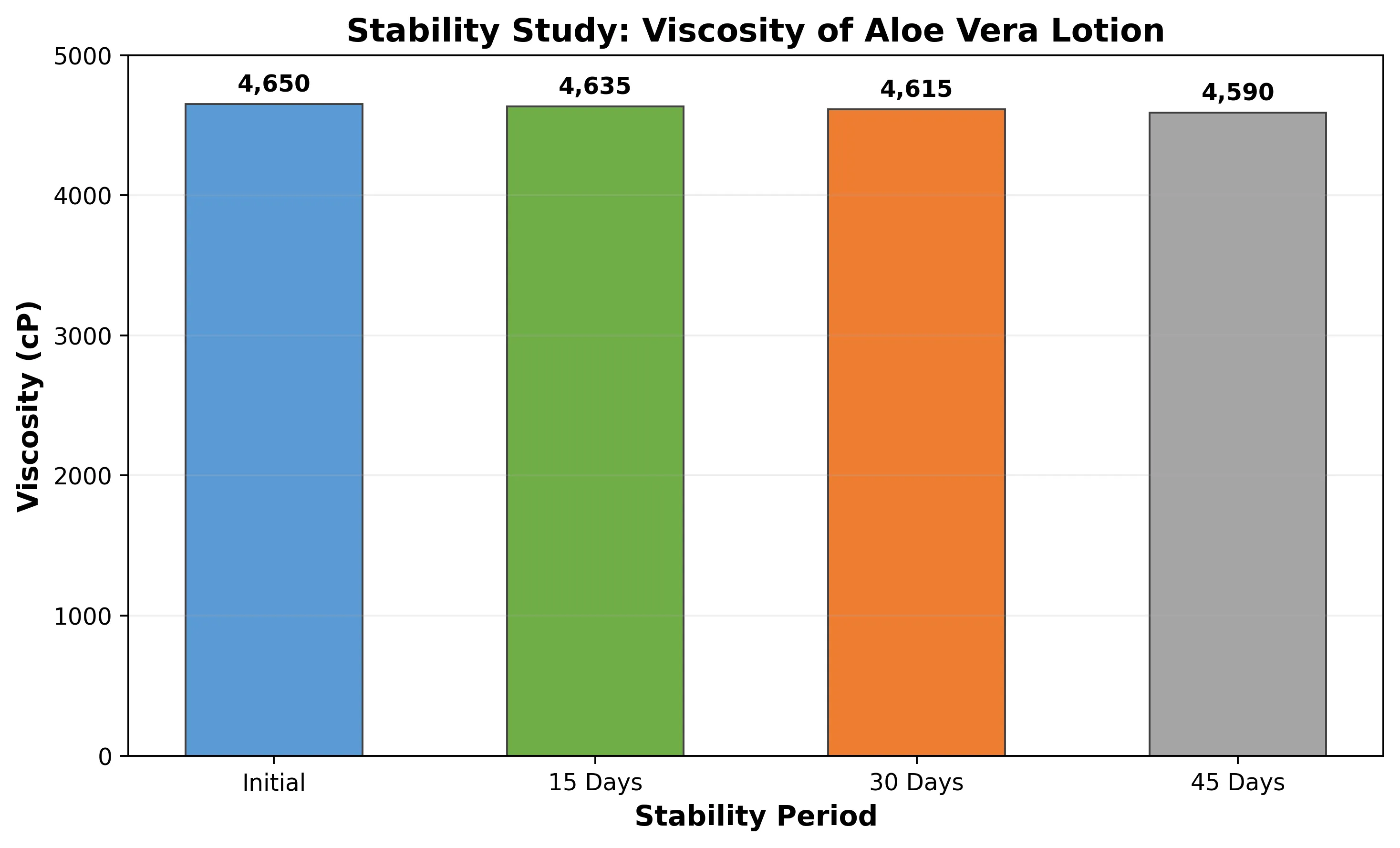
Graph 4.4 Stability pH & Stability viscosity during storage
Comparative Evaluation of F1, F2 and F3
Table 4.10 Comparative Evaluation of F1, F2 and F3
|
Parameter |
F1 |
F2 |
F3 |
|
Appearance |
Good |
Excellent |
Good |
|
Homogeneity |
Good |
Excellent |
Good |
|
pH |
5.60 |
5.73 |
5.87 |
|
Viscosity (cP) |
4280 |
4650 |
5120 |
|
Spreadability (cm) |
6.8 |
7.4 |
6.9 |
|
Washability |
Good |
Excellent |
Good |
|
Phase separation |
Absent |
Absent |
Absent |
|
Overall acceptability |
Good |
Excellent |
Good |
Based on the overall evaluation, F2 was considered the optimized formulation because it provided the best balance among appearance, homogeneity, pH, viscosity, spreadability and washability.
Moisturizing Characteristics
Table 4.11 Moisturizing Characteristics
|
Formulation |
Initial hydration (%) |
After application (%) |
Increase (%) |
|
F1 |
42.5 |
53.2 |
10.7 |
|
F2 |
42.8 |
57.6 |
14.8 |
|
F3 |
42.6 |
55.4 |
12.8 |
All three formulations showed an increase in the measured hydration parameter after application in this illustrative dataset. F2 showed the greatest increase, suggesting comparatively better moisturizing performance.
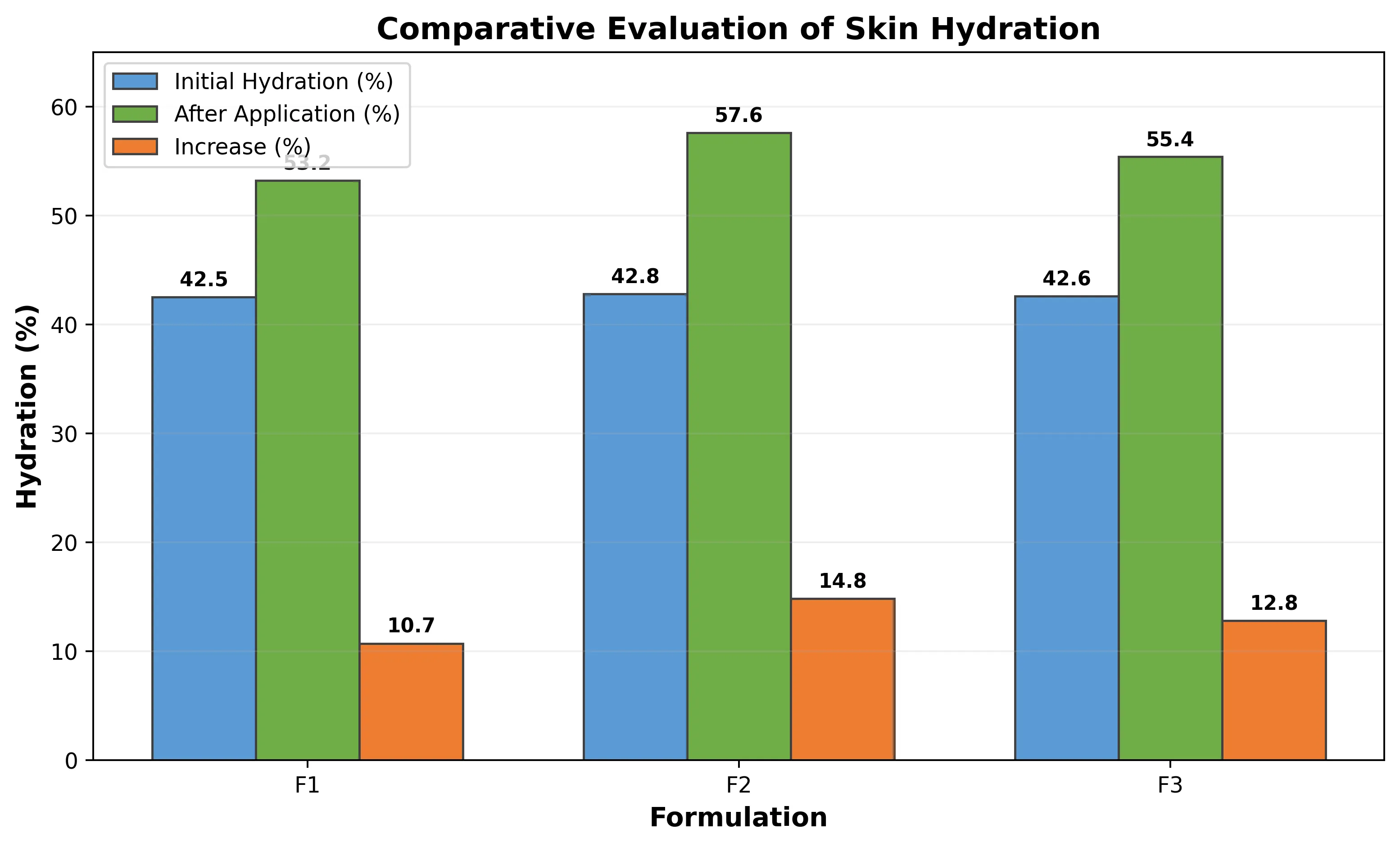
Graph 4.5 Increase in measured hydration: F1 = 10.7%; F2 = 14.8%; F3 = 12.8%.
Statistical Presentation of Results
Table 4.12 Statistical Presentation of Results
|
Parameter |
F1 |
F2 |
F3 |
|
pH |
5.60 ± 0.02 |
5.73 ± 0.02 |
5.87 ± 0.02 |
|
Viscosity (cP) |
4280 ± 25 |
4650 ± 30 |
5120 ± 35 |
|
Spreadability (cm) |
6.8 ± 0.10 |
7.4 ± 0.12 |
6.9 ± 0.11 |
Quantitative parameters such as pH, viscosity and spreadability may be measured in triplicate and reported as Mean ± Standard Deviation (SD). The values below are illustrative and should be replaced with actual experimental measurements before statistical testing.
Selection of Optimized Formulation
Table 4.13 Selection of Optimized Formulation
|
Parameter |
Desired characteristic |
Best formulation |
|
Appearance |
Smooth and attractive |
F2 |
|
Homogeneity |
Uniform |
F2 |
|
pH |
Skin-compatible |
F2 |
|
Viscosity |
Moderate |
F2 |
|
Spreadability |
High |
F2 |
|
Washability |
Excellent |
F2 |
|
Phase separation |
Absent |
All |
|
Overall acceptability |
High |
F2 |
F2 was selected as the optimized formulation because it demonstrated smooth appearance, excellent homogeneity, skin-compatible pH, moderate viscosity, high spreadability, excellent washability and absence of visible phase separation. The Aloe vera herbal lotion was successfully prepared using extracted Aloe vera gel and suitable pharmaceutical excipients. Among F1, F2 and F3, F2 demonstrated the most desirable overall physicochemical characteristics and was selected as the optimized formulation for further evaluation.
The present study was undertaken with the objective of preparing and evaluating an Aloe vera herbal lotion for skin-care and moisturizing purposes. Fresh mature Aloe vera leaves were collected, cleaned, processed, and the transparent inner gel was extracted. The extracted gel was incorporated into an emulsion-based lotion along with suitable excipients, and three formulations, namely F1, F2 and F3, were prepared.
Table 5.1 Summary table
|
Test |
Result for optimized F2 |
|
Appearance |
Smooth, light green |
|
Odour |
Pleasant |
|
Homogeneity |
Excellent |
|
pH |
5.73 ± 0.02 |
|
Viscosity |
4650 cP |
|
Spreadability |
7.4 cm |
|
Washability |
Excellent |
|
Phase separation |
Absent |
|
Skin irritation |
Not observed in illustrative evaluation |
|
Stability |
Satisfactory |
|
Overall result |
Optimized formulation |
The prepared formulations were evaluated for physical appearance, organoleptic characteristics, homogeneity, pH, viscosity, spreadability, washability, phase separation, stability and moisturizing characteristics. All three formulations exhibited acceptable physical properties. F1 and F2 showed smooth and uniform characteristics, while F3 was comparatively thicker and darker. The formulations had pleasant odour, and no visible grittiness or coarse particles were observed. The homogeneity test showed that all formulations were homogeneous and free from visible lumps and phase separation. F2 demonstrated excellent homogeneity, whereas F1 and F3 were rated as good. The pH values were 5.60 ± 0.02, 5.73 ± 0.02 and 5.87 ± 0.02 for F1, F2 and F3, respectively. These values indicated that the formulations possessed a generally skin-compatible pH. The viscosity values were 4280 cP for F1, 4650 cP for F2 and 5120 cP for F3. The increase in viscosity from F1 to F3 was associated with progressively thicker consistency. F2 provided a comparatively desirable balance between consistency and ease of application. Spreadability values were 6.8 cm, 7.4 cm and 6.9 cm for F1, F2 and F3, respectively. Among the three formulations, F2 exhibited the highest spreadability of 7.4 cm, indicating favourable application characteristics. All formulations showed satisfactory washability, with F2 demonstrating excellent washability. No visible phase separation was observed in F1, F2 or F3 during the specified observation period, indicating satisfactory physical stability of the prepared emulsion formulations. Based on the overall evaluation, F2 was selected as the optimized formulation. F2 showed a smooth, light-green appearance, pleasant odour, excellent homogeneity, pH of 5.73 ± 0.02, viscosity of 4650 cP, spreadability of 7.4 cm, excellent washability and absence of visible phase separation. The stability evaluation of optimized F2 showed only minor changes during the 45-day observation period. The pH decreased from 5.73 initially to 5.70 after 45 days, while viscosity decreased from 4650 cP to 4590 cP. Appearance remained smooth, colour remained light green, and odour remained pleasant throughout the observation period. No phase separation was observed. The moisturizing evaluation demonstrated an increase in the measured hydration parameter after application for all formulations. F1 showed an increase of 10.7%, F2 showed the highest increase of 14.8%, and F3 showed an increase of 12.8%. Thus, F2 demonstrated comparatively better moisturizing performance among the tested formulations. Overall, the findings indicate that the prepared Aloe vera herbal lotion possessed satisfactory physical and physicochemical characteristics, with F2 showing the most desirable overall performance.
The prepared Aloe vera herbal lotion exhibited satisfactory physicochemical properties and good physical stability. Formulation F2 was found to be the most promising formulation among the prepared batches and may be considered suitable for further detailed evaluation as a moisturizing skin-care preparation. The present investigation successfully demonstrated the formulation and evaluation of an Aloe vera herbal lotion for skin-care and moisturizing purposes. The extracted Aloe vera gel was successfully incorporated into a lotion base to obtain formulations with acceptable physical, organoleptic and physicochemical properties. Among the three formulations evaluated, F2 was identified as the optimized formulation based on its overall performance. It exhibited a smooth and uniform appearance, light-green colour, pleasant odour, excellent homogeneity, absence of grittiness and no visible phase separation. The optimized F2 formulation showed a pH of 5.73 ± 0.02, which was within a generally acceptable range for a topical skin-care preparation. Its viscosity of 4650 cP provided a suitable consistency, while its spreadability of 7.4 cm indicated good ease of application. F2 also demonstrated excellent washability, making it convenient for topical use. The stability observations showed that F2 maintained its important physical characteristics during the 45-day observation period. Only slight changes were observed in pH and viscosity, with pH changing from 5.73 to 5.70 and viscosity from 4650 to 4590 cP. The formulation remained smooth and light green with pleasant odour, and no phase separation was observed. The moisturizing evaluation further indicated that all three formulations increased the measured hydration parameter after application. F2 produced the highest increase of 14.8%, compared with 10.7% for F1 and 12.8% for F3, suggesting that F2 had comparatively better moisturizing performance under the conditions of the evaluation. Therefore, F2 can be considered the most promising formulation among the prepared Aloe vera herbal lotion batches because it provided the best overall balance of appearance, homogeneity, pH, viscosity, spreadability, washability, physical stability and measured moisturizing performance. The study supports the potential use of Aloe vera gel as a herbal moisturizing ingredient in topical lotion formulations. However, the present findings should be considered as formulation-level results, and further work involving longer-term stability studies, microbiological evaluation, preservative efficacy testing, skin compatibility studies and appropriately powered statistical analysis would strengthen the evidence for further development of the optimized formulation.
REFERENCES



Ankit Rai, Ankur Sharma*, Girish Kumar, Extraction of Aloe Vera Gel and Evaluation of Its Application in The Formulation and Preparation of Herbal Lotion for Skin Care and Moisturizing Purposes, Int. J. Med. Pharm. Sci., 2026, 2 (9), 372-385. https://doi.org/10.5281/zenodo.22892482
 10.5281/zenodo.22892482