
We use cookies to ensure our website works properly and to personalise your experience. Cookies policy
Shri. Gurudatta Shikshan Prasarak Sanstha’s Institute of Pharmacy, Akola
The present study aimed to formulate and evaluate a polyherbal gel containing Aloevera (Aloe barbadensis), Neem (Azadirachta indica), Tulsi (Ocimum sanctum), and Banana peel (Musa paradisiaca) for wound healing. These medicinal plants are well known for their antimicrobial, anti-inflammatory, antioxidant, and tissue regenerative properties, which aid in faster wound repair and infection control. Extracts of Neem, Tulsi, and Banana peel were prepared by hydro-alcoholic maceration, while fresh Aloe vera gel was obtained from the inner pulp of leaves. The polyherbal gel was formulated using Carbopol 940 as a gelling agent along with suitable excipients. The prepared formulation was evaluated for physical appearance, pH, spreadability, homogeneity, antimicrobial activity, and stability. The results demonstrated good consistency, skin-compatible pH, satisfactory spreadability, and significant antimicrobial activity against common wound pathogens. Stability studies indicated no significant changes in physical characteristics during storage, suggesting good formulation stability. Hence, the developed polyherbal gel may be considered a safe, effective, and economical herbal formulation for wound healing applications.
The skin is the largest organ in terms of surface area within the human body. It serves to safeguard internal tissues and organs against mechanical injuries, microbial infections, ultraviolet rays, and extreme temperatures. This vulnerability makes the skin prone to injury, significantly affecting both individual patients and healthcare costs. Preserving skin homeostasis is crucial for ensuring the stability of the entire internal environment. The skin barrier acts as the body's initial defense line, primarily functioning to prevent water loss and block harmful external substances from entering the body. Effective maintenance of skin homeostasis is essential for the skin barrier to operate correctly and shield the body from external threats. The epidermis is the outermost layer, which is impermeable and houses sebaceous glands, sweat glands, as well as hair follicles. The dermis gives the skin strength, nutrition, and immunological protection. It is rich in extracellular matrix (ECM), capillary network, and mechanoreceptors. The subcutaneous adipose tissue serves as a store of energy under the dermis. Additionally, it provides the dermis with growth factors continuously [1,2].
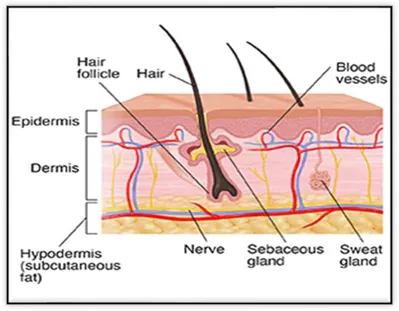
Figure No.1 Structure of Skin
When biological tissues, such as skin, mucous membranes, and organs, sustain damage, a wound result. Wounds can result from a variety of injuries; cleaning and dressing the wounds correctly is crucial to preventing infections and further damage. The National Academy of Sciences and the National Research Council first created the surgical wound categorization (SWC) system in 1964. In order to simulate the bacterial burden in a surgical field, the SWC system was developed. Later, the Centers for Disease Control and Prevention (CDC) improved this method by establishing the four classifications of wound.
After an injury, wound healing is an essential biological process that rebuilds the integrity of skin and tissue. Cellular and molecular processes control the synchronized phases of hemostasis, inflammation, proliferation, and remodeling. Chronic wounds and a higher clinical burden might result from delayed healing caused by infections, lifestyle factors, diabetes, and vascular disorders [3].
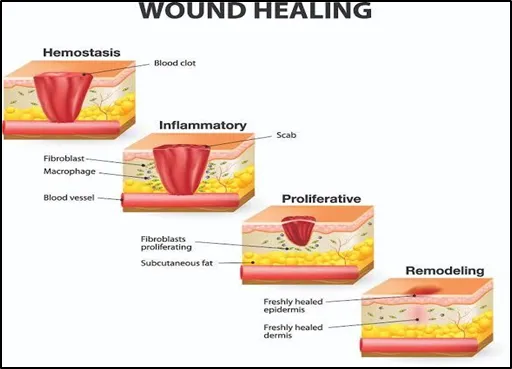
Figure No.2 Stages of Wound Healing
Maturation/Remodeling Phase (Week 3–2 Years): Collagen changes from Type III to Type I, increasing tensile strength, while the scar tissue fades, matures, and becomes less vascular [3,4]
Herbal medicines play an important role in wound management due to their antibacterial, anti-inflammatory, antioxidant, and tissue regenerative properties. They help prevent microbial infection, reduce inflammation, neutralize reactive oxygen species (ROS), promote fibroblast activity, and enhance collagen synthesis during the healing process. Traditionally, herbal preparations were used as powders, pastes, or mixtures with honey and gauze; however, their effectiveness may be limited due to complex composition and degradation in the wound environment. Modern dosage forms such as gels and hydrogels can improve the stability, bioavailability, and therapeutic effectiveness of herbal extracts. Bioactive compounds like flavonoids, tannins, phenolics, and terpenoids contribute to wound contraction, epithelialization, and tissue regeneration. Polyherbal formulations provide synergistic effects by combining multiple plant extracts, making them promising alternatives for effective and safer wound care products. The increasing demand for natural and eco-friendly therapies has further enhanced the interest in herbal-based wound healing formulations. Advanced delivery systems are being explored to improve the controlled release and overall performance of herbal preparations [5,6].
1.3 Advantages of Herbal Gel Over Conventional Formulations
Because of their natural, plant-based composition and user-friendly qualities, herbal gels provide a number of advantages over traditional formulations. Because their components are biocompatible and biodegradable, they are generally safer, cause fewer side effects, and have a lower risk of systemic toxicity. Because they are water-washable, non-greasy, non-sticky, and simple to apply, herbal gels improve patient compliance. They are ideal for burns, inflammation, and skin irritation because of their high water content, which has a cooling and calming effect. Additionally, compared to many synthetic formulations, gel formulations spread evenly over the affected area for better drug delivery, increase the skin penetration of herbal active constituents, improve the stability of plant extracts, and are less likely to cause skin irritation or allergic reactions [7, 8].
2. Drug Profile
Table no. 1 Drug Profile
|
Drug Name |
Biological Source and Main Components |
Pharmacological Activity and role in wound Healing |
Images |
|
Neem (Azadirachta indica A. Juss.) |
Leaves of Azadirachta indica (Meliaceae). Contains azadirachtin, nimbin, flavonoids, tannins, and terpenoids. |
Antimicrobial, anti-inflammatory, and antioxidant activity; also promotes wound healing and tissue repair. |
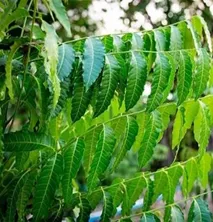
|
|
Tulsi (Ocimum sanctum L.) |
Leaves of Ocimum sanctum (Lamiaceae). Contains eugenol, flavonoids, tannins, and essential oils. |
Antimicrobial and antioxidant activity; reduces inflammation and supports wound healing. |
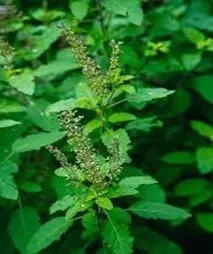
|
|
Banana Peel (Musa paradisiaca L.) |
Peel of banana Musa paradisiaca (Musaceae). Contains phenolics, flavonoids, tannins, and antioxidants. |
Antioxidant and anti-inflammatory activity; and promotes collagen formation and tissue regeneration. |
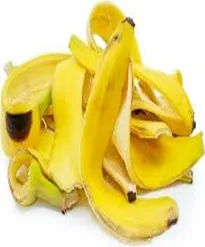
|
|
Aloe vera (Aloe barbadensis Miller) |
Leaf gel of aloevera Aloe barbadensis (Asphodelaceae). Contains acemannan, Aloin vitamins and saponins. |
Antimicrobial, anti-inflammatory, and moisturizing activity; also enhances collagen synthesis and wound healing [13,21]. |
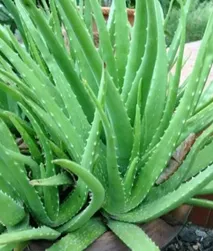
|
MATERIALS AND METHODS
The development of the polyherbal gel formulation involves a systematic and well-controlled approach to ensure the proper extraction, incorporation, and stabilization of each herbal component while preserving their therapeutic efficacy. The formulation process is carefully designed to maintain the biological activity of the natural constituents and to achieve a homogeneous, stable, and aesthetically acceptable gel suitable for topical application. Below is a detailed outline encompassing the required ingredients, standardized formulation, and stepwise methodology for the preparation and evaluation of the polyherbal gel.
Table no. 2 Formula Table
|
Ingredients |
Batch A |
Batch B |
Batch C |
Functions |
|
Aloevera Gel |
4ml |
3ml |
5ml |
Anti-inflammatory, Soothing agent |
|
Neem extract |
1ml |
1ml |
1ml |
Anti-microbial, Anti-Bacterial |
|
Tulsi extract |
2ml |
2ml |
1ml |
Anti-microbial, Anti-Bacterial |
|
Banana peel extract |
1ml |
2ml |
1ml |
Anti-Oxidant |
|
Carbopol 940 |
0.5gm |
0.5gm |
0.5gm |
Gelling Agent |
|
Glycerin |
2 ml |
2 ml |
2 ml |
Humectant |
|
Triethanolamine |
1-2 drops |
1-2 drops |
1-2 drops |
Neutralizer/pHadjuster |
|
Methyl paraben |
0.2gm |
0.2gm |
0.2gm |
Preservative |
|
Distilled Water |
20ml |
20ml |
20ml |
Vehicle/solvent |
Table no.3 Preparation of Extracts
|
Plant Material |
Biological Name |
Extraction/ Preparation Method |
Procedure |
|
Neem |
Azadirachta indica |
Maceration with Mild Heating |
Coarsely powdered leaves were macerated with hydroalcoholic solvent (ethanol:water 70:30) for 72 hours with intermittent shaking. The filtrate was obtained and concentrated using a water bath below 50°C. |
|
Tulsi |
Ocimum sanctum |
Maceration with Mild Heating |
Powdered leaves were macerated with hydroalcoholic solvent (ethanol:water 70:30) for 72 hours. After filtration, the extract was concentrated using a water bath below 50°C [15]. |
|
Banana Peel |
Musa paradisiaca |
Maceration with Mild Heating |
Dried peel powder was macerated with hydroalcoholic solvent (ethanol:water 70:30) for 72 hours. The filtrate was collected and concentrated below 50°C for better extraction. |
|
Aloe vera |
Aloe barbadensis |
Fresh Gel Preparation |
Fresh leaves were washed, peeled, and inner gel was collected. The gel was homogenized, filtered, and used directly without heating to preserve active constituents [23]. |
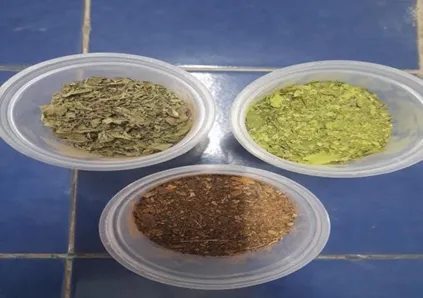
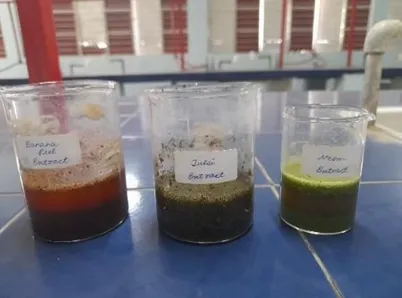
Figure no. 3 Collection and prepared extracts
3.3 Preliminary Phytochemical Screening
Table no. 4 Preliminary tests
|
Sr. No |
Tests |
Procedure |
Result |
|
1. |
Ferric Chloride Test (Test for phenols) |
Take 1–2 mL of Tulsi extract in a test tube. Add 2–3 drops of 5% ferric chloride (FeCl₃) solution. Mix gently and observe the color change. |
Formation of violet color indicates the presence of phenolic compounds. |
|
2. |
Salkowski Test (Test for steroids) |
Take 2 mL of Neem extract in a test tube. Add 2 mL chloroform. Carefully add 1–2 mL of concentrated sulfuric acid (H₂SO₄) along the side of the test tube to form a layer. Do not shake; observe at the interface. |
Formation of a reddish-brown or yellow ring at the interface indicates the steroids presence. |
|
3. |
Iodine Test (Test for Starch |
Take 1–2 mL of Banana peel extract. Add 2–3 drops of iodine solution. Mix gently and observe color change |
Formation of blue-black color indicates the presence of starch. |
3.4 Formulation of Polyherbal Gel
Table no. 5 Formulation of Polyherbal Gel
|
Steps |
Formulation Process |
Procedure |
|
Step 1 |
Preparation of Gel Base |
Carbopol 940 was dispersed in distilled water and allowed to swell for 24 hours. Methyl paraben was dissolved in warm water and added. Glycerin was incorporated with continuous stirring to improve moisture retention and consistency. |
|
Step 2 |
Incorporation of Herbal Extracts |
Extracts of Azadirachta indica, Ocimum sanctum, and Musa paradisiaca were gradually added to the gel base with continuous stirring. Fresh Aloe barbadensis gel was incorporated and mixed to obtain uniform dispersion of herbal constituents. |
|
Step 3 |
Neutralization and Final Adjustment |
Triethanolamine was added dropwise to neutralize Carbopol and obtain clear gel consistency. Final weight was adjusted using distilled water, followed by homogenization to obtain a smooth and stable polyherbal gel. |
|
Step 4 |
Storage of Prepared Gel |
The prepared gel was transferred into suitable containers, properly sealed, labeled, and stored in a cool and dry place away from direct sunlight for further evaluation studies [7,23,25]. |
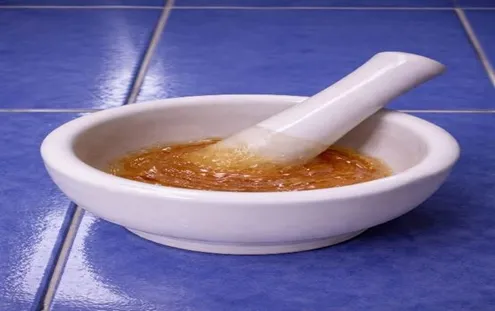
Figure no. 4 Polyherbal Gel
3.5 Evaluation Parameters
Table no. 6 Evaluation Parameters
|
Evaluation Parameters |
Method/Procedures |
|
Physical Appearance |
Gel was visually evaluated for color, odour, texture, consistency, presence of lumps, grittiness, and phase separation to assess uniformity and quality. |
|
pH Determination |
A small quantity of gel was placed on pH paper. The color change was compared with the standard color chart to determine pH. |
|
Spreadability |
Gel was placed between two glass plates, and a known weight was applied to form a uniform film. The time required to move a specified distance was recorded. Formula: S = M × L / T |
|
Homogeneity |
Gel was examined visually on a glass slide for uniformity, smoothness, and absence of lumps [7,24]. |
|
Antimicrobial Activity |
Evaluated by agar well diffusion method. Inoculated agar plates were prepared, wells were filled with gel, and antimicrobial activity was determined by measuring the clear zone formed after incubation [3,9,10,24]. Formula: Zone of Inhibition (mm) = Diameter of clear zone around the well [24]. |
RESULS AND DISCUSSIONS
Table no. 7 Results and Discussions
|
Evaluation Parameters |
Observations/Results |
Discussions |
|
Physical Appearance |
Batch A: Dark brownish color, mild herbal odour, smooth texture, good consistency. Batch B: Brownish color, herbal odour, slightly rough texture, less consistent. Batch C: Yellowish-brown color, pleasant odour, smooth texture, excellent consistency. |
All formulations showed acceptable physical characteristics. Batch C showed better appearance, texture, and consistency; therefore, it was considered optimized. |
|
pH Determination |
pH of all formulations was found in the range of 5–8. Batch C showed pH closer to neutral range. |
The pH range was suitable for topical application and indicated better skin compatibility of Batch C. |
|
Spreadability |
All formulations showed acceptable spreadability. Batch C required minimum spreading time. |
Better spreadability of Batch C indicated easy application and improved patient acceptability. |
|
Homogeneity |
Batch A: Uniform Batch B: Less uniform Batch C: Highly uniform |
All formulations showed acceptable homogeneity; however, Batch C exhibited smooth texture without lumps and was considered optimized. |
|
Antimicrobial Activity |
Antimicrobial activity was observed in all formulations through the zone of inhibition. Batch C showed the highest zone of inhibition. |
Higher antimicrobial activity of Batch C indicated better effectiveness against microbial growth and supported its wound healing potential. |
FUTURE PROSPECTS
The future prospects of polyherbal gel containing Neem, Tulsi, Aloe vera, and Banana Peel extracts focus on therapeutic innovation, sustainability, and advanced drug delivery approaches. The synergistic action of herbal constituents may enhance antimicrobial, anti-inflammatory, and wound healing effects. Future research may explore nano-based delivery systems, standardization, stability testing, and clinical evaluation to improve efficacy and safety. The use of banana peel extract supports sustainability by converting agricultural waste into valuable bioactive ingredients. Growing consumer preference for natural and eco-friendly products may increase the demand for polyherbal gels in wound care and dermatological applications.
CONCLUSION
The present study was successfully conducted to formulate and evaluate a polyherbal gel containing Neem (Azadirachta indica), Tulsi (Ocimum sanctum), Aloe vera (Aloe barbadensis), and Banana peel (Musa paradisiaca) extracts for potential wound healing activity. Three formulations (Batch A, Batch B, and Batch C) were prepared by varying herbal extract concentrations while keeping other excipients constant. The selected herbal ingredients possess antimicrobial, anti-inflammatory, and antioxidant properties that support the wound healing process. The prepared gels were evaluated for physical appearance, pH, spreadability, homogeneity, and antimicrobial activity. All formulations showed acceptable physicochemical properties, good consistency, suitable pH range, easy spreadability, and uniform distribution of herbal constituents. The antimicrobial evaluation demonstrated effective inhibition of microbial growth, supporting the wound healing potential of the formulation. Among all formulations, Batch C exhibited superior results in terms of physicochemical characteristics and antimicrobial activity, making it the optimized formulation. Based on overall evaluation, the formulations were ranked as Batch C > Batch A > Batch B, confirming Batch C as the most suitable polyherbal gel for wound healing applications
REFERENCES

Anjali Pawsale*, Anisha Lohiya, Aditi Dahapute, Pranali Asolkar, Mrunali Wankhade, Anubhav Harwani, Mohit Wadhwani, Amit Sharma, Formulation and Evaluation of Polyherbal Gel for Wound Healing, Int. J. Med. Pharm. Sci., 2026, 2 (8), 351-358. https://doi.org/10.5281/zenodo.21838440
 10.5281/zenodo.21838440