

We use cookies to ensure our website works properly and to personalise your experience. Cookies policy
1Assistant Professor, Sant Gajanan Maharaj College of Pharmacy, Mahagaon Site Chinchewadi
2Sant Gajanan Maharaj College of Pharmacy, Mahagaon Site Chinchewadi
Herbal medicines play a vital role in primary healthcare due to their accessibility, affordability, and therapeutic effectiveness. The present study focuses on the development and evaluation of a polyherbal hydrogel incorporating leaf extracts of Psidium guajava and Azadirachta indica, both of which are widely recognized for their medicinal properties, particularly in wound healing and antimicrobial applications. Guava and neem leaves were collected, authenticated, shade-dried, and subjected to Soxhlet extraction using ethanol as the solvent. The obtained extracts were concentrated and evaluated for percentage yield, solubility, and phytochemical constituents. Preliminary phytochemical screening confirmed the presence of bioactive compounds such as flavonoids, tannins, saponins, glycosides, and phenolic compounds, which are known for their antimicrobial and antioxidant activities. Fourier Transform Infrared (FTIR) spectroscopy was performed to identify functional groups and assess the chemical characteristics of the extracts. A polyherbal hydrogel was formulated using Carbopol934 as a gelling agent, incorporating both plant extracts a long with aloe Vera gel and methyl paraben. Triethanolamine was used to adjust the pH to a suitable range (6.0–7.0) for topical application. The prepared hydrogel exhibited a smooth and homogeneous consistency, indicating successful formulation. The study suggests that the developed polyherbal hydrogel possesses potential as a natural, cost-effective, and safe alternative for topical wound healing and antimicrobial treatment. Further studies involving in vitro and in vivo evaluation are recommended to validate its therapeutic efficacy and clinical applicability.
The proper use of appropriate medication is key factor in the success of primary health Care, and herbal medicine provides accessible and cost-effective option for treating primary health system. Most people in developing countries have access to herbal medicines, which has been utilized for thousands of years. The world health organization reports that more than 80% countries use herbal plants as medicine. Herbal medicines are more affordable than synthetic drugs and typically have no side effects.
Guava (Psidium guajava), belongs to the family Myrtaceae and is a tropical and sub-tropical small tree widely distributed throughout the Indian subcontinent and other tropical regions. Guava is a well-recognized ethno-medical plant and has been extensively used in traditional systems of medicine for the treatment of various ailments. The plant cangrow upto 10meters in height and is characterized by smooth, exfoliating bark and simple, opposite, ellipticto-ovate leaves. The leaves are aromatic and possess significant medicinal importance. Guava leaves are commonly utilized in the preparation of herbal remedies, with the leaves serving as the primary source of medicinal constituents The leaf extract contains a variety of bioactive phytochemicals, including flavonoids, tannins, phenolic compounds, terpenoids, and saponins, which exhibit potent antimicrobial, antioxidant, anti-inflammatory, and wound-healing activities. These therapeutic properties make guava leaf extract a suitable natural candidate for incorporation into antimicrobial hydrogel formulations for wound healing applications.
Neem (Azadirachta indica A. Juss.), a member of the family Meliaceae, is an important medicinal plant widely distributed in tropical and subtropical regions of the Indian subcontinent. Neem is a fast-growing evergreen tree that can attain a height of 15–20 m, characterized by a straight trunk, rough grayish bark, and pinnately compound leaves with serrated leaflets. The plant grows well in diverse climatic conditions and is commonly found throughout India, Pakistan, Bangladesh, Sri Lanka, and Nepal. Neem leaf extract is extensively used in traditional systems of medicine such as Ayurveda, Unani, and Siddha. The leaves are the primary plant part used for medicinal purposes due to their high therapeutic value. Neem leaves contain numerous bioactive phytochemicals, including azadirachtin, nimbin, nimbolide, quercetin, flavonoids, tannins, and Phenolic compounds, which contribute to a wide range of pharmacological activities. These compounds exhibit antimicrobial, anti-inflammatory, antioxidant, antidiabetic, antifungal, and Immuno-modulatory properties, making neem leaf extract effective in the treatment of various disorder.
AIM AND OBJECTIVES
AIM:
The primary aim of this study is to formulate, characterize, and evaluate a polyherbal antimicrobial and wound-healing topical hydrogel containing ethanolic leaf extracts of Psidium guajava and Azadirachta indica, and to assess its physicochemical properties, stability, and therapeutic potential for topical application.
OBJECTIVES:
LITERATURE REVIEW
List of Materials And Their Uses
|
Sr. no. |
Materials |
Uses |
|
1 |
Guava leaf extract (Psidium guajava) |
Possesses antimicrobial, antioxidant and Inflammatory Activity use for wound healing and skin treatment |
|
2 |
Neem leaf extract (Azadirachta indica) |
Exhibits antibacterial, antifungal, anti-inflammatory properties useful in skin infection |
|
3 |
Carbopol 934 |
Use as a polymer and gelling agent to form hydrogel base |
|
4 |
Triethanolamine |
Use as a pH Modifier and neutralizing agent to stabilize gel formulation |
|
5 |
Methyl Paraben |
Used as Preservative with antifungal activity |
|
6 |
Ethanol |
Used as solvent for extraction of Plant constituents |
|
7 |
Distilled water |
Used as a solvent and vehicle in formulation |
Chemicals/ Reagents and Equipment’s
|
Sr. no. |
Chemicals/reagents |
Uses |
|
1 |
Distilled Water |
Used as a solvent |
|
2 |
Ethanol |
Used for Extraction and solubility studies |
|
3 |
Chloroform |
Used insolubility studies |
|
4 |
Phosphate buffer |
Maintain pH during stability studies |
|
5 |
Dragendoff’s Reagent |
Test for alkaloids |
|
6 |
Mayer’s Reagent |
Test for Alkaloids |
|
7 |
Wagner’s reagent |
Confirmation test for alkaloids |
|
8 |
Ferric chloride solution |
Test for phenols and Tannins |
|
9 |
Lead acetate |
Detection of flavonoids and phenols |
|
10 |
Concentrated HCl |
Shinoda Test for flavonoids |
|
11 |
Benedict’s reagents |
Test For reducing Sugars |
|
12 |
Fehling’s (A and B) |
Test For Carbohydrates |
|
13 |
Molisch Reagent |
General test for Carbohydrates |
|
14 |
Ninhydrins Test |
Test For Amino acids |
|
15 |
Biuret Reagent |
Test For Proteins |
|
16 |
Glacial Acetic acid |
Used For Glycosides |
|
17 |
Ammonia Solution |
Used in Borntragers Test |
|
18 |
Potassium Hydroxide |
Test for Flavonoids and phenolics |
|
19 |
Sodium hydroxide |
Test for Flavonoids and phenolics |
|
20 |
ConcentratedH2SO4 |
Test for steroids |
List of Instruments and Equipment’s:
|
Sr. no. |
Instruments/Equipment’s |
Market Name and Model |
|
1 |
Hot air Oven |
NDO-700W |
|
2 |
pH meter |
Digital Bench |
|
3 |
Analytical Balance |
WENSAR |
|
4 |
Soxhlet apparatus |
J-SIL |
|
5 |
Bunsen Burner |
Standard Laboratory Bunsen Burner |
|
6 |
Conical Flask |
BOROSIL |
|
7 |
Test Tube |
BOROSIL |
|
8 |
Measuring Cylinder |
BOROSIL |
|
9 |
FTIR |
Spectrum B X w |
|
10 |
Viscometer |
Brookfield |
|
11 |
Heating Mantle |
PRERANA Pvt. Ltd, Mumbai |
|
12 |
Stability Chamber |
Hally Instruments, Mumbai |
Preformulation Studies:
Description of Neem (Azadirachta Indica A. Juss)
|
Scientific Name |
Azadirachta indica A. Juss |
|
Synonym |
Meliaazadarchita |
|
Common Name |
Neem, Margosa, Indian lilac |
|
Family |
Meliaceae |
|
Taxonomical Classification |
|
|
Phytochemical Constituents |
|
Description of Guava (Psidium guajava L.)
|
Scientific Name |
Psidium guajava L. |
|
Synonym |
Psidii gujavae folium |
|
Common name |
Guava, Amrood |
|
Family |
Myrtaceae |
|
Taxonomical Classification: |
|
|
Phytochemical Constituents |
Quercetin, Gallic Acid, Other key flavonoids includes Catechin, Epicatechin, Rutin, kaempferol, and myricetin.
Triterpenoids: such as oleanolic acid
|
Experimental Methods:
Collection and authentication of Plant Material:
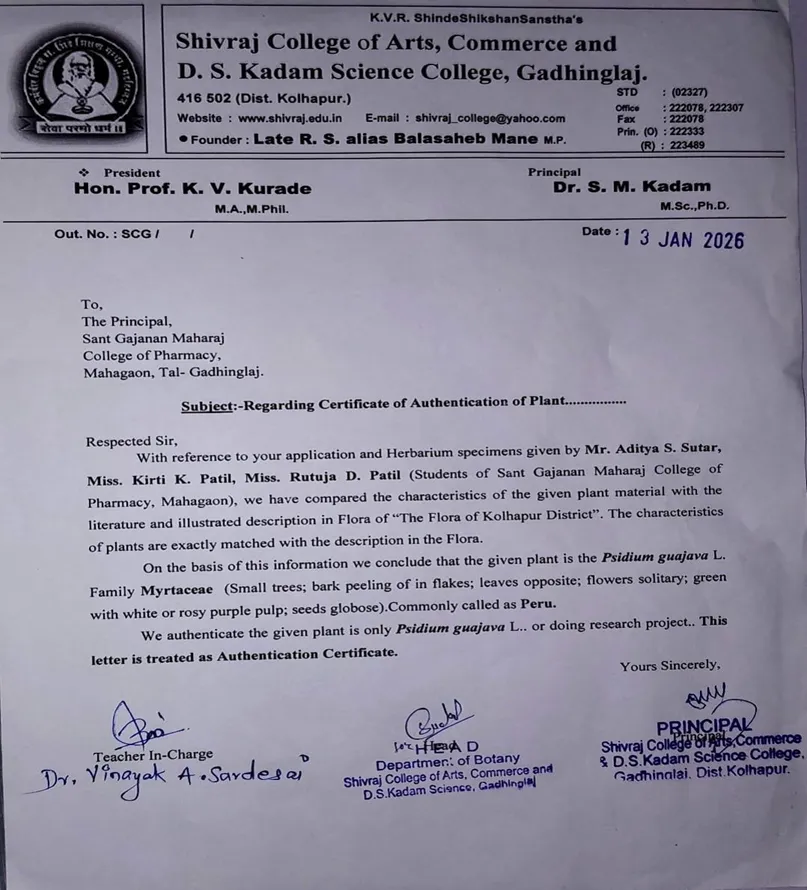
Fig no. 1: Collection and authentication of Plant Material
Drying and Extraction of Leaves
Extraction Procedure:
Extraction of Guava Leaf (Psidium guajava) Extract
Fresh guava leaves were collected and washed thoroughly with distilled water to remove adhering dirt and impurities. The leaves were then shade dried at room temperature for 7–10 days until a constant weight was obtained. The shade-dried leaves were pulverized using a mechanical grinder to obtain a coarse powder. Approximately 250 g of the coarsely powdered guava leaves was packed into a thimble and placed in a Soxhlet extraction apparatus. The extraction was carried out using ethanol as the solvent. Continuous hot percolation was performed for 6–8 hours until the siphon tube solvent became colorless, indicating complete extraction. The obtained ethanolic extract was filtered and concentrated by evaporation of the solvent at 25–30°C.The concentrated extract was further air-dried to remove residual solvent and then weighed. The dried extract was stored in an airtight container for further formulation studies. The percentage yield of the extract was calculated with respect to the initial dried plant material.
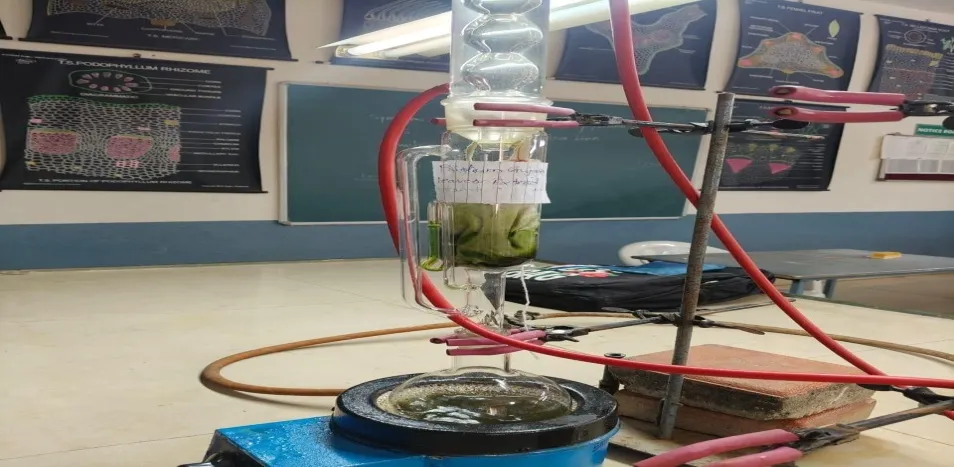
Fig no. 2: Psidium guajava leaves Extraction
Extraction of Neem Leaf (Azadirachta indica) Extract
Fresh neem leaves were collected, authenticated, and cleaned thoroughly with distilled water. The leaves were shade dried at ambient temperature for 7–10 days to prevent degradation of active constituents. The dried leaves were then ground into a coarse powder using a mechanical grinder. A weighed quantity of 250 g of neem leaf powder was placed into a thimble and subjected to extractionusingaSoxhletapparatuswithethanolastheextractionsolvent.Theextractionprocess was continued for 6–8 hours until complete extraction was achieved. The ethanolic extract obtained was filtered and concentrated by evaporating the solvent at 25–30°C. The concentrated extract was airdried to obtain as olidresidue. The dried neem leaf extract was weighed and preserved in an airtight container at room temperature for further experimental use. The percentage yield was calculated based on the weight of dried extract obtained.
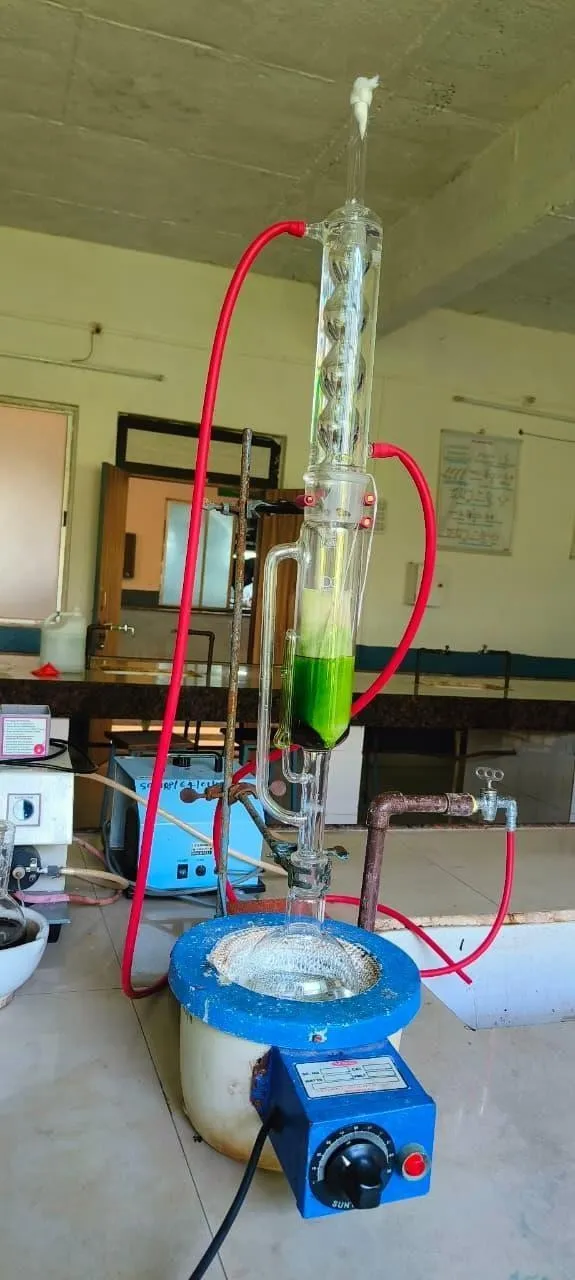
Fig no. 3: Azadirachta indica Extraction
Solubility study of Extract
Solubility study is an important Preformulation parameter that helps in selecting appropriate solvent for extraction and formulation. The solubility behavior of herbal extract affects drug release, bioavailability, and overall stability of the formulation.
Solubility is an important physicochemical property that influences the bioavailability of a drug. A small quantity of guava (Psidium guajava) leaf extract was placed in a test tube, followed by the addition of 5 ml of solvent (water, ethanol, chloroform, or phosphate buffer). The mixture was shaken vigorously and allowed to stand for a specified period. Solubility was assessed by visual observation and the results were recorded.
Solubility is an important Physico chemical property that influences the bioavailability of a drug. A small quantity of neem (Azadirachta indica) leaf extract was placed in a test tube, followed by the addition of 5 ml of solvent (water, ethanol, chloroform, or phosphate buffer). The mixture was shaken vigorously and allowed to stand for a specified period. Solubility was assessed by visual observation and the results were recorded.
Phytochemical Screening
Phytochemical screening for alkaloids, carbohydrates, starch, glycosides, flavonoids, saponins, and proteins was carried out following the standard procedure. Organoleptic evaluation involves the assessment of crude drug or extracts using sensory organs. It provides preliminary identification and ensures purity and quality of the herbal material before formulation. These parameters help in detecting adulteration and maintaining consistency in raw material selection.
Preliminary Phytochemical Screening Test for Neem leaf Extract
Table no. 6: Preliminary Phytochemical Screening Test for Neem leaf Extract
|
Sr. no. |
Phytochemical Screening Tests |
|
1 |
Foam Test(saponins): Neem Leaf Extract Shaken with water Produces persistent Foam for several minutes, including the presence of saponins |
|
2 |
Ferric chloride test: Addition of Ferric chloride gives a dark green to black coloration, confirming phenolic compounds and tannins |
|
3 |
Shinoda Test: Treatment with ethanol, Mg turnings, and conc. HCL produces a pink to reddish color, indicating flavonoids. |
|
4 |
Zinc-HCL reduction Test (Flavonoids): Formation of red color confirms Flavonoids |
|
5 |
Keller-killiani Test (cardiac Glycosides): Brown ring at the Interface appearance indicate cardiac glycosides |
|
6 |
Benedict’s Test (Reducing Sugars): Formation of Yellow to Orange Precipitate indicate reducing sugar |
|
7 |
Wagner’s Test: A reddish-Brown Precipitate confirms presence of alkaloids. |
|
8 |
Dragendoff’s reagent: Formation of orange-red precipitate confirms presence of alkaloids. |
|
9 |
Millons Test: Solution Turns brick red on heating indicating proteins |
|
10 |
Lead acetate: Formation of White precipitate confirms tannins |
Preliminary Phytochemical Screening for Guava leaf extract :( Psidium guajava)
Table no. 7: Preliminary Phytochemical Screening for Guava leaf extract (Psidium guajava)
|
Sr. No. |
Phytochemical Screening Test |
|
1 |
Foam Test Moderate foam Formation Indicates presence of saponins |
|
2 |
Ferric chloride Test (Phenols/Tannins): Development of blue or Dark Coloration confirms phenols and tannins |
|
3 |
Shinoda test (flavonoids): Appearance of pink/ red color shows presence of flavonoids (commonly abundant in guava Leaves) |
|
4 |
Zinc-HCL Reduction test (Flavonoids): Magenta color indicates flavonoids |
|
5 |
Keller-killiani Test (Cardiac Glycosides): Formation of brown ring confirms cardiac glycosides (trace amounts) |
|
6 |
Benedicts Test (Reducing Sugars): Formation of green to orange precipitate indicates reducing sugars |
|
7 |
Wagner’s test(Alkaloids): Slight reddish brown precipitate indicates Alkaloids |
|
8 |
Dragendoff’s Test (Alkaloids): Orange red precipitate indicates alkaloids |
|
9 |
Millons Test (Proteins): Brick red coloration indicates presence of proteins |
|
10 |
Lead acetate test (tannins): Formation Of white precipitate confirms Tannins (high content in guava leaves) |
Fourier Transforms Infrared Analysis:
Fourier Transform Infrared (FTIR) spectroscopy is a technique used to identify the functional groups present in a compound by analyzing how it absorbs infrared radiation at various wavelengths. Each functional group exhibits absorption at a specific characteristic wave number.
Method/ Procedure:
Guava Leaf Extract:
The potential structural modifications induced by the guava leaf extract sample were examined using infrared (IR) spectroscopy. The extract was analyzed within the spectral range of 400 to 4000cm⁻¹. The solid form of the guava leaf extract was carefully placed on the sample holder for analysis, and the spectra of the polymer were recorded under similar experimental conditions for comparison.
Neem Leaf Extract:
The potential structural modifications induced by the neem leaf extract sample were investigated using infrared (IR) spectroscopy. The analysis was carried out over arangeof400to 4000cm⁻¹. The solid form of the neem leaf extract was placed on the sample holder, and the corresponding spectra of the polymer were obtained under the same conditions to ensure consistency in comparison.
Formulation of hydrogel of guava and neem leaf extract:
An accurately weighed quantityofCarbopol934 was dispersed in distilled water and allowed to hydrate overnight. The combined neem (Azadirachta indica) and guava (Psidium guajava) leaf extracts were then incorporated into the hydrated gel base along with aloe vera gel and methyl paraben, using continuous stirring on a magnetic stirrer to ensure uniform dispersion. Triethanolamine was added drop wise to adjust the pH of the formulation to a range of 6.0–7.0, while maintaining constant stirring until a smooth and homogeneous polyherbal hydrogel was formed.
Formulation Table:
Table no. 8: Formulation Table
|
Sr. No. |
Ingredients |
Quantity |
Uses |
|
1 |
Guava leaf extract |
2% |
Antimicrobial Agent |
|
2 |
Neem leaf extract |
2% |
Antimicrobial Agent |
|
3 |
Carbopol934 |
0.5% |
Polymer and Gelling Agent |
|
4 |
Triethanolamine |
0.3-0.5% |
pH modifier |
|
5 |
Methyl Paraben |
0.2% |
Preservative |
|
6 |
Distilled Water |
95% |
Vehicle |
Evaluation Parameters:
Physical appearance: The physical appearance of the herbal hydrogel was assessed through visual inspection.
pH: A standard digital pH meter can be used to measure the pH of a herbal hydrogel at room temperature by taking an appropriate amount of the formulation, diluting it with a suitable solvent, and placing it in an appropriate beaker.
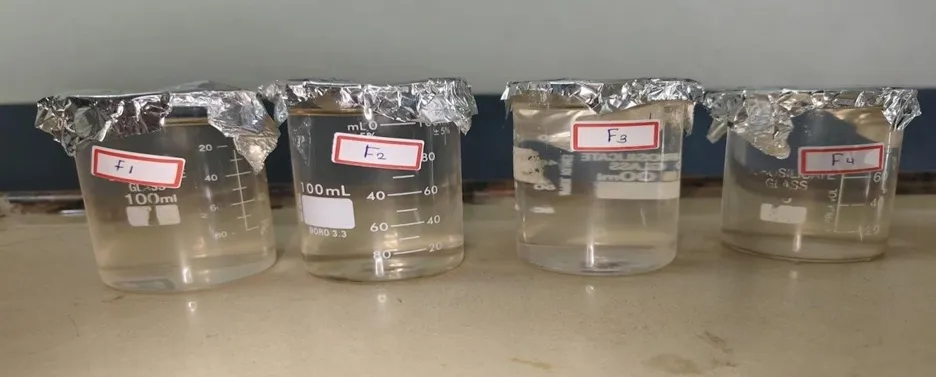
Fig no. 4: Dilutions For pH determination
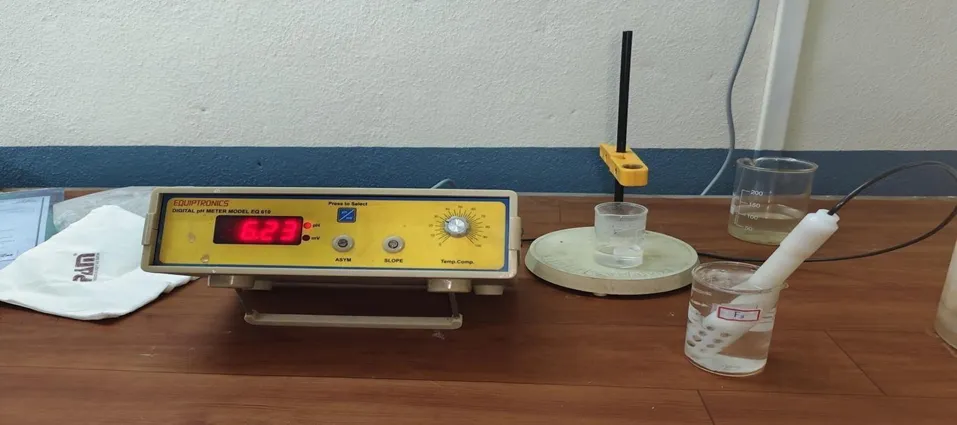
Fig no. 5: Digital pH meter
Viscosity:
To determine the viscosity of the formulated herbal gel in order to evaluate its flow behavior and consistency for proper application.
Principle:
Viscosity is the measure of a fluid’s resistance to flow. It is determined using a viscometer, where the resistance offered by the gel to the rotating spindle is measured. Proper viscosity ensures easy application, stability, and effective drug release from the gel.
Material and Instruments:
Prepared herbal gel formulation
Brookfield Viscometer Spindle (appropriate type, e.g., spindle no.6 or7)
Beaker Thermometer
Procedure:
Transfer the gel into a clean, dry beaker. Set up the rook field Viscometer and select an appropriate spindle. Immerse the spindle into the gel without trapping air bubbles. Set the desired speed (rpm) and allow the instrument to run. Note the dial reading once it stabilizes. Record the viscosity value (in centipoises, cP). Repeat the measurement for accuracy and take the average value.
Formula:
Viscosity (cP) =Dial Reading ×Factor
Spredability:
The herbal hydrogel was placed between two Petri dishes. One gram of herbal hydrogel was placed in a Petri dish, and another Petri dish was placed on top. A100 g weight was then placed on the upper Petri dish for 60 seconds. After 60 seconds, the diameter of the circles formed by the spread herbal hydrogel was measured in triplicate. The average of these readings was used to calculate the value using the following formula.
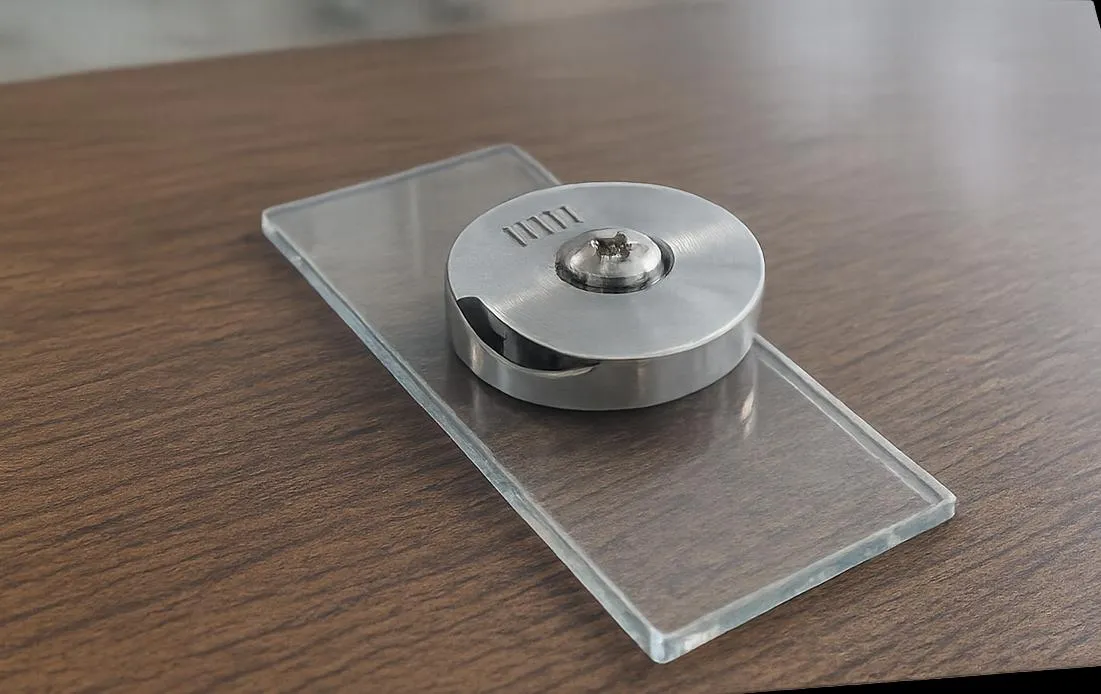
Fig no. 6: Spredability determination
Spredability (S) = M.L/T
Where:
S=Spredability
M=Weight tied to the upper slide (g)
L=Length moved by the glass slide (cm) T = Time taken (sec)
Anti-microbial activity:
Agar well diffusion method:
The antimicrobial activity of the prepared neem and guava leaf extract hydrogel was evaluated using the agar well diffusion method. Nutrient agar medium was prepared by dissolving 3.8 g of agar powder in 100 ml of distilled water, followed by heating until complete dissolution. The medium was sterilized by autoclaving at 121°C for 15 minutes and then cooled to approximately 50°C in a water bath. The стерile medium was poured into Petri plates under aseptic conditions and allowed to solidify. The plates were incubated at 37°C for 24 hours to confirm sterility. Sterile wells of6 mm diameter and approximately 5 mm depth were punched into the solidified agar using a sterile cork borer. Test microorganisms, including Escherichia coli, Staphylococcus aureus, Candida albicans, and Aspergillus Niger, were separately inoculated on to the agar surface using the spread plate technique. The neem–guava hydrogel was prepared in different concentrations (20, 40, 65, and 80 mg/ml equivalent of extract content). A standard reference (such as Aqua Clob-GM creamat 20 mg/ ml) was used for comparison. A fixed volume of each hydrogel formulation was carefully introduced into the respective wells. The inoculated plates were incubated at 37°C for 24 hours for bacterial strains and at appropriate conditions for fungal strains. After incubation, the antimicrobial activity was assessed by measuring the diameter of the zones of inhibition (in mm) around each well. The results were recorded, and the effectiveness of the hydrogel formulation was determined by comparing the inhibition zones with the standard.
Stability Studies
The prepared neem–guava herbal hydrogel was packed in 10 g containers and subjected to accelerated stability studies. The samples were stored at 40° C ± 2 ° C and 75 ± 5 % relative humidity for a period of 45 days. Samples were withdrawn at 15-day intervals and evaluated for various parameters, including physical appearance, color, odor, pH, Spredability, consistency, and any signs of phase separation or microbial growth.
RESULT AND DISCUSSION:
Preformulation Studies:
Plant Authentication
Guava leaf extract
Table no. 9: Guava leaf Extract
|
Sr. No. |
Parameter |
Observation |
|
1. |
Physical state |
Semi-solid |
|
2. |
Odor |
Characteristics, slightly Astringent |
|
3. |
Appearance |
Dark Greenish Brown |
|
4. |
Texture |
Smooth |
|
5 |
Clarity |
Slightly opaque |
Neem Leaf Extract:
Table no. 10: Neem leaf Extract
|
Sr. No. |
Parameter |
Observation |
|
1. |
Physical state |
Semi-solid |
|
2. |
Odor |
Strong, Bitter, Characteristics |
|
3. |
Appearance |
Dark Greenish Brown |
|
4. |
Texture |
Slightly Sticky, Smooth |
|
5 |
Clarity |
Opaque |
Guava leaf extract:
Table no. 11: Guava leaf extract
|
Sr. No. |
Solvent |
Observation |
Solvent Nature |
|
1. |
Distilled water |
Slight turbidity |
Sparingly soluble |
|
2. |
Ethanol |
Clear solution |
Freely soluble |
|
3. |
Methanol |
Clear solution |
Freely soluble |
|
4. |
Chloroform |
Precipitate observed |
Insoluble |
|
5. |
Acetone |
Slight residue |
Moderately soluble |
Neem leaf extract:
Table no. 12: Neem leaf extract
|
Sr. No. |
Solvent |
Observation |
Solvent Nature |
|
1. |
Distilled 1water |
Turbidity observed |
Sparingly soluble |
|
2. |
Ethanol |
Clear solution |
Freely soluble |
|
3. |
Methanol |
Clear solution |
Freely soluble |
|
4. |
Chloroform |
Precipitate observed |
Insoluble |
|
5. |
Acetone |
Slight turbidity |
Moderately soluble |
Phytochemical screening for alkaloids, carbohydrates, starch, glycosides, flavonoids, saponins, and proteins was carried out following the standard procedure. Organoleptic evaluation involves the assessment of crude drug or extracts using sensory organs. It provides preliminary identification and ensures purity and quality of the herbal material before formulation. These parameters help in detecting adulteration and maintaining consistency in raw material selection.
Phytochemical Screening Test for Guava leaf Extract
Table no. 13: Phytochemical Screening Test for Guava leaf Extract
|
Sr. no. |
Tests |
Observations |
Inference |
|
1 |
Foam Test |
Moderate foam formation |
Presence of saponins |
|
2 |
Ferric chloride Test |
Blue-black coloration |
Confirms Phenols and Tannins |
|
3 |
Shinoda test |
Pink/red color |
Presence of flavonoids |
|
4 |
Keller–killiani test |
Brown ring |
Indicate small amount of cardiac glycoside |
|
5 |
Benedicts test |
Green to orange precipitate |
Presence of reducing sugar |
|
6 |
Wagner’s test |
Slight reddish-brown precipitate |
Presence of alkaloids |
|
7 |
Dragendoff’s test |
Orange red precipitate |
Confirms alkaloids |
|
8 |
Millons test |
Brick red color |
Indicate proteins |
|
9 |
Lead acetate test |
White precipitate |
Confirms tannins |
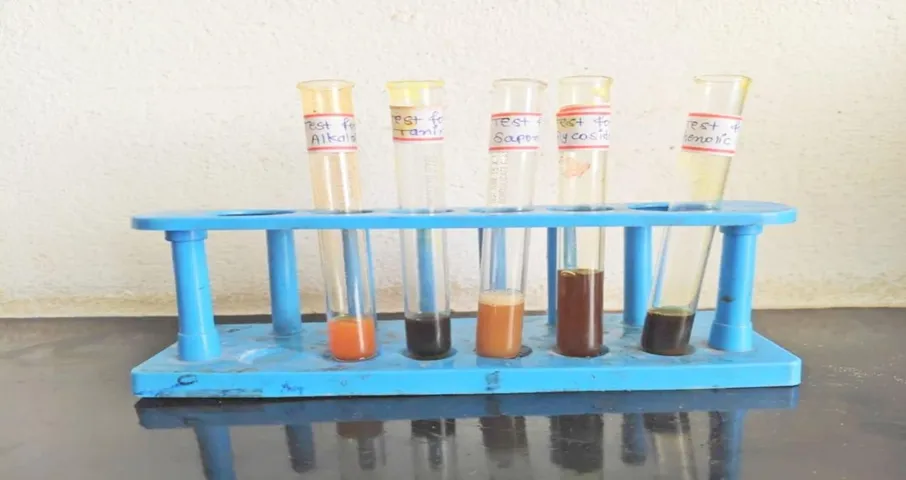
Fig no. 7: Phytochemical Screening of Guava leaf Extract
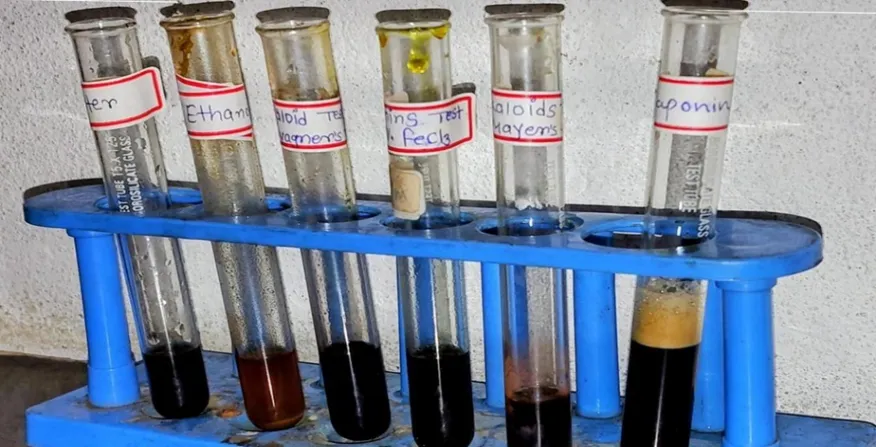
Fig no. 8: Phytochemical Screening of Guava leaf Extract
Phytochemical Screening Test for Neem leaf Extract
Table no. 14: Phytochemical Screening Test for Neem leaf Extract
|
Sr. no. |
Tests |
Observations |
Inference |
|
1 |
Foam Test |
Stable persistent foam formation |
Presence of saponins |
|
2 |
Ferric chloride Test |
Dark green-black coloration |
Confirms Phenols and Tannins |
|
3 |
Shinoda test |
Deep Pink/red color |
Presence of flavonoids |
|
4 |
Keller–killiani test |
Distinct Brown ring |
Indicate small amount of cardiac glycoside |
|
5 |
Benedicts test |
Orange to brick-red precipitate |
Presence of reducing sugar |
|
6 |
Wagner’s test |
Dense reddish-brown precipitate |
Presence of alkaloids |
|
7 |
Dragendoff’s test |
Orange red precipitate |
Confirms alkaloids |
|
8 |
Millons test |
Strong Brick red color |
Indicate proteins |
|
9 |
Lead acetate test |
White precipitate |
Confirms tannins |
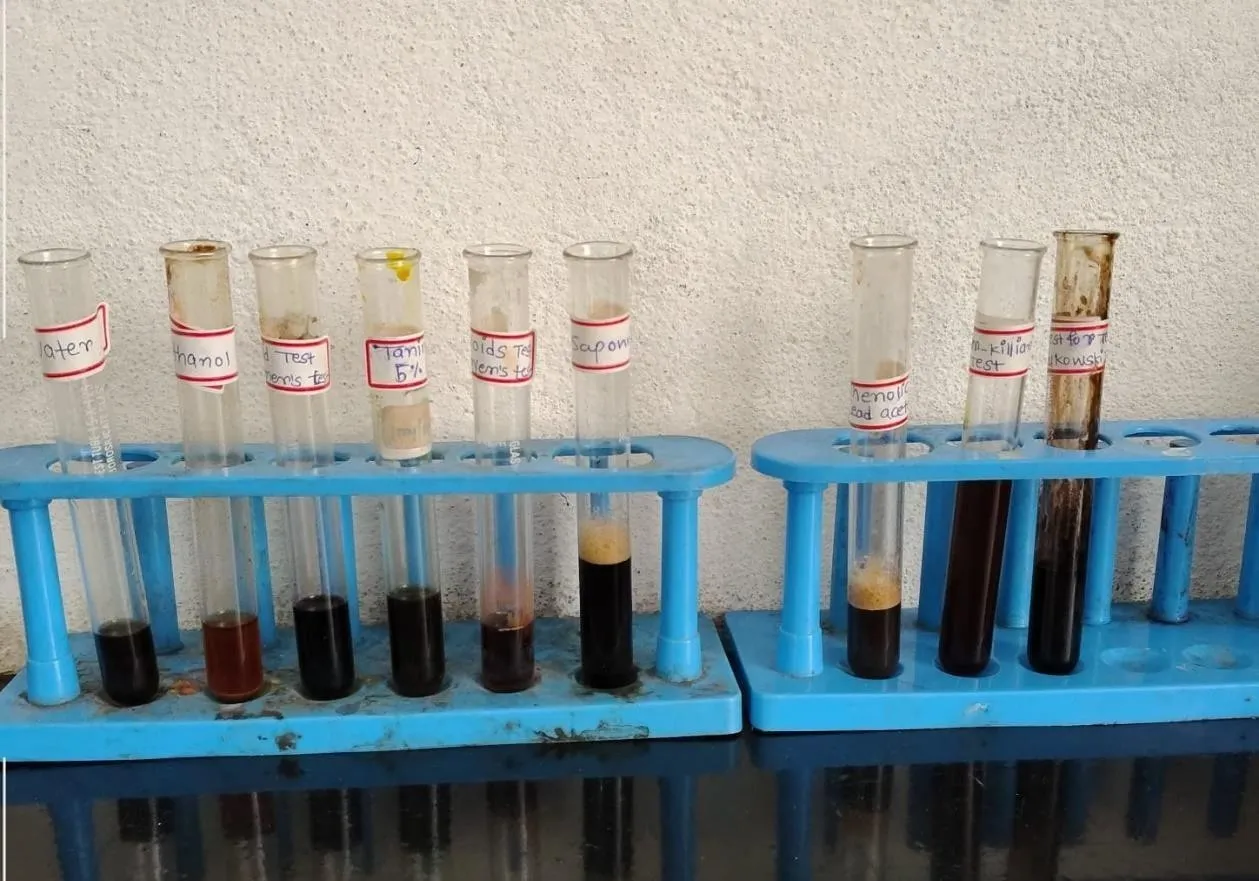
Fig. no. 9: Phytochemical Screening of Neem Leaf Extract
FTIR of Plant extract
FTIR analysis of the Neem ethanolic extract wascarriedoutinthespectralrangeof4000–600 cm⁻¹ to identify the functional groups present in the extract. The spectrum showed the following major characteristic peaks:
Table no. 15: Peaks and Functional groups present in plant extract
|
Sr. No. |
Wave Number(cm⁻¹) |
Functional Group |
Interpretation |
|
1. |
3320-3400cm-1 |
O-H Stretching |
Alcohol/Phenols |
|
2. |
2920-2850cm-1 |
C-H Stretching |
Alkanes(aliphatic chains ) |
|
3. |
1730-1700cm-1 |
C=O Stretching |
Aldehydes/ketones/ Esters |
|
4. |
1600-1500cm-1 |
C=C Stretching |
Aromatic compounds |
|
5. |
1240-1210cm-1 |
C-O Stretching |
Alcohols/Ethers |
|
6. |
1100-1030cm-1 |
C-O Stretching |
Alcohols/Glycosides |
FTIR Interpretation of Neem Leaf Extract
TheFTIRspectrumofneemleafextractrevealedthepresenceofseveralimportantfunctional groups responsible for its pharmacological activity. A broad absorption peak observed in the range of 3320–3400cm⁻¹ corresponds to O–H stretching vibration, indicating the presence of phenolic compounds and alcohols. This confirms the presence of flavonoids and tannins, those are well known for their antioxidant and anti-inflammatory activities. The peaks observed at 2920–2850 cm⁻¹ indicate C–H stretching of aliphatic compounds, suggesting the presence of terpenoids and long-chain hydrocarbons, which contribute to antimicrobial and healing properties. A peak around 1730–1700 cm⁻¹ corresponds to C=O stretching, indicating the presence of Aldehydes, ketones, or ester compounds, which may play a role in biological and pharmacological activity. The peaks between 1600–1500 cm⁻¹ correspond to aromatic C=C stretching, suggesting the presence of aromatic rings, commonly found in flavonoids and other polyphenolic compounds. The peaks at 1240–1210 cm⁻¹ and 1100–1030 cm⁻¹ correspond to C–O stretching vibrations, confirming the presence of alcohols, ethers, and glycosidic linkages.
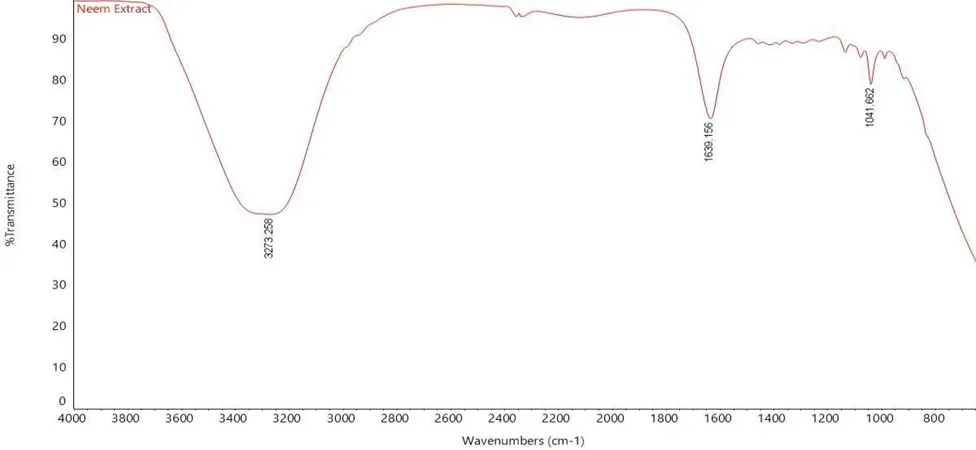
Fig. no. 10: FTIR of Neem leaf extract
FTIR analysis of the Guava leaves extract was carried out in the spectral range of 4000–600 cm⁻¹ to identify the functional groups present in the extract. The spectrum showed the following major characteristic peaks:
Table no. 16: Peaks and Functional groups present in plant extract
|
Sr. No. |
Wave number(cm⁻¹) |
Functional Group |
Interpretation |
|
1. |
3335cm-1 |
O-H Stretching |
Alcohols/Phenols |
|
2. |
2980cm-1 |
C-H Stretching |
Alkanes(aliphatic chains ) |
|
3. |
1639cm-1 |
C=O/C=C Stretching |
Amides/conjugated carbonyl/ aromatic compounds |
|
4. |
1382cm-1 |
C-H Bending |
Alkanes/Phenolic groups |
|
5. |
1170cm-1 |
C-O Stretching |
Alcohols/Esters/Ethers |
|
6. |
1039-1004cm-1 |
C-O Stretching |
Alcohols/Glycosides |
|
7. |
872cm-1 |
C-H Bending |
Aromatic compounds |
FTIR Interpretation of Guava Leaf Extract
The FTIR spectrum of guava leaf extract reveals the presence of various bioactive functional groups responsible for its medicinal properties. Abroad peak observed at~3335cm⁻¹corresponds to O–H stretching vibrations, indicating the presence of phenolic compounds and alcohols. This confirms the presence of flavonoids, tannins, and polyphenols, which contribute to strong antioxidant and antimicrobial activities. The peak at ~2980cm⁻¹ is attributed to C–H stretching of aliphatic compounds, suggesting the presence of terpenoids and other hydrocarbon chains, which are known for their biological and therapeutic effects. The band at ~1639 cm⁻¹ corresponds to C=O stretching or aromatic C=C vibrations, indicating the presence of amide groups, conjugated carbonyl compounds, or aromatic structures, commonly associated with proteins and polyphenolic compounds.
The peak around~1382cm -1 represents C–H bending vibrations, which may be linked to Alkanes and phenolic compounds. The absorption peak at ~1170cm⁻¹ indicates C–O stretching, confirming the presence of alcohols, esters, or ethers. Strong peaks intheregionof~1039–1004cm⁻¹correspondtoC–O stretching vibrations, suggesting the presence of glycosides and carbohydrates, which are important for various biological activities. The peak at ~872cm⁻¹ is due to aromatic C–H out-of-plane bending, further confirming the presence of aromatic compounds.
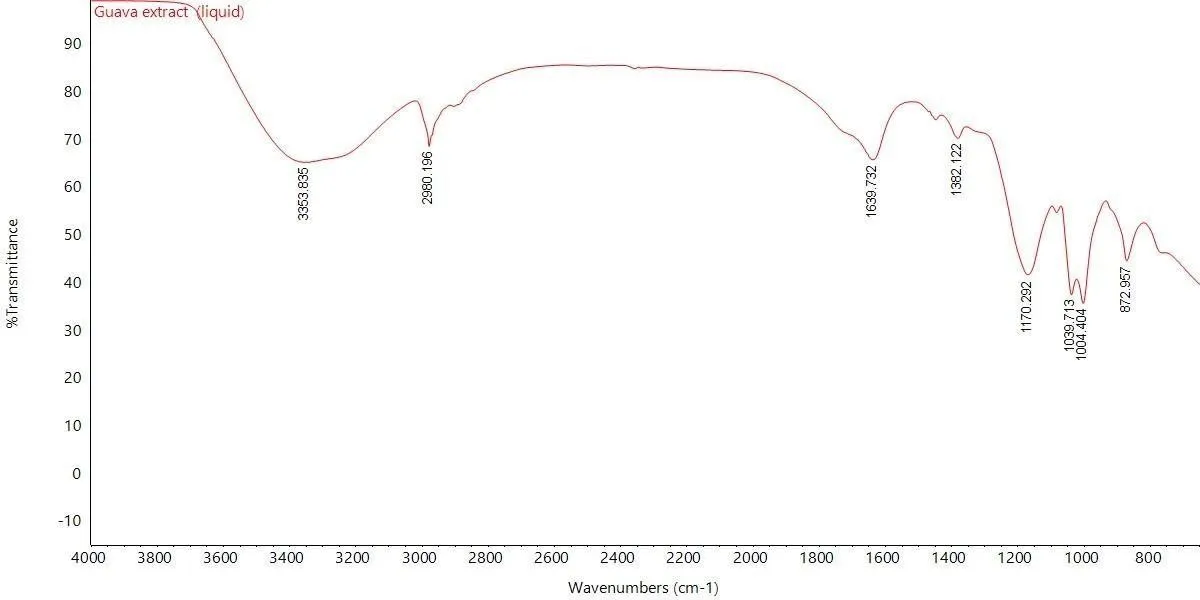
Fig no. 11: FTIR Of Guava Leaf Extract
Formulation of Herbal Hydrogel:
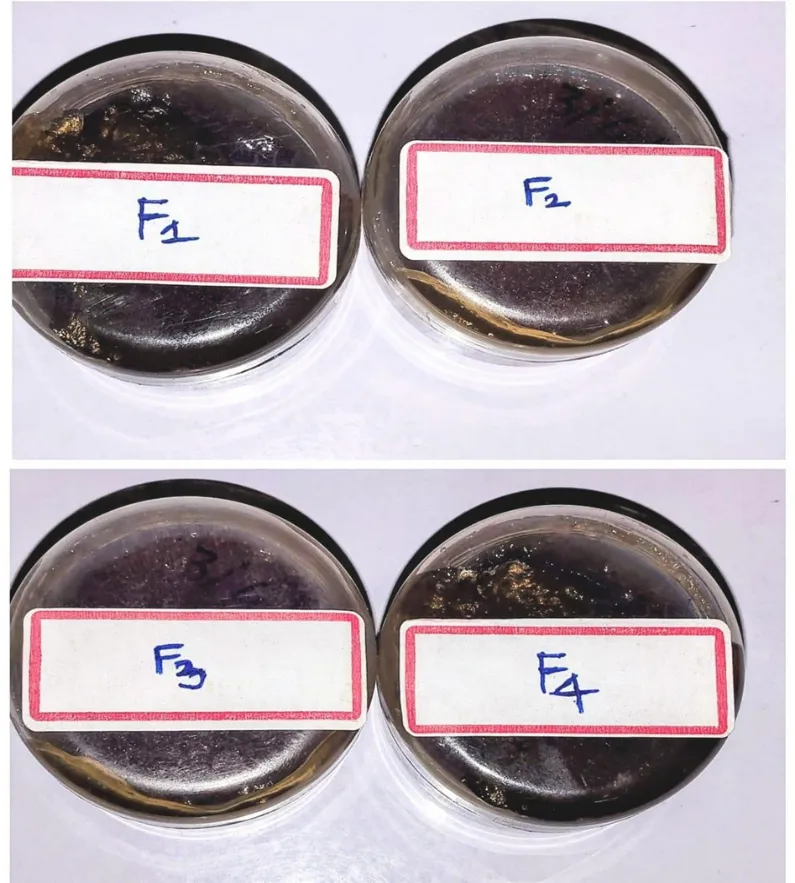
Fig. no. 12: Formulation of Herbal Hydrogel
Evaluation Test:
Table no. 17: Color study of developed formulation
|
Formulation |
Color |
|
F1 |
Reddish-Brown |
|
F2 |
Reddish-Brown |
|
F3 |
Reddish-Brown |
|
F4 |
Reddish-Brown |
Table no. 18: Odor study of developed formulation
|
Formulation |
Odor |
|
F1 |
Astringent |
|
F2 |
Astringent |
|
F3 |
Astringent |
|
F4 |
Astringent |
Table no. 19: Appearance study of developed formulation
|
Formulation |
Appearance |
|
F1 |
Opaque |
|
F2 |
Opaque |
|
F3 |
Opaque |
|
F4 |
Opaque |
Consistency:
Table no. 20: Consistency study of developed formulation
|
Formulation |
Consistency |
|
F1 |
Excellent |
|
F2 |
Excellent |
|
F3 |
Good |
|
F4 |
Good |
Table no. 21: Homogeneity study of developed formulation
|
Formulation |
Homogeneity |
|
F1 |
Excellent |
|
F2 |
Excellent |
|
F3 |
Good |
|
F4 |
Good |
Table no. 22: Grittiness study of developed formulation
|
Formulation |
Grittiness |
|
F1 |
Smooth/Non-gritty |
|
F2 |
Smooth/Non-gritty |
|
F3 |
Smooth/Non-gritty |
|
F4 |
Smooth/Non-gritty |
Table no. 23: Spredability study of developed formulation
|
Formulation |
Spredability |
|
F1 |
6 |
|
F2 |
6.1 |
|
F3 |
5.8 |
|
F4 |
5.6 |
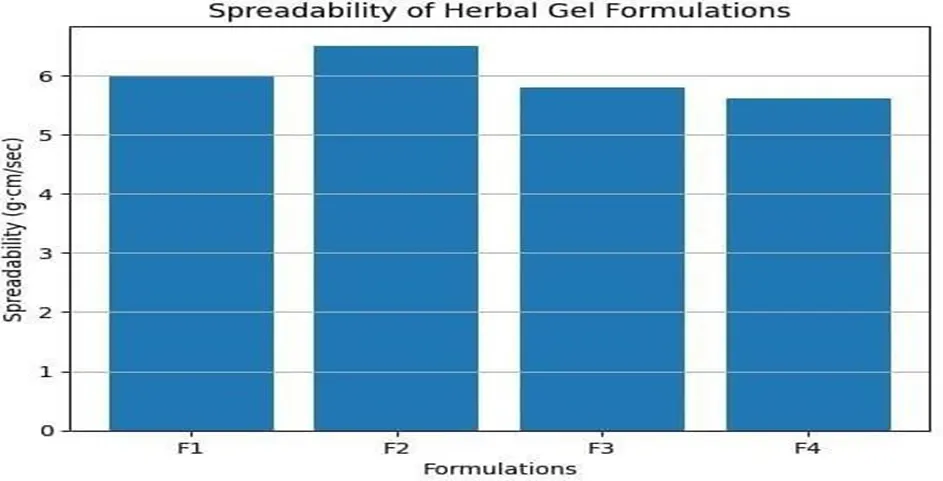
Fig. no. 13: Graphical representation of Spredability study of
Developed formulation
Table no. 24: Viscosity study of developed formulation
|
Formulation |
Viscosity |
|
F1 |
384cP |
|
F2 |
934cP |
|
F3 |
1056cP |
|
F4 |
1210cP |
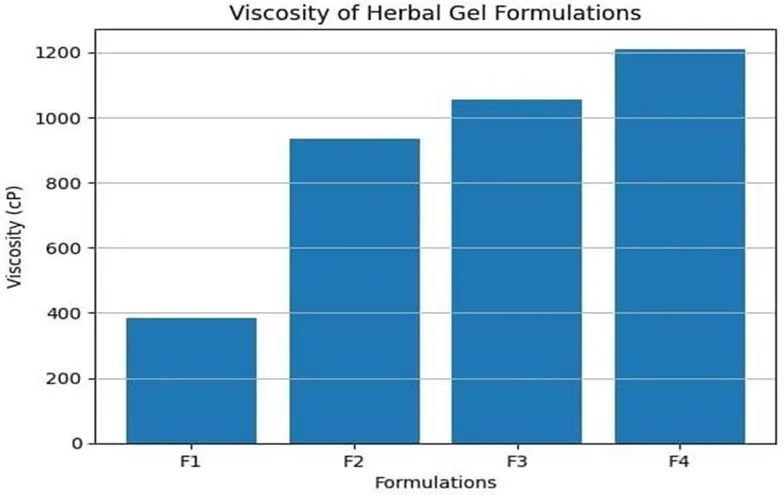
Fig. No. 14: Graphical representation of Viscosity study of developed formulation
Table no. 25: pH study of developed formulation
|
Formulation |
Viscosity |
|
F1 |
5.8 |
|
F2 |
6.3 |
|
F3 |
6.4 |
|
F4 |
6.9 |
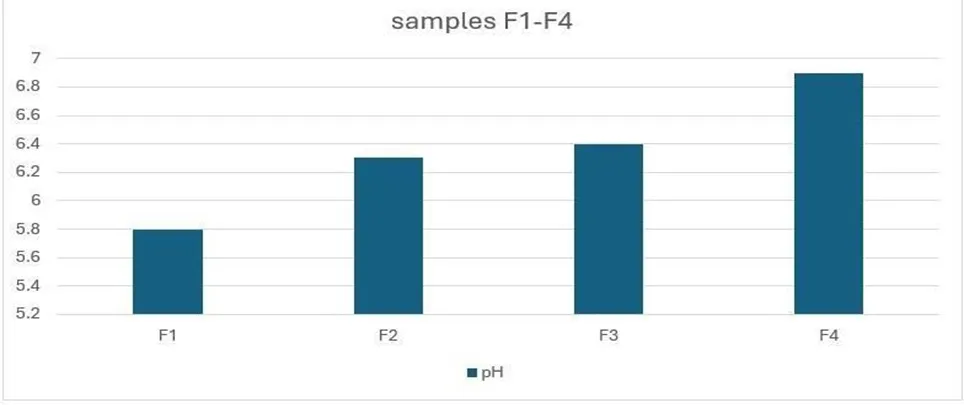
Fig. No.15: Graphical representation of pH study of developed formulation
Table no.26: Washability study of developed formulation
|
Formulation |
Viscosity |
|
F1 |
Washable |
|
F2 |
Washable |
|
F3 |
Washable |
|
F4 |
Washable |
Antimicrobial Activity of combined extract of Psidium guajava and Azadirachta indica
To evaluate the antimicrobial activity of plant extract against Escherichia coli and Staphylococcus aureus. The tests ample diffuse into agar medium inoculated with microorganisms. If the extract has antimicrobial activity, it inhibits microbial growth and forms a zone of inhibition around the well.
Table no. 27: Antibacterial testing of combine extract
|
Sr. No. |
Name of Organism |
Name of Extract |
25µg/ml |
50µg/ml |
75µg/ml |
100µg/ml |
|
1 |
Escherichia coli |
Liquid |
R |
S |
S |
S |
|
Gel |
R |
R |
R |
S |
||
|
Standard |
S |
S |
S |
S |
||
|
2 |
Staphylococcus aureus |
Liquid |
R |
S |
S |
S |
|
Gel |
R |
S |
R |
S |
||
|
Standard |
S |
S |
S |
S |
S: Sensitive R: Resistant
The entire tests were performed according to standard methods.
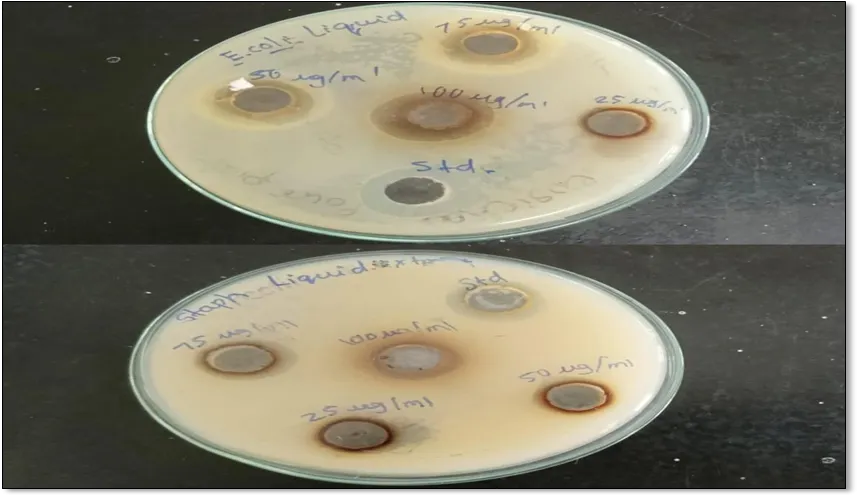
Fig no 16: Antimicrobial activity of liquid extract against Staphylococcus aureus and Escherichia coli.
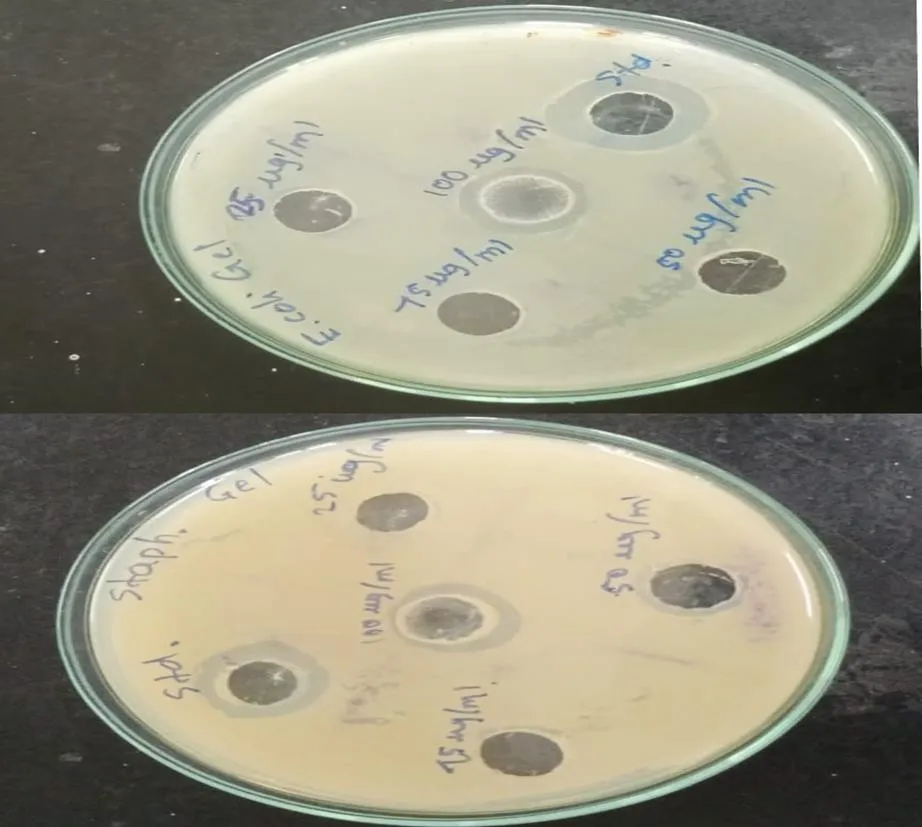
Fig no.17: Antimicrobial activity of Gel extract against Staphylococcus aureus and Escherichia coli
CONCLUSION:
1. Extract & Screen Phytochemicals
Both plant extracts are rich in bioactive Phyto constituents such as flavonoids, tannins, phenolic compounds, and glycosides, which are known to exhibit significant antimicrobial, antioxidant, and anti-inflammatory properties.
2. Characterize Extracts
Stability studies indicated that the formulation remained stable... without significant changes in physical and chemical properties.
3. Formulate Polyherbal Hydrogel
The hydrogel was formulated using Carbopol 934 as a gelling agent. The hydrogel base facilitated uniform distribution of active constituents and enhanced their contact time at the site of application.
4. Evaluate Physicochemical Properties
The prepared Formulation showed satisfactory Physico chemical characteristics, including an appropriate pH compatible with skin, desirable viscosity, good Spreadability, excellent homogeneity, and absence of grittiness.
5. Assess Therapeutic Potential
Antimicrobial studies... demonstrated notable activity against E. coli and S. aureus. Results showed concentration-dependent increase in zone of inhibition... synergistic effect of neem and guava extracts.
6. Study Stability & Significance
Stability studies indicated that the formulation remained stable. In conclusion, the developed polyherbal hydrogel represents a promising, safe, cost-effective, and biocompatible topical drug delivery system, with scope for future development and commercialization.
REFERENCES




Ashwini Suryawanshi*, Rutuja Patil, Kirti Patil, Aditya Sutar, Amruta Halijol, Formulation and Evaluation of Herbal Hydrogel of Guava and Neem Leaf Extract for its Antimicrobial Property and its Wound Healing Activity, Int. J. Med. Pharm. Sci., 2026, 2 (8), 599-620. https://doi.org/10.5281/zenodo.21997156
 10.5281/zenodo.21997156