

We use cookies to ensure our website works properly and to personalise your experience. Cookies policy
1Department Of Pharmaceutics, [School of Pharmacy, Chouksey Engineering College Bilaspur, Chhattisgarh], India
2Assistant Professor, School of Pharmacy, Chouksey Engineering College Bilaspur, Chhattisgarh
3Associate Professor, School of Pharmacy, Chouksey Engineering College Bilaspur, Chhattisgarh
Clotrimazole, an imidazole-based compound, is a promising medication for the topical treatment of mucosal and cutaneous mycoses. Though, factors such as poor water solubility, high lipophilicity, poor retention, and poor release from the dosage form, may hinder the bioavailability of these formulations. Hydrogels or polymer-based systems may provide a solution that is sticky, easy for the patient to use, and may be designed to remain at the site of application. This critical study examines a number of different processes and methods related to the use of clotrimazole in a therapeutic setting, specifically focusing on hydrogel systems, and systems that are used to solubilize clotrimazole. Most of the publications reviewed were from the recent past (2020-2025), but regulatory publications and older foundational studies were also reviewed. It is clear from the current literature that many of the systems used today such as carbomers, cellulose derivatives, poloxamers, chitosan, etc. are able to form hydrogels that have the desired properties. These systems, however, suffer from a tradeoff between the mechanical strength of the polymer and the rate of drug release from the system. Hydrogel systems such as emulgels, microemulsion gels, and nanocapsule loaded systems, as well as other injectable systems, provide an apparent solution to the problem of solubilization, but cross study evaluations may be difficult due to the lack of standardizations in release testing, reporting practices, and evaluation of antifungal activity. In addition to the lack of standardization, many of the systems are evaluated in vitro or ex vivo. In these cases, it is common that the simplistically designed systems are perceived to have better localized treatment due to the flows being greater in these systems. A system that has the desired properties for localized treatment must also contain a formulation of clotrimazole that meets the requirements for safety and efficacy, while also being microbiologically and pharmaceutically acceptable. There is a continuous need for research in a controlled environment to assess the performance of these systems.
Superficial fungal infections are common and recurrent conditions. They often require continuous treatment and several outpatient visits, imposing a burden both on public health and patients. Current self-treatment methods are inadequate. In addition, recurrent cases of vulvovaginal candidiasis, a condition prevalent throughout the world, may reduce patients' overall quality of life. The World Health Organization has highlighted the importance of improving the diagnosis and treatment of fungal infections, and clinical studies cite candidiasis and dermatophytosis as persistent public health problems.1‑4 Candida albicans, non-albicans Candida, and dermatophytes such as Trichophyton, Microsporum, and Epidermophyton are important from a clinical point of view. In addition, intertrigo, cutaneous candidiasis, tinea pedis (athlete's foot), tinea cruris (jock itch), tinea corporis (ringworm of the body), oral candidiasis, and vulvovaginal candidiasis, depend on the characteristics of each body barrier and, consequently, the microbial ecology, pH, design and moisture, and, therefore, the dosage form used in the treatment. The contact times of the therapeutic agents, their dosages, adherence to the treatment and the presence of biofilms are key factors. Antifungal resistance is not the only reason for the treatment failure of candidiasis.4‑8 Nonetheless, in both yeasts and dermatophytes, targeted modification and augmented efflux, as well as stress-response adaptation and biofilm-associated tolerance, are resistance mechanisms that are both learned and innate, and are rapidly developing. Clinical recommendations recommend species identification, and, in complex or treatment-refractory cases, susceptibility testing rather than arbitrary escalation of antifungal therapy.9‑14 As a synthetic antimycotic agent, Clotrimazole has a broad range of local antifungal activity; as a result, its use for the treatment of fungal infections has been well established in a number of formulations in the literature, including: creams, solutions, lozenges, powders, and vaginal preparations. While traditional semisolids are readily available formulations and are widely used, they do not solve the problems of the inadequate water solubility of the drug or prolonged delivery to the affected tissue. Occlusiveness and irritation may be caused by oil-rich creams, whilst solutions may drip or evaporate, and require frequent application, therefore increasing the risk of insufficient dose. Hydrogel systems based on polymer derivatives can provide a drug delivery system with a continuous water phase, controlled viscosity, a soothing and cooling effect, and a biomaterial that can host co-solvents, nanocarriers, or nanoparticles. Hydrogel systems with their continuous water phase present a drug delivery challenge; particularly because they are used to host hydrophilic drugs and Clotrimazole is poorly soluble in water and hydrophobic. Considerable effort over the years has been given to ensure drug solubilization, compatible drug-polymer systems, controlled hydrogel network structure, barrier interactions, and microbiological integrity in the presence of a user-friendly system that will promote use.4,7,8,13,14 Current research predominantly focuses on drug delivery systems, nanocarriers, or biomedical hydrogels. Very few studies address the particular biopharmaceutical constraints of clotrimazole, polymer chemistry, manufacturing constraints, Quality by Design (QbD) optimization, analytical characterization, antifungal activity, tissue deposition, stability, and translational research. This review primarily seeks to (i) address the biopharmaceutical and pharmacological bases for the hydrogel delivery of clotrimazole, (ii) compare natural, semi-synthetic, and synthetic polymers, (iii) evaluate standard processes and nanocarrier-based hydrogels, (iv) define formulation parameters and the critical quality attributes and tools for assessing these attributes, (v) unify the benefits and drawbacks of existing clotrimazole delivery systems, and (vi) identify research gaps for the product development of systems with regulatory compliance for clinical and commercial use.
MATERIALS AND METHODS: REVIEW METHODOLOGY
A systematic review of the existing literature was performed to identify publications that focused on clotrimazole and hydrogels, as well as related topics concerning topical or mucosal drug delivery, antifungal activity, and the quality of semisolid drug formulations. In the course of this research, various databases were accessed, including, but not limited to, PubMed/MEDLINE, Scopus, Web of Science, ScienceDirect, SpringerLink, Wiley Online Library, and the Cochrane Library. Preliminary and published studies were also accessed. Quality and regulatory information were obtained from ICH, FDA, OECD, CLSI, WHO, and pharmacopoeias. The last search was performed on 14 July 2026, while the evidence window for the current literature was set between 1 January 2020 to 31 December 2025. Prior studies were retained only if they contained direct reports on the formulation of clotrimazole, essential mechanisms or math, or established norms.15 Search entries were adapted to search database syntax and included terms including but not limited to “clotrimazole hydrogel,” “clotrimazole gel,” “clotrimazole polymeric gel,” “clotrimazole topical delivery,” “Carbopol clotrimazole gel,” “chitosan clotrimazole hydrogel,” “poloxamer clotrimazole gel,” “thermosensitive antifungal hydrogel,” “nanocarrier-loaded hydrogel,” “antifungal bioadhesive gel,” “cutaneous drug retention,” “vaginal clotrimazole delivery,” and other relevant terms. Citation chaining identified seminal articles and formulation-specific studies beyond the scope of the recent date filters. Acceptable evidence included peer-reviewed original research, systematic or critical reviews, clinical guidelines, and regulatory and pharmacopeial guidelines and chapters. Studies on original formulations of the cited clotrimazole-containing systems were included if they reported hydrogels, as well as other systems (e.g. emulgels, microemulsion gels, in situ gels, polymer films or fibers), that were directly relevant to hydrogels, or nanocarriers integrated later into semisolid matrices. Studies on other antifungal agents were only included to provide guidance on formulation principles that could be adapted. Published studies in other languages without an English abstract, duplicate reports, retracted studies, nonscientific commercial sites, and studies that did not address the formulation of interest or the therapeutic assessment of the formulations were excluded. Titles and abstracts were screened for relevance; subsequently, full texts or authoritative records were assessed for formulation composition, preparation method, polymer grade and concentration, drug loading, rheology, release, permeation or retention, antifungal testing, safety, stability, and described limitations. The literature shows heterogeneity in dosing form, membrane model, receptor media, fungal strain, and criteria for results, therefore, evidence was synthesized narratively, rather than pooled statistically. The review is compliant with the transparency provisions of PRISMA 2020; however, PRISMA flow counts are not included as the search was performed as a critical review, not as a systematic review with a prospective registration, verifiable deduplication, and one or two reviewer verification.15
3. Clotrimazole: Pharmacological and Biopharmaceutical Properties
Clotrimazole is 1-[(2-chlorophenyl) diphenylmethyl]-1H-imidazole, a weakly basic, hydrophobic antifungal of the imidazole class. Limited aqueous solubility of the drug is a major formulation constraint: a therapeutically useful concentration of a true molecular gel could not be achieved from an aqueous medium without a solubilization approach. The drug is therefore usually formulated as a formulation in a co-solvent or oily medium, complexed, or encapsulated. Authoritative monographs and pharmacological reference books suggest that the drug has a chemical formula of C22H17ClN2, a molecular mass of about 344.84 g, and has practical insolubility in water and solubility in some organic solvents.16‑18 Clotrimazole inhibits the biosynthesis of fungal ergosterol primarily by blocking lanosterol 14-alpha-demethylase, a P450-type enzyme. The reduction of ergosterol and the accumulation of abnormal sterol intermediates disrupt membrane integrity, permeability, and functions of transport and enzymes.16,19 Biophysical studies show that phospholipid membrane packing is directly disrupted by this compound. This suggests that the mechanisms of this compound's antifungal action include the inhibition of the sterol pathway and the disruption of membranes. This compound is effective against several species of Candida, dermatophytes and some moulds. However, the extent of the susceptibility depends on the organism, the state of the biofilm, the inoculum, the previous exposure to azole and the test conditions.19
Table 1. Physicochemical and biopharmaceutical profile of clotrimazole16‑19
|
Property |
Verified description |
Formulation significance |
Sources |
|
Chemical class |
Synthetic imidazole antifungal |
Defines azole mechanism and potential class resistance |
16‑19 |
|
Molecular formula |
C22H17ClN2 |
Neutral, aromatic structure contributes to lipophilicity |
17,18 |
|
Molecular mass |
344.84 g/mol |
Compatible with passive partitioning, but not predictive of tissue delivery alone |
17,18 |
|
Aqueous solubility |
Practically insoluble/very slightly soluble |
Requires co-solvent, surfactant, complexation, emulsion, crystal-size reduction, or carrier encapsulation |
17,18 |
|
Lipophilicity |
High; commonly reported logP is approximately 5-6 |
Promotes stratum-corneum affinity but can reduce release from lipophilic vehicles |
17,19 |
|
Melting behaviour |
Crystalline solid; melting range commonly near 142-147 °C |
DSC/XRD can reveal crystallinity changes or amorphization in the formulation |
17,18 |
|
Ionisation |
Weak base; largely unionised in typical skin and vaginal pH ranges |
pH adjustment alone is usually insufficient for aqueous solubilization |
16‑18 |
|
Primary target |
Lanosterol 14-alpha-demethylase/ergosterol pathway |
Causes sterol imbalance and membrane dysfunction |
16,19 |
|
Topical limitations |
Poor aqueous solubility, vehicle-dependent release, removal from site, variable adherence |
Motivates adhesive, controlled-release, and carrier-in-hydrogel designs |
4,7,16 |
Values should be interpreted as formulation-relevant ranges rather than universal constants; measured solubility and apparent partitioning vary with medium, temperature, and method. Topical bioavailability depends on a range of processes. It requires drug solubility in the vehicle, drug release to the surface, partitioning into the stratum corneum, and diffusion through tissue, in addition to local metabolism, and the removal from the site. Some formulations can have a high dissolved concentration in the formulation, but may contain the drug too strongly. On the other hand, it may also produce high transdermal flux at the expense of local deposition, which is the therapeutic objective of the formulation. In cases of most surface infections, the preferred target product profile is not the highest systemic permeation. Rather, it is the development of a formulation that produces a comparable concentration within the infected tissue of the epidermis, or keratinized, or mucosal tissue of the body for a sufficient amount of time and with the least amount of irritation possible.16‑19
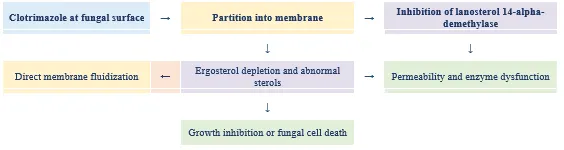
Figure 1. Mechanism of action of clotrimazole against fungal cells16,19
4. Fundamentals of Polymer-Based Hydrogels
A hydrogel is a collection of 3D polymers which can hold a significant amount of water or biological liquid without falling apart like a solution of unbound polymers. Development of a network can result from covalent cross-links, ionic or hydrogen bonds, hydrophobic interactions, crystallite, chain entanglements, or host-guest interactions among others. For delivery of a topical medication, the network should be strong enough to hold its position but should also be able to easily deform when the hydrogel is sheared and spread. This balance is defined by rheology, yield stress, the viscoelastic moduli, recovery after a shear event, and adhesion.20‑24 Physical gels are often reversible and are favored for thermosensitive or in situ systems as they do not require the use of crosslinkers that involve a chemical reaction. While chemical gels are preferable for stronger and more permanent gels, careful consideration must be given to the residual effects of the initiators, crosslinking agents, unreacted species, and the effect of sterilization. Regardless, the hydrophilic and hydrophobic balance of the polymers along with crosslink density, charge, and swelling can affect the mobility of the carrier and drug domains. The release of drugs from hydrogels can be controlled by swelling, erosion, and diffusion among other methods. The Higuchi model can be used for diffusion from a matrix with certain limitations, while the Korsmeyer-Peppas model and the Peppas-Sahlin model can be used to differentiate Fickian diffusion from polymer relaxation. In situations where experimental conditions vary greatly, model-independent approaches to mechanistic studies may be more appropriate. A high R2 value does not indicate a confirmed mechanism unless there is a suitable sample design that adheres to sink conditions, and the geometric and modeled assumptions of the system have been satisfied.25‑34 Mucoadhesion and bioadhesion incorporate the wetting and interpenetration of polymers and mucin, along with electrostatic and hydrogen bonding, and mechanical interlocking with surface microstructures. Increasing the molecular weight of the polymer, chain flexibility and the number of functional groups, and controlled swelling will improve adhesion. However, excessive crosslinking can lead to reduced chain interpenetration. The rheological compatibility of the mucin–polymer system is sometimes used as a criterion, but cannot replace the need for residence time studies mimicking physiological flow and/or movement.35‑40 Hydrogels offer a non-greasy, easily removable, and possibly transparent vehicle with responsive system compatibility and with an increased water activity. Significant drawbacks of hydrogels are evaporation, syneresis, microbial proliferation, low encapsulation of hydrophobic drugs, weak mechanical properties, and high sensitivity to ions or pH. These issues indicate that clotrimazole hydrogels typically do not retain basic aqueous matrices, but evolve into hybrid systems, such as emulgels, microemulsion gels, nanocarrier loaded gels and gels based on polymer blends.23‑25,37‑40

Figure 2. Hydrogel preparation pathways and principal drug-release mechanisms20‑40
5. Classification of Polymers Used In Clotrimazole Hydrogels
Polymers should be selected starting from the location of their application and the product profile desired, rather than with viscosity as the main attribute. Vaginal or buccal systems focus on mucoadhesion, on the pH balance and resistance to dilution, while cutaneous products focus on non-tackiness and local deposition. Along with biological functionality and eco-friendliness, natural polymers provide potential rheological and other properties. Natural polymers, however, have a high degree of variability in source and in bioburden, colour, odour, and batch. Semi-synthetic cellulose derivatives have good compatibility and low variability. Control of viscosity and gelation is offered by synthetic polymers, however, may also require extensive residual and specialized techniques of manufacturing and neutralization.41‑43 Chitosan, a derivative of chitin is a natural, cationic polysaccharide. Chitosan has a protonated amino group which offers mucoadhesion and possible antibacterial or membrane-interactive properties, however, is variable with pH. Chitosan can be mixed with beta-glycerophosphate or other polymers in order to improve adhesion and viscosity or promote thermogelation. Chitosan has a high variability in its biological source, and therefore, an equally high variability in residual protein, endotoxin, and microbiological quality.44 Alginate gelation is through ionic crosslinking and is facile to process. Like chitosan, alginate is also affected by ionic exchange in biological fluids. Pectin, xanthan gum, guar gum, carrageenan, gelatin, and hyaluronic acid are all-natural polymers which offer viscosity and swelling through film formation or ionic adhesion.42,43,45 Ion-responsive networks can be made with pectin and carrageenan. At low concentrations xanthan exhibits notable shear-thinning. Thermoreversibility is a characteristic of gelatin, which, if not improved, can liquefy at or near physiological temperature. Hyaluronic acid promotes hydration and improves interactions with the mucosa, but is expensive and can be easily degraded by enzymes.42,43,45,46
5.2 Semi-Synthetic Polymers
Hydroxypropyl methylcellulose (HPMC), hydroxyethyl cellulose, sodium carboxymethyl cellulose and methylcellulose are favored as they are known medicinal excipients and come in a variety of viscosities. HPMC forms nonionic, hydrated matrices that improve residence time and has a relative insensitivity to ionic strength. Sodium carboxymethyl cellulose is anionic, and very hydrophilic; it swells rapidly and can be stringy at higher concentrations. Cellulose is known to improve consistency and reduce syneresis in a polymer blend; however, increased viscosity can hinder release and affect the ease of filling or pumping.41
5.3 Synthetic Polymers
Carbomers are crosslinked poly(acrylic acid) that upon neutralization increase viscosity. Their efficacy, clarity, yield value and mucoadhesion make them frequent choices for clotrimazole gels; however, viscosity is greatly affected by pH, neutralisers, surfactants and other phase entrapments. High concentrations of carbomer can entrap the drug and carrier morphologies, and thus reduce spreadability. Poloxamers are temperature and concentration dependent block copolymers of poly(ethylene oxide) and poly(propylene oxide) that allow for easy, on-site gelation, and, yet, can rapidly dissolve and may need an additional mucoadhesive polymer.47‑50 Polyvinyl alcohol can create strong films due to crosslinking via freeze-thaw, while polyvinylpyrrolidone and polyethylene glycol can be used in a variety of roles including co-solvent and binder/plasticizer for hydrophilic matrices; and methacrylate polymers can be used for pH-sensitive swelling or cross-linked nanoparticle structures.47‑50 Polyacrylamide and covalently crosslinked systems possess great mechanical strength. However residual monomers and crosslinkers make the safety assessment of pharmaceuticals and validation of processes very important. The optimal design of such systems often includes stringent combinations of different polymers which achieve yield stress, while others provide stickiness, thermoresponsiveness, or anti-syneresis properties.51
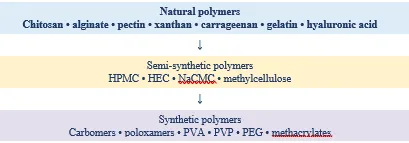
Figure 3. Classification of polymers relevant to clotrimazole hydrogels41‑51
Table 2. Advantages and limitations of major hydrogel-forming polymers41‑51
|
Polymer |
Principal advantages |
Important limitations |
Best-supported role |
|
Chitosan |
Cationic, mucoadhesive, potential antimicrobial synergy |
pH-dependent solubility; variability; may retard release |
Mucosal and thermosensitive systems |
|
Alginate |
Mild ionic gelation; moisture retention; biocompatibility |
Ion exchange and weak mechanics in some fluids |
Ionically crosslinked or composite gels |
|
Pectin/carrageenan |
Polyanionic, swellable, renewable |
Electrolyte sensitivity; variable gelation |
Natural-polymer blends and mucosal systems |
|
Xanthan/ guar gum |
Strong low-shear viscosity and shear thinning |
Stringiness; microbial control; source variability |
Rheology modifier in blends |
|
Gelatin |
Thermoreversible, film-forming, bioadhesive |
Temperature sensitivity; animal-origin controls |
Gel bases and composite networks |
|
Hyaluronic acid |
Hydration, mucosal affinity, tissue compatibility |
Cost; enzymatic degradation; low standalone strength |
Hybrid or nanoparticle-coated systems |
|
HPMC/HEC/NaCMC |
Compendial grades; tunable viscosity; broad compatibility |
High grades may impede release and processing |
Conventional gels and polymer blends |
|
Carbomer |
High viscosity at low concentration; clarity; yield stress |
pH/electrolyte sensitivity; neutralization required |
Topical gels, emulgels, mucoadhesive gels |
|
Poloxamer 407 |
Thermosensitive, easy cold processing, micellar solubilization |
Dilution-induced erosion; weak adhesion alone |
In situ and thermoreversible gels |
|
PVA/PVP/PEG |
Film strength, plasticization, hydrophilic compatibility |
May require crosslinking; moisture sensitivity |
Films, freeze-thaw gels, composite matrices |
Table 2 demonstrates that polymer choice is contextual; material grade, concentration, pH, co-solvent, and carrier phase determine performance.41‑51
Table 3. Natural, semi-synthetic and synthetic polymers used in antifungal hydrogels41‑51
|
Class |
Representative |
Chemical feature |
Gelation mechanism |
Pharmaceutical contribution |
Sources |
|
Natural |
Chitosan |
Deacetylated chitin; cationic |
Protonation, ionic/thermal association |
Mucoadhesion, viscosity, carrier coating |
44,46 |
|
Natural |
Alginate |
Anionic mannuronate/guluronate blocks |
Divalent-ion crosslinking |
Swelling, moisture retention, mild encapsulation |
45 |
|
Natural |
Pectin |
Anionic galacturonic-acid polysaccharide |
Ionic, hydrogen-bonded or covalent |
Swelling and mucosal residence |
43 |
|
Natural |
Xanthan/carrageenan |
High-molecular-weight microbial or seaweed polysaccharides |
Entanglement or ion-mediated gelation |
Shear thinning and network reinforcement |
42 |
|
Natural |
Gelatin/hyaluronic acid |
Protein or glycosaminoglycan |
Thermoreversible helices or chemical association |
Adhesion, hydration, composite mechanics |
51 |
|
Semi-synthetic |
HPMC/HEC |
Nonionic cellulose ethers |
Hydration and entanglement |
Viscosity, sustained release, anti-syneresis |
41,48 |
|
Semi-synthetic |
NaCMC |
Anionic cellulose ether |
Hydration and chain entanglement |
Swelling, mucoadhesion, blend reinforcement |
41,48 |
|
Synthetic |
Carbomer/ Pemulen |
Crosslinked poly(acrylic acid) |
Neutralization and swelling |
Yield stress, emulsion stabilization, adhesion |
23,24,40 |
|
Synthetic |
Poloxamer 407 |
PEO-PPO-PEO block copolymer |
Temperature-driven micellization/packing |
In situ gelation and micellar solubilization |
47‑50 |
|
Synthetic |
PVA/PVP/PEG |
Vinyl and polyether polymers |
Freeze-thaw or chemical crosslinking; entanglement |
Film strength, plasticization, hydrophilic domains |
23,24 |
|
Synthetic |
Methacrylates |
Ionic or neutral acrylic copolymers |
pH response or nanoparticle formation |
Carrier formation and responsive release |
24 |
6. Formulation Strategies for Clotrimazole Polymeric Hydrogels
The formulation begins with a specified drug state. Since molecularly dissolved clotrimazole creates an instantaneous state of dissolved drug thermodynamic availability, but can easily precipitate over time, some alternative states must be considered. Creating a crystalline suspension can help with the precipitation problem, but introduces its own problems of gritty texture, inconsistent dosing, and inconsistent release of the drug due to changes in suspension particle size. Some of the intermediate states to solubilising/dispersing the drug in a secondary phase that would be trapped (immobilised) by a hydrogel, include: pouring the drug into emulsion or microemulsion domains, surfactant micelles, cyclodextrin complexes, nanocrystals, lipid vesicles and other polymeric nanoparticles.52‑56 The use of co-solvents such as propylene glycol, polyethylene glycol, and other specific glycols may help with the solubility of the drug, and possibly provide a diffusion/penetration enhancement of the drug; however, they may destabilize the hydrogel and pH sensitive polymer networks, and also provide a risk to tissue integrity. Surfactants can improve wetting and stabilizing suspensions. Their balance of hydrophilicity and lipophilicity, which is crucial to micelle formation, along with their interaction with carbomer or poloxamer, help solubilise and provide controlled release of the drug. Enhancement of drug penetration to the target site does not provide a benefit to a locally acting antifungal if it promotes systemic absorption.52‑56 Carbomer dispersions usually hydrate before they are neutralized. For emulgels, the oil phase or the microemulsion is prepared separately and added under controlled shear to avoid the incorporation of air and increase in the size of droplets. Poloxamer solutions are prepared by the cold method and then the mucoadhesive polymers or carriers are incorporated. Chitosan is soluble in dilute acids, and beta-glycerophosphate or polyanions can be added to circumvent localized precipitation. Freeze-thaw cycling create PVA crystallites. Ionotropic gelation can produce soft networks of alginate or chitosan, while photo-polymerization can create mild networks of permanent covalent character. The safety of the initiators has to be established before they can be used.52‑57 Drug-polymer interactions may not always be beneficial or detrimental. For example, while in certain cases, hydrophobic interactions may increase the compatibility of the polymers and the drugs, in some other cases the same interaction may slow the release of the drug. Therefore, a combination of FTIR, DSC, XRD, microscopy, and stress stability should be used. If a drug does not show a melting endotherm it may indicate a decrease in the concentration of the drug or even the degradation of the drug, this observation alone does not establish compatibility.52‑59 Recent empirical studies provide various solutions to the solubility-residence conundrum. Results highlight the role of various components, such as polymer, dispersion phase, surfactant and active pharmaceutical ingredient (API). Clotrimazole emulgels, D-optimal-optimized mucoadhesive gels, dynamic self-healing networks, surfactant-controlled topical systems, and microemulsified gels exemplify such systems where hydrogel effectiveness is linked to the interactions of the components and is not determined by the individual components. Findings also encompass the design of vaginal hydrogels, mucoadhesive nanofibers or films, graphene oxide-infused films, microemulsions, polymer nanoparticles, click-crosslinked networks, gelatin-based systems, and in situ gels.52‑64 Vaginal gel systems also require the fine control of the sequencing of the hydration, mixing energy, and temperature, as well as the control of the neutralization endpoint, vacuum deaeration, bulk hold time, filling temperature, and shear history. High shear laboratory homogenization does not and cannot reflect the performance of industrial equipment. Irreversible and real effects of industrial scale unit operations, such as pumping, recirculation, filling through small orifices, terminal processing, aseptic processing and other relevant unit operations, must be considered. Selections of unit operations must ensure the integrity of the drug, the dimensions of the active particles or droplets, and the structure of the polymer, as well as the potency of the preservative.52‑64 Earlier direct studies are influential as they introduce formulation mechanisms to be used by later studies. Clotrimazole-loaded cationic nanocapsules in blended hydrogels, microemulsion vaginal gels, ufosomal and liposphere systems, chitosan semisolids, niosomal and proniosomal gels, Pluronic F127 matrices, gels with penetration enhancers and solid-lipid dispersion systems demonstrate the versatile structures of carriers and the flexible nature of polymeric systems showing how these factors influence the partitioning of the drug in a system and controlled delivery of the drug. These studies are methodologically diverse and hence should be regarded as proof of formulation rather than graded clinical evidence.65‑74
Table 4. Formulation components and their pharmaceutical functions52‑74
|
Component |
Primary function |
Critical formulation consideration |
Key control |
|
Clotrimazole |
Antifungal active |
Dissolved, suspended, complexed or encapsulated state controls availability |
Assay, impurities, crystallinity, particle size |
|
Hydrogel polymer |
Structure, rheology, adhesion, release control |
Grade and concentration alter mesh size, yield stress and spread |
Viscosity grade, molecular weight, substitution, bioburden |
|
Co-solvent |
Solubilization and humectancy |
May improve activity but cause irritation or precipitation on dilution |
Purity, concentration, evaporation, packaging compatibility |
|
Surfactant/co-surfactant |
Wetting, emulsification, micellar solubilization |
Can change droplet size, release and membrane interaction |
HLB, peroxide value, CMC, concentration |
|
Oil phase |
Solubilizing reservoir and emolliency |
May retain lipophilic drug and slow transfer |
Drug solubility, oxidation, sensory properties |
|
Neutralizer/ buffer |
pH control and carbomer gelation |
Over-neutralization or electrolytes can reduce viscosity |
Addition rate, endpoint pH, ionic strength |
|
Penetration enhancer |
Modifies barrier partitioning or diffusion |
Must balance tissue deposition, irritation and systemic flux |
Concentration, mechanism, reversibility |
|
Humectant |
Reduces drying and improves feel |
Can change water activity and polymer hydration |
Glycerol/propylene glycol level |
|
Preservative |
Controls microbial growth during use |
Activity can be reduced by micelles, polymers or packaging sorption |
Free concentration, challenge test, pH |
|
Antioxidant/ chelating agent |
Protects susceptible excipients and interfaces |
May interact with metals, preservatives or assay |
Compatibility and concentration |
|
Nanocarrier |
Solubilization, protection and targeted deposition |
Introduces size, PDI, zeta potential and interfacial stability CQAs |
Manufacturing method and carrier-gel compatibility |
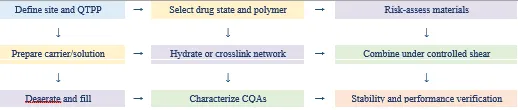
Figure 4. Quality by Design framework for clotrimazole hydrogel development
7. Advanced Clotrimazole Hydrogel Systems
In carrier-in-hydrogel systems, the nanocarrier manages the hydrophobic drug and the interfacial contact, while the hydrogel handles much of the bulk placement, dosing, and residency. Several types of nanocarriers, including liposomes, niosomes, transfersomes, ethosomes, ufosomes, and mixed vesicles, can help improve the deposition of the carrier and enhance the solubility of the drug. They can also maintain the integrity of the vesicles under the stresses of polymer, neutralizer, preservative, and osmotic challenges. Some vesicles can easily cross barrier microdomains, but the use of high concentrations of surfactants or ethanol may cause tissue damage. Liposome-hydrogel composites need to be evaluated for leakage, fusion, Clotrimazole particle size variation, and release from the nanocarrier and the hydrogel.67,70,71,75 Due to the large interfacial area, nano- and microemulsions are capable of solubilising Clotrimazole in an oil-surfactant system. The encapsulation of a carbomer or cellulose gel improves the rheological properties, but claims of the microemulsions’ thermodynamic stability need to be verified through phase studies and dilution methods. Studies of Clotrimazole have shown improved penetration or controlled release in optimised systems, but this also requires a balance of the desired local retention and the excipient burden.55,56,60,66 Solid lipid nanoparticles, nanostructured lipid carriers, and lipospheres have a lipid core and a structured aqueous shell. They can improve occlusion and follicular or superficial deposition and reduce contact with irritating drug crystals. Lipid polymorphism may release the drug during storage, but semisolid flow may conceal particle clumping. Clotrimazole lipospheres and solid-lipid-dispersions have shown good efficacy, whereas extensive studies of hydrogel-based nanoparticles showcase the need for monitoring the stability of both the nanoparticles and the hydrogels.68,74,76 With the polymeric nanocarriers and nanocapsules, both surface charge and mucoadhesion can be tailored.61,65,75,76 Studies suggest that chitosan nanoparticle-based carriers may enhance mucosal contact. While antifungal nanoformulations of other clinically used compounds may provide indirect evidence for the treatment of local candidiasis with nanocarriers, they do not provide direct evidence for the use of clotrimazole in local candidiasis. Several types of nanoparticles may be used to enhance treatment options. Drug nanocrystals allow for the expansion of the allowable limits of the drug while remaining the same size as before. Cyclodextrin combined with a drug may allow for sustained release, while hydrophilic carriers may allow a drug to be dispersed in a solution. Each formulation has its unique failure modes. Nanocrystals may either form large aggregates or continue to grow. Cyclodextrins may impair the ability to pass through tissues, while hydrophilic micelles may lose their structure. The integration of other systems or formulations may assist in controlling the drug release. These may include the integration of 3D printing technologies that allow for greater control of the placement, shape, and size of a dosage. While some of these techniques may be available to help control the formulation of a drug for local candidiasis, the clinical data to support their use is limited.77‑83
Table 5. Conventional versus nanocarrier-loaded clotrimazole hydrogels55,60‑83
|
Attribute |
Conventional hydrogel/emulgel |
Nanocarrier-loaded hydrogel |
|
Drug state |
Dissolved/suspended directly in gel |
Encapsulated or solubilized in carrier then immobilized |
|
Primary benefit |
Simple manufacture and familiar excipients |
Improved apparent solubility, protection or controlled interfacial transfer |
|
Release controls |
Polymer mesh, drug-polymer partition, crystal dissolution |
Carrier release plus diffusion through gel matrix |
|
Skin/mucosal targeting |
Vehicle-dependent |
Carrier charge, deformability, size and lipid composition can modify deposition |
|
Key CQAs |
pH, content, viscosity, spreadability, IVRT |
All conventional CQAs plus size, PDI, zeta potential, encapsulation, leakage |
|
Stability risks |
Syneresis, precipitation, viscosity drift, preservative loss |
Aggregation, fusion, Ostwald ripening, lipid polymorphism, carrier-gel interaction |
|
Manufacturing burden |
Low to moderate |
Moderate to high; additional unit operations and controls |
|
Regulatory complexity |
Established semisolid expectations |
Greater Q3 characterization and demonstration of carrier reproducibility |
|
Evidence strength |
Several direct formulation studies; limited clinical comparison |
Promising in vitro/ex vivo evidence; clinical superiority unproven |
8. Quality by Design and Formulation Optimization
With Quality by Design, formulation development is no longer an exercise in guessing and checking, but an organized methodology incorporating the control strategy, risk assessments and controls around critical material and process attributes, and the quality target product profile, and critical quality attributes. The ICH Q8(R2) provides the development process for pharmaceuticals; ICH Q9(R1) outlines risk-based evaluation, and ICH Q10 provides the connection between the knowledge gained in development and the management of the product lifecycle.84‑86 The Quality Target Product Profile (QTPP) in the case of clotrimazole hydrogel would indicate where and how the product would be administered, the potency, the dosage form, and what would be deemed an acceptable level of both the container and product’s microbiological quality, as well as the container’s closure, the product’s shelf-life, and product characteristics that would be important from the perspective of the user. Some critical quality attributes (CQAs) of the product may be the appearance, pH, assay, level of contamination, uniformity of content, and the stability and effective duration of spread of the hydrogel or cream. Localized drug delivery may consider tissular retention and minimized systemic delivery.84‑86 Risk assessment methods, such as Ishikawa diagrams, failure mode and effect analysis, and prior-knowledge ranking, identify elements for research. For a small number of elements, full factorial designs can be employed. For larger numbers of research elements, central composite and Box-Behnken designs can be employed to assess the curvature and interaction of factors, along with mixture designs that allow for a consistent total of proportions, and desirability functions that allow for the optimization of multiple, often conflicting responses. The design space is to be defined by the acceptability (or feasibility) regions that are therapeutically and pharmaceutically meaningful, rather than being confined to the mathematical limits (or extremes) of the design space. Confirmatory batches, process verification at scale, and testing for design space and process robustness are required prior to the acceptance of a model and its role as a control mechanism.84‑86
Table 6. Quality Target Product Profile and critical quality attributes84‑86
|
QTPP element |
Target |
Associated CQAs |
Clinical/pharmaceutical rationale |
|
Dosage form/site |
Topical or mucosal hydrogel with defined strength |
Appearance, pH, rheology, adhesion |
User acceptability and site compatibility |
|
Dose delivery |
Uniform dose per application or actuation |
Assay, content uniformity, extrudability |
Prevents under- or over-dosing |
|
Drug state |
Stable dissolved, dispersed or encapsulated state |
Crystallinity, particle/droplet size, encapsulation |
Controls release and physical stability |
|
Local performance |
Reproducible release and infected-tissue deposition |
IVRT, IVPT/ex vivo retention, bioadhesion |
Links product structure to local exposure |
|
Antifungal performance |
Activity against relevant planktonic and biofilm organisms |
MIC/MFC, time-kill, biofilm reduction |
Confirms retained biological activity |
|
Safety |
Non-irritant and microbiologically controlled |
Cytotoxicity, irritation, preservative efficacy |
Supports intended repeated use |
|
Stability |
Target shelf life in final package |
Assay/impurities, pH, rheology, phase stability, microbiology |
Ensures lifecycle consistency |
|
Manufacturability |
Scalable, robust mixing and filling |
Batch homogeneity, temperature, shear, deaeration, fill weight |
Reduces batch variability |
9. Evaluation and Characterization
A complete evaluation programme should integrate packaged-product stability, analytical-method validation, in vitro release and permeation testing, physicochemical and structural characterization, skin absorption and irritation methods, standardized antifungal susceptibility testing, and compendial semisolid performance testing.87‑95
9.1 Organoleptic and Physical Evaluation
Homogeneity, grittiness, phase separation, syneresis, air entrapment, etc. can denote inadequate process control. Observations should be made under controlled lighting and heating conditions and compared to a preserved sample. The subjective terms "good" or "elegant" only describe a quality when they correspond to a defined quantitative measure. Analysis under a microscope is more sensitive than the naked eye for the observation of crystals or droplets or for the detection of impurities in the form of agglomerates or dust.35,84‑95
9.2. Physico-Chemical Examination of Samples
The pH is measured after equilibration of the sample using a suitable electrode. pH influences the ionization of carbomers and the permeability of preservatives, as well as the compatibility of the drug with the tissue, the design of the pharmaceutical formulation, and the viscosity. The drug content may require a stability indicating analytical method. An adequate sample may be obtained by taking aliquots from the top, middle, and bottom portions of the container. Gel fraction, moisture content, swelling ratio, syneresis, density, extrudability, spreadability, washability, and occlusiveness are other sample-specific evaluations. These require a precise design in terms of cutting, the amount of sample, and duration of application, as well as environmental conditions. In the absence of established protocols, verifiable measurements are impossible.35,88‑95
9.3 Rheological Analysis
Using a single-point viscosity measurement is insufficient for the characterization of a non-Newtonian hydrogel. A flow curve constructed using controlled shear rate or controlled stress must capture shear thinning, yield stress, hysteresis, and recovery. It is not sufficient to presume thixotropy from pseudoplastic flow behavior; thixotropy is the time-dependent breakdown and reformation of a structure. Amplitude oscillation sweeps are used to find the boundaries of the linear viscoelastic region. The solid and liquid behavior of a structure is determined when the loss modulus (G'') and the storage modulus (G') are compared in a frequency sweep. Texture profile analysis can be used to determine hardness, consistency, cohesiveness, and adhesiveness; however, the probe geometry and test speed must be reported.35,89,91,95
9.4 Structural and Compatibility Analyses
In FTIR, shifts in spectra corresponding to the formation of contacts can be assessed but are not meaningful due to the large water and polymer bands. The melting temperatures of polymers can be assessed using DSC. XRD can provide information on the crystalline state of the sample, while TGA can provide information on the thermal stability of the sample. For systems that are simple enough, NMR can provide information about the molecular structure and interactions of the sample. Surface, internal, and nanoscale structure can be assessed using SEM, TEM, and AFM. Though, drying or staining can create artifacts. For gels containing nanocarriers, measurement of particle size, polydispersity, and zeta potential should be performed before and after the addition of the gel using a dilution that is validated to maintain the integrity of the nanocarriers.52‑63,88,91
9.5 Pharmaceutical Efficacy
In vitro release testing (IVRT) decouples product release from the effects of biological barriers. The use of a validated synthetic membrane, a receptor medium that remains in sink conditions without affecting the formulation, a controlled room temperature, a given dose, and a defined time interval of samples are necessary. The release rate is usually determined from the linear portion of the curve of cumulative quantity released per unit area vs. the square root of time. Model fitting should be backed by a mechanistic rationale and residual analysis, and should not be determined by R² alone.89,91,95 In vitro permeation testing (IVPT) or ex vivo testing employ the use of human or animal skin and/or mucosa in Franz diffusion cells. Membrane integrity, the anatomical site of the membrane, its thickness and the manner in which it is stored, the receptor medium and its dosage, the magnitude of surface occlusion, and mass balance, are all influential to the results. Permeation is described by flux, permeability coefficient, and lag time, while retention as measured by trans-barrier transport, is described by extraction from the stratum corneum/vial tissue/receptor. Tape stripping may be used to measure depth-resolved stratum corneum deposition, but is influenced by the amount of pressure applied, the order of the strips, variability in anatomy and the follicular contribution. For the locally acting clotrimazole, the amount of the drug removed from the diseased tissue is often of greater importance than the amount that has evolved to the receptor.90‑93
9.6 Biological and Safety Assessment
Agar diffusion is an easy method to use but difficult to evaluate antifungal efficacy. If a viscous hydrogel has a tightly binding property, it may present a minimal inhibitory zone but may be sufficient at the interface. Broth microdilution is used to determine the minimum inhibitory concentration. Minimum fungicidal concentration and time-kill assays are used to determine the fungicidal nature of the agent. Direct contact tests are effective for formulations with limited diffusion. When studying biofilms, it is important to consider the maturation stage of the biofilm as well as the viability of the biofilm and to determine whether the formulation is able to inhibit the biofilm's production or eliminate the biofilm. Antifungal methods should be directed at assessment reference strains and an adequate range of clinically relevant strains and quality control strains.57,77,94 Cytotoxicity, irritation of a reconstructed epidermis, sensitisation, histopathology, and tolerance in animals or humans should be in alignment with the anticipated exposure and concentration of excipients. Prior to a cell study, it may be the case that dilution of a gel reduces exposure of the biofilm to both the active and the irritating excipients, therefore the biofilm should be evaluated under actual conditions of contact. Acceptability to humans includes the ease of extrusion, spreadability, tackiness, leakage, odour, staining, washability, and comfort. From a clinical point of view, it is essential to distinguish between improvement in symptoms, mycological cure, relapse, and compliance.57,77,93,94
9.7 Stability Evaluation
Stability testing assesses the final marketed product for long-term, intermediate, and accelerated stability based on conditions justified for the target marketplace. ICH Q1A (R2) is the primary guideline for stability design, while testing and evaluation of product stability is based on principles of ICH Q2(R2). Physical stability may include behaviors such as phase separation, syneresis, crystallization and other droplet growth phenomena. These may also include changes in viscosity, viscosity/elastic drift, as well as changes in color and odor, among others. Chemical stability may involve the clotrimazole assay, along with degradation products, pH, peroxide, lipid oxidation and preservation. Microbial stability may include limit tests and preservative effectiveness testing.87,88 Freeze-thaw cycling is a stability stress test, and cannot replace real-time stability. Packaging studies must include sorption studies of drug and/or preservative; loss of the solvent; water-vapor transmission; studies of extractables and leachables; dose reliability and actuator and component compatibility studies regarding metals or elastomers. Shelf life must be based on validated, stability-indicating studies and their statistical interpretations. The product must also be stable in a short-term, unchanged, long-term appearance.87‑91,95
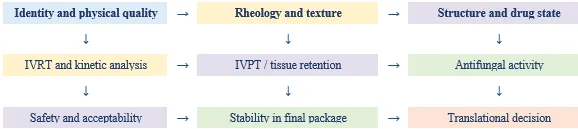
Figure 5. Evaluation pathway from physicochemical characterization to antifungal performance87‑95
Table 7. Evaluation parameters, methods and interpretation criteria87‑95
|
Parameter |
Representative method |
Interpretation objective |
Principal limitation |
|
Appearance/homogeneity |
Visual and microscopic examination |
Uniform colour; no crystals, aggregates, air or phase separation |
Subjective unless standardized |
|
pH |
Calibrated semisolid-compatible electrode |
Site-compatible and stable; consistent across batch |
Dilution can change apparent pH |
|
Assay/content uniformity |
Validated stability-indicating HPLC/UPLC |
Within specification; low spatial variability |
Extraction recovery must be demonstrated |
|
Rheology |
Flow curve, hysteresis, amplitude/frequency sweep |
Shear thinning, useful yield stress, reproducible recovery |
Geometry, temperature and shear history alter results |
|
Spreadability/extrudability |
Defined plate/load/time or texture analyser |
Consistent dose handling and coverage |
Many non-compendial methods lack comparability |
|
Drug state/compatibility |
DSC, XRD, FTIR, microscopy |
Stable state with no incompatible change |
Single technique cannot prove compatibility |
|
Particle/droplet quality |
DLS, microscopy, zeta potential |
Stable size/PDI; no aggregation or leakage |
Dilution may disrupt formulation |
|
IVRT |
Diffusion cell with inert membrane |
Discriminatory release rate and complete mass balance |
Receptor medium may over-solubilize drug |
|
IVPT/retention |
Franz cell with human/animal tissue |
Targeted deposition with controlled systemic passage |
Biological variability and tissue preparation |
|
Antifungal testing |
MIC/MFC, time-kill, direct-contact, biofilm assay |
Activity against relevant strains at realistic exposure |
Agar diffusion is formulation-dependent |
|
Safety |
Cytotoxicity, irritation, histology, sensitization assessment |
Acceptable response at intended dose |
In vitro dilution may underestimate irritation |
|
Stability |
ICH-oriented packaged-product program |
No meaningful chemical, physical or microbial drift |
Stress tests do not establish shelf life |
IVRT, in vitro release testing; IVPT, in vitro permeation testing; DLS, dynamic light scattering; PDI, polydispersity index.
10. Comparative Evidence Synthesis
There are many dosage-form concepts in the direct evidence base, but there are limited standardized direct comparisons. Studies have all differed in clotrimazole concentration, polymer grades, co-solvent and surfactant systems, membranes, receptor mediums, doses (finite or infinite), fungal strain, endpoints, and stability durations. Because of this, Table 8 only reports traceable qualitative or explicitly published findings; data that was absent will not be inferred and will be reported as "not reported." The table also separates release, retention or permeation, and antifungal findings because these are different outcomes and answer different questions.52‑74
Table 8. Comparative evidence from published clotrimazole hydrogel and hydrogel-relevant studies
|
Author/ year |
System |
Polymer/concentration |
Drug/excipients |
Antifungal |
Stability |
Principal conclusion |
Limitations |
DOI |
|
Vilimi et al., 202452 |
Emulgel |
Carbomer-based emulsion gel; concentration varied |
Clotrimazole; study-specific excipients |
Activity retained; diffusion influenced by matrix |
Short-term/formulation stability assessed |
Emulgel composition governed mechanical and release properties |
No clinical comparison |
10.3390/gels10110730 |
|
Dinte et al., 202353 |
Mucoadhesive vaginal gel |
Carbomer and HPMC-type variables in D-optimal design |
Clotrimazole plus solubilizing excipients |
Antifungal activity evaluated |
Stability evidence limited relative to shelf life |
Multivariate optimization balanced adhesion and release |
Laboratory endpoints; no human efficacy |
10.3390/polym15092023 |
|
Gosecka et al., 202254 |
Dynamic injectable self-healing hydrogel |
Supramolecular/crosslinked polymer network |
Clotrimazole solubilized within dynamic network |
Antifungal performance demonstrated in vitro |
Not reported as full ICH shelf life |
Dynamic network improved solubilization and injectability |
Specialized synthesis and translational complexity |
10.1021/acs.biomac.2c00691 |
|
Usach et al., 202355 |
Topical semisolids and nanovesicles |
Vehicle-dependent; vesicular and conventional systems |
Clotrimazole with different surfactants/excipients |
Enhanced inhibitory activity reported for selected nanovesicles |
Not reported as commercial shelf-life program |
Excipient and carrier choice affected delivery and activity |
No clinical superiority evidence |
10.1016/j.ijpharm.2023.123287 |
|
Siddique et al., 202156 |
Microemulsified gel |
Polymer-thickened microemulsion |
Clotrimazole, oil, surfactant/co-surfactant |
In vitro activity retained |
Formulation stability evaluated |
Microemulsion-gel structure governed release |
In vitro only |
10.1021/acs.langmuir.1c02590 |
|
Arpa et al., 202057 |
Vaginal hydrogel system |
Mucoadhesive polymeric gel |
Clotrimazole-containing system |
Direct-contact antifungal activity assessed |
Not reported as long-term shelf life |
Combined performance and irritation screening |
No clinical comparator |
10.1080/10837450.2020.1809457 |
|
Nematpour et al., 202058 |
Mucoadhesive nanofiber/film |
Polymeric fiber and film matrices |
Clotrimazole |
Nanofiber and film antifungal effects compared |
Not reported |
High-surface-area polymer format supported local delivery |
Not a conventional hydrogel; limited translational data |
10.1016/j.msec.2020.110635 |
|
Fang et al., 202560 |
Topical microemulsion |
Surfactant/co-surfactant system; hydrogel-relevant dispersed phase |
Clotrimazole |
Not reported as comprehensive antifungal endpoint |
Not reported as shelf life |
HLB and co-surfactant selection markedly affected permeation |
Microemulsion not necessarily equivalent to final gel; local retention not primary |
10.1016/j.ijpx.2025.100469 |
|
Rençber et al., 201764 |
Mucoadhesive in situ vaginal gel |
Thermosensitive polymer plus mucoadhesive component |
Clotrimazole |
Antifungal efficacy evaluated |
Stability assessed in study context |
In situ gel combined application ease and residence |
Older study; clinical generalizability limited |
10.3109/10837450.2016.1163385 |
|
de Lima et al., 201765 |
Nanocapsule-loaded blended hydrogel |
Pemulen/pullulan blend |
Cationic clotrimazole nanocapsules |
Not the primary comparative endpoint |
Not reported as full shelf life |
Blended matrix improved mucoadhesive delivery platform |
Complex manufacture; no clinical comparison |
10.1016/j.msec.2017.05.030 |
|
Bachhav and Patravale, 200966 |
Microemulsion vaginal gel |
Carbomer-thickened microemulsion |
Clotrimazole |
Not reported as modern MIC/MFC program |
Stability reported |
Established feasibility of hybrid vaginal gel |
Older methods and comparators |
10.1208/s12249-009-9233-2 |
|
Bolla et al., 201967 |
Ufosomal topical system/gel-relevant carrier |
Vesicular surfactant-lipid system |
Clotrimazole |
Not reported as clinical activity |
Stability evidence limited |
Ufosomes increased formulation options for hydrophobic drug |
Carrier-to-gel translation and clinical value unproven |
10.3390/molecules24173139 |
Only directly reported findings are summarized. NR/not reported is used where an outcome was not available. Numerical results are included only when traceable to the cited publication.52‑74 Natural polymer systems possess the necessary biological functionality and adhesion; however, their increased material variability and the need for reinforcement can be problematic. Synthetic carbomer or poloxamer systems display improved ease of standardization and optimization, but tend to be neutralized, and/or affected by the presence of electrolytes and dilution. In combination-polymer systems, a high-performance rheology modifier combined with HPMC, pullulan, chitosan and/or other polymers can provide yield stress, adhesion, and/or improved resistance to dilution.41‑76 Research on single polymers can provide insights into mechanisms, but systems incorporating multiple polymers are better suited for addressing conflicting requirements. The most common of these is the concentration/crosslinking trade-off, which increases hardness and retention, but decreases mobility, spreadability, and release. A formulation that is more effective at achieving inhibitory concentrations in the shortest amount of time is not always the formulation that releases the active ingredient in the shortest amount of time.41‑56 While the use of nanocarriers within hydrogels can result in a significant improvement to solubilization and tuning of the interface, evidence of improved outcomes for patients is still lacking. Carrier systems implemented in product development result in expense and complexity without assured benefit. For external wounds, the ability to protect and maintain the integrity of skin or mucous membranes while providing a sustained antifungal effect is more clinically relevant than the relative ease with which flow in the liquid reservoir is optimized.55,61,65,67‑83 In a lab, the antifungal test's methodology is crucial. Certain assays, such as time-kill or direct contact, may be better suited for more viscous systems that possess gel-like properties. A drug's state, in vitro release, tissue deposition, antifungal activity, safety, and stability must all be in alignment. Current literature is lacking in providing this type of evidence and therefore cannot rank polymers and nanoparticles in a meaningful way.57,89‑95
11. Therapeutic and Clinical Relevance
The goal of a clotrimazole hydrogel is to create a formulation that minimizes unnecessary exposure of the body to the drug, while also maximizing the amount of drug that can be delivered to the target tissue. If the formulation is a gel that adheres to tissue, the formulation is less likely to be lost to saliva and other bodily fluids, and may be distributed more evenly to the target tissue. The rate of release should also exceed the inhibitory concentration while maintaining the formulation's efficacy against the obstacles of keratin, sebum, mucus, and other body fluids. If this formulation continues to maintain its activity against these barriers, the frequency of application may be reduced.16‑19,36‑40,52‑66 Skin and mucosal candidiasis and dermatophytosis differ in how deep the formulation penetrates, along with different desired properties that influence formulation design. For different body sites, varying formulations may be required. The health of the skin may depend on a balance between tissue deposition in the stratum corneum and a level of absorption into the body. For vaginal formulations, there may be other important factors, such as leakage, that determine how well the formulation is accepted.4‑8,36‑40,52‑66 Hydrogels may have a role in persistent or difficult-to-treat infections by facilitating localized sustained or combination therapy, but resistance cannot be addressed solely through modification of the formulation. Continuous symptoms need diagnostic confirmation, detection of non-albicans species when applicable, and assessment of the host or behavioral factors. Claims of success against resistant infections require susceptible isolates and clinically relevant endpoints.9‑14,52‑66 The critical lack of clinical data remains unfulfilled. Most evaluations of clotrimazole hydrogel focus on rheology, release, penetration, inhibitory zones, or small-scale preclinical studies. These findings support the pharmacological basis; however, there is no evidence for faster symptom resolution, mycological clearance, lower recurrence, or better acceptance as compared to the currently available creams or vaginal formulations. Future studies must incorporate an active control, establish diagnostic criteria, and define clinical and mycological endpoints with assessments of recurrence, tolerability, and a subjective product evaluation from the patient.52‑74
12. Safety, Regulatory, And Manufacture Considerations
The safety of polymers must be assessed based on the route of exposure, concentration, molecular grade, contaminants, and duration of use. For natural polymers, bioburden, endotoxins when applicable, and low molecular weight residuals of proteins and polymers must be defined. Networks formed by chemical crosslinking must have limits set on residual crosslinking monomers, initiators, and catalyzers. Among the additives, co-solvents, surfactants, penetration enhancers, and preservatives may be more irritating than the polymer.41‑51,75‑83,92‑95 The presence of water-bound hydrogels that amplify microbial growth makes microbial management a requisite. When choosing preservatives, one must consider pH, how they partition into oil/micelles, how they adsorb to polymers or packaging, and their compatibility with the targeted microbiota. Protection is not assured by just a nominal concentration of preservatives. The product must be backed by a specific strategy for preservatives and acceptable microbiological constraints. Though intact skin items do not need to be microbiologically sterile, different items that target broken skin barriers, are surgical or invest in specific mucosal areas, are required to comply with more strict regulations.84‑95 Equivalence and understanding of topical semisolid dosage forms rely more on characterizing their physicochemical and structural properties. The FDA recommends selective in vitro release and in vitro permeation studies, when relevant, and the following quality attributes (Q3): rheological properties, particle or globule size, polymorphic form, pH, water activity, and microstructure. The OECD guidelines 89–91 describe in vitro methods for assessing skin permeability and irritation to a reconstructed epidermis. The CLSI guidelines cite methods for standardized yeast susceptibility testing. USP <1724> provides testing requirements for semisolid formulations.89‑95 For a product to be commercially viable, the mixing process must be scalable, easy to control, and cause the least amount of aeration. The mixing process must yield a drug product that is homogenous, and the size of the drug must be easy to control. Airless pumps may improve sterility and consistency of the dose, laminated tubes may prevent permeability of the tube, and single-dose applicators may be appropriate for vaginal systems. The control plan must include testing of the identity and quality of the raw materials, and in-process controls for pH and viscosity, bulk homogeneity, fill weight, and integrity of the container, along with ongoing stability studies. An elegantly designed carrier is unlikely to succeed if it requires intricate manufacturing, expensive testing, or regulatory-restricted excipients.84‑91,95
13. Existing Limitations and Research Deficiencies
Current literature does not present a harmonised core result set. Many employ different viscosity metrics, spreadability tools, release membranes, receptor media, dosages, fungal strains, and units. The polymer grade, neutralisation level, mixing rate, and the condition of the drug are often documented insufficiently. There is limited comparative analysis of the natural, semi-synthetic, and synthetic matrices, and a lack of commercial comparators is common.52‑83 The in vitro evidence available is mostly incomplete. Release studies may employ aggressive receptor media that cleave clotrimazole, but fail to represent the tissue partitioning. Many permeation studies focus on receptor media flux without the measurement of retention in epidermis or mucosa. Agar diffusion is often the method employed for antifungal testing, and many studies ignore binding to biofilms, proteins, keratin, and the effect of physiological dilutions. There are also inadequate models of tissue that are exposed to the formulation of mixed infection to demonstrate a reduction of the organism and a tissue response.52‑74,89‑95 There is a lack of documentation for the long-term stability of all the constituents (chemical, physical, microbiological, packaging, etc.). In most cytotoxicity and irritation assessments, studies employ either dilutions or brief exposures to formulations. There is a lack of information on irritation, user leakage, staining, washability, and adherence. Nanocarrier systems rarely provide thorough data on the challenges of scale up, sterilisation, residual solvents, and their lifecycle.52‑83,87‑95 There is a complete absence of clinical validation. Therefore, the improvement or release from the laboratory of formulations with enhanced release or penetration for extensive mycological cure, improved symptom control, reduced recurrence, and preference of the patient is still not apparent. For progress, there must be definable studies of a higher order that are comparative in nature and that correlate critical quality attributes (CQAs) of the formulation with tissue exposure and meaningful clinical outcomes.52‑74
Table 9. Research gaps and recommended future investigations52‑95
|
Gap |
Recommended investigation |
Expected value |
|
Inconsistent composition reporting |
Use minimum reporting checklist for polymer grade, concentration, pH, mixing, drug state and package |
Reproducibility across laboratories |
|
Non-standard rheology and spreadability |
Report full flow/oscillatory methods and validated texture geometry |
Mechanistic comparison of application behaviour |
|
Release-media artefacts |
Develop biorelevant sink systems and verify membrane inertness |
Discriminatory IVRT with meaningful mass balance |
|
Flux emphasized over retention |
Quantify stratum-corneum, epidermal, mucosal and receptor compartments |
Local exposure relevant to superficial infection |
|
Weak antifungal models |
Use MIC/MFC, time-kill, biofilm and infected-tissue models |
Connect dosage-form exposure to fungal reduction |
|
Limited safety characterization |
Repeated-contact irritation, microbiome compatibility and sensitization assessment |
Route-specific tolerability |
|
Short stability studies |
ICH-oriented stability in final package with particle, rheology and microbial CQAs |
Defensible shelf life |
|
No active clinical comparator |
Randomized comparative trials with clinical, mycological and patient-reported endpoints |
Evidence of actual therapeutic value |
|
Scale-up uncertainty |
Pilot-scale mixing, filling, PAT and control-strategy studies |
Commercial manufacturability |
|
Limited patient-centred design |
Co-design applicator, texture, dose, leakage and washability attributes |
Improved adherence and acceptability |
FUTURE PERSPECTIVES
Instead of focusing on the most advanced technologies, the first improvements should focus on enhanced skin or mucosal retention systems. Some options for hybrid systems include carbomer-cellulose, poloxamer-mucoadhesive, or chitosan-polyanion networks. These can be optimized for yield stress, recovery, and adhesion, as well as controlled drug release. Dynamic or self-healing hydrogels can simplify the delivery of a system that can be extruded from a nozzle or syringe. These systems can fill irregular cavities. The chemistry of these hydrogels tend to be complex, so the simplification will be essential.41‑83 Systems directed at biofilm should incorporate sufficient penetration to the extracellular matrix along with sustaining a local sufficient concentration for biofilm eradication. Possible options for this goal may include surface active carriers, cationic polymers, matrix disrupting agents, and antifungal combinations. Due to significant regulatory, pharmacological, and irritancy concerns, combined products should be justified. Special attention should be given to the eradication of biofilms.11,12,54,57,61,77‑83 Hydrogel-microneedles may allow the transdermal delivery of clotrimazole to lesions that are more keratinized, however, invasive delivery in this case is not justified. Recent innovations in dosage systems may include film forming systems and 3D printed systems. These may benefit oral and vaginal systems by optimizing custom residence and retention times. The ideas presented may remain theoretical until enhanced system reliability can be achieved.81‑83 As a prospective direction, the use of artificial intelligence and machine-learning approaches for formulation optimisation may incorporate material properties, process parameters, rheological curves, release profiles, and stability data. Their use relies on large, well-defined, and transparent data sets, and their real consideration. Small datasets may benefit response-surface models more reliably and with less prediction speculation than uncertainties. In-line monitoring of rheology or torque, spectroscopy, and continuous or semi-continuous mixing may provide better conditions for scale-up and ensure uniformity of batches. Addressing sustainability should utilise renewable or efficiently designed polymers, reduced solvents, decreased water and energy use, improved recyclability and reduced weight of packaging, and use life assessment. Natural polymers may not provide sustainability, especially with high purification demand and cold-chain logistics. Reduced frequency of administration and simpler formulations with less excipients may provide better therapeutic outcomes and greater sustainability. The ultimate future proof, tested and validated approach, will be the translation of infected tissue models, clinically proven QTPP and CQAs, stability of drug product packaging and evidence of process reliability, and side-by-side studies on humans. Evidence based innovations like mucoadhesive polymer blends, thermoresponsive systems, and microemulsions or vesicle-in-gel with QbD, will be clear. AI and design will also be expected to provide speculative therapeutics like customised printing and infection responsive design. These offerings should be put forth primarily to provide hypotheses, and not as clinically validated solutions.52‑95
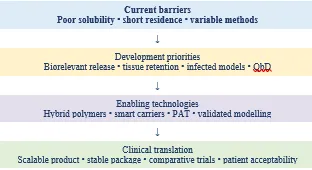
Figure 6. Challenges and future directions for clinical translation52‑95
CONCLUSION
Polymer hydrogels are useful in situ formulations of clotrimazole. They are useful as a clotrimazole carrier because of their ease of preparation, retention, and improvement of clotrimazole solubility. However, their gelling properties are not the only useful characteristic. Clotrimazole’s lipophilicity and poor water solubility demand formulation of clotrimazole in a system that provides the drug with sufficient activity to be delivered without the drug precipitating, causing a loss of dose, or irritation. Carbomer and cellulose derivatives strike a good balance of familiarity and adjustable rheology with the addition of poloxamers for thermoresponsive in situ gelation. Natural polysaccharides like chitosan aid in mucoadhesion. Blended polymer networks surpass unblended networks in the properties of adhesion, spreadability, recovery, and release. Emulgels, microemulsion gels, vesicular systems, polymeric nanocapsules, lipid carriers, and dynamic hydrogels can unmask solubility and enhance distribution to biological tissues. However, they are all domain specific with their own manufacturing, stability, and regulatory concerns.16‑83 An appropriate evaluation method needs to distinguish between what affects local tissue retention and what affects drug release and barrier permeability. In superficial antifungal therapies, greater flux should not be interpreted as greater therapeutic effect if the target is the stratum corneum, epidermis or mucosa. A detailed rheological evaluation, and the development of assays, and impurity detection methodologies, structural analysis, a refined in vitro release with a compartmental tissue retention test, a standardized antifungal activity test, a safety evaluation, and a shelf-life assessment of the end product will all help in developing a comprehensive product performance profile. The bulk of the current data is assembled from in vitro and ex vivo studies that are poorly designed, heterogeneous, and offer scant clinical comparisons.35‑40,52‑95 An example of a reliable method is a Quality by Design (QbD) framework. This patient-oriented development sets up site-specific goals and utilizes risk-based experimental design. This method uses the correlation between material and process variables with critical quality attributes and validates this performance in infected tissue models prior to clinical evaluation. Hydrogels are not only flexible and adaptable to technology frameworks, but also promising to provide clotrimazole exposure and residence in a more controlled and tolerable way and enhance the user experience through better manufacturing design.84‑95.
REFERENCES




Pushpendra Kumar Sahu*, Surya Kumar Sahu, Shreya Kashyap, Digeshwari Patel, Anish Chandy, Polymer-Based Hydrogels for Clotrimazole Delivery in Antifungal Therapy: Formulation Principles, Evaluation Methods, Therapeutic Performance, and Future Perspectives, Int. J. Med. Pharm. Sci., 2026, 2 (8), 270-294. https://doi.org/10.5281/zenodo.21812432
 10.5281/zenodo.21812432