
We use cookies to ensure our website works properly and to personalise your experience. Cookies policy
1B. Pharm, Kerala University of Health Sciences, Kerala
2Associate Professor, Chemists College of Pharmaceutical Sciences and Research, affiliated to Kerala University of Health Sciences. Kerala
This study investigates the effects of consumer cosmetic choices, switching behaviour and safety knowledge through cosmetics by video on social media. It was a cross-sectional study using a questionnaire filled out by 204 respondents, varying in age group, educational level, and region. The results showed that social media platforms, in particular YouTube and Instagram, were central for finding new cosmetic brands and shaping consumer behaviour. A considerable number of those who shopped online (74%) attributed their switching to social media recommendations. The survey also revealed that users are conscious of unpleasant side effects and the safety of beautifying agents. Data analysis was done using statistical tools such as one-way ANOVA, independent sample t-test, and percentage analysis. According to the report, social media greatly affects cosmetic purchasing behaviour, particularly among younger consumers, while awareness regarding product safety remains moderate.
Social media's explosive growth has substantially changed consumer action in the cosmetics industry. Instagram, YouTube, and Facebook have all become valuable sources of knowledge, product reviews, and beauty trends. Consumers are increasingly influenced by social media content while choosing cosmetics, including advertisements, influencer marketing, tutorials, and user reviews. The cosmetic industry uses social media marketing techniques to reach a larger audience and enhance customer engagement and brand visibility. Customers frequently trust social media influencers, who have an influence on their decisions to buy skincare and cosmetic items. 1,2 The beauty and cosmetics sector have grown dramatically in recent years because of the popularity of digital marketing and online beauty communities. Young consumers, particularly students and persons aged 19 to 25, are more likely to learn about new cosmetics through internet information and are highly engaged on social media channels. The accessibility of beauty tutorials, product demonstrations, and sponsored content encourages customers to try out new brands and items. Customers are increasingly switching brands because of influencer recommendations, trendy items, and viral beauty content. Consumer attitudes, purchasing intentions, and brand loyalty are all positively impacted by social media marketing in the cosmetics industry.3,4 Cosmetic industries can interact with social media networks directly with customers and learn about their preferences. Companies for businesses can make use of comments, reviews, likes, and shares to assess client happiness and enhance their goods accordingly. Marketing thought influencer has emerged as one of the most effective advertising methods in cosmetics business because influencers instil trust in the authenticity of their following. De Veirman et al. found that customers are more willing to purchase goods recommended by influencers who have high trustworthiness and great online interaction. Similarly, beauty influencers frequently introduce new cosmetic companies and educate users on product application techniques, skincare routines, and makeup trends, influencing their purchasing decisions.5 Even if social media marketing has advantages, there are worries about product safety and the validity of online recommendations. Many people buy cosmetics without fully understanding the chemicals or possible side effects. Some influencers may advocate items without providing appropriate information on safety, allergic reactions, or correct use. As a result, consumers may encounter side effects such as acne, skin irritation, rashes, dryness, or allergic reactions. As a result, consumer knowledge of cosmetic safety and ingredient checking has grown significantly. Djafarova and Rushworth found that social media users, especially young women, are heavily influenced by online beauty influencers, despite ongoing worries about authenticity and product safety. 6,7 The current study aims to better understand how user-reported negative consequences are impacted by social media on product safety and cosmetic product choices. The study looks at how various social media platforms affect consumer behaviour and the cosmetics sector. The study aims to investigate the impact of social media on brand switching, product awareness, and safety concerns in the cosmetics sector by analysing consumer responses. The study's findings help consumers to become more aware of safe cosmetic treatments while also assisting marketers in adopting responsible promotional strategies.8,18
Significance of the Study
Understanding the social media influences and cosmetic consumption patterns is important for multiple stakeholder groups, including public health professionals, regulatory agencies, consumer protection organizations, and the cosmetics industry itself²³. Comprehensive empirical investigation of these relationships can inform evidence-based public health interventions, guide regulatory policy development, and promote informed consumer decision-making²⁴. This research addresses a critical gap by providing a systematic analysis of social media's effect on how people wear makeup among diverse demographic populations²⁵. The study was done with an aim to explore, assess, and analyze the tools, mechanisms, and practical implications through which digital platforms shape consumer behaviours and shape industry trends within the cosmetics and skincare sectors.
OBJECTIVES
RESEARCH METHODOLOGY
Study Design: A questionnaire-based, cross-sectional observational study.
Study Duration: 3–6 months.
Study Setting: Online data collection using Google Forms shared through multiple social media platforms.
Study Population: General public aged 12 years to >50 years.
Inclusion Criteria
Exclusion Criteria
Sampling Technique: Convenience sampling.
Sample Size: A minimum sample of 204 participants was recommended for adequate statistical power in behavioural studies.
Tools / Instruments Used: The study employed an integrated, medium-length questionnaire comprising multiple validated and adapted measurement scales, organized into the following components:
1. Socio-Demographic Profile Section: This section collects essential demographic information including age, gender, educational attainment, occupational status, socioeconomic indicators, geographic location, and other relevant demographic variables.
2. Cosmetic Use Behaviour Scale: This instrument assesses patterns of cosmetic product utilization, including frequency of use, types of products used, duration of use, expenditure patterns, and preferences for specific product categories.
3. Social Media Engagement Scale (Adapted): This scale gauges how much and how intensely people use social media platforms, including how long they spend using them each day, how often they access them, what kinds of content they consume, and which platforms they use most frequently.
4. Online social platform Influence Scale (Adapted): This instrument evaluates the degree to which digital platforms content and influencer recommendations influence participants' attitudes, beliefs, and behaviours regarding cosmetic products.
5. Source Credibility Scale – Influencers (SCS): This scale evaluates opinions on the reliability, competence, and legitimacy of online influencers and content producers who advertise cosmetics
6. Risk Perception Scale for Cosmetics (RPS): This instrument measures participants' awareness and perception of potential risks, adverse effects, and safety concerns associated with cosmetic product use.
7. Adverse Reaction Screening Section: This qualitative section documents participants' personal experiences with adverse reactions, allergic responses, skin irritation, and other negative health consequences related to cosmetic product use.
Questionnaire Development and Validation
The questionnaire was developed through a systematic review of relevant published literature, consultation with subject matter experts, and modification to align with specific study objectives. The questionnaire integrates both open-ended questions (permitting detailed narrative responses) and closed-ended questions (facilitating quantitative analysis and standardised comparison). Initial questionnaire development occurred in English, followed by professional translation into Malayalam to enhance accessibility for regional participants. The multi-language approach maximized participation rates among non-English-speaking populations while ensuring question comprehension and response validity.
The questionnaire comprises four principal thematic sections:
Section 1 – Socio-demographic Information: This section collects general participant demographic and personal characteristics necessary for describing the study population and enabling subgroup analysis.
Section 2 – Cosmetic Utilization Patterns: This section explores detailed usage habits, product preferences, purchase frequency, product categories favoured, and duration of cosmetic use among participants.
Section 3 – Social Media Impact on Cosmetic Selection: This section examines participants' social media platform usage patterns, identification of information sources influencing cosmetic purchases, degree of trust assigned to various information sources, and assessment of social media influence intensity on cosmetic product selection and purchasing behaviours.
Section 4 – Adverse Reactions: This section documents participants' direct experiences with unintended effect related with cosmetic products, including allergic reactions, dermatological complications, systemic effects, and temporal relationships between product use and symptom onset.
Data Collection Procedures
The research team will employ a standardized data collection protocol to ensure consistency and methodological rigour. The study purpose and objectives will be clearly explained to all potential participants. Before questionnaire completion, participants were required to read comprehensive informed consent documentation detailing study procedures, risks and benefits, data privacy protections, and their rights as research participants. A digitally informed consent statement was incorporated into the Google Forms, requiring participants to explicitly affirm their understanding and voluntary agreement to participate before accessing the questionnaire. Only participants providing affirmative consent will be permitted to proceed with questionnaire completion. This approach ensures ethical research conduct and demonstrates respect for participant autonomy.
Data Management and Analysis: Upon completion of the data collection phase, all received questionnaires will undergo systematic quality assurance procedures. Raw data will be carefully reviewed, examining each response for completeness, internal consistency, and logical coherence. Data analysis and interpretation were done using statistical methods such as one-way ANOVA, independent sample t-test, and percentage analysis. Tables, diagrams, and statistical analysis were used to present the findings.
Data Confidentiality and Ethical Considerations
Participant anonymity was rigorously maintained throughout the research process. The participant's privacy was ensured, and compliance with research ethics standards and data protection regulations. All collected data obtained was maintained in secure, password-protected digital environments accessible only to authorised research team members.
RESULT
This research was performed to show that Digital media channels have a major influence on cosmetic shopping behaviour. Young adults are actively using social media and beauty items, making them an important target group for digital marketing initiatives. Influencer marketing, product tutorials, and review-based content were especially effective in directing consumer decisions. However, the findings raise concerns about cosmetic safety awareness and the prevalence of adverse responses. These findings emphasize the necessity of ethical marketing tactics and greater consumer knowledge about cosmetic ingredients and safety laws.
Table 1: Demographic details
|
Age |
Frequency |
Percent |
|
12-18 years |
34 |
16.7 |
|
19-25 years |
125 |
61.3 |
|
26-35 years |
25 |
12.3 |
|
36-45 years |
15 |
7.4 |
|
46-55 years |
5 |
2.5 |
|
Total |
204 |
100.0 |
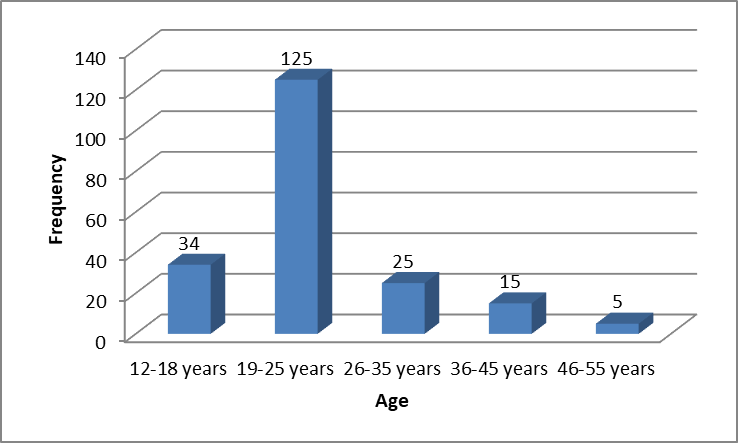
Figure 1: Age-wise distribution.
Among the entire 204 respondents, 125 respondents (61.3%) fell within the age range of 19 - 25 years. About 34 respondents (16.7%) were in the age group of 12-18 years. Around 25 respondents (12.3%) fell within the age range of 26-35 years. Further, 15 respondents (7.4%) were in the age group of 36-45 years, while only 5 respondents (2.5%) fell within the age group 46-55 years.
Table 2: Gender-wise distribution
|
Gender |
Frequency |
Percent |
|
Female |
161 |
78.9 |
|
Male |
43 |
21.1 |
|
Total |
204 |
100.0 |
Out of the total 204 respondents, 161 respondents (78.9%) were female. Meanwhile, 43 respondents (21.1%) were male.
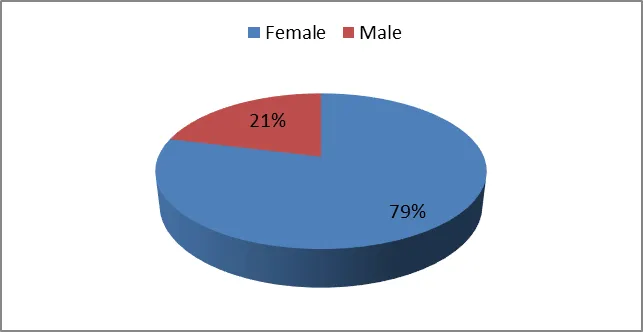
Figure 2: Gender-wise distribution
Out of the total 204 respondents, 109 respondents (53.4%) had completed a degree. About 79 respondents (38.7%) had completed high school education. Further, 10 respondents (4.9%) had a master’s degree, while 6 respondents (2.9%) had educational qualifications above the master’s level.
Table 3: Educational Qualification
|
Educational qualification |
Frequency |
Percent |
|
Above |
6 |
2.9 |
|
Degree |
109 |
53.4 |
|
High School |
79 |
38.7 |
|
Master’s degree |
10 |
4.9 |
|
Total |
204 |
100.0 |
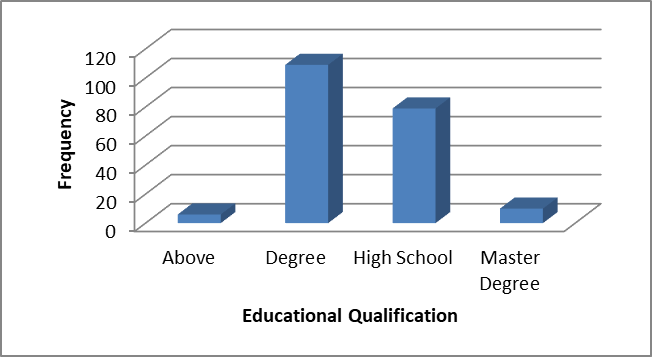
Figure 3: Educational Qualification
Out of the total 204 respondents, 142 respondents (69.6%) were students. About 33 respondents (16.2%) were employed. Further, 17 respondents (8.3%) were homemakers, while 12 respondents (5.9%) were self-employed.
Table 4: Occupational status
|
Occupational status |
Frequency |
Percent |
|
Employed |
33 |
16.2 |
|
Home maker |
17 |
8.3 |
|
Self employed |
12 |
5.9 |
|
Student |
142 |
69.6 |
|
Total |
204 |
100.0 |
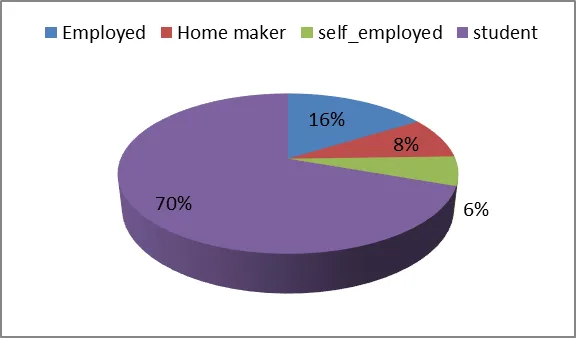
Figure 4: Occupational status
Out of the total 204 respondents, 83 respondents (40.7%) belonged to urban areas. About 70 respondents (34.3%) belonged to semi-urban areas, while 51 respondents (25.0%) belonged to rural areas.
Table 5: Geographical Location
|
Geographical location |
Frequency |
Percent |
|
Rural |
51 |
25.0 |
|
Semi-urban |
70 |
34.3 |
|
Urban |
83 |
40.7 |
|
Total |
204 |
100.0 |
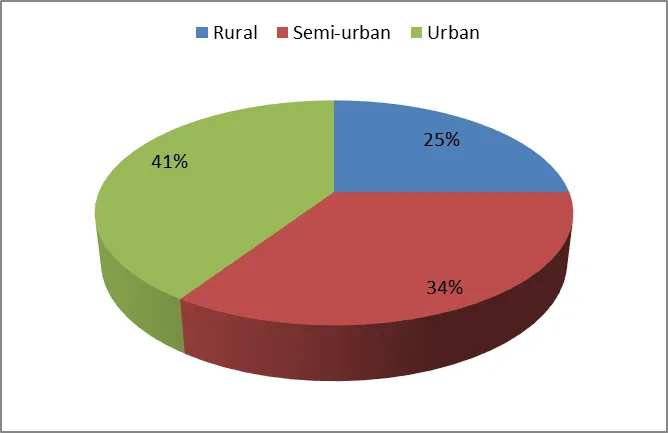
Figure 5: Geographical Location
Objective 1: To examine how customers are switching to emerging brands through recommendations from digital platforms influencers.
Table 6: Social media influence on cosmetic product choice
|
Social media content influences my cosmetic product choice |
Frequency |
Percent |
|
Agree |
73 |
35.8 |
|
Disagree |
44 |
21.6 |
|
Neutral/ undecided |
67 |
32.8 |
|
strongly disagree |
20 |
9.8 |
|
Total |
204 |
100.0 |
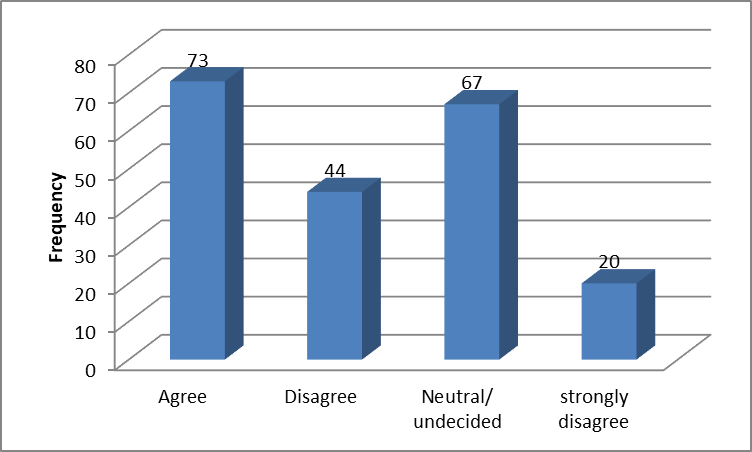
Figure 6: Social media influence on cosmetic product choice
Among the 204 respondents, 73 (35.8%) concurred that social media material affects the cosmetic products they choose. Regarding the statement, about 67 respondents (32.8%) were either neutral or unsure. Additionally, 20 respondents (9.8%) strongly disagreed, and 44 respondents (21.6%) disagreed that social media material affects their choice of cosmetic products.
Table 7: Discovered new brands through social media
|
I discover new cosmetic brand through the digital platform |
Frequency |
Percent |
|
Agree |
101 |
49.5 |
|
Disagree |
39 |
19.1 |
|
Neutral/undecided |
49 |
24.0 |
|
strongly disagree |
15 |
7.4 |
|
Total |
204 |
100.0 |
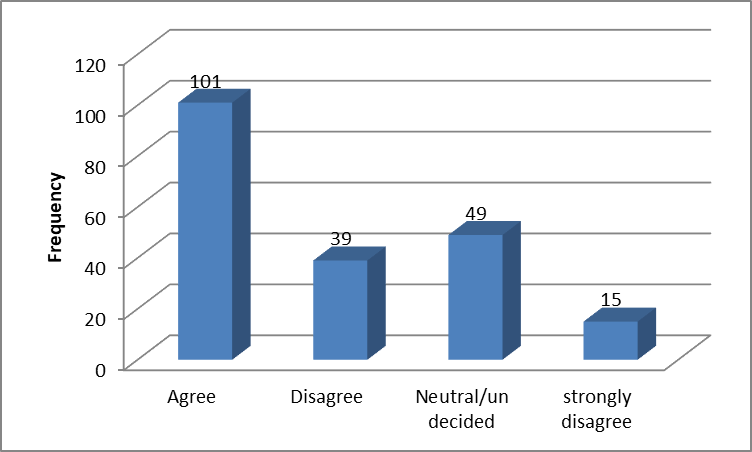
Figure 7: Identify emerging brand through social networking platform
Of all 204 respondents, 101 respondents (49.5%) agreed that they discovered new cosmetic brands using social media channels. About 49 respondents (24.0%) were neutral or undecided regarding the statement. Further, 39 respondents (19.1%) disagreed, while 15 respondents (7.4%) strongly disagreed that they discovered new cosmetic brands using digital platforms. Out of 204 respondents, 76 respondents (37.3%) indicated that they had altered their preferred cosmetic brand due to social media recommendations. About 65 respondents (31.9%) disagreed with the statement. Further, 37 respondents (18.1%) were neutral or undecided, while 21 respondents (10.3%) strongly disagreed and 5 respondents (2.5%) strongly supported that they switched from their preferred cosmetic brand due to online media recommendations.
Table 8: Preference for cosmetic brands changed due to social media recommendations
|
I have switched from my preferred cosmetic brand due to social media recommendations |
Frequency |
Percent |
|
Agree |
76 |
37.3 |
|
Disagree |
65 |
31.9 |
|
Neutral/undecided |
37 |
18.1 |
|
Strongly Agree |
5 |
2.5 |
|
Strongly disagree |
21 |
10.3 |
|
Total |
204 |
100.0 |
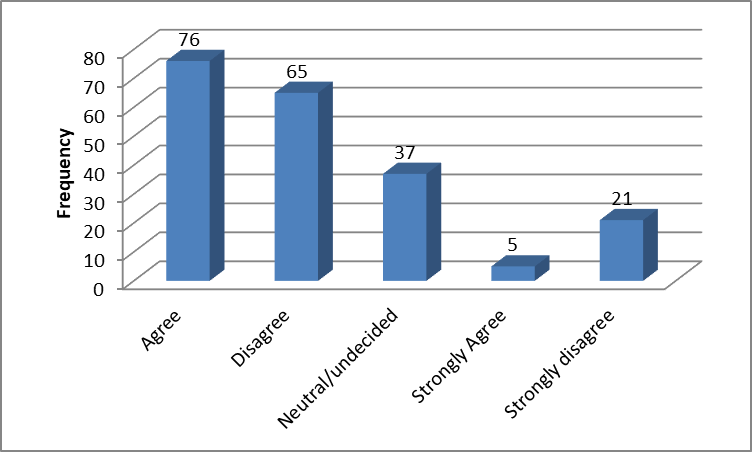
Figure 8: Preference for beauty brands changed due to online platforms recommendations
Out of the total 204 respondents, 92 respondents (45.1%) accepted that social media influencers had inspired them to try new cosmetic products. About 46 respondents (22.5%) were neutral or undecided regarding the statement. Further, 45 respondents (22.1%) disagreed, while 18 respondents (8.8%) strongly disagreed and 3 respondents (1.5%) strongly accepted that Digital media influencers inspire them to try new cosmetic products.
Table 9: Social media influencer inspiration to try new cosmetic products.
|
Social media influencers inspire me to try new cosmetic products. |
Frequency |
Percent |
|
Agree |
92 |
45.1 |
|
Disagree |
45 |
22.1 |
|
Neutral/undecided |
46 |
22.5 |
|
Strongly Agree |
3 |
1.5 |
|
Strongly Disagree |
18 |
8.8 |
|
Total |
204 |
100.0 |
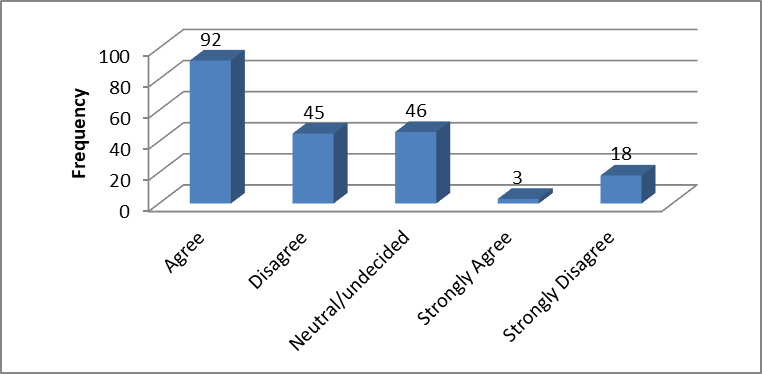
Figure 9: Digital media personalities inspiration to adopt new beauty products.
Objective 2: To understand the various online platforms discovered for new beauty products
Table 10: Digital platform selectively used by participants.
|
Which social media platform do you selectively use? |
Frequency |
Percent |
|
face book |
5 |
2.5 |
|
|
134 |
65.7 |
|
others |
7 |
3.4 |
|
Telegram |
1 |
0.5 |
|
|
1 |
0.5 |
|
|
7 |
3.4 |
|
you tube |
49 |
24.0 |
|
Total |
204 |
100.0 |
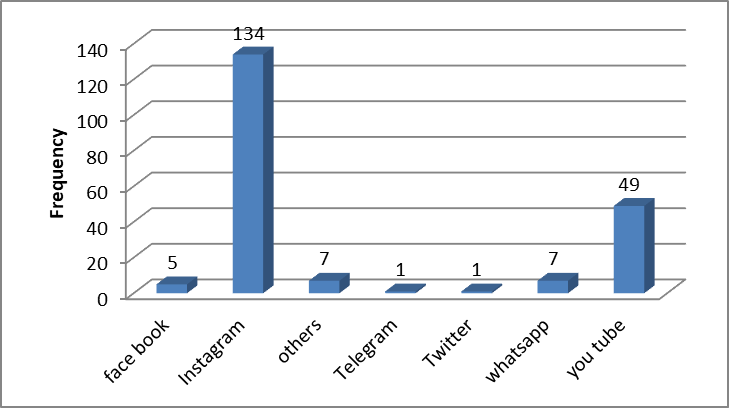
Figure 10: Social media platform selectively used by participants
Of the total 204 respondents, 134 respondents (65.7%) selectively used Instagram as their social media platform. About 49 respondents (24.0%) used YouTube. Further, 7 respondents (3.4%) used WhatsApp, and another 7 respondents (3.4%) used other platforms. Meanwhile, 5 respondents (2.5%) used Facebook, while only 1 respondent (0.5%) used Telegram and Twitter.
Table 11: Frequency of availability to social networking sites.
|
How frequently do you access social media platforms? |
Frequency |
Percent |
|
Hourly |
30 |
14.7 |
|
Less frequently |
8 |
3.9 |
|
Multiple times per hour |
72 |
35.3 |
|
once per day |
5 |
2.5 |
|
Several times per day |
80 |
39.2 |
|
several times per week |
5 |
2.5 |
|
weekly |
4 |
2.0 |
|
Total |
204 |
100.0 |
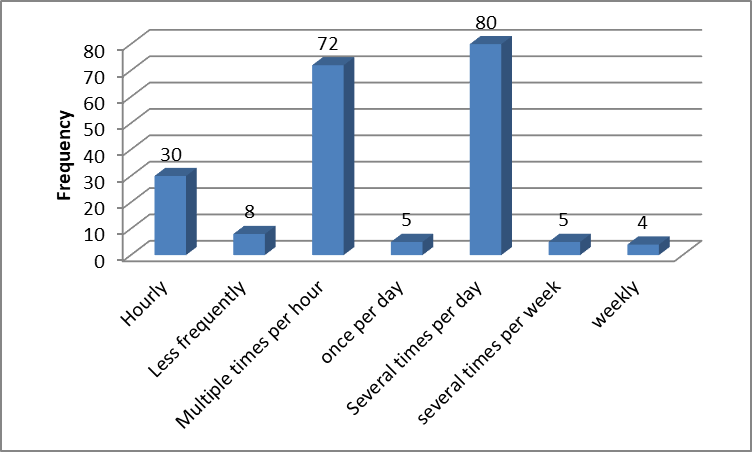
Figure 11: Frequency of availability to social networking sites.
Of the total 204 respondents, 80 respondents (39.2%) accessed digital platforms many times per day. About 72 respondents (35.3%) accessed social media multiple times per hour. Further, 30 respondents (14.7%) used online platforms hourly. Meanwhile, 8 respondents (3.9%) used online media less frequently, 5 respondents (2.5%) accessed it once per day, another 5 respondents (2.5%) accessed it several times per week, and 4 respondents (2.0%) accessed social media weekly.
Objective 3: To investigate awareness and consideration of product safety among users influenced by digital platforms.
Table 12: Awareness of potential risks associated with cosmetic products
|
I am aware of potential risks associated with cosmetic products. |
Frequency |
Percent |
|
Agree |
111 |
54.4 |
|
Disagree |
7 |
3.4 |
|
Neutral |
64 |
31.4 |
|
Strongly Agree |
17 |
8.3 |
|
Strongly Disagree |
5 |
2.5 |
|
Total |
204 |
100.0 |
Of the total 204 respondents, 111 respondents (54.4%) agreed that they were aware of possible risks associated with beauty products. About 64 respondents (31.4%) were neutral regarding the statement. Further, 17 respondents (8.3%) strongly agreed, while 7 respondents (3.4%) disagreed and 5 respondents (2.5%) expressed strong disagreement that they were aware of possible risks related with beauty items.
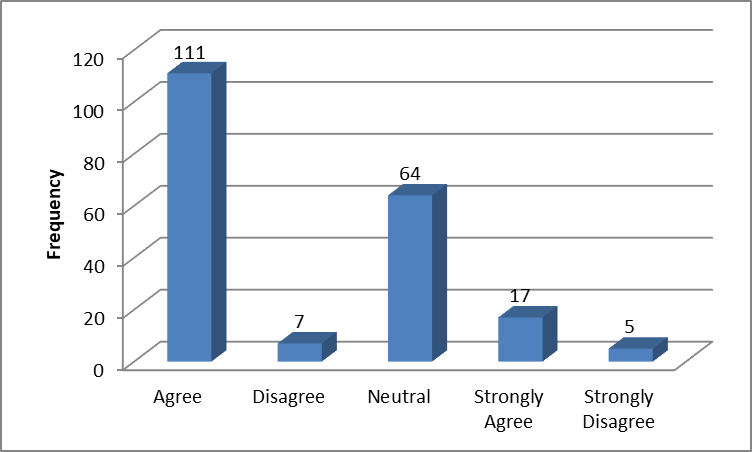
Figure 12: Awareness on possible risks related with beauty items.
Table 13: Participants knowledge on ingredients list before purchasing cosmetic products
|
I check the ingredients list before purchasing cosmetic products. |
Frequency |
Percent |
|
Agree |
66 |
32.4 |
|
Disagree |
59 |
28.9 |
|
Neutral |
57 |
27.9 |
|
Strongly Agree |
17 |
8.3 |
|
Strongly Disagree |
5 |
2.5 |
|
Total |
204 |
100.0 |
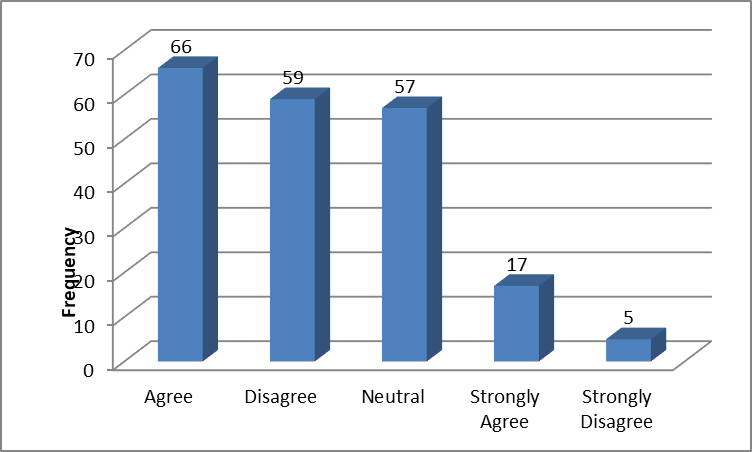
Figure 13: Participants knowledge on ingredients list before purchasing cosmetic products
Out of the total 204 respondents, 66 respondents (32.4%) agreed that they check the ingredients list before purchasing cosmetic products. About 59 respondents (28.9%) disagreed with the statement, while 57 respondents (27.9%) were neutral. Further, 17 respondents (8.3%) strongly agreed, and 5 respondents (2.5%) strongly disagreed that they check the ingredients list before purchasing cosmetic products.
Table 14: Information provided on product safety and ingredients by social media influencers
|
Social media influencers provide adequate information |
Frequency |
Percent |
|
Agree |
69 |
33.8 |
|
Disagree |
43 |
21.1 |
|
Neutral |
78 |
38.2 |
|
Strongly Agree |
2 |
1.0 |
|
Strongly Disagree |
12 |
5.9 |
|
Total |
204 |
100.0 |
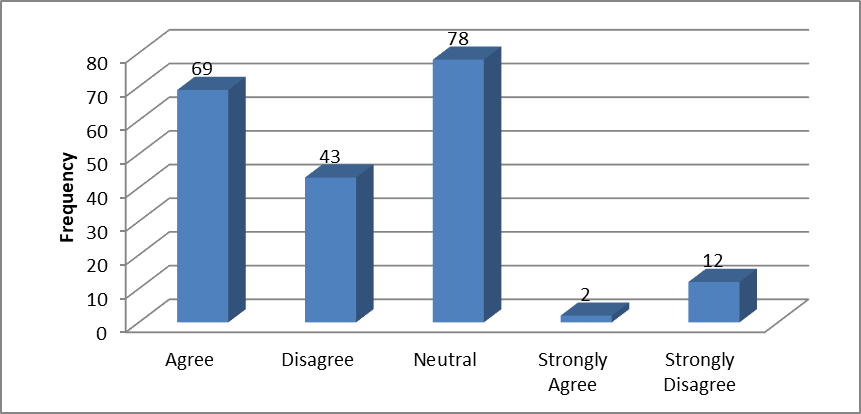
Figure 14: Information provided on product safety and ingredients by digital media influencer
Of all the total 204 respondents, 78 respondents (38.2%) were neutral regarding whether online media influencers provide adequate information about product safety and ingredients. About 69 respondents (33.8%) agreed with the statement. Further, 43 respondents (21.1%) disagreed, while 12 respondents (5.9%) strongly disagreed and 2 respondents (1.0%) strongly agreed that the social media influencers provide adequate information about product safety and ingredients.
Table 15: Participants concerned about using cosmetics recommended on social media
|
I am concerned about using cosmetics recommended on digital platforms without any proper safety verification. |
Frequency |
Percent |
|
Agree |
81 |
39.7 |
|
Disagree |
32 |
15.7 |
|
Neutral |
61 |
29.9 |
|
strongly Agree |
17 |
8.3 |
|
Strongly Disagree |
13 |
6.4 |
|
Total |
204 |
100.0 |
Out of 204 respondents, 81 respondents (39.7%) accepted that they were anxious about using cosmetics recommended on social media without proper safety verification. About 61 respondents (29.9%) were neutral regarding the statement. Further, 32 respondents (15.7%) disagreed, while 17 respondents (8.3%) strongly accepted and 13 respondents (6.4%) strongly disagreed that they were anxious about using cosmetics recommended on social media without proper safety verification.
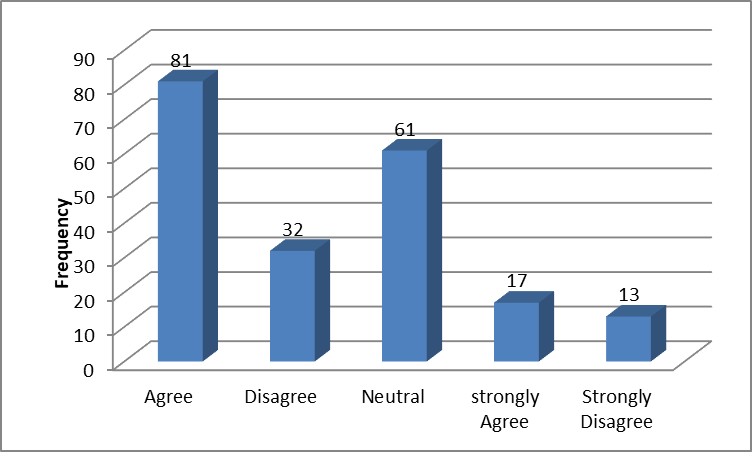
Figure 15: Participants are concerned about using cosmetics recommended on social media
Objective 4: To identify participants' experiences with the adverse outcomes related to cosmetics.
Table 16: Participants experienced adverse reactions from using cosmetic products
|
Have you ever experienced any adverse reactions or |
Frequency |
Percent |
|
No |
112 |
54.9 |
|
Unsure |
23 |
11.3 |
|
yes |
69 |
33.8 |
|
Total |
204 |
100.0 |
Of the total 204 respondents, 112 respondents (54.9%) said that they don’t experience any adverse reactions or negative effects from using cosmetic products. About 69 respondents (33.8%) said that they had experienced adverse reactions or negative effects, while 23 respondents (11.3%) were unsure about their experience.
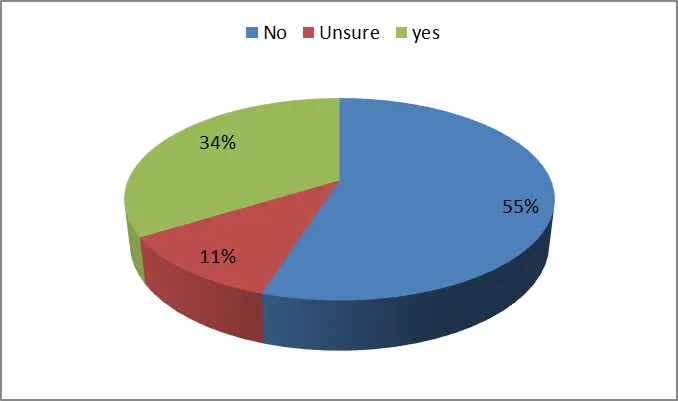
Figure 16: Participants experienced adverse reactions from using cosmetic products
Table 17: Types of adverse reactions experienced by participants.
|
What types of adverse reactions have you experienced? |
Frequency |
Percent |
|
Acne or break outs |
56 |
27.5 |
|
Allergic reaction/ rash |
8 |
3.9 |
|
Dryness or peeling |
12 |
5.9 |
|
Eye irritation or discomfort |
4 |
2.0 |
|
Hair loss or scalp irritation (for hair products) |
3 |
1.5 |
|
Itching or burning sensation |
15 |
7.4 |
|
No Answer |
63 |
30.9 |
|
Others |
29 |
14.2 |
|
Skin redness or irritation |
14 |
6.9 |
|
Total |
204 |
100.0 |
Of all the total 204 respondents, 63 respondents (30.9%) did not provide any answer regarding the types of adverse reactions experienced. About 56 respondents (27.5%) experienced acne or breakouts. Further, 29 respondents (14.2%) reported other types of adverse reactions, while 15 respondents (7.4%) experienced itching or burning sensations. Around 14 respondents (6.9%) experienced skin redness or irritation, 12 respondents (5.9%) experienced dryness or peeling, and 8 respondents (3.9%) reported allergic reactions or rash. Meanwhile, 4 respondents (2.0%) experienced eye irritation or discomfort, and 3 respondents (1.5%) experienced hair loss or scalp irritation due to hair products.
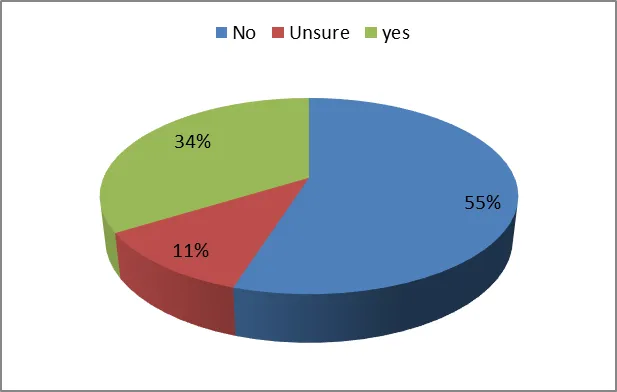
Figure 17: Types of adverse reactions experienced by participants
Out of the total 204 respondents, 96 respondents (47.1%) reported that the adverse reactions experienced were mild. About 70 respondents (34.3%) fail to provide any answer regarding the severity of adverse reactions. Further, 29 respondents (14.2%) reported moderate adverse reactions, while 9 respondents (4.4%) experienced severe adverse reactions.
Table 18: Severity of adverse reactions experienced by participants
|
How severe were the adverse reactions? |
Frequency |
Percent |
|
Mild |
96 |
47.1 |
|
Moderate |
29 |
14.2 |
|
No Answer |
70 |
34.3 |
|
Severe |
9 |
4.4 |
|
Total |
204 |
100.0 |
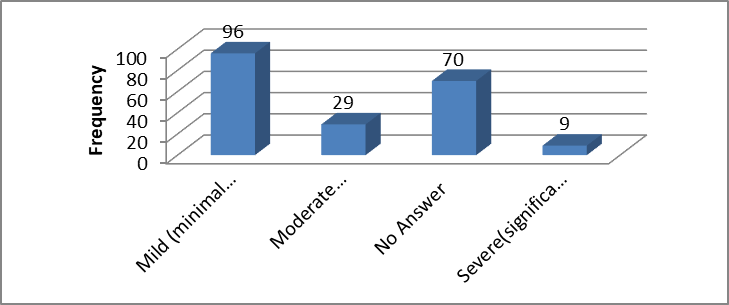
Figure 18: Severity of adverse reactions experienced by participants
Independent sample t-test: Independent sample t-test for testing the significant difference between gender and the effect of digital platforms on cosmetic product choice.
Table 19: Significance between gender and the effect of digital platforms on cosmetic product choice.
|
Variable |
Gender |
N |
Mean |
SD |
p-value |
|
Social media content influences my cosmetic product choice |
Male |
43 |
2.74 |
1.002 |
0.130NS |
|
Female |
161 |
3.00 |
0.975 |
NS: Not significant at 5% (p-value>0.05)
The p-value for the independent sample t-test between gender and social media's impact on the selection of cosmetic products was 0.130. The result is not significant at the 5% level since the p-value is higher than 0.05. This suggests that the effect of digital platforms on the selection of beauty products does not differ significantly based on gender. To determine whether there is a significant difference between gender and ingredient-checking behaviour prior to cosmetic product purchases, use an independent sample t-test.
Table 20: Significant difference between Gender and Ingredient-Checking Behaviour before Purchasing Cosmetic Products.
|
Variable |
Gender |
N |
Mean |
SD |
p-value |
|
I check the ingredients list before purchasing cosmetic products. |
Male |
43 |
3.21 |
0.965 |
0.677NS |
|
Female |
161 |
3.14 |
1.028 |
NS: Not significant at 5% (p-value>0.05)
The independent sample t-test results between gender and ingredient-checking behaviour before purchasing cosmetic products showed a p-value of 0.677. The result is not significant at the 5% level since the p-value is higher than 0.05. This suggests that gender and looking at the ingredients list before buying cosmetics do not differ statistically significantly.
ANOVA test: One-way ANOVA for testing the Age* Social media content influence my cosmetic product choice.
Table 20: Age* Social media content influences cosmetic product choice
|
Variable |
Age |
N |
Mean |
SD |
F |
Sig |
|
Social media content influences my cosmetic product choice |
12-18 years |
34 |
3.18 |
0.999 |
2.558 |
0.04* |
|
19-25 years |
125 |
2.78 |
0.964 |
|||
|
26-35 years |
25 |
3.36 |
0.907 |
|||
|
36-45 years |
15 |
3.07 |
1.033 |
|||
|
46-55 years |
5 |
3.00 |
1.000 |
|||
|
Total |
204 |
2.95 |
0.984 |
|
|
*: Significant at 5% (p-value<0.05)
The p-value for the One-Way ANOVA between age groups and social media's impact on the selection of cosmetic products was 0.04. The outcome is significant at the 5% level since the p-value is less than 0.05. This suggests that the effect of digital platforms on the choice of cosmetic products varies statistically significantly by age group.
The age group of 12 to 18 has a mean of 3.18 and a standard deviation of 0.999. The age group of 19 to 25 has a mean of 2.78 and a standard deviation of 0.964. The age group 26–35 years old has the greatest mean and standard deviation of any age group, with 3.36 and 0.907, respectively. The age group 36–45 years old has a mean of 3.07 and a standard deviation of 1.033. The mean and standard deviation of the 46–55 age group are 3.00 and 1.00, respectively. The standard deviation and overall mean are 0.984 and 2.95, respectively.
Table 21: Age* check the ingredients list before purchasing cosmetic products.
|
Variable |
Age |
N |
Mean |
SD |
F |
p-value |
|
I check the ingredients list before purchasing cosmetic products. |
12-18 years |
34 |
3.00 |
0.985 |
5.26 |
0.001* |
|
19-25 years |
125 |
3.36 |
1.019 |
|||
|
26-35 years |
25 |
2.92 |
0.862 |
|||
|
36-45 years |
15 |
2.53 |
0.834 |
|||
|
46-55 years |
5 |
2.00 |
0.000 |
|||
|
|
Total |
204 |
3.15 |
1.013 |
|
|
*: Significant at 5% (p-value<0.05)
The One-Way ANOVA results between age group and ingredient-checking behaviour before purchasing cosmetic products showed a p-value of 0.001. Since the p-value is less than 0.05, the result is significant at the 5% level. These findings suggest that there is a statistically significant difference between age groups and ingredient-checking behaviour before purchasing cosmetic products. The mean and standard deviation of the age group 12-18 years are 3.00 and 0.985, respectively. The mean and standard deviation of the age group 19-25 years are 3.36 and 1.019, respectively, which is the highest among all age groups. The mean and standard deviation of the age group 26-35 years are 2.92 and 0.862, respectively. The mean and standard deviation of the age group 36-45 years are 2.53 and 0.834, respectively. The mean and standard deviation of the age group 46-55 years are 2.00 and 0.000, respectively, which is the lowest among all age groups. The overall mean and standard deviation are 3.15 and 1.013, respectively.
DISCUSSION
The study captured responses from 204 participants, with a dominant representation of young adults aged 19–25 years (61.3%), followed by teenagers in the 12–18 age group (16.7%). The sample was predominantly female (78.9%), which is contextually appropriate given the study's focus on cosmetic product behaviour. Most respondents were students (69.6%) with a degree-level education (53.4%), and a majority resided in urban (40.7%) or semi-urban (34.3%) areas, indicating good exposure to digital platforms and consumer markets.
Objective 1 – Brand switching through digital media influencers
The result of the study reveals a moderate but notable effect of social media on cosmetic purchasing behaviour. While only 35.8% agreed that social media content directly influences their cosmetic choices, nearly half (49.5%) acknowledged discovering new cosmetic brands through social media platforms. Brand switching, however, was more contested — 37.3% agreed they had switched brands due to social media recommendations, but 31.9% disagreed, suggesting that influencer persuasion does not uniformly lead to brand abandonment. Influencer inspiration to try new products was acknowledged by 45.1% of respondents, indicating a stronger role in trial than in full brand switching. The ANOVA results further revealed that age has a statistically significant influence on how social media affects cosmetic choices (F = 2.558, p = 0.04). The 26–35 age group showed the highest mean score (3.36), suggesting that this slightly older working-age demographic may be more susceptible to social media influence than teenagers. The independent sample t-test, however, found no significant gender difference in social media influence on cosmetic choices (p = 0.130), indicating that both males and females are equally (un)influenced by online media platforms in this context.
Objective 2 – Digital platform sites for discovering cosmetics
Instagram emerged overwhelmingly as the dominant platform for cosmetic discovery, used by 65.7% of respondents, followed by YouTube (24.0%). This is consistent with these platforms' highly visual and influencer-driven character, which makes them ideal for cosmetic content like reviews, tutorials, and sponsored posts. Access frequency was high — 39.2% accessed digital platforms several times per day, and 35.3% accessed it multiple times per hour — reflecting deep adoption of online platforms in daily life and potential for sustained consumer influence.
Objective 3 – Awareness of product safety
Many respondents (54.4% agreed; 8.3% strongly agreed) reported being aware of possible risks related to beauty products, reflecting a reasonable baseline of consumer awareness. However, actual safety behaviour was less consistent: only 32.4% regularly checked the ingredient list before purchase, with nearly equal proportions disagreeing (28.9%) or remaining neutral (27.9%). This awareness-behaviour gap is notable. Furthermore, 38.2% remained neutral about whether influencers provide adequate safety information, and 39.7% expressed concern about using socially recommended cosmetics without safety verification. This study suggests that while awareness exists, it does not reliably translate into precautionary purchasing behaviour. The ANOVA on ingredient-checking behaviour across age groups was highly significant (F = 5.26, p = 0.001). Younger adults aged 19–25 had the highest mean for checking ingredients (3.36), while the oldest group (46–55 years) had the lowest (2.00). It's interesting to note that there was no discernible gender difference in ingredient-checking behaviour (p = 0.677), suggesting that both sexes share this practice.
Objective 4 – Adverse consequences from cosmetic use
A significant proportion of respondents (33.8%) reported experiencing adverse reactions from cosmetic products, with acne or breakouts being the most commonly reported reaction (27.5%), followed by itching or burning sensations (7.4%), skin redness or irritation (6.9%), and dryness or peeling (5.9%). The majority of reported reactions were mild (47.1%), though 14.2% experienced moderate effects and 4.4% reported severe reactions. The fact that over one-third of users experienced some form of adverse reaction underlines the importance of informed product selection and safety awareness, particularly in an environment where social media recommendations can bypass professional dermatological guidance.
CONCLUSION
The findings found that Digital platform, particularly Instagram and YouTube, play a meaningful role in shaping cosmetic product awareness and brand discovery, especially among young adults. Influencer-driven material encourages product trials and sometimes results in brand switching, but its effects lack consistency across all demographics. Age stands out as a strong moderating factor, whereas gender does not. A critical concern highlighted by this research is the gap between cosmetic risk awareness and actual safety-oriented behaviour. Although consumers are broadly aware of potential risks, many do not routinely verify product ingredients before purchase, and a substantial number harbour concerns about the reliability of safety information provided by influencers. The occurrence of adverse reactions reported by one in three respondents further highlights the necessity of more consumer education and responsible influencer communication regarding product safety. These findings suggest that brands, policymakers, and digital platforms should collectively promote more transparent and safety-conscious influencer marketing in the cosmetics sector. Future research could explore the long-term effects of influencer-led cosmetic adoption and test behavioural interventions that bridge the awareness-action gap in consumer safety practices.
SUMMARY
The study looked at how social media influenced cosmetic product choices and product safety knowledge among 204 respondents. The majority of respondents (61.3%) were between the ages of 19 and 25, with women accounting for 78.9% of the total. Students comprised the largest occupational category (69.6%). The studies found that social media has a major effect on cosmetic shopping habits. About 35.8% of respondents believed that online media content influenced their cosmetic product purchases, and 49.5% discovered new cosmetic businesses through social media platforms. Furthermore, 45.1% said that influencers encourage people to explore new cosmetic items. Instagram was the most popular platform overall (65.7%), followed by YouTube (24.0%). The majority of respondents used social media numerous times every day or hour, indicating a high level of engagement with online material. Regarding adverse reactions, 33.8% of respondents experienced negative impacts from cosmetic items. Common side effects were acne, skin irritation, dryness, and itching. The majority of adverse responses were reported as minor in severity. The study found no significant correlation between gender, social media impact, or ingredient-checking behaviour. However, age has a strong correlation with both cosmetic product choice and ingredient-checking behaviour. Overall, the findings indicate that social media, especially among young customers, significantly influences cosmetic purchase behaviour. Even if people are aware of cosmetic safety, more education is still required about ingredient checking and safety verification before buying products advertised on social media.
LIMITATION OF THE STUDY
SCOPE FOR FUTURE STUDIES
The goal of this study is to comprehend how social media affects consumers' decisions about cosmetic products and user knowledge of safety. The study primarily looks at how social media platforms and influencers impact consumers' awareness of cosmetic safety, brand switching, product discovery, and purchasing behaviour. The study also investigates the negative emotions that consumers have after using cosmetics that are advertised on social media. Respondents from a variety of age groups, educational levels, professions, and geographic areas are included in the survey. It helps determine how social media influences purchasing decisions and offers insights into customer behaviour about beauty products in the digital age.
REFERENCES


Misna Muhammed, Divya Raj*, An Observational Study to Analyse the Potential Impact of Social Media on Changing Behaviour of Cosmetic Use Among the Public, Int. J. Med. Pharm. Sci., 2026, 2 (7), 1033-1053. https://doi.org/10.5281/zenodo.21636806
 10.5281/zenodo.21636806