

We use cookies to ensure our website works properly and to personalise your experience. Cookies policy
Department of Pharmaceuical Chemistry, Amar Shaheed Baba Ajit Singh Jujhar Singh Memorial Collage of Pharmacy (An Autonoumus College) BELA, Rupnagar, Punjab, India 140111
Luteolin is a flavonoid occurs naturally in most likely therapeutic plants. It is scientifically proven that luteolin is therapeutically active as antioxidant, anti-inflammatory, anticancer, neuroprotective. Reliable techniques are needed to ensure the safety and effectiveness of luteolin products in their pure form, extracts, and other combination formulations. To analyse complex samples like luteolin is still measured by high performance liquid chromatography because of its sensitivity, selectivity, precision. The present review highlights trends from 2021 to 2026 in optimising and validating HPLC methods for luteolin analysis through a summary of some of the recent developments. These are associated with the selection of stationary phases, composition of mobile phases, gradient programming, detection systems (UV, PDA,LC-MS systems), and preparation of samples that aim to improve resolution, peak symmetry, and the efficiency of the run time (i.e., time to analyse luteolin). It also discusses the need to validate analytical methods according to International Conference on Harmonisation guidelines, including information regarding the validation parameters; specificity, linearity, accuracy, precision, robustness, limit of detection (LOD), limit of quantification (LOQ).The article addresses ways for better development of methods to quantify Luteolin using Quality by Design (QbD), Green Analytical Chemistry (GAC) principles, and utilizing hyphenated (i.e., mass spectrometry linked with HPLC and/or gas chromatography) instruments. In addition, it covers many of the issues experienced when trying to measure luteolin in herbal complex mixturesor as part of multiple substances in one formulation. Additionally, providing solutions and potential resolutions to the problems associated to its measurement. The goal of this article is to give a comprehensive, clear method of developing accurate, precise, and compliance HPLC methods to measureluteolin for both pharmaceutical and phytochemical purposes.
Luteolin, the yellow dye is a constituent of many fresh florae. Luteolin is an example of a flavonoid (flavone) that is abundant in the world of plants. The fundamental structure of luteolin, as with other 2-phenylbenzo-γ-pyrone derivatives, consists of two benzene solids connected by a bond (a C2-C3 double bound and an oxygen), creating the characteristic C6-C3-C6 arrangement. Many in vitro studies have found strong correlations between hydroxyl sets at positions C5, C7, C3' and C4' of luteolin and its pharmacological properties, as well as the C2-C3 double bond. (1) Comparative studies with other flavonoids are useful for understanding the specific characteristics that define luteolin as a flavonoid; particularly the addition of -OH group at C3' and the absence of -OH group at C3.(2). Luteolin exhibits numerous pharmacological activities such as free-radical scavenging, anti-inflammatory action, and immune-regulating properties. Several plants, especially rich in luteolin have long been utilized in traditional healing systems for the management of conditions such as high blood pressure, inflammatory disorders, and certain forms of cancer. The molecular structure of luteolin possesses four hydroxyl (–OH) groups located at the C5, C7, C3′, and C4′ positions, which allows the formation of multiple structural variants. Various functional moieties and carbohydrate residues can be linked to these sites, leading to the production of a wide range of closely related compounds. Among these, the most frequently experienced derivatives are methyl-substituted forms of luteolin as well as its C-glycosidic and O-glycosidicforms. (3) Orientin is an 8-C-glucosylated derivative of luteolin that demonstrates numerous beneficial biological activities within living systems. These include free-radical scavenging capacity, anti-aging potential, antiviral and antibacterial actions, anti-inflammatory effects, vasorelaxant activity, cardio protective influence, protection against radiation damage, neuroprotective benefits, antidepressant-like responses, inhibition of fat cell formation, and pain-relieving properties. (4) This compound can be isolated from a variety of medicinal plants such as Ocimumsanctum (holy basil), Phyllostachysnigra (bamboo leaves), Passiflora species (passionflower), Linumusitatissimum (flaxseed), and Euterpeoleracea(açaí), among others. Another structurally related compound, isoorientin (Luteolin-6-C-glucoside), is recognized for its strong antioxidant capability along with photo protective, skin-brightening, hepatoprotective, and anti-inflammatory activities. (5)In addition, O-linked glucoside derivatives of luteolin have also shown significant pharmacological effects in various biological studies. (6)Inmouse models of atopic dermatitis, the topical claim of luteolin 7-O-glucoside has been shown to decrease the severity of skin lesions and protect against apoptosis resulting from hypoxia/reoxygenation insult. (7)Many herbal products now include luteolin or one of its derivatives as a standalone product or in combination with other phytochemicals, such as plant extracts containing luteolin as an ingredient. Because luteolin-containing herbal products come from many different sources and can be combined in numerous ways, determining their quality requires the use of appropriate analytical techniques.(8) However, there are currently very few quality review articles available for the quantification of luteolin or its derivatives and, thus, currently available methods for the quantification of luteolin and other luteolin derivatives cannot be adequately compared.
1.1 Chemical structure, plant and dietary sources of Luteolin
Luteolin belongs to the flavonoid family, which are plant-based compounds and secondary metabolites that share the same chemical structure, diphenyl propane (C6–C3–C6) and can be classified into many categories. The flavonoids have many subcategories based on the structural differences in the C ring (central heterocyclic ring) typifying the C ring.(9) Most flavonoids contain chemically modified rings A and B (benzene rings) that contain functional groups such as OH, OMe, isoprenyl and glycosyl. Luteolin has a tetrahydroxyflavone structure, as evidenced by containing 4 hydroxy groups (3',4',5 and 7) as illustrated in Figure1; meaning it would have the same fluidity that other flavonoids have. (10)Luteolin is a flavone and yellow crystal (3',4',5,7-tetra-hydroxy-flavone) and is used as a yellow dye sourced from Reseda luteola from the first millennium B.C.(11) The traditional botanicals that have been used to treat diseases frequently contain luteolin and therefore luteolin is widespread in the plant kingdom. A wide array of researchers have performed studies on the many pharmaceutical actions of luteolin (i.e., anti-inflammatory, anti-oxidant, neuroprotective, etc.), as well as continuing to do so today. Luteolin glycosides were found in the fossil records from the Ulmaceae family to be 36 and 25 million years old. Luteolin andits various glycosidic forms have been found in over 350 different plant species. (12) The average daily consumption of flavonoids varies by country; the highest reported average per capita intake of all flavonoids including polymers is in Ireland where the average person consumes 851 mg/day, while in the Czech Republic the average daily consumption of all flavonoids including polymers is 225 mg/day. The average reported daily intake of flavones ranges from a high of 10 mg/day in Italy to a low of 2 mg/day in Sweden, The Netherlands, and the United Kingdom respectively. As for Luteolin, there are many plant sources; however, the average daily consumption of Luteolin for adults within the EU is reported to fall within a range of 0 -2 mg/day.(13)
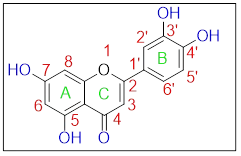
Figure 1: Chemical structure of Luteolin
1.2Natural Resources of Luteolin
Luteolin is a dietary flavonoid available in many fruits and vegetables that people eat on regular bases which are known to be rich in nutrients. For example, luteolin can be found in tomatoes and peppers (the family of plants known as Solanaceae) as well as in carrots and celery, which belong to the Apiaceae family of vegetables.(14) There are also other sources of luteolin found in nature such as in propolis and honey, bulletproof fruit, and dragon fruit; however, the only natural source of luteolin that seems to be recognized as supporting evidence is the pulp of Kalamata olives (Arampatziset al.) has been determined to have luteolin with high concentrations (74 mg/kg of fresh weight) in their respective fruits. (15)Luteolin is also available from the flowers, fruits, seeds, and leaves of a variety of other plant groups (Lonicerae, Lamiaceae, Fabaceae, Asteraceae, Plantainaceae, Euphorbiaceae, Arecae, Gentianaceae, Verbenaceae, Paeoniaceae, and Araceae).(16) In addition to these sources, luteolin can also be extracted from cash crops like sugarcane, sorghum, and millet/grain/corn in the form of bread. One report suggests that extraction of luteolin can be accomplished using waste or by-product from these crops during the processing of said crops. As an illustration, one example would be the extraction of luteolin from the waste by-products created while processing peanut hulls and saffron (spices) to obtain luteolin, indicating how waste can be converted into value.Peanut shells with high antioxidant concentration of luteolin (3183.58 μg/g) have higher levels than both Eriodictyol (234.94 mg/g) or 5,7-dihydroxychromone (140.87 mg/g). (17)The antioxidant activity of Dracocephalumkotschyiis associated with methanol extract (total phenolic and flavonoid content) especially with luteolin (1061.005 μg/g). In conclusion, these results indicate that the antioxidant potentials of certain Lamiaceae and Leguminosae species may be partially due to their presence of luteolin, and increasing luteolin levels using electron-beam irradiation and sound agricultural practices may aid in creating more bioactive food products. (18)
1.3 Bioactivities of Luteolin
1.3.1 Anticancer
The disease of cancer has its origins in the human genome through the influence of poor lifestyle choices and hereditary genetic defects, leading to an increasing burden of disease throughout the world. Understanding how luteolin acts to prevent cancer by examining its effect on cellular signaling pathways, related to the development and progression of cancer that will enhance ability to treat patients with more individualized treatments. This will establish new avenues for expanding the use of luteolin as an anticancer agent.(19) The diverse bioactivities of luteolin are mediated through multiple signaling pathways, as shown in Figure 2.
Anti-breast cancer
Studies have shown that the anti-cancer properties of luteolin are associated with regulation of the extracellular signal-regulated kinase (ERK1/2) mitogen-activated protein kinase (MAPK) proliferative pathway. MDA-MB-453 and MCF-7 cells were cultured in Leibovitz's L-15 EMEM (an EMEM-L15 1:1 mix of MCF-7 and MDA-MB-453) and in humidified conditions at 37°C and with 5% CO2, respectively, and the administration of luteolin resulted in enhanced apoptosis of breast cancer cells and inhibited the induction of transforming growth factor β1 (TGFβ1) induced epithelial-mesenchymal transition (EMT) (in that TGFβ1+luteolin treated cells exhibited changes in the levels of several key molecular markers such as increasing Bax, E-cadherin, miR-203 and decreasing levels of Bcl-2, Vimentin, Zeb1 and N-cadherin). (20)Inhibition of the Ras/Raf/MEK/ERK pathway demonstrated that luteolin had anti-breast cancer properties. Importantly, luteolin has been shown to have activity against triple-negative breast cancer (TNBC), which is a very aggressive subtype that tends to metastasize. In vitro luteolin was shown to impede the proliferation and metastasis of androgen receptor-positive TNBC cells by increasing the expression of E-cadherin while decreasing the levels of MMP-9 protein and N-cadherin. The mechanism of action of luteolin in inhibiting TNBC included the inhibition of the AKT/mTOR signaling pathway, restoration of epithelial-like cells through reversal of EMT, and down regulation of specific histone markers (i.e., the expressions of H9K3Ac and H27K3Ac in the promoter region of MMP9). In addition, the inhibition of TNBC metastasis by luteolin may be attributed to downregulating β-catenin and disrupting YAP/TAZ transcriptional activity.(21) Research on both in vivo (using female BALB/c mice) and in vitro studies conducted by Wu et al. demonstrated that luteolin acted on all three of the following pathways: SGK1/FOXO3a/BNIP3. In breast cancer, luteolin promotes apoptosis and autophagy through inhibition of FOXO1a phosphorylation and up regulation of BNIP3 expression.(22)Breast cancer often develops in hypoxic regions of the body, which have been associated with cancer invasion and metastasis. Luteolin has been shown to induce apoptosis and necrosis in breast cancer cell lines, and that cell death was not influenced by the activation of HIFs. Additionally, luteolin downregulates aggressive protein markers, decreases cell motility, and has demonstrated consistent antitumor effects. Collectively, these data suggest that luteolin modulates the AKT/mTOR/MMP9, Notch, SGK1/FOXO3a/BNIP3, and MAPK-associated signaling pathways. Thus, luteolin represents an attractive option as part of a therapeutic approach to treating breast cancer.(23)
Anti-colorectal cancer
Ceramide levels are lower and macrophages are displaying the polarization of M1 macrophages in patients with colorectal cancer. Ceramide has pro-apoptotic and tumor-suppressive properties as an intermediate in the metabolism of sphingolipids, while sphingosine-1-phosphate (S1P) has the opposite effect on the growth, invasiveness, and survival of carcinoma cells in the colon. Luteolin reduces S1P levels by inhibiting Akt phosphorylation and sphingosine kinase 2 activities. Macrophage M1 polarization is associated with the increase in IL-6 and, consequently, the stimulation of proliferation and invasiveness through the STAT3 pathway of colon tumor cells exposed to STAT480.(24)The reduction of macrophage M1 polarization after luteolin administration is consistent with inhibition of colon carcinoma cell proliferation and invasiveness in Leibovitz’s L-15 cell culture through modulation of the IL-6/STAT3 signaling cascade. Luteolin decreased [HT-29] cell viability and increased mitochondrial Ca2+ concentration and levels of Bax, caspase-3, and caspase-9, and decreased levels of Bcl-2, in human colorectal cancer cells. The increase in glutathione (GSH) levelsafter luteolin treatment in colon cancer cells, indicates that luteolin induces apoptosis through an antioxidant pathway and activation of the MAPK pathway. (25)Additionally, Lidijaet al. showed dually contradictory effects of luteolin on SW620 cells (DMEM, 37/C, 5% CO2).(26)Bax and Caspase-3 were found to be expressed more highly following luteolin administration, while expression of Bcl-2 was found to be less high, promoting apoptosis. Additionally, luteolin administration increased levels of heme oxygenase-1 (HO-1) and superoxide dismutase 2 (SOD2) oxidases, which play a role in regulating oxidative stress. Luteolin also enhanced expression of autophagy-related proteins Beclin-1, Atg5, and LC3B-I/II, inhibiting the Wnt/β-catenin pathways. Furthermore, luteolin increased levels of Nrf2 (Nuclear factor erythroid 2-related factor 2), resulting in activation of the Nrf2 pathway and inhibition of colon cancer.(27) In conclusion, luteolin inhibits colon cancer by decreasing S1P (Sphingosine-1-phosphate), macrophage M1 polarization and by regulating oxidative stress, IL-6/STAT3, MAPK, P53, Nrf2 and Wnt/β-catenin signaling pathways.
Anti-lung cancer
The most frequently diagnosed & lethal form of cancer globally is lung cancer, primarily constituted of non-small cell lung cancer, which represents approximately 85% of all lung cancers. Luteolin has been shown to inhibit non-small cell lung cancer via inhibition of the receptor tyrosine kinase for the tyrosine kinase receptor active form of the tyrosine kinase (tyrosine kinase receptor is required for cancerous cells to proliferate) and by downregulating absent in melanoma 2. Thus both, TRKB-RTK and AIM2 can be considered as possible targets for luteolin-mediated treatment of lung cancer. The LIM-domain containing kinases LIMK1 and claudin-2 have been reported to have high levels of expression in LTLC (Long-term lung cancer) tissues and to have an effect on cell survival, migration, and invasion of LTLC (from cancer cells that originated from other parts of the body) .(28) Zhang and collaborators demonstrated that luteolin could increase caspase-3 cleavage, downregulate cyclin D1, Ki-67, P-limk, and P-cofilin in vitro (ham's F12 medium) using female SCID mice models via targeting of the LIMK-1 to inhibit the growth rate of lung cancer cells.(29) Recently, a study reported that luteolin inhibited the signal transducer and activator of transcription 3 (STAT3) pathways, decreasing claudin-2 levels in lung cancer cells. Collectively, the results of numerous studies over the recent years suggest that luteolin is a very beneficial agent for patients diagnosed with or who are prone to developing a diagnosis of lung cancer due to both its ability to inhibit cell migration, and its potential ability to induce cell death.(30)Following luteolin treatment, levels of caspase-3, caspase-9 and Bax increased, activating MEK/ERK signalling pathway to increase apoptosis and decrease A549 and BEAS-2B cells migration (maintained in RPMI 1640 medium). As a result, luteolin may help treat lung cancer by modulating EGFR-PI3K-AKT, STAT3, Src/FAK and MAPK signalling pathways making it a potential candidate for use as an anti-cancer therapy.(31)
Anti-malignant GBM
GBM (Glioblastoma) is the most frequent malignant tumour of the central nervous system and can be aggressive and invasive, with a poor prognosis. The research demonstrates that luteolin was able to induce apoptosis of GBM cells through the generation of reactive oxygen species, induction of endoplasmic reticulumstress and mitochondrial dysfunction. Additionally, luteolinreduced the stimulatory effect of the RNA-binding protein Musashi1 on the expression of many cancer-promoting genes by inhibiting the proliferation, migratory ability, and colony-forming ability of GBM cells, without affecting the normal astrocyte cell lines used in the study.(32) Luteolin treatment has also been shown to induce both apoptosis and autophagy of A172 and U-373MG (RPMI 1640 cell lines) cell lines, in addition to the upregulation of Bax and the downregulation of Bcl-2, ATG5, and Beclin-1. Furthermore, luteolin activated caspase proteins which resulted in the fragmentation of PARP.(33) The overexpression of the epidermal growth factor receptor (EGFR) and the cyclooxygenase 2 (COX-2) can further support the growth and proliferation of tumour cells. Mahwishet al. demonstrated that luteolin was able to inhibit the downstream signaling proteins of EGFR, resulting in the downregulation of p-Akt, mTOR, MTOR, p70S6K, MAPK, NF-kB and STAT3.(34) Furthermore, Huanget al. have shown that luteolin can inhibit COX-2 and JNK, ERK, IκB and p-NF-κB in response to IL-1β, resulting in the downregulation of COX-2.Interestingly, luteolin preferentially inhibited the MAPK pathway as opposed to the NF-κB pathway. This differential regulatory effect may be related to cellular stress response.(35)All together, the anti-proliferation, migration, and apoptosis-inducing activities of luteolin on GBM involve downregulating EGFR and COX-2 levels and inhibiting p-IGF-1R/PI3K/AKT/mTOR, MAPK, and NF-κB pathway activation.
Anti-gastric cancer
The sluggishness of gastric carcinoma will frequently lead to it being overlooked, as its symptoms are those of gastritis, gastric ulcers, or other chronic gastric disorders. According to Dinget al., the gene expression of Stat3 target proteins Mcl-1, Survivin, and Bcl-xl in gastric carcinoma cervical cells was reduced by luteolin (cultured in RPMI-1640), thus blocking the phosphorylation of STAT3. (36)The expression of DUSP1, FOXO3, and CDKN1A increased, while the levels of IL1R1 and FGFR4 decreased after luteolin administration in human samples. Their findings indicate that luteolin indirectly regulates PAPR1 through changes in the levels of both BCL2 and CASP3, thereby interfering with the development of gastric cancer.(37) Luteolin acts as an antagonist of Notch, MAPK, and PI3K, thus impeding the signaling of these pathways. Specifically, in gastric carcinoma cells, luteolin decreased the level of Notch1, which had a downstream impact on the secretion of VEGF and reverted epithelial-mesenchymal transformation. (38)Luteolin inhibited the development of gastric cancer and the formation of vascular mimicry by decreasing the levels of N-cadherin, vimentin, and Snail. Luteolin ultimately has great anticancer potential as an agent that not only inhibits tumor growth but also influences cell cycle and colony formation; inhibits the proliferation, migration, and invasion of cancer cells; and induces cancer cell apoptosis through multiple signaling pathways and miRNA regulation both in vitro and in vivo.(39)
Anti-reproductive system tumours
Research is being done into the topic of global population issues increasing number of researchers that are concentrating on the area of reproduction research today. Studies have demonstrated that luteolin, an active natural product with anticancer activity, appears to prevent as well as treat reproductive system cancers via several different mechanisms (timing-based effects). Luteolin has been shown to inhibit stemness and metastatic properties of prostate and ovarian cancer by acting on the Wnt and PPP2CA/YAP signaling pathways. It has downregulated Bcl-2; MMP2; MMP3; and MMP9 expression thereby inhibiting the progression of all teratomas.(40) In a study directed at the effect of luteolin on the proliferation and apoptosis of villus-type cancer cells through its effect on the PI3K/AKT pathway, it was demonstrated that luteolin inhibited villus-type cancer cell proliferation and induced apoptosis in villus-type cancer cells. It has also been shown to inhibit angiogenesis in prostate cancer cells by downregulating IL-8, IL-17 and VEGF expression. (41)Seoet al. found that luteolin inhibited the action of ANO1, which is a chloride ion channel that is highly expressed in prostate cancer, and also downregulated the level of ANO1 protein without changing the effect of calcium on dipping. (42)Chenet al. demonstrated that luteolin has significant anticancer activity in ovarian cancer cells (Dulbecco's Modified Eagle Medium). They reported that luteolin inhibits the proliferation of ovarian cancer cells and induced apoptosis and cell cycle arrest via decreased expression of Wnt1 associated with the downregulation of p53 signalling pathways.(43) Lastly, luteolin has been shown to lower cervical cancer cell invasion by acting through Epithelial-to-Mesenchymal Transition signaling pathways.(44)Collectively, evidence suggests that luteolin exerts anti-reproductive system tumor activity by interfering with proteins and signaling pathways related to proliferation, apoptosis, dryness, angiogenesis, and invasion.
Non-specific anticancer activity
Luteolin inhibited cell growth and invasion of melanoma in OCM-1, A2058, A375, and B16F10 mouse models by decreasing the amount of secreted MMP-2 and MMP-9. This disrupts the PI3K/Akt signaling pathway to decrease blood vessel formation and melanoma metastasis (via lowering of STAT3 phosphorylation. It upstream kinase) causes downregulation of the protein expressions of Mcl-1, MMP-2 and MMP-9. Interestingly, luteolin did not inhibit melanoma cell growth by generating reactive oxygen species. Instead, it inhibited melanoma cell growth through modulation of extracellular matrix, carcinogenic, and immune signaling pathways, leading to anticancer effects. In addition, luteolin inhibited TRAIL-induced apoptosis by affecting the expression of BCL-2. Animal studies demonstrated that luteolin inhibited pancreatic cancer development in ovariectomized female Syrian golden hamsters by inhibiting the phosphorylation of STAT3 and DPYD as a possible pre-chemo preventive agent. Following treatment with luteolin in Huh7 and HepG2 cells as well as in nude mice, expression levels of P21, P27, Bax, and miR-6809-5p increased while expression levels of Bcl-2 and FLOT1 decreased.(45)Additionally, luteolin had an anticancer effect by modulating endoplasmic reticulum stress through p53-independent mechanisms. Research suggests luteolin affects the cellular development of infantile hemangioma and multiple myeloma by decreasing levels of XIAP, Mcl-1, and Bid; inhibiting the AKT and OPN signaling pathways; and stalling hepatocyte development. Recent studies show that luteolin’s potential for treating canine osteoma, head and neck squamous cell carcinoma, and oral carcinoma is associated with its ability to inhibit Wnt, FZD6, TGF-β, ERK1/2, PI3K/AKT, FAS, and IL-6/STAT3 signaling pathways.(46) In conclusion, these findings support luteolin's potential in the prevention and treatment of cancer, underscoring the need for continued research into luteolin as a source for developing new antitumor agents.
1.3.2 Liver protection
Luteolin protected the liver from damage and proved effective for the treatment of acute liver injury and non-alcoholic fatty liver disease, as well as liver fibrosis or liver scarring due to chronic hepatic inflammation. Luteolin protects the liver in part by inhibiting the production of free radicals (oxidative stress), regulating both malondialdehyde and superoxide dismutase and reduced glutathione, and by modulating the expression of the genes involved in inflammation (TNF-α, IL-10, IL-6, TXNIP, caspase 3, and IL-1β). Through modulating the TXNIP-NLRP3 axis, luteolin was able to reduce acute liver injury in C57BL/6 mice, by means of other liver protective effects including reducing endoplasmic reticulum stress, improving the functioning of proteins involved in autophagy and protecting the liver, reducing liver lipid buildup, increasing the expression of HO-1-1 and GSH peroxidase, and providing overall liver cell protection. (47)In research involving acetaminophen (also known as paracetamol)-induced liver injury in Wistar albino rats and C57BL/6 mice, luteolin has shown to reduce levels of several inflammatory markers (alanine aminotransferase, aspartate aminotransferase, TNF-α, iNOS, NF-κB, IL-6) and oxidative stress (MDA) and increase levels of several forms of antioxidant enzymes (SOD, GSH, GSH-Px). One of luteolin's mechanisms for reducing hepatotoxicity associated with acetaminophen is by inhibiting cytochrome-P450 enzyme activities in humans. (48)Luteolin also reduces liver injury caused by both lipopolysaccharides andtert-butyl hydro peroxide through regulation of the P2X7 receptor-RAGE-Toll-like receptor 4 (TLR4) signaling pathways and AMPK/p3/Nrf62 signaling pathways. Other studies using male Wistar albino rats showed that luteolin further increased the antioxidant capacity of these animals, reduced the inflammatory mediators present in their blood after exposure to lead acetate, and improved the apoptotic protein profile associated with lead acetate-induced liver injury. The protective effects of luteolin against liver and hepatorenal toxicity and/or damage is documented in the scientific literature investigating AFB1, APAP, LPS, BHP, lead acetate and methotrexate.(49) The conclusion of Alamriet al. was that luteolin would prevent the development of liver fibrosis due to its ability to regulate certain proteins and gene expression levels related to liver function like ITIH3, MKI67, KIF23, DNMT1, and P4HA3. More recent findings corroborated these observations and indicate that luteolin might also help treat patients suffering from fatty liver disease (NAFLD) by restoring/improving levels of intestinal microbiota and regulating the function of the TLR4 signaling pathway.(50) Furthermore, luteolin positively impacted the strengthening of the intestinal barrier, the restoration of intestinal epithelial tight junction proteins, the increased diversity of gut bacteria, and the successful treatment of NAFLD due to its modulation of the TLR4 pathway. In doing so, luteolin decreased the presence of oxidative stress, inflammation, and autophagy due to the modulation of gut flora through a variety of associated pathways, including TLR4 pathway, TXNIP-NLRP3 signaling pathway, NLRP3/NF-kB pathway, P2X7R-RAGE-TLR4 signaling pathway, and AMPK/p3/Nrf62 signal transduction pathway. These pathways collectively serve to protect the liver from injury and promote liver health. (51)
1.3.3 Kidney protection
Luteolin’s therapeutic applications based on its effects have been reported for multiple forms of kidney diseases, such as acute kidney injury, nephrotic cystinosis, renal anaemia, renal fibrosis, nephrotic syndrome, and lupus nephritis. Studies using male Wistar rats demonstrate that luteolin protects against inorganic mercury-induced kidney injury through a reduction in MDA and an increase in GSH levels.(52) Furthermore, luteolin has been demonstrated to protectagainst renal oxidative stress and apoptosis through its regulation of autophagy-related genes (5, Beclin-1, p62), as well as the activation of the AMPK/mTOR signalingpathways. Additionally, luteolin is active in the activation of NF-κB, increasing the levels of GSH, Nrf2, HO-1, NQO1, Bcl-2, and B-cell lymphoma-extra-largeas well as downregulating the expression of Bax and MDA, displaying its renal protective ability by activating the Nrf2 signaling pathway following HgCl2-induced kidney injury in Wistar rats. Other studies have shown that luteolin protects against D-galactoseinduced kidney injury by inhibiting p38 MAPK phosphorylation, reducing oxidative stress, and reducing inflammation. (53)Furthermore, luteolin protects against potassium dichromate-induced renal toxicity in Wistar rats by modulating antioxidant and free radical scavenging systems including renal Nrf2, serum nitric oxide (NO) levels, and reducing Kim-1 expression. Inhibition ofNF-кB/Kim-1 signaling pathway by luteolin, results in the reversal of oxidative stress markers, reduction of inflammatory responses and inhibition of apoptotic protein synthesis. Luteolin has been shown to have therapeutic benefits for a number of different kinds of renal disorders like acute renal failure, nephrotic cystinosis, renal anaemia, renal fibrosis, nephrotic syndrome, and lupus nephritis. Studies conducted using male Wistar rats suggest that luteolin protects against inorganic mercury induced renal damage through a decrease in malondialdehyde and an increase in glutathione (GSH). Moreover, luteolin provides renal protection against oxidative stress and apoptosis by regulating autophagy-related genes (for example: Beclin-1 and p62) and activating the AMPK/mTOR signalling pathways. In addition, luteolin is involved in activating the nuclear factor-kappa B (NF-κB) pathway and increasing levels of GSH, Nrf2, heme oxygenase-1 (HO-1), NADPH quinone oxidoreductase-1 (NQO1), B-cell lymphoma-2 (Bcl-2), and B-cell lymphoma-XL as well as downregulating the expression of Bax and MDA, which shows its renal protective potential by activating the Nrf2 pathway after HgCl2- induced renal damage to Wistar rats. Luteolin has been reported to protect against D-galactose-induced renal damage by inhibiting p38 mitogen-activated protein kinase phosphorylation and reducing oxidative stress and inflammation. In addition, luteolin provides protection against potassium dichromate-induced renal toxicity in Wistar rats through modulation of antioxidant and free radical scavenging systems, including renal Nrf2 and serum nitric oxide levelsand downregulation of the expression of kidney injury molecule-1 (Kim-1).Inhibition of the NF-кB/Kim-1 signaling pathways by luteolin results in the reversal of oxidative stress markers, reduction of inflammatory responses, and inhibition of apoptotic protein synthesis.(54)In an adult Wistar rat model of bisphenol A-induced kidney injury, luteolin inhibited inflammatory response and lipid peroxidation by upregulating the Nrf2/ARE/HO-1 axis. In addition, the inhibitory effect of luteolin on oxidative stress and lipid peroxidation was related to Nrf1 and HIF-52α pathways. Computer evidence suggested that luteolin modulated potential targets (NF-κB, CTSD, p38 MAPK, and CDK2) to mitigate kidney damage. Zhanget al. used Adriamycin-induced nephropathy to construct a renal tubule injury model, and the results showed that luteolin could alleviate apoptosis, with the possible mechanism related to inhibiting oxidative stress and the MAPK and p53 pathways. Luteolin also showed inhibition of organic cationic transporter 2 and alleviated drug-induced acute kidney injury in Institute of Cancer Research (ICR) mice. (55) Interestingly, aromatic rings, hydrogen bond receptors, and hydrogen bond donors in luteolin structure played a key role in the inhibition of organic cationic transporter 2. Luteolin, through mechanisms involving (activation of the Nrf2/ARE/HO-1 axis, AMPK/mTOR, interference with NF-кB/Kim-1 signaling pathways, regulation of oxidative stress and inflammation) demonstrated a substantial mitigating effect on kidney injury.(56) Luteolin was found to down-modulate, or inhibit, the production of cytokines and their activation in nephrotic cystinosis animal models through effects on NF-kB and TLR4 signaling, and to reduce p62/SQSTM1 protein accumulation and improve levels of methylated proteins, with consequent reductions of kidney interstitial injury and fibrosis, BUN, creatinine, α-smooth muscle actin, collagen I and fibronectin, and increases in haemoglobin, haematocrit, erythropoietin and hypoxia-inducible factor 2A expression in those models. SIRT1/FOXO3 pathway regulation by luteolin contributed to renal anaemia amelioration in this model as well.(57) In addition, luteolin also reduced the expression of IL-6, inducible nitric oxide synthase and MMP-2 and increased IL-10, with a high binding affinity to TGFβR-1 protein, suggesting luteolin would provide a significant reduction in levels of inflammation and inhibit over-activation of TGF-β signaling in the treatment of renal fibrosis. In MRL/lpr mice with lupus nephritis, luteolin reduced the expression of NF-kB and HIF-1α with a corresponding decrease in Bcl-2, CD18, P21 andinducible nitric oxide synthase expression in the kidneys. In conclusion, luteolin provides in vivo renal protection and has potential therapeutic benefits for lupus nephritis, nephrotic cystinosis, renal anaemia and renal fibrosis. (58) Luteolin protects the lung from damaging qualities by suppressing apoptotic events and oxidative stress, as well as moderating inflammatory responses. In a study of septicaemia-related acute lung injury, luteolin significantly decreased the expression of IL-6, IL-1β, ICAM-1, and NF-κB levels, increased the activity of antioxidant enzymes (superoxide dismutase and catalase) and decreased lipid peroxidation in male Swiss Albino mice. Treatment with luteolin also caused the downregulation of apoptotic markers in lipopolysaccharides-treated BEAS-2B human bronchial epithelial cells and resulted in the activation of the phosphatidylinositol 3-kinase (PI3K)-AKT signaling pathway. In addition, luteolin inhibited the activation of nuclear factor kappa B (NF-κB) by interfering with Nrf2 and promoting AKT phosphorylation to help mitigate HCl-induced lung damage in Kunming mice. (59) Luteolin's effects range from increasing HO-1 expression mediated by activation of the extracellular signal-regulated kinase (ERK) 1/2 signaling pathway and regulatory T cell activity, to downregulating Janus kinase/signal transducer and activator of transcription (JAK/STAT) phosphorylation, increasing epithelial sodium channel expression, and inhibiting resident cytoprotective/inflammatory proteins such as high-mobility group box 1, inducible nitric oxide synthase, caspase-11, caspase-1, gasdermin D, and other pro-inflammatory mediators that promote acute lung injury. There is also evidence that luteolin protects against PM2.5-induced lung injury primarily via a mechanism of inhibiting soluble epoxide hydrolase overexpression in both wild-type (WT) C57BL/6 and soluble epoxide hydrolase knockout mice.Luteolin had beneficial effects on the lung architecture of C57BL/6J mice with neonatal sepsis-associated lung injury by decreasing the levels of extracellular cold-induced RNA binding proteins, HIF-3α, and NLRP1. In addition, luteolin was able to ameliorate doxorubicin and streptococcus-induced lung pathology by modulating oxidative stress, proinflammatory cytokines, apoptotic markers, and streptohemolysin O. Through α1-antitrypsin regulation, luteolin may be a promising therapeutic candidate for chronic lung diseases.(60) Lastly, luteolin has been shown to attenuate lung injury and inflammation from corona virus disease 2019 (COVID-19) through activation of the JAK1/STAT1 inflammatory dependant pathway. (61)
1.3.5 Vascular protection
Luteolin is a cardiovascular protective agent with vasorelaxation capabilities. Luteolin induces vascular relaxation through numerous mechanisms including inhibition of calcium flux across smooth muscle cell membranes, decrease in pERK1/2, pCPI-17 and pMYPT1 levels, reactivation of myosin phosphatase and calcium desensitization, regulation of Rho-kinase and inactivation of CPI-17. (62) Additionally, luteolin increased voltage-gated potassium currents and inward rectifier potassium currents in coronary smooth muscle cells of Wistar rats resulting in vascular spasmolytics. In an AMPK/NF-κB pathway study using WT C57BL/6 septicaemia mice to investigate vasoconstrictive functions, luteolin affected the levels of ADRA12A, SAP, DAP, MAP, inflammatory cytokines, inducible nitric oxide synthase, p-p1/p65 and p-IκBα/IκBα. Another investigation displayed the ability of luteolin to enhance the production of nitric oxide in vascular endothelial cells resulting in vasodilation. (63)Luteolin has potential to improve pulmonary vascular remodelling, and endothelial functions through modulation of the HIF-2α-Arg-NO axis, PI3K-AKT-eNOS-NO cascade and Hippo-YAP/PI3K/AKT signalling pathways. In Swiss Albino mice with sepsis-associated vascular paralysis resulting from caecal ligation and puncture, luteolin acted via inducible nitric oxide synthase pathway to improve vascular dysfunction and enhance endothelial function. Luteolin alsohave anti-inflammatory effects as it inhibits inflammation in macrophages, as well as preventing plaque formation, lipid accumulation, and atherosclerosis by modulating many cellular signalling pathways including the signal transducer and STAT3, Nox4/ROS-NF-κB and MAPK signalling pathways. In particular, luteolin is also recognised for its ability to ameliorate vascular calcification. Luteolin is also able to improve micro vascular injury by decreasing apoptosis of cells, inhibiting the expression of oxidative stress-related molecules, and interfering with the Wnt/β-catenin signalling pathway. (64)Furthermore, in a C57BL/6 mouse model of TNF-α-induced vascular inflammation, luteolin showed both anti-inflammatory properties as well as protective properties on blood vessels by affecting MCP-1, ICAM-1, VCAM-1, NF-κB transcriptional activity, IκBα degradation, decreasing the expression of IκB-kinase-β, and inhibiting the nuclear translocation of NF-κB p65. (65) In summary, luteolin is able to modulate numerous signalling pathways including NF-κB, Wnt/beta-catenin, Nox4/ROS-NF-κB, STAT3, AMPK/NF-κB, HIF-2α-Arg-NO axis, PI3K-AKT-eNOS-NO and Hippo-YAP/PI3K/AKT, therefore allowing for the protection of blood vessels. These findings contribute to advancing the research prospects of luteolin as a promising compound in cardiovascular disease research.
1.3.6 Gastrointestinal protection
A gastrointestinal drug delivery system supports the targeted local treatment of human disease and represents remarkable advantages. The gastrointestinal environment provides a stable environment, which is necessary for preserving health and provides a stable means for drugs to exert biological effects. In an IPEC-J2 pig intestinal epithelial cell model of LPS-induced enterospasm(DMEM/Ham's F-12; 1:1), luteolin inhibits the activity of Escherichia coli and streptococci by regulating oxidative stress and treating gastrointestinal infections.(66) A luteolin study showed that it also prevents gastrointestinal disease due to ochratoxin A and lipopolysaccharides ingestion by inhibiting the production of hydrogen peroxide, ROS levels and cytokine secretion. (67) Luteolin administration reduced NF-κB, IL-17 and IL-23 expression and up regulated PPAR-γ; luteolin intervention altered the diversity and composition of the intestinal microbiota and induced alleviation of colon injury in Wistar rats. Additionally, luteolin inhibited the HMGB1-TLR-NF-κB signalling pathway, significantly reducing colitis in C57BL/6 mice as demonstrated by increased serum and intestinal superoxide dismutase (SOD) levels and decreased malondialdehydeand HMGB1 expression. Luteolin intervention inhibited the pro-inflammatory cytokines tumour necrosis factor α (TNF-α), interleukin (IL)-1β, IL-6 and IL-17A. Interestingly, luteolin demonstrated improvement in intestinal damage via the HMGB1/TLR4/NF-κBsignaling pathway in E. coli-induced chick models. (68)Taken together, the potential mechanisms of luteolin in improving gastrointestinal diseases include regulating oxidative damage, inhibiting inflammatory cytokine levels, and interfering with the HMGB1-TLR-NF-κB signaling pathway.
1.3.7 Neuroprotection
Neuropathophysiological conditions, onset and progression can produce extensive pathophysiological alterations, including many mechanisms that comprise inflammation, oxidative stress, neuropathy, endoplasmic reticulum stress, and apoptosis of cells. Luteolin produced significant neuroprotective effects on neuronal damage due to sevoflurane, 1-methyl-4-phenylpyridinium iodide, kainic acid, and methamphetamines. (69)The specific mechanisms through which luteolin produced these protections were primarily through the reduction of glutamate accumulation, decreasing levels of oxidative damage, decreasing neuroinflammation, increasing levels of pro-apoptotic and anti-apoptotic markers, increasing activation of HMOX1 to promote autophagy, and modulating both Erk1/2/Drp1 and Fak/Akt/GSK3β & PI3K/Akt pathways.(70) Also, high levels of ROS, cleaved-PASE3, BIM, TRB3, GADD34, phosphorylated eIF2α, ATF4, GRP78, HO-1, GCLC, and CHOP all are reduced on an expression basis and the transcription of GADD45α, PUMA are inhibited in 6-hydroxy-dopamine induced PC12 cells that had received treatment with luteolin. It has been suggested by Denis et al. that luteolin inhibited the activation of astrocyte and the production of IL-31 & IL-33 by modulating signals from the MAPK, STAT3, and NF-κB pathways. Furthermore, treatment with luteolin produced a significant decrease in cerebral edema, total volume of cerebral infarction, and cellular/morphological changes in both the cortex and hippocampus of Sprague Dawley (SD) rats with ischemic brain injury due to the activation of the SIRT3/AMPK/mTOR pathway.(71) Luteolin is a strong antioxidant flavonoid compared to other antioxidant flavonoids and has long-lasting neuroprotective effects. Luteolin has been shown to increase levels of Keap1, Nrf2, HO-1, NADPH, and NQO1 and regulate the process of autophagy and the nuclear translocation of Nrf1. These data suggest that luteolin provides neuroprotection in a model of SD rats through modulation of the p62-Keap1-Nrf2 pathway. Luteolin also exerts direct actions on mitochondria by binding to PPARγ which inhibits mitochondrial dysfunction and neuronal death, as well as decreasing inflammation and enhancing the autophagy process in the hippocampus of 3xTg-AD mice. Luteolin's neuroprotective effects may also involve inhibiting MDA, NO, TNF-α, and IL-1β levels; increasing acetyl cholinesterase levels; restoring calcium homeostasis; and inhibiting brain lipid peroxidation in Wistar rats. The PPARγ, MAPK, and UPR pathways may also play a role in the neuroprotective effects of luteolin.(72)
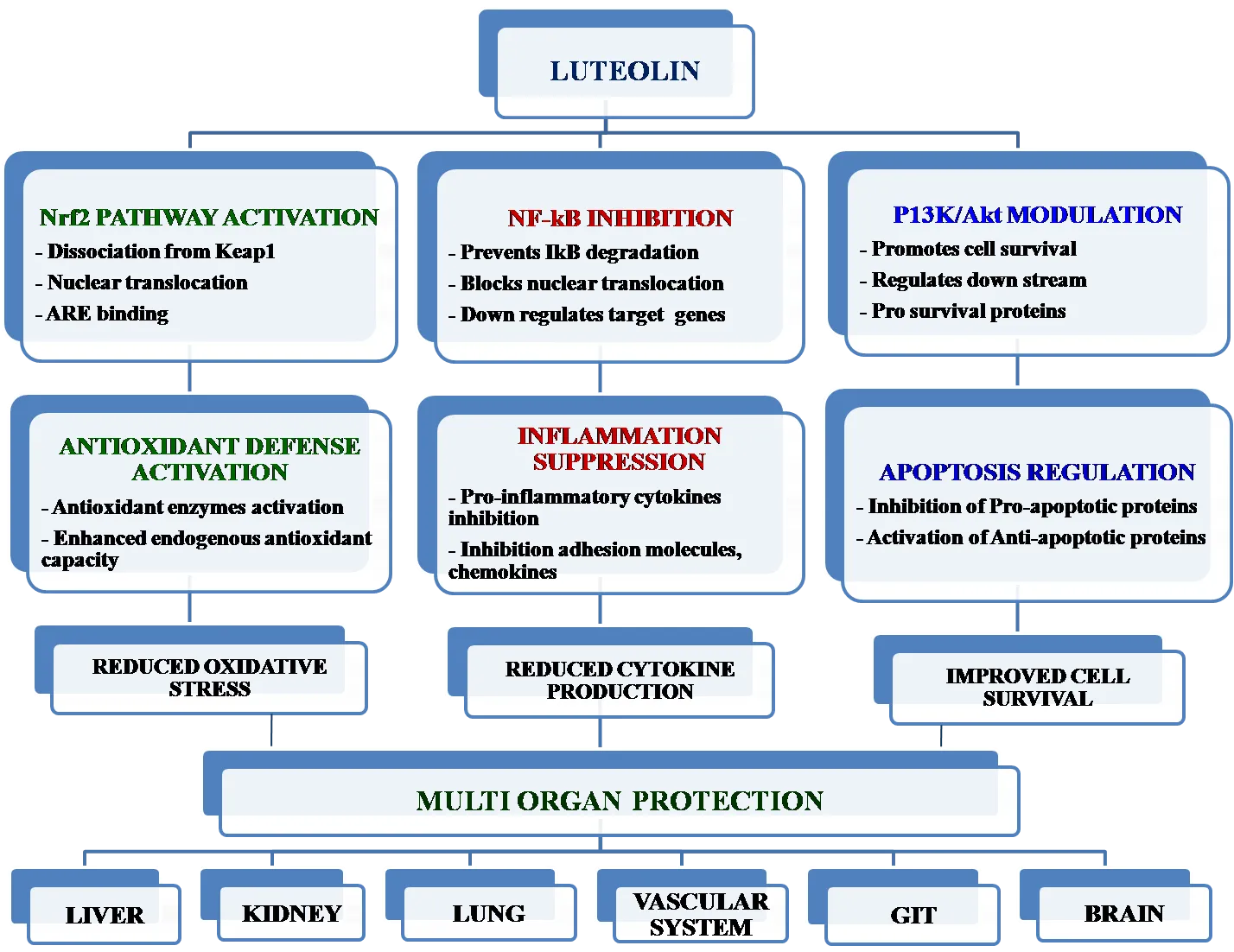
Figure 2: Immunopharmacological Activities of Luteolin in Chronic Diseases
2. Recent Reported HPLC Methods for Luteolin Determination
Recent studies in high performance liquid chromatography have prominently focused on qualitative and quantitative analytical profiling of luteolin. One of the major trends observed in recent studies is changes from traditional high-performance liquid chromatography method to advanced techniques which provides good resolution, high sensitivity and lower run times. Luteolin has many different sources, such as plant extracts, herbal products, foods, and body fluids. A significant amount of literature exists regarding ways to enhance chromatography by optimizing critical parameters including stationary phase characteristics, mobile phase composition, elution program, and detection system. Some of the recent studies include Reverse-Phase High Performance Liquid Chromatography (RP-HPLC) is still the preferred analytical technique used to examine luteolin. Since, it has characteristics that lend themselves to review of polar compounds such as flavonoids. The majority of methodologies for analysing luteolin typically use C18 (octadecylsilane) columns, which are favoured because of their hydrophobic interactions and high-resolution delivery of results. However, recent research and advances in Reverse-Phase HPLC have also proven that the use of shorter alkyl chain columns (C8), phenyl columns, and core-shell particle columns can lead to the improved separation and results of analysis which can reduce the amount of time required for analysis.(73) The quality of separation is significantly influenced by the mobile phase composition. The most common solvent systems employed are acetonitrile or methanol in combination with water often with the addition of acidic modifiers like phosphoric acid, formic acid or acetic acid. By preventing the ionization of phenolic hydroxyl groups, it enhances peak shape, reduce tailing, and increase reproducibility of luteolin. In order to improve the resolution of closely eluting compounds, gradient elution has been increasingly used for complex matrices including many flavonoids.(74) The detection of luteolin is usually accomplished using either ultraviolet or photodiode array (PDA) detectors in the range of 340–360 nm, which correspond to the wavelength of maximum absorbance of luteolin. However, due to the desire to achieve higher sensitivity and selectivity, especially with samples obtained from biological products, the application of advanced detection techniques, such as liquid chromatography-mass spectrometry is common (LC-MS). A method using a C18 column as well as a mobile phase consisting of acetonitrile and phosphoric acid (1:1 v/v) at a 0.5 ml/min flow rate and detected at 347 nm, showed very good linearity and recovery. These hyphenated techniques enable the identification, structural elucidation and quantification of luteolin and its metabolites simultaneously with precision. (75) Multi-component phytochemical analysis of herbal remedy formulation is currently being evaluatedother compounds (sinensetin and stigmasterol) on isocratic and gradient chromatographic systems using a Zorbax Eclipse plus C18 column, providing efficient separation for those compounds. Additionally, ultra-high-performance liquid chromatography (UHPLC) methods have also been developed which provided shorter run times, improved resolution and lower solvent consumption. (76) In addition, LC-MS/MS-based methods have become very popular for pharmacokinetics and bioavailability research on luteolin due to their ability to detect luteolin at trace levels from plasma and tissue samples with high sensitivity via the use of gradient elution (with acetonitrile and acidified water). In addition to traditional RP-HPLC-based methods, a number of newer studies have investigated the use of alternative stationary phases and advanced chromatographic systems to improve separation efficiency of luteolin and other structurally similar flavonoids. For example, pentafluorophenylcolumns have proven effective in allowing simultaneous quantitation of luteolin with apigenin and chrysoeriol because of the improved selectivity provided by π–π interactions as well as increased resolution achieved with gradient elution methods compared to traditional methods. Another example includes the use of octadecylsilane columns along with systems using optimized gradient conditions (methanol and formic acid) to achieve efficient separation of luteolin using reasonable run times when separating complex herbal mixtures containing luteolin.(77,78) Comparative studies of methods such as LC, HPLC, UPLC, and UFLC in conjunction with detectors such as DAD, ESI and MS have shown variations in sensitivity, cost, and efficiency, directing the selection of suitable methods.Also luteolin has been isolated from plant matrices using a variety of extraction techniques, such as solvent extraction, immersion, ultrasound assisted, and supercritical fluid extraction. (79)Additionally, for better standardization and quality control of flavonoids, current developments combine metabolomics and chemometric tools with high-throughput and hyphenated systems as HPTLC, HPLC-UV, and UHPLC-QToF-MS. (80)Furthermore, new biosensor-based techniques have demonstrated great sensitivity and a significant connection with chromatographic techniques, suggesting their use in metabolic engineering and quick screening. (81) New analytical techniques emphasize the concurrent analysis of luteolin and other plant components. One example is the validation of an RP-HPLC method to analyse the amount of luteolin and curcumin present in herbal supplements which were effective with high precision, linearity, and robustness while meeting regulatory guidelines. In addition, luteolin has also been measured using optimally developed chromatographic methods with quercetin, sinensetin, and stigmasterol in the analysis of polyherbal formulations which produced satisfactory peak resolution and reproducibility. (82) Quantification studies also took place, specific to plant matrices. For example, an HPLC-PDA method for the quantification of luteolin in Helicoptershirsuta extracts with an acetonitrile-phosphoric acid solvent system at 347 nm showed excellent recoveries (~94%) and linearity over a broad concentration range. Additionally, luteolin has been quantified in other medicinal plants such as Tecomastans using gradient wash and advanced stationary phases resulting in good sensitivity and significant compliance to ICH validation criteria. Overall, recent studies highlight an emerging development of rapid, sensitive and reproducible HPLC methods for luteolin analytical profiling. As seen in Table 1, the application of cutting-edge methods with ideal chromatographic conditions improves analytical performance over various plant sources of luteolin.
Table 1: Summary of Reported HPLC Methods for Luteolin
|
Author/ Year |
Plant/ Sample |
Analytical Method |
Compound Analysed |
Conditions Used |
Key Findings |
References |
|||
|
Column type |
Mobile phase composition |
Elution mode |
Detection (nm) |
||||||
|
Balkrishan A, et al. 2025 |
Verbascumthapus |
RP-HPLC and UPLC/MS-QTOF |
Luteolin and verbascoside |
C18 |
ACN: water (acid) |
Gradient |
~350 |
Simultaneous quantification with high sensitivity |
(83) |
|
Permana AD, et al. 2023 |
Carthamustinctorius |
RP-HPLC |
Luteolin and quercetin |
C18 |
ACN: water (acidic) |
Isocratic |
~350 |
Good accuracy |
(84) |
|
Wang W, et al. 2026 |
Beverages, dietary supplements and functional foods |
HPLC-UVD |
Multiple flavonoids |
C18 |
ACN: acidified water |
Gradient |
~350 |
Quality assessment and bioactive component screening |
(85) |
|
Gupta A, et al. 2023 |
Tecomastans |
HPLC-PDA |
Luteolin, apigenin and chrysoeriol |
Supelcosil LC-F
|
TFA-ACN |
Gradient |
345 |
Reliable and reproducible method |
(86) |
|
Ishizaki A, et al. 2024 |
Herbal tea |
IT-SPME and LC-MS/MS |
Luteolin and apigenin |
C18 |
ACN: water (acidic) |
Gradient |
- |
Environment friendly method |
(87) |
|
Wu W, et al. 2022 |
Rat plasma |
HPLC-MS/MS |
Luteolin co administration with resveratrol |
C18 |
Methanol: water (acidic) |
Isocratic |
- |
Enhanced bioavailability |
(88) |
|
Purwani AIH, et al. 2022 |
Sonchusarvensis, Plantago major, Orthosiphonstamineus, Strobilanthescrispus |
HPLC |
Quercitin, luteolin, sinensetin, stigmasterol |
Zorbax eclipse plus C18 |
Water:methanol:phosphoricacid : ACN |
Isocratic |
352 |
Good peak separation |
(89) |
|
Thejomoorthy K, et al. 2024 |
Moringaoleifera, Curcuma longa |
RP-HPLC |
Luteolin and curcuma |
HYPERSIL ODS C18 |
ACN: Methanol: Acetic acid |
Isocratic |
472 |
Reliable and robust approach |
(90) |
|
Liu S, et al. 2020 |
Schizonepetatenuifolia |
HPLC-MS/MS |
Luteoloside, apigetrin, hesperidin |
Eclipse Plus C18 |
Formic acid: ACN |
Gradient |
- |
Contribution in understanding drug-drug interaction |
(91) |
|
Zain MSC, et al. 2021 |
Elaeisguineensis |
UHPLC-UV/PDA |
Luteolin and apigenin |
C18 |
ACN: formic acid |
Gradient |
340 |
Reliable and validated method |
(92) |
|
Jansen A, et al. 2025 |
Calcium hydroxyapatite-luteolin nanocomposites |
RP-HPLC/DAD |
Luteolin |
C18 |
Acidified water: methanol |
Isocratic |
254 |
Quality control strategy for future formulation. |
(93) |
|
Patil VA, et al. 2026 |
Luteolin API |
QbD driven RP-HPLC |
Luteolin |
C18 |
ACN: Acidified water |
Isocratic |
367 |
Ultra short run time |
(94) |
|
Gupta N, et al. 2025 |
TriticumaestivumL |
LC-MS/MS |
Luteolin |
BEH-C18 |
Water (acidic): ACN (acidic) |
Gradient |
- |
Phytochemical profiling as functional food |
(95) |
|
Duong TN, et al. 2025 |
Avicenniaofficinalis |
HPLC, UFLC/DAD |
Luteolin derivatives |
Phenomenex C18 |
ACN: Methanol: Water (acidic) |
Gradient |
345 |
Significant quantification and efficiency of method |
(96) |
|
Heal HH, et al. 2023 |
Vitex pseudo-negundo |
HPLC |
Luteolin |
C18 |
Acetic acid: ACN |
Gradient |
340 |
Fast analysis |
(97) |
|
Granta G, et al. 2025 |
Luteolin-loaded nanocapsules |
HPLC |
Luteolin |
C18 |
Formic acid in ACN and water |
Gradient |
340 |
Successful encapsulation and high drug retention |
(98) |
|
Singh A, et al. 2024 |
Plant sources, food and biological samples |
HPLC, Capillary electrophoresis, GC-MS |
Luteolin |
C18 |
ACN: Acetic acid |
Gradient |
352 |
Good precision |
(99) |
|
Wu Z, et al. 2023 |
Perillafrutescens |
HPLC/UV-Vis/MSD |
Luteolin-7-O-diglucuronide |
C18 |
TFA: ACN |
Gradient |
254 |
Reliable for analysing Luteolin-7-O-diglucuronide |
(100) |
|
Ahmed MN, et al. 2024 |
Plumbagoauriculata |
HPLC, FTIR, LC-MS/MS |
Luteolin and ferulic acid |
C18-ODS |
TFA: ACN + TFA |
Gradient |
278 |
Simultaneous estimation |
(101) |
|
Jing N, et al. 2022 |
Saussureainvolucrate |
HPLC-DAD-ESI-MS |
Luteolin-7-O-glucoside, rutin, hispidulin |
C18 |
ACN: Acidic water |
Gradient |
- |
Simultaneous estimation of the constituents |
(102) |
|
Rodrigues FFG, et al. 2021 |
Plectranthusamboinicus |
HPLC-DAD |
Flavonoids, saponins, tannins and triterpenoids |
C18 |
Acidified water: methanol |
Gradient |
325 |
Identification and quantification these compounds |
(103) |
|
Cetinkaya A, et al. 2025 |
Fruits |
HPLC, UHPLC, LC-MS |
Flavonoids |
C18 |
Water: ACN (Acidified) |
Gradient |
360 |
Identification, separation and quantification of flavonoids |
(104) |
|
Rajak P, et al. 2022 |
Indian Carex L |
RP-HPLC |
Polyphenols |
C18 |
Water: ACN (Acidified) |
Gradient |
350 |
Multicomponent analysis |
(105) |
|
Sharma S, et al. 2025 |
Manilkarahexandra stembark |
RP-HPLC |
Luteolin, Kaempferol, quercetin, luteolin |
C18 |
Orthophosphoric acid: methanol |
Isocratic |
350 |
Precise, easy and time saving |
(106) |
|
Khattabi L, et al. 2022 |
Ephedra alatamonjauzeana |
RP-HPLC-ESI-QTOF-MS |
Flavonoids and phenolic acids |
Zorbax eclipse plus C18 |
Acidified water: ACN |
Gradient |
- |
Qualitative chemical characterization |
(107) |
|
Nasar MQ, et al. 2022 |
Ephedra intermedia |
HPLC-DAD Finger printing |
Flavonoids |
C18 |
Methanol: water (acidic) |
Gradient |
340-350 |
Fingerprint profiling |
(108) |
|
Rajhard S, et al. 2021 |
Food and medicine |
HPLC/FTIR |
Luteolin, quercetin, hesperidin, naringenin, tannic acid, gallic acid |
C18 |
Water: ACN (acidified) |
Gradient |
255 |
Save time, avoid wastage of solvent |
(109) |
|
Hao J, et al. 2024 |
Schisandrachinensis |
HPLC |
Luteolin |
C18 |
Methanol: aqueous phosphoric acid |
Isocratic |
360 |
Quantification of luteolin |
(110) |
|
Abd-El-Aziz NM, et al. 2024 |
Leontodonhispidulus |
LC-QToF-MS, docking studies |
36 Phenolic compounds |
C18 |
Water: methanol: ACN |
Gradient |
- |
Helpful understanding mechanism for drug discovery |
(111) |
|
Cheruvu H, et al. 2018 |
Eclipta alba |
LC-MS/MS |
Luteolin, wedelolactone and apigenin |
Phenomenex Luna C18 |
ACN: Formic acid |
Isocratic |
- |
Simultaneous estimation |
(112) |
|
Yang Z, et al. 2026 |
Nutraceuticals |
HPLC-PDA |
37 Phenolic compounds |
PFP |
Acidic water: methanol |
Gradient |
360 |
Food quality control and nutraceutical development |
(113) |
|
Hernanz D, et al. 2023 |
Spanish oak honeydew |
UHPLC-MS |
23 Phenolic compounds |
HALO C18 |
ACN (Formic acid): Water (Formic acid) |
Gradient |
280 |
Physicochemical correlation |
(114) |
|
Speranza S, et al. 2021 |
Sorghum |
RP-HPLC |
Luteolin, apigenin, naringenin |
C18 |
TFA in water: TFA in ACN |
Gradient |
480 |
Good precision yields higher amounts of flavonoids |
(115) |
|
Jiang N, et al. 2021 |
Litchi |
UPLC-MS/MS |
Catechins, flavonoids and hydroxycinnamates |
UPLC C18 |
ACN: Acidified water |
Gradient |
350 |
Understand nutritional value and metabolite variation |
(116) |
|
Wang X, et al. 2023 |
Abelmoschusesculentus |
HPLC-ESI-QToF-MS/MS |
Luteolin and 7-hydroxycoumarin |
C18 |
ACN: Acidified water |
Gradient |
- |
Quantitative identification |
(117) |
|
Daker M, et al. 2023 |
Vernoniaamygdalina |
HPLC |
Luteolin and Luteolin-7-O-glucoside |
C18 |
Methanol: acidic water |
Isocratic |
348-350 |
Quantitative determination |
(118) |
|
Kalogiouri NP, et al. 2021 |
Walnut septum membrane |
UAE-SPE-HPLC-DAD |
7 Flavonoids including luteolin |
UniverSil C18 |
Acidified water: ACN |
Gradient |
280-400 |
Good precision and high accuracy |
(119) |
|
Khuluk RH, et al. 2021 |
Sonchusarvensis |
HPLC-DAD Fingerprint |
8 Flavonoids including luteolin, quercetin etc. |
Zorbax Eclipse Plus C18 |
Methanol: Acidic water |
Gradient |
340 |
Simultaneous determination and classification of 8 flavonoids |
(120) |
3. Challenges in HPLC Analysis of Luteolin
HPLC analysis of herb and medicine extracts (which contain various co-flavonoids and co-phenolics) can create difficulties in the accurate determination of the luteolin level due to the interaction of herbal extracts with co-interfering agents in the extraction matrix. Due to the nature of these compounds, they are often co-eluted and lead to poorly defined peaks, limiting the accuracy of quantification of luteolin.(121) To obtain a clear separation of Luteolin, the chromatographic conditions must be carefully optimized by considering loading type, pH, column type and gradient program.
Matrix interference from the herbal preparation is a major area of concern when quantifying luteolin. Pigments, sugars, proteins and other inactive metabolites associated with most dried herbs often create matrix-level interference with luteolin detection by interfering at multiple points with the retention and gradient response.Thus the purity, retention time and response will all be affected by matrix interference. Therefore, it is crucial to employ the best sample preparation techniques prior to chromatographic analysis to help reduce or eliminate potential matrix interference from co-extractants through solid-phase extraction, liquid–liquid extraction, filtration and other purification processes. (122) The stability of Luteolin during preparation for analytical purposes poses additional difficulties. Luteolin readily degrades upon exposure to light, heat, and oxidative conditions; therefore, it is likely that some proportion of luteolin will be lost during this process and lead to an underestimate of total luteolin concentration when quantifying luteolin concentrations. Because of this, controlled sample handling and antioxidant stabilizers or other protector solvents should be used to maintain luteolin stability throughout the analytical process.(123) It is critical to have sufficient analytical sensitivity for the detection of trace amounts of luteolin (in herbal products and biological matrices) whenever luteolin concentration is at its trace levels. In general, a traditional UV detector would not have sufficient analytical sensitivity to detect luteolin quantities at trace levels. Highly sensitive detectors (i.e., PDA or LC-MS/MS), however, are likely to yield higher detection rates when analysing for luteolin. As described in Table 2 the reproducibility and accurate quantification of luteolin will be significantly improved if the analysis methods, detection systems and detection ranges used for luteolin quantification were optimised.(124)
Table 2: Challenges in HPLC Analysis of Luteolin and Possible Solutions
|
S. No. |
Challenge |
Description |
Impact on Analysis |
Possible Solution |
Remarks |
|
1 |
Poor solubility |
Luteolin has limited solubility in aqueous media |
Incomplete extraction, low recovery |
Use methanol/acetonitrile or hydro alcoholic solvents |
Improves extraction efficiency |
|
2 |
Matrix interference |
Presence of other phytochemicals in plant extracts |
Overlapping peaks, inaccurate quantification |
Use gradient elution or sample cleanup (SPE) |
Important for herbal samples |
|
3 |
Peak tailing |
Due to interaction of phenolic groups with column |
Poor peak symmetry |
Add acidic modifiers (formic/phosphoric acid) |
Common issue in flavonoids |
|
4 |
Low sensitivity |
UV detection may not detect low concentrations |
High LOD/LOQ |
Use PDA or LC–MS/MS detection |
Needed for biological samples |
|
5 |
Co-elution of compounds |
Similar flavonoids (quercetin, apigenin) co-elute |
Poor resolution |
Optimize mobile phase & column type |
Use PFP or core-shell columns |
|
6 |
Column degradation |
Continuous use leads to reduced efficiency |
Peak broadening, poor reproducibility |
Regular column maintenance/replacement |
Use guard column |
|
7 |
Reproducibility issues |
Variation in mobile phase or conditions |
Inconsistent results |
Strict method validation (ICH guidelines) |
Critical for QC labs |
|
8 |
Stability of luteolin |
Degradation under light, heat, or pH |
Inaccurate results |
Protect from light, use stabilizing conditions |
Store samples properly |
|
9 |
Long run time |
Conventional HPLC methods are time-consuming |
Low throughput |
Use UHPLC or shorter columns |
Improves efficiency |
|
10 |
Solvent consumption |
High use of organic solvents |
Increased cost and environmental impact |
Use green solvents (ethanol) |
Eco-friendly approach |
|
11 |
Detection wavelength variation |
Slight variation in λmax |
Reduced accuracy |
Optimize detection at 345–350 nm |
Based on UV spectrum |
|
12 |
Sample preparation complexity |
Multi-step extraction required |
Time-consuming, error-prone |
Use simplified extraction methods |
Improves reproducibility |
|
13 |
Instrumental limitations |
Limited sensitivity of older systems |
Poor detection |
Upgrade to advanced systems (UHPLC, LC-MS) |
Needed for research labs |
|
14 |
Buffer precipitation |
Incompatible mobile phase mixtures |
Column blockage |
Use filtered and degassed solvents |
Maintain system properly |
|
15 |
Method robustness |
Small changes affect results |
Poor reliability |
Apply QbD and DoE approaches |
Modern trend |
4. Future Perspectives and Emerging Analytical Trends
The rapid advancement of analytical technologies has resulted in the development of a variety of new and innovative approaches to increase the effectiveness, accuracy and sustainability of Luteolin analytical methods. One such technology breakthrough within this area includes the introduction of ultra- HPLC, which has many advantages because of its ability to use smaller particle size columns and operate under greater pressure than traditional HPLC. This results in greater speed, better resolution and less solvent consumption for analysing luteolin. Another major analytical trend for luteolin analysis has been the increased use of hyphenated analytical techniques, particularly the use of LC-MS (hyphenating HPLC with mass spectrometry). This technique allows extremely sensitive (and selective) detection of luteolin and its metabolites, regardless of the complexity of the matrix in which they are present, allowing for accurate identification of these compounds in the presence of many additional compounds. Collectively, all above advantages have made these techniques increasingly popular for use in pharmacokinetics, metabolite profiling and quality control of herbal medicines. (125) Analytical method development has been greatly impacted by the use of Quality-by-Design (QbD) principles. QbD is a systematic use of experimental design to determine the analytical method's Critical Method Parameters such as mobile phase composition, flow rate, column temp and their correlation with analytical success. Through the use of QbD principles, researchers have developed chromatographic methods that are more robust, reproducible and reliable. Researchers are now utilizing green analytical approaches when developing analytical methods. These include reducing solvent use, developing greener solvents and minimizing the waste produced during analytical processes while continuing to provide high quality analytical results. These types of innovations are critical in developing methods that are environmentally sustainable. (126) Ultimately, the combination of new chromatographic techniques (like HPLC-MS/MS, RP-HPLC /DAD, QbD driven RP-HPLC, HPLC-DAD-ESI-MS), modified sample preparation, and fully automated analytical procedures, will improve the ability to measure luteolin levels accurately in pharmaceuticals, alternative therapies and human blood. Eventually increasing the quality assurance, standardization, and clinical applicability of luteolin products. (127)
CONCLUSION
Luteolin is among many types of naturally produced flavonoids found in a variety of medicinal plants. Flavonoids can include a number of different flavonoid types and all have diverse ranges of pharmacological action, including anti-oxidative, anti-inflammatory, anti-tumour, and neuroprotective activity. Because of the dramatic increase in the use of both herbal and pharmaceutical products containing luteolin, there is a need for reliable, precise methods of measuring luteolin.
High-performance liquid chromatography (HPLC) is viewed as an excellent method for luteolin separation, identification and quantification, providing exceptional sensitivity, reproducibility, and the ability to analyse complex matrices derived from plants. The purpose of this review is the discussion of all relevant aspects of the development and validation of HPLC methods for the measurement of luteolin. Special attention will be directed toward important variables that affect chromatographic performance optimisation; these variables include column (stationary phase) selection, eluent system (mobile phase) composition, mobile phase acidity or pH adjustment, and the appropriate detection wavelength. The article identifies key validation properties based on recommendations from the International Council on Harmonisation - selectivity, calibration linearity, accuracy, repeatability, method robustness, detection limit (LOD) and quantitation limit (LOQ) - which will validate that the established method of analysis is reliable, reproducible and appropriate for routine implementation for quality assurance.
REFERENCES


Bhanu Priya Gupta*, Suman Lata, Emerging Analytical Trends in HPLC Method Optimization and Validation for Luteolin Analysis, Int. J. Med. Pharm. Sci., 2026, 2 (9), 124-150. https://doi.org/10.5281/zenodo.22315620
 10.5281/zenodo.22315620