

We use cookies to ensure our website works properly and to personalise your experience. Cookies policy
1Ezhuthachan College of Pharmaceutical Sciences, Marayamuttam, Thiruvanthapuram
2Professor, Department of Pharmaceutics, M. PHARM, PhD, Ezhuthachan College of Pharmaceutical Sciences, Marayamuttam, Thiruvanthapuram
3Assistant professor, Department of Pharmacy Practice, Ezhuthachan College of Pharmaceutical Sciences, Marayamuttam, Thiruvanthapuram
4Principal / HOD, Department of Pharmacy Practice, Ezhuthachan College of Pharmaceutical Sciences, Marayamuttam, Thiruvanthapuram
Knee osteoarthritis (KOA) is among the most common chronic musculoskeletal conditions and a major contributor to pain, disability, and reduced functional capacity among adults, particularly in the ageing population. The disease is characterized by progressive deterioration of articular cartilage, structural changes in subchondral bone, inflammatory activation of synovium, and osteophyte development, ultimately resulting in joint pain, stiffness, impaired mobility, and diminished quality of life. With advancing pathology, patients typically manifest increasing difficulty performing routine activities, leading to physical, psychological, and socioeconomic consequences. Opioid analgesics have traditionally been recommended for individuals experiencing ongoing moderate-to-severe pain when conventional therapies fail to achieve satisfactory symptom relief. However, prolonged opioid use is tied to serious clinical complications, including tolerance, physical dependence, opioid use disorder, constipation, cognitive dysfunction, respiratory depression, coupled with an elevated likelihood of falls and fractures. These limitations have prompted a shift towards opioid-sparing treatment strategies that aim to attain adequate pain relief while lowering opioid exposure and its associated complications. The main focus of these opioid-sparing approaches is multimodal pain management by using non-opioid pharmacological therapies, life style modifications, rehabilitation strategies and by non- pharmacological interventions such as exercise therapy, physiotherapy, weight reduction etc. This review summaries the current evidence regarding opioid-sparing therapeutic approaches for knee osteoarthritis, highlights their clinical benefits and safety profile, and discusses their role in achieving effective, patient-centered, and sustainable pain management.
Knee osteoarthritis is a chronic progressive musculoskeletal disorder that primarily affect the knee joint which is characterized by gradual destruction of articular cartilage, results in narrowing of joint space, osteophyte formation and structural alterations in the subchondrial bone. Based on its etiology knee osteoarthritis is classified into primary osteoarthritis and secondary osteoarthritis. Primary osteoarthritis, also referred to as idiopathic osteoarthritis, develops without an identifiable underlying cause and is mainly associated with age-related degeneration of the articular cartilage. Secondary osteoarthritis caused by a certain event or an underlying condition which damages the cartilage [1,2]. With disease progression, individuals commonly experience persistent knee pain, joint stiffness, swelling, reduced flexibility, and difficulty performing everyday activities. These symptoms gradually impair mobility, limit functional independence, and negatively influence overall quality of life [3,4]. The global burden of knee osteoarthritis is increasing steadily owing to population ageing, increasing obesity, sedentary behavior, and longer life expectancy. The condition is reported more frequently in elderly population, female patients, individuals struggling with obesity and peope who have previously suffered trauma to the knee. Chronic knee pain also restricts activities such as walking, sitting, climbing stairs, sleeping, standing and performing occupational works [5,6]. Pain is the predominant symptom of knee osteoarthritis and is the principal reason patients seek medical attention. Chronic pain may lead to reduced physical activity, muscle weakness, sleep disturbance, anxiety, depression, and social isolation. Effective pain management is therefore essential to maintain functional ability and improve patient well-being [7,8]. Opioid-sparing therapeutic approaches aim to reduce opioid exposure while achieving adequate pain through multimodal treatment strategies. Current management guidelines recommend combining non-pharmacological interventions with non-opioid medications to improve pain and quality of life. Opioid-sparing management includes both drug-based and non-drug-based treatment such as lifestyle modification, exercise therapy, weight reduction, physiotherapy, NSAID, Anti-inflammatory drugs, intra-articular injection etc [9,10].
1.1 CLINICAL MANIFESTATIONS
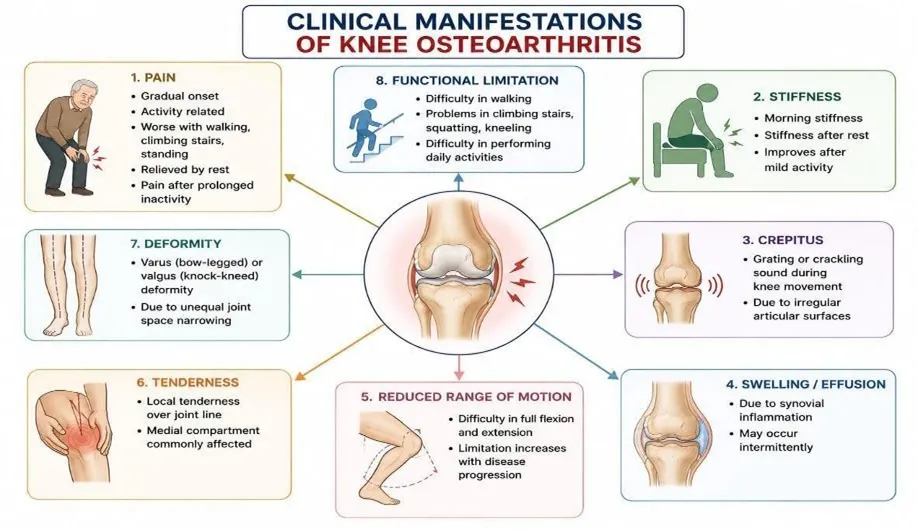
Figure 1: Clinical Manifestations of KOA
Knee osteoarthritis commonly presents with progressive joint pain, stiffness, and reduced physical function. With advancing disease severity, these manifestations increasingly interfere with mobility, routine activities, and health related quality of life [11,12].
1. Knee Pain: Pain is the most characteristic symptom of knee osteoarthritis. It usually becomes more evident during load-bearing activities and generally improves with rest [13].
2. Joint stiffness: Patients commonly report stiffness in the affected knee, particularly after prolonged inactivity or immediately after waking in the morning. In most cases, morning stiffness is short-lasting and gradually improves with movement [14].
3. Swelling: Inflammation within the joint may lead to swelling around the knee. Synovial irritation and accumulation of joint fluid contribute to joint enlargement and discomfort [15].
4. Crepitus: Crepitus refers to a grinding, cracking, or popping sensation felt during joint movement [16]. It occurs due to roughened cartilage surfaces and friction between joint structure.
5. Reduced Range of Motion: Progressive cartilage degeneration and joint stiffness can limit knee movement. Patients may find difficulty bending or fully extending the knee joint [12].
6. Muscle Weakness: Weakness of the quadriceps and surrounding muscles commonly occurs due to pain, reduced activity, and joint instability. Muscle weakness further worsens functional limitation [17].
7. Joint Tenderness: The knee joint may become tender on palpation due to inflammation and structural damage within the joint tissues [15].
8. Difficulty in Walking: Progressive pain, stiffness, and reduced joint function make walking increasingly difficult. Patients often experience difficulty ascending stairs, standing up from a seated position, or performing routine daily activities [11].
9. Joint Deformity: In advanced diseases, continuous cartilage loss and remodelling of the underlying bone may produce deformities such as varus or valgus alignment of the knee, leading to further impairment of joint function [12].
10. Functional Disability: Chronic pain and reduced mobility may interfere with activities of daily living, occupational tasks, sleep, and social participation, leading to reduced quality of life [11].
1.2 PATHOPHYSIOLOGY
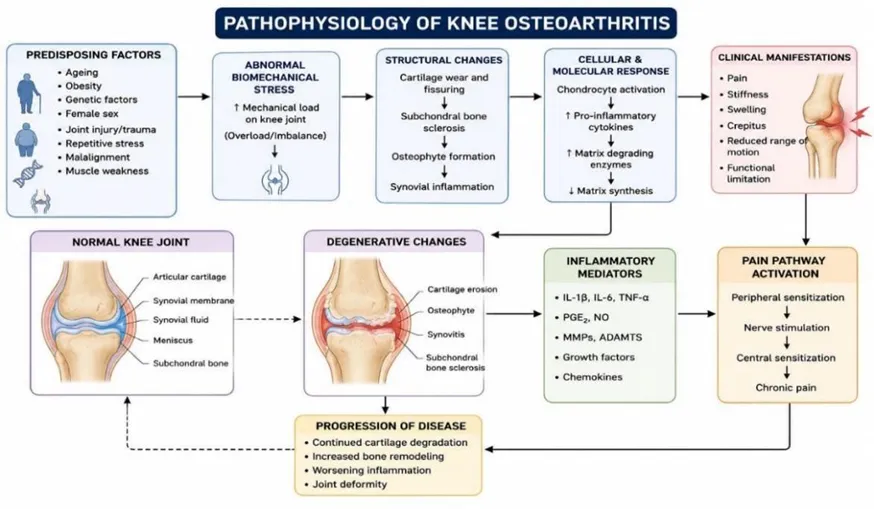
Figure 2: Pathophysiology of Knee Osteoarthritis
Knee osteoarthritis arises as a result of disruption of the balance between cartilage breakdown and reparative processes with in the joint. Aging, obesity, trauma, inflammation and genetic factors enhances mechanical loading on the knee joint and trigger tissue injury. Articular cartilage progressively loses its resilience and mechanical integrity, making it more vulnerable to wear and tear. Damaged cartilage stimulates chondrocytes and synovial cells to release inflammatory cytokines and degradative enzymes. Release of inflammatory mediators such as interleukin-1β, tumor necrosis factor-α, matrix metalloproteinase accelerates cartilage destruction and joint inflammation. Collagen fibers and proteoglycans within the cartilage matrix are progressively broken down, reducing cartilage strength and shock-absorbing capacity. Continuous degeneration leads to cartilage erosion, exposing underlying bone surfaces. Due to increased mechanical stress, exposed bone becomes thickened and hardened causing subchondrial sclerosis and cyst formation this leads to formation of osteophytes around the joint margins as a compensatory response to instability. Inflammation of the synovial membrane causes swelling of joint, edema and pain. Loss of cartilage decreases the space between bones that may increase friction during movement [11,17].
1.3 RISK FACTORS
1. Increasing age: As people grow older, there is a progressive loses of elasticity, hydration, and self-repair capacity within the articular cartilage, makes the knee joint more vulnerable to wear and tear. Elderly individuals experience reduced muscle strength and decreased, joint stability this may leads to disease progression [6,18].
2. Obesity: Obesity increases pressure on weight-bearing joint such as the knee. Excess body weight also promotes low-grade inflammation through the release of inflammatory mediators from adipose tissue, this may increase cartilage degeneration and worsening pain [13].
3. Female: Females are more prone to knee osteoarthritis than males, particularly occur after menopause. Hormonal changes in females may influence cartilage metabolism and bone health. Women also tend to have differences in joint alignment, muscle strength that may increase stress on the knee joint [19].
4. Previous knee injury or trauma: This can damage joint structures and alter joint function. Improper healing or instability followed by injury increases cartilage wear and tear and predisposes to early osteoarthritis development [20].
5. Sedentary lifestyle: Lack of regular physical activity weakens muscles surrounding the joint. Weakened muscles increases joint stress and decreases flexibility, making the knee more susceptible to degeneration [21].
6. Metabolic disorders: Certain metabolic disorders such as diabetes mellitus, dyslipidemia, hypertension, and metabolic syndrome may contribute to systemic inflammation, oxidative stress, and impaired cartilage metabolism contributes to joint degeneration [18,19].
1.4 STAGES
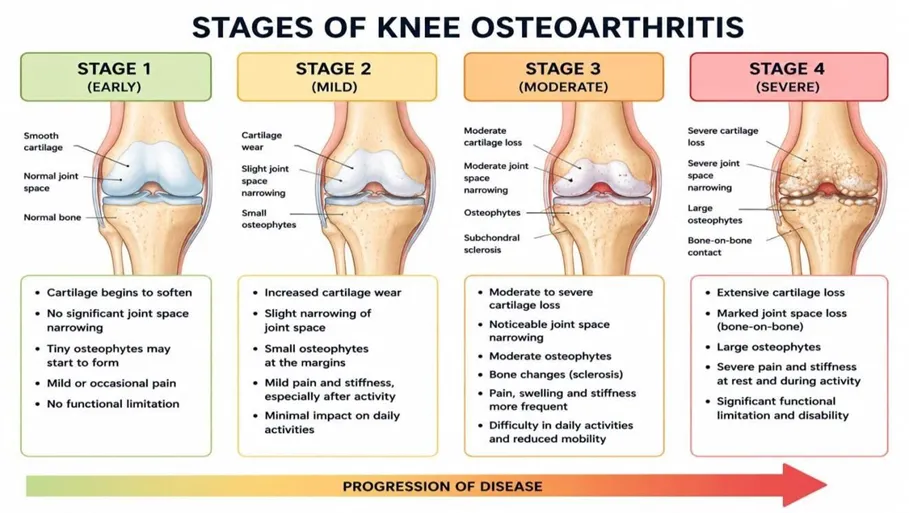
Figure 3: Stages of Osteoarthritis
Understanding the stages of the disease helps in selecting appropriate treatment strategies and preventing further progression.
1. Stage I – Early or Minor Osteoarthritis
In the early stage, there is minimal damage to the knee joint. Small osteophytes or bony growths may begin to develop, but the cartilage surface is usually preserved. Early lifestyle modification and exercise therapy may retard advancement of structural joint pathology [23,24].
Features:
2. Stage II – Mild Osteoarthritis
During this stage, cartilage degeneration becomes more noticeable and osteophyte formation increases. At this stage, non-pharmacological management and non-opioid analgesics are commonly recommended [25].
Features:
3. Stage III – Moderate Osteoarthritis
Moderate osteoarthritis is characterized by significant cartilage loss and increased joint inflammation. Pain becomes more frequent and daily activities may become difficult. Management usually requires a combination of pharmacological therapy, physiotherapy, rehabilitation, topical agents, NSAIDs, and intra-articular therapies [23,26].
Features:
4. Stage IV – Severe Osteoarthritis
This is the advanced stage of knee osteoarthritis in which extensive cartilage destruction occurs. Patients often experience considerable disability, and surgical procedures may be required when conservative treatment is no longer effective [13,27].
Features:
LIMITATIONS OF OPIOID THERAPY IN KNEE OSTEOARTHRITIS
Opioid analgesics for knee osteoarthritis may provide temporary relief in moderate to severe pain. Their long-term use is associated with several risks and limitation. These medications do not prevent disease progression and their effectiveness often decreases with prolonged use. Recent research suggests chronic opioid use may be linked to faster cartilage and meniscus loss over time. These medications do not modify disease progression, and their analgesic effectiveness often declines with prolonged treatment because of diminishing physiological responsiveness [28,29]. Extended opioid use features a propensity to induce physical reliance and, in some individuals, opioid use disorder, thereby increasing the risk of misuse and addiction. Recurrently documented secondary complications encompass nausea, vomiting, constipation, dizziness, drowsiness, cognitive impairment, respiratory depression, and sleep disturbances. Older adults are especially susceptible to these effects, that may contribute to confusion, falls, fractures, and reduced functional independence [30,51]. Opioid induced hyperalgesia is a condition that occurs due to prolonged opioid use which makes a person more sensitive to pain. This condition increases sensitivity to pain instead of reducing it, another limitation of opioid therapy [31]. KOA is a chronic condition which requires long-term treatment, so current clinical guidelines recommend minimizing opioid use and administering safer opioid-sparing therapeutic approaches that incorporates pharmacological as well as non-pharmacological interventions such as exercise therapy, physiotherapy, multimodal pain management strategies etc [8,32].
Opioid-Sparing Therapeutic Approaches
Opioid-sparing therapy involves the use of non-opioid medications that reduce reliance on opioid medications while effectively controlling pain. Use of alternative treatment modalities minimizes adverse effects and often progress recovery time. Opioid-sparing management involves a multidimensional therapeutic strategy that combines both pharmacological and non-pharmacological treatment [23,26].
Conceptual distribution of opioid-sparing strategies in knee osteoarthritis
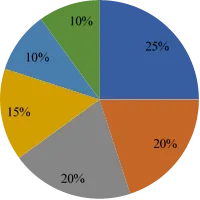
This pie chart provides a visual summary of the major components involved in opioid-sparing management of knee osteoarthritis.
Exercise Therapy (25%) represents the largest component, highlighting its central role in improving joint flexibility, muscle strength, balance, and functional ability. Exercise is widely recognized as a cornerstone of knee osteoarthritis management [33].
Physiotherapy (20%) emphasizes the purpose of structured rehabilitation techniques, including range-of-motion exercises, strengthening programs, gait training, and balance exercises, which help improve mobility and reduce disability [34].
Pharmacological Therapy (20%) includes non-opioid medications such as NSAIDs, acetaminophen, topical analgesics, duloxetine, and intra-articular therapies. These treatments help control pain while reducing dependence on opioid medications [35].
Weight Reduction (15%) highlights the benefits of maintaining a healthy body weight. Reducing excess weight decreases mechanical stress on the knee joint, thereby improving symptoms and slowing disease progression [19].
Rehabilitation Programs (10%) represent comprehensive interventions that combine exercise, education, and functional training to enhance independence and long-term treatment outcomes [36].
Assistive Devices and Other Measures (10%) include walking aids, knee braces, orthotic supports, lifestyle modifications, and supportive therapies that improve joint stability and reduce pain during daily activities [37,38].
Table 1: Opioid Sparing Strategies
|
Opioid-Sparing Strategy |
Examples |
Primary Benefit |
|
NSAIDs |
Diclofenac, Ibuprofen, Naproxen |
To ease swelling and physical Discomfort |
|
Topical analgesics |
Diclofenac gel, capsaicin |
Localized pain relief |
|
Serotonin-norepinephrine reuptake inhibitor |
Duloxetine |
Relief of musculoskeletal pain |
|
Intra-articular corticosteroids |
Triamcinolone |
Short-term reduction of Inflammation |
|
Visco supplementation |
Hyaluronic acids |
Improves joint lubrication and shock absorption |
|
Weight reduction |
Dietary and life style Modifications |
Reduces mechanical stress in the joint |
|
Exercise therapy |
Aerobic and Strengthening Exercises |
Improves mobility, muscular strength, and function |
|
Assistive devices |
Knee braces, Walking aids, Orthotic support |
Improves stability and reduces pain during movement |
|
Physiotherapy |
Range-of-motion and balance exercises |
Enhances joint function and physical performance |
|
Rehabilitation programs |
Multidisciplinary rehabilitation approach |
Improves functional independence and daily living vitality |
3.1 Non-Pharmacological Treatment
Non-pharmacological treatment is considered a fundamental component in knee osteoarthritis management and is often recommended as the first-line approach for symptom control. These interventions focus on reducing pain, joint mobility improvement, strengthen muscles, enhance physical function, and slow disease progression without depending entirely on medications. Non-pharmacological strategies are especially important in opioid-sparing management because they help minimize long-term analgesic use and related adverse effects. Non-pharmacological treatment forms the foundation of comprehensive knee osteoarthritis management and works effectively alongside pharmacological therapy to improve pain relief, mobility, and overall patient outcomes [21,34].
Excess bodyweight may increase pressure on the knee joint during walking and daily activities. By reducing body weight, we can reduce mechanical strength on the joint, improves joint mobility and reduces pain [18].
Regular exercises helps maintain joint flexibility, strengthen the muscle surrounding the knee, enhance balance, reduce stiffness and improves overall physical function. Commonly recommended exercises include aerobic exercises, stretching exercises, quadriceps strengthening exercises, resistance training, water-based training [16,33].
Supportive devices like walking sticks, knee braces, supportive footwear, orthotic shoe inserts, walkers etc, help reduce stress on the knee joint and improve stability during movement. All these devices may improve balance and decrease pain during walking [34].
Physiotherapy plays a major role in improving joint function and reducing disability. Techniques used in physiotherapy include muscle strengthening, range-of-motion exercise, balance exercises, manual therapy [34]. Physiotherapists design rehabilitation programs focus on strengthening muscles, correcting posture, improving gait and increasing joint mobility.
Mind body therapies may improve flexibility, muscle strength, posture and mental well-being. Regular participation may also reduce pain perception, improve physical function, and enhance overall quality of life [39,40].
Heat therapy may reduce joint stiffness and muscle pain while cold therapy helps decrease inflammation and swelling. Both methods provide temporary symptomatic relief and may be used as supportive treatments alongside other therapeutic interventions [15].
Patients who involved in activities requiring prolonged standing, squatting, kneeling or heavy lifting may need modifications in daily activities or working place to reduce joint strain. Regular rest periods and modification of physically demanding tasks help prevent joint overuse, reduce inflammation, and improve the ability of patients to perform daily occupational activities comfortably [44].
Early rehabilitation may delay disease progression and reduce functional disability. Rehabilitation programs combine exercise, physiotherapy, education and functional training to improve independence and physical performance. Regular rehabilitation supports opioid-sparing pain management by improving functional recovery and decreasing dependence on long -term analgesic therapy [41,42].
3.2 Pharmacological Treatment
Pharmacological therapy is an integral therapeutic component of KOA and is principally directed toward attenuating pain, restoring articular function, controlling pain, and improving the patients’ health-related functional status. The main objective of pharmacological management is to minimize adverse effects and improving patient comfort. Based on age, severity of pain, comorbidities, degree of inflammation and response to previous treatment, medications to be used are selected. Commonly prescribed drugs include acetaminophen, nonsteroidal anti-inflammatory drugs, topical analgesics, duloxetine, intra-articular corticosteroids, hyaluronic acid injections, and supportive enzyme preparations such as trypsin-chymotrypsin. Weak opioid combinations such as tramadol-acetaminophen preparations may be used in selected patients for short-term management of moderate pain when other therapies are insufficient [22,35].
Most widely utilized pharmacological option for knee osteoarthritis. They help to reduce pain and inflammation within the joint by inhibiting cyclooxygenase enzyme and decreasing prostaglandin synthesis, that drive the pain and inflammation. Commonly used NSAIDs for knee osteoarthritis are etoricoxib, diclofenac, ibuprofen, naproxen. Prolonged use of NSAIDs may cause gastrointestinal irritation, renal impairment, bleeding disorders, and cardiovascular complications in elderly patient [23].
Topical medications like diclofenac gel, capsaicin cream, topical ketoprofen are particularly beneficial for patients who have poor tolerance to systemic NSAIDs. They provide localized pain relief by acting directly at the affected site with fewer systemic side effects. Topical agents reduce pain with minimal systemic absorption and fewer adverse effects compared to oral medications [43,44].
Central analgesic, commonly used for mild to moderate osteoarthritis pain. Acetaminophen acts mainly through central inhibition of pain pathways and produces analgesic and antipyretic effect. When drugs like NSAIDs are contraindicated, acetaminophen is used because it produces fewer gastrointestinal effects. However, excessive or prolonged use may result in liver toxicity, especially in individuals with pre-existing liver disease or chronic alcohol consumption [28,32].
Duloxetine is a serotonin–norepinephrine reuptake inhibitor (SNRI) that provides analgesic effects by modulating central pain pathways. It is particularly advantageous for patients with persistent musculoskeletal pain, central sensitization, or coexisting depression, especially when NSAIDs are ineffective or not well tolerated [45,46].
Corticosteroid injections used for short-term relief of severe pain and inflammation. Intra-articular corticosteroid injection is directly injected to the joint to reduce synovial inflammation and improve mobility temporarily. Corticosteroid injections may provide rapid but temporary symptom relief and improve joint movement This injection should be used cautiously because excessive use may contribute to cartilage damage [47].
Also known as Viscosupplementation that improves joint lubrication and shock absorption. Hyaluronic injection may relieve pain and improve joint mobility in selected patients with slight to moderate knee pain. Although these injections can temporarily improve joint function and mobility, repetitive usage should be strictly restricted because routine use can accelerate cartilage breakdown and joint trauma [26,47].
A proteolytic enzyme combination with anti-inflammatory and anti-edematous properties. Trypsin-chymotrypsin helps reduce pain, tissue swelling and inflammation by breaking down inflammatory proteins and promotes healing. Commonly used as supportive therapy along with analgesics and NSAIDs [48].
Platelet-rich plasma therapy involves the injection of concentrated platelets obtained from the patient’s own blood into the affected knee joint therapy is an autologous biologic treatment contains growth factors and bioactive proteins that may reduce inflammation and support tissue repair. This injection is increasingly being explored as regenerative treatment option in knee osteoarthritis management [49,50].
Weak opioid combinations, such as tramadol–acetaminophen formulations (e.g., Ultracet Semi), may be considered for short-term treatment of moderate-to-severe pain when satisfactory symptom control remains unattainable with non-opioid therapies. These agents act on central opioid receptors to modify pain perception. However, prolonged therapy is connected with addiction, tolerance, constipation, dizziness, sedation, respiratory depression, and a higher risk of misuse. Therefore, contemporary evidence-based recommendations advocate limiting their use to carefully selected patients and restricting the treatment whenever possible [31,51].
Multimodal analgesic therapy combines medications with different mechanisms of action to optimize analgesic efficacy while minimizing medication-associated adverse events. Depending on the patient's clinical condition, treatment may include NSAIDs, acetaminophen, topical analgesics, duloxetine, proteolytic enzyme preparations, and intra-articular therapies alongside non-pharmacological interventions. This integrated approach enhances pain relief, improves functional recovery, and supports long-term opioid-sparing management [23,35].
3.3 Guideline Recommendations and Treatment Algorithm
Contemporary clinical guidelines recommend a comprehensive and multimodal approach for knee osteoarthritis management. The main objectives of treatment are to reduce pain, preserve joint function, maintain mobility, and enhance the patients’ health-related functional wee-being. Professional organizations, including the American College of Rheumatology (ACR), Osteoarthritis Research Society International (OARSI), European Alliance of Associations for Rheumatology (EULAR), and the European Society for Clinical and Economic Aspects of Osteoporosis, Osteoarthritis and Musculoskeletal Diseases (ESCEO), recommend integrating pharmacological and non-pharmacological interventions according to disease severity, clinical presentation, and individual patient characteristics [3,4]. Current recommendations identify non-pharmacological interventions as the cornerstone of treatment and advise their implementation in all patients irrespective of disease stage. Patient education and self-management programs are encouraged because they improve disease awareness, treatment adherence, and participation in long-term care. Exercise therapy, including aerobic, strengthening, flexibility, and balance exercises, is strongly recommended because it reduces pain, improves joint function, and enhances physical performance. Physiotherapy, rehabilitation programs, and assistive devices may further improve mobility, stability, and independence in daily activities [36,38]. When symptoms remain inadequately controlled despite appropriate non-pharmacological management, pharmacological treatment may be introduced. Topical NSAIDs are commonly recommended as first-line pharmacological therapy because they provide effective analgesia with fewer systemic adverse effects. Acetaminophen may be considered for selected patients with mild pain, whereas duloxetine may be beneficial for individuals with persistent chronic pain or central pain sensitization. Intra-articular corticosteroid injections can provide temporary relief during acute exacerbations, while hyaluronic acid injections may be considered for carefully selected patients who continue to experience symptoms despite conservative treatment [9,46]. A key feature of contemporary guidelines is the emphasis on minimizing opioid exposure. Long term opioid therapy is generally discouraged because the potential risks including dependence, tolerance, cognitive impairment, falls, and other treatment-related complications. Consequently, opioids should be reserved for exceptional circumstances in carefully selected patients when alternative therapeutic options are ineffective, contraindicated, or unavailable [30,51]. Patients who continue to experience significant pain, progressive functional limitation, and impaired quality of life despite optimal conservative treatment may require surgical evaluation. Surgical procedures, including osteotomy, unicompartmental knee arthroplasty, and total knee arthroplasty, may be considered according to disease severity, structural joint damage, and patient-specific factors. The overall treatment pathway recommended by current guidelines promotes a stepwise progression from lifestyle modification and rehabilitation to pharmacological therapy and, when necessary, surgical intervention while maintaining an opioid-sparing treatment philosophy throughout the continuum of care [22,24].
Knee Osteoarthritis
↓
Clinical Assessment and Evaluation of Disease Severity
↓
Patient Education and Self-Management
↓
Exercise Therapy + Weight Reduction + Physiotherapy
↓
Persistent Symptoms
↓
Topical NSAIDs
↓
Oral NSAIDs / Acetaminophen / Duloxetine
↓
Inadequate Symptom Control
↓
Intra-Articular Corticosteroid or Hyaluronic Acid Injection
↓
Persistent Functional Limitation and Advanced Disease
↓
Surgical Evaluation and Management
↓
Opioid Therapy Only in Carefully Selected Patients and for Limited Duration Flow Chart 1: Guideline-Based Treatment Algorithm
3.4 SURGICAL MANAGEMENT
When conservative treatments fail to provide adequate pain relief or functional improvement in knee osteoarthritis patients, surgical management is considered. Surgical intervention is considered for patients with knee osteoarthritis who continue to experience severe pain, progressive functional impairment, and poor quality of life despite receiving appropriate conservative treatment. The choice of procedure depends on several factors, including the patient's age, extent of joint damage, level of physical activity, and overall health status. Although surgical treatment can provide substantial improvement in pain and function, potential complications such as infection, prosthesis loosening, thromboembolic events, joint stiffness, and persistent pain should be considered. Careful patient selection, proper surgical technique, and regular follow-up are important for achieving successful long-term outcomes [7,13].
Minimally invasive procedure used to diagnose and treat joint problems, a small camera and surgical instruments are inserted into the knee joint through small incisions. It may be used to remove loose cartilage fragments. Repair meniscal injuries or clean the joint surface. As it does not stop disease progression, arthroscopy is not recommended solely for degenerative joint disease [12,27].
Also known as unicompartmental knee arthroplasty, is performed when osteoarthritis affects only one compartment of the knee. Only damaged portion of the joint is replaced with an artificial implant while preserving healthy bone and ligaments. Several advantages of this procedure include faster recovery, smaller surgical incision. Better joint mobility, reduced blood loss [13].
Osteotomy is a joint-preserving surgical procedure in which the bone is cut and realigned to redistribute mechanical load away from the damaged compartment of the knee. This surgery can alleviate pain, enhance joint function, and postpone the requirement for knee arthroplasty, particularly in younger and more active patients [6,12].
Total knee arthroplasty is recognized as the standard definitive operative intervention for end stage knee osteoarthritis associated with severe pain, marked joint deformity, significant functional limitation, and failure of conservative therapy. In this procedure, damaged cartilage and bone surfaces are removed and replaced with artificial prosthetic components made of metal and polyethylene. Total knee replacement can significantly improve pain, mobility and quality of life [13,47].
DISCUSSION
Hunter and Bierma-Zeinstra described knee osteoarthritis as a progressive joint disorder characterized by structural degeneration, chronic pain, and functional impairment that substantially affect daily functioning. Their review emphasized that the increasing prevalence of osteoarthritis has created a growing demand for effective long-term management strategies [5]. Kolasinski et al. highlighted the importance of non-pharmacological interventions as the cornerstone of osteoarthritis management. The authors emphasized that exercise therapy, weight management, self-management programs, and patient education demonstrated beneficial effects on reducing symptoms and improving physical function. Their recommendations reflect a shift toward patient-centered care and support the use of opioid-sparing approaches as part of routine clinical practice [10].
Bannuru et al. reported that treatment should be individualized according to disease severity, patient characteristics, and associated comorbidities. Their recommendations supported the integration of multiple therapeutic modalities to achieve optimal pain relief and functional improvement. They suggested that combining pharmacological and non-pharmacological therapies provides more improvement than relying on a single treatment modality [23].
Arden et al. reviewed international clinical guidelines and found considerable agreement regarding the importance of exercise therapy, weight management, and appropriate pharmacological treatment. Their findings demonstrated that multimodal management strategies represent an effective approach for controlling symptoms while minimizing the risks associated with long-term opioid use [9].
Fernandes et al. emphasized that non-pharmacological interventions remain essential components of osteoarthritis care. The authors reported that structured exercise programs, rehabilitation strategies, and lifestyle modifications contribute significantly to improvements in pain, mobility, and physical function. These findings may also abate the need for prolonged analgesic therapy and support long-term disease management. Fransen et al. findings indicate that consistent participation in structured physical activity helps maintain functional independence, reduces disability, and supports better long-term clinical outcomes in individuals with knee osteoarthritis [16].
Collectively, the reviewed literature suggests that opioid-sparing therapeutic approaches provide an effective and sustainable strategy for managing knee osteoarthritis. The integration of evidence-based pharmacological therapies with exercise, rehabilitation, weight management, and patient education appears to improve pain control while reducing reliance on opioid medications. Future studies should focus on personalized treatment strategies and emerging therapies that may further enhance long-term patient outcomes [37,42].
CONCLUSION
Knee osteoarthritis significantly affects physical function, mobility and overall quality of life. Although opioids were previously used for pain management, their prolonged use is associated with important risks including tolerance, dependence and other serious adverse effects. Opioid -sparing therapeutic approaches provide safer and more effective alternatives for managing osteoarthritis pain. Multimodal pain management plays a vital role in optimizing treatment outcomes because it targets multiple pain pathways simultaneously while minimizing medication-related adverse effects. Multimodal approach can significantly improve pain relief and functional outcomes. Advances in regenerative medicine, rehabilitation technologies and personalized therapeutic approaches may further improve the future management of knee osteoarthritis.
REFERENCES


Anagha Krishna R. S., Sushma S. A., Varshamary, Keerthi G. S. Nair*, Chintha Chandran, Shaiju S. Dharan, An Optimizing Pain Management in Knee Osteoarthritis Through Opioid-Sparing Therapeutic Approaches – A Review, Int. J. Med. Pharm. Sci., 2026, 2 (9), 621-634. https://doi.org/10.5281/zenodo.23015340
 10.5281/zenodo.23015340