

We use cookies to ensure our website works properly and to personalise your experience. Cookies policy
1Pharm D Student, Ezhuthachan College of Pharmaceutical Sciences, Neyattinkara, TVM, Kerala, India.
2Assistant Professor, Ezhuthachan College of Pharmaceutical Sciences, Neyattinkara, TVM, Kerala, India
3Principal / Head of Department of Pharmacy Practice, Ezhuthachan College of Pharmaceutical Sciences, Neyattinkara, TVM, Kerala, India.
Tacrolimus is a cornerstone immunosuppressive agent widely used in renal transplantation to prevent graft rejection. Its therapeutic application is challenged by a narrow therapeutic index and substantial interpatient variability in pharmacokinetics and pharmacodynamics. This variability can result in subtherapeutic exposure leading to acute rejection or supratherapeutic levels associated with nephrotoxicity and other adverse effects. The present review provides a comprehensive and critically synthesized evaluation of the determinants contributing to tacrolimus interpatient variability among kidney transplant recipients. Particular emphasis is placed on pharmacogenomic factors, especially polymorphisms in CYP3A5, which significantly influence tacrolimus metabolism and dose requirements. Additionally, drug transporters such as ABCB1 and other genetic variants are explored for their contributory roles. This review shows the impact of drug-drug interactions, formulation variability, adherence patterns, and environmental factors such as diet and lifestyle and importance of therapeutic drug monitoring in mitigating variability and improving clinical outcomes is emphasized. Emerging precision medicine approaches integrating pharmacogenomics with clinical decision-making are critically examined. This review underscores the necessity of a multifactorial and individualized approach to tacrolimus dosing. By integrating genetic, clinical, and environmental determinants, clinicians can enhance therapeutic efficacy, minimize toxicity, and improve long-term graft survival. Future perspectives include the incorporation of artificial intelligence and predictive modeling to optimize personalized immunosuppressive therapy.
Renal transplantation remains the preferred modality for patients with end-stage renal disease (ESRD), offering superior survival benefits, improved quality of life, and reduced long-term healthcare burden compared to maintenance dialysis. The advancement of surgical techniques, perioperative care, and especially immunosuppressive pharmacotherapy has markedly enhanced the graft survival. However, the long-term success of kidney transplantation is critically dependent on the optimal use of immunosuppressive agents to prevent immune-mediated graft rejection while minimizing drug-related toxicities [1].
Modern immunosuppressive regimens are typically based on a combination strategy involving calcineurin inhibitors (CNIs), antiproliferative agents, corticosteroids, and, in some cases, biologic agents such as monoclonal or polyclonal antibodies. Among these, calcineurin inhibitors - primarily tacrolimus and cyclosporine-form the backbone of maintenance immunosuppression due to their potent inhibition of T-cell - mediated immune responses. Despite the availability of multiple immunosuppressive classes, tacrolimus has progressively become the agent of choice in most renal transplant protocols owing to its superior efficacy in reducing acute rejection episodes and improving graft outcomes [1].
Tacrolimus, a macrolide lactone and a potent calcineurin inhibitor, exerts its immunosuppressive action by forming a complex with the FK506-binding protein (FKBP-12), which subsequently inhibits calcineurin phosphatase activity [1].
Achieving and maintaining optimal therapeutic concentrations is crucial, as subtherapeutic levels may predispose patients to acute or chronic rejection, whereas supratherapeutic exposure is associated with serious adverse effects such as nephrotoxicity, neurotoxicity, infections, and metabolic complications. This delicate balance necessitates careful dose individualization and rigorous therapeutic drug monitoring [2].
Polymorphisms in genes encoding drug-metabolizing enzymes, particularly cytochrome P450 3A5 (CYP3A5), have been consistently identified as major contributors to differences in tacrolimus metabolism. Individuals expressing functional CYP3A5 enzymes exhibit increased metabolic clearance and consequently require higher doses to achieve target concentrations, whereas non-expressers demonstrate reduced metabolism and higher systemic exposure at standard doses. Nevertheless, gene level variability alone does not fully explain the extent of interindividual differences observed in clinical practice [3].
Non-genetic factors further contribute significantly to tacrolimus disposition. Demographic characteristics influences the drug absorption and metabolism. Clinical variables, including hepatic function, gastrointestinal status, hematocrit levels, and post-transplant physiological alterations, also modulate tacrolimus pharmacokinetics. Additionally, treatment-related factors such as drug–drug interactions -particularly with CYP3A inhibitors or inducers—formulation differences (immediate vs. extended-release), and medication adherence patterns have substantial effects on systemic drug exposure [4].
Environmental and lifestyle-related influences add another layer of complexity to tacrolimus variability. Dietary components, notably grapefruit and related citrus products, can inhibit intestinal CYP3A enzymes and P-glycoprotein transporters, thereby increasing tacrolimus bioavailability. Similarly, inflammatory states, infections, and comorbid conditions can alter drug metabolism and distribution, further contributing to fluctuations in drug levels [5].
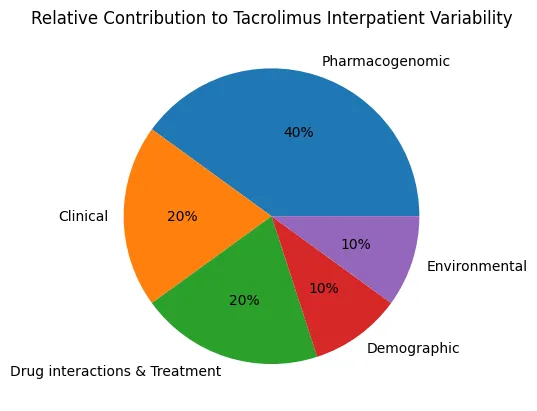
Chart 1: Determinants of Tacrolimus IPV
There is an increasing emphasis on adopting an individualized and precision-based approach to immunosuppressive therapy in renal transplantation. Integration of pharmacogenomic insights with clinical parameters and TDM has the power to minimize the dosing strategies, enhance graft survival, and reduce adverse outcomes. Emerging approaches, including model-informed precision dosing and artificial intelligence–based predictive systems, are expected to further refine individualized therapy [5].
By systematically integrating evidence from pharmacogenomic, clinical, and environmental domains, this article seeks to advance current understanding and support the development of precision-guided immunosuppressive strategies in transplant medicine [5].
METHODOLOGY
This review is based on a systematic and structured evaluation of existing literature focusing on tacrolimus pharmacokinetics, pharmacogenomics, and determinants of interpatient variability in renal transplant recipients. A detailed literature search was conducted using established biomedical databases, such as PubMed, Scopus, and Google Scholar.
Keywords included are “tacrolimus interpatient variability,” “CYP3A5 polymorphism,” “renal transplantation,” “pharmacogenomics,” “therapeutic drug monitoring,” and “drug interactions”. The selected studies included clinical trials, observational studies, and high-quality review. Only full-text articles published in English were included. Studies lacking sufficient clinical relevance or methodological clarity were excluded.
Data extraction focused on key determinants of tacrolimus variability, including genetic polymorphisms, demographic characteristics, clinical conditions, concomitant medications, and environmental influences and was categorized into pharmacogenomic, clinical, treatment-related, and environmental domains to facilitate a structured analysis.
Emphasis was placed on identifying consistent patterns, clinically significant associations, and areas of controversy or limited evidence. Particular attention was given to pharmacogenomic determinants and their implications for personalized medicine.
The review also incorporates emerging evidence on precision medicine approaches, including genotype-guided dosing strategies and predictive modeling techniques.
3. PHARMACOLOGICAL BASIS AND CLINICAL APPLICATIONS OF TACROLIMUS
Tacrolimus is a cornerstone immunosuppressive agent widely used in renal transplantation for the prevention of acute allograft rejection. It is a macrolide lactone antibiotic derived from Streptomyces tsukubaensis and has largely replaced cyclosporine in many transplant protocols due to its superior efficacy and improved graft survival outcomes. Tacrolimus is routinely administered as a combination immunosuppressive regimen that includes antiproliferative agents such as mycophenolate mofetil and corticosteroids, with or without induction therapy using biologic agents [1,2].
Clinically, tacrolimus is preferred for its potent T-cell specific immunosuppressive activity, which helps in preventing immune-mediated graft injury. It is used in both induction and maintenance phases of immunosuppression and is considered essential for minimizing acute rejection, mainly in early post-transplant period when immune activation is highest [2-4].
The main action of tacrolimus involves the inhibition of T-lymphocyte activation. Tacrolimus gets attached to the intracellular protein FK506-binding protein-12 (FKBP-12), forming a tacrolimus–FKBP complex which inhibits calcineurin, a calcium/calmodulin-dependent serine/threonine phosphatase that activates nuclear factor of activated T-cells (NFAT). Inhibition of calcineurin prevents dephosphorylation and nuclear translocation of NFAT, thereby suppressing the transcription of interleukin-2 (IL-2) and other cytokines necessary for T-cell proliferation and activation [1,3,5].
Through this targeted mechanism, tacrolimus effectively suppresses cell-mediated immune responses while exerting minimal effects on other immune pathways. However, this potent immunosuppressive action also causes infections and malignancies, necessitating careful therapeutic monitoring. Additionally, tacrolimus exhibits considerable variability in pharmacokinetics due to factors such as genetic polymorphisms, drug interactions, and physiological differences among the patients [4].
Overall, tacrolimus remains a critical component of modern immunosuppressive strategies in renal transplantation. Its clinical effectiveness, combined with its complex pharmacological profile, emphasis the role of individualized dosing and TDM to optimize clinical outcomes and minimize adverse effects.
4. AVAILABLE DOSAGE AND TREATMENT OPTIONS
Tacrolimus remains the cornerstone of maintenance immunosuppressive therapy following kidney transplantation because of its superior efficacy in reducing acute rejection compared with cyclosporine. However, its narrow therapeutic index and marked interpatient pharmacokinetic variability require individualized dosing guided by therapeutic drug monitoring (TDM). Recent evidence suggests that conventional body weight–based dosing alone is insufficient to achieve optimal drug exposure during the early post-transplant period, prompting increasing adoption of genotype-guided and model-informed dosing strategies [5].
Immediate-release tacrolimus is conventionally initiated at 0.10–0.20 mg/kg/day in two divided doses, whereas some transplant centers use doses up to 0.20–0.30 mg/kg/day in recipients with high immunological risk. Extended-release formulations, including prolonged-release tacrolimus and MeltDose® tacrolimus (LCPT), permit once-daily administration and have demonstrated improved adherence, lower peak-to-trough fluctuations, and comparable efficacy to immediate-release formulations. Nevertheless, conversion between formulations should be undertaken cautiously because they are not bioequivalent and require therapeutic drug monitoring [6].
Current maintenance immunosuppressive regimens generally combine tacrolimus with an antiproliferative agent, most commonly mycophenolate mofetil or enteric-coated mycophenolate sodium, together with corticosteroids. In patients at increased immunological risk, induction therapy with basiliximab or rabbit antithymocyte globulin is frequently incorporated into the treatment regimen. Selection of the optimal regimen depends on recipient characteristics, immunological risk, donor factors, comorbidities, and adverse-effect profiles.
Dose optimization is primarily achieved through therapeutic drug monitoring using predose (C₀) whole-blood concentrations. In most transplant programs, target trough concentrations during the first month range between 8–12 ng/mL, gradually decreasing to 5–8 ng/mL during the maintenance phase, although target ranges differ according to transplant center protocols, rejection risk, and concomitant immunosuppressive therapy. Recent evidence also suggests that area-under-the-curve (AUC)-guided monitoring may better reflect systemic tacrolimus exposure than trough concentrations alone and could improve long-term graft outcomes in selected patients [7].
Growing evidence supports individualized dosing algorithms incorporating CYP3A5 genotype, hematocrit, body composition, liver function, and concomitant medications to improve early attainment of therapeutic concentrations. These model-informed precision dosing approaches reduce exposure to subtherapeutic and supratherapeutic tacrolimus concentrations and represent an important step toward precision immunosuppressive therapy [8].
5. PHARMACOKINETICS OF TACROLIMUS
5.1. Absorption
Tacrolimus is administered orally and exhibits variable absorption due to its low and inconsistent bioavailability, typically ranging between 20% and 25%. This variability is largely attributed to first-pass metabolism in the intestinal mucosa and liver, primarily mediated by cytochrome P450 enzymes, mainly CYP3A4 and CYP3A5 [2]. Additionally, efflux transporters such as P-glycoprotein (encoded by ABCB1) further limit drug absorption by actively transporting tacrolimus back into the intestinal lumen.
Food intake significantly influences tacrolimus absorption. High-fat meals can delay gastric emptying and reduce the rate and extent of drug absorption, leading to fluctuations in drug levels. Consequently, consistent administration with respect to meals is recommended to maintain stable drug exposure [2].
5.2. Distribution
Tacrolimus is extensively distributed throughout the body and exhibits a high degree of plasma protein binding, primarily to albumin and α1-acid glycoprotein. It also demonstrates significant binding to erythrocytes, resulting in a high blood-to-plasma concentration ratio.
The distribution of tacrolimus is influenced by hematocrit levels, as these variations alter the apparent drug concentration in whole blood measurements. This factor is particularly relevant in transplant patients who often experience anemia or fluctuating hematological parameters post-transplantation [3].
5.3. Metabolism
Metabolism represents the most critical determinant of tacrolimus variability. Tacrolimus is extensively metabolized in the liver and intestine by CYP3A enzymes, predominantly CYP3A5 and CYP3A4. Among these, CYP3A5 polymorphism plays the main role in determining metabolic capacity.
Individuals expressing functional CYP3A5 (CYP3A51 allele carriers) exhibit increased enzymatic activity, leading to enhanced metabolism and lower dose-normalized trough concentrations. In contrast, individuals with non-functional alleles (CYP3A53/*3) demonstrate reduced metabolic activity and higher drug exposure [3].
5.4. Excretion
Tacrolimus is primarily excreted through the liver, with minimal renal elimination. Less than 1% of the given dose is excreted unchanged in urine. Therefore, renal function has a limited direct impact on tacrolimus clearance; however, renal impairment may indirectly influence drug pharmacokinetics through alterations in protein binding and metabolic processes [2,3].
5.5. Therapeutic Drug Monitoring
Besides its narrow therapeutic index and high variability, therapeutic drug monitoring (TDM) is essential for tacrolimus therapy. Trough concentrations (C0 levels) are routinely measured to guide dose adjustments. However, variability in pharmacokinetics necessitates frequent monitoring, especially during the early post-transplant period [2,3].
6. PHARMACOGENOMIC DETERMINANTS OF TACROLIMUS VARIABILITY
Variability in tacrolimus exposure has significant clinical consequences in the transplant subjects, due to the drug’s narrow therapeutic index and its critical role in maintaining adequate immunosuppression. Minimal drug exposure causes high chance of acute allograft rejection, whereas excessive exposure leads to a higher incidence of dose-dependent toxicities, including nephrotoxicity and neurotoxicity. Furthermore, variability in tacrolimus levels has been identified as an important predictor of clinical outcomes, influencing graft survival and overall transplant success, thereby underscoring the necessity for careful therapeutic drug monitoring and individualized dosing strategies [5]. Pharmacogenomics represents the most critical and extensively studied contributor to tacrolimus interpatient variability. Genetic polymorphisms affecting drug-metabolizing enzymes and transporters significantly influence tacrolimus pharmacokinetics, dose requirements, and clinical outcomes. Among these, variations in the cytochrome P450 enzyme system - particularly CYP3A5 have been consistently identified as the most influential determinants [6].
6.1. CYP3A5 Polymorphism: The Principal Determinant
The CYP3A5 enzyme has dominant role in metabolising tacrolimus, and genetic polymorphism in the CYP3A5 gene is widely recognized as the most significant contributor to interindividual variability in tacrolimus pharmacokinetics. Variations in CYP3A5 expression result in substantial differences in enzymatic activity among individuals, thereby directly influencing tacrolimus dose requirements. Individuals carrying at least one functional CYP3A5*1 allele (*1/*1 or *1/3) are classified as expressers, whereas those with the CYP3A53/*3 genotype are considered non-expressers due to the absence of functional enzyme expression [7]. Consequently, CYP3A5 expressers exhibit increased metabolic capacity, leading to more rapid clearance of tacrolimus and necessitating approximately 1.5–2 times higher doses to achieve therapeutic concentrations. In contrast, non-expressers demonstrate reduced metabolic activity, resulting in higher systemic drug exposure. This genotype-dependent variability is particularly critical in the early post-transplant period, where it significantly influences tacrolimus trough levels [8]. In addition to CYP3A5, CYP3A4 and ABCB1 further contribute to variability in drug disposition, thereby complicating dose optimization strategies [27–29]. The clinical relevance of CYP3A5 polymorphism is underscored by recommendations from the Clinical Pharmacogenetics Implementation Consortium (CPIC), which advocate for genotype-guided dosing of tacrolimus as a key component of precision medicine [1].
6.2. CYP3A4 Polymorphism
Although CYP3A5 is the primary determinant, CYP3A4 also contributes to tacrolimus metabolism. The CYP3A422 allele causes reduced enzymatic activity, and thereby increased tacrolimus exposure.
Patients carrying reduced-function CYP3A4 needs lower doses due to decreased metabolic clearance. However, the overall impact of CYP3A4 polymorphism is less pronounced compared to CYP3A5 [9].
6.3. ABCB1 (P-glycoprotein) Polymorphism
The ABCB1 gene encodes P-glycoprotein (P-gp), a crucial efflux transporter involved in the absorption, distribution, and excretion of tacrolimus. Genetic polymorphisms within ABCB1, particularly C3435T, G2677T/A, and C1236T, have been shown to influence transporter expression and functional activity, thereby affecting tacrolimus pharmacokinetics. These polymorphisms may alter intestinal drug efflux, leading to variability in oral bioavailability, as well as modify drug distribution across physiological barriers such as the blood–brain barrier. As a result, alterations in P-gp activity can influence both systemic exposure and tissue-specific accumulation of tacrolimus, potentially contributing to variability in therapeutic response and toxicity. Therefore, ABCB1 is generally considered to play a modulatory rather than a primary role in determining tacrolimus pharmacokinetic variability [10].
6.4. Other Genetic Determinants
The P450 oxidoreductase (POR) gene, which encodes an essential electron donor for CYP450 enzymes, can modulate CYP3A activity, with certain variants either enhancing or reducing tacrolimus metabolism. Similarly, the nuclear receptor NR1I2, also known as the pregnane X receptor, regulates the expression of CYP3A enzymes, and genetic variations in this receptor may indirectly affect tacrolimus metabolic capacity. Furthermore, polymorphisms in cytokine-related genes such as IL-10 and transforming growth factor-beta (TGF-β) may influence immune response and thereby impact pharmacodynamic outcomes, including the risk of graft rejection. Although these genetic determinants offer promising insights into individualized therapy, their clinical utility remains limited due to inconsistent evidence and a lack of standardized implementation in routine practice [11].
6.5. Ethnic Variability in Pharmacogenomics
The distribution of pharmacogenetically relevant polymorphisms, particularly those affecting CYP3A5 expression, contributing to population-specific differences in tacrolimus pharmacokinetics. African populations exhibit a higher prevalence of the CYP3A51 allele, resulting in a greater proportion of expressers who typically require higher tacrolimus doses. In contrast, Caucasian populations predominantly carry the CYP3A53/*3 genotype, leading to reduced enzyme expression and lower dose requirements. Asian populations demonstrate an intermediate distribution of these alleles, reflecting corresponding variability in dose needs. This ethnic diversity in genetic makeup underscores the importance of individualized dosing strategies and highlights the limitations of a one-size-fits-all approach to tacrolimus therapy [12].
6.6. Clinical Implementation of Pharmacogenomics
Despite strong evidence supporting the role of pharmacogenomics in optimizing tacrolimus therapy, its routine clinical implementation remains limited. The absence of universally standardized genotype-guided dosing protocols and variability in therapeutic drug monitoring practices continue to hinder consistent clinical application [1, 26]. Additionally, inter-center variability and differences in clinician awareness further contribute to inconsistent utilization in routine transplant care [26, 32]. Nevertheless, the integration of pharmacogenomic data into clinical decision-making is gradually increasing, particularly in specialized transplant centers adopting precision medicine approaches to improve patient outcomes [30, 32].
7. CLINICAL DETERMINANTS OF TACROLIMUS VARIABILITY
7.1. Hepatic Function
Hepatic function is a critical determinant of tacrolimus pharmacokinetics, as the liver serves as the primary site of drug metabolism via CYP3A enzymes. Impairment in hepatic function can significantly reduce metabolic clearance, leading to increased systemic exposure and a heightened risk of toxicity. Patients with liver dysfunction often exhibit prolonged tacrolimus half-life and require careful dose adjustments to prevent adverse effects. Consequently, close therapeutic drug monitoring is essential in this population to ensure safe and effective immunosuppression [13].
7.2. Gastrointestinal Factors
Tacrolimus absorption is highly dependent on gastrointestinal integrity and function, making it susceptible to variability arising from gastrointestinal conditions. Factors such as diarrhea can increase drug absorption by reducing intestinal metabolism and transit time, while inflammatory conditions may alter intestinal permeability and drug uptake. Additionally, post-transplant changes in gut physiology can further contribute to unpredictable fluctuations in tacrolimus levels. These factors collectively highlight the importance of considering gastrointestinal status when interpreting drug levels and adjusting therapy [14].
7.3. Hematocrit and Protein Binding
Tacrolimus exhibits extensive binding to erythrocytes and plasma proteins, and variations in hematocrit and protein levels can significantly influence measured drug concentrations. Low hematocrit levels may result in disproportionately elevated plasma concentrations, potentially leading to misinterpretation of therapeutic drug monitoring results. Similarly, hypoalbuminemia can alter the free fraction of the drug, affecting both efficacy and toxicity. These factors complicate the accurate assessment of tacrolimus exposure and necessitate careful clinical interpretation [15].
7.4. Comorbid Conditions
Comorbid conditions influence the modulation of tacrolimus pharmacokinetics and pharmacodynamics. Diseases such as diabetes mellitus can alter metabolic pathways, while infections affect CYP enzyme activity by inflammatory responses. Renal dysfunction, although not directly involved in tacrolimus elimination, can indirectly influence drug disposition through physiological changes. These conditions necessitate individualized dose adjustments and close monitoring to maintain optimal therapeutic outcomes [16].
8. DEMOGRAPHIC DETERMINANTS
Variability in tacrolimus pharmacokinetics is strongly influenced by patient characteristics, like age, liver function, hematological parameters, and coexisting diseases. Moreover, distinct physiological differences in special populations such as children and older adults necessitate careful dose individualization to ensure optimal therapeutic efficacy and safety [17].
8.1. Age
Age is a significant determinant of tacrolimus pharmacokinetics due to age-related physiological changes. Paediatric patients generally exhibit higher metabolic rates, resulting in increased drug clearance and the need for higher weight-adjusted doses, whereas elderly patients often demonstrate reduced metabolic capacity, leading to increased systemic exposure and a higher risk of adverse effects. These differences necessitate age-specific dosing strategies to ensure safe and effective therapy [6, 7, 32].
8.2. Sex
Sex-related differences in drug metabolism may influence tacrolimus pharmacokinetics, primarily due to variations in CYP enzyme activity and hormonal regulation. However, current evidence regarding the impact of sex on tacrolimus disposition remains inconsistent, and its clinical significance is not yet fully established [7, 32].
8.3. Body Composition
Body composition, including factors such as obesity and lean body mass, can influence the pharmacokinetics of tacrolimus. Obesity alters the volume of distribution, and variations in lean body mass alters drug clearance. As a result, reliance solely on weight-based dosing may be insufficient, emphasizing the importance of therapeutic drug monitoring to guide individualized dosing strategies [17].
9. DRUG–DRUG INTERACTIONS
9.1. CYP3A Inhibitors (Increase Tacrolimus Levels)
Drug–drug interactions involving CYP3A inhibitors represent a major contributor to increased tacrolimus exposure. Tacrolimus is extensively metabolized by CYP3A4 and CYP3A5 enzymes; therefore, co-administration with inhibitors of these enzymes can markedly reduce its metabolic clearance. Common inhibitors, including azole antifungals (such as voriconazole and ketoconazole), macrolide antibiotics (such as erythromycin and clarithromycin), and calcium channel blockers (such as diltiazem and verapamil), significantly decrease CYP3A-mediated metabolism, leading to elevated whole-blood tacrolimus concentrations. Consequently, careful therapeutic drug monitoring and appropriate dose adjustments are essential when such combinations are prescribed [6, 26, 33].
9.2. CYP3A Inducers (Decrease Tacrolimus Levels)
Conversely, CYP3A inducers enhance the expression and activity of CYP3A enzymes, thereby accelerating tacrolimus metabolism and reducing systemic drug exposure. Potent inducers such as rifampicin, phenytoin, and carbamazepine can substantially decrease tacrolimus blood concentrations, often necessitating significant dose escalation to maintain therapeutic levels. The onset and offset of enzyme induction may also vary depending on the inducing agent, further complicating dose optimization. Therefore, early recognition and proactive management of such interactions, including close monitoring of trough levels and timely dose modification, are essential to ensure graft survival and therapeutic efficacy [6, 26, 32].
9.3. Interaction with Herbal Products
Herbal products and dietary components can significantly influence tacrolimus pharmacokinetics, often in unpredictable and clinically significant ways. Among these, St. John’s Wort is a well-recognized potent inducer of CYP3A enzymes and P-glycoprotein, leading to enhanced metabolism and reduced systemic exposure of tacrolimus. In contrast, grapefruit juice acts as a mechanism-based inhibitor of intestinal CYP3A4, resulting in decreased first-pass metabolism and markedly increased tacrolimus bioavailability, thereby predisposing patients to concentration-dependent toxicities such as nephrotoxicity and neurotoxicity.
In addition to these well-characterized interactions, other herbal supplements and dietary factors may also modulate tacrolimus disposition through effects on drug-metabolizing enzymes and transporters, although the extent and consistency of these interactions remain less clearly defined. A major clinical concern is that patients often do not report the use of herbal products, and such interactions may therefore go unrecognized in routine clinical practice. Given the narrow therapeutic index of tacrolimus, even modest alterations in drug exposure causes graft function and patient safety. Therefore, it is essential to incorporate thorough medication history-taking, including herbal and dietary intake, along with vigilant therapeutic drug monitoring and patient education [18].
9.4. Polypharmacy in Transplant Patients
Transplant recipients commonly receive multiple medications, increasing the risk of:
Clinical pharmacist involvement is crucial in managing these interactions.
9.5. Formulation-Related Variability
Differences in tacrolimus formulations, particularly between immediate-release and prolonged-release preparations, can significantly influence pharmacokinetic variability. Extended-release formulations causes reduced fluctuation in drug levels and improved adherence, thereby enhancing therapeutic stability [33,37].
10. ENVIRONMENTAL AND LIFESTYLE FACTORS
Environmental influences further contribute to tacrolimus variability.
10.1. Diet
Dietary factors play a significant yet often underrecognized role in influencing tacrolimus pharmacokinetics, primarily by affecting drug absorption and presystemic metabolism. The foods, particularly high-fat meals, can delay gastric emptying rate of tacrolimus absorption, thereby altering peak concentration (Cmax) and time to reach peak levels (Tmax). Although the overall extent of absorption may not always be significantly reduced, such variability can contribute to fluctuations in drug exposure, especially in patients requiring tightly controlled therapeutic levels. More importantly, grapefruit juice has been extensively documented as a potent inhibitor of intestinal CYP3A4 and P-glycoprotein, leading to a substantial increase in tacrolimus bioavailability by reducing first-pass metabolism. This interaction is clinically significant, in supratherapeutic drug concentrations and increase the risk of concentration-dependent toxicities, including nephrotoxicity and neurotoxicity. Despite strong mechanistic evidence, this interaction differ between individuals, reflecting underlying genetic and physiological differences [6, 26].
In addition to dietary components, herbal supplements represent a critical but frequently overlooked source of pharmacokinetic variability. Certain herbal products can modulate drug-metabolizing enzymes and transporters, either through induction or inhibition, thereby altering tacrolimus exposure. However, the clinical impact of many herbal interactions remains inconsistent due to variability in composition, dosing, and patient-specific factors. A major challenge in clinical practice is the underreporting of herbal supplement use by patients, which can lead to unrecognized interactions and unpredictable alterations in drug levels. Given the narrow therapeutic index of tacrolimus, even minor, unmonitored changes in exposure underscores the importance of comprehensive patient history-taking and education [6, 30].
10.2. Medication Adherence
Medication adherence is a critical determinant of tacrolimus pharmacokinetic variability and overall transplant outcomes. Non-adherence, whether intentional or unintentional, can lead to significant intra-patient variability in drug concentrations, resulting in alternating periods of subtherapeutic exposure and potential toxicity. Subtherapeutic levels causes increased risk of acute graft rejection, whereas inconsistent dosing may also predispose patients to immune activation and long-term graft dysfunction. Importantly, variability arising from non-adherence may mimic pharmacokinetic variability due to biological factors, thereby complicating clinical interpretation and management. Therefore, ensuring adherence through patient education, regular monitoring, and supportive interventions remains a cornerstone of effective immunosuppressive therapy [26, 32].
10.3. Lifestyle Factors
Lifestyle factors, including smoking and alcohol consumption, further contribute to inter- and intra-patient variability in tacrolimus disposition. Smoking has been shown to induce CYP enzymes, particularly CYP1A2, and may indirectly influence CYP3A activity, potentially leading to reduced tacrolimus concentrations in chronic smokers. Conversely severe alcohol intake damages hepatic function, thereby altering the metabolic capacity of CYP3A enzymes and contributing to unpredictable drug exposure. These lifestyle-related influences are often multifactorial and may interact with genetic and environmental determinants, further complicating dose optimization. Although the quantitative impact of these factors may vary, their consideration is essential in individualized therapy, particularly in patients demonstrating unexplained variability in tacrolimus levels [6, 7, 32].
11. THERAPEUTIC DRUG MONITORING (TDM)
TDM is an indispensable component in the management of tacrolimus therapy due to its narrow therapeutic index and pronounced interpatient variability. The primary objective of TDM is to maintain drug concentrations within a defined therapeutic window that ensures adequate immunosuppression while minimizing toxicity [19].
Tacrolimus exposure is most commonly assessed using trough concentrations (C₀ levels), measured just before the next dose. However, reliance solely on trough levels may not fully capture the pharmacokinetic complexity of tacrolimus [20].
11.1. Target Concentrations
Target tacrolimus concentrations vary to several critical clinical factors, time elapsed since transplantation, the immunological risk profile of the recipient, and the type of transplanted organ. In the early post-transplant period, higher target drug levels are typically required to ensure adequate immunosuppression, and reduce acute rejection, as this phase is characterized by heightened immune activation. As the patient progresses into the maintenance phase, target concentrations are generally reduced to lower the risk of long-term toxicities, including nephrotoxicity and metabolic complications, while still maintaining sufficient immunosuppressive efficacy.
Additionally, patients with higher immunological risk—such as those with prior sensitization, donor-specific antibodies, or previous transplant rejection—may require relatively higher target levels compared to low-risk individuals. The type of transplanted organ also influences dosing strategies, as different organs exhibit varying susceptibility to rejection and differing pharmacokinetic considerations. Consequently, tacrolimus therapy necessitates a dynamic and individualized approach, with dose adjustments guided by therapeutic drug monitoring and evolving clinical parameters to achieve an optimal balance between efficacy and safety [21,26,34].
11.2. Limitations of TDM
Trough concentrations (C₀ levels), which are routinely used in clinical practice, do not consistently correlate with the total systemic drug exposure (area under the concentration–time curve, AUC) in certain patient populations. Furthermore, variability in hematocrit levels influence the measured whole-blood concentrations of tacrolimus, thereby affecting the accuracy of interpretation. In addition, conventional TDM approaches fail to account for underlying pharmacogenomic differences, particularly genetic polymorphisms affecting drug metabolism, which contribute substantially to interpatient variability. Collectively, these limitations underscore the need for more refined, personalized monitoring strategies to optimize tacrolimus therapy and improve transplant outcomes [21].
11.3. Emerging Monitoring Approaches
Emerging therapeutic drug monitoring strategies for tacrolimus are increasingly focused on enhancing dosing precision and individualization. AUC-based monitoring provides a more accurate representation of systemic drug exposure compared to conventional trough concentration measurements [15]. In parallel, Bayesian forecasting models, supported by population pharmacokinetic approaches, enable individualized dose optimization using limited sampling strategies [25,35,36]. Furthermore, evolving monitoring frameworks emphasize the integration of pharmacogenomic data to account for genetic variability in tacrolimus metabolism, thereby improving predictive accuracy and clinical outcomes [26,34]. Collectively, these advanced approaches offer superior precision and are gaining increasing importance in contemporary transplant pharmacotherapy.
11.4. Advanced Therapeutic Drug Monitoring Approaches
Emerging approaches to therapeutic drug monitoring include population pharmacokinetic modeling and Bayesian forecasting, which allow for individualized dose optimization based on patient-specific parameters. These advanced methods provide a more accurate estimation of systemic drug exposure compared to conventional trough-based monitoring [35,36,39].
12. CLINICAL OUTCOMES: REJECTION VS TOXICITY
Tacrolimus variability has direct and profound implications for clinical outcomes in renal transplant recipients.
12.1. Acute and Chronic Rejection
Subtherapeutic tacrolimus exposure is a major reason for:
High intrapatient variability has been identified as an marker of poor graft survival [22].
High intrapatient variability in tacrolimus exposure has emerged as a marker of poor graft outcomes, including increased risk of rejection and reduced graft survival. This variability is often attributed to inconsistent adherence, drug interactions, and physiological fluctuations, highlighting the need for continuous monitoring and individualized dose adjustments [22,32,38].
12.2. Tacrolimus-Induced Toxicity
Excessive tacrolimus causes dose-dependent adverse effects, primarily because of its narrow therapeutic index and potent immunosuppressive activity. Among these, nephrotoxicity remains the most common and clinically significant complication. It is predominantly mediated by afferent arteriolar vasoconstriction, leading to reduced renal blood flow, decreased glomerular filtration rate, and subsequent chronic tubular injury. Prolonged exposure may further contribute to interstitial fibrosis and progressive decline in renal function, particularly in transplant recipients requiring long-term therapy [23].
Neurotoxicity represents another important manifestation of tacrolimus toxicity and can vary in severity. Mild symptoms such as tremors, headache, and insomnia are frequently observed, whereas severe complications may include seizures, posterior reversible encephalopathy syndrome (PRES), confusion, and encephalopathy. These effects are thought to arise from alterations in cerebral vasoregulation and direct neurotoxic effects of elevated drug concentrations. In addition to renal and neurological complications, tacrolimus exposure is closely linked to metabolic disturbances. These include the development of post-transplant diabetes mellitus, primarily due to impaired pancreatic β-cell function and insulin secretion. Hypertension is also commonly observed and may result from renal vasoconstriction, sodium retention, and activation of neurohormonal pathways. Other metabolic abnormalities, such as dyslipidemia and electrolyte imbalances, may further contribute to long-term cardiovascular risk in transplant recipients [23].
Given these potential toxicities, maintaining an optimal balance between adequate immunosuppression and avoidance of adverse effects remains a critical challenge in tacrolimus therapy. This necessitates individualized dosing strategies, regular therapeutic drug monitoring, and careful assessment of patient-specific risk factors to ensure both graft survival and overall patient safety [23].
13. PRECISION MEDICINE AND ARTIFICIAL INTELLIGENCE
The integration of precision medicine into transplant pharmacotherapy represents a transformative advancement in managing tacrolimus variability. Incorporating genetic variability into tacrolimus dosing has significantly improved therapeutic precision and early attainment of target concentrations. Genotype-guided dosing strategies, particularly those based on CYP3A5 expression status [24,30]. Furthermore, integration of pharmacogenomic principles into routine clinical care represents a major advancement toward individualized immunosuppressive therapy.
13.1. Genotype-Guided Dosing
Incorporating CYP3A5 genotype into tacrolimus dosing algorithms has emerged as a key strategy to address interindividual pharmacokinetic variability and optimize therapeutic outcomes in transplant recipients. Genotype-guided dosing facilitates a more rapid attainment of target drug concentrations, particularly in CYP3A5 expressers who typically require higher initial doses due to increased metabolic clearance. This approach minimizes the trial-and-error adjustments commonly associated with conventional body weight–based dosing, thereby reducing the frequency and magnitude of dose modifications during the critical early post-transplant period [24].
Furthermore, by achieving therapeutic concentrations more consistently and earlier, genotype-based dosing contributes to improved early clinical outcomes. It also helps to limit periods of drug overexposure, thereby decreasing the likelihood of concentration-dependent toxicities. Clinical trials integrating pharmacogenomic information into dosing strategies significantly enhances therapeutic precision compared to standard approaches, supporting its role in personalized immunosuppressive therapy and precision medicine in transplantation [24].
13.2. Machine Learning and Predictive Models
Artificial intelligence (AI) and machine learning (ML) are increasingly being recognized as transformative tools in optimizing tacrolimus therapy. These advanced computational approaches enables individualized dose requirements by analyzing complex, non-linear relationships between patient-specific variables and drug pharmacokinetics [25].
A key application of these technologies lies in modeling pharmacokinetic variability, where machine learning algorithms incorporate diverse datasets. By integrating multi-parameter data—including genetic factors such as CYP3A5 polymorphisms, clinical variables like age, weight, organ function, and environmental influences such as drug–drug interactions—these models provide a more comprehensive and holistic framework for dose prediction. Importantly, AI-based approaches significantly reduce reliance on conventional trial-and-error dose adjustments, which are often time-consuming and associated with risks of under- or over-immunosuppression. By improving dosing accuracy and enabling early attainment of therapeutic drug levels, these models have the potential to improve outcomes, and support the broader implementation of precision medicine in transplantation. Emerging evidence suggests that such data-driven strategies outperform traditional methods, underscoring their growing relevance in modern immunosuppressive therapy [25].
13.3. Digital Health Integration
The integration of digital health technologies represents an emerging paradigm in the optimization of tacrolimus therapy and transplant care, with increasing emphasis on data-driven and patient-centered approaches. While conventional therapeutic drug monitoring remains the cornerstone of tacrolimus dose individualization, recent advances highlight the potential for enhanced monitoring strategies and predictive analytics. In particular, real-time or near–real-time drug level assessment, supported by evolving biosensor and point-of-care technologies, offers the possibility of improving the temporal resolution of pharmacokinetic monitoring beyond traditional intermittent sampling methods. Such advancements are especially relevant during the early post-transplant phase, where pharmacokinetic variability is pronounced and rapid dose adjustments are required to maintain therapeutic exposure.
In parallel, computational approaches, including population pharmacokinetic modeling and Bayesian forecasting, provide a robust framework for integrating patient-specific variables and predicting individualized dosing requirements. These methods enable the incorporation of clinical, biochemical, and pharmacogenetic data to reduce variability in drug exposure. Although wearable technologies and continuous adherence monitoring remain an evolving area with limited direct representation in current tacrolimus-specific literature, their conceptual integration into transplant care aligns with broader trends in digital health and precision medicine.
Collectively, the convergence of enhanced therapeutic drug monitoring techniques and advanced pharmacometrics modeling represent a more precise and individualized tacrolimus therapy. These approaches reduce reliance on empirical dose adjustments, improve early post-transplant outcomes, and support the transition toward a more proactive and data-driven model of transplant management [25,26,35,36,39].
14. CHALLENGES AND LIMITATIONS
Despite substantial advancements in the understanding and optimization of tacrolimus therapy, several important factors continue to hinder its full clinical potential. One barrier is the limited accessibility of pharmacogenomic testing, particularly in resource-constrained settings. Although genotype-guided dosing has demonstrated clear benefits in improving therapeutic precision, its routine implementation is restricted by infrastructure requirements, limited availability of rapid testing platforms. Advanced therapeutic drug monitoring techniques and emerging precision medicine tools poses a significant constraint. Technologies such as population pharmacokinetic modeling, Bayesian forecasting, and real-time monitoring systems, while promising, may not be widely accessible across all transplant centers due to economic and logistical considerations. This disparity contributes to unequal adoption of optimized dosing strategies and may ultimately affect patient outcomes [26].
Another critical limitation is the absence of universally standardized dosing algorithms. While numerous models and protocols have been proposed, variability in their design, validation, and clinical applicability has prevented the establishment of a consensus approach. This lack of standardization causes variability in clinical practices across transplant centers, including differences in monitoring frequency, target concentration ranges, and dose adjustment strategies [26].
Variations in ethnicity, genetic background, comorbid conditions, and concomitant medications contribute to inconsistent pharmacokinetic and pharmacodynamic responses, thereby limiting the generalizability of existing evidence. As a result, findings derived from controlled clinical studies may not always be directly [26].
DISCUSSION
Tacrolimus continues to be the cornerstone of maintenance immunosuppressive therapy in kidney transplantation; however, its clinical use remains challenging because of substantial interpatient variability in pharmacokinetics and pharmacodynamics. The evidence summarized in this review indicates that tacrolimus variability is not attributable to a single determinant but rather results from the complex interaction of pharmacogenomic, demographic, clinical, treatment-related, and environmental factors. Although CYP3A5 polymorphism remains the strongest genetic determinant influencing tacrolimus dose requirements, recent evidence suggests that genotype alone is insufficient to explain the marked variability observed in routine clinical practice. Clinical factors such as hematocrit, hepatic function, gastrointestinal disturbances, concomitant medications, and medication adherence continue to substantially influence tacrolimus exposure, emphasizing the need for a comprehensive individualized dosing strategy rather than reliance on pharmacogenomics alone. Recent individualized dosing algorithms integrating these variables have demonstrated earlier achievement of therapeutic concentrations compared with conventional body weight-based dosing; however, their widespread implementation remains limited because of insufficient external validation and variability among transplant populations. (41,44)
Another important observation emerging from recent studies is the growing recognition of intrapatient variability (IPV) as an independent predictor of long-term graft outcomes. High tacrolimus IPV has consistently been associated with increased risks of acute rejection, chronic allograft dysfunction, and reduced graft survival. Unlike genetic determinants, IPV is largely influenced by modifiable factors, including medication non-adherence, formulation switching, drug–drug interactions, dietary habits, and intercurrent illness. Therefore, minimizing intrapatient variability should be considered an important therapeutic objective alongside maintaining target trough concentrations. This finding highlights the importance of patient education, multidisciplinary follow-up, and continuous therapeutic drug monitoring in optimizing transplant outcomes. (42)
Current therapeutic drug monitoring based primarily on predose (C₀) concentrations has significantly improved the safety of tacrolimus therapy; nevertheless, accumulating evidence indicates that trough concentrations alone may not accurately reflect systemic drug exposure or predict concentration-dependent toxicities in all patients. Recent investigations support the incorporation of area-under-the-curve (AUC)-guided monitoring, Bayesian forecasting, and population pharmacokinetic modeling to provide a more accurate assessment of tacrolimus exposure. These advanced monitoring approaches have shown promise in improving dose prediction and reducing periods of underexposure and overexposure, although further multicenter prospective studies are required before they can replace conventional monitoring strategies in routine clinical practice. (43,45)
Artificial intelligence and machine learning represent emerging tools for precision immunosuppressive therapy. Recent systematic reviews have demonstrated that predictive algorithms incorporating pharmacogenomic, biochemical, and clinical variables outperform conventional empirical dosing approaches in estimating tacrolimus requirements. However, considerable heterogeneity among available models, limited external validation, relatively small study populations, and differences in endpoint definitions currently restrict their clinical applicability. Future research should therefore focus on developing robust, externally validated clinical decision-support systems capable of integrating pharmacogenomic testing, therapeutic drug monitoring, and patient-specific clinical characteristics into routine transplant care. (41,45)
Overall, the available evidence strongly supports a transition from empirical tacrolimus dosing toward precision medicine approaches that integrate pharmacogenomics, therapeutic drug monitoring, pharmacometric modeling, and individualized clinical assessment. Such an integrated strategy has the potential to improve early attainment of therapeutic drug concentrations, minimize tacrolimus-associated toxicity, reduce the incidence of rejection, and ultimately enhance long-term graft survival. Nevertheless, standardization of dosing algorithms, broader accessibility to pharmacogenomic testing, and prospective multicenter validation studies remain essential before precision-guided tacrolimus therapy can be universally implemented in kidney transplantation. (41–45)
16. FUTURE DIRECTIONS
Future research in tacrolimus therapy should prioritize the combination of pharmacogenomics into routine clinical practice, as accumulating evidence underscores its critical role in explaining interindividual variability. Despite promising findings, widespread implementation remains limited, necessitating the development of cost-effective, rapid, and clinically accessible genotyping strategies.
Furthermore, large-scale, multicenter studies are essential to validate pharmacogenetic associations, thereby improving the generalizability and clinical applicability of existing evidence. Advances in computational methods and predictive modeling may further enhance individualized dosing, supporting the broader transition toward precision medicine in transplantation.
Collectively, these developments are expected to improve therapeutic outcomes by optimizing drug exposure, minimizing adverse effects, and enhancing graft survival. Pharmacogenetic variability remains a central determinant of tacrolimus pharmacokinetics and pharmacodynamics, and its clinical relevance in optimizing immunosuppressive therapy and reducing toxicity [25,36,40].
CONCLUSION
Tacrolimus interpatient variability represents a complex and multifactorial challenge in renal transplantation. This variability arises from an intricate interplay of pharmacogenomic, clinical, demographic, treatment-related, and environmental determinants. Among these, CYP3A5 polymorphism remains the most influential factor affecting tacrolimus metabolism and dose requirements.
A comprehensive understanding of these determinants is essential for optimizing individualized therapy. While therapeutic drug monitoring remains the cornerstone of clinical management, its limitations necessitate the adoption of more advanced strategies. The integration of pharmacogenomics, precision medicine, and artificial intelligence offers a promising pathway toward improving dosing accuracy and clinical outcomes.
Ultimately, a multidisciplinary and personalized approach to tacrolimus therapy is crucial for minimizing toxicity, preventing graft rejection, and enhancing long-term transplant success.
REFERENCES


Iswarya Chandran, Grace N. Raju, Shaiju S. Dharan, Determinants of Tacrolimus Interpatient Variability in Renal Transplantation: A Comprehensive Pharmacogenomic and Clinical Review, Int. J. Med. Pharm. Sci., 2026, 2 (11), 149-164. https://doi.org/10.5281/zenodo.24424409
 10.5281/zenodo.24424409